

The ‘1 Nojor’ media platform is now live in beta, inviting users to explore and provide feedback as we continue to refine the experience.
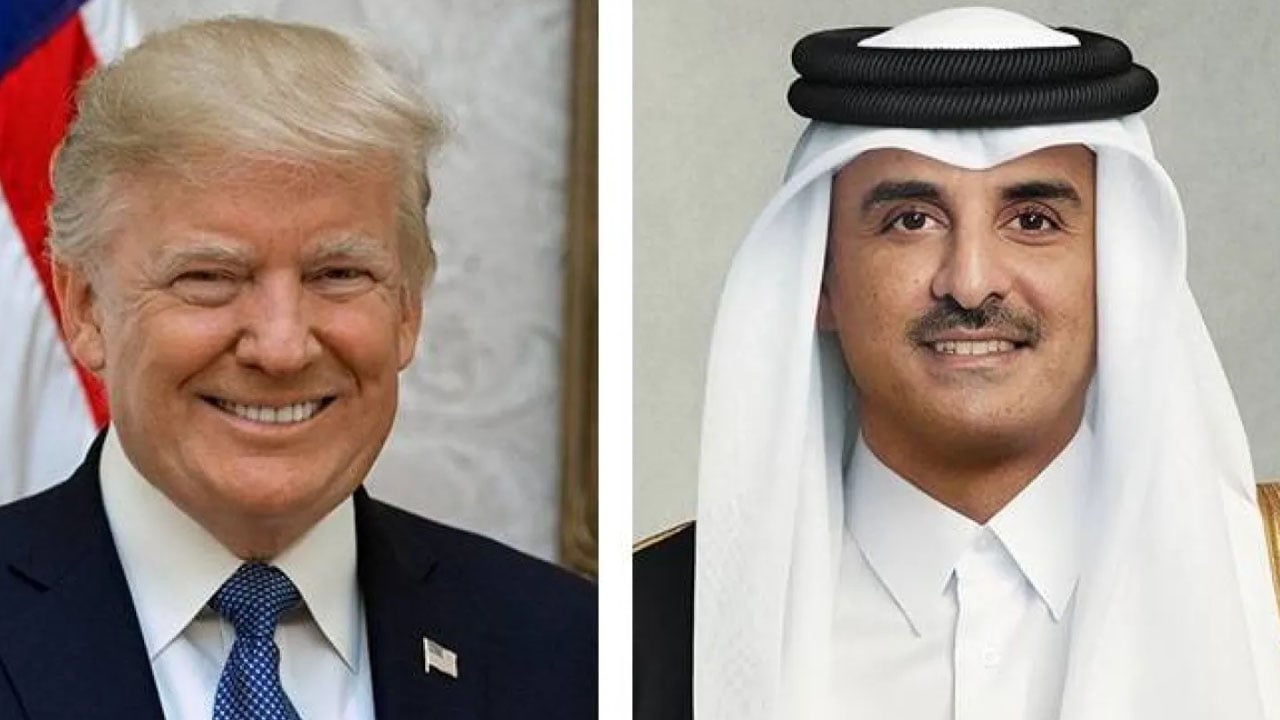
U.S. President Donald Trump held a telephone conversation with Qatar’s Emir Sheikh Tamim bin Hamad Al Thani, during which they discussed regional developments and the ongoing conflict involving Iran. The discussion was confirmed in a statement issued by the Emir’s office, which highlighted the focus on the Iran war and broader Middle Eastern issues. According to the statement, Sheikh Tamim emphasized the importance of prioritizing diplomacy and dialogue among all parties to prevent further escalation in the region. The statement also noted that Trump praised Qatar’s support for Pakistan’s mediation efforts between Washington and Tehran, as well as Doha’s role in easing regional tensions and resolving disagreements. The conversation reflects continuing diplomatic engagement between the United States and Qatar amid heightened regional instability, with both sides signaling interest in de-escalation and mediation efforts.
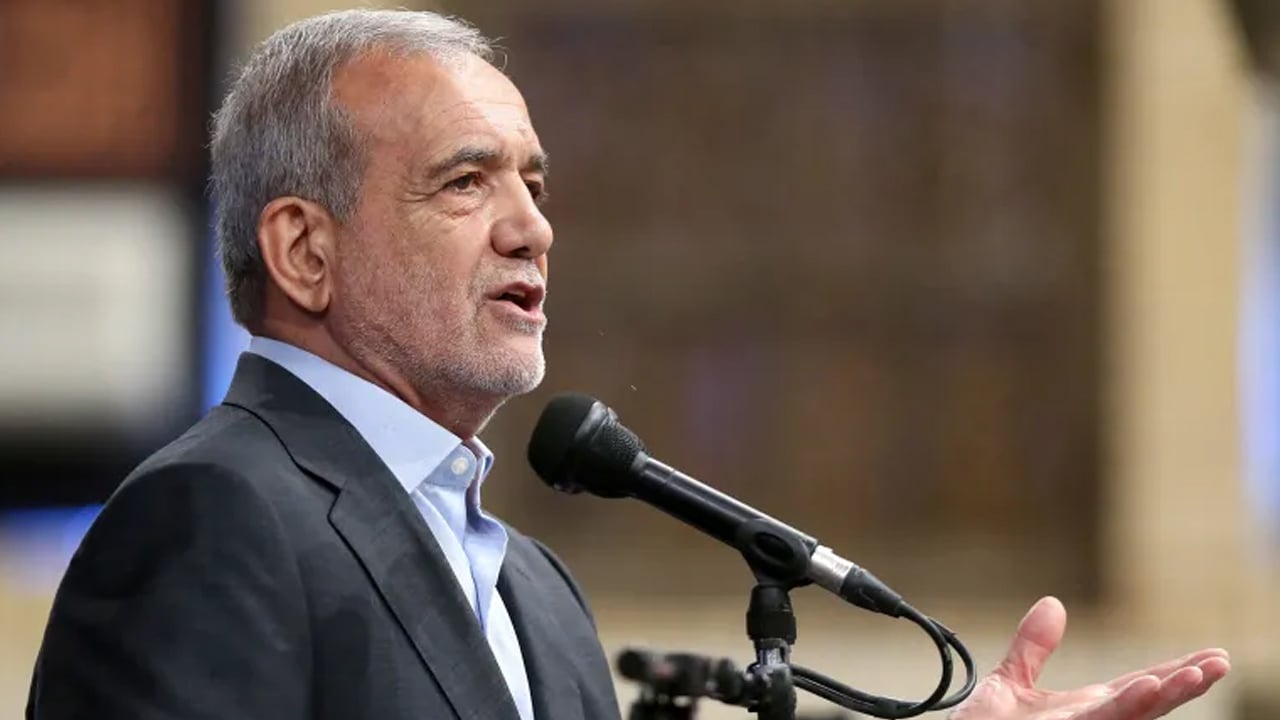
Iranian President Masoud Pezeshkian has accused Israel of fueling instability in the Middle East, according to remarks published by Iran’s state news agency ISNA. He stated that Iran does not seek to develop nuclear weapons and hinted at ongoing diplomatic discussions with the United States, emphasizing that Iran will not engage in diplomacy that diminishes its dignity. Pezeshkian added that standing against the world’s most powerful forces requires accepting adversity and that war cannot be expected to return processes to normal. Meanwhile, the United States and Iran have reportedly reached a preliminary memorandum of understanding to extend their ceasefire by another 60 days and begin talks aimed at a permanent end to the ongoing conflict. U.S. sources told Al Jazeera that the framework awaits final approval from President Donald Trump. If confirmed, it would mark a significant step forward after weeks of stalled diplomacy, though details of the agreement remain unclear.
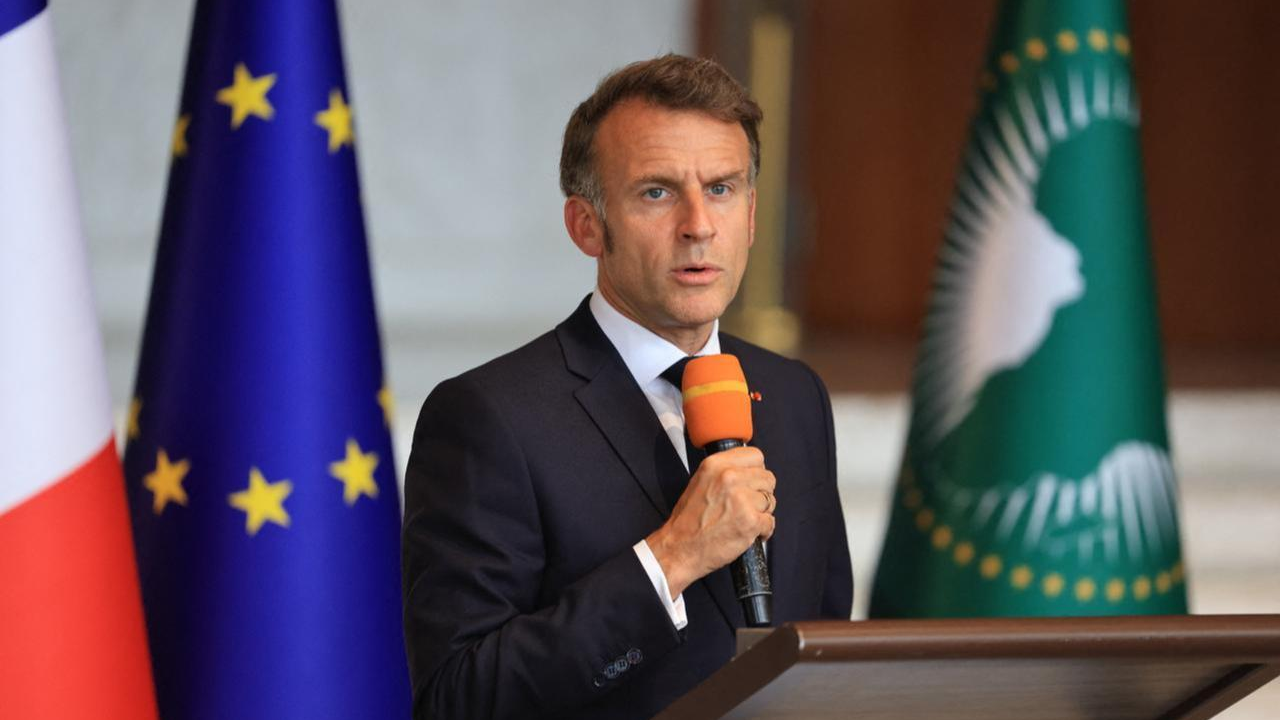
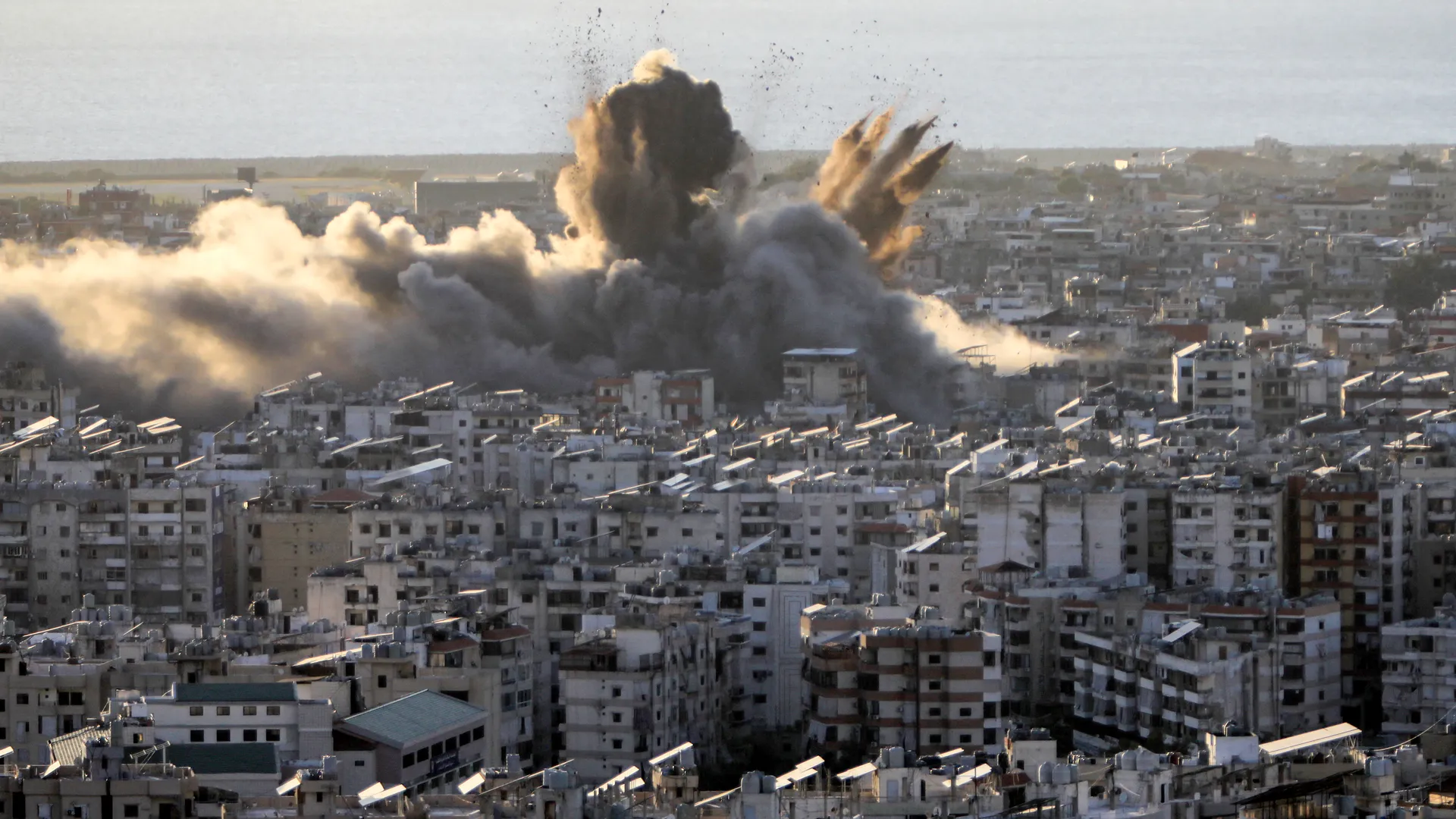
French President Emmanuel Macron has called for an immediate halt to Israel’s ongoing attacks in southern Lebanon, describing the situation as intolerable and unacceptable. Speaking at a joint press conference in Paris with Indonesian President Prabowo Subianto, Macron condemned the strikes as indiscriminate and urged for peace restoration, renewed dialogue, and a lasting solution to the conflict. Both leaders discussed the Lebanon conflict and reaffirmed their countries’ commitment to Lebanon’s stability and sovereignty. France and Indonesia have troops deployed under the United Nations Interim Force in Lebanon (UNIFIL), where both nations have lost soldiers while serving. Macron emphasized that their UNIFIL contingents continue coordinated operations to support peace efforts. According to Lebanon’s Health Ministry, Israeli attacks since March 2 have killed at least 3,324 people, with 55 more deaths after a ceasefire extension on May 17. Macron highlighted the humanitarian crisis, noting over one million displaced people, and urged stronger international efforts to stabilize Lebanon amid continued Israeli military operations despite the ceasefire.
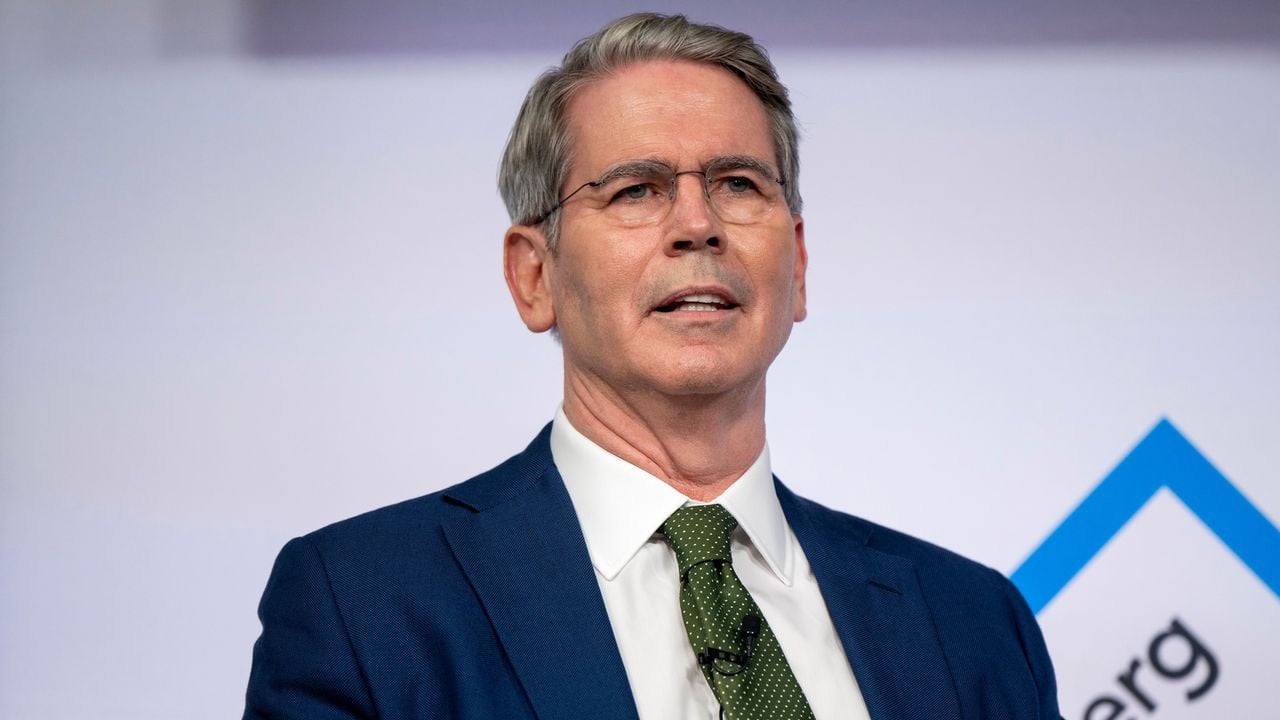
US Treasury Secretary Besent stated that sanctions on Iran will remain until the Strait of Hormuz is reopened and Tehran agrees to transfer its stockpile of highly enriched uranium. He emphasized that no discussions will proceed until normal maritime traffic resumes and Iran commits to handing over the enriched material. Meanwhile, the United States and Iran have reached a preliminary memorandum of understanding to extend their ceasefire by another 60 days and begin talks aimed at a permanent end to ongoing hostilities. According to US sources cited by Al Jazeera, the framework awaits final approval from President Donald Trump. If approved, the agreement would mark a significant breakthrough after weeks of stalled diplomacy, though details of the deal remain unclear.
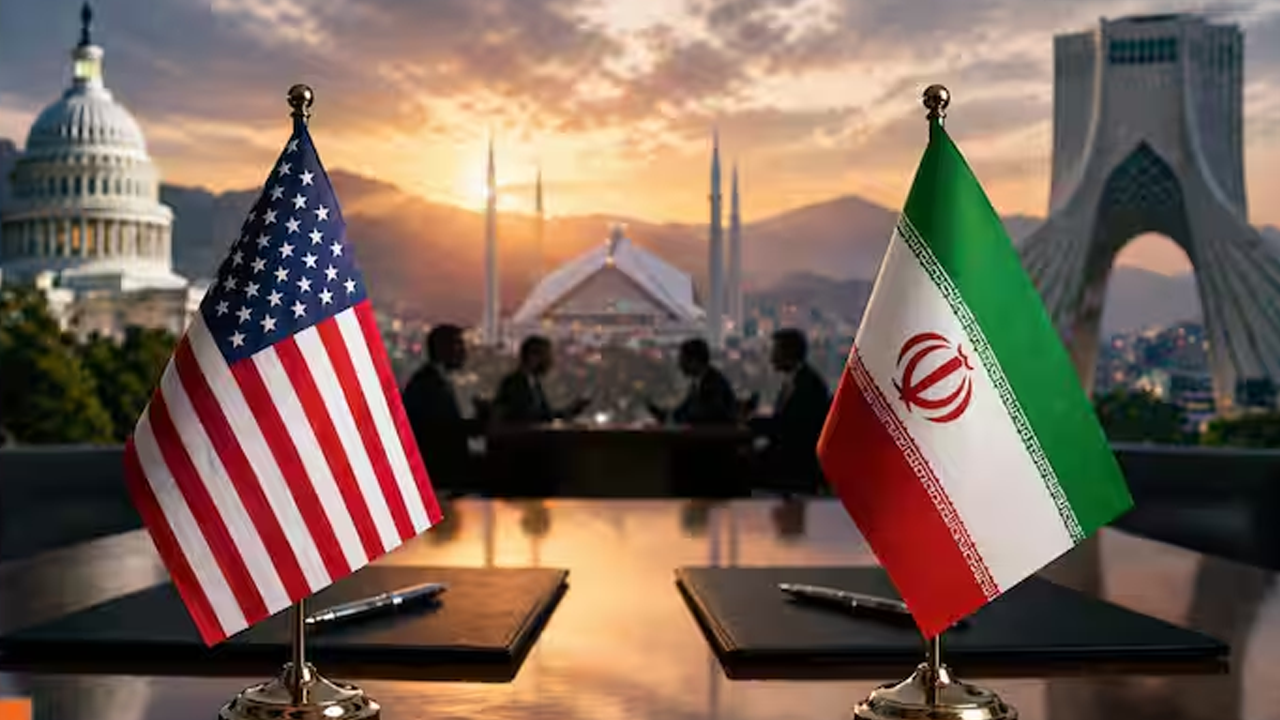
The United States and Iran have reached a preliminary memorandum of understanding to extend their ceasefire by 60 days and begin talks aimed at a permanent end to ongoing hostilities. According to US sources cited by Al Jazeera, the framework awaits final approval from President Donald Trump. The agreement follows weeks of stalled diplomacy and recent limited clashes between the two nations in the Gulf region. Details of the deal remain unclear, including whether the 60-day extension will serve as a negotiation period. Axios first reported the agreement, later confirmed by the White House. The terms reportedly include unrestricted navigation through the Strait of Hormuz and the lifting of US naval blockades on Iranian ports. However, Iran’s semi-official Tasnim news agency denied that any deal had been finalized, saying Tehran would announce it through Pakistani mediators if confirmed. Iranian President Masoud Pezeshkian reiterated that Iran is not seeking nuclear weapons. The memorandum could ease tensions in the Strait of Hormuz but leaves unresolved issues such as US sanctions, Iran’s uranium stockpile, and the ongoing conflict in Lebanon involving Hezbollah and Israel.
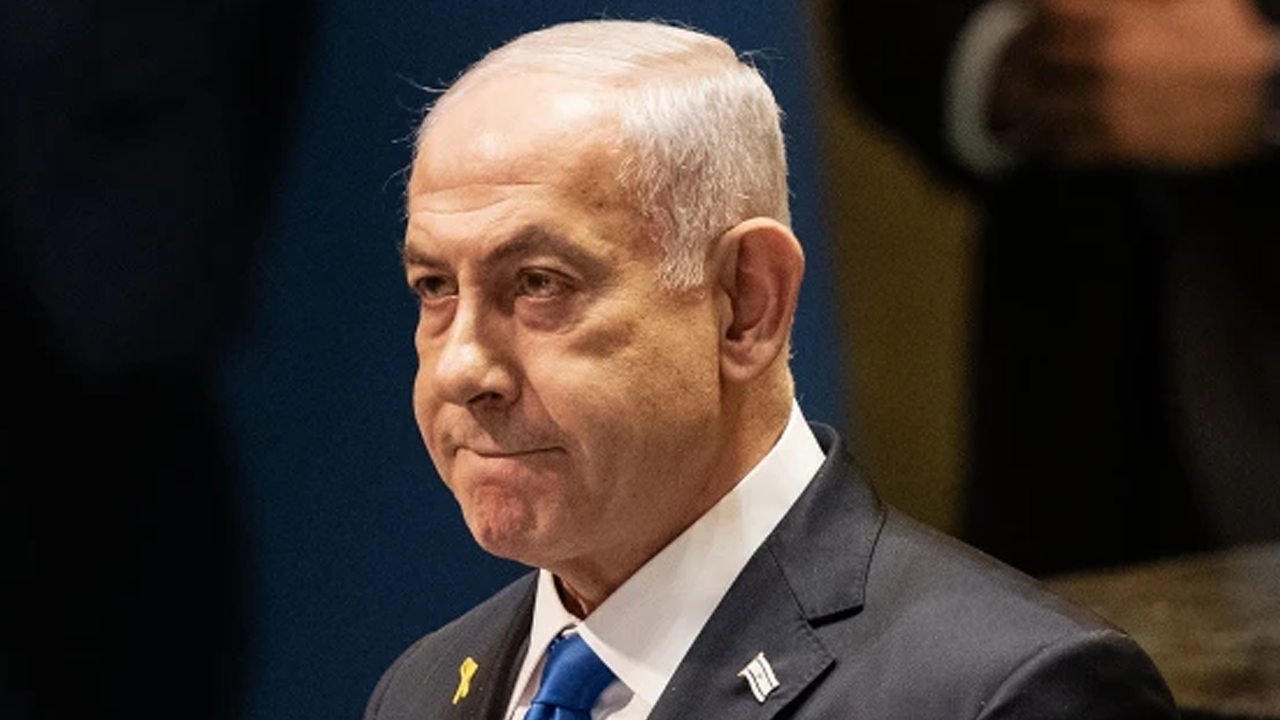
Israeli Prime Minister Benjamin Netanyahu has directed the country’s military to expand its control over 70 percent of the Gaza Strip, according to footage broadcast by Israel’s Channel 12. In the recording, Netanyahu stated that Israel currently holds 60 percent of Gaza and aims to increase that to 70 percent. When an audience member called for full control of Gaza, Netanyahu replied that the expansion would proceed gradually, beginning with 70 percent. Reports from The Times of Israel and Al Jazeera indicate that Israel had already extended its control beyond the “yellow line” established in the October 2025 ceasefire agreement mediated by the United States. By March, Israeli forces had expanded their presence to 64 percent of Gaza. The ongoing occupation has left Palestinians unable to access nearly two-thirds of their territory, worsening conditions for the enclave’s two million residents. The UN Office for the Coordination of Humanitarian Affairs described Gaza’s humanitarian situation as extremely fragile, with displaced families living in overcrowded shelters and facing severe shortages of clean water. UN envoy Nickolay Mladenov warned that the crisis risks becoming permanent and urged international action to enforce the ceasefire and ensure humanitarian access.
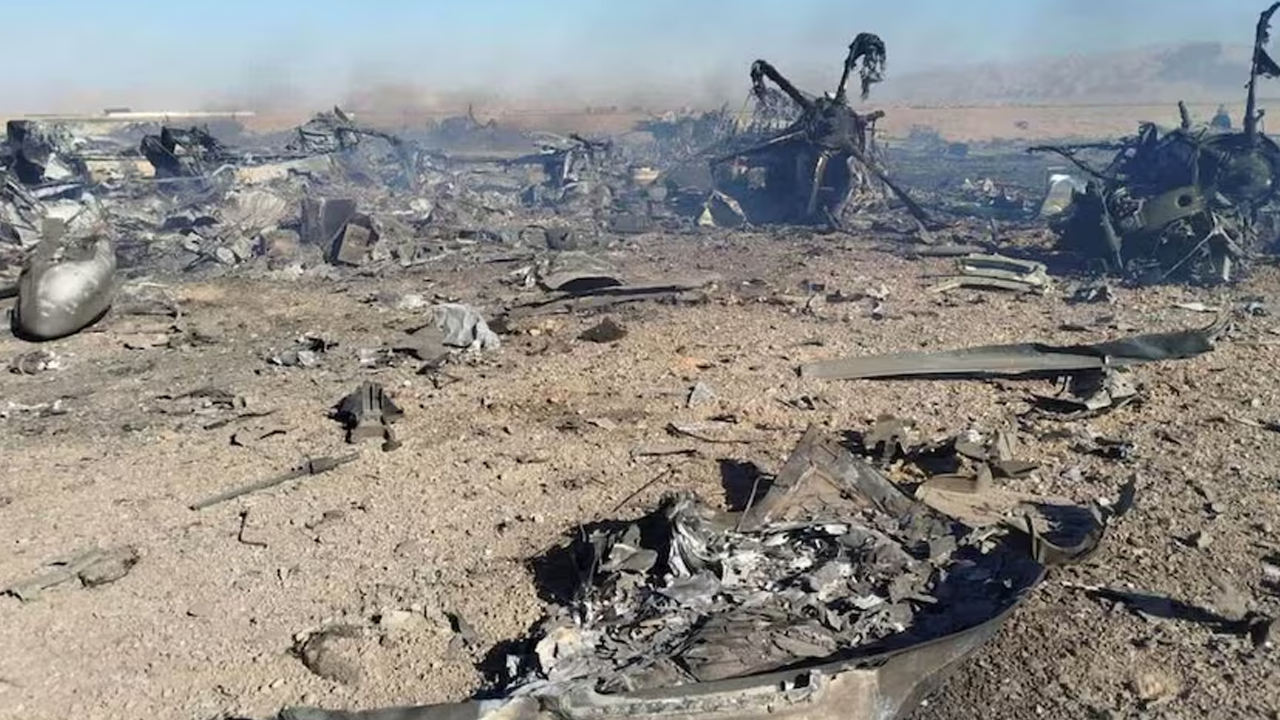
Iran’s state television reported that its air defense forces shot down a “hostile aircraft” early Friday over Jam in Bushehr province. The report cited local governor Masoud Tangestani, who said the country’s defense system successfully targeted the aircraft. The incident was described as a defensive response to an unidentified aerial threat. The United States has denied Iran’s claim. According to a Reuters report quoting a U.S. official, no American aircraft was downed near Bushehr province. The U.S. Central Command (CENTCOM) also rejected the Iranian media reports in a post on social media platform X, calling them inaccurate. The conflicting statements have drawn attention to rising tensions between the two countries, though neither side provided further evidence or details about the alleged incident.
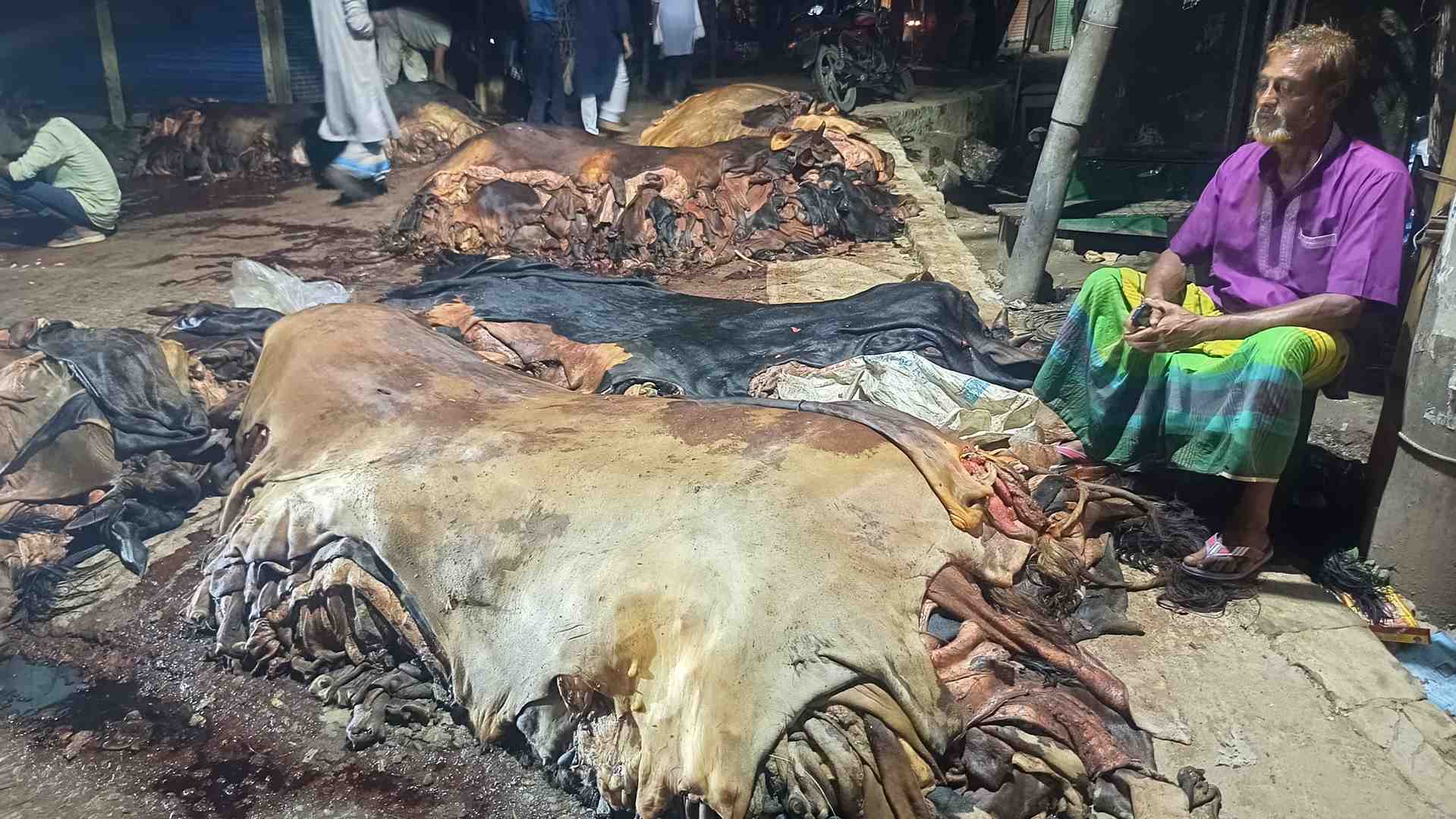
A severe slump has hit the sacrificial animal hide market in Taraganj upazila of Rangpur, where thousands of unsold hides now lie abandoned along roadsides due to the absence of fair prices. The Kursha market, once bustling during Eid, has turned stagnant amid a shortage of buyers, leaving seasonal traders, farmers, and small sellers facing heavy losses. Local traders report that good-quality cowhides are selling for only 300 to 350 taka, while lower-quality or damaged hides fetch between 100 and 150 taka. Compared with last year, prices have dropped sharply, creating a major imbalance between buyers and sellers. Across five unions of Taraganj, hides have been left piled up in courtyards, mosque grounds, and near shops, raising environmental and health concerns. Traders expressed frustration, saying they had purchased hides with high expectations but now face losses even at purchase prices. Many fear that if the situation continues, sustaining their businesses will become increasingly difficult.

Seasonal leather traders in Nabinagar upazila of Brahmanbaria are struggling to sell sacrificial animal hides after purchasing them from households during the recent Eid season. On Thursday, May 28, hundreds of traders were seen waiting late into the night beside roads with piles of raw hides but without any buyers. Despite the government’s decision to raise the price of salted cowhide outside Dhaka by two taka to 60 taka per square foot, traders said the increase had no impact in rural areas. Local traders expressed frustration over the lack of wholesale buyers and government support for preservation. One trader said they had not received any salt to store the hides and might have to discard them if unsold overnight. Others alleged that syndicates among wholesalers were destroying the leather trade, leaving small seasonal traders in financial distress. Some traders reported buying hides for 200–300 taka each but being forced to sell at nearly the same price, resulting in losses after a full day’s labor.
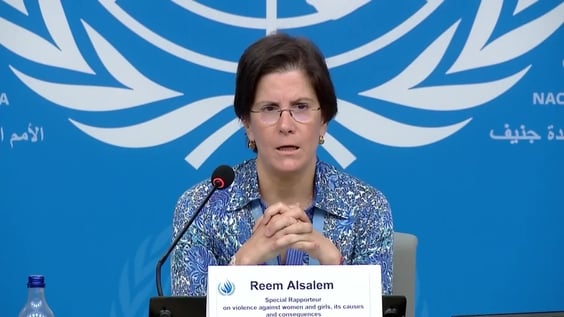
UN Special Rapporteur on violence against women and girls, Reem Alsalem, has welcomed the decision to include Israel on the United Nations blacklist for alleged sexual violence against Palestinians. In a post on social media platform X, Alsalem said the listing was long overdue and expressed disappointment that it had taken so long to happen. She stated that independent documentation and verification had confirmed widespread, systematic, and horrific sexual violence committed by Israeli forces against Palestinian women, men, and children. The decision follows reports that Israel announced it would cut all communication with UN Secretary-General António Guterres after being added to the list of countries linked to sexual violence in conflict zones. Human rights organizations have previously reported extensive and systematic sexual violence during Israel’s ongoing attacks in Gaza and against detained Palestinians, particularly in Israeli detention facilities, raising international concern.
Social Welfare and Women and Children Affairs Minister Professor Dr. A Z M Zahid Hossain inaugurated a leaflet distribution campaign on dengue and measles awareness in Dinajpur. The initiative was organized by the Dinajpur district branch of Doctors Association of Bangladesh (DAB) on Thursday, May 28, 2026, at 8 p.m. in front of the minister’s residence in Nawabganj upazila. The event was part of a public awareness program marking the 45th martyrdom anniversary of the late President Ziaur Rahman. Several local medical professionals and DAB leaders attended the inauguration, including Dr. Hafizul Islam, Dr. Mohammad Ziaul Haque Zia, Professor Dr. Sheikh Sadek Ali, Dr. Nurul Islam, Dr. Nur Alam Jamiul, Dr. Shafiul Islam, Dr. Shah Adiluzzaman Tarek, and Dr. Golam Rabbani. According to DAB Dinajpur’s member secretary, additional welfare activities will be held on May 30, including a tree plantation program, a special meal for orphans, and a prayer gathering at Dinajpur Medical College Central Mosque. These initiatives aim to promote public health awareness and commemorate the late president’s contribution through community welfare programs.

Several Qawmi, Hafezia, and orphanage-based madrasas in Sitakunda have collected sacrificial animal hides during Eid-ul-Azha, but are now struggling to sell them due to falling market prices, rising preservation costs, labor shortages, and lack of buyers. Many administrators said the hides, once a source of support for orphans and poor students, have become a financial burden. Some institutions fear the hides may rot if unsold. According to madrasa officials, each hide costs between Tk 130 and Tk 350 to collect and preserve, while market prices are often equal to or lower than these costs. One madrasa reported selling hides at Tk 200 each after failing to attract city buyers. The Sitakunda administration distributed 25 tons of salt to four madrasas to aid preservation, but manpower shortages limited its use. Stakeholders noted that hide sales are a key annual income source for madrasas and orphanages, funding food, clothing, and education for orphans. They urged government action to ensure fair prices, proper collection, and coordination with tanneries to prevent future losses.

Four Bangladeshi citizens were seriously injured in an Israeli air and drone attack in southern Lebanon. The strike took place on Thursday in the Navaniya area, targeting a residential location. According to the Bangladesh Embassy in Beirut, the injured include one man, one woman, and two children. Among them are Momin Mia from Brahmanbaria and Joyena Akter from Narsingdi. The woman reportedly lost her leg in the explosion. The embassy is working to collect further details about the victims. The injured individuals were initially taken to Ragheb Harb Hospital in Nabatieh and are scheduled to be transferred to Saida on Friday. The report did not provide additional information about the circumstances of the attack or the broader situation in the area. Further updates are expected as the embassy continues to gather information about the condition of the injured Bangladeshis and the aftermath of the strike.
Eid al-Adha in West Bengal was observed under markedly different circumstances this year following the formation of the new BJP government. The administration introduced major changes to animal slaughter and festival observance rules, leading to subdued celebrations. The traditional Eid congregation at Kolkata’s Red Road was canceled, with prayers held instead at Brigade Maidan under tight security, amid unease within the Muslim community. The government strictly enforced the 1950 animal slaughter law, banning cattle killing without prior approval and prohibiting public or open-air slaughter. The Supreme Court supported the stance, declaring cow sacrifice not an essential religious practice. As a result, cattle markets were nearly empty and sales sharply declined. In a symbolic shift, Chief Minister Suvendu Adhikari did not issue Eid greetings and spent the day performing cow service at ISKCON Mayapur, sharing videos on social media. Social media posts reflected widespread disappointment and emotional distress among Muslims, with some describing the situation as “majoritarian fascism” and expressing hope for the return of traditional Eid practices in the future.

A Bangladeshi currently in India for medical treatment shared his distress on social media after being unable to find beef or mutton during Eid-ul-Azha. While his family in Bangladesh celebrated the festival, he spent the day alone and unable to prepare a special meal for his young child. Despite visiting several markets from the previous afternoon until after Eid prayers, he could not buy even one or two kilograms of meat. According to his account, he traveled nearly 40 kilometers but failed to find beef or even a kilogram of mutton. In his search, he also forgot to buy chicken. He expressed deep sadness that for the first time in his life, Eid and Qurbani passed without celebration or sacrifice. The report notes that many expatriates living abroad for treatment or work experience similar loneliness during Eid, but his inability to bring joy to his child made this festival especially painful.

The ‘1 Nojor’ media platform is now live in beta, inviting users to explore and provide feedback as we continue to refine the experience.