

The ‘1 Nojor’ media platform is now live in beta, inviting users to explore and provide feedback as we continue to refine the experience.
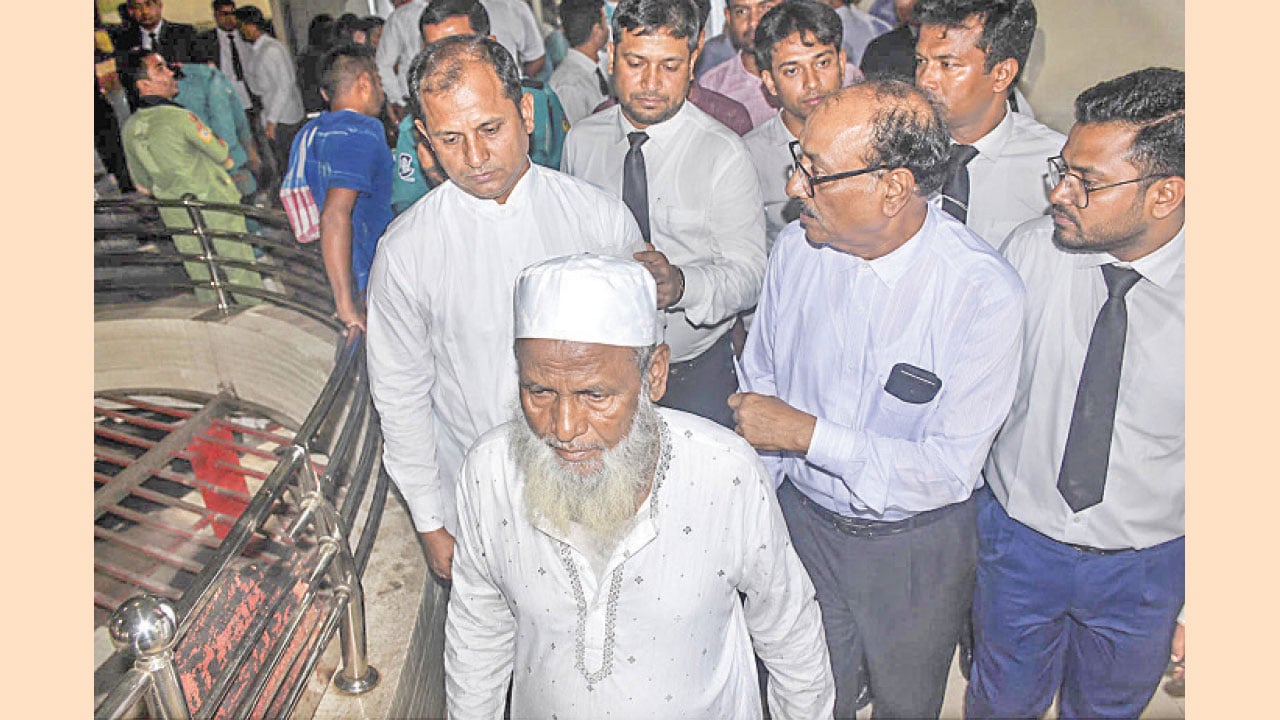
Nearly 80-year-old Jamal Uddin continues to travel monthly from Lohagara to the Chattogram court seeking justice for his slain son, lawyer Saiful Islam Alif. Despite his frail health, he attends every hearing of the murder case, which is being tried at the Chattogram Divisional Speedy Trial Tribunal. However, repeated adjournments have left him disheartened, as the case remains stalled at the witness examination stage. The court session on Wednesday again saw a delay when defense lawyer Apurba Kumar Bhattacharya sought time citing illness. The tribunal rejected the plea, closed Jamal Uddin’s testimony, and issued summons for the next witness, setting June 24 as the next hearing date. Since the charge was framed on January 19, the defense has sought time six times for cross-examination. The prosecution expressed frustration over the repeated delays, saying they have caused immense distress to the elderly plaintiff. Human rights lawyer Jamal Hossain noted that over a hundred thousand cases remain pending in Chattogram courts, with frequent adjournments and procedural complexities prolonging trials. The 2024 killing of Alif by followers of sedition-accused Chinmoy Krishna Das continues to raise concerns about judicial delays and victims’ suffering.
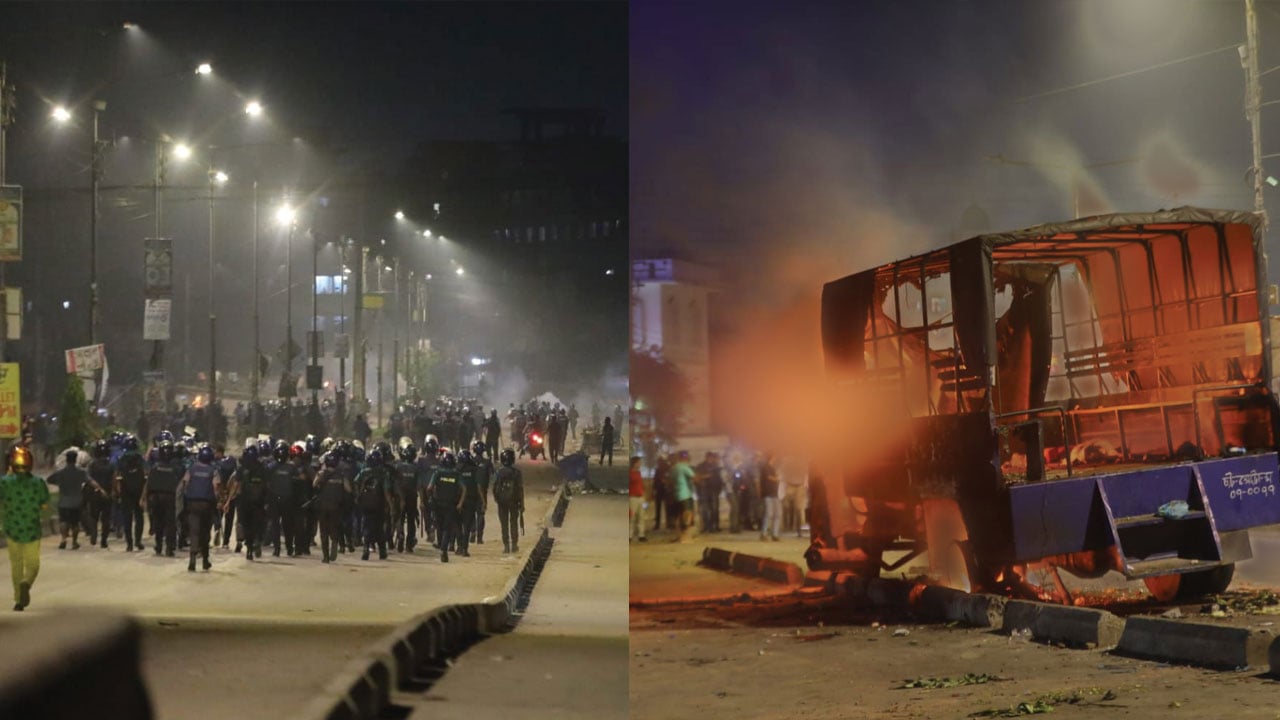
Chattogram’s Bakolia area turned into a scene of unrest for more than eight hours following the alleged rape of a three-year-old girl. Protesters clashed repeatedly with police, throwing bricks while officers responded with rubber bullets, pellets, sound grenades, and tear gas, leaving at least ten people injured. The agitated crowd set a police vehicle on fire and attacked several cars and buildings. The situation calmed by morning, but additional police forces were deployed to maintain order. Police took the accused, Monir Hossain, into custody late at night by cutting power to the area and disguising him in police uniform for security reasons. He is expected to be presented before court around midday, though the exact time remains undisclosed. Two cases are being prepared—one over the rape and another over the clashes. Authorities are also considering a virtual court appearance if security risks persist. The incident occurred Thursday evening at a building in Bakolia when the child was alone with her grandmother. Local residents captured the suspect and handed him to police, sparking the violent confrontation that spread across nearby roads and lasted until early morning.
International oil prices increased again as negotiations between the United States and Iran over Tehran’s uranium stockpile and the Hormuz Strait remained deadlocked. According to an Al Jazeera report cited on May 22, 2026, investor uncertainty over the lack of progress in the talks contributed to the price surge. On Friday, the global benchmark Brent crude rose by 2.3 percent, or 2.38 dollars, reaching 104.96 dollars per barrel. At the same time, the price of US West Texas Intermediate (WTI) crude increased by 1.8 percent, or 1.73 dollars, to 98.08 dollars per barrel. The rise followed a nearly 2 percent drop in both benchmarks on Thursday, which had brought prices to their lowest level in about two weeks. The report indicates that the continuing diplomatic stalemate between Washington and Tehran is keeping investors cautious, with energy markets responding to the uncertainty surrounding the region and its potential impact on global oil supply routes.

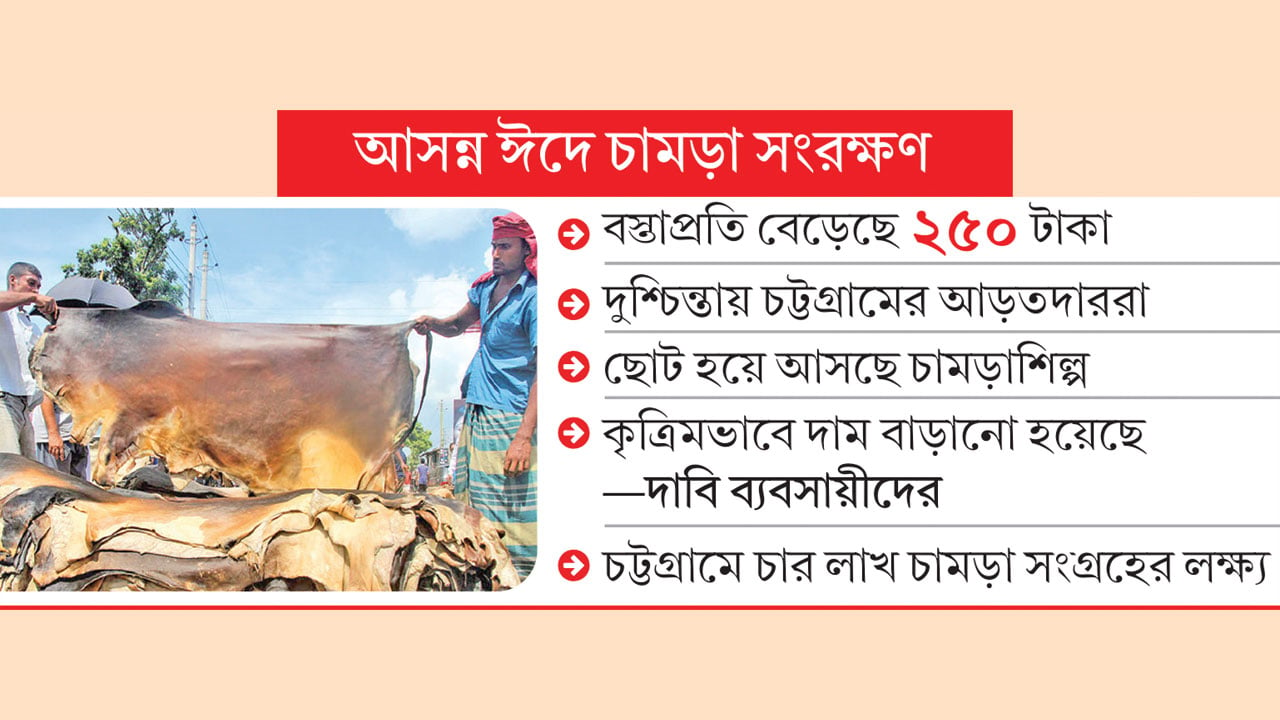
In Chattogram, the price of open salt used for preserving raw hides has sharply increased ahead of Eid-ul-Azha, despite reports of sufficient stock. Traders said the price per 74-kg sack has risen from Tk 680–700 during the last Eid-ul-Fitr to Tk 930–950 now, an increase of Tk 200–250 per sack. They alleged that mill owners and business syndicates have artificially raised prices, creating difficulties for hide traders who rely heavily on salt for preservation. According to the Bangladesh Small and Cottage Industries Corporation (BSCIC) Chattogram office, the district currently holds 8,670 tons of refined salt and 64,000 tons of crude salt, which is more than enough to meet the estimated 5,322-ton demand during the upcoming Eid. However, traders said the price hike is squeezing their profit margins, as tannery owners have not raised hide prices accordingly. Many wholesalers are reportedly winding up their businesses due to mounting losses and unpaid dues from Dhaka tanneries. BSCIC officials said heavy rainfall has occasionally disrupted salt production, but there is no shortage in the market. The administration plans to monitor prices jointly with local authorities to prevent manipulation.
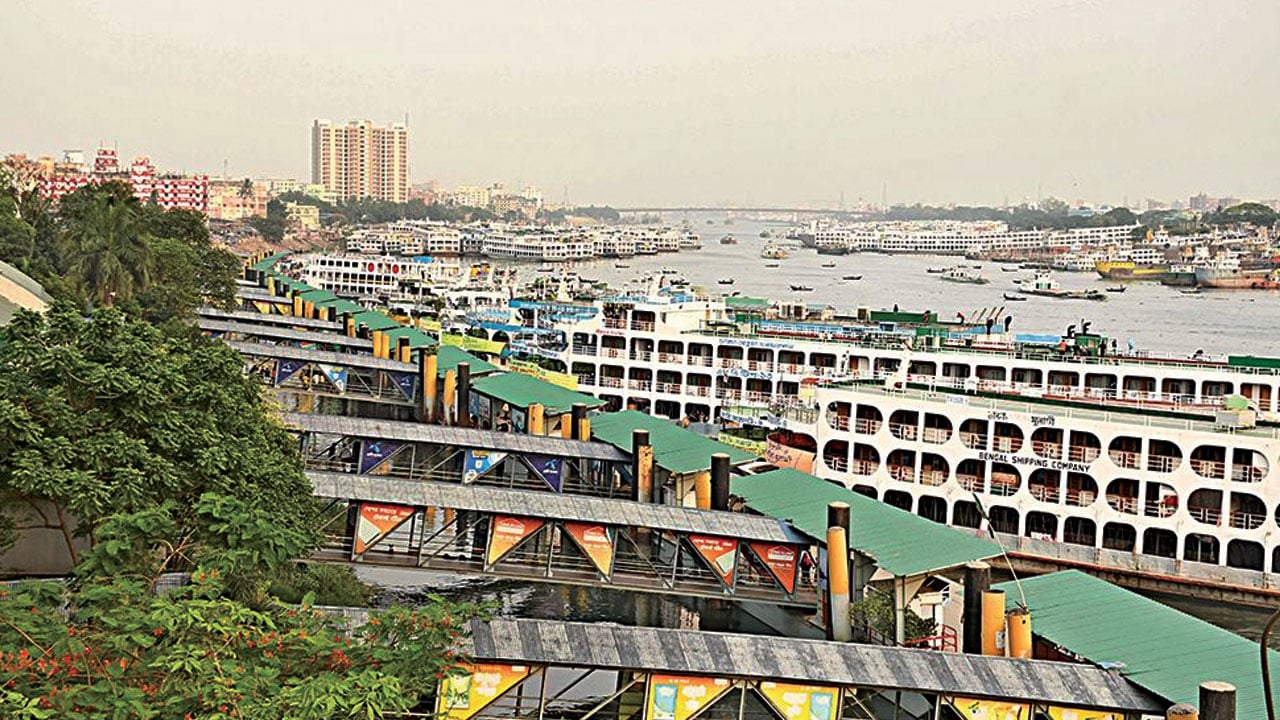
A recent nationwide survey has revealed that more than 90 percent of motorized vessels operating in Bangladesh are unregistered. Out of 244,660 motorized boats identified, only 22,298 are registered under the Department of Shipping. The findings, released on May 22, 2026, indicate that most vessels operate without approved designs, safety checks, or certified crews, posing serious safety and revenue concerns. The survey, conducted by the Bangladesh Bureau of Statistics under the Department of Shipping’s project to build a vessel database, was carried out from May 4 to 17 across the country. It identified around 25 types of vessels, including cargo ships, passenger launches, speedboats, dredgers, and ferries. Experts warned that unapproved vessel construction and operation create significant safety risks and deprive the government of substantial revenue. Officials noted that data collection is still ongoing in remote and hilly areas, suggesting the total number of vessels may increase slightly once the survey is complete.
A new French study published in the European Heart Journal has found that common preservatives used in store-bought foods are associated with increased risks of high blood pressure, heart attack, and stroke. The research, part of the ongoing NutriNet-Santé study in France since 2009, analyzed data from more than 112,000 participants aged over 15 and examined the effects of 58 preservatives on heart health. It found that preservatives could raise hypertension risk by 29 percent and heart attack or stroke risk by 16 percent. The study identified both synthetic and so-called natural antioxidant preservatives, such as citric acid and ascorbic acid, as contributors to elevated blood pressure. Lead researcher Mathilde Touvier from France’s National Institute of Health and Medical Research noted that naturally occurring compounds in fruits and vegetables differ from chemically produced additives. Co-author Anaïs Hasenböhler added that preservatives are widely used beyond ultra-processed foods, making dietary avoidance difficult. Researchers also linked several preservatives, including sodium nitrite and potassium metabisulfite, to cancer and type-2 diabetes in earlier studies. Experts cautioned that the findings are observational and do not prove causation, calling for further investigation.

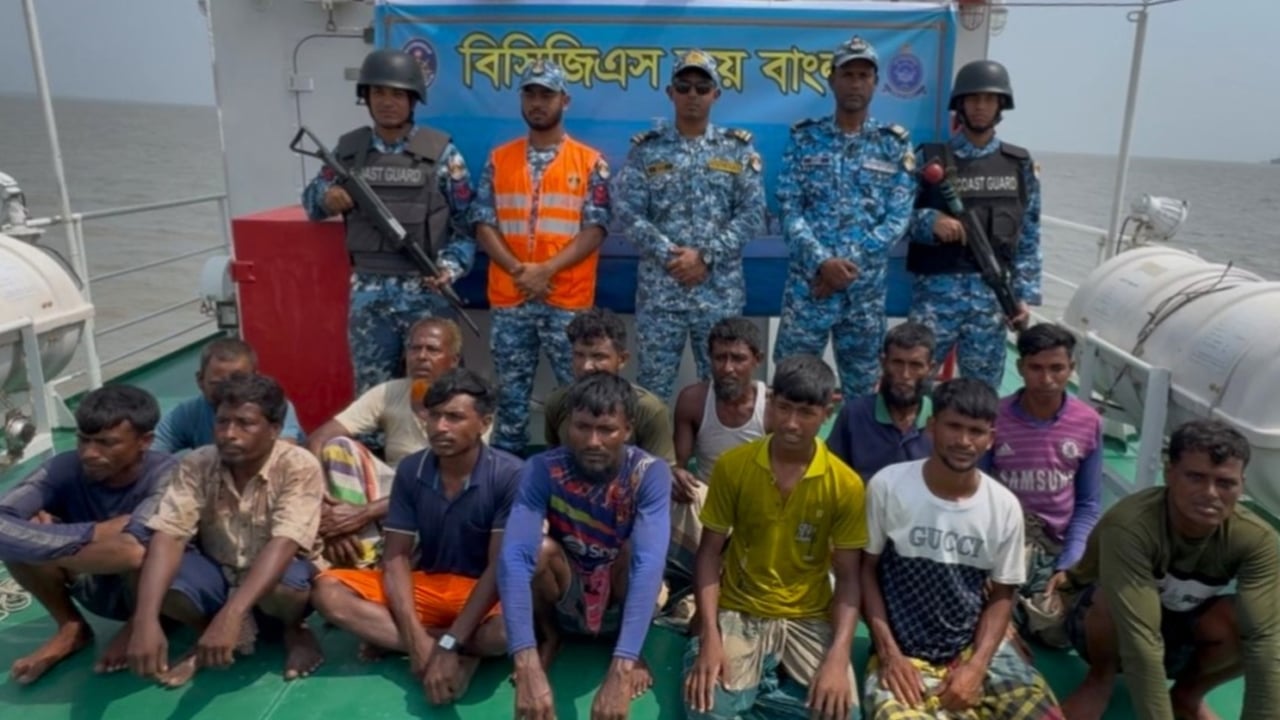
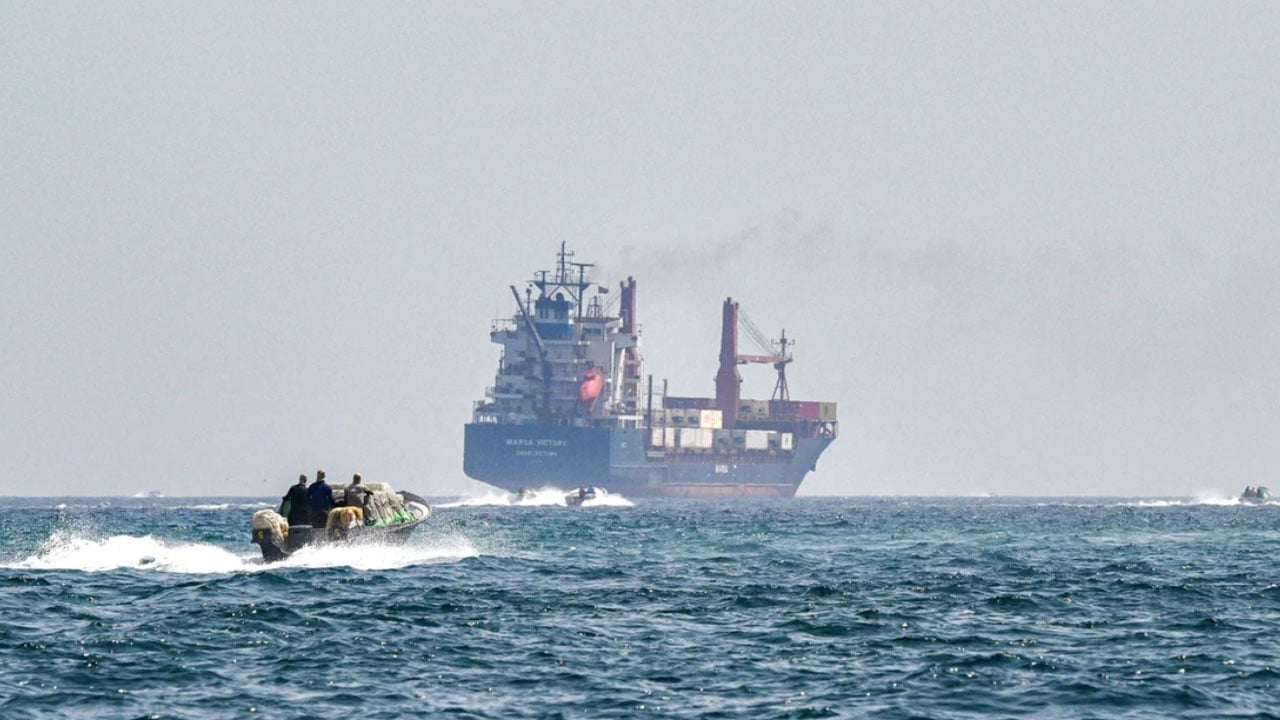
The Bangladesh Coast Guard rescued 14 fishermen who had been adrift in the deep sea for three days after their fishing boat’s engine failed. The rescue took place on Thursday, May 21, when the Coast Guard vessel 'Joy Bangla' detected the stranded boat by radar near the western waters of Kutubdia. The fishermen were provided with food and primary medical care after being brought to safety. According to Coast Guard media officer Lieutenant Commander Sabbir Alam Sujon, the boat had departed from Alexander Canal in Lakshmipur on May 18, violating the government’s 58-day fishing ban in Bangladesh’s maritime zone, which runs from April 15 to June 11 to protect marine resources. The Coast Guard has been conducting regular patrols to enforce this ban and ensure sustainable fishing practices. Authorities stated that legal procedures are underway against the rescued fishermen and their vessel. The Coast Guard reaffirmed its commitment to continue similar operations for marine resource protection and emergency rescues in the future.
The Indian rupee has depreciated significantly over the past year, losing about 10 percent of its value against the Bangladeshi taka and nearly 12 percent against the Pakistani rupee, according to a report by The Economic Times published on May 22, 2026. The rupee also hit a record low of 96.96 per US dollar last Wednesday. Analysts attribute the decline to global economic uncertainty, rising crude oil prices, and reduced foreign investment inflows. Experts note that India’s heavy reliance on imported energy has made its currency vulnerable to oil price fluctuations. The ongoing stalemate in Iran–US peace talks and higher international bond yields have further driven investors away from emerging markets, putting additional pressure on the rupee. Economists warn that the depreciation could raise costs for overseas education, travel, imported goods, and international business transactions. Analysts suggest that if import costs continue to outpace export earnings and foreign capital inflows, India’s current account deficit could deepen. The rupee’s short-term volatility is expected to persist as global geopolitical conditions, inflation, and investment trends evolve in the coming months.

A Chattogram financial loan court has issued a five-month civil imprisonment warrant against 11 individuals, including controversial industrialist Saiful Alam, also known as S Alam, for failing to repay a defaulted loan of about Tk 84.49 crore owed to Islami Bank. The order was delivered on Thursday by Judge Md Helal Uddin of Financial Loan Court-1, confirmed by the court’s bench assistant Md Ershad. According to court sources, Islami Bank filed the case on January 20 of this year after the defendants failed to repay the loan. The bank later applied for a civil sentence under Section 34 of the Financial Loan Court Act, 2003, as no movable or immovable assets belonging to the defendants could be found and the loan remained unpaid. The court granted the application and issued the warrant. The accused include S Alam, several family members, and associates linked to S Alam Group and Oji Travels Limited. Previous court orders had already frozen their bank accounts and seized properties amid multiple corruption and money laundering allegations during the former Awami League government.

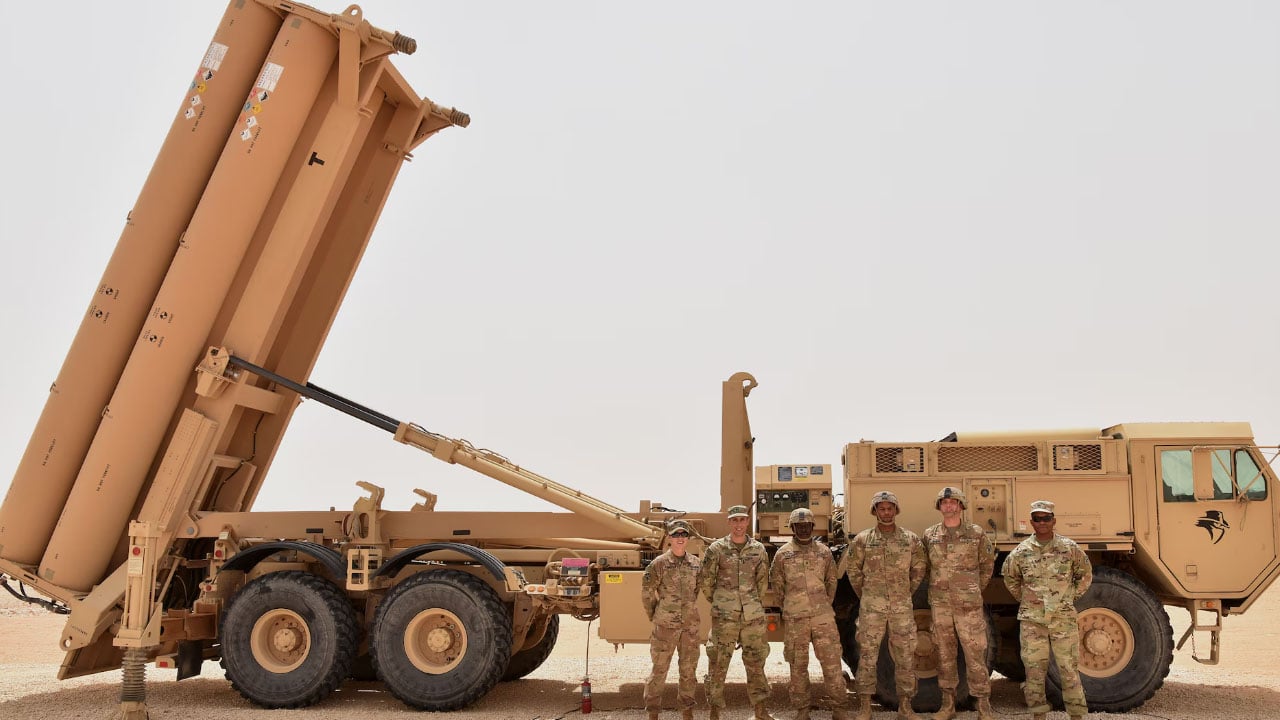
The United States reportedly used about half of its advanced missile defense interceptors while defending Israel during its war with Iran, according to a Washington Post report published on May 22, 2026. The report stated that US forces launched more than 200 THAAD interceptors to destroy Iranian missiles targeting Israel, representing nearly half of the Pentagon’s total stockpile. Additionally, over 100 Standard Missile-3 and Standard Missile-6 interceptors were fired from US naval vessels in the eastern Mediterranean. The report added that Israel relied less on its own defense systems during the conflict. Israeli forces launched fewer than 100 Arrow interceptors and around 90 David’s Sling missiles. A US official, speaking anonymously, told the Washington Post that if another war with Iran breaks out, the United States may need to deploy even more interceptors because Israel has decided to withdraw some of its missile defense batteries for maintenance. The information was originally cited by Middle East Eye, which referenced the Washington Post’s findings.
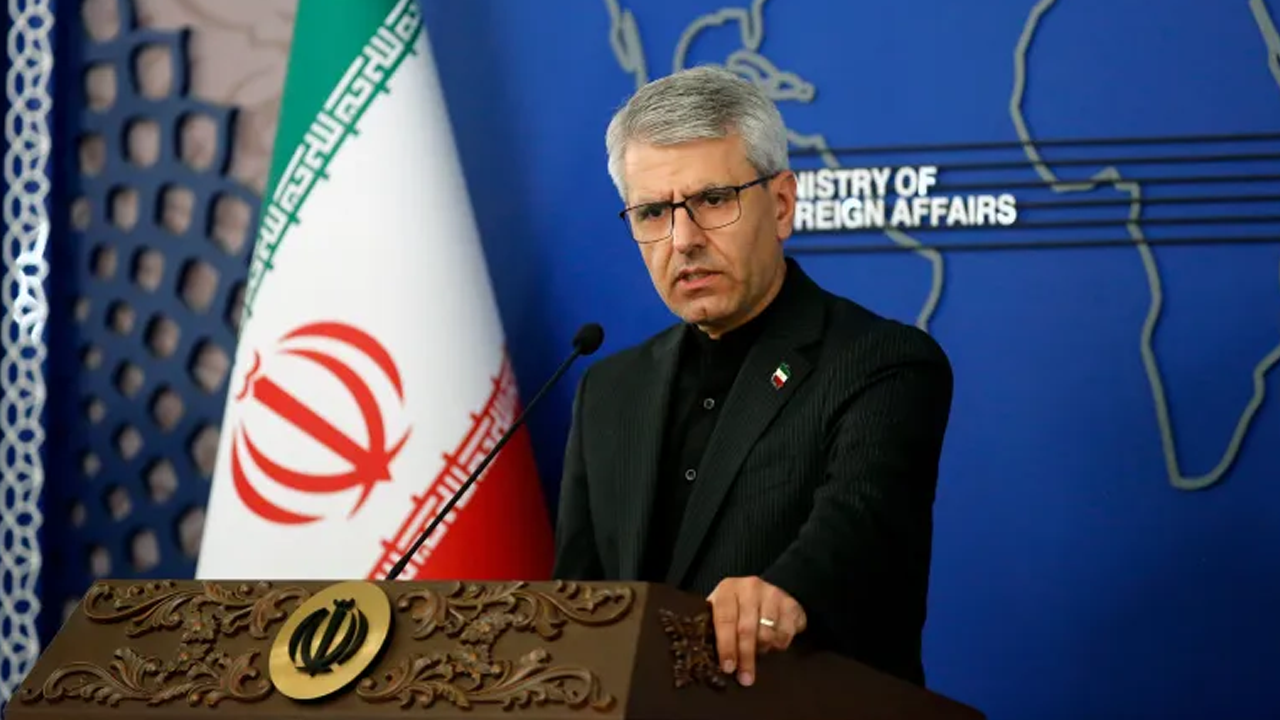
Iran has strongly condemned a joint US-Israeli attack on the Pasteur Institute of Iran, a historic medical research center in Tehran, calling it a clear war crime. The statement came from Foreign Ministry spokesperson Esmail Baghaei, who said the assault targeted Iran’s civilian health, science, and basic survival rights. The attack reportedly occurred in March and left the facility completely inoperative. Baghaei’s remarks followed a report in the medical journal The Lancet, which warned that the destruction of the institute posed a major threat to regional health security. According to the journal, the World Health Organization confirmed that the institute was rendered fully nonfunctional after the bombing and could no longer provide health services. The report also noted that Iran’s public health system was already fragile due to years of international sanctions, and the airstrike further devastated its capacity to serve the population.
Bangladeshi International Master (IM) Mohammad Fahad Rahman, a student of Sonargaon University’s Fashion Design Department, has achieved his second Grandmaster (GM) norm. He secured the milestone through an outstanding performance at the Fubi Academy Norm Chess Tournament held in Istanbul, Turkey. Competing in a round-robin format, Fahad scored seven points out of nine games, remaining undefeated and emerging as the tournament champion. Fahad had previously earned his first GM norm at the Hanoi Grandmasters Chess Tournament in Vietnam in March 2024. His latest success follows years of consistent participation in both domestic and international events. In a prior tournament, he narrowly missed achieving a norm in the final round, but this time he maintained composure and confidence to secure victory. A crucial win in the eighth round against Iranian International Master Pour Agha Bala Amirreza, rated 2453, paved the way for his success. Sonargaon University expressed deep pride in Fahad’s achievement, stating that his success will inspire other students and strengthen Bangladesh’s presence in the international chess arena.

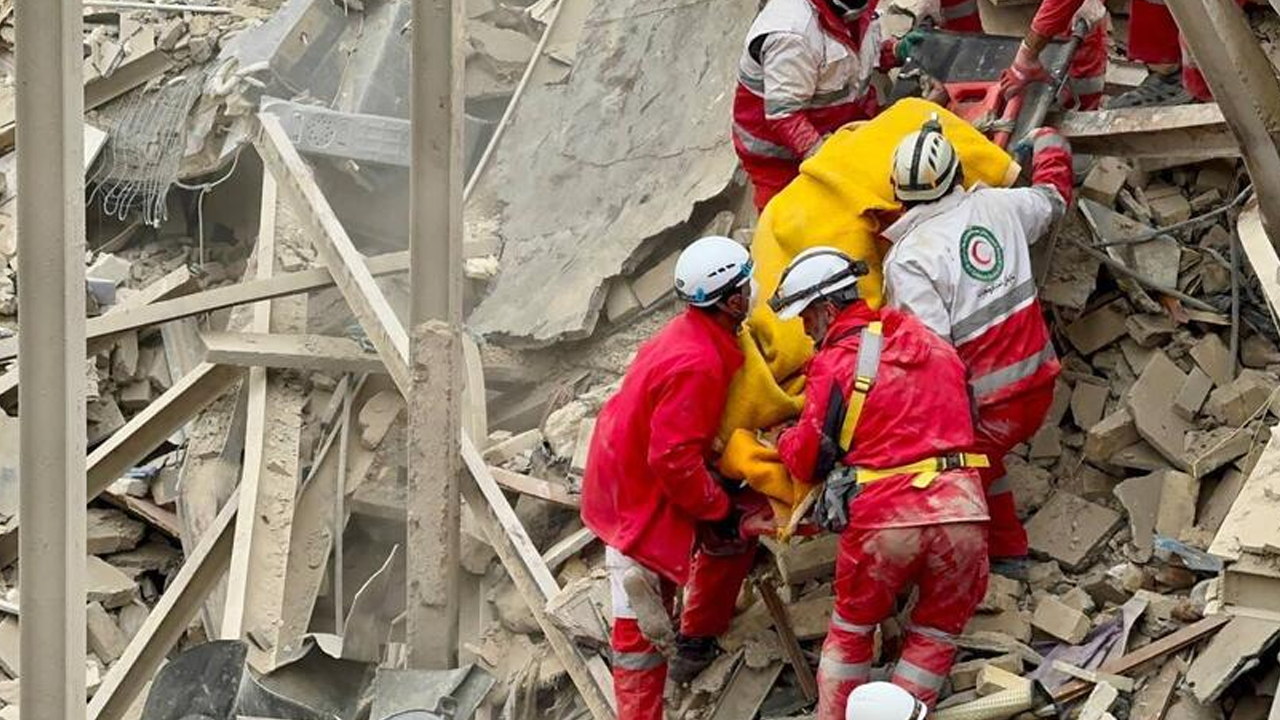
The Iranian Red Crescent Society (IRCS) has released videos showing rescue operations following US and Israeli airstrikes in Iran. The footage, made public for the first time, depicts volunteers and workers pulling survivors from the rubble of multi-story residential buildings destroyed before the current ceasefire took effect. According to a social media post by the IRCS, its relief teams rescued more than 7,200 people alive from beneath the debris between February 28 and April 8, during the period of active conflict. The videos highlight the scale of destruction and the humanitarian response amid the attacks. The IRCS’s disclosure provides a rare glimpse into the aftermath of the strikes and the extent of civilian rescue efforts prior to the ceasefire.
Iran and Oman are continuing discussions on imposing tolls on ships passing through the Strait of Hormuz, despite warnings from U.S. President Donald Trump. Speaking at the White House, Trump said the waterway should remain free and described it as an international passage, rejecting any toll imposition. The Trump administration has condemned Iran’s potential move to charge for transit through the strait. In an interview with Bloomberg in Paris, Iran’s ambassador to France, Mohammad Amin-Nejad, said both Iran and Oman must combine their capabilities to ensure maritime security and manage navigation efficiently. He added that providing these services would incur costs, and those benefiting from the traffic should contribute their share. Amin-Nejad emphasized that the proposed system would be transparent and aimed at addressing underlying issues affecting the region. The discussions highlight ongoing tensions over control and security in one of the world’s most strategic maritime routes, with Iran and Oman seeking a cooperative framework despite U.S. opposition.
The recently concluded West Bengal assembly election brought a historic shift as the Bharatiya Janata Party (BJP) won 207 of 294 seats, ending nearly fifteen years of Trinamool Congress rule under Mamata Banerjee. BJP’s rise, led by new Chief Minister Suvendu Adhikari, marks its first government in the state and signals a deep ideological transformation in eastern India’s political landscape. The election outcome, influenced by long-term organizational planning, voter list revisions, and strategic use of citizenship and security narratives, has raised concerns about the future of West Bengal’s Muslim population and cross-border relations. The article highlights that BJP’s governance could alter border management, citizenship verification, and communal dynamics, directly affecting Bangladesh’s 2,216-kilometer shared frontier. Analysts warn that administrative policies invoking terms like “illegal infiltrators” may heighten risks of pushback incidents and humanitarian crises. Bangladesh faces potential diplomatic and security pressures, requiring coordinated national strategies, stronger intelligence along border sectors, and clear diplomatic communication with both Delhi and Kolkata. The commentary concludes that Bangladesh must maintain vigilance, strengthen its strategic coordination council, and safeguard sovereignty amid evolving regional power equations shaped by West Bengal’s political transformation.

The ‘1 Nojor’ media platform is now live in beta, inviting users to explore and provide feedback as we continue to refine the experience.