

The ‘1 Nojor’ media platform is now live in beta, inviting users to explore and provide feedback as we continue to refine the experience.
The Indian rupee has depreciated by about 10 percent against the Bangladeshi taka over the past year, according to data cited on May 21, 2026. The currency also fell 11.86 percent against the Pakistani rupee during the same period, while its exchange rate against the US dollar dropped to 96.96. Analysts attribute the rupee’s broad decline to global economic uncertainty, high crude oil prices, and reduced foreign investment inflows. Experts note that India’s heavy reliance on imported energy has made its currency vulnerable to rising oil prices, which increase import costs. The situation has been compounded by stalled US-Iran peace talks and higher international bond yields, prompting investors to withdraw funds from emerging markets like India. This has further tightened foreign exchange liquidity and pressured the rupee. Economists warn that the rupee’s depreciation could raise living costs by making overseas education, travel, and imported goods more expensive. If import expenses continue to outpace export earnings and capital inflows, India’s current account deficit may deepen. Analysts expect short-term volatility to persist if oil prices remain high and global investors continue seeking safer assets.

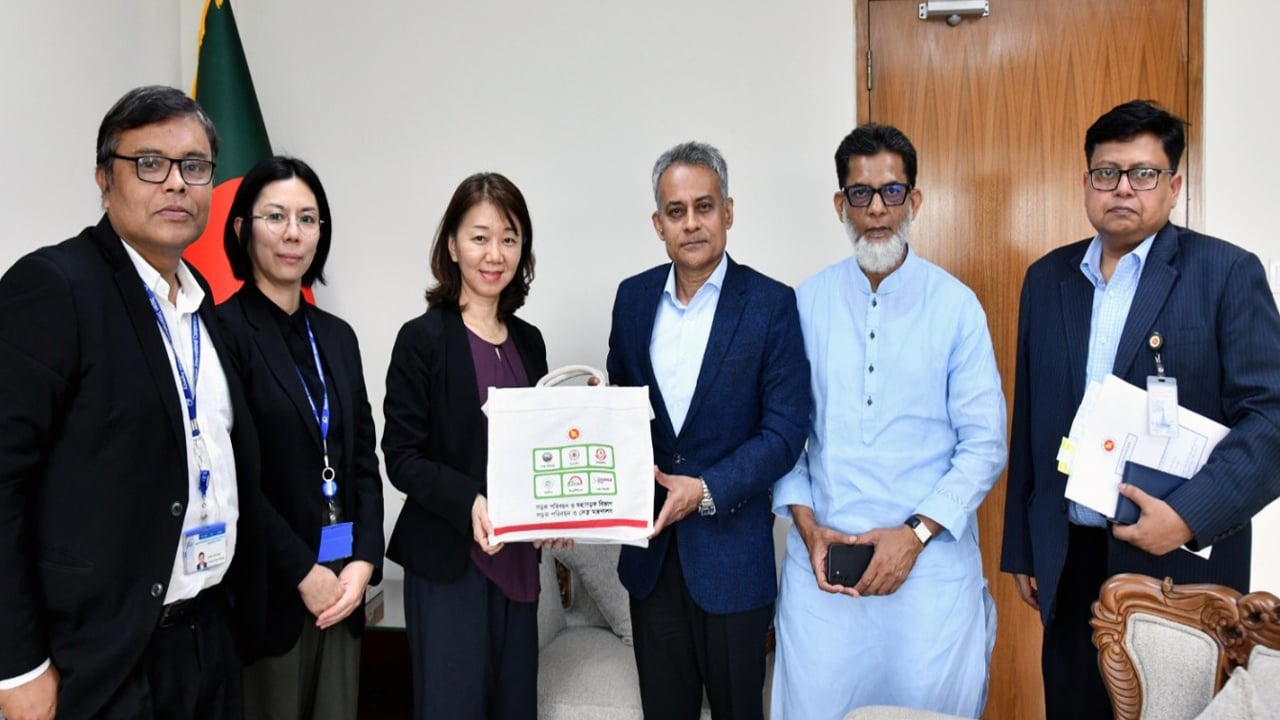
Bangladesh’s Minister for Road Transport and Bridges, Railways, and Shipping, Sheikh Robiul Alam MP, held a meeting with a delegation from the Japan International Cooperation Agency (JICA) to enhance cooperation in infrastructure development and modernization of the communication system. The meeting took place on Thursday at the minister’s office in the Bangladesh Secretariat, with State Minister Habibur Rashid MP and JICA Bangladesh Chief Representative Takahashi Junko in attendance. Discussions focused on ongoing development activities in Bangladesh’s road, bridge, railway, and water transport sectors, emphasizing sustainable infrastructure construction, use of modern technology, and future collaboration. Minister Sheikh Robiul Alam highlighted the government’s commitment to making the transport sector more modern, safe, and internationally competitive, acknowledging JICA’s long-standing support in achieving these goals. The JICA delegation expressed interest in continuing its partnership in Bangladesh’s infrastructure development and assured stronger cooperation in future development projects.
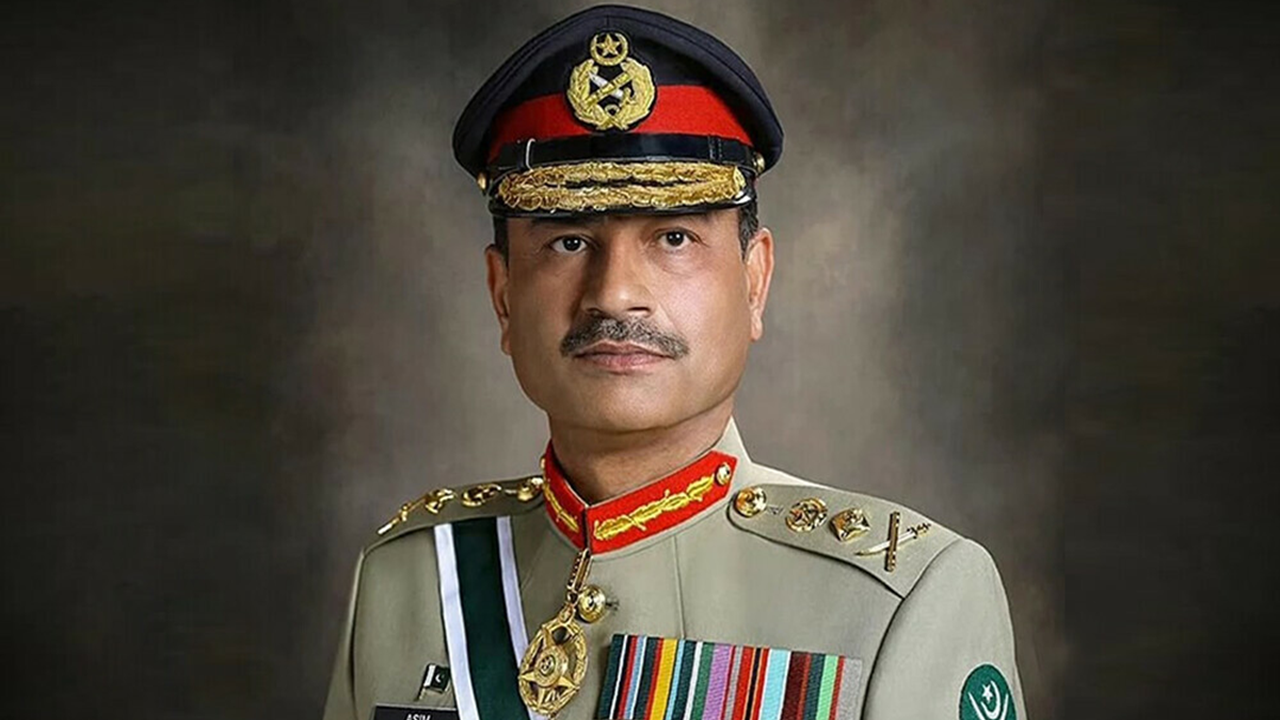
Pakistan’s Army Chief Asim Munir is visiting Tehran with the primary goal of reducing ongoing differences between Pakistan and Iran and advancing toward a formal memorandum of understanding, according to Iranian news agency ISNA. The report states that discussions in Tehran are focusing on the overall framework, detailed issues, and confidence-building measures based on a draft proposed by Iran. The draft has reportedly helped narrow some existing gaps between the two sides. However, the report also notes that further progress would require an end to what it described as Washington’s “temptation of war.” ISNA added that Munir’s visit aims to resolve remaining disagreements and move the two countries closer to formally announcing the memorandum of understanding.
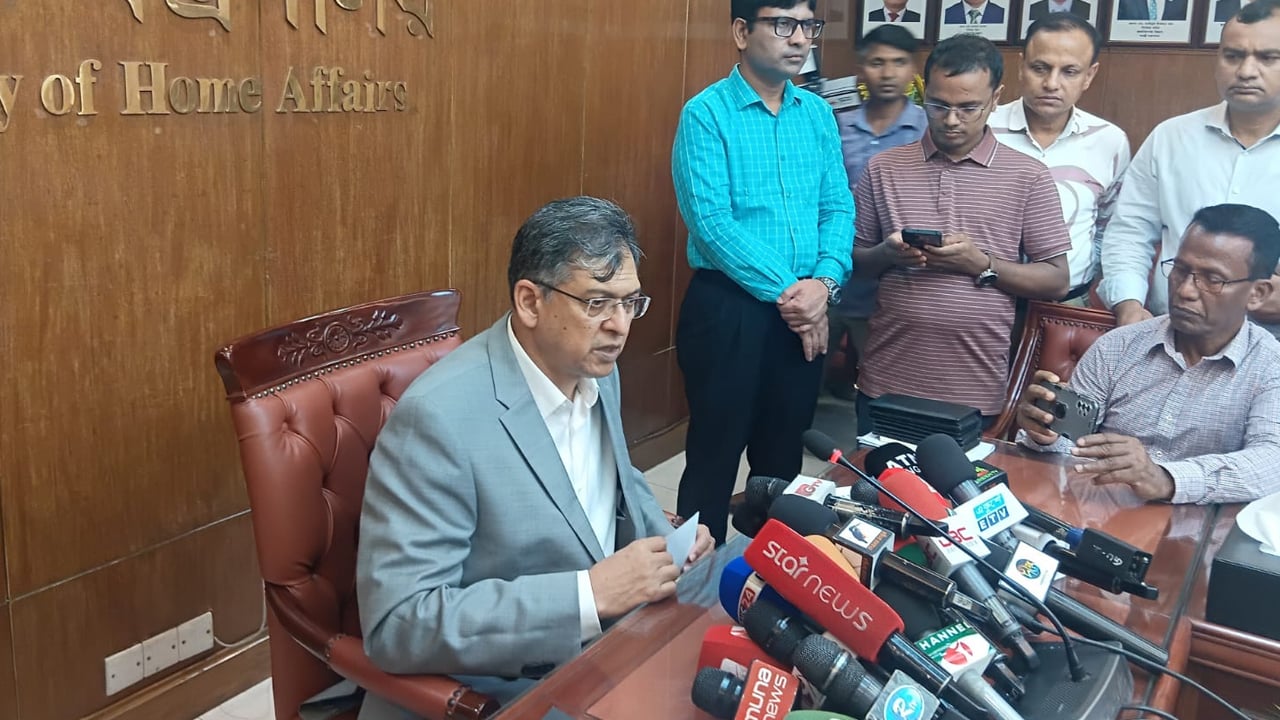
Bangladesh’s Home Minister Salahuddin Ahmed announced that investigators will submit a charge sheet in the murder case of second-grade student Ramisa as quickly as possible. He made the statement during a briefing at the Secretariat on Thursday afternoon, addressing Ramisa’s case and other recent issues. The minister said the law ministry will handle the remaining judicial process and expressed hope for exemplary punishment within a short time. Ahmed added that several professional criminals and long-time fugitives have already been arrested. The government has compiled a list of high-profile murder cases, including those of Ramisa, Asiya, Tonu, and the Bogura rape and Gazipur five-murder incidents, to ensure speedy trials. He also mentioned ongoing efforts to improve law and order nationwide and plans to reform the police force. Regarding regional matters, the minister described the citizenship issue in West Bengal as India’s internal affair and said the Border Guard Bangladesh remains alert against illegal crossings. He also confirmed that the government has formally requested India to return Sheikh Hasina through diplomatic channels.
Rashed Pradhan, vice president and spokesperson of the National Democratic Party (JAGPA), declared that the party’s future struggle will be against neo-fascism and Indian hegemony. He made the remarks on Thursday after the noon prayer at JAGPA’s Paltan office in Dhaka during a prayer meeting marking the ninth death anniversary of the party’s founder, Shafiul Alam Pradhan. Rashed Pradhan said that Shafiul Alam Pradhan had taught them to live with dignity and never compromise on national independence and sovereignty. The JAGPA spokesperson alleged that the country’s law and order situation has collapsed, citing incidents of child abuse and murder, extortion, looting, and what he described as state-backed terrorism. He accused the administration and universities of partisan control and claimed that India continues border killings, illegal push-ins, and aggression. He urged party members to resist oppression and foreign dominance, echoing the late leader’s call for struggle as the path to liberation for working people. Several senior JAGPA leaders, including presidium members, freedom fighters, and youth and labor wing representatives, attended the event.

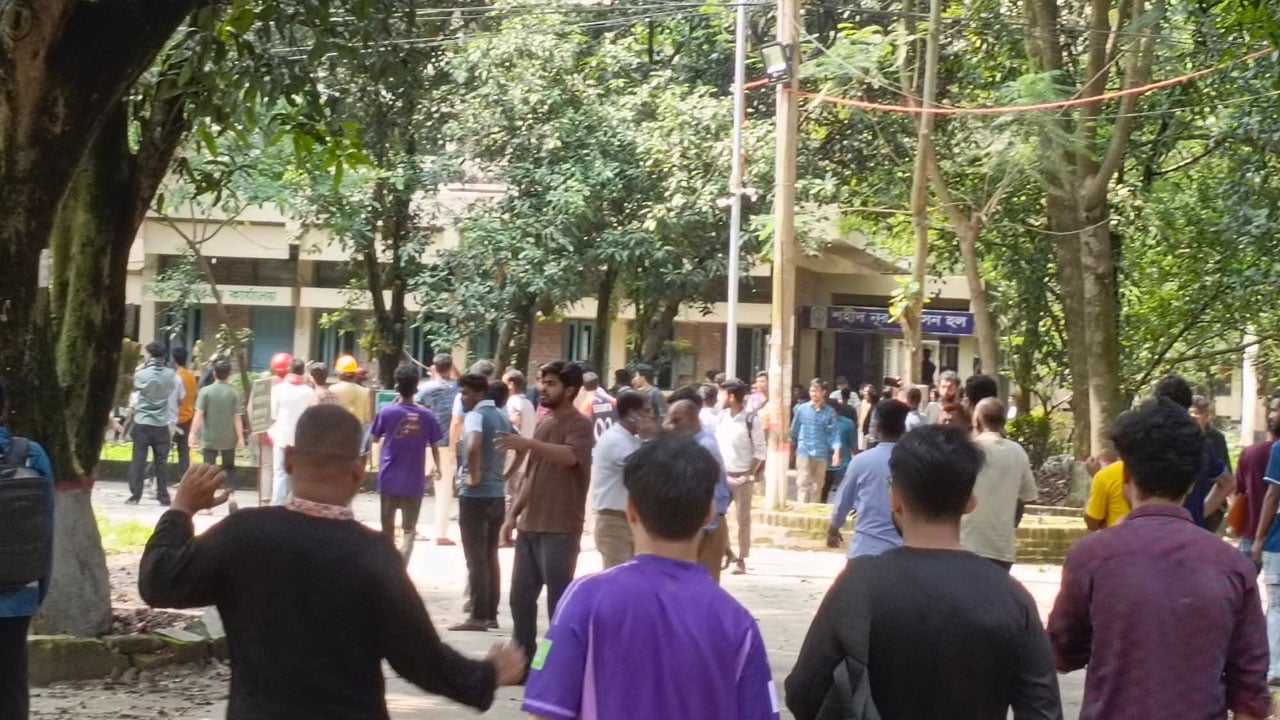
A clash between two groups of students at Hajee Mohammad Danesh Science and Technology University (HSTU) in Dinajpur left three people, including a teacher, injured on Thursday afternoon. The incident occurred around 2:30 p.m. near the Shaheed Abrar Fahad and Nur Hossain halls after an argument between residents of the two dormitories escalated. Students from both halls gathered in front of the university’s TSC area, where the confrontation turned violent. Following the clash, students from Nur Hossain Hall blocked the Rangpur-Dinajpur highway in front of the university, causing heavy traffic congestion on both sides of the road. The situation disrupted vehicular movement for some time. According to Professor Dr. S. M. Emdadul Hasan, Director of the Student Counseling and Guidance Department, the confrontation has been temporarily stopped, and discussions are underway with students to restore normal traffic flow.
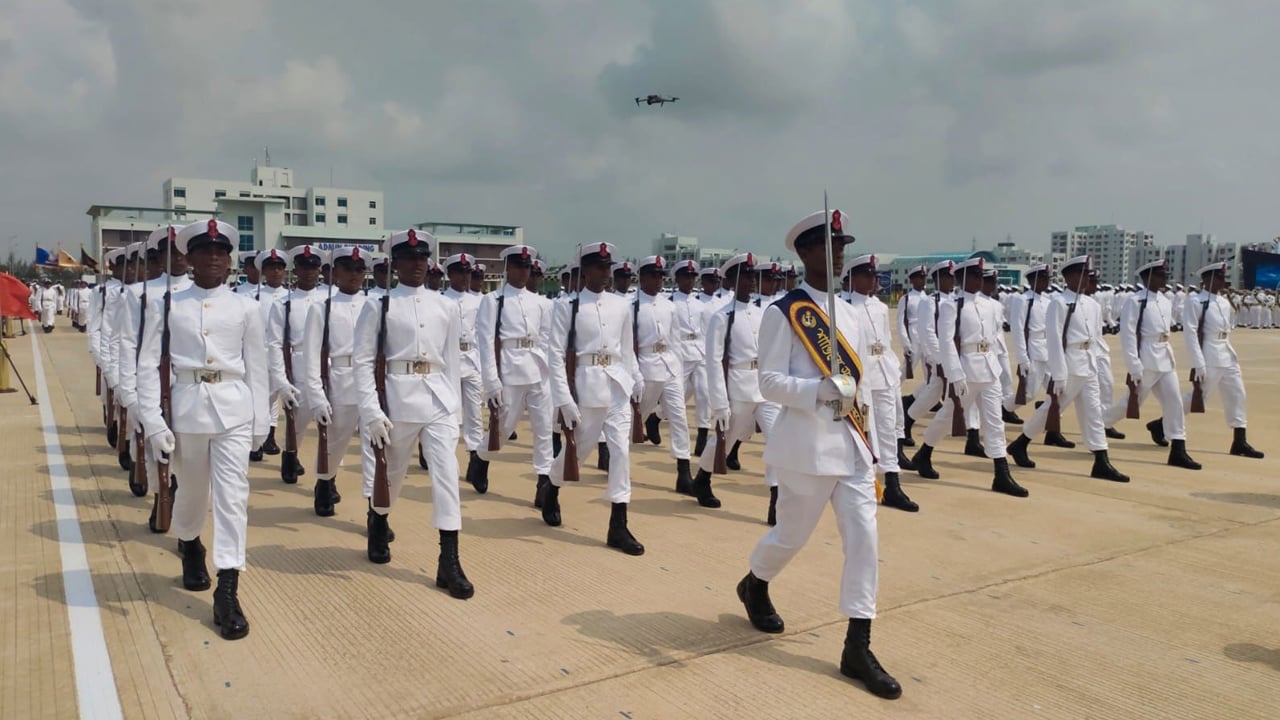
A total of 441 new sailors from the A-2026 batch formally joined the Bangladesh Navy after completing their bootcamp training at the BNS Sher-e-Bangla parade ground in Patuakhali on Thursday. The oath-taking and graduation ceremony featured a parade reviewed by Navy Chief Admiral M Nazmul Hassan, who also distributed awards to top-performing recruits. Md Shahriar Tutul received the Navy Chief’s Medal for overall excellence, while Md Samiul Islam Shakil and Md Kader Mia earned the Comkhul and Sher-e-Bangla medals respectively. Mos Marzia Akter was recognized as the best female sailor with the Pritilata Waddedar Medal. In his address, Admiral Hassan paid tribute to fallen naval heroes of the Liberation War and highlighted ongoing modernization efforts, including the addition of helicopters, unmanned aerial vehicles, a hydrographic survey ship, and an anti-drone system. He commended the Navy’s role in supporting civil administration, ensuring security of key installations, and assisting during the 13th national election. The Navy Chief urged the new sailors to uphold integrity, discipline, and loyalty while working alongside the Army and Air Force to safeguard national sovereignty.
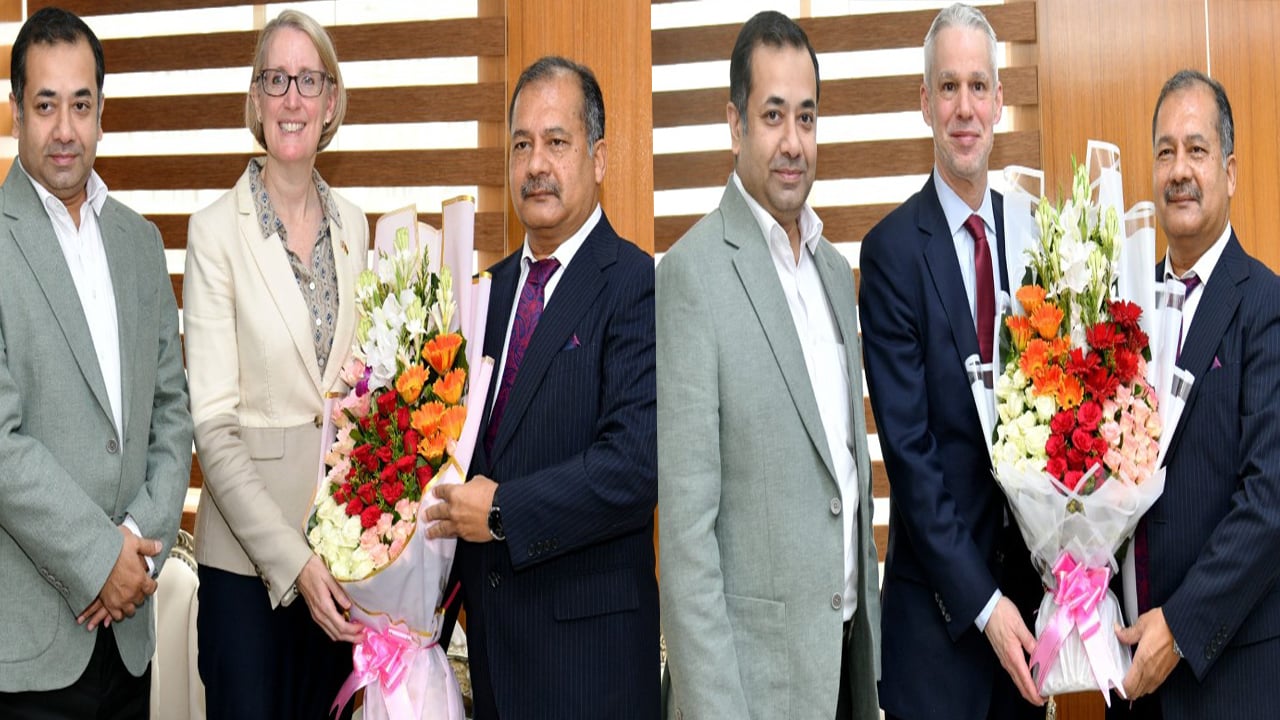
United Kingdom High Commissioner Sarah Cook and Switzerland’s Ambassador Reto Renggli paid a courtesy call on Bangladesh’s Information and Broadcasting Minister Zahir Uddin Swapan at his office in the Secretariat on Thursday. State Minister for Information Yasser Khan Chowdhury was also present during the meeting. Sarah Cook congratulated the minister on assuming office, while the minister reaffirmed the government’s commitment to ensuring media freedom and mentioned that work to form a media commission had begun. The minister sought cooperation from the United Kingdom and expressed interest in utilizing the experience of the UK’s Office of Communications (Ofcom) in developing media policy in Bangladesh. The High Commissioner assured him of support and briefed him on Ofcom’s activities. During his meeting with the Swiss Ambassador, the minister also expressed interest in learning from Switzerland’s experience to protect citizens from misinformation and disinformation while upholding media freedom. State Minister Yasser Khan Chowdhury highlighted that artificial intelligence presents both opportunities and global challenges, emphasizing the need for coordinated efforts to address them. He also invited Swiss investment in Bangladesh’s technology and other sectors.
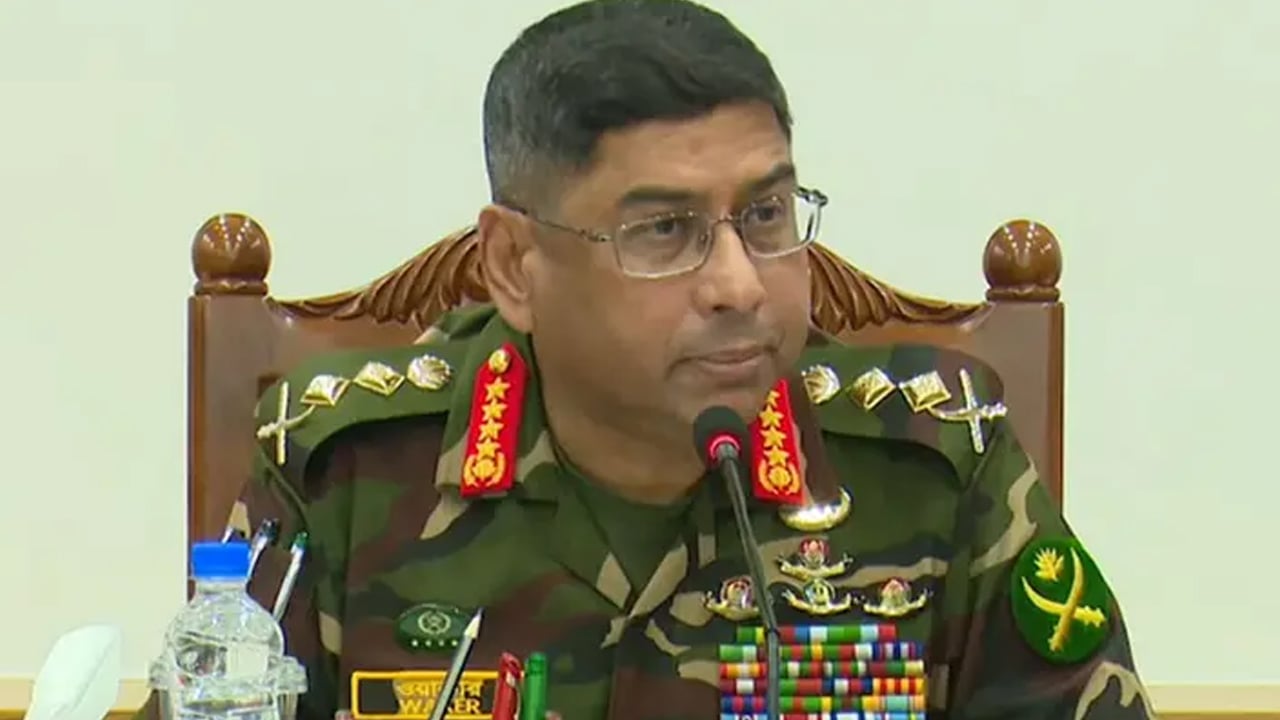
Bangladesh Army Chief General Waker-uz-Zaman has said that army personnel are expected to return to their barracks soon. He made the remarks on Thursday while addressing the closing and award ceremony of the Bangladesh Army Central Firing Competition at Comilla Cantonment. The army chief noted that many soldiers have already returned, but around 16,000 to 17,000 members remain deployed across 62 districts. He added that the army will continue field operations as long as required by the government, including current deployments at fuel depots. During the event, General Waker-uz-Zaman highlighted the army’s contribution to nation-building and maintaining national stability. He stated that since July 20, 2024, army personnel have been performing their duties in the field with dedication to meet the country’s needs. The Central Firing Competition, which began on May 16, featured 17 teams from various formations, logistics areas, five independent brigades, and the Para Commando Brigade.
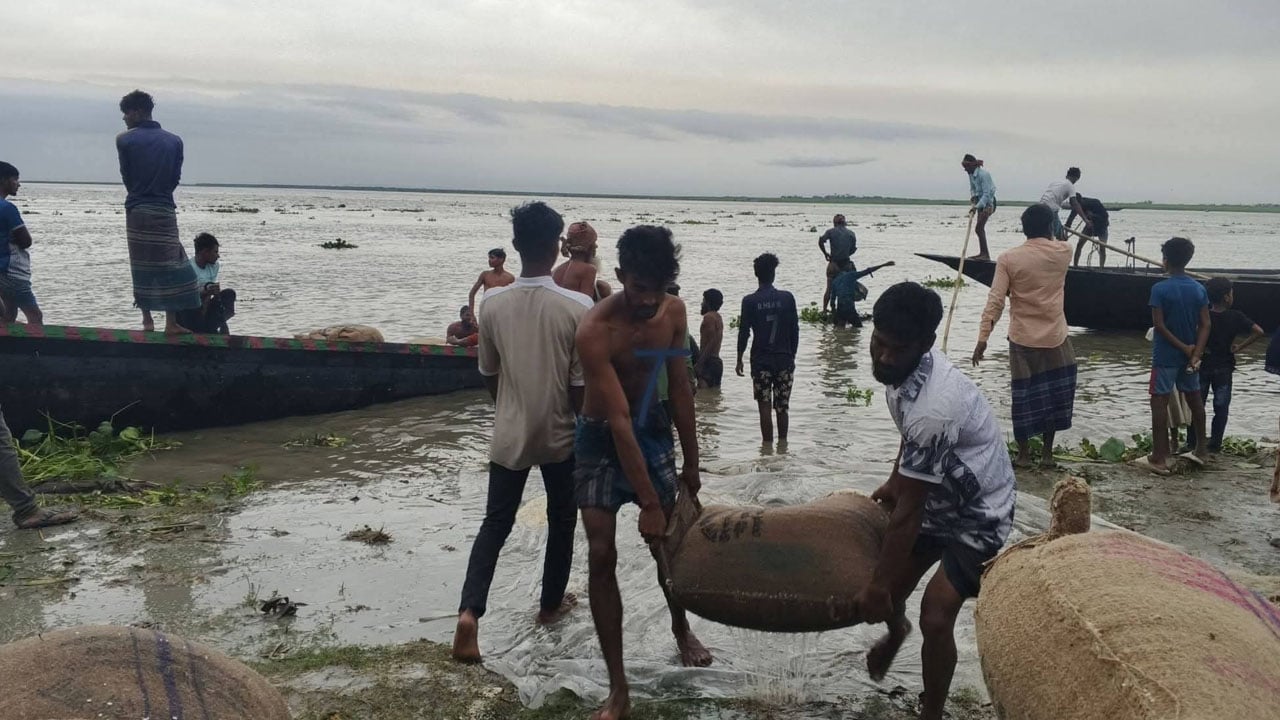
A boat carrying 467 sacks of rice allocated under the Vulnerable Group Feeding (VGF) program sank in Fulchhari upazila of Gaibandha on Thursday morning. The incident occurred around 8 a.m. at the Balashi Ghat area while the rice was being transported to the Erendabari Union Parishad. According to Erendabari Union Parishad Panel Chairman Saidur Rahman, the rice sacks were loaded onto the boat for delivery to the union council, but the vessel capsized due to adverse weather conditions. Upazila Nirbahi Officer Md Mostafizur Rahman confirmed that efforts were underway to recover the sunken rice sacks. Authorities have not yet provided details on the extent of the loss or whether any further assistance will be required for the affected distribution program.
Bangladesh’s Agriculture Minister Mohammad Amin Ur Rashid has advised farmers and exporters to exercise caution in using pesticides to ensure safe food exports. He made the remarks on Thursday while inaugurating the mango export season at the Bangladesh Agricultural Research Council auditorium in Dhaka. The event marked the formal launch of mango exports for the current season under the Department of Agricultural Extension’s ‘Exportable Mango Production Project’. The minister said mango is one of Bangladesh’s most promising exportable agricultural products, though the country has yet to reach its desired position in the global market. He noted that Bangladesh currently exports mangoes to 38 countries, including China, following a 2024 export agreement. Malaysia, Japan, and several other countries have also shown interest in importing Bangladeshi mangoes. Officials and experts at the event emphasized that improving production and processing quality would strengthen the value chain and benefit farmers financially. Project officials reported that 41.5 metric tons of mangoes have already been exported this season to destinations including Italy, Sweden, Canada, and Gulf countries. They expressed optimism that with affordable air freight and sufficient cargo space, Bangladesh could achieve record mango exports this year.
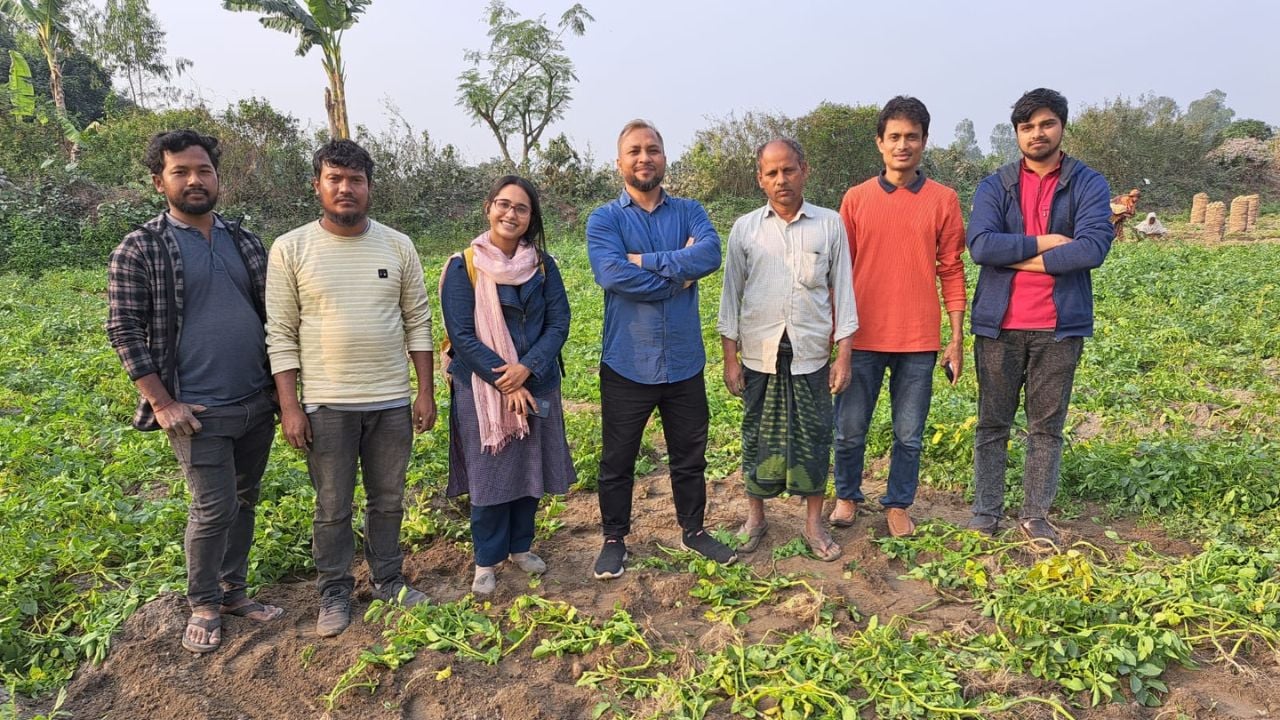
A research team from Hajee Mohammad Danesh Science and Technology University (HSTU) in Dinajpur has demonstrated that potato cultivation can achieve conventional yields using only half the recommended amount of urea and phosphate fertilizers. The study, led by Associate Professor Dr. Md. Azizul Haque from the Department of Biochemistry and Molecular Biology, used a consortium of endophytic bacteria in field trials on the Granula potato variety. The method required no chemical pesticides, fungicides, or hormones, yet produced disease-free and high-quality potatoes. The research found that endophytic bacteria enhanced antioxidant activity in potato leaves and roots, strengthening natural disease resistance and increasing microbial diversity in soil and plants. A participating farmer reported reduced costs and doubled profits per bigha compared to conventional methods. BRAC Microfinance, which funded the project, noted that the potatoes had stronger skins and longer natural storage life, improving marketability and food security. According to experts, the innovation aligns with UN Sustainable Development Goals on sustainable agriculture, responsible production, climate action, and ecosystem conservation. Researchers hope broader field testing will confirm its potential for other crops and promote eco-friendly, cost-effective farming across Bangladesh.
Indian cattle are reportedly entering Bangladesh through the Padma River near the Chapainawabganj border ahead of Eid-ul-Azha. Smugglers are crossing the river at night despite the risks of arrest or death, driven by the higher profitability of Indian cattle. Local farmers and business leaders have expressed anger and fear as the inflow continues, undermining domestic livestock markets. Border Guard Bangladesh (BGB) claims to be enforcing a zero-tolerance policy, though reports indicate that smuggling persists with limited interceptions. Farmers say they have invested heavily, often through loans, to raise cattle for Eid sales, but rising feed costs and the influx of cheaper Indian cattle have pushed them toward losses. Some farmers report failing to recover their costs at local markets, blaming the illegal imports. The Chapainawabganj Dairy Association warns that the situation could devastate small farms and urges government intervention. A local lawmaker has also voiced concern at a recent law and order committee meeting, calling for swift action. BGB officials maintain that only isolated incidents occur and that seized cattle are being confiscated, but farmers remain skeptical as smuggling continues unchecked.

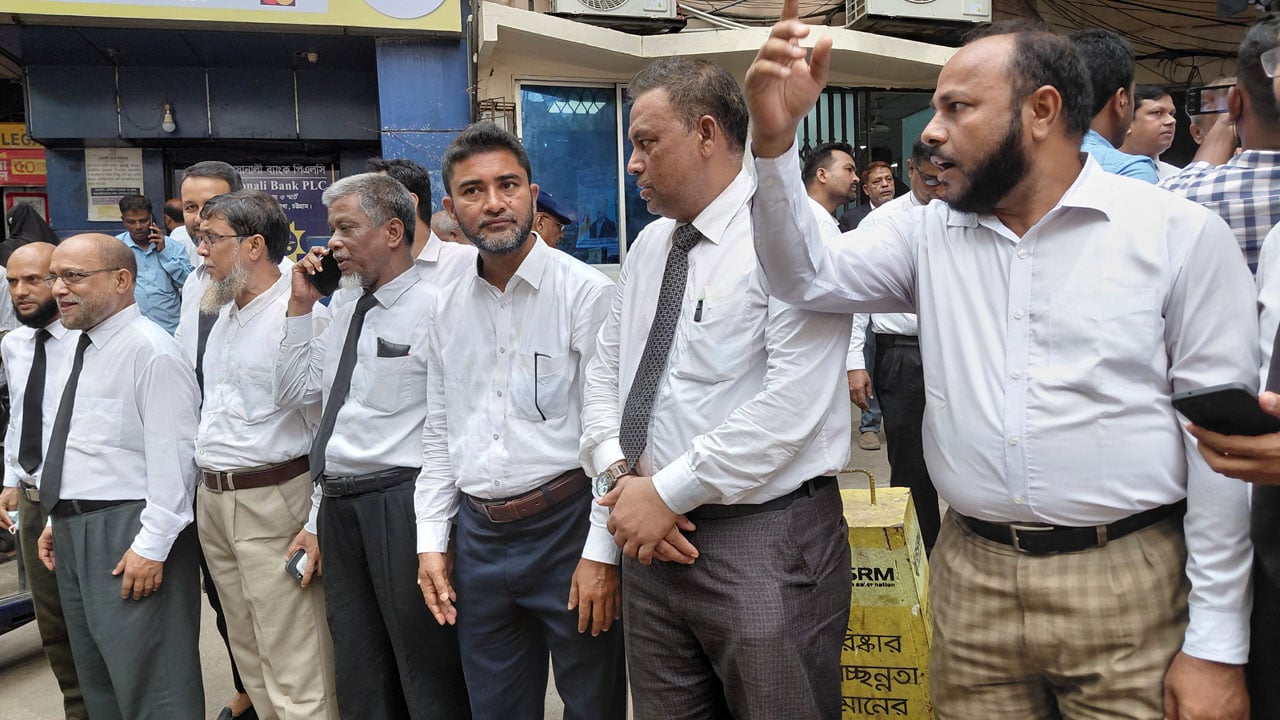
Jamaat-backed lawyers have boycotted the Chattogram District Bar Association election, alleging obstruction in nomination submission, irregularities, and bias by the Election Commission. The voting began at 9 a.m. on Thursday at the association’s auditorium, while the protesting lawyers, led by Advocate Shamsul Islam, demonstrated in front of the annex building from 10 a.m. They claimed that nine of their candidates were unfairly disqualified and described the election as one-sided and undemocratic. According to court sources, nominations for nine out of 21 posts were canceled for late submission, while 12 were declared valid. Among the valid nominations, only one was for a vice president post, and the rest were for member positions. Earlier, on May 14, 166 lawyers, including Jamaat supporters, called a special meeting to challenge the decision but lost in a vote. They later filed a case in the First Joint Judge Court. On May 20, the court upheld the Election Commission led by Advocate Rowshan Ara and allowed the election to proceed. The night before the election, seven Jamaat-backed lawyers holding positions in the current bar council resigned together.
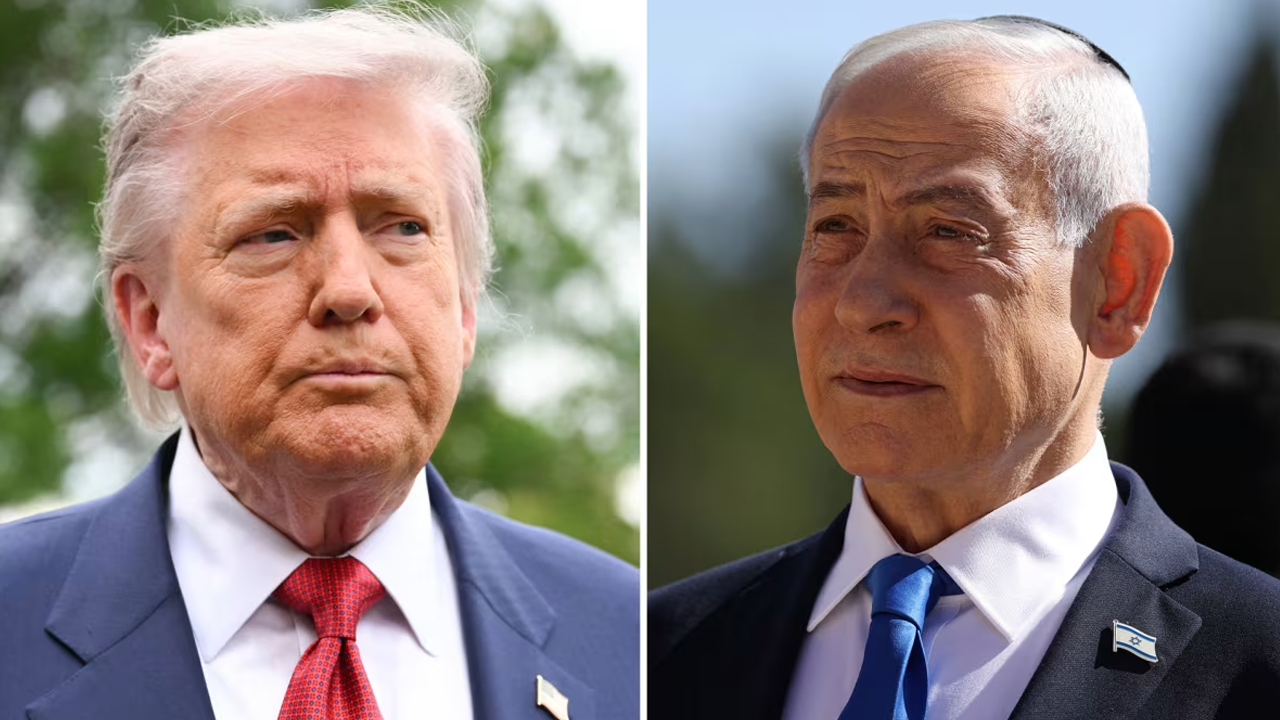
U.S. President Donald Trump and Israeli Prime Minister Benjamin Netanyahu engaged in a tense phone conversation on Tuesday over their differing approaches to advancing the conflict with Iran, according to a U.S. official cited by CNN. The exchange followed Trump’s earlier decision to delay a planned targeted strike on Iran, reportedly named “Operation Sledgehammer,” after requests from Gulf allies including Qatar, Saudi Arabia, and the United Arab Emirates. The White House and Pakistani mediators have since been in close contact with Gulf states to outline a diplomatic path forward. The delay frustrated Netanyahu, who has long favored a more aggressive stance against Tehran. Israeli officials said the prime minister pressed Trump during the hour-long call to resume military action, arguing that postponement only benefits Iran. Trump, however, maintained that diplomacy should continue, emphasizing that the situation was at a “final stage.” Meanwhile, Iran confirmed through state-linked media that it continues indirect message exchanges with Washington via Pakistan. Pakistan’s army chief is expected to visit Tehran as part of ongoing mediation efforts, though key differences over Iran’s nuclear program and frozen funds remain unresolved.
The ‘1 Nojor’ media platform is now live in beta, inviting users to explore and provide feedback as we continue to refine the experience.