

The ‘1 Nojor’ media platform is now live in beta, inviting users to explore and provide feedback as we continue to refine the experience.
Brazilian football star Neymar Junior has been included in Brazil’s final 26-man squad for the upcoming World Cup, ending months of speculation about his participation. Concerns over his injury, surgery, and fitness had cast doubt on his availability, but coach Carlo Ancelotti confirmed Neymar’s inclusion during a press conference at the Museum of Tomorrow in Rio de Janeiro. The announcement sparked excitement as Ancelotti read Neymar’s name, confirming that Brazil will pursue its sixth World Cup title with the forward in the lineup. Other key players named include Alisson Becker, Marquinhos, Casemiro, Danilo, Fabinho, Lucas Paquetá, Endrick, Matheus Cunha, Raphinha, and Vinícius Junior. One notable omission from the squad is Rodrygo, whose absence was described as a major surprise. With Neymar’s return, Brazil’s campaign under Ancelotti is set to focus on reclaiming global dominance, as the team prepares to embark on its “hexa mission” for a sixth World Cup title.

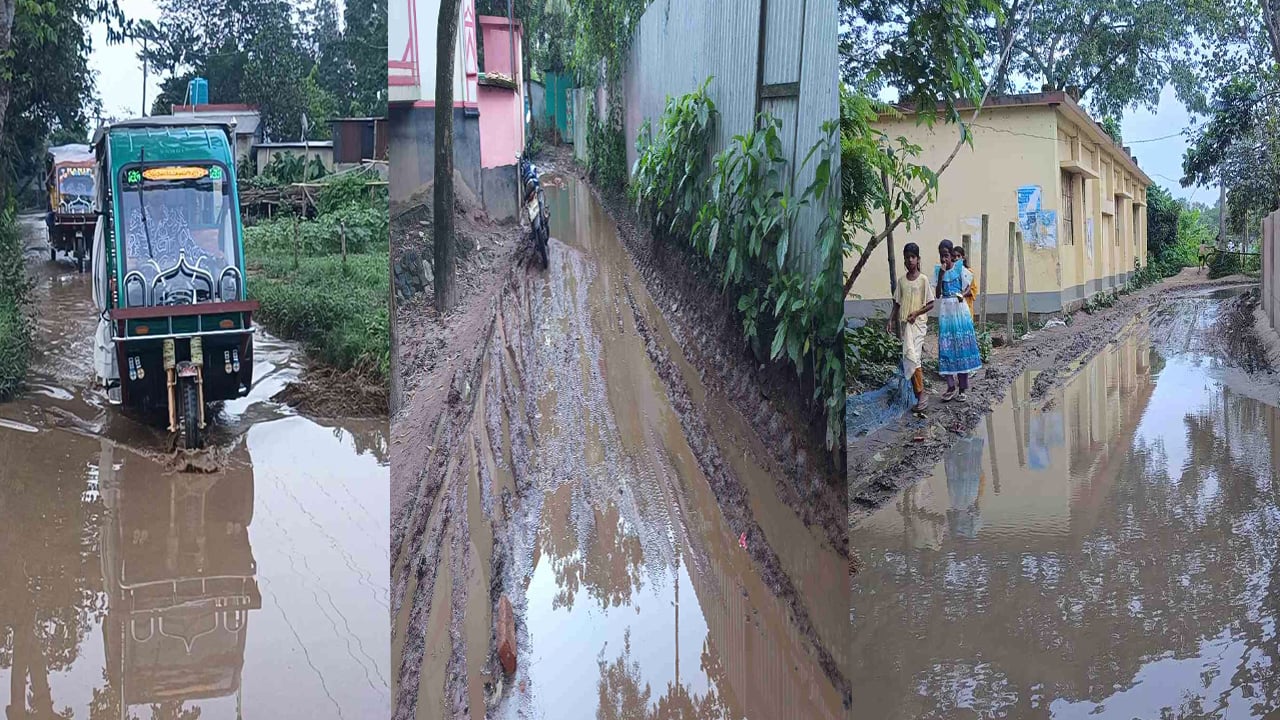
In Nabinagar of Brahmanbaria, a contractor has been accused of withdrawing Tk 22.9 million before completing a road development project under the Local Government Engineering Department (LGED). The five-kilometer Aliyabad–Gopalpur road, costing Tk 26 million, remains largely unfinished despite the project’s deadline having expired. Locals report that the road has become nearly impassable, filled with potholes and waterlogging, causing severe hardship for thousands of residents from nearby villages. According to field visits and LGED sources, the project began on November 28, 2024, and was scheduled for completion by November 2025. Although records claim three kilometers of work were completed, the road shows little visible progress, and the portions built are of poor quality. Residents, including teachers, drivers, and commuters, described daily risks and frequent accidents due to the road’s condition. The Nabinagar Upazila Engineer stated that he joined recently and that the irregular bill withdrawal occurred before his tenure, promising to investigate the matter. Attempts to contact contractor Lokman Hossain were unsuccessful as his phone remained switched off.
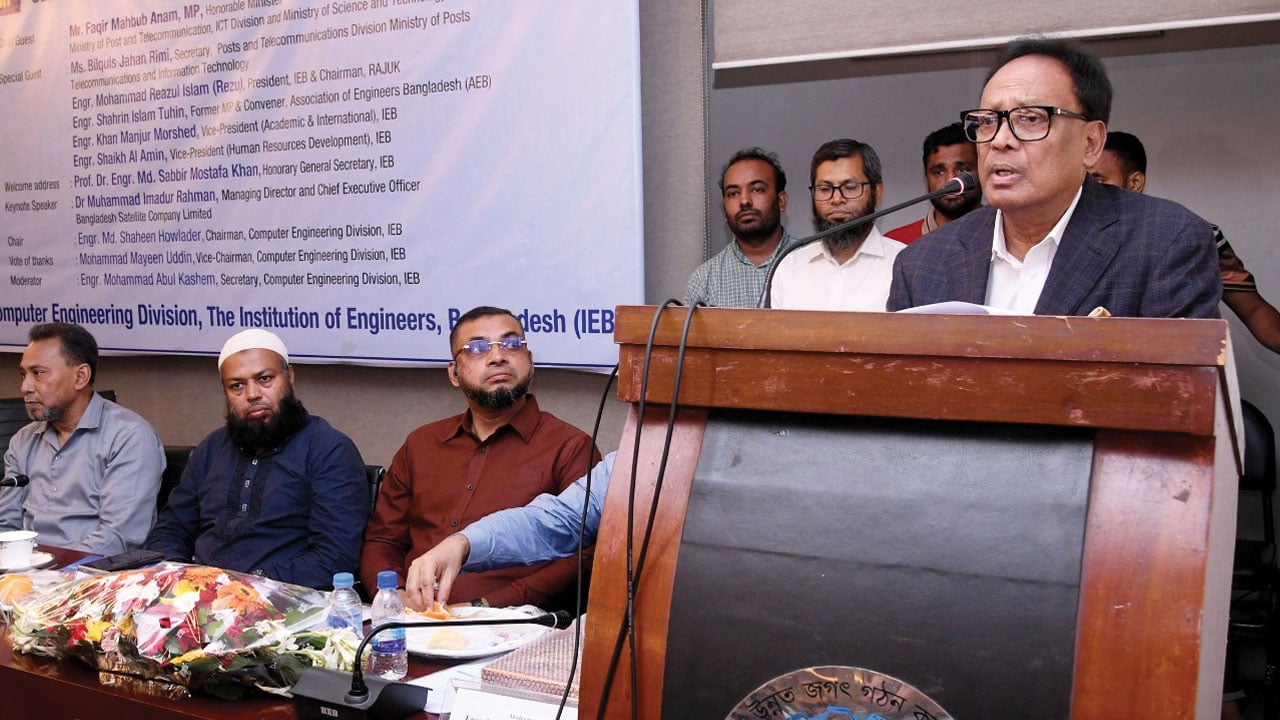
Bangladesh’s Minister of Posts, Telecommunications and Information Technology, Fakir Mahbub Anam, stated that the government has never treated space, satellite, and drone technologies as luxuries. Speaking on Monday at a seminar titled ‘Satellites, Drones and the Future of Space Technology in Bangladesh’ at the Institution of Engineers, Bangladesh (IEB) in Dhaka, he said these technologies have become essential for national development, disaster management, agriculture, fisheries, communication, and security. He highlighted the 2018 launch of Bangladesh’s first satellite as a major milestone, noting its role in broadcasting, telecommunications, and emergency communications. Anam added that the government is planning a new low-earth orbit satellite to enhance data accuracy for agriculture, coastal security, and environmental monitoring. He emphasized that satellite data can improve weather forecasting and safety for coastal fishermen. The minister also underlined the growing importance of drone technology in border security, land surveys, infrastructure monitoring, and disaster response. Keynote speaker Dr. Muhammad Imadur Rahman of Bangladesh Satellite Company Limited said space technology is a driving force of the fourth industrial revolution and vital for economic growth, security, and climate resilience in developing countries like Bangladesh.
The United Arab Emirates and Israel have formed a joint defense fund aimed at enhancing their military capabilities and jointly acquiring advanced defense equipment and technology. The initiative, confirmed by Middle East Eye citing current and former U.S. officials, was finalized during Israeli Prime Minister Benjamin Netanyahu’s visit to the UAE amid the ongoing Iran war. The fund will support joint arms purchases and may finance upgrades to Israel’s air defense systems, with both countries focusing on drone interception and air defense technologies. According to sources, the fund involves significant financial commitments and extends beyond air defense systems. Analysts note that Israel brings technological expertise while the UAE provides financial resources. The move comes as U.S. financial support for Israel faces growing domestic scrutiny, prompting Israel to diversify its funding sources. Experts describe the partnership as the closest cooperation ever between Israel and an Arab nation. The UAE’s independent approach contrasts with Saudi Arabia’s regional alliances. Observers suggest that as tensions with Iran deepen, Abu Dhabi sees its relationship with Israel as a strategic counterbalance in regional security.

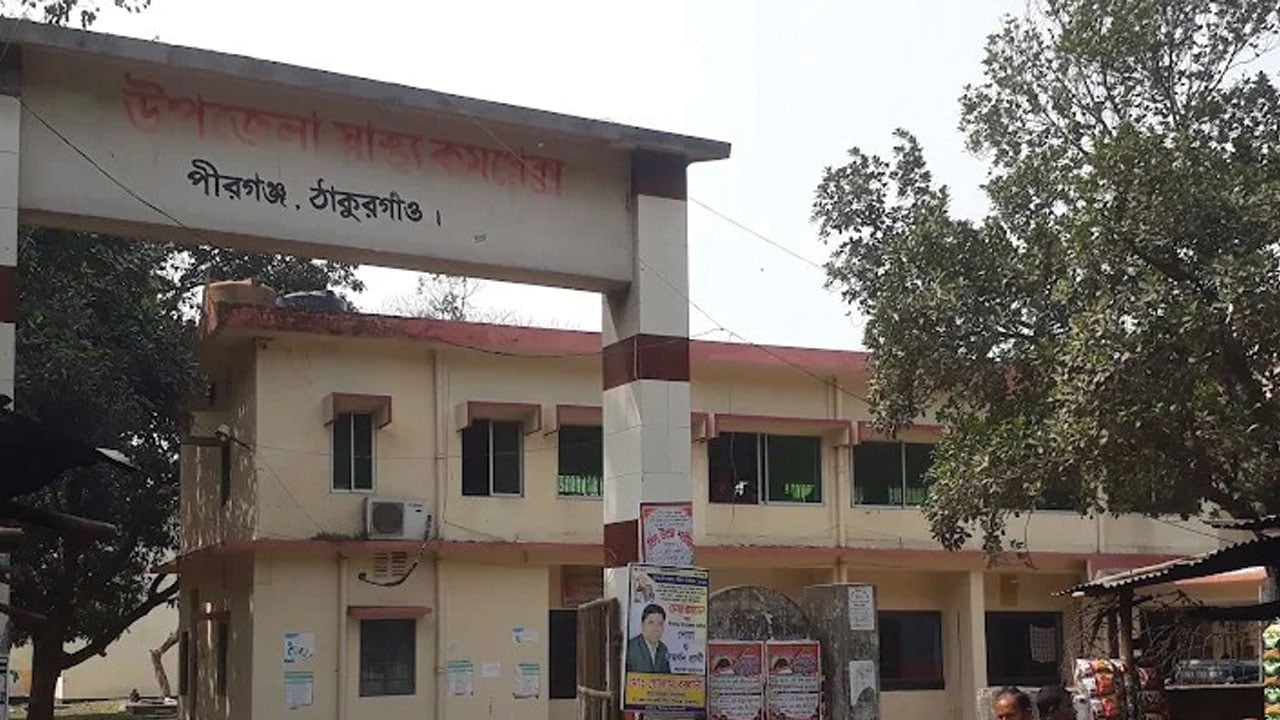
Two separate fatal incidents occurred in Pirganj upazila of Thakurgaon on Monday. An eight-month-old child named Hossain from Dalpatipur village in Kosharaniganj union died after a lychee seed got stuck in his throat. Family members rushed him to Pirganj Upazila Health Complex, but he was declared dead upon arrival. Hospital sources confirmed that the child had died before reaching the facility. In another incident the same evening, a 35-year-old carpenter named Mithun from Ketgaon Sindulya village in Daulatpur union was electrocuted while working on a tin roof at a house in Mitrabati village. He accidentally came into contact with an overhead power line. Locals took him to Pirganj Upazila Health Complex, where doctors confirmed his death after examination. Pirganj Upazila Health Complex’s residential medical officer Dr. Waris Yazdani and Pirganj Police Station’s officer-in-charge Iqbal Hossain Pramanik both confirmed the deaths and said the incidents were reported to the authorities.
One person was killed and three others were injured in separate lightning strikes in Khoksa upazila of Kushtia district on Monday evening. The incidents occurred around 6:30 p.m. in Joyonti Hajra, Kalishongkorpur, Biljani, and Holudbariya villages. The deceased, Hazrat Ali Pramanik, was a farmer from Joyonti Hajra village. He was struck by lightning while gathering harvested paddy near his home and was later declared dead at the Khoksa Upazila Health Complex. According to family members, Hazrat Ali collapsed in his field during heavy rain and thunder. He was taken to the hospital by relatives but could not be saved. The injured—10-year-old student Antora from Kalishongkorpur, housewife Dolly Khatun (20) from Biljani, and housewife Sima Parvin (25) from Holudbariya—are receiving treatment at the same health complex. Emergency department physician Sharmin Akter Rima confirmed that Hazrat Ali had died before reaching the hospital, while the three injured victims remain under medical care.

A ten-month-old girl named Wasenat died after a lychee seed got stuck in her throat in Chakaria upazila of Cox’s Bazar on Monday afternoon. The incident occurred in the West Para area of Bomubilchhari Union. Wasenat was the daughter of local veterinarian Abu Noman Osmani. Family members said the child was eating lychees with her father when the seed became lodged in her throat, causing her to struggle for breath. Despite attempts to remove the seed, the family rushed her to Lama Upazila Health Complex, where doctors declared her dead. Later that night, around 9 p.m., Wasenat was buried at the local social cemetery after funeral prayers at the Bomubilchhari Union Parishad field. The tragic death cast a pall of grief over the family and the surrounding community. The report highlights the sudden and devastating nature of the accident, which deeply affected residents of the area.

Two people were killed and five others injured in separate lightning strikes in Jhenaidah district on Monday evening. The incidents occurred in Sadar and Shailkupa upazilas. The deceased were identified as Asadul Islam, 48, a farm laborer from Kushtia who had been working in Jhenaidah, and Anna Khatun, 42, wife of Anichur Rahman from Damukdia village in Shailkupa. Asadul was struck while working in Mayadharpur village, while Anna was hit near her home while collecting mangoes. Local sources reported that another woman was injured in the same incident in Shailkupa. At the same time, three more women were injured in separate lightning strikes in Dhopaghata Gobindapur and Dogachi villages of Sadar upazila. The injured were taken to Jhenaidah Sadar Hospital, where one person was declared dead before arrival. Hospital officials said the remaining victims were in stable condition. Police confirmed the death of one farmer and sent a team to the hospital to investigate the incidents.

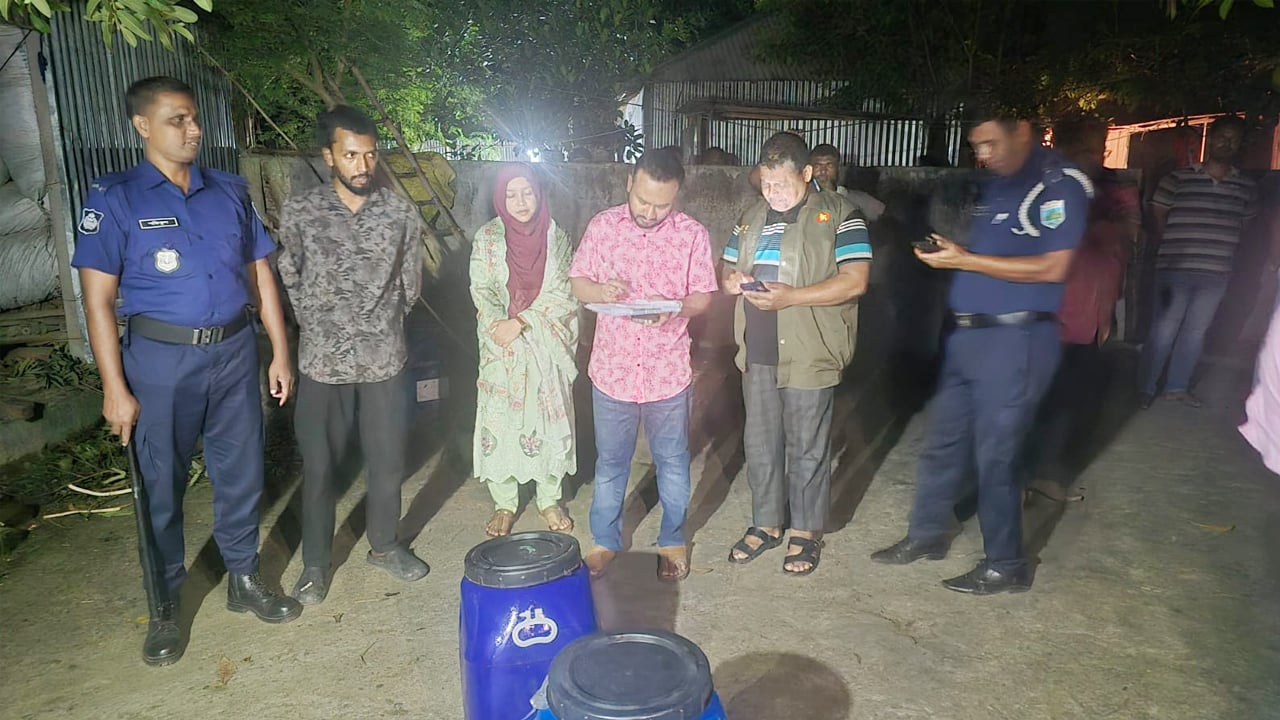
A mobile court in Bhangura upazila of Pabna sentenced a milk trader named Abdur Rashid, aged 23, to one year of imprisonment and fined him 50,000 taka for adulterating milk by mixing quality oil to increase its fat content. The sentencing took place on Monday night at Bhabanipur Paschimpara village, where 100 liters of oil were seized and destroyed publicly. The verdict was delivered by Assistant Commissioner (Land) and Executive Magistrate Mizanur Rahman. According to the mobile court, Abdur Rashid had been operating a sealing center at his home for a long time, producing adulterated milk and supplying it to various companies, including Pran and BRAC. During the operation, veterinary surgeon Dr. Sharmin Akter, sanitary inspector Nurul Islam, and sub-inspector Ershad Ali were present. The court’s action reflects ongoing efforts to curb food adulteration in the region, with local authorities emphasizing public accountability through on-site destruction of seized materials.
A new analysis by the Brookings Institution has found that more than 100,000 children were separated from their parents during the Trump administration’s intensified immigration enforcement in the United States. The report estimates that around 205,000 children experienced some form of separation, with about 145,000 of them being U.S.-born citizens. Researchers said official figures understate the scale of the issue because authorities often fail to record data about detainees’ children or families conceal information out of fear. Analysts noted that the current situation surpasses the 2018 “zero tolerance” policy, when about 5,500 children were separated at the southern border. The report includes personal accounts, such as that of a detained mother in Texas who has been separated from her two-year-old U.S.-born son since last year. The Department of Homeland Security stated that detained parents can either leave the country with their children or assign guardianship, but researchers found many children remain in uncertain care arrangements. Child welfare experts warned that most separated children live with relatives or acquaintances lacking legal authority or financial stability. Advocacy groups reported rising requests for custody planning assistance, while experts cautioned that intensified immigration raids could further increase family separations and harm children’s mental and social well-being.

A 24-year-old man named Md. Rakib has been accused of killing his mother, Jannat Begum, in Baliya village of Chandpur Sadar after she refused to give him money for drugs. The incident occurred late Sunday night at the Sadeq Khan house. On Monday morning, locals informed police after noticing injuries on the victim’s head. Police later detained Rakib and his 11-year-old brother Rifat from the scene and recovered the body. According to family members, Rakib was addicted to drugs and often assaulted his mother for money. On the night of the incident, he allegedly beat her with a wooden stick after she refused his demand. Rakib then pretended that his mother had fallen ill and died, but neighbors became suspicious and alerted authorities. Chandpur Sadar Model Police Station’s Officer-in-Charge Fayez Ahmed confirmed that the body was handed over to the family and legal procedures were underway. The victim’s brother and local residents demanded exemplary punishment for the accused.
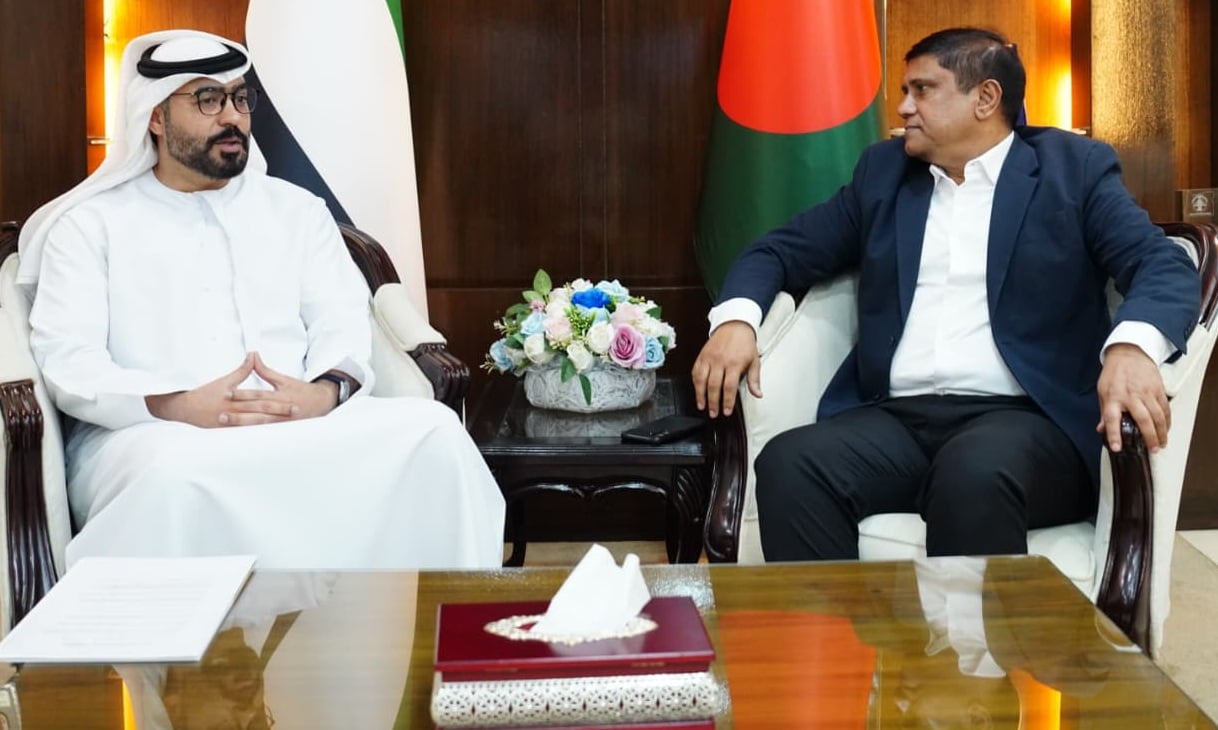
The United Arab Emirates Ambassador to Bangladesh, Abdullah Ali Al Hamoudi, paid a courtesy call on Prime Minister’s Defense Adviser Brigadier General (Retd.) A K M Shamsul Islam on Monday at the Defense Adviser’s Office in Dhaka Cantonment. The meeting focused on enhancing existing bilateral relations between Bangladesh and the UAE, particularly in the field of defense cooperation. During the discussion, both sides exchanged views on expanding defense and security collaboration, training, capacity building, professional skill development, and mutual communication. They emphasized the importance of deepening the long-standing friendly ties between the two nations and identified opportunities to broaden cooperation based on mutual trust and shared interests. The meeting also addressed regional and global security contexts, with both parties stressing the need for constructive engagement to maintain peace, stability, and security. The Inter-Services Public Relations Directorate (ISPR) confirmed the meeting in a press release issued on Monday.
Bangladesh Bank has introduced new banknotes of 10, 500, and 1000 taka under the theme 'Historical and Archaeological Architecture of Bangladesh'. The central bank began issuing the notes from its Motijheel office on Monday, May 18, 2026, and will gradually distribute them through other offices across the country. The announcement was made through an official press release issued by Bangladesh Bank on the same day. According to the release, the new notes bear the signature of the current governor, Md. Mostakur Rahman. The bank also stated that notes of 20, 50, and 100 taka from the same series will later be issued with the governor’s signature. The color, size, design, and security features of the new notes remain unchanged from the previous versions. Bangladesh Bank confirmed that all existing paper notes and metal coins will continue to be legal tender and remain in circulation alongside the newly issued notes.
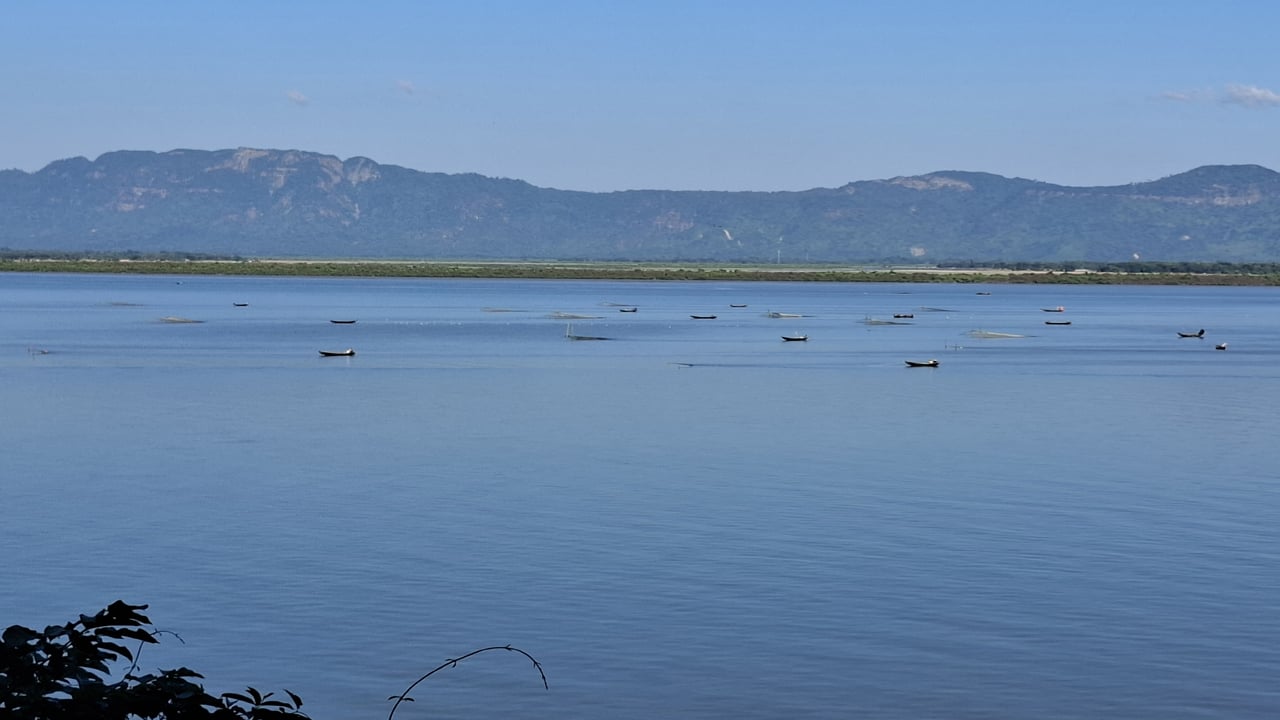
Four Bangladeshi fishermen were reportedly abducted at gunpoint by Myanmar’s armed rebel group, the Arakan Army, from the Naf River near Teknaf in Cox’s Bazar. The incident occurred while the fishermen were catching fish in the river on Monday afternoon. Boat owners Absar and Nurul Hakim confirmed the abduction, stating that the armed group chased the fishermen and took them away along with two engine-powered fishing boats. The abducted fishermen were identified as Md. Monir Ahmed, Md. Yasin, Abdul Malek alias Shafa, and Md. Jamal Hossain, all residents of South Jaliapara in Teknaf municipality. Local fishermen reported that the Arakan Army members arrived by speedboat, held the fishermen at gunpoint, and took them toward Myanmar’s Kaichyang canal. Former municipal councilor Moniruzzaman confirmed receiving news of the abduction. The incident has caused panic among local fishing communities. Attempts to contact the Border Guard Bangladesh (BGB) commander for comment were unsuccessful, as calls went unanswered.
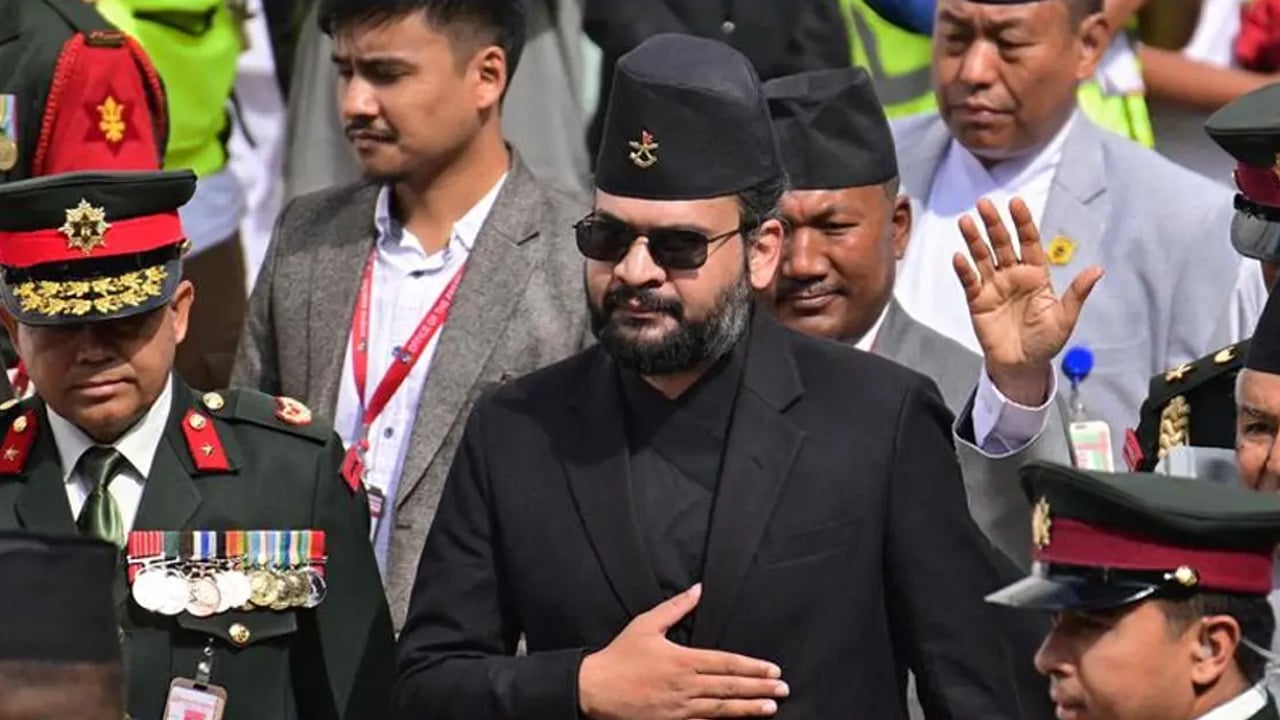
Nepal’s Prime Minister Balendra Shah has cancelled scheduled meetings with several senior foreign diplomats, including India’s Foreign Secretary Vikram Misri and the US Special Representative, sparking new discussions in South Asian diplomatic circles. Misri’s planned visit to Kathmandu on May 11–12, intended to discuss bilateral relations and the Kailash-Mansarovar pilgrimage route, was called off at the last moment by the Prime Minister’s Office. Indian media reported that Shah prefers to meet counterparts of equal rank, such as Prime Minister Narendra Modi, rather than senior officials. Analysts suggest the cancellations reflect both a nationalist stance and pressure from ongoing border disputes, particularly over the Lipulekh, Limpiyadhura, and Kalapani regions. Nepal’s 2020 map revision claiming these areas as its own intensified tensions with India. Kathmandu stated that Shah is currently focused on administrative reforms and will meet only heads of state or foreign ministers. The government also emphasized a “balanced diplomacy” approach among India, the United States, and China, though observers are debating whether China’s growing influence in Nepal is shaping this policy direction.
The ‘1 Nojor’ media platform is now live in beta, inviting users to explore and provide feedback as we continue to refine the experience.