

The ‘1 Nojor’ media platform is now live in beta, inviting users to explore and provide feedback as we continue to refine the experience.
A US federal court has unsealed charges against Iraqi national Mohammad al-Sadi, accused of plotting attacks on American and Jewish targets in the United States, Europe, and Canada. Prosecutors described him as a senior figure in the Iran-backed militia Kataib Hezbollah. The case has heightened Western concerns that Iran is extending its proxy network beyond the Middle East to strike Western interests. Al-Sadi was reportedly detained in Turkey and extradited to US custody before appearing in a Manhattan court, where he entered no plea. According to the indictment, al-Sadi was linked to at least 20 planned attacks since late February, following the start of a US-Israeli operation against Iran. The document cites attempted arson at a Belgian synagogue and an attack on a Paris bank building. Investigators claim he coordinated with a front group tied to Kataib Hezbollah. Experts say the group operates closely with Iran’s Revolutionary Guard Corps (IRGC) and rarely acts without Tehran’s approval. The case emerges amid a fragile ceasefire between the US, Israel, and Iran, with stalled mediation efforts and rising global oil prices due to Iran’s blockade of the Strait of Hormuz.
Despite the fall of the Awami League government following the July uprising, the Bangladesh Water Development Board (BWDB) remains under the influence of the pro-Awami League Bangabandhu Engineers Council and Bangabandhu Parishad. According to a report by *Amar Desh*, key positions are still held by associates of former Water Resources Secretary Kabir Bin Anwar, who allegedly continues to influence transfers and postings within the agency. A document sent to the ministry lists 40 officials accused of being linked to the former ruling party, its student wing, or other affiliated groups. Anti-fascist officials within BWDB allege that a powerful syndicate led by the current Director General Enayet Ullah continues to protect these networks. Some officials have reportedly been sidelined or transferred for opposing the previous regime. The report also mentions allegations of corruption, misuse of power, and connections with foreign entities against several senior engineers, though some of the accused have denied the claims. BWDB’s collective bargaining agent (CBA) leaders acknowledged that some Awami-linked officials remain but said the government is gradually taking action to remove them.
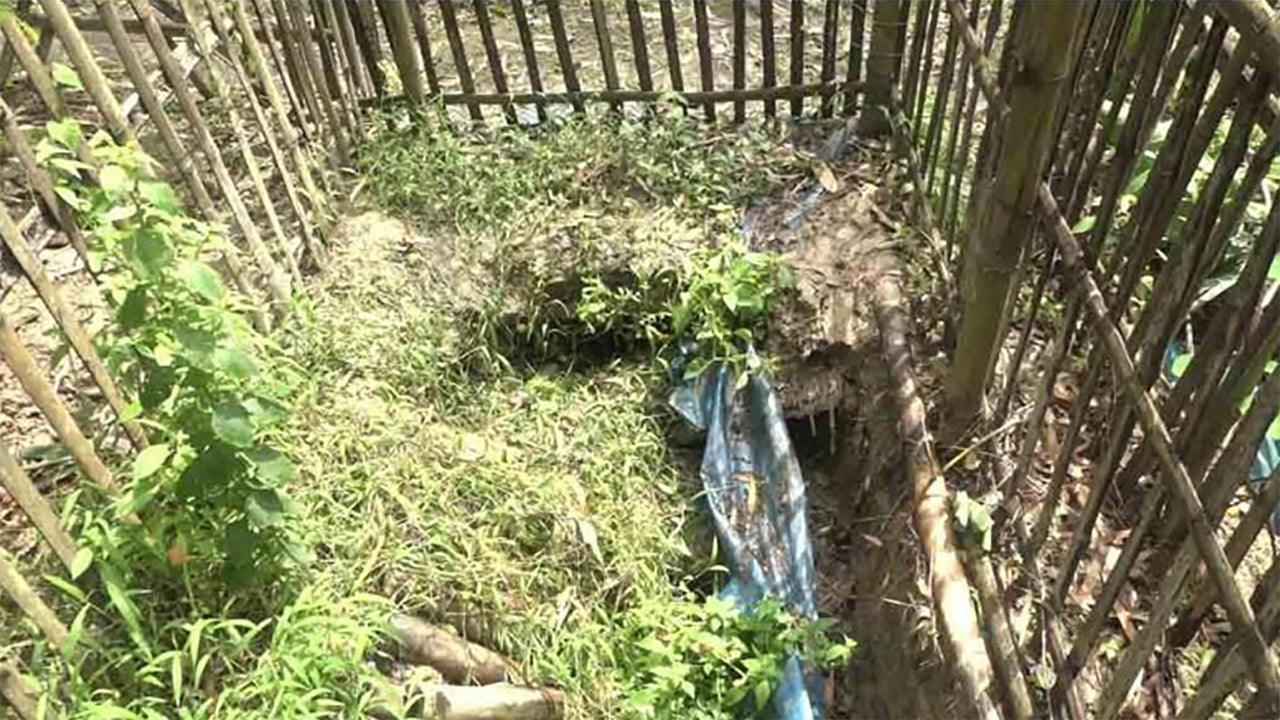
An investigative report by Amar Desh reveals a multimillion-taka black market in human skeletons used for medical education in Bangladesh. The trade involves organized networks stealing corpses from graves, processing them into skeletons, and selling them to medical students for 30,000–40,000 taka each. Despite global advances in artificial intelligence and 3D simulation for anatomy learning, around 10,000 new Bangladeshi medical students still rely on bones sourced through illegal means. Police have repeatedly recovered human skulls and bones from medical hostels, exposing the scale of the illicit trade. The report traces the roots of the trade to politically connected student leaders who dominated the business during the Awami League era, with networks controlling collection, processing, and distribution. Even after political changes, the practice persists, now operating through online groups. Students say they are compelled to buy bones to meet academic requirements, while experts argue that modern digital tools could replace real skeletons. Medical professionals suggest policy reforms, including banning real bones in exams and promoting 3D or plastic models, as the only sustainable way to dismantle the grave-robbing syndicate and align Bangladesh’s medical education with ethical and technological standards.
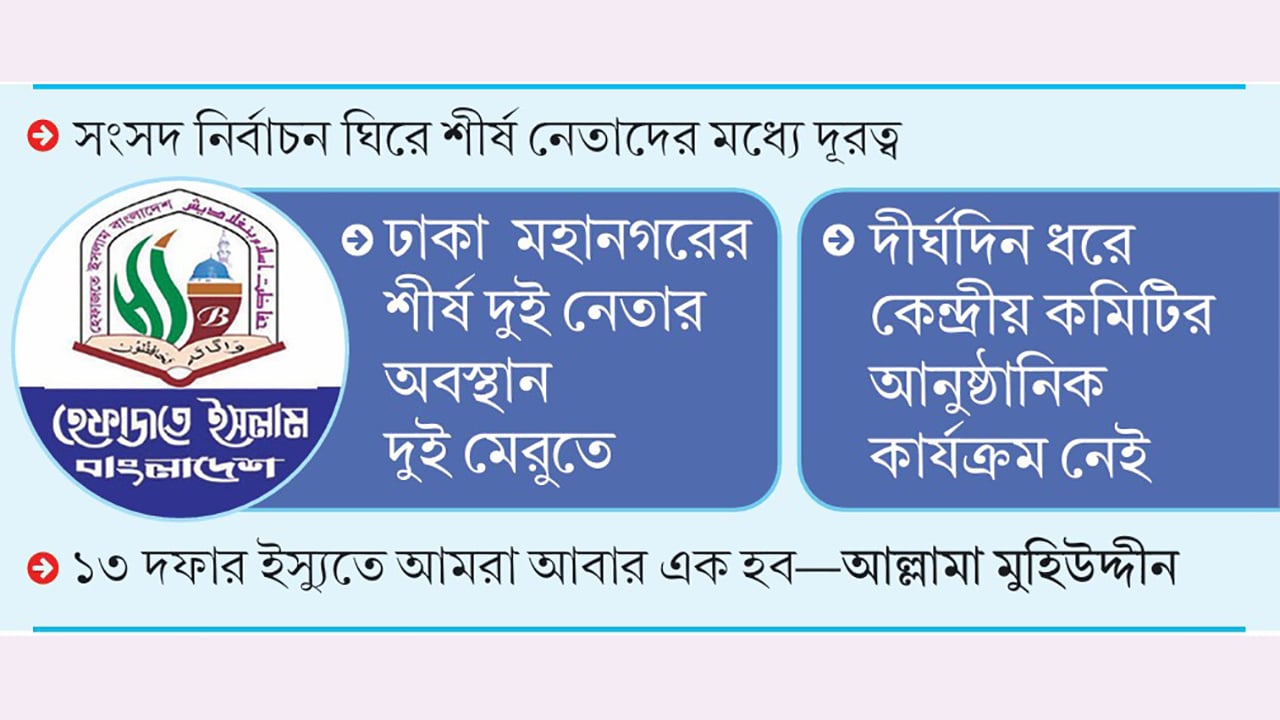
Hefazat-e-Islam Bangladesh, a Qawmi madrasa-based non-political organization, remains divided over leadership and direction despite recent efforts to restore unity. The group’s central committee has been largely inactive, and internal rifts deepened before and after the thirteenth national election. A sub-committee has been formed to resolve disputes, while some leaders have been expelled for breaching organizational discipline. Recent meetings in Dhaka and Chattogram discussed reconciliation and future coordination, but the organization has yet to resume full-scale central activities. Formed in 2010 under Allama Shah Ahmad Shafi to oppose anti-Islamic policies, Hefazat gained prominence through its 13-point movement and the 2013 Shapla Chattar rally. Following years of state repression and leadership changes, including the deaths of key figures, the group fractured into multiple factions. Some leaders aligned with different political alliances during recent elections, further weakening Hefazat’s unified stance. Current leaders say efforts are underway to restore organizational discipline and revive Hefazat’s religious unity after the Hajj season. They plan to pursue key demands, including withdrawal of old cases and justice for the Shapla Chattar killings.
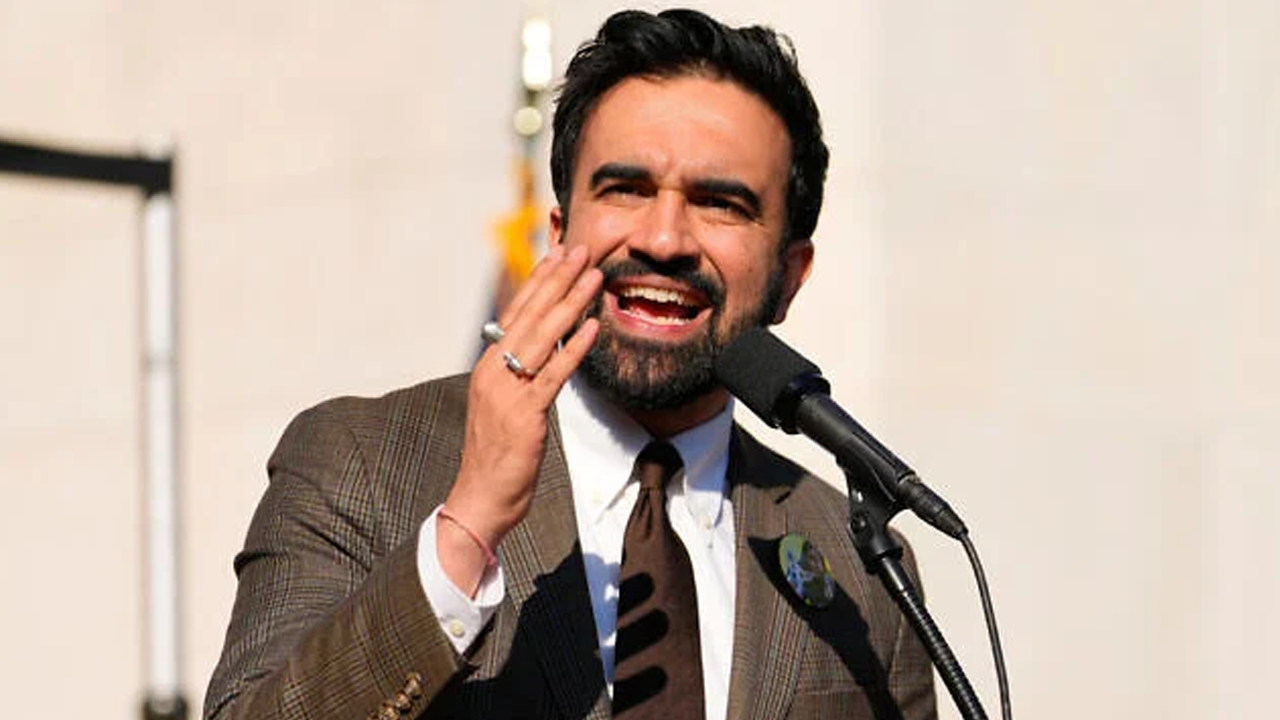
New York City Mayor Zohran Mamdani released a video and statement marking Nakba Day, which commemorates the displacement of Palestinians during the creation of Israel. The video features an interview with Inia Bushnak, a New York resident who identifies as a survivor of the Nakba, recounting her family’s flight from Jerusalem amid fears of advancing Zionist forces. The video explains that the term “Nakba,” meaning “catastrophe” in Arabic, refers to the expulsion and displacement of more than 700,000 Palestinians between 1947 and 1949 during the establishment of Israel. It also states that armed groups such as Haganah, Irgun, and Lehi destroyed over 400 Palestinian villages and towns, committing mass killings. Nakba Day is observed annually on May 15, and the video asserts that the Palestinian displacement continues today. Mamdani released the video during anti-Zionist rallies in Manhattan and declined to participate in the upcoming “Israel Day on Fifth” parade organized by the Jewish community later this month.
The United Kingdom announced the deployment of a new low-cost drone defense system on Royal Air Force (RAF) fighter jets operating in the Middle East. According to an official statement, the Advanced Precision Kill Weapon System (APKWS) will be integrated into RAF Typhoon aircraft. The system is designed to destroy targets with high accuracy at only a fraction of the cost of current missiles. The decision follows a surge in attacks across the Middle East linked to ongoing conflicts in the region. The UK move comes in response to Iranian drone and missile strikes targeting energy and military facilities. The deployment aims to strengthen the RAF’s operational capability while reducing the financial burden of countering aerial threats. The measure signals a strategic shift toward cost-effective defense technologies as regional tensions remain high and drone warfare continues to evolve.

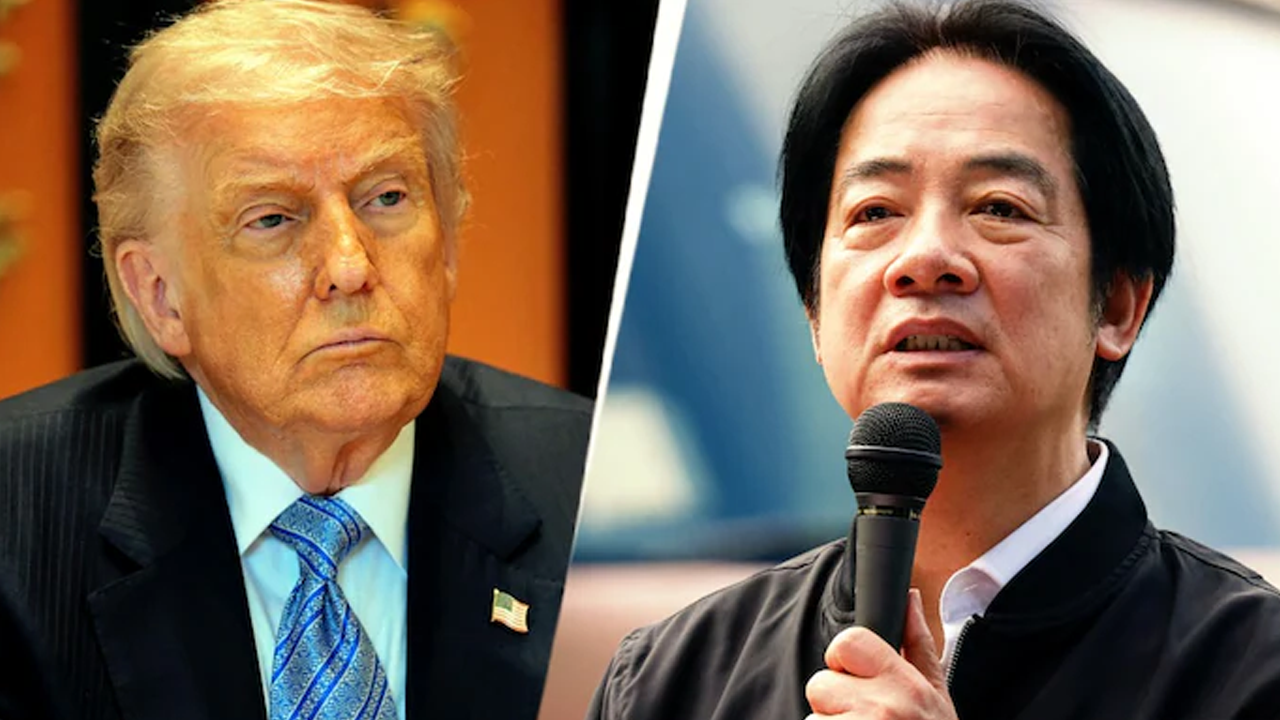
Taiwan has reiterated that it is a sovereign and independent state following U.S. President Donald Trump’s warning against formally declaring independence from China. After a two-day summit in Beijing, Trump said he had made no commitments regarding the self-governed island and would soon decide on an $11 billion arms package for Taiwan. He emphasized that he did not want conflict with China and preferred peace in the region. Taiwanese President Lai Ching-te previously stated that Taiwan sees itself as a sovereign nation and has no need for a formal independence declaration. Presidential spokesperson Karen Kuo reaffirmed that Taiwan is a democratic and independent country but remains committed to maintaining the current status quo—neither declaring independence nor unifying with China. Washington maintains its long-standing “one China” policy, recognizing only one Chinese government while providing Taiwan with defensive support. China has continued to criticize Taiwan’s leadership and increased military drills around the island, heightening regional tensions. Taiwan expressed gratitude to Trump for his continued support and pledged to deepen cooperation with the U.S. to ensure peace and stability in the Taiwan Strait.
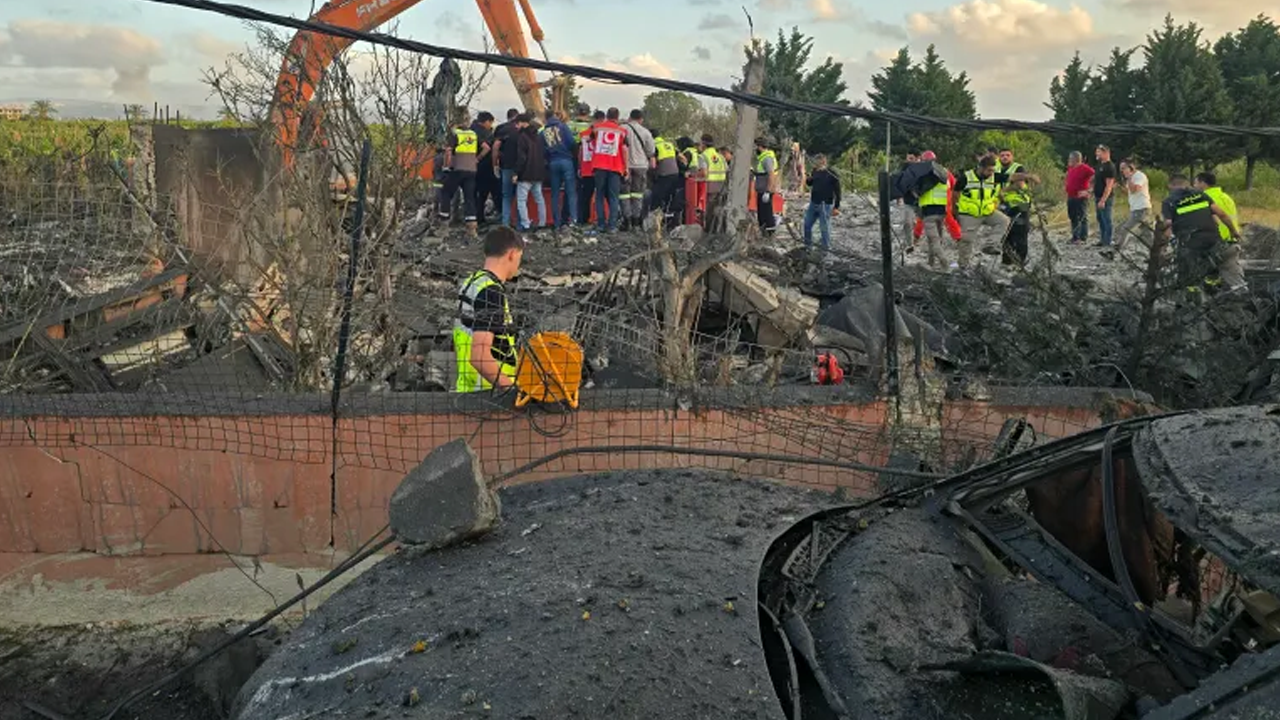
Despite a ceasefire that has been in place for several weeks, Israeli forces have continued air and artillery attacks across Lebanon. More than 30 strikes were reported in various areas, including multiple air raids near Al-Mansouri and Tyre in the southwest. Additional shelling occurred in the towns of Khalilah, Hanin, and Majdal Zoun, while the Nabatieh region in the east also experienced bombardments in locations such as Yahmor and Arnoun. The report indicates that the frequency of such attacks has been increasing over time, even though the ceasefire period has been extended. The continuation of Israeli military actions suggests that the truce has not effectively halted hostilities, and there are no visible signs of the situation improving soon. Thousands of residents have fled southern Lebanon following Israeli evacuation orders. Highways from Sidon toward Beirut have become crowded with people escaping the ongoing assaults, reflecting growing fear and instability in the region.
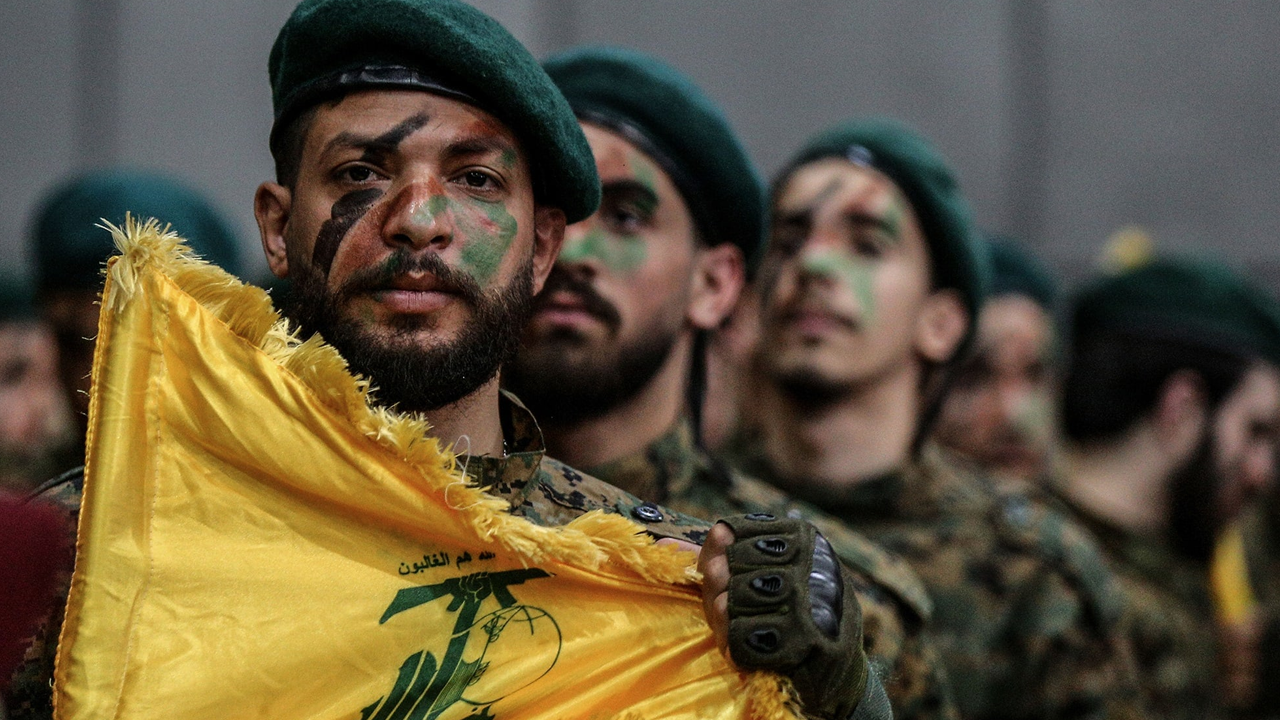
Lebanese negotiators in Washington are facing two major challenges in ongoing discussions with Israel over Hezbollah’s disarmament, according to Randa Slim, director of the Middle East Program at the Stimson Center. In an interview with Al Jazeera, she said Israel and the United States want Hezbollah to surrender its weapons immediately, while Lebanese officials, despite their willingness to pursue disarmament, view it as a long-term process requiring internal political consensus. Slim noted that public opinion in Lebanon largely supports disarming Hezbollah, but many within the country’s Shia community still oppose it, seeing the group as a shield against potential Israeli aggression. She expressed concern that Israel, known for its skill in process-based negotiations, could prolong talks without achieving tangible results, citing the decades-long Palestinian negotiations as an example. Slim suggested that breaking the current deadlock might require direct pressure from U.S. President Trump on Israeli Prime Minister Benjamin Netanyahu, though she added that the current U.S. administration appears more focused on Iran, making Lebanon a lower priority.
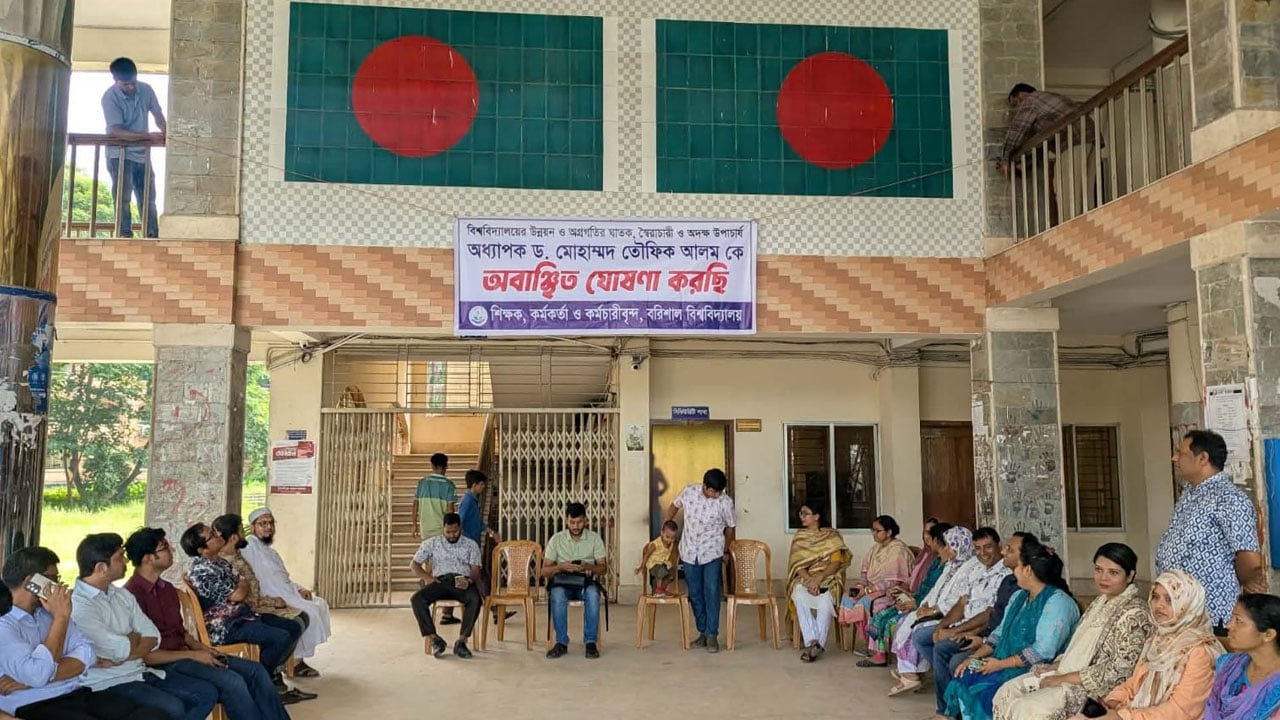
Teachers at Barishal University have withdrawn their academic shutdown following assurances from newly appointed Vice-Chancellor Professor Dr. Md. Mamunur Rashid. The decision was announced in a statement on Saturday, confirming that classes and examinations would continue despite the university entering a 19-day general holiday starting May 17. The teachers had launched their second phase of shutdown on May 10, demanding resolution of long-standing promotion-related complications. During the protest, they declared former vice-chancellor Professor Dr. Mohammad Toufiq Alam unwelcome and locked several administrative offices, halting academic and administrative activities and suspending 46 final exams. On May 14, the government replaced vice-chancellors at 11 public universities, including Barishal University, appointing Dr. Rashid, previously the institution’s treasurer. After discussions with the new vice-chancellor, teachers expressed satisfaction with his commitment to address promotion issues in coordination with the University Grants Commission. Faculty members and students welcomed the move, hoping it would restore normal academic operations and resolve the administrative crisis soon.
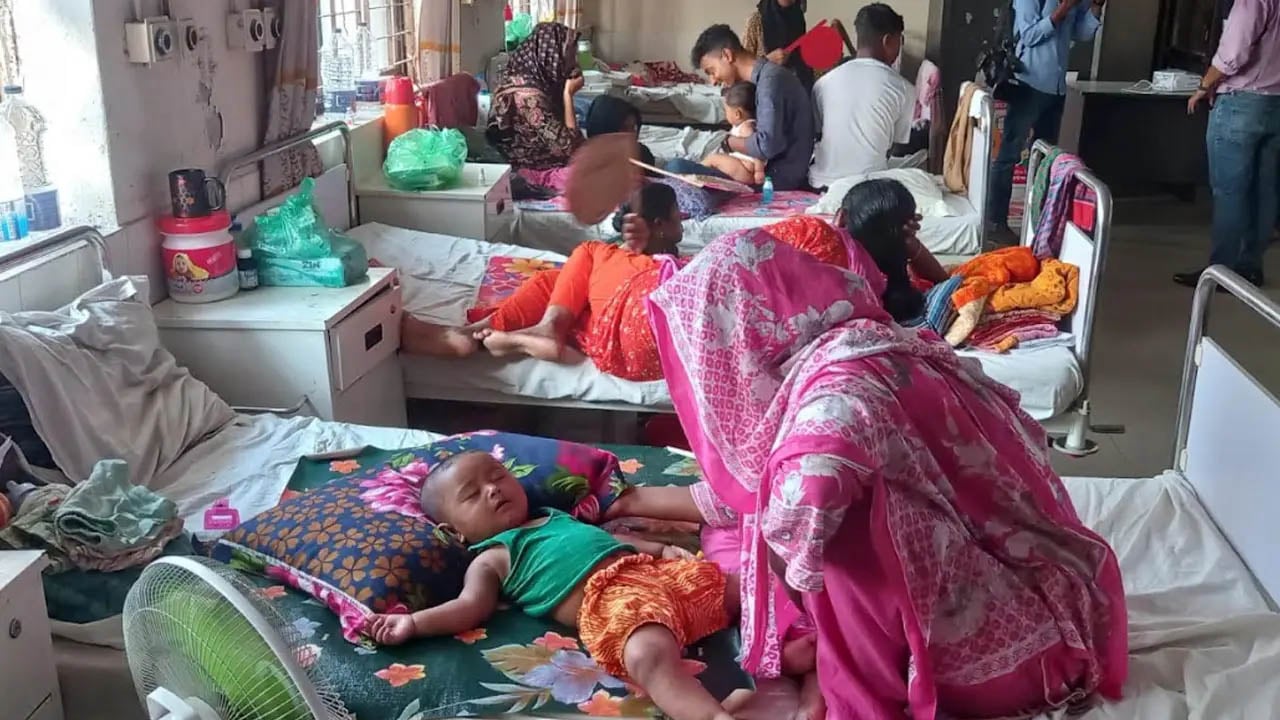
Bangladesh is facing a growing health crisis as doctors report that antibiotics are not working in children suffering from both measles and pneumonia. Pediatric specialists say the number of child deaths is increasing alongside a surge in infections. They warn that even after recovering from measles, children’s immune systems remain weak, leaving them vulnerable to pneumonia, seizures, respiratory problems, and other complications. The situation has prompted renewed concern among health experts about long-term risks and the need for parental vigilance. Professor Dr. Atikul Islam of Bangladesh Shishu Hospital and Institute said measles is spreading rapidly among children, and pneumonia recovery is taking longer even with double antibiotic treatment. Public health expert Dr. Mushtaq Hossain linked the worsening condition to malnutrition, delayed treatment, and antimicrobial resistance. He criticized lapses in vaccination and public health policy as key causes of the current outbreak. According to the Directorate General of Health Services, 453 children have died from measles or related symptoms since March 15, with over 56,000 showing symptoms and more than 7,500 confirmed cases. Experts called for urgent improvements in vaccination coverage and pediatric intensive care capacity.
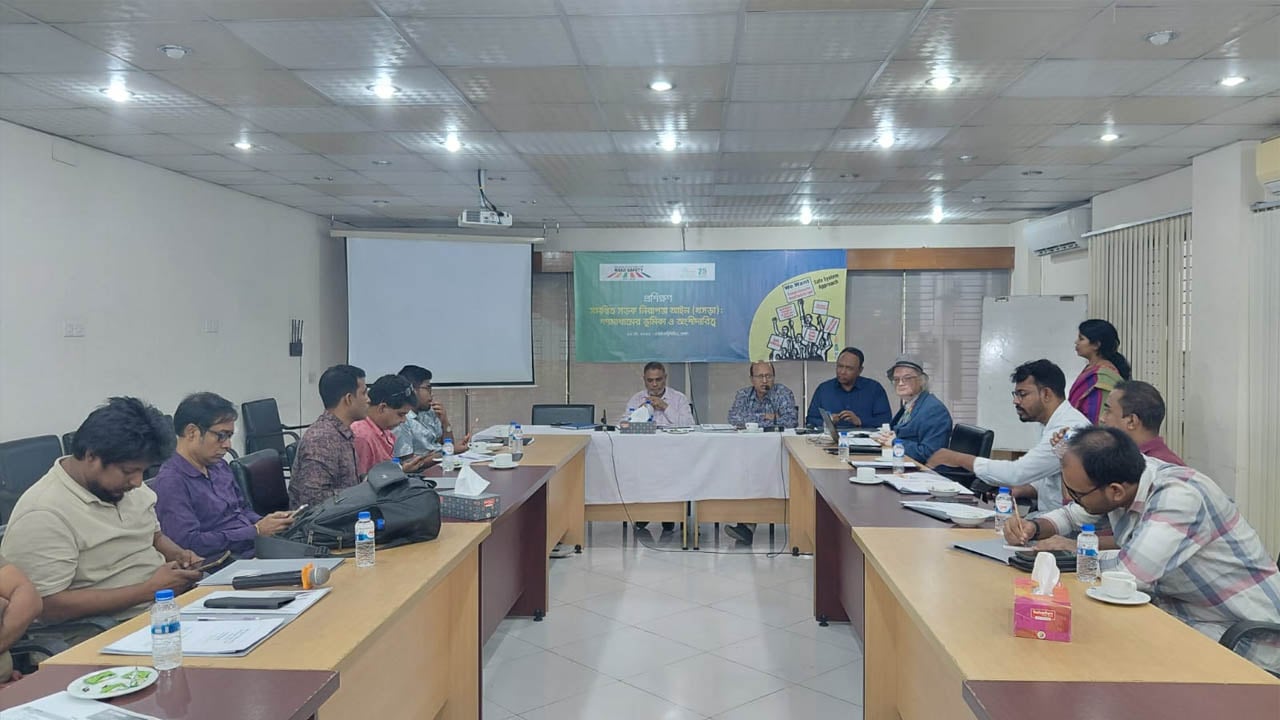
At a daylong training workshop held on Saturday at the YWCA training center in Mohammadpur, Dhaka, speakers said that road safety in Bangladesh is no longer just a transport issue but a critical development concern tied to public health, urban management, rule of law, economy, social security, and citizens’ rights. They emphasized that deaths, injuries, disabilities, and financial losses from road accidents are undermining both family stability and national development. The event, titled “Role and Partnership of Media in the Draft Integrated Road Safety Act,” was organized by the Bangladesh NGOs Network for Radio and Communication (BNNRC). Speakers highlighted that Sustainable Development Goal (SDG) 3.6 aims to halve global road traffic deaths and injuries by 2030, while SDG 11.2 stresses safe, affordable, accessible, and sustainable transport for all, particularly for women, children, the elderly, persons with disabilities, and vulnerable groups. They further noted that ensuring road safety requires coordinated efforts across transport, health, police, education, local government, infrastructure, and media sectors. A comprehensive road safety law could bring these sectors under a unified framework to ensure responsibility, coordination, and accountability.
Police have arrested a 24-year-old man named Md. Ashik Topedar in Dhaka’s Banani area for possessing posters and leaflets of a banned organization. The arrest took place early Saturday around 4:30 a.m. on the Dhaka–Mymensingh Road near the Navy Headquarters. According to police, the materials were related to the banned organization Awami League and were linked to Sheikh Hasina’s Homecoming Day. A case has been filed at Banani Police Station in connection with the incident. The report did not provide further details about the suspect’s background, the specific charges, or the nature of the banned organization’s activities. The police statement only confirmed the recovery of the posters and leaflets and the subsequent legal action. Further developments in the investigation or any official statements from authorities were not mentioned in the source.
Transparency International Bangladesh (TIB) has strongly condemned the attack on the historic Shah Ali shrine in Dhaka, calling it contrary to the spirit and goals of Bangladesh’s independence and the July Movement. In a statement issued on Saturday, TIB demanded that the government take strict measures to ensure exemplary punishment for those responsible for the assault. The organization also urged Jamaat-e-Islami and other religion-based political parties to clarify their positions on the right to practice and coexist within Bangladesh’s diverse cultural and folk traditions. TIB’s Executive Director Dr. Iftekharuzzaman described the attack as part of a broader pattern of violence and conspiracy against Bangladesh’s pluralistic and tolerant heritage, warning that such actions threaten the country’s liberal cultural identity. TIB further emphasized that the current BNP-led government, elected with broad public support, bears responsibility for protecting the nation’s multicultural and multireligious traditions. The group called for impartial investigations into this and previous similar incidents to ensure justice and prevent future attacks.

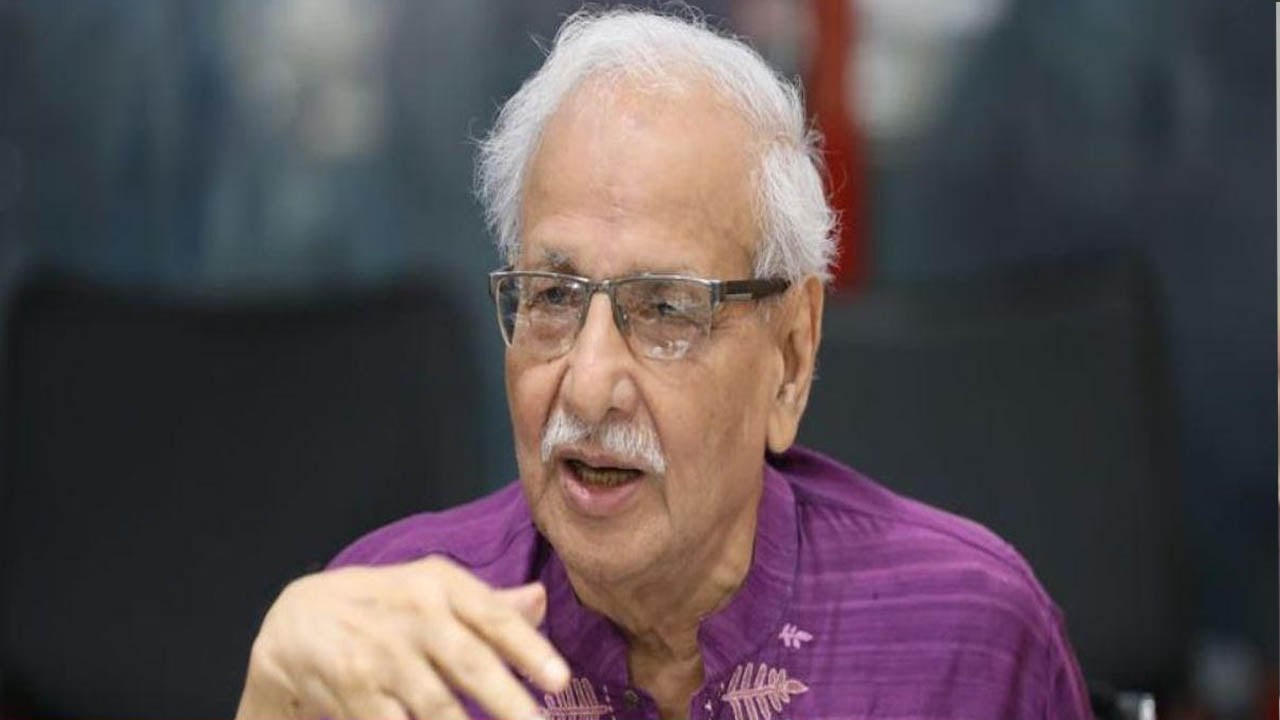
Badiul Alam Majumdar, secretary of Citizens for Good Governance (SUJAN), stated that despite changes in political power, Bangladesh’s governance system remains fundamentally unchanged and ordinary citizens see no real improvement in their lives. Speaking on Saturday at a discussion titled “Structural Reform of the State” at the Dhaka Reporters Unity auditorium, he warned that without structural reform following the July revolution, fascism could return. He criticized the ruling class for showing reluctance to alter the long-standing state structure and emphasized that genuine improvement in people’s lives requires fundamental reform. Majumdar also argued that the constitution is often misused to resist reform, noting that the recent election and government formation were inconsistent with constitutional provisions. He stressed that the people’s referendum mandate must be fully implemented. Majumdar further warned that delaying local government elections or running them through administrators would violate the constitution. Expressing frustration over the shrinking prospects for reform, he called on civil society to take an active role and expressed solidarity with the aspirations of the July movement.
The ‘1 Nojor’ media platform is now live in beta, inviting users to explore and provide feedback as we continue to refine the experience.