

The ‘1 Nojor’ media platform is now live in beta, inviting users to explore and provide feedback as we continue to refine the experience.
Hamas has confirmed that Izz al-Din al-Haddad, a commander of its military wing, the Qassam Brigades, was killed in an Israeli airstrike on the Gaza Strip on Friday evening. The group said al-Haddad’s wife, daughter, and several other Palestinian civilians also died in the attack. In a statement, Hamas described the incident as a treacherous and cowardly assassination, accusing Israel of repeatedly violating the ongoing ceasefire by targeting civilians in Gaza. The group said the killing of al-Haddad represented the latest example of Israel’s continued aggression and breach of the truce agreement. Israeli authorities have not issued any immediate comment on the incident, according to the report sourced from Al Jazeera.

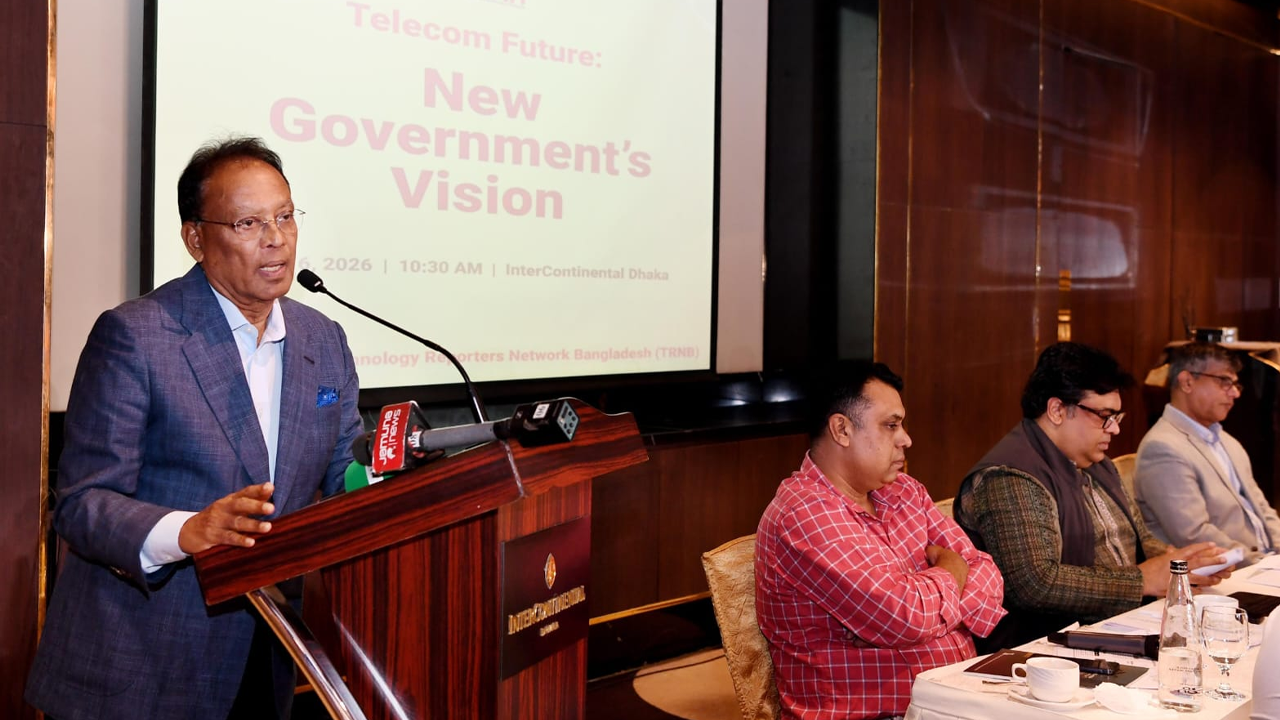
Bangladesh’s Minister of Posts, Telecommunications and Information Technology, Fakir Mahbub Anam, announced that artificial intelligence (AI) training centers will be set up in every upazila across the country. Speaking at a seminar titled “Future of the Telecom Sector: What the Government Thinks,” organized by the Telecom and Technology Reporters Network, Bangladesh (TRNB) at Hotel Intercontinental in Dhaka, he said the initiative aims to expand AI use and train youth in AI and freelancing. The government is preparing an implementation plan, with a framework expected in the upcoming national budget. The minister said the government is executing an integrated plan to modernize the telecom sector, ensure investment-friendly policies, and expand high-speed internet access to rural areas. He emphasized the importance of 5G, AI, IoT, and cloud-based services through stronger public-private partnerships. The government also aims to create one million ICT jobs within five years and modernize state-owned enterprises to improve service quality. Prime Minister’s ICT adviser Rehan Asif Asad added that the upcoming budget will include positive measures for the ICT sector, targeting a 10–15 percent GDP contribution and prioritizing affordable smartphones, 5G, AI, and cybersecurity.
Former Research and Analysis Wing (RAW) chief A.S. Dulat has said that India is gradually becoming diplomatically and politically isolated on the international stage. In an interview with a British media outlet, cited by Pakistan’s Geo News, Dulat stated that India’s long-held belief that Pakistan would collapse due to internal crises has proven wrong. He added that India’s efforts to diplomatically isolate Pakistan have not succeeded, and instead, India now faces growing pressure in regional affairs. Dulat highlighted that Pakistan’s army chief, Field Marshal Asim Munir, is gaining increasing global recognition, noting that former U.S. President Donald Trump had publicly praised him. He further said Pakistan’s active mediation between the United States and Iran has strengthened its diplomatic standing, allowing it to present itself as a responsible and balanced state internationally. Discussing Kashmir, Dulat attributed ongoing unrest to local frustration and deprivation. He also mentioned that India-Pakistan diplomatic ties have nearly stalled, with border tensions and military clashes worsening the situation. He referred to an 87-hour conflict in May 2025 that ended with a U.S.-brokered ceasefire, after which Pakistan’s regional role became more visible.

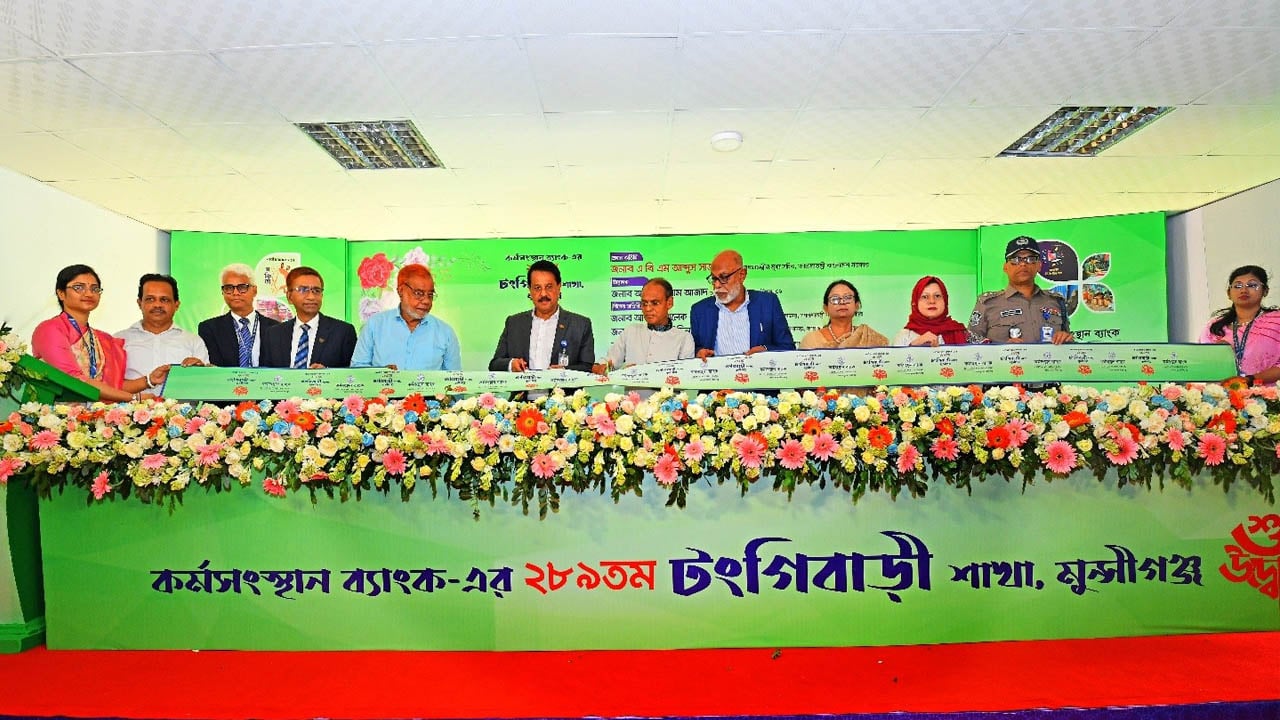
Employment Bank inaugurated its 289th branch in Tongibari, Munshiganj, on Friday at the Institute of Marine Technology conference hall. The event was chaired by the bank’s chairman and former secretary Dr. A.F.M. Matiur Rahman, with Prime Minister’s Principal Secretary A.B.M. Abdus Sattar attending as chief guest. Other guests included the secretaries of the Ministry of Religious Affairs and the Financial Institutions Division, and local MP Abdus Salam Azad, who officially opened the branch. In his remarks, Abdus Sattar praised the bank’s strong position in the national banking sector and urged continued efforts toward financial inclusion and job creation. Dr. Matiur Rahman described the new branch as a milestone, encouraging youth, women entrepreneurs, and small business owners to pursue self-employment. MP Abdus Salam Azad highlighted Tongibari’s potential in agriculture, fisheries, and small enterprises, while Secretary Nazma Mobarek noted that the new branch would create employment opportunities, especially for women. At the end of the ceremony, guests handed over loan checks to local entrepreneurs, marking the branch’s operational launch.
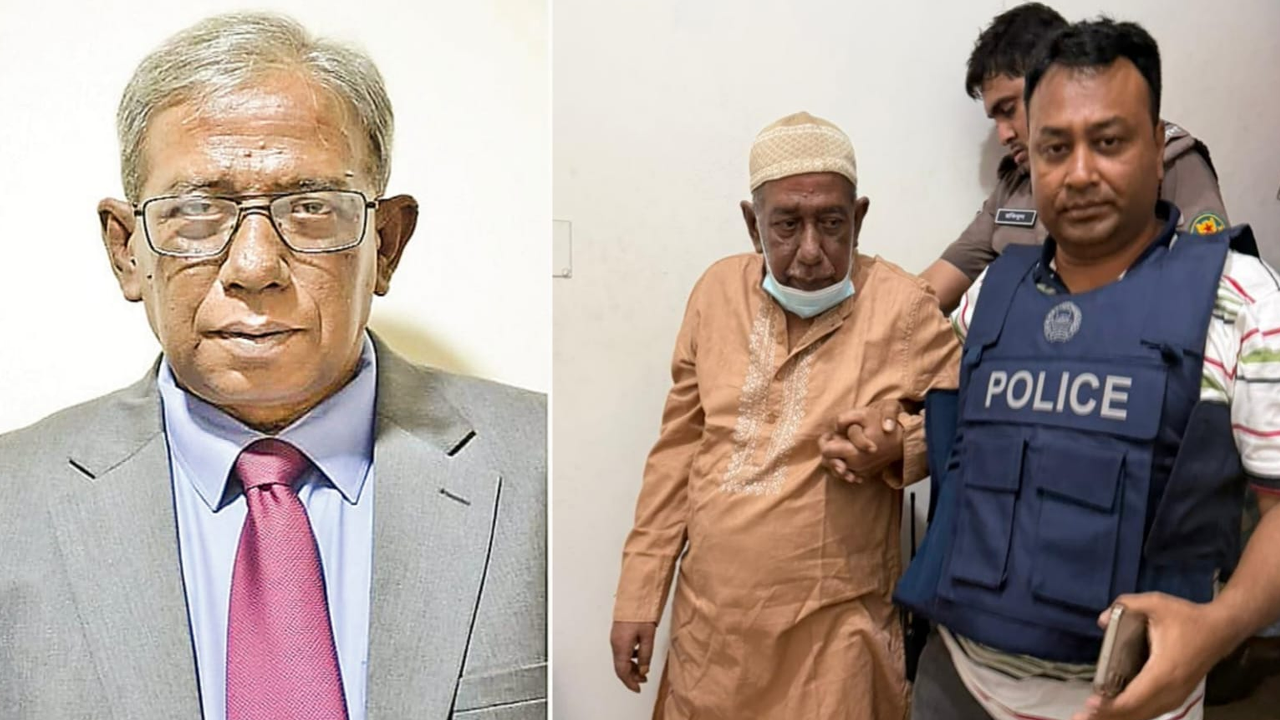
Police have arrested Dr. Hasibur Rashid, former vice-chancellor of Begum Rokeya University (BRU), who was sentenced to ten years in prison in connection with the murder of BRU student Abu Sayeed. He was detained on Saturday night in the Mohammadpur area of Dhaka, confirmed Jewel Rana, Additional Deputy Commissioner of the Mohammadpur Zone of Dhaka Metropolitan Police. Legal proceedings following the arrest are currently underway. On April 9, the International Crimes Tribunal sentenced Dr. Hasibur Rashid to ten years of rigorous imprisonment for crimes against humanity related to the killing of student Abu Sayeed. In the same verdict, the tribunal handed down death sentences to two former police officers, Amir Hossain and Sujon Chandra Roy, and life imprisonment to three others. The remaining 25 accused received varying prison terms. The arrest marks a continuation of the enforcement of the tribunal’s verdicts in the Abu Sayeed murder case, which involved multiple defendants and varying levels of punishment.
Iranian media and hardline political circles are highlighting the submarine internet cables running beneath the Strait of Hormuz as a potential tool of strategic pressure. The discussion has gained traction amid rising military tensions involving Iran, the United States, and Gulf nations. Reports from outlets close to Iran’s Islamic Revolutionary Guard Corps (IRGC), including Fars News Agency and Mashregh News, describe these cables as vital to global data, communication, and financial networks linking Europe, the Middle East, and Asia. According to Fars News, networks such as Falcon, Gulf Bridge International, and TGN-Gulf connect Gulf states to global infrastructure, supporting major technology companies and financial systems like SWIFT. Iranian lawmaker Ehsan Ghazizadeh Hashemi told state media that legislators are drafting an action plan to regulate submarine cable activities in the Hormuz region, potentially requiring government approval and service charges for installation or maintenance. Analysts cited in the report note that enforcing such control would face legal and technical challenges under international maritime law. However, Iran’s focus on digital infrastructure signals a shift toward integrating data networks into its broader geopolitical strategy.

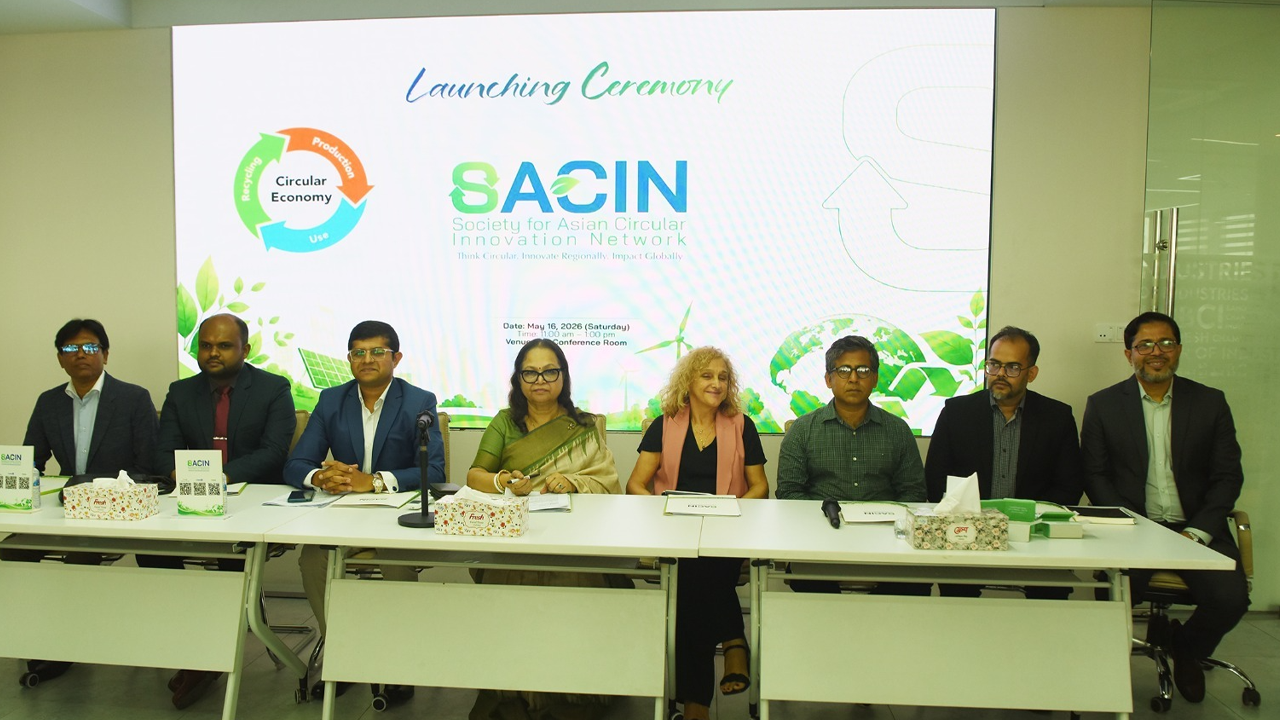
The Society for Asian Circular Innovation Network (SACHIN) officially launched in Dhaka with the goal of promoting circular economy practices across Asia. The inauguration ceremony took place at the BCI Conference Room in Tejgaon, where founder president Preeti Chakraborty said the organization aims to drive sustainable development through research, innovation, policy engagement, and regional cooperation. SACHIN’s slogan, “Think Circular. Innovate Regionally, Impact Globally,” reflects its vision of positioning Asia as a global leader in circular economy and sustainability. Initially focusing on Bangladesh’s garment industry, SACHIN plans to expand into agriculture, manufacturing, construction, healthcare, plastics, energy, finance, water, and shipbuilding. EuroCham Bangladesh Chairperson Nuria Lopez emphasized that adopting circular economy principles is vital for Bangladesh’s competitiveness and environmental stability. The organization announced future initiatives including an Asian Sustainability Data and AI Portal, Circular Tech Marketplace, SACHIN Academy, and an Asian Circular Economy and Climate Summit. SACHIN stated that its work aligns with UN Sustainable Development Goals 12, 13, and 17, and called for collaboration among governments, industries, researchers, and youth to build a sustainable and inclusive future for Asia.
The roof casting of the new building of Haji Kalyan Sangstha was inaugurated in Pirgacha, Rangpur, on May 16, 2026. The foundation stone of the building was laid in 2019, but construction halted after the pillars were completed due to the COVID-19 pandemic. Later, financial constraints kept the project suspended for several years until work resumed in 2025 under a renewed initiative. Speakers at the event said the organization aims to serve humanity, teach proper religious practices, and promote social awareness of faith. They emphasized the importance of selfless service to society, noting that many people today act out of personal interest. The land for the building was donated by the late Abdul Karim Mia. Local dignitaries, including former teachers, religious leaders, and community representatives, attended the ceremony, reflecting broad community support for the project.

Indian media reported a tragic incident in Gujarat’s Morbi district where a man allegedly handed over his wife and underage daughter to their landlord for sexual exploitation after failing to pay rent. The man reportedly agreed to this act in exchange for 2,000 rupees. Police have arrested both the man and the landlord following the complaint. According to authorities, the family had moved from Surendranagar to Morbi about six months earlier in search of livelihood and rented a house for 2,000 rupees per month. Due to severe financial hardship, they had been unable to pay rent for four months. The man then reached a deal with the landlord to settle the dues through the exploitation of his wife and daughter. Police said the victim’s grandmother filed a complaint at Morbi police station, leading to charges under the Protection of Children from Sexual Offences (POCSO) Act and other relevant laws. A third suspect is being sought in connection with the crime.

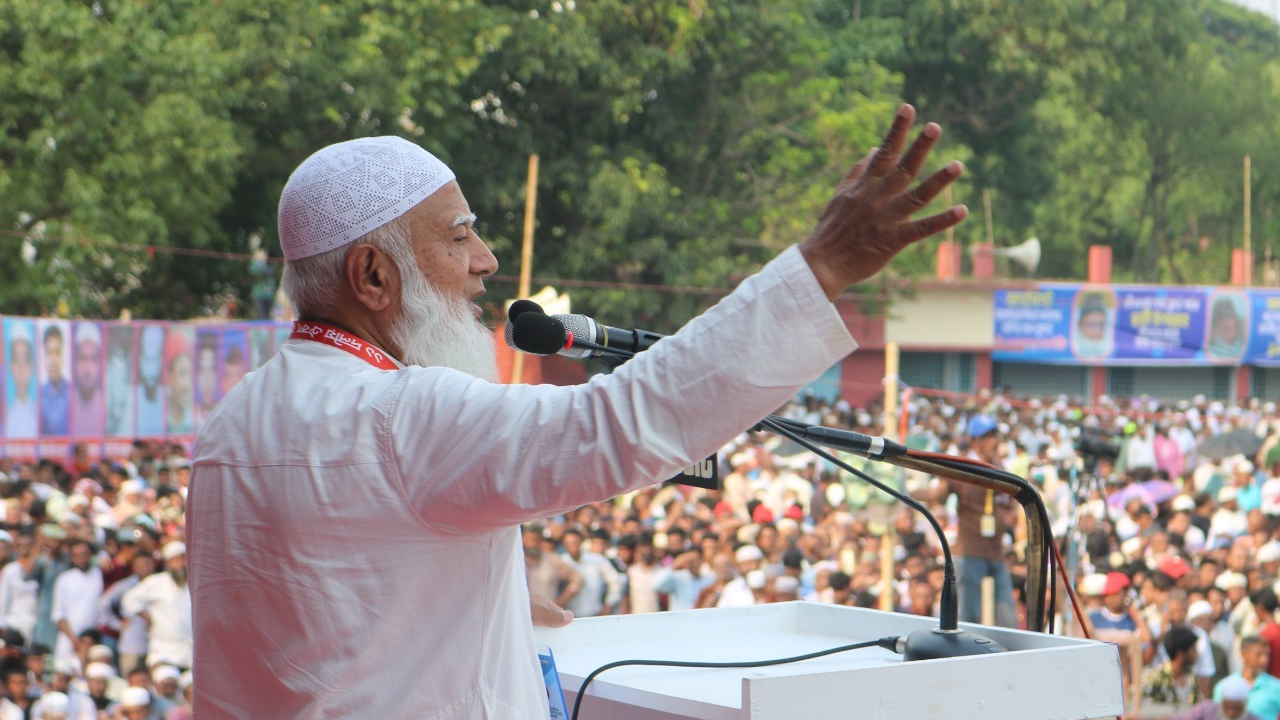
Leader of the Opposition and Jamaat-e-Islami Ameer Dr. Shafiqur Rahman addressed an eleven-party divisional rally at Rajshahi Madrasa ground on Saturday, May 16, 2026. He accused the ruling party of deceiving the nation and warned that ignoring the referendum result would be an insult to the people’s mandate. Rahman said no one in history has escaped punishment for standing against the people and urged the government to return to honesty and fulfill its electoral promises. He criticized the government for appointing administrators in 42 districts despite pledging to eliminate unelected representatives, and for failing to ensure judicial independence. Rahman also condemned corruption, extortion, and political favoritism in public institutions, calling these acts betrayals of the nation. He demanded implementation of the Padma Barrage and Teesta Master Plan to address water crises and urged the government to uphold human rights and national unity. Rahman declared that Jamaat would continue its struggle both in parliament and on the streets if the government failed to implement 16 key ordinances necessary for good governance, emphasizing that the referendum’s verdict must be realized to prevent authoritarian rule.
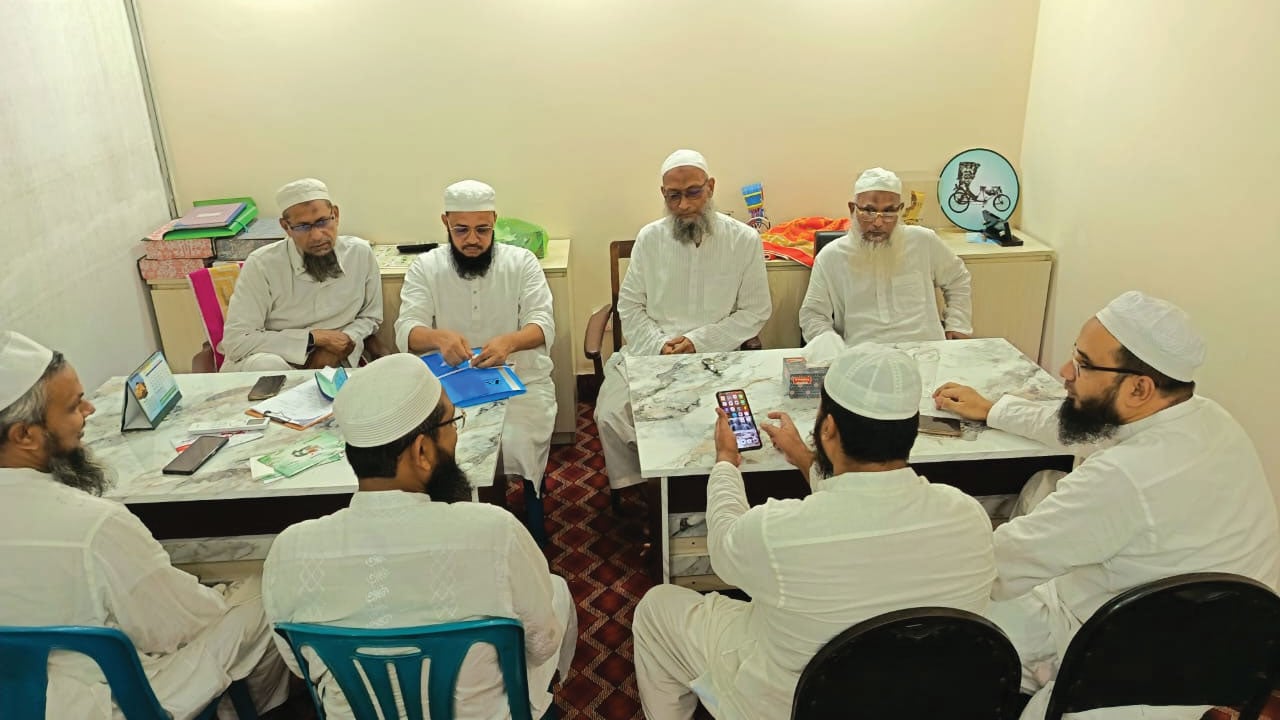
Leaders of Bangladesh Khelafat Majlis have warned that delaying local government elections could erode public confidence in the government. They made the remarks at a meeting of the party’s Local Government Election Steering Committee held on Saturday at the central office in Purana Paltan, Dhaka. The leaders said that allegations of irregularities and manipulation in the recent national parliamentary election had already damaged public trust in the Election Commission. According to the speakers, citizens had expected the new government to promptly organize local government elections to ensure direct public participation. Instead, the appointment of party-affiliated administrators in various city corporations and district councils has raised new concerns among the public. The leaders argued that local government institutions should be run through direct public involvement, not by political appointees. The meeting demanded the immediate cancellation of all party-based administrator appointments and called for phased elections to city corporations, upazila councils, municipalities, district councils, and union councils.
China has reaffirmed its commitment to working closely with Bangladesh for regional peace, stability, and development. Speaking at a banquet honoring a visiting Bangladeshi media delegation, Jiang Yan, Deputy Director General of Xinjiang’s Foreign Affairs Office, described Bangladesh as a tested friend and a key development partner. He emphasized expanding cooperation in trade, infrastructure, agriculture, tourism, and education, noting that stability is essential for sustainable progress. Jiang highlighted Xinjiang’s transformation into a major commercial hub bordering eight countries and invited Bangladesh to benefit from the province’s development experience. He said Xinjiang is now secure, with no separatist incidents since 2022, and welcomed over 30 million foreign tourists in 2025. Addressing questions on religious freedom, he rejected Western media criticism, asserting that Muslims in Xinjiang enjoy full freedom of worship. The Bangladeshi delegation also visited the Xinjiang Islamic Institute, where administrators described its role in combining traditional Islamic scholarship with modern education. The institute, supported by significant state investment, trains imams and scholars through a rigorous curriculum balancing theology and contemporary social needs.

Water Resources Minister Md. Shahid Uddin Chowdhury Annie stated that the government is committed to improving the lives of marginalized people. Speaking on Saturday at the Family Card distribution event at Kushakhali Annie Chowdhury High School in the newly formed Chandraganj upazila of Lakshmipur, he said the initiative aligns with the government’s election manifesto. The Family Card aims to empower women and ensure nutritional support for families. Prime Minister Tarique Rahman inaugurated the nationwide Family Card distribution virtually from Chandpur Government College field. The minister added that the government is working for public welfare and has already distributed Family Cards and Agriculture Cards as pilot programs. He thanked the Prime Minister for upgrading Chandraganj to upazila status within three months and noted the revival of the late President Ziaur Rahman’s canal excavation program to boost agricultural productivity. During the event, 1,250 residents of Ward 5 in Kushakhali Union received Family Cards. The ceremony was chaired by District Commissioner S.M. Mehedi Hasan and attended by local MPs, officials, and beneficiaries.
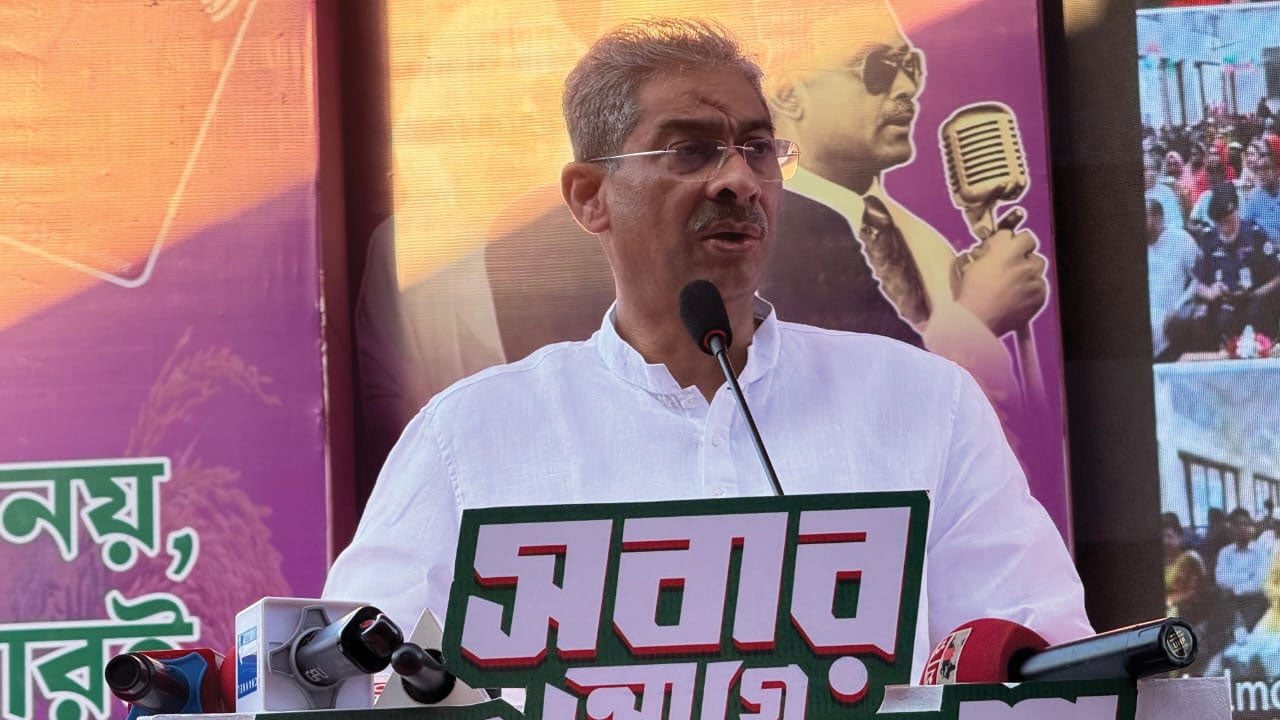
The Bangladesh Cricket Board (BCB) has officially announced the schedule for its upcoming election, which will take place on June 7 at the BCB headquarters. The ad hoc committee had earlier expressed its intention to hold the election ahead of the scheduled time. According to the announcement, the draft voter list will be released tomorrow, followed by the final list on May 19. Nomination papers will be sold on May 20 and 21. After verification, the final list of candidates will be published on May 25. Those wishing to cast e-votes must inform the election commission by May 25, and e-ballot papers will be sent until June 6. All e-ballots must reach the BCB election commission by noon on June 7. Voting for directors, president, and vice president will be held on the same day, with results to be announced that day as well. As in previous elections, 23 directors will be elected across three categories, with a total of 192 voters participating.

The Ministry of Primary and Mass Education of Bangladesh has issued an urgent directive to ensure proper implementation of the government’s primary school feeding program. The order, dated May 13 and announced on Saturday, warns that legal and departmental action will be taken if any distribution of substandard or spoiled food is proven. The ministry cited reports of rotten bread, spoiled eggs, and poor-quality bananas being supplied to schools, posing health risks to children and undermining the program’s goals. The directive instructs head teachers to verify the quality and quantity of food before acceptance and distribution. It emphasizes that all food items must meet prescribed standards, be stored properly, and be distributed on time. Specific guidelines were issued for bread, eggs, bananas, UHT milk, and fortified biscuits, including checks for freshness, packaging integrity, production and expiry dates, and net weight. The ministry further stated that no low-quality or defective food should be accepted under any circumstances. Any negligence or irregularity will lead to disciplinary and legal measures, and suppliers must be reported immediately to higher authorities.

The ‘1 Nojor’ media platform is now live in beta, inviting users to explore and provide feedback as we continue to refine the experience.