

The ‘1 Nojor’ media platform is now live in beta, inviting users to explore and provide feedback as we continue to refine the experience.
A Bangladeshi expatriate named Nurul Alam from Eidgaon upazila in Cox’s Bazar was killed in a road accident in Saudi Arabia. The incident occurred early Saturday morning, Bangladesh time, while he was traveling toward Makkah. Family sources confirmed that he died at the scene. News of his death has cast a shadow of grief over his family and community in Eidgaon. Nurul Alam, son of Altaaz Ahmed from Uttar Maizpara area of Eidgaon Union, had been living in Saudi Arabia for many years as the sole breadwinner for his family. He had gone abroad to support his wife, two daughters, and one son. On the day of the accident, his vehicle reportedly lost control, leading to the fatal crash. His brother, Jane Alam, said that the necessary paperwork and formalities to bring the body home are underway, and the family has sought assistance from relevant authorities. Local representatives, expatriate communities, and social organizations have expressed deep condolences to the bereaved family.
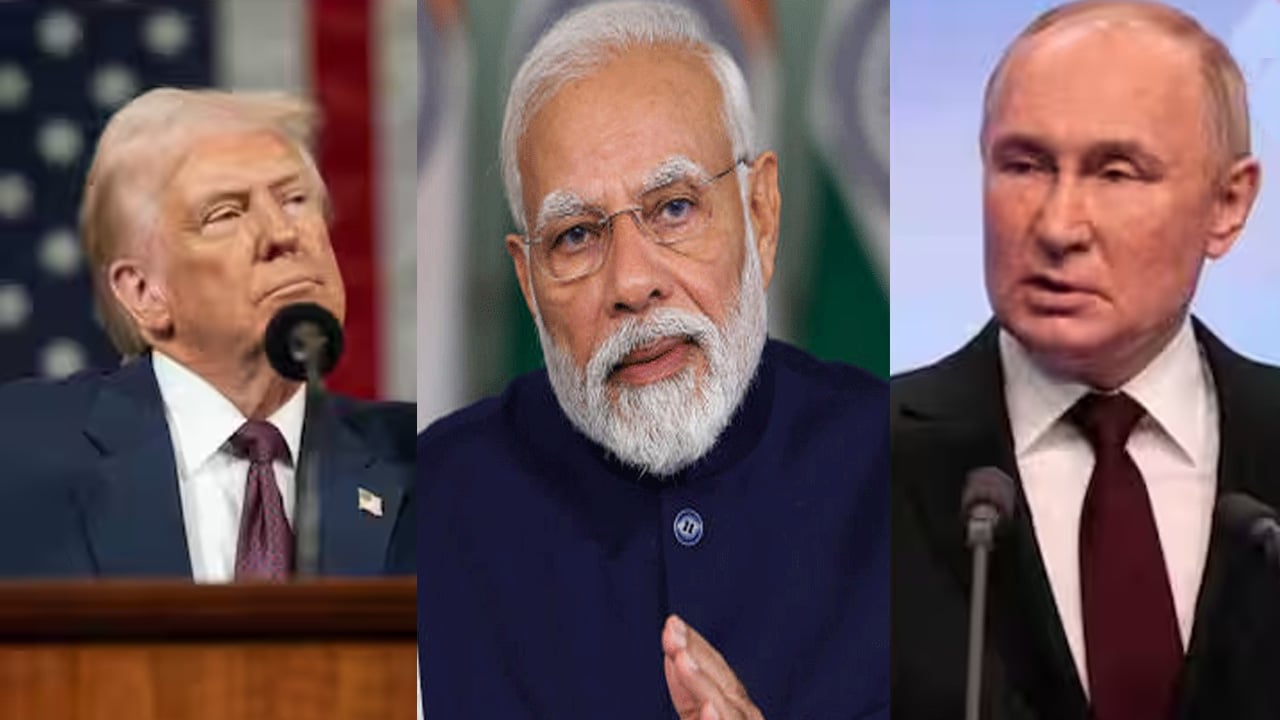
Russian Foreign Minister Sergey Lavrov has repeatedly accused the United States of pressuring countries to stop buying Russian oil, calling such actions unfair. He argued that more nations should import energy from Russia. Meanwhile, Ajay Srivastava, former Indian trade official and head of the Global Trade Research Initiative, voiced concern over India’s energy security, noting that the country imports about 90 percent of its oil, much of it from the Gulf region, which faces uncertainty around the Strait of Hormuz. Srivastava said roughly 30 percent of India’s oil imports from Russia last year faced complications due to US pressure, describing the situation as an emergency. He added that while the US is increasing its own oil exports and India has imported more from America, the US still lacks sufficient capacity to meet global demand. He urged India to secure a long-term deal with Russia and not yield to Washington’s pressure. Journalist and diplomatic analyst Smita Sharma offered a different view, saying India cannot openly oppose the US given trade and investment pressures. She noted that India may continue importing Russian oil quietly while leaning closer to the US and Israel within global alliances.
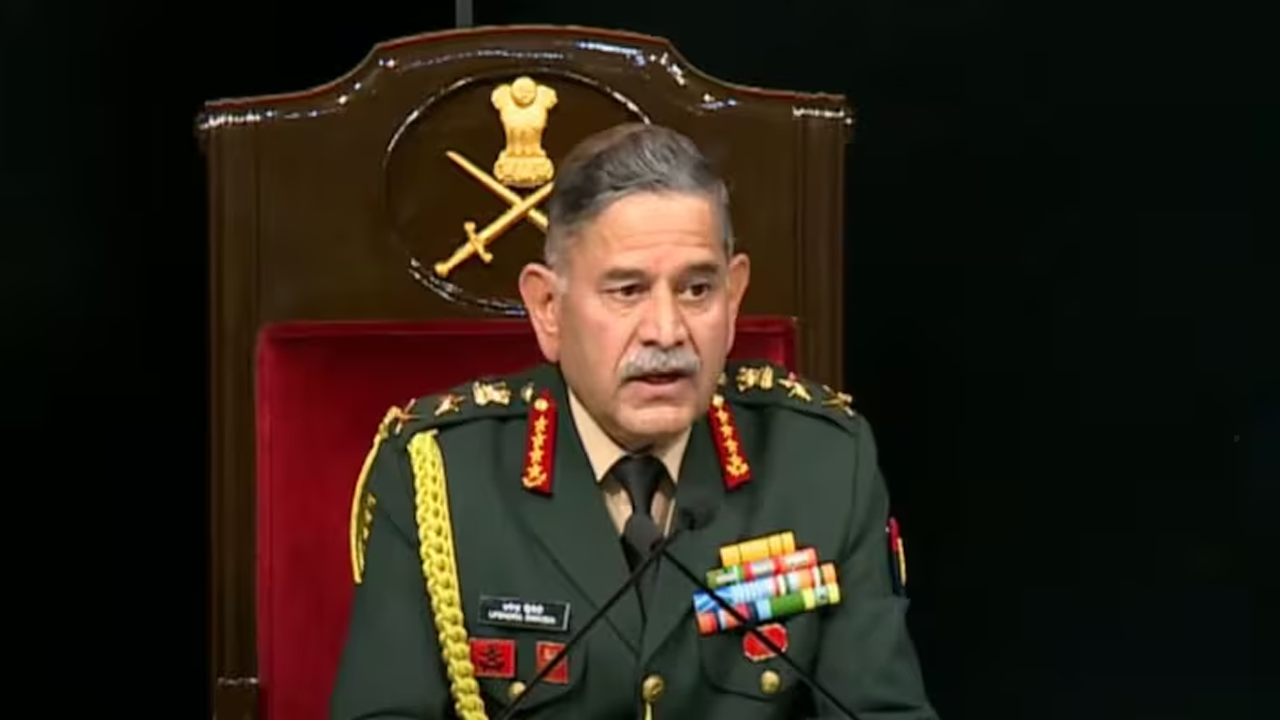
Indian Army Chief General Upendra Dwivedi issued a strong warning to Pakistan, saying the country must decide whether it will remain on the world map or disappear into history if it continues to shelter terrorists and engage in hostile acts against India. He made the remarks on Saturday, May 16, at an event held at the Manekshaw Centre in New Delhi. Speaking during an interactive session titled 'Sena Samvad', organized under the platform 'Uniform Unveiled', General Dwivedi reiterated India’s long-standing firm stance against terrorism. His brief but sharp statement has reportedly heightened tensions between the two nuclear-armed neighbors. The comments came just days after India’s government and armed forces celebrated the first anniversary of 'Operation Sindhur' with great ceremony. When asked how the Indian Army would respond if a situation similar to 'Operation Sindhur' arose again, the Army Chief recalled his earlier remarks, emphasizing that Pakistan’s actions would determine its own fate.
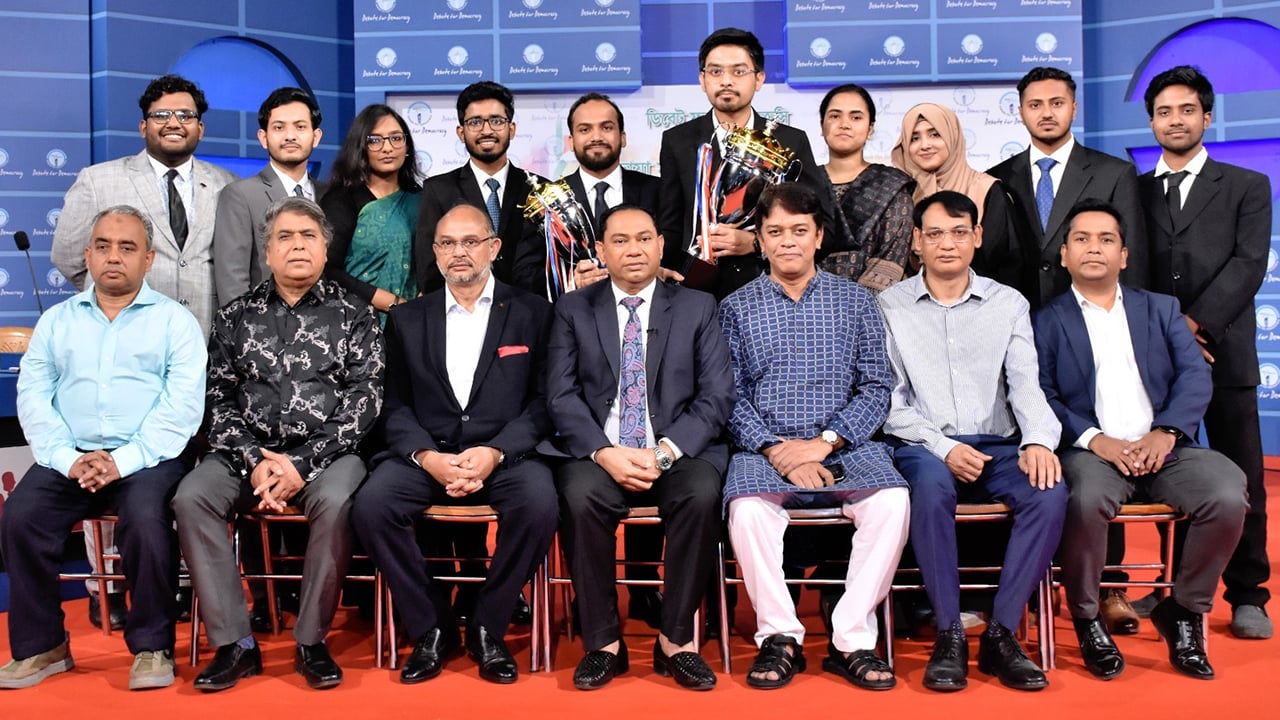
Prime Minister’s Economic and Planning Adviser Professor Dr. Rashed Al Mahmud Titumir has rejected claims that the government is printing money, calling such allegations baseless. Speaking on Saturday at a pre-budget shadow parliament at FDC focused on inflation control, he said the government is prioritizing investment and employment and has taken special initiatives to reopen closed factories. Titumir stated that during the previous administration, income levels fell sharply, pushing many lower-middle-class families below the poverty line and causing social fragmentation. He accused the former government of borrowing heavily under the guise of infrastructure development and engaging in corruption, while manipulating data to portray false progress. He added that the current administration will ensure transparency by making all Bureau of Statistics data publicly accessible. He emphasized that the government aims to democratize the economy and avoid handing over sectors to syndicates. At the same event, Debate for Democracy Chairman Hasan Ahmed Chowdhury Kiron said the government is moving toward a universal social protection program to improve the lives of marginalized groups.
A union council member from Ward 8 of Madhabpasha Union in Babuganj upazila, Barishal, has been accused of forcibly occupying land belonging to a local family. The affected family filed an eviction case in the district magistrate court, which ordered an on-site investigation. According to case documents, about 25 decimals of land from a four-acre property owned by the heirs of Abdul Majed Shikdar were allegedly occupied by union member Md. Bashir Shikdar and his associates. Complainant Anwar Hossain Sajal stated that several local arbitration attempts failed and that the accused side allegedly issued threats. Following the court’s directive, the land office began an investigation, but the accused reportedly avoided discussions. The court instructed the Babuganj Assistant Commissioner (Land) to submit an investigation report by May 21. The land office scheduled a site visit and discussion for May 15, but the accused member did not attend. The local Kanungo confirmed that the investigation is ongoing. Bashir Shikdar denied the allegations, citing illness and the absence of a surveyor, and claimed the accusations were motivated.
Prime Minister Tarique Rahman called for a collective national effort to rebuild and develop Bangladesh, declaring it as the country’s shared pledge. He made the remarks on Saturday afternoon at a public gathering in Waruk Bazar, Tamta Dakshin Union of Shahrasti upazila, Chandpur, after inaugurating the re-excavation program of Khordd Canal. The event drew thousands of party leaders, activists, and supporters who welcomed him with slogans and applause. Rahman emphasized that his government’s goal is to implement practical plans that will benefit citizens and advance the nation. Referring to the canal project, he noted that the late President Ziaur Rahman had initiated the original excavation 48 years ago, and the current re-excavation symbolizes continuity in national development. He urged citizens to work hand in hand, stating that the collective strength of Bangladesh’s people would transform the country into a dignified state. The Prime Minister reaffirmed the BNP’s commitment to fulfilling its electoral promises and highlighted that the party’s power stems from the people’s support, which he described as essential for ongoing nation-building efforts.

Prime Minister Tarique Rahman announced that the upcoming national budget will include a significant allocation for the Family Card program. He made the announcement on Saturday, May 16, during a roadside rally at Mudaffarganj Bazar in Laksam, Cumilla. Rahman stated that the government had promised the Family Card before the election and has already begun distributing it. Residents of the area will also receive the card, he added. Rahman further said that within the next year, the government aims to deliver Family Cards to about five million families across Bangladesh. He emphasized that the people’s trust in the Bangladesh Nationalist Party (BNP), which led to its electoral victory, would be honored through such initiatives. Addressing the crowd, he urged supporters to strengthen the BNP’s hand and assured that the party would gradually complete all national development tasks. The announcement highlights the government’s focus on expanding social welfare programs and fulfilling electoral commitments through the upcoming budget.

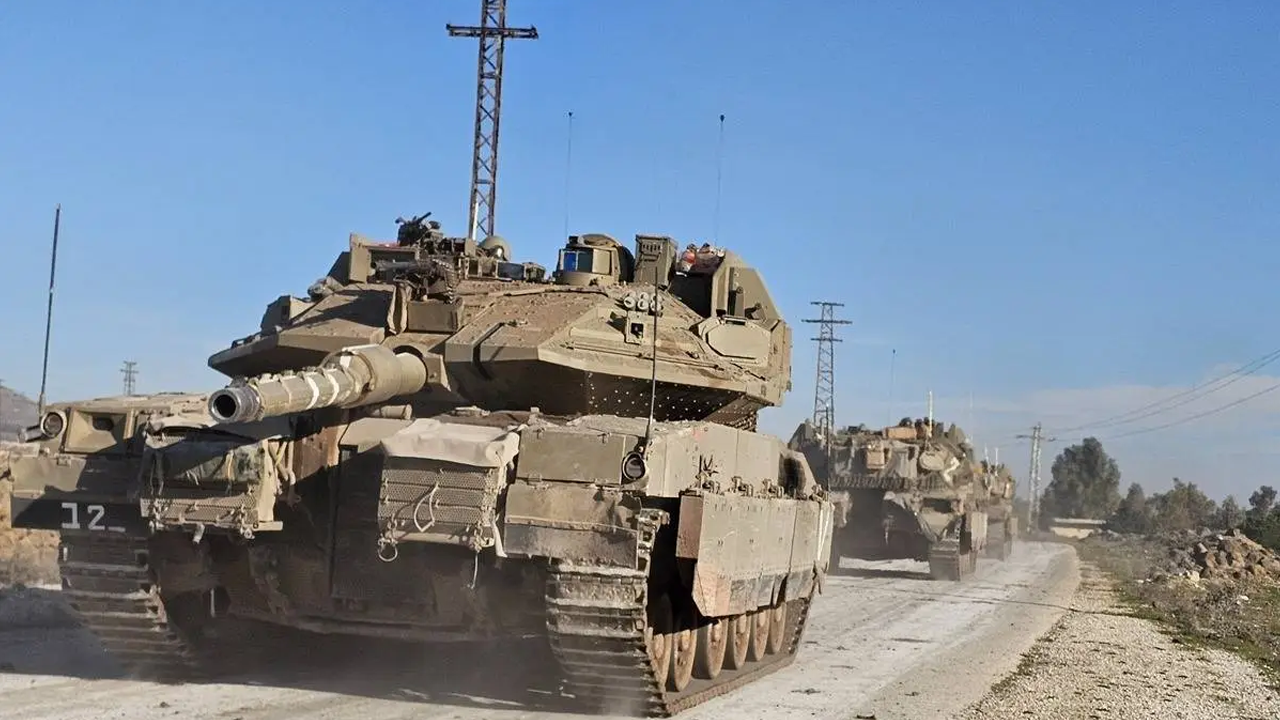
Israeli Defense Forces (IDF) armored vehicles and tanks entered Syria’s southern Quneitra province near the occupied Golan Heights, conducting a sudden search operation, according to Syria’s state news agency SANA. The incursion occurred on May 16, 2026, and has sparked renewed local tension and concern in the strategic border region. Government and local media sources reported two separate incidents. In the first, four Israeli military vehicles entered the rural village of Saida al-Hanout, surrounding several homes but making no arrests. Shortly afterward, three Israeli tanks crossed the border near Tel al-Dreiat, close to the village of al-Muallaka, before returning to their previous positions without any clashes or gunfire. The IDF has not issued an official statement on the operations. Analysts noted that the Golan-adjacent border area remains highly sensitive, and any military movement there poses regional security risks. Syrian state media described the incursion as a violation of sovereignty, prompting tighter border surveillance.
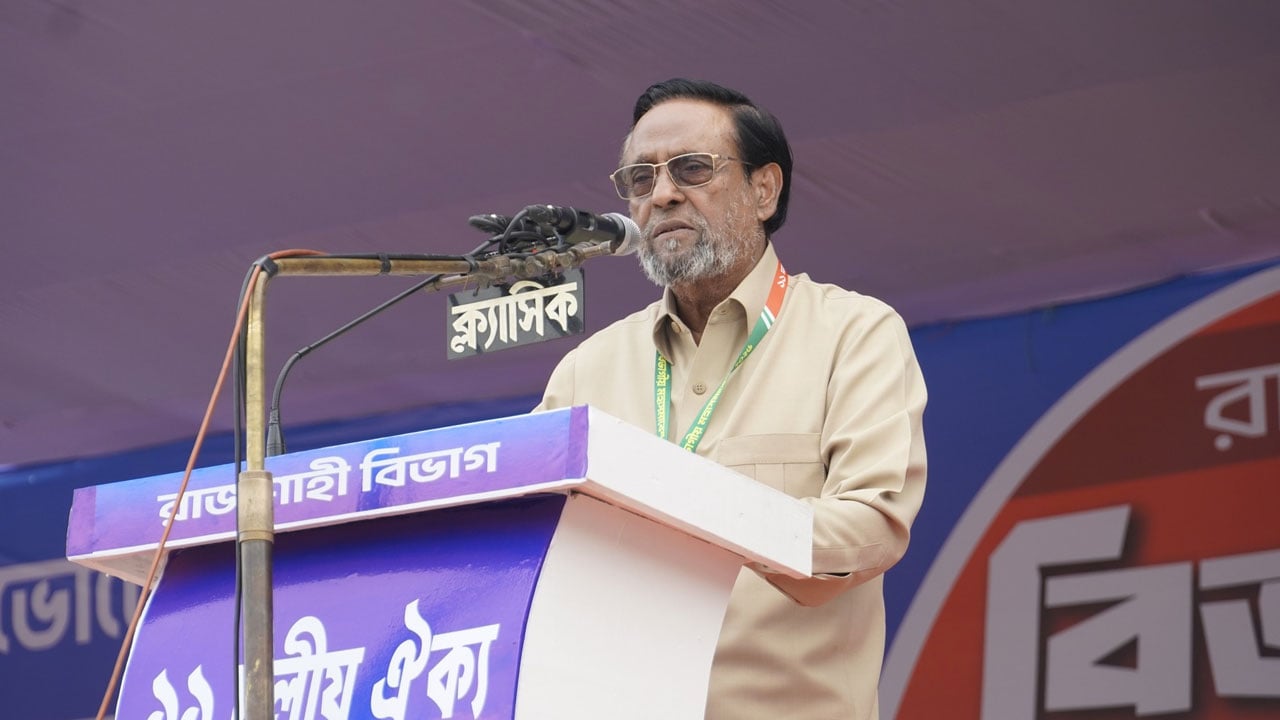
Colonel (Retd.) Dr. Oli Ahmed Bir Bikram, chairman of the Liberal Democratic Party (LDP), has called for identifying foreign agents operating within Bangladesh. He made the statement on Saturday during a divisional rally in Rajshahi organized by the 11-party alliance led by Jamaat-e-Islami. During his address, Oli Ahmed alleged that India has taken new plans to create unrest in Bangladesh. He also suggested that attention should be given to whether there are any agents of a person named Shuvendu operating in the country. The remarks were made in the context of the alliance’s political activities ahead of national developments, though no further details or reactions were provided in the source.
The Canada Border Services Agency (CBSA) detained three passengers arriving from Bangladesh at Toronto Pearson International Airport after discovering over 45 kilograms of meat, dairy products, and vegetables in their luggage. The items were detected by three Labrador sniffer dogs named Dharla, Olga, and Theo. Authorities confiscated the goods and imposed a total fine of 1,300 Canadian dollars on the travelers, according to the Toronto Sun. CBSA stated that raw meat often carries salmonella bacteria, which can cause diarrhea, fever, and abdominal pain in humans. Two months earlier, the same sniffer dog Dharla had detected 22 kilograms of raw meat in a passenger’s luggage arriving from Egypt. Canadian law requires all travelers to declare any food, plant, or animal products upon entry, including raw or cooked meat, dairy, eggs, fish, fruits, vegetables, seeds, and plants. Officials warned that undeclared or prohibited items may be seized and destroyed, with travelers responsible for related costs. Violators may face fines up to 1,300 dollars and potential legal action.

Police Bureau of Investigation (PBI) has revealed that housewife Nazma Akter was murdered in Bahubal upazila of Habiganj to falsely implicate her sister’s brother-in-law, Torab Ali. According to investigators, Abdul Gani, brother of Nazma’s co-wife, planned the killing to take revenge in a long-standing dispute with Torab Ali and relative Selim Mia. Nazma’s body was recovered on October 20, 2025, from a bamboo grove near her home in Kazihata village. Her daughter Nargis Akter later filed a case accusing ten people, including Torab Ali, but PBI found that Abdul Gani had orchestrated the case and manipulated the accusations. Inspector Rajib Kumar Das of PBI said the case took a new turn after the arrest of accused number nine, Abdun Nur, who claimed he was implicated only because he witnessed the murder. Further investigation led to Abdul Gani’s arrest, though he was later released on bail with Nargis’s support. Investigators also found that Nargis later married Abdul Gani’s son and began defending her father-in-law. PBI reported that Nazma’s body showed signs of neck injuries and wet clothing, suggesting attempts to wash the body after the killing. The investigation is nearing completion, and a charge sheet will be submitted soon.
Cyber intrusions have been detected in automatic tank gauge (ATG) systems at gas stations across several US states, with officials suspecting Iran-backed hackers. Sources said the attackers accessed many internet-exposed, password-free ATG systems and in some cases altered displayed fuel data without affecting actual fuel levels. Investigators noted that Iran had previously targeted similar energy infrastructure, though definitive attribution remains uncertain due to limited forensic evidence. Analysts linked the incident to the ongoing Iran-Israel conflict, suggesting Tehran may be using cyber operations as an alternative to direct military action. The attack could also pose political challenges for the Trump administration, as rising fuel prices and public concern over the war’s economic impact intensify. Cybersecurity researchers have long warned that internet-connected ATG systems are vulnerable to exploitation. Experts further cautioned that Iran’s cyber activity has expanded in scope and sophistication, including disruptive operations against US energy and water systems. They warned that future US elections could face Iranian cyber and disinformation campaigns, potentially amplified by artificial intelligence tools.

Iran’s judiciary has ordered the confiscation of assets belonging to 51 individuals accused of espionage and cooperation with hostile states in Yazd Province. The report, carried by the IRGC-linked Tasnim news agency, stated that the directive targets both domestic and foreign-based individuals. According to the report, 20 of the accused are currently inside Iran, while 31 are residing abroad. No further details were provided regarding the nature of the allegations, the specific cases involved, or any evidence supporting the charges. The judiciary’s announcement did not include information about possible legal proceedings or the identities of those affected, leaving the scope and implications of the decision unclear.
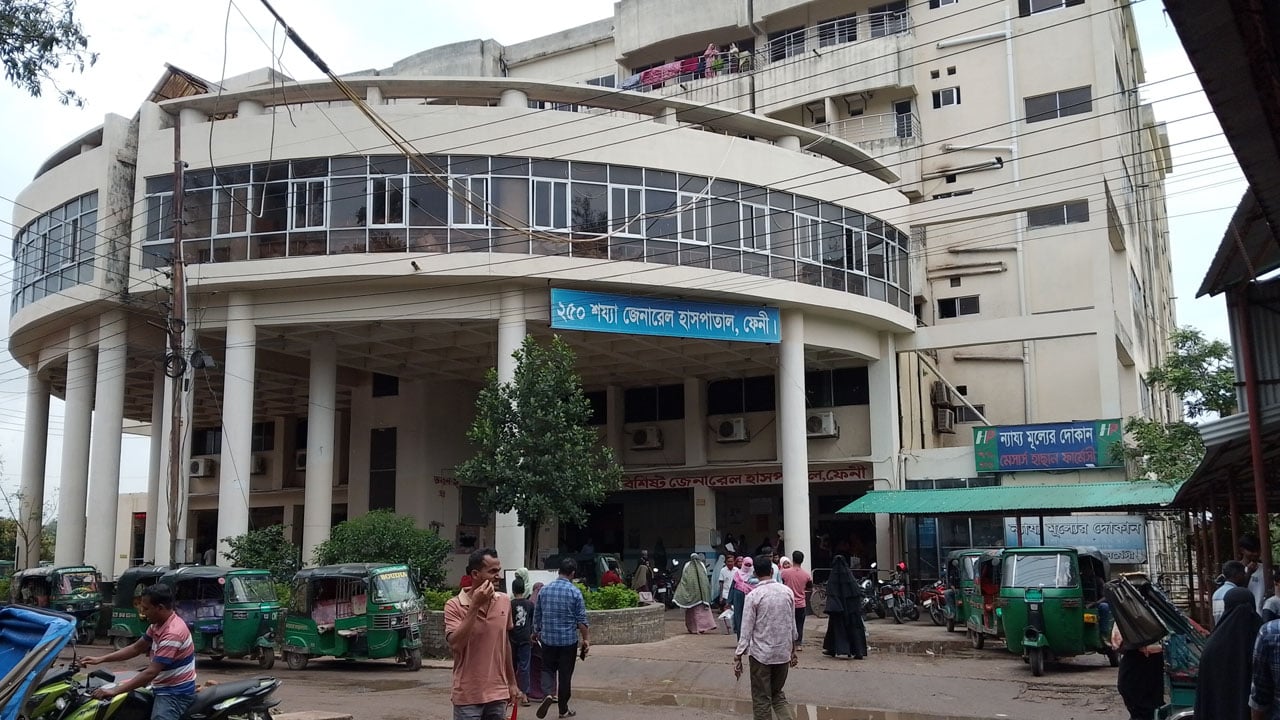
Police in Feni recovered the hanging body of a woman named Jannatul Mawa, wife of an expatriate, on Saturday from the Ilashpur area of Panchgachia Union in Sadar upazila. The body was found inside a house, and authorities have sent it to Feni General Hospital morgue for post-mortem examination. According to the victim’s family, the incident was not a suicide but a planned murder. They alleged that following a quarrel with her sister-in-law earlier in the morning, Jannatul Mawa was killed and later hung inside the house to make it appear as suicide. Police have not yet released further details about the investigation or possible suspects. Further information about the case and official statements from law enforcement are awaited as the investigation continues.
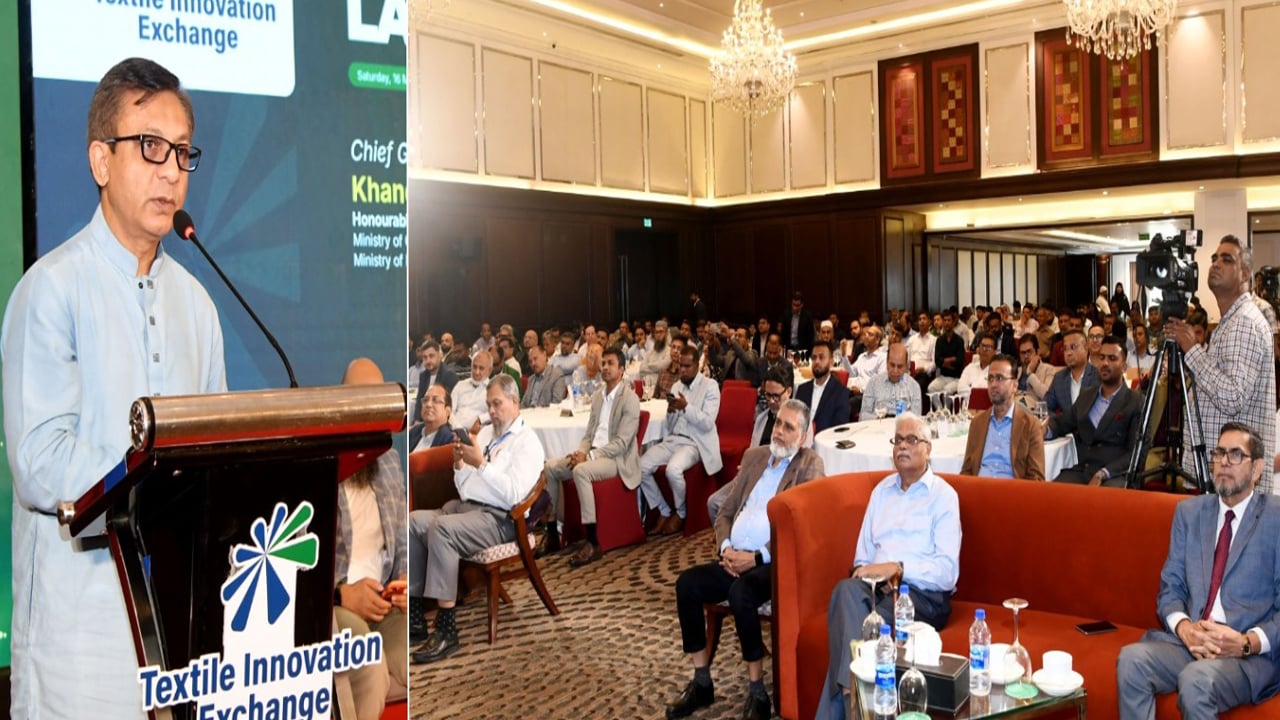
Bangladesh’s Minister of Textiles and Jute, Khandaker Abdul Muktadir, emphasized that sustaining the long-term competitiveness of the country’s ready-made garment and textile industry requires prioritizing sustainable production, innovation, research, and product diversification. Speaking as chief guest at the inauguration of the Textile Innovation Exchange held at Le Méridien in Dhaka on Saturday, he said sustainability is no longer a slogan but a necessity for the industry’s survival and future. The minister noted that Bangladesh’s natural resources are limited, making efficient use of energy, water, and raw materials essential through circular production and effective management. He warned that the country’s export base remains narrow and must expand into high-value segments such as sportswear, man-made fiber apparel, and technical textiles to remain globally competitive. He also highlighted the need for research, design development, skill enhancement, and modern technology adoption. Muktadir added that the government will repurpose closed factories through industrial parks, public-private partnerships, or leasing to attract new investment. He said other promising sectors like leather, light engineering, and shipbuilding will be revitalized through technology, skills, and international collaboration.
The ‘1 Nojor’ media platform is now live in beta, inviting users to explore and provide feedback as we continue to refine the experience.