

The ‘1 Nojor’ media platform is now live in beta, inviting users to explore and provide feedback as we continue to refine the experience.
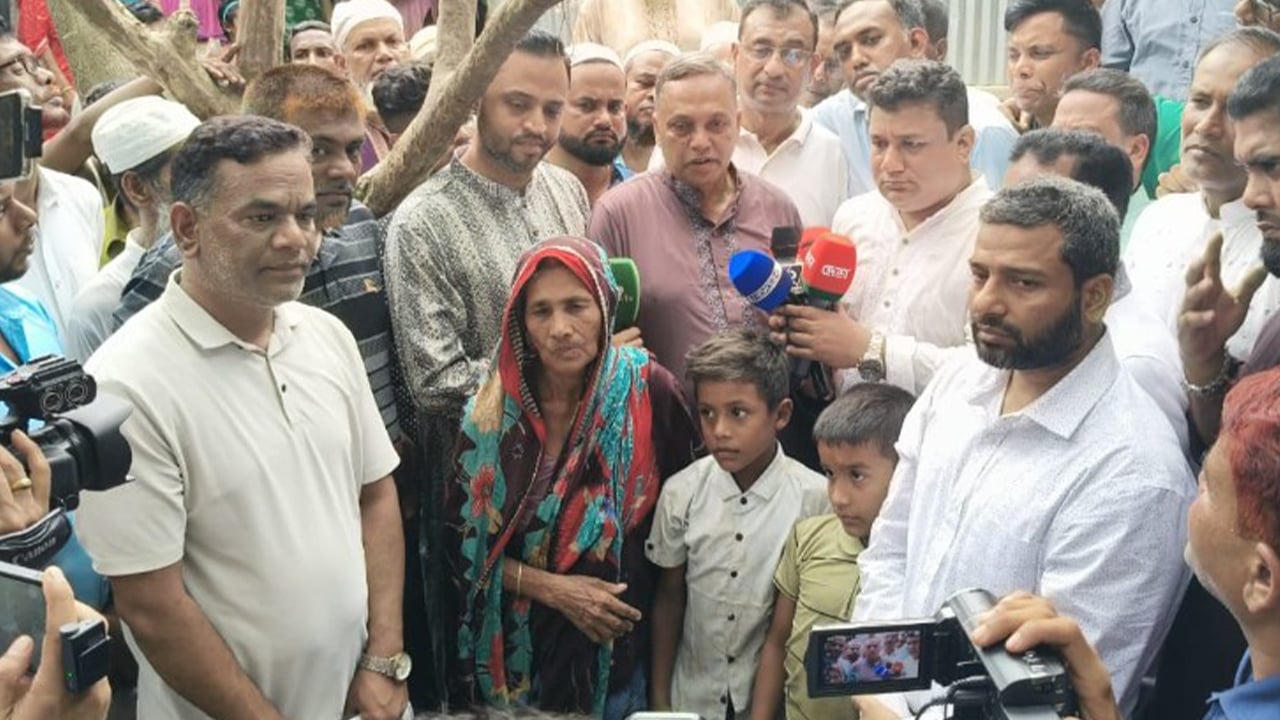
A media report about two orphaned children, Raihan and Rohan, struggling to survive after losing both parents, drew the attention of Prime Minister and BNP Chairperson Tarique Rahman. Upon learning of their situation, he instructed his Additional Press Secretary Atikur Rahman Ruman to ensure necessary assistance for the children. Following the directive, a delegation from the organization 'Amra BNP Poribar' visited the children’s home in Ekdala village of Ratan Kandi Union, Sirajganj Sadar, on Friday. The team, led by the group’s Member Secretary Moksedul Momin Mithun and attended by adviser Abul Kashem, conveyed the Prime Minister’s message of sympathy to the family. The delegation initiated measures to provide food, education, healthcare, and safe housing for the children. On behalf of the Prime Minister, they also announced a one-time education grant and a monthly stipend to support their studies.
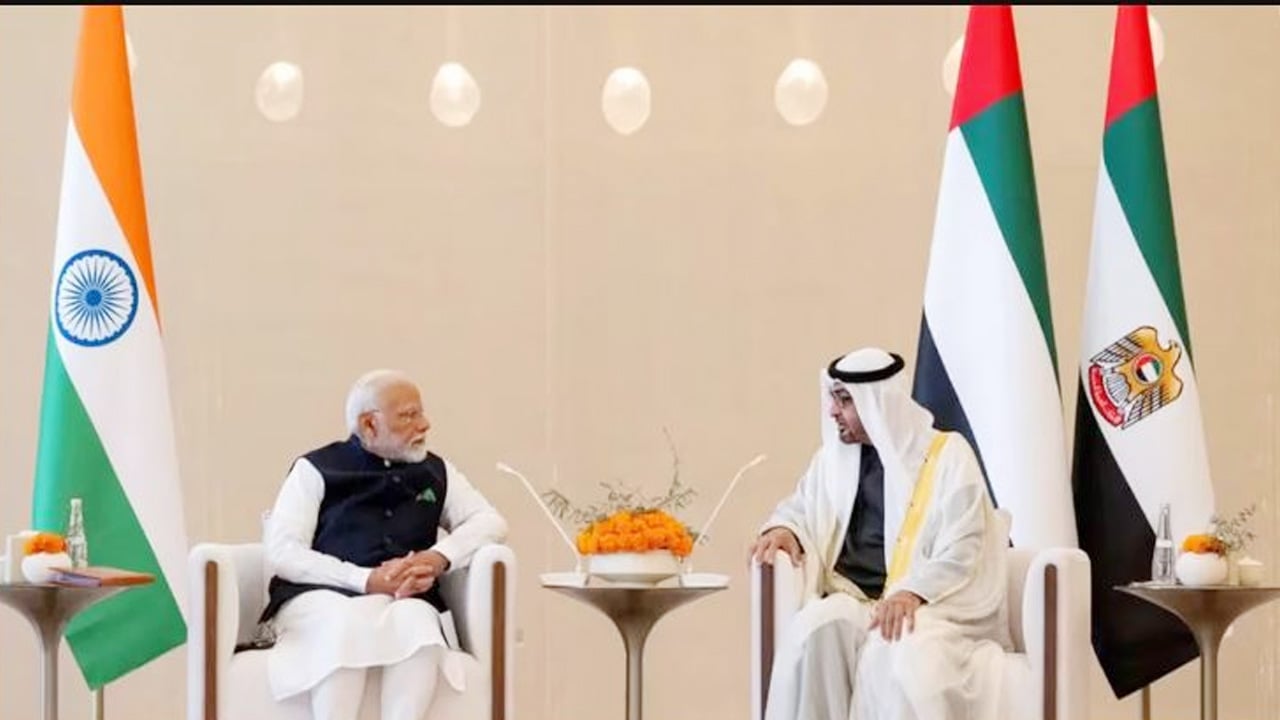
India and the United Arab Emirates have reached several key agreements focused on defense cooperation, energy security, and infrastructure development. The accords were signed in Abu Dhabi during Prime Minister Narendra Modi’s visit, part of his five-nation tour, in the presence of UAE President Sheikh Mohammed bin Zayed Al Nahyan. Abu Dhabi also announced a $5 billion investment in various Indian sectors. Among the agreements, the strategic defense partnership received the most attention, aiming to expand security and military collaboration. Two additional memorandums of understanding were signed to enhance energy cooperation through strategic oil reserves and liquefied petroleum gas supply, expected to strengthen India’s energy security. Plans were also announced to establish a ship repair hub in Vadinar, Gujarat, to boost maritime infrastructure and industrial cooperation. During the bilateral meeting, Modi emphasized dialogue and diplomacy to address regional crises and praised the UAE’s leadership for its composure in difficult times. He condemned attacks on the UAE and reaffirmed India’s support, also appreciating the UAE government’s care for Indian residents in the country.
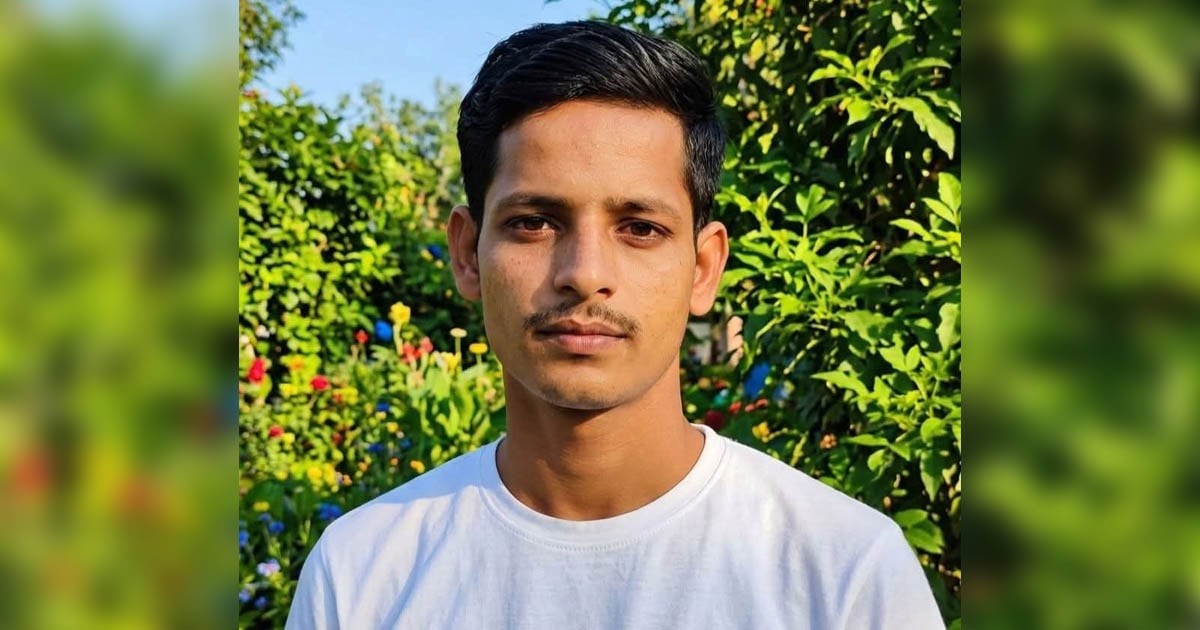
A young leader of the National Chhatra Shakti, Majnu Mia, aged 22, died after being struck by lightning while harvesting paddy in Madarganj upazila of Jamalpur. The incident occurred around 1:30 p.m. on Friday in the Hatmagura Kamarpra area of Jorkhali Union. Majnu, son of Bachchu Mia, was working in a field near his home with his mother and younger brother when sudden rain and thunder began. A lightning strike hit him, leaving him critically injured, and he died on the spot. According to local and family sources, his relatives immediately tried to rescue him but found him lifeless in the field. Police from Madarganj Model Station later visited the site and confirmed the death. Majnu was known as a calm and socially active youth in his community, and his sudden death has cast a shadow of grief over the area. Authorities have confirmed the incident and stated that the body was taken home by family members after the tragedy.
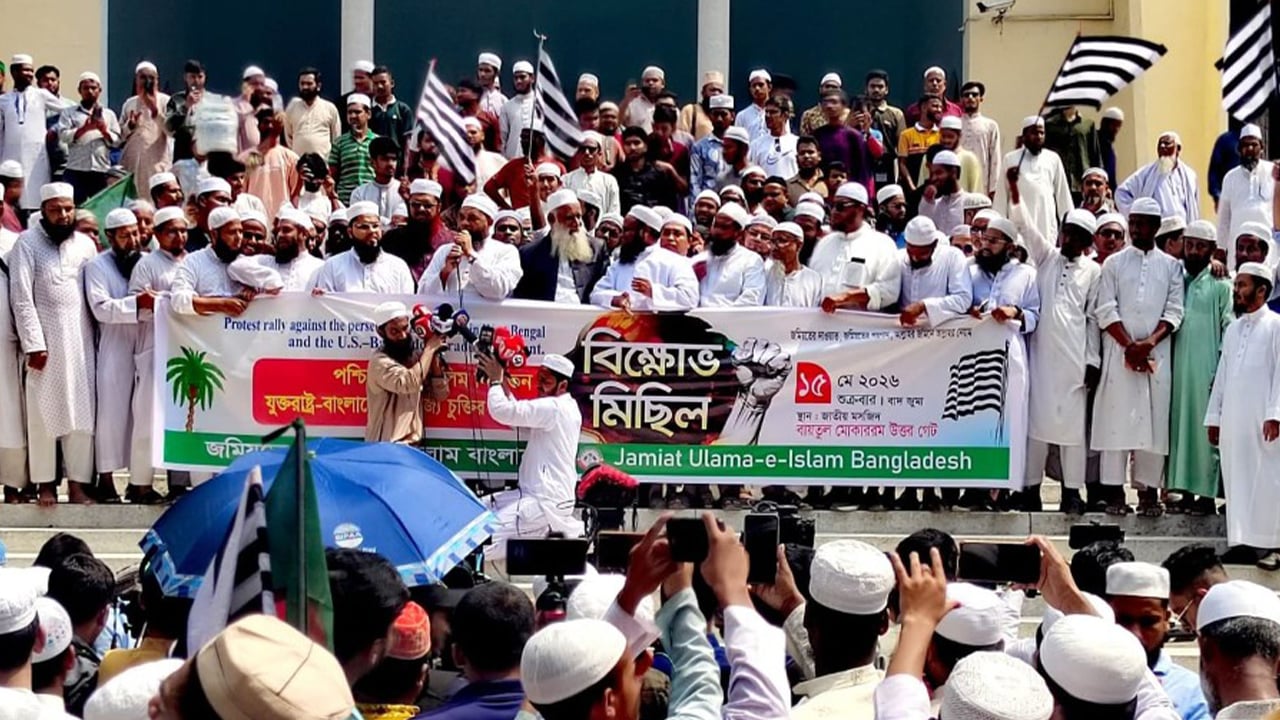
Jamiat-e-Ulama-e-Islam Bangladesh organized a protest rally and march in Dhaka on Friday after Juma prayers, opposing alleged persecution of Muslims in West Bengal and the proposed United States–Bangladesh trade agreement. The gathering took place at the north gate of Baitul Mukarram National Mosque, where speakers condemned ongoing violence and restrictions on religious freedom in West Bengal. They demanded immediate measures to ensure the safety of Muslim communities and to stop human rights violations. The protest was presided over by the organization’s senior vice president Maulana Abdur Rab Yusuf, with several senior leaders addressing the event. Speakers expressed concern that aspects of the US–Bangladesh trade deal could undermine national interests, economic independence, and citizens’ rights. They urged the government to act cautiously in safeguarding the country’s sovereignty and public welfare. Jamiat leaders also called for unity among citizens against any oppression of the Muslim community and actions contrary to national interests. The subsequent protest march included scholars, students, and activists, who paraded through major streets of the capital.
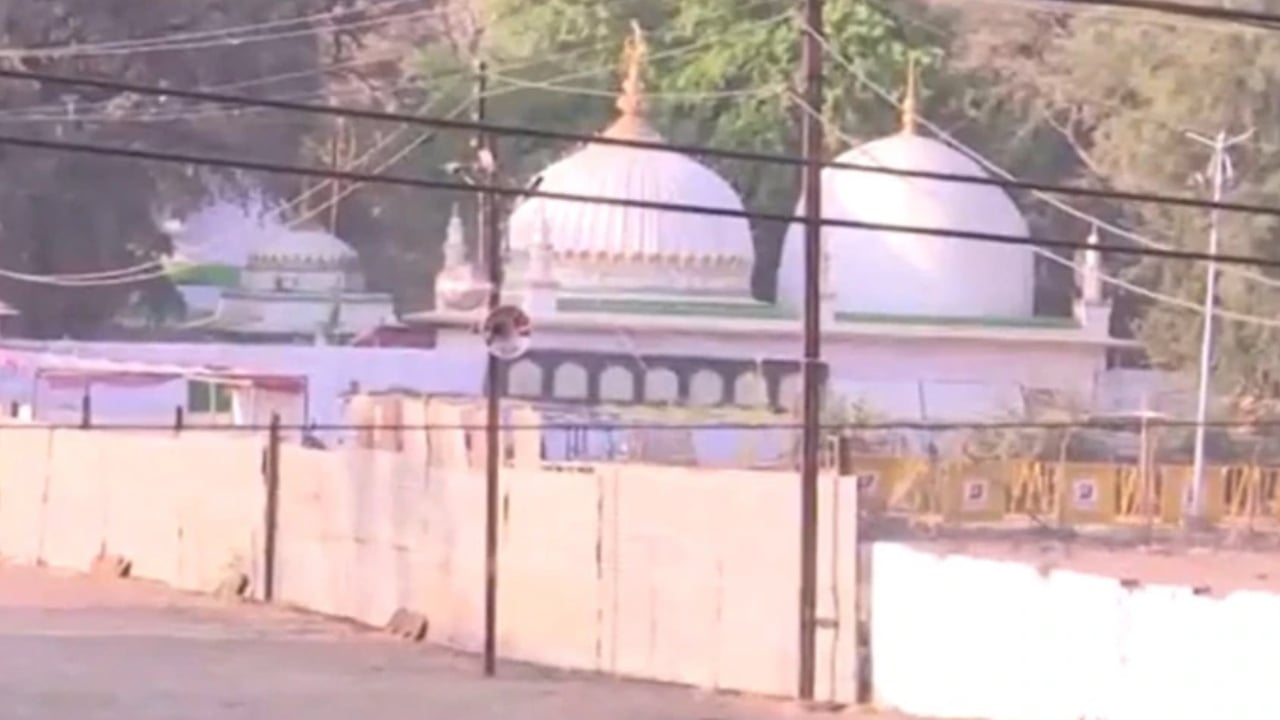
The Madhya Pradesh High Court has declared the disputed Bhojshala complex as a Saraswati temple, ruling in favor of Hindu petitioners. The verdict was delivered by a bench comprising Justices Vijay Kumar Shukla and Alok Awasthi. The court observed that evidence showed the site functioned as a Sanskrit learning center and temple dedicated to Goddess Saraswati. It also noted that Hindu worship at the site had continued without interruption. The court invited the Muslim community to apply for separate land in the district to build a mosque. The Bhojshala site has long been contested, with Hindus identifying it as a temple built by King Bhoj and Muslims claiming it as the Kamal Maula Mosque. Under a 2003 Archaeological Survey of India (ASI) arrangement, Hindus and Muslims alternated worship on Tuesdays and Fridays. The Hindu side challenged this arrangement, seeking exclusive worship rights. Following a court order in March 2024, the ASI conducted a 98-day scientific survey and reported that the current structure reused parts of an earlier temple. The Muslim side argued in court that the ASI report was biased and favored Hindu claims.
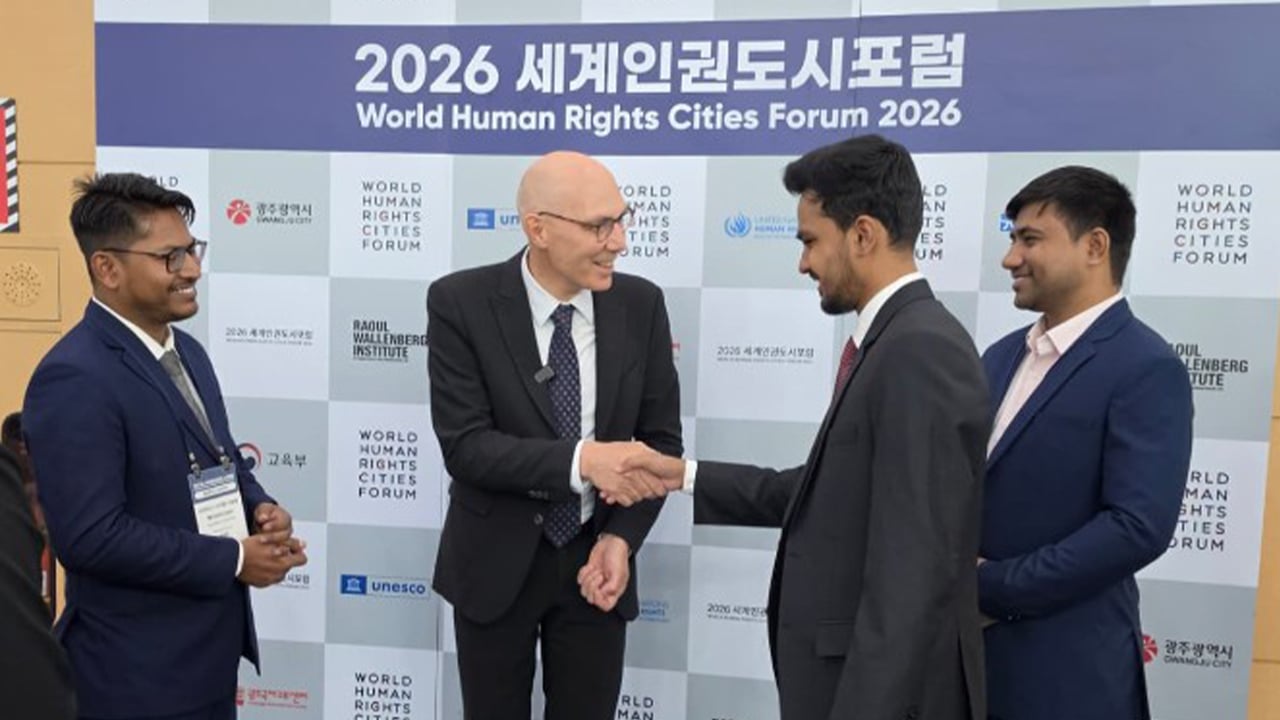
At the opening ceremony of the World Human Rights Cities Forum 2026 in Gwangju, South Korea, NCP spokesperson Asif Mahmud Sajib Bhuiyan attended as part of the party’s delegation. The sessions of the forum officially began on Wednesday, bringing together participants from various parts of the world. Among the distinguished guests was Volker Türk, the United Nations High Commissioner for Human Rights. Following the event, Türk expressed his delight at seeing the NCP delegation present. His office continues to work globally alongside nations and communities to combat human rights violations. The report also notes that Türk had previously visited Bangladesh during the period of the interim government. The World Human Rights Cities Forum 2026 is expected to play an important role in improving human rights conditions in cities across the Asia-Pacific region.
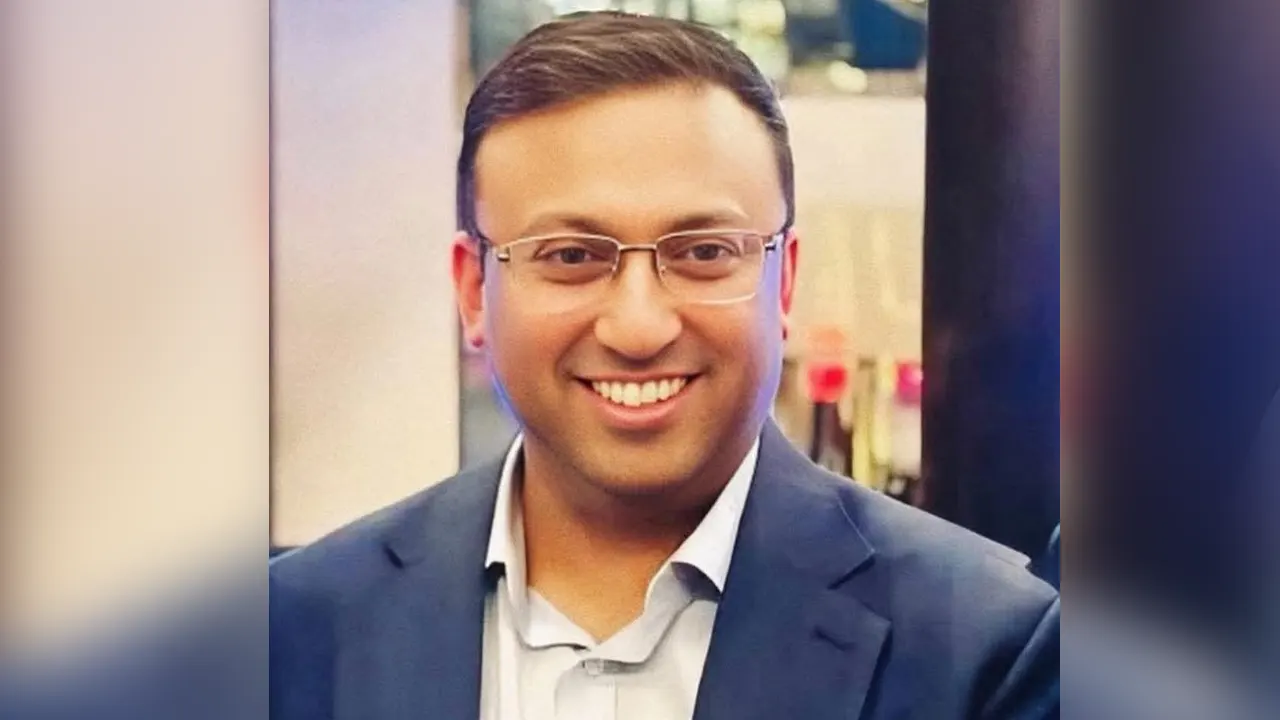
Residents of Osmaninagar upazila in Sylhet have presented a six-point development demand to Humayun Kabir, the Prime Minister’s Adviser with the rank of State Minister, seeking comprehensive development, modern civic facilities, and administrative good governance. The demands highlight long-standing neglect, poor infrastructure, limited education and healthcare services, lack of gas and uninterrupted electricity, unemployment, and administrative irregularities. Local citizens emphasized that despite being part of the Sylhet gas production zone, many areas still lack gas connections. They urged rapid expansion of gas and electricity supply, declaration of Osmaninagar as a municipality, and improvements in drainage, roads, and sanitation. The newly approved upazila health complex requires specialist doctors, modern equipment, and regular staff presence. Education issues include classroom shortages, teacher scarcity, and stalled implementation of a technical training center and technical school and college project. Community leaders and educators stated that visible, sustainable development is essential to improve living standards. They called for coordinated initiatives to ensure quality education, healthcare, and infrastructure, warning that without real progress, citizens’ long-held expectations will remain unmet.
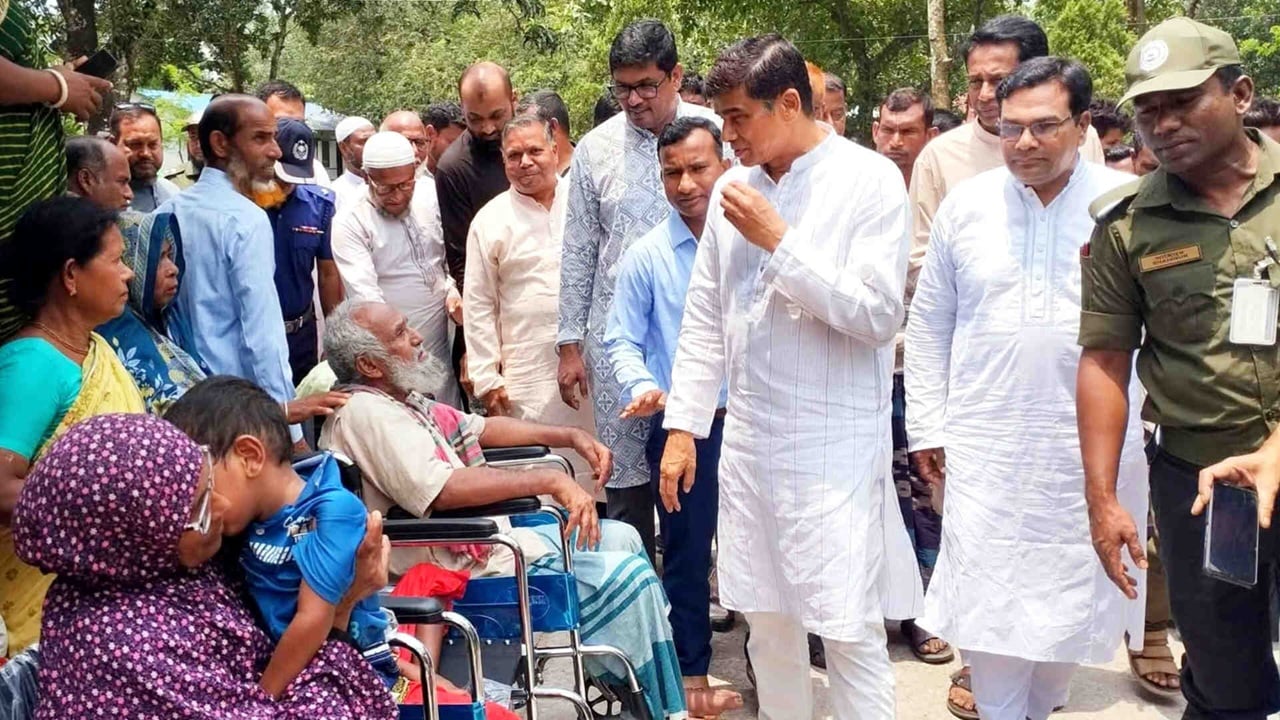
State Minister for Water Resources Farhad Hossain Azad (MP) distributed corrugated iron sheets and cash assistance among families affected by a recent nor'wester in Debiganj upazila of Panchagarh. The distribution event took place on Friday, May 15, at the Upazila Parishad hall room, organized by the upazila administration. The event was presided over by Debiganj Upazila Nirbahi Officer Sabuj Kumar Basak. Assistance was provided to affected families from various unions of the upazila. In addition to the relief materials, the state minister also distributed fishing nets among destitute fishermen and wheelchairs to sick and physically challenged individuals. Local officials, public representatives, and beneficiaries attended the ceremony, including leaders from Debiganj upazila BNP and officers from different departments.
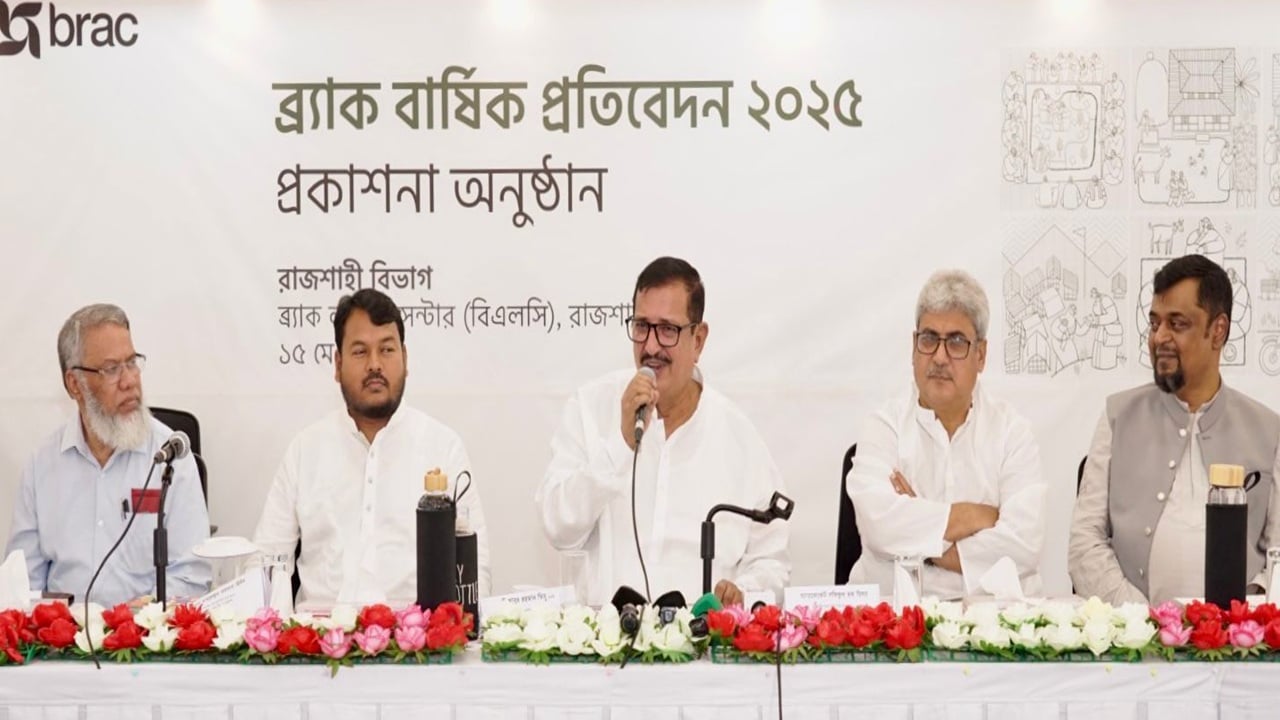
Land Minister Mizanur Rahman Minu has called on BRAC to take an active role in restoring the lost glory of Rajshahi’s traditional silk industry. Speaking at the launch of BRAC’s 2025 annual report in Rajshahi on Friday, he said the once-thriving silk sector is now nearly extinct, and BRAC’s organizational capacity and experience could help revive it. The minister expressed hope that BRAC would take responsibility for reintroducing Rajshahi silk to the global market. He added that Prime Minister Tarek Rahman values BRAC’s work and expects its continued collaboration with the government in health and employment initiatives. Local MP Advocate Shafiqul Haque Milon proposed establishing an agro-based export processing zone and specialized cold storage in the Barind region to boost employment and modernize agriculture. BRAC’s senior director K.A.M. Morshed emphasized that BRAC prioritizes Bangladesh and works independently to meet people’s needs. According to BRAC, in 2025 it supported over 20,000 ultra-poor families in Rajshahi Division, with significant progress in poverty reduction, health services, and women’s empowerment.
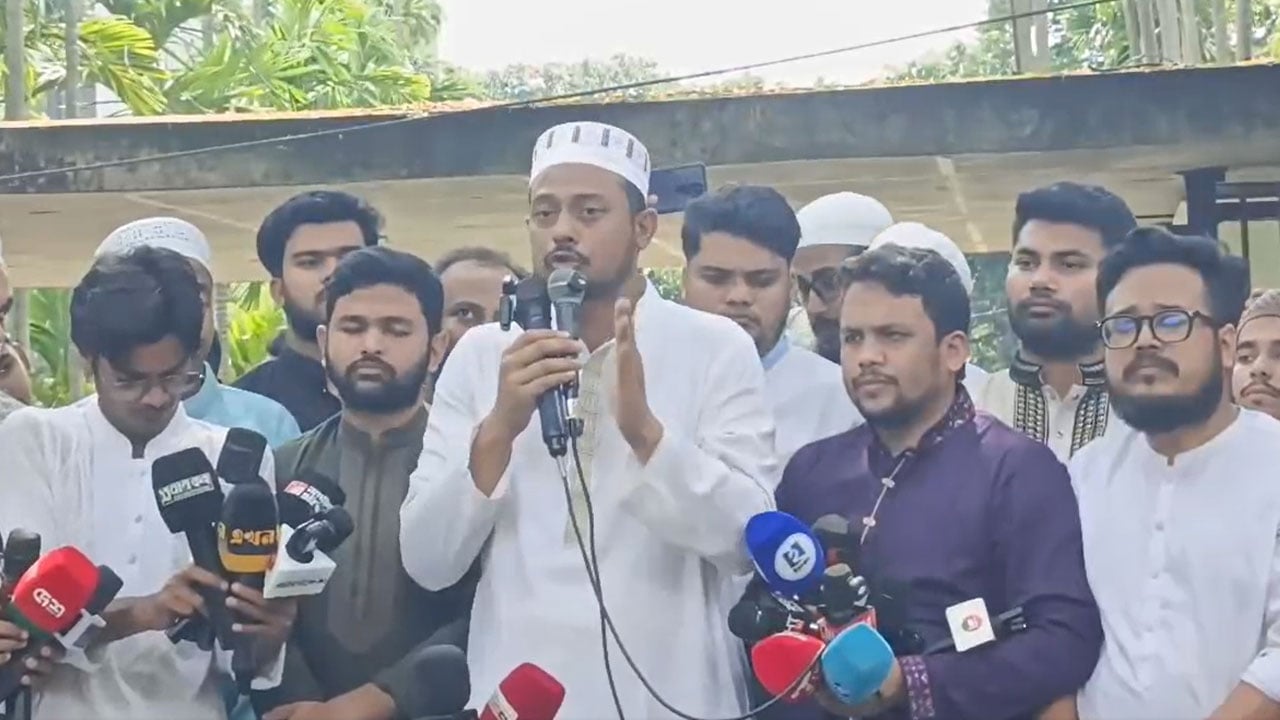
Nasiruddin Patwari, a leader of the National Citizens Party (NCP), declared that he would fight to the death to defend Bangladesh’s sovereignty and Islam. He made the statement on Friday after the Jumu’ah prayer during a rally held at the mausoleum premises of national poet Kazi Nazrul Islam and martyr Osman Hadi, organized to protest border killings. During his address, Patwari emphasized that the NCP’s movement would continue with those who are devoted to Islam and committed to protecting Bangladesh’s sovereignty. He urged people who wish to be true nationalists to stand for the citizens of Bangladesh and safeguard those living along the border. The event was part of a broader protest movement addressing border violence and national security concerns, reflecting the NCP’s focus on sovereignty and religious identity.
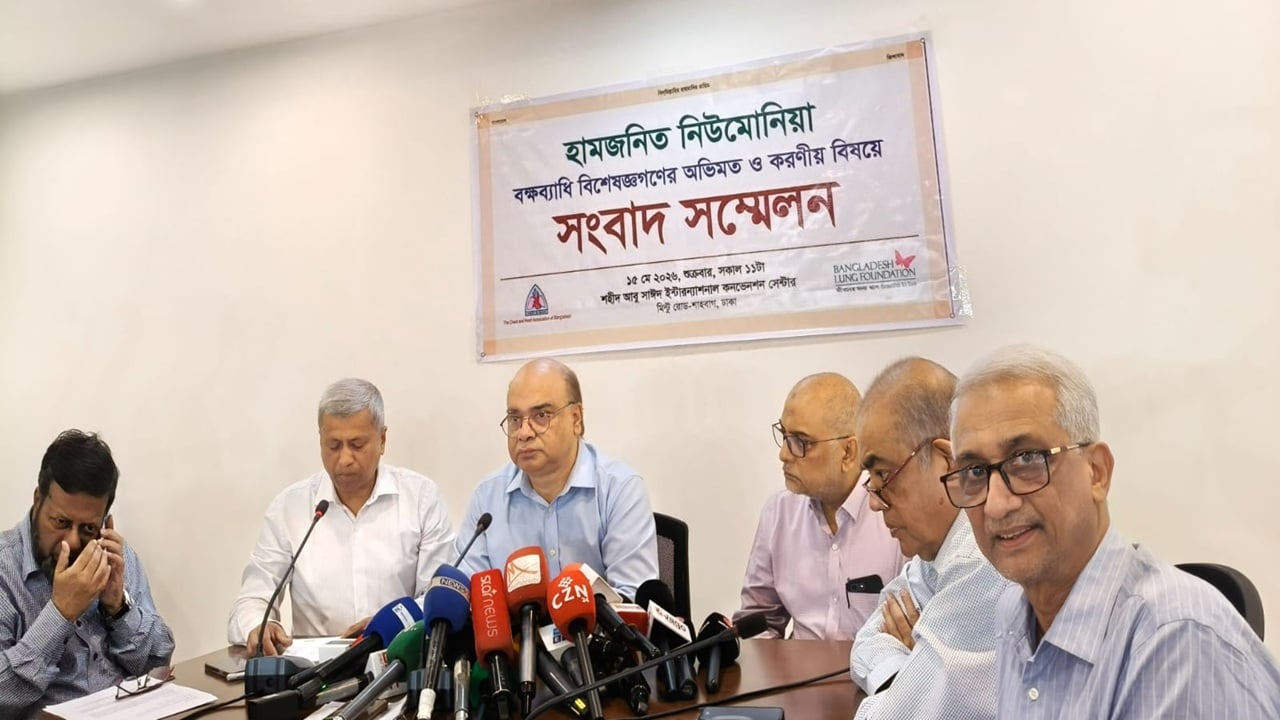
Bangladesh is facing a severe measles outbreak, with doctors reporting that 99 percent of patients recover fully if diagnosed and treated promptly. The information was shared at a press conference on May 16 organized by the Bangladesh Lung Foundation and the Chest and Heart Association of Bangladesh. Experts warned that complications such as pneumonia and respiratory failure significantly increase the risk of death, but early treatment can reduce fatalities. Pulmonologist Dr. Ziaul Haque stated that measles, a highly contagious viral disease, had been largely controlled through vaccination programs. However, disruptions in immunization over the past two years led to 54,419 suspected cases between March and May 14, including 70 confirmed measles deaths and 369 deaths from measles-like symptoms. Doctors emphasized maintaining vaccination drives, setting up “fever corners” in health centers, following WHO treatment guidelines, and raising public awareness. Pediatricians added that malnutrition and delayed hospital visits worsen complications, particularly pneumonia, which can affect multiple organs. They urged parents to seek immediate medical care for children showing respiratory distress or high fever.
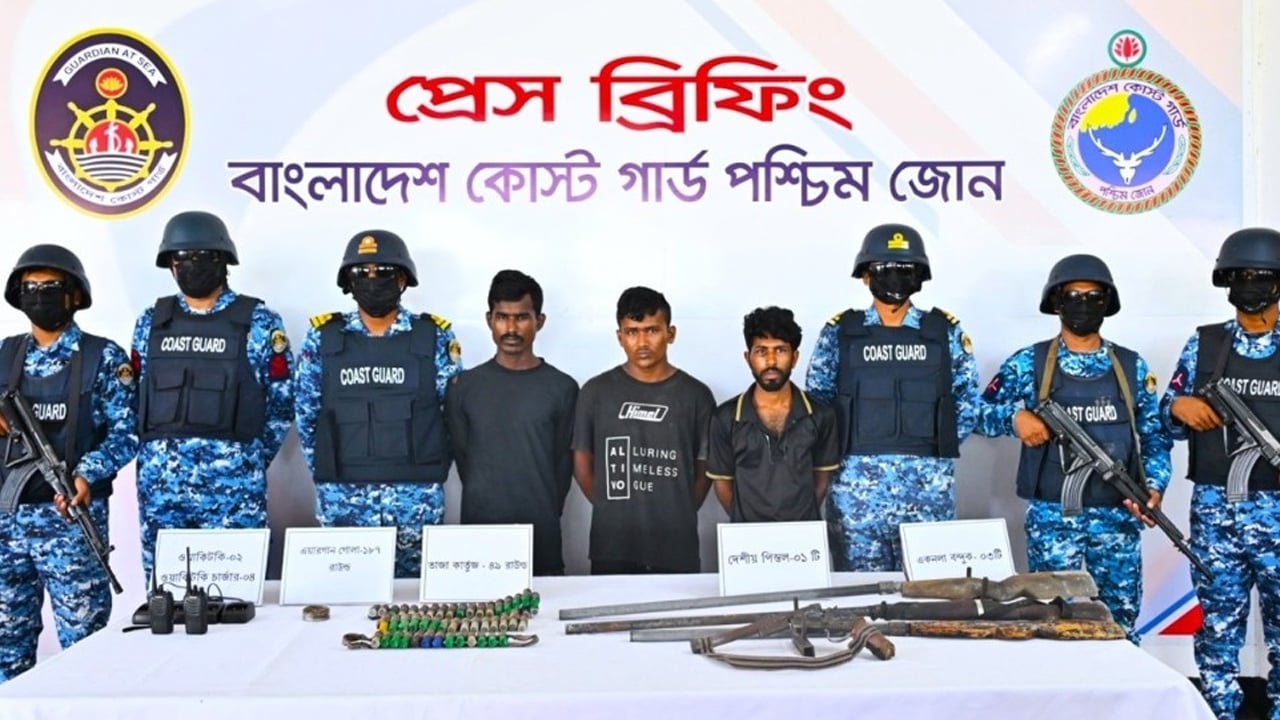
A gunfight occurred between the Bangladesh Coast Guard and members of the notorious Karim Sharif gang in the Sundarbans. The incident took place near the Mora Chanmia Khal area of the Shalla River under the Sharankhola Range. Following the exchange of fire, the Coast Guard arrested three active members of the gang along with firearms and ammunition. The arrests were announced at a press briefing by Lieutenant Ikra Mohammad Nasif of the Coast Guard West Zone Headquarters on Friday, May 15, 2026. According to the Coast Guard, the operation was launched based on secret intelligence indicating the gang’s presence in the area. The special operation, conducted jointly by Coast Guard Base Mongla and Station Kokilmoni, lasted from May 13 afternoon to the evening of May 14. The arrested individuals were identified as residents of Bagerhat and Faridpur districts. Seized items included three single-barrel guns, one homemade pistol, 49 live cartridges, 187 airgun bullets, two walkie-talkies, and four chargers. The Coast Guard handed the detainees over to Sharankhola Police Station on Friday afternoon. Police confirmed that legal proceedings against them are underway.
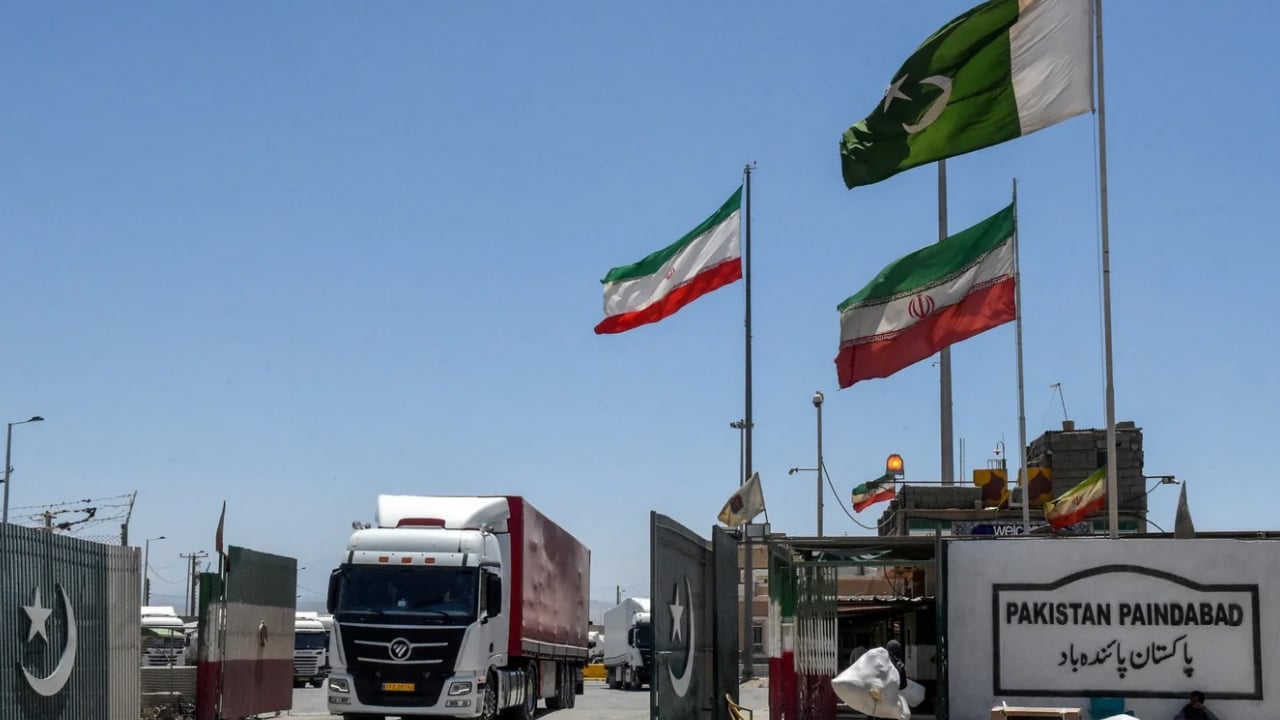
Iran is increasingly relying on new land trade routes through Pakistan to maintain supply lines amid a U.S. naval blockade that has disrupted maritime commerce. Pakistan’s Ministry of Commerce recently issued policy SRO 691, designating six transit corridors linking Karachi, Port Qasim, and Gwadar ports to Iran’s Gabd and Taftan border crossings. The initiative revives a long-dormant project and provides both nations with a long-awaited relief as thousands of Iran-bound containers remain stranded at Karachi port. The corridors are based on a 2008 bilateral road transport agreement between Iran and Pakistan that had remained inactive for years. Experts cited in the report said the routes could reduce Iran’s dependence on risky sea lanes and help sustain limited regional trade despite sanctions and tensions. Test shipments, including frozen meat bound for Uzbekistan, have already used these routes, showing potential for broader regional connectivity. Analysts noted that while the corridors may not fundamentally transform Iran’s economy, they could ease pressure from sanctions and maritime restrictions by enabling overland cargo movement from Pakistan to Iran and onward to Central Asia.
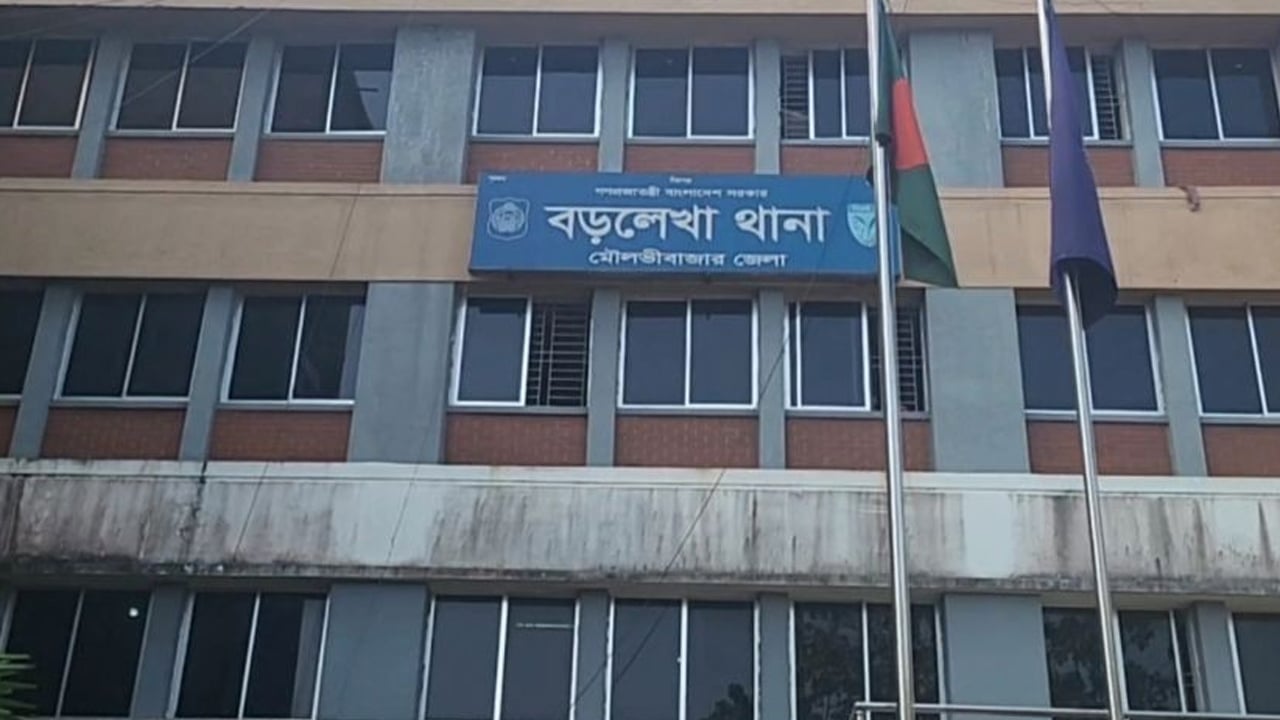
Two Indian nationals were detained by the 52 Border Guard Bangladesh (BGB) battalion while allegedly entering Bangladesh illegally through the Bobartal border in Barlekha upazila of Moulvibazar district. The incident occurred around 1 a.m. on Thursday during a regular BGB patrol. The detainees, identified as Kamrul Ahmad and Hasna Begum Laskar, are husband and wife. They were handed over to Barlekha Police Station after initial questioning. The reason for their entry into Bangladesh remains unknown. Lieutenant Colonel Ataur Rahman Sujon, commanding officer of the 52 BGB battalion, said the force remains vigilant to prevent any form of cross-border crime. He stated that patrols and intelligence surveillance have been intensified to stop illegal infiltration, drug trafficking, smuggling, and human trafficking. The BGB is operating under a zero-tolerance policy in these matters. Authorities have not yet disclosed further details about the investigation or possible legal actions against the detained individuals.
In the United Kingdom’s local council elections held on May 7, a total of 574 candidates associated with pro-Islam and pro-Palestine agendas won seats. More than 100 independent Muslim candidates secured positions in England alone, according to an analysis by the Henry Jackson Society (HJS). Overall, 5,066 councillors were elected across the country. The HJS report stated that more than one in ten elected candidates in England campaigned on a Muslim-related agenda. While not all of them were Muslim, their political programs were explicitly linked to Islamic issues. Among the winners were 132 independents, 350 from the Green Party, 84 from the Labour Party, and six from the Liberal Democrats. Notable winners included Mohammad Suleman from Newcastle and Saika Ali from Lambeth, both Green Party candidates. According to census data cited in the report, Muslims make up about 6.5 percent of the UK population, with the highest concentration in England. The Muslim population has steadily increased from 2.7 percent in 2001 to 4.8 percent in 2011, reflecting a continuing demographic trend.

The ‘1 Nojor’ media platform is now live in beta, inviting users to explore and provide feedback as we continue to refine the experience.