

The ‘1 Nojor’ media platform is now live in beta, inviting users to explore and provide feedback as we continue to refine the experience.
Russia has successfully conducted a test launch of its new-generation intercontinental ballistic missile, Sarmat, which President Vladimir Putin described as the world's most powerful. According to Al Jazeera, the announcement was made after a video aired on Russian state television showing Strategic Missile Forces Commander Sergei Karakaev informing Putin of the successful launch. Putin stated that the missile would be formally inducted into Russia’s armed forces by the end of the year. Putin claimed that Sarmat’s warhead capacity is four times greater than comparable Western missiles and that it can travel more than 35,000 kilometers due to its sub-orbital flight capability. The missile, known in the West as “Satan 2,” has been in development since 2011 and is designed to replace the Soviet-era Voyevoda system. The report noted that the Sarmat program has faced setbacks, including a major explosion during a 2024 test. The test comes amid renewed global security concerns following the expiration of the New START arms control treaty between Russia and the United States, leaving both nations free to develop nuclear weapons without formal limits.

Jamaat-e-Islami Ameer and opposition leader Dr. Shafiqur Rahman visited the grave of martyr Osman Hadi after attending the wedding ceremony of Dhaka University Central Students’ Union (DUCSU) Vice President Sadiq Kayem. The visit took place following the ceremony held at the Dhaka University Central Jame Mosque. Party leaders and activists, including Member of Parliament Nurul Islam Bulbul, accompanied him during the visit. After paying respects, special prayers and supplications were offered for the departed soul. Earlier, the wedding ceremony of Sadiq Kayem was attended by various political and social figures, marking a gathering of diverse participants at the university mosque. The event and subsequent grave visit reflected the presence of senior Jamaat leaders in social and commemorative activities. The report did not specify further details about the duration of the visit or any additional remarks made by the participants.

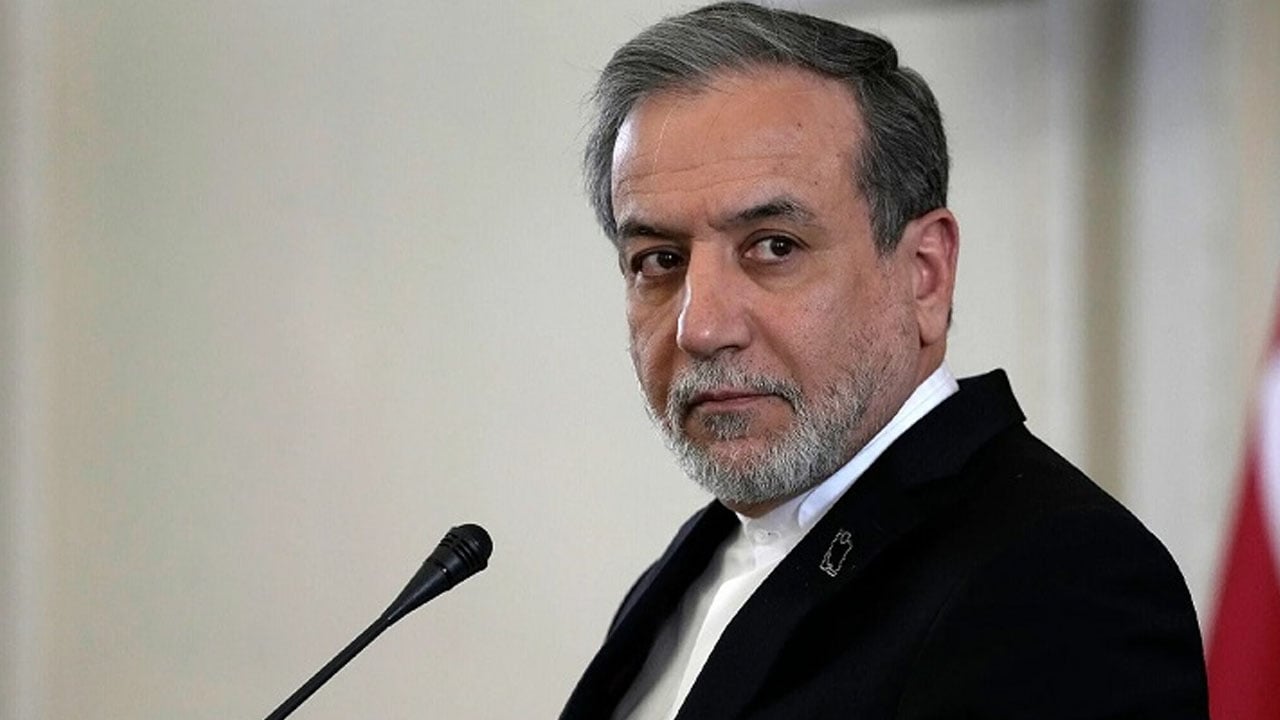
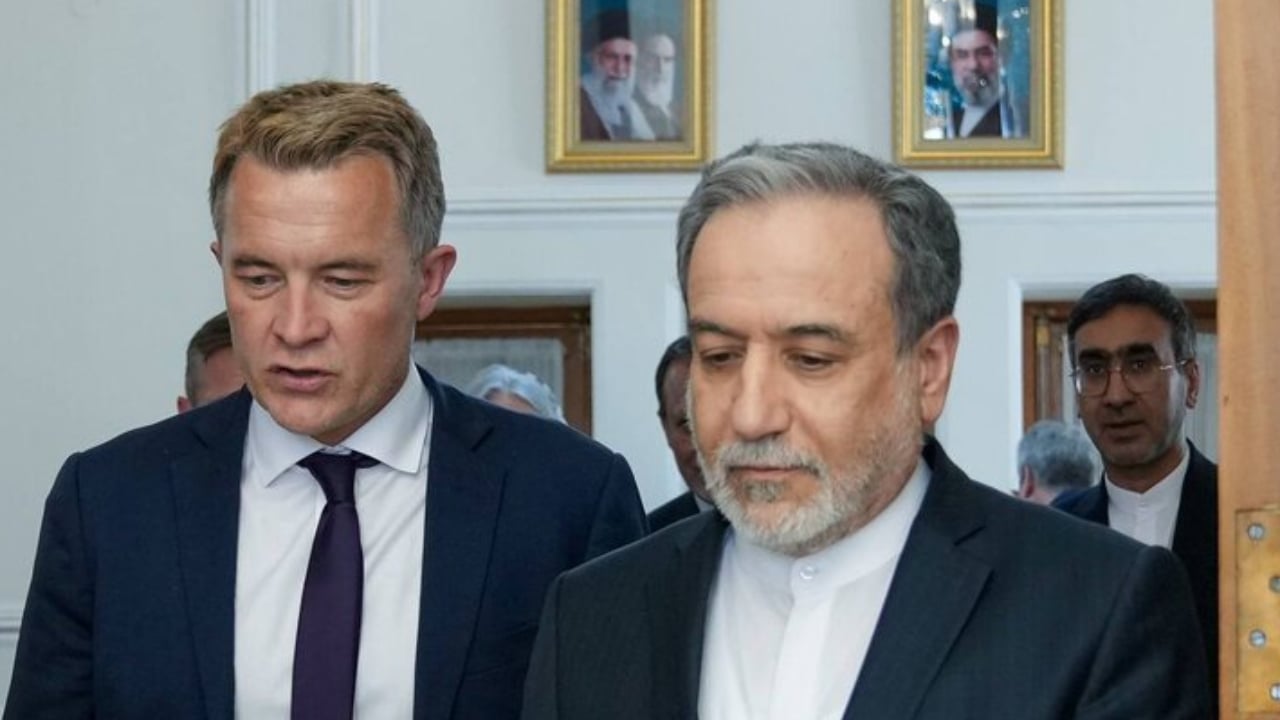
Iranian Foreign Minister Abbas Aragchi announced that work is underway to draft regulations for managing the Strait of Hormuz. He said the framework will be based on international law. Aragchi made the statement during a meeting in Tehran with Norway’s Deputy Foreign Minister Andreas Motzfeldt Kravik. Earlier, senior Iranian officials had indicated Tehran’s intention to establish a new legal system for the strategic waterway. Aragchi criticized the United States for what he described as extremist attitudes, threats, and provocative rhetoric, saying these factors, along with a lack of goodwill, have hindered progress toward any potential agreement. He added that tensions surrounding the Strait stem from U.S. and Israeli military aggression against Iran and the continued blockade of Iranian seaports. Aragchi emphasized that Iran’s regulatory initiative aims to align with international legal standards.
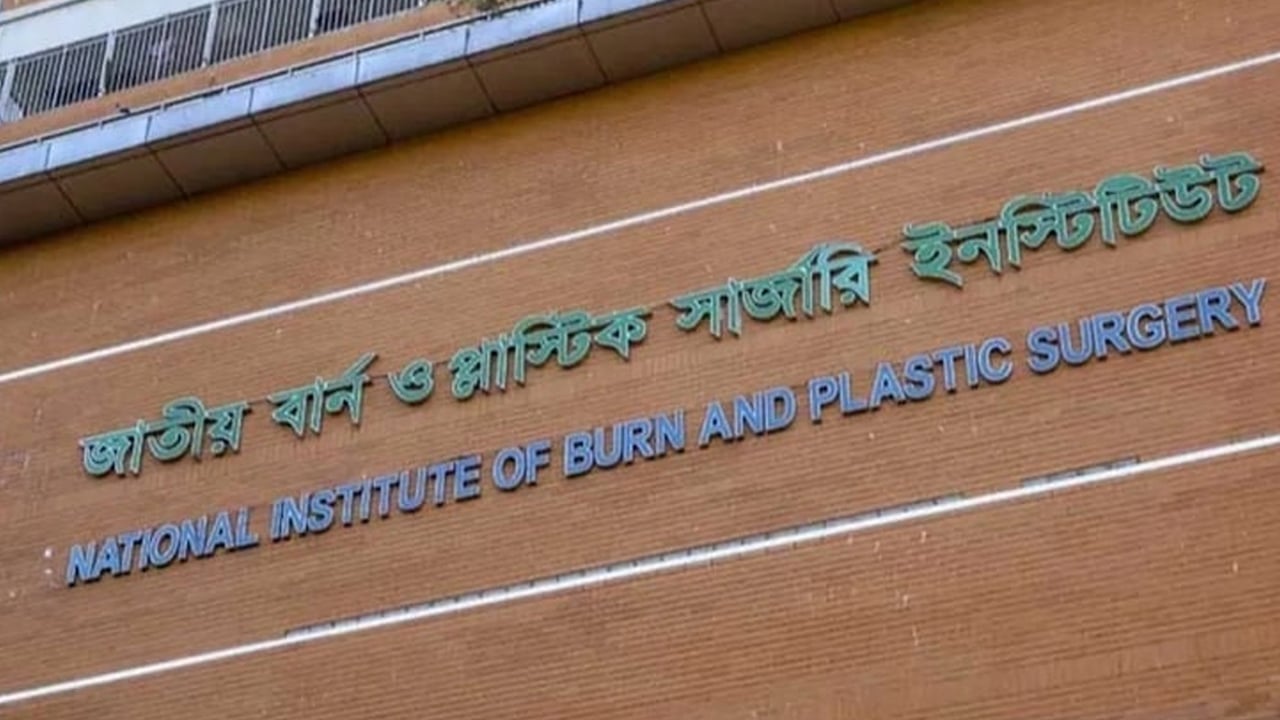
Twelve people were burned in an explosion caused by a gas leak at the canteen of the JERA Meghna Ghat power plant in Sonargaon, Narayanganj, on Wednesday, May 13, 2026. The injured were taken to the Burn Institute in Dhaka for treatment. The victims include both power plant officials and canteen staff. According to colleagues, the explosion occurred during lunchtime when employees were eating at the canteen. Flames and heat caused burns to the hands, faces, and legs of at least twelve people. Burn Institute resident surgeon Shawon Bin Rahman confirmed that twelve patients had been admitted and their burn percentages were being assessed. The plant’s safety officer, Fakhrul Islam, stated that four of the injured were canteen workers while the rest were plant officials. He suggested that the incident might have occurred because a gas stove was left on after cooking, and when someone lit a flame, the explosion took place.
In the U.S. state of Georgia, the mayor of the small town of Cohutta has dismissed the entire police department following social media criticism of his wife. Mayor Ron Shinic reportedly terminated all ten police employees after online posts targeted his wife, Pam Shinic. A notice posted at the mayor’s office announced that the police department had been dissolved and advised residents to rely on the county sheriff’s office for law enforcement matters. The dispute began last month when Pam Shinic, a former employee of the mayor’s office, was accused by several officials of continuing to work despite being dismissed and of having access to confidential information. She had been fired the previous year for allegedly failing to maintain proper office conduct, which led to local gossip in the town of fewer than one thousand residents. Tensions escalated after police officers criticized her on social media. Following the dismissals, the Whitfield County Sheriff’s Office is set to assume policing duties for Cohutta, as the mayor faces growing criticism for his decision.

Police in Chattogram recovered the body of a 27-year-old man, Abu Kausar, found hanging from the Sagorika flyover on Tuesday evening. Despite widespread social media rumors suggesting murder, police stated that CCTV footage, forensic examination, and other evidence indicate suicide. The footage reportedly shows Kausar walking alone onto the flyover before taking his own life. Officers said no signs of struggle or external injuries were found on the body. Kausar, a resident of the Akbar Shah area, was described in several social media posts as a banned Chhatra League leader, and some political pages claimed he was murdered. The incident quickly drew national attention. However, police said they have no verified information about his political affiliation, and his family did not file any murder complaint. Instead, they initially tried to take the body without an autopsy, which was later completed at police request. Police reiterated that all evidence supports suicide and dismissed online claims as baseless, emphasizing that their findings are based on physical and forensic proof.
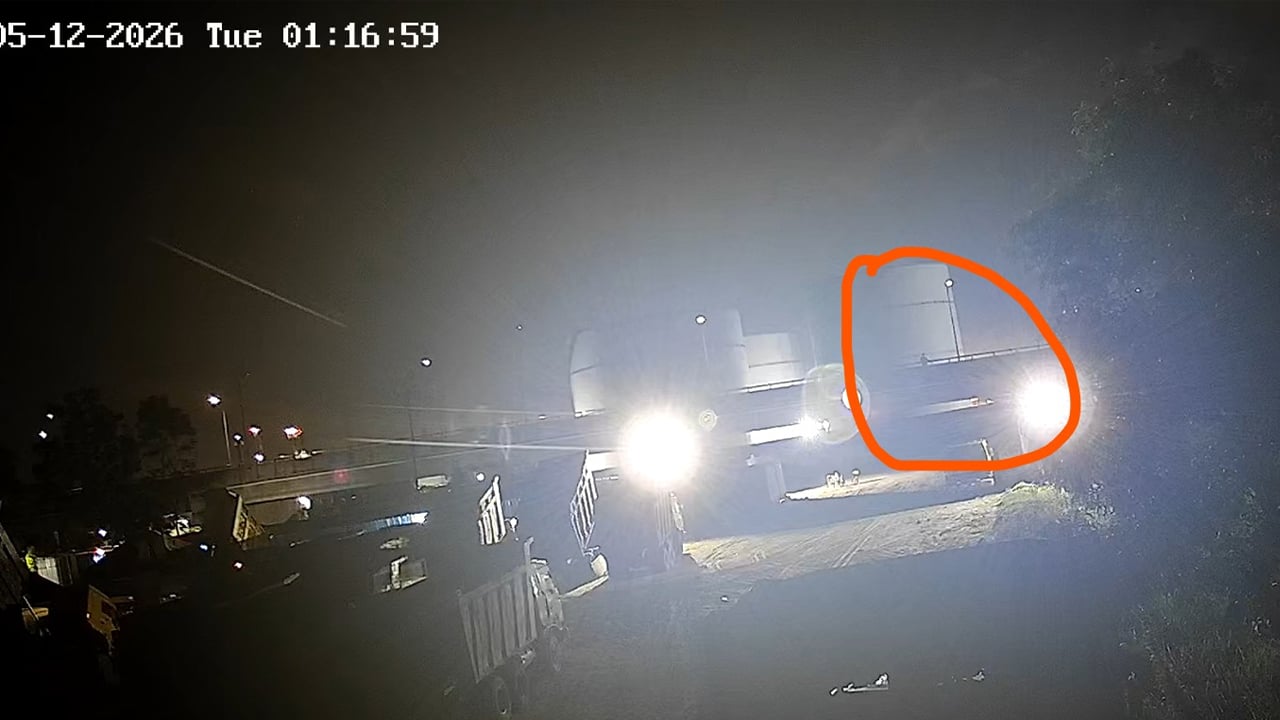
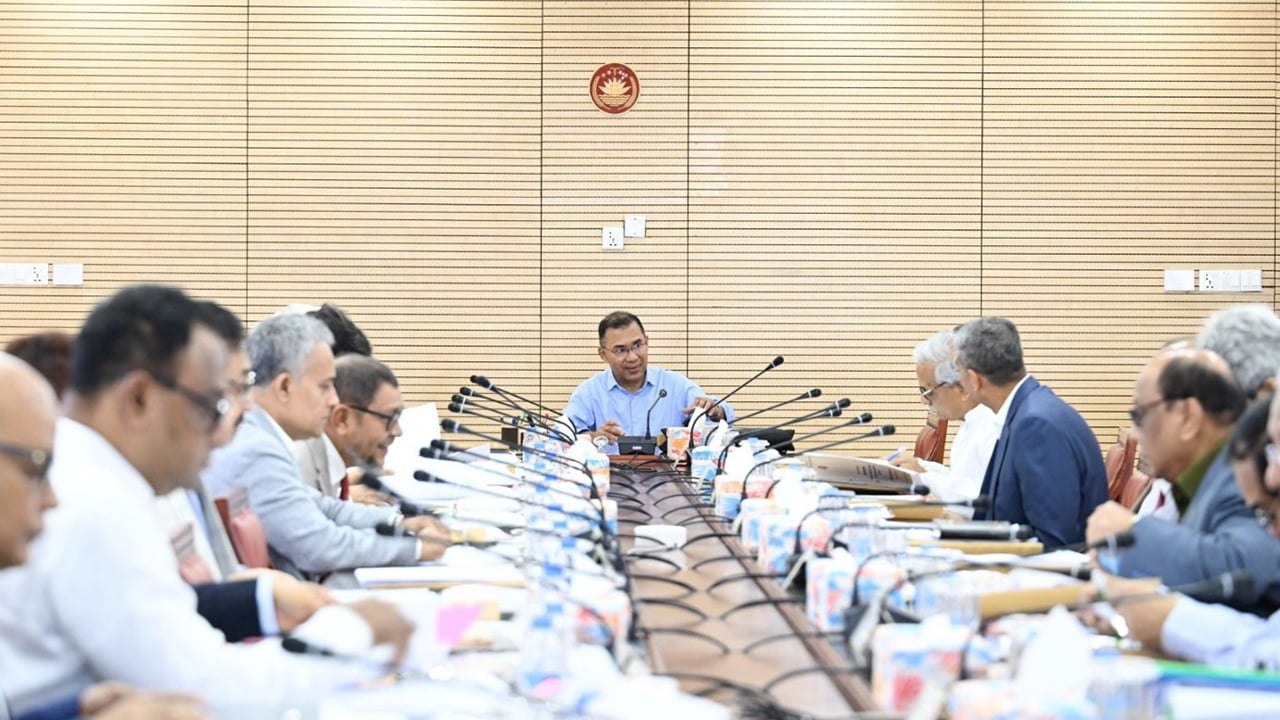
The Padma Barrage Project has received final approval from the Executive Committee of the National Economic Council (ECNEC) at its meeting chaired by Prime Minister and ECNEC Chair Tareq Rahman on Wednesday at the Secretariat. The first phase of the project, proposed by the Ministry of Water Resources, will be implemented by the Bangladesh Water Development Board between this year and June 2033 at a cost of Tk 344.97 billion, fully funded by the government. The total estimated cost of the entire project is Tk 504.43 billion. According to planning commission sources, the project aims to mitigate dry-season water shortages caused by the Farakka Barrage by storing about 2,900 million cubic meters of water in the Padma River. The stored water will help revive five rivers—Hisna-Mathabhanga, Gorai-Madhumati, Chandana-Barasia, Baral, and Ichamati—by supplying around 800 cubic meters per second during the dry season. The first phase includes constructing a 2.1-kilometer barrage at Pangsha in Rajbari with 78 spillways, 18 under-sluice gates, two fish passes, and a navigation lock. The project is expected to enhance agriculture and fisheries production and benefit 19 districts across four divisions in its initial phase, with further expansion planned in later stages.
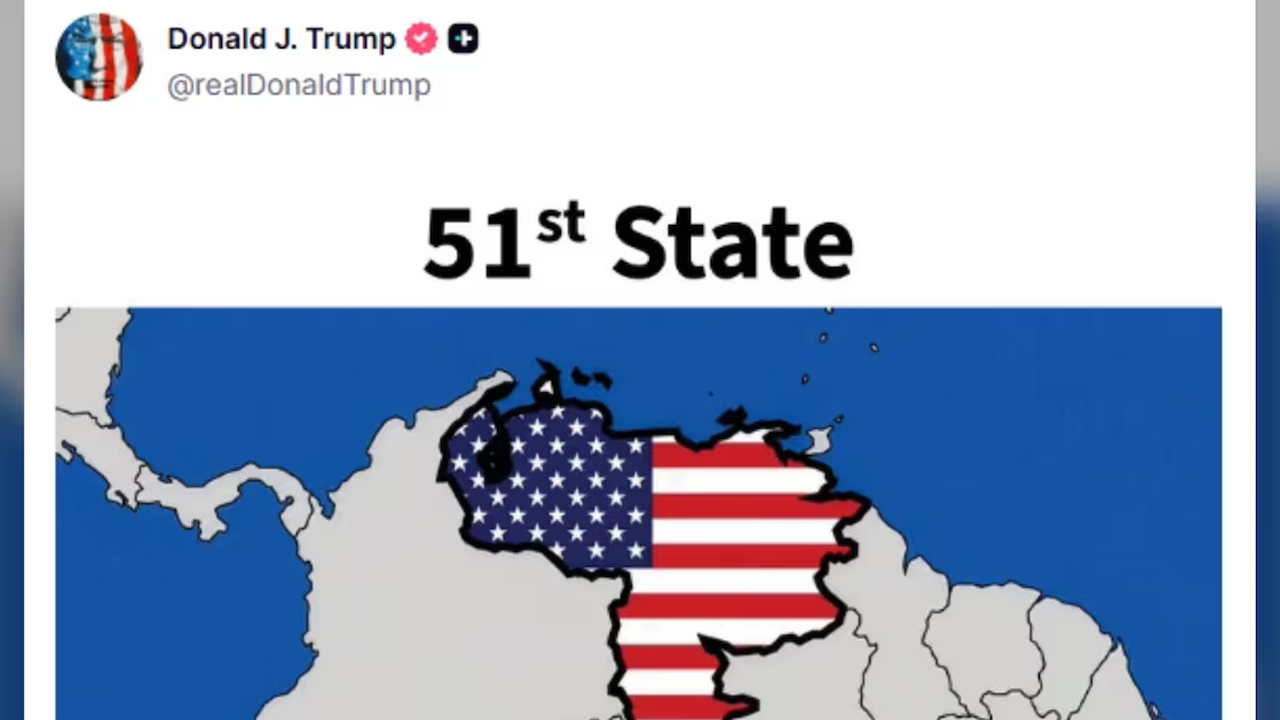
U.S. President Donald Trump on Tuesday posted a graphic on his Truth Social platform showing Venezuela’s map with an American flag and labeling it as the “51st state.” The post, described as provocative, was made while Trump was en route to China for a high-level summit, according to AFP. A day earlier, Venezuela’s interim president Delcy Rodríguez said her country had “never” considered becoming the 51st U.S. state, even after former leader Nicolás Maduro was detained by U.S. forces in January. Rodríguez emphasized that Venezuela would not accept U.S. intervention or dominance. Trump had told Fox News on Monday that he was considering turning Venezuela into a new U.S. state and claimed to have established “control” over the oil-rich nation for several months. Since taking office, Rodríguez has sought to normalize relations with Washington, reopening Venezuela’s mining and oil sectors to foreign investment, particularly from U.S. companies. The country’s opposition has called for elections, but Rodríguez said on May 1 that the timing remains uncertain.
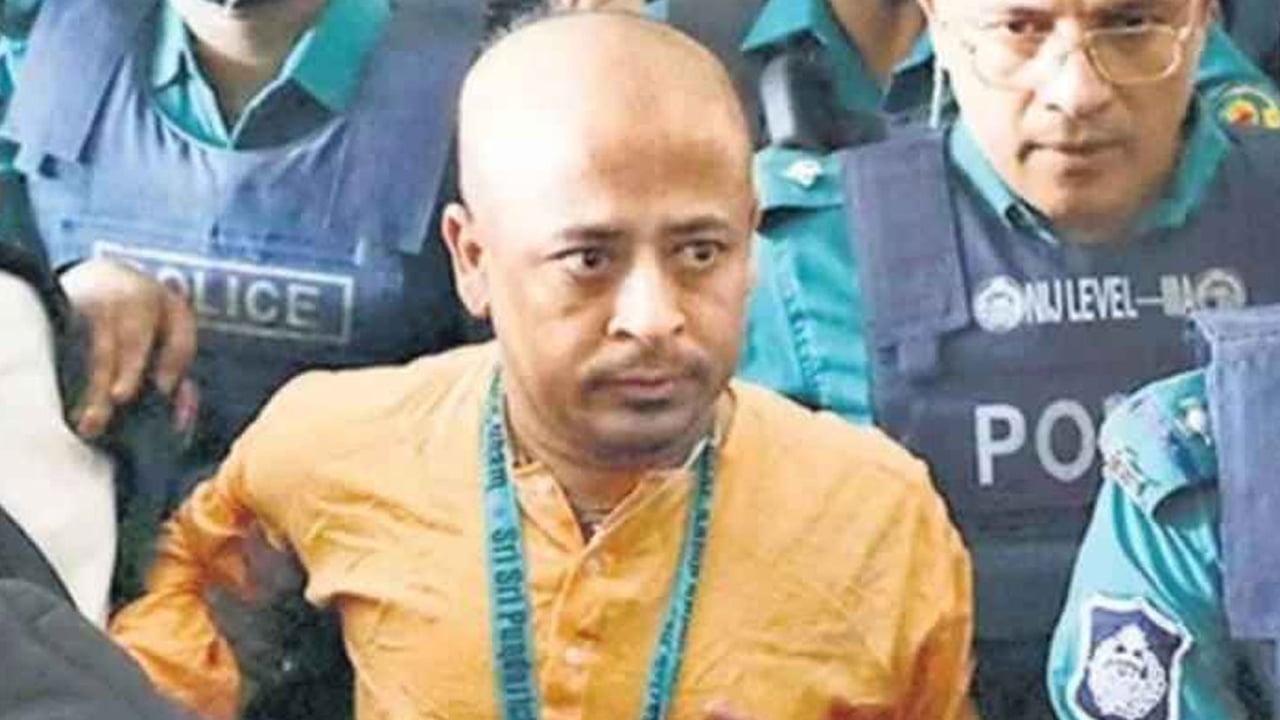
A Chattogram court has ordered the transfer of a case involving violence, vandalism, and the murder of lawyer Advocate Saiful Islam Alif to the Police Bureau of Investigation (PBI). The case was previously under the Chattogram Metropolitan Detective Branch (DB). The order was issued on Wednesday, May 13, 2026, by Metropolitan Magistrate Abu Bakar Siddique. The case was filed by Alif’s brother, Jane Alam, following the unrest that erupted after the bail rejection of ISKCON leader Chinmoy Krishna Das Brahmachari in a sedition case. According to court sources, the DB had been investigating the case since the violent incidents at the Chattogram court premises on November 26, 2024, but made little progress. Dissatisfaction with the investigation led the plaintiff to request a change of investigating agency. During the hearing, the court found the DB’s explanation unsatisfactory and ordered the PBI to take over for a more impartial investigation. The case names 116 individuals and 400–500 unidentified suspects, including Chinmoy Krishna Das. Despite the large number of accused, no arrests have been made so far, prompting the court’s decision to shift the investigation.
Iranian Foreign Minister Abbas Araghchi met with Norway’s Deputy Foreign Minister Andreas Motzfeldt Kravik in Tehran to discuss the ongoing conflict involving the United States and Israel and the latest developments in peace negotiations. During the meeting, Araghchi accused the United States of being the main obstacle to peace, citing threats, provocative rhetoric, and a lack of goodwill and honesty from Washington. Araghchi also said that tensions in the Strait of Hormuz stem from U.S. and Israeli military aggression against Iran and the continued blockade of Iranian seaports. He added that Iran is formulating regulations for the strategic waterway in accordance with international law. Kravik emphasized the need for lasting peace and stability in the region and stated that Norway is ready to support democratic efforts and provide advice on maritime security and environmental protection. The meeting reflected Iran’s continued criticism of U.S. policies and Norway’s diplomatic engagement in promoting regional stability.
The United Kingdom has announced plans to deploy drones, Typhoon fighter jets, and Royal Navy warships as part of a multinational military mission to ensure security in the Strait of Hormuz. The UK Ministry of Defence stated on Tuesday, May 12, that the decision followed a virtual meeting involving defense ministers and representatives from more than 40 countries. The mission will include automated mine detection systems, drone defense technology, and specialized mine clearance teams. The initiative will receive funding of approximately £115 million (about $152 million). It will utilize the Royal Navy’s modular “Beehive” system and autonomous “Kraken” drone vessels designed to detect and respond to maritime threats. The destroyer HMS Dragon has already departed for the Middle East after additional training, equipped with the advanced Sea Viper air defense system. Eurofighter Typhoon jets stationed in the region will also be prepared for aerial patrols over strategic waterways. UK Defence Secretary John Healey said the mission aims to restore confidence in maritime security and commercial navigation in the Hormuz Strait, describing it as a defensive and cooperative international effort.

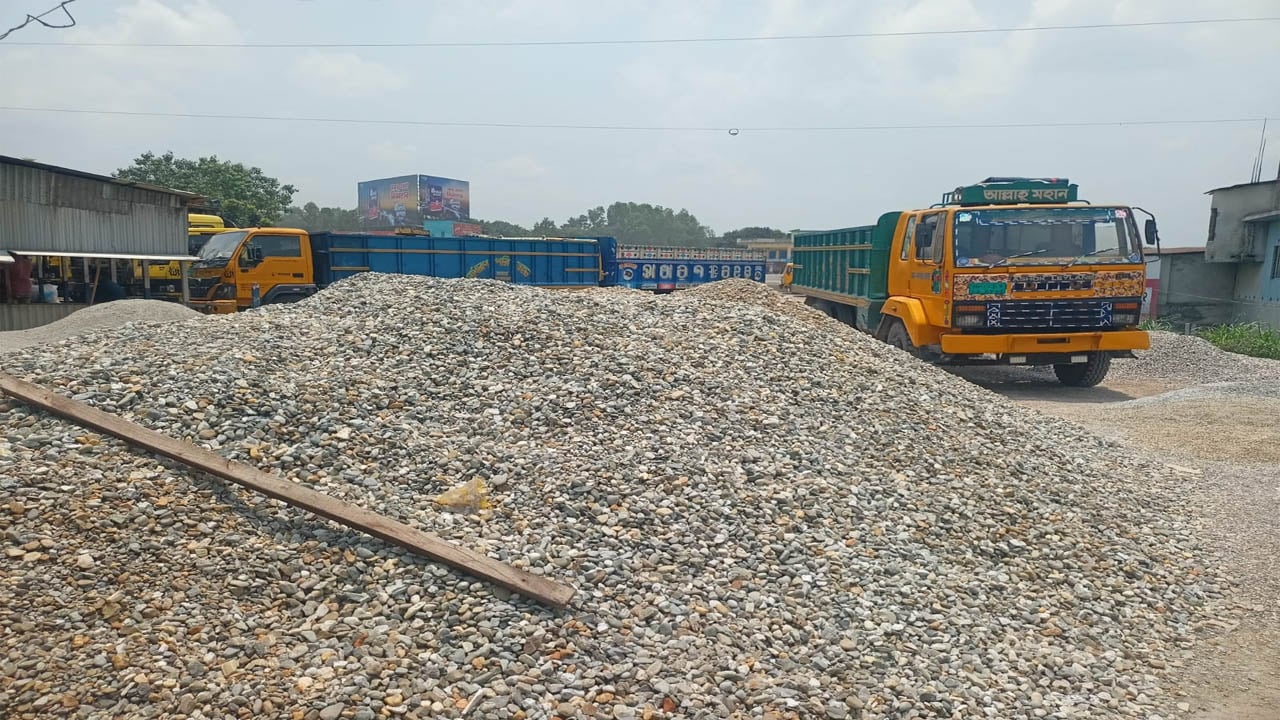
An illegal stone storage and trading operation along the Dhaka–Bogura highway in Ghurka, Raiganj upazila of Sirajganj, is obstructing traffic and raising accident risks. Local residents allege that stolen stones from northern regions are openly bought and sold on both sides of the highway, with piles occupying parts of the road and making vehicle movement hazardous. A field visit revealed rows of stone heaps narrowing the road and endangering drivers. Local shopkeeper Abdus Salam said most stones are purchased illicitly from truck drivers, and several individuals are involved in the trade year-round without administrative intervention. Residents claim the activity is entirely illegal and expanding due to a lack of monitoring and enforcement. Hatikhumrul Highway Police Officer-in-Charge Md Ismail Hossain stated that the illegal storage and sale of stones are under investigation and that necessary action will be taken soon.
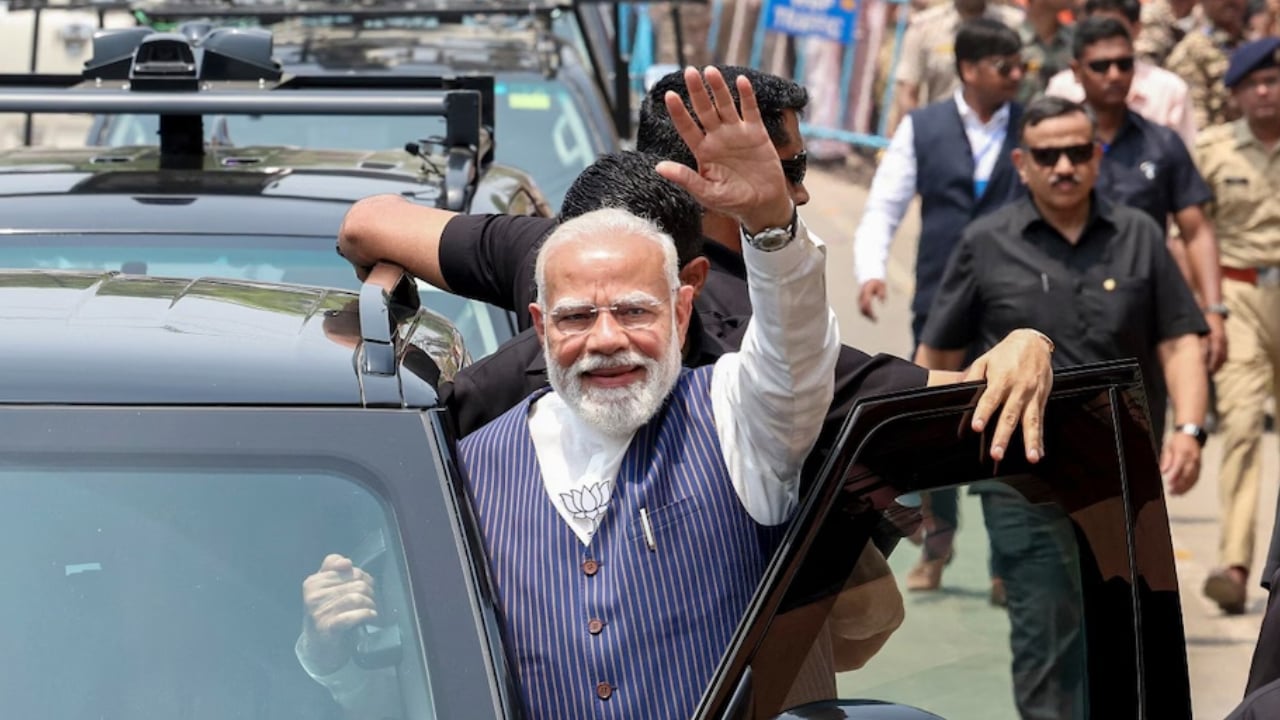
Indian Prime Minister Narendra Modi has ordered a 50 percent reduction in the number of vehicles in his official motorcade. The decision, announced amid a global energy crisis, aims to cut fuel consumption and promote the use of electric vehicles. The Special Protection Group responsible for Modi’s security has already begun implementing the directive. The move comes as several Bharatiya Janata Party–ruled states follow suit. Chief Ministers Rekha Gupta of Delhi, Bhajan Lal Sharma of Rajasthan, and Mohan Yadav of Madhya Pradesh have also decided to reduce the size of their official fleets. The global energy shortage has been exacerbated by the ongoing United States–Iran war, which has driven up crude oil prices and disrupted supply chains. Modi urged citizens to adopt a “nationally responsible” lifestyle, use local products, and avoid unnecessary gold purchases for one year to ease pressure on foreign currency reserves. He also advised against foreign travel and destination weddings abroad.
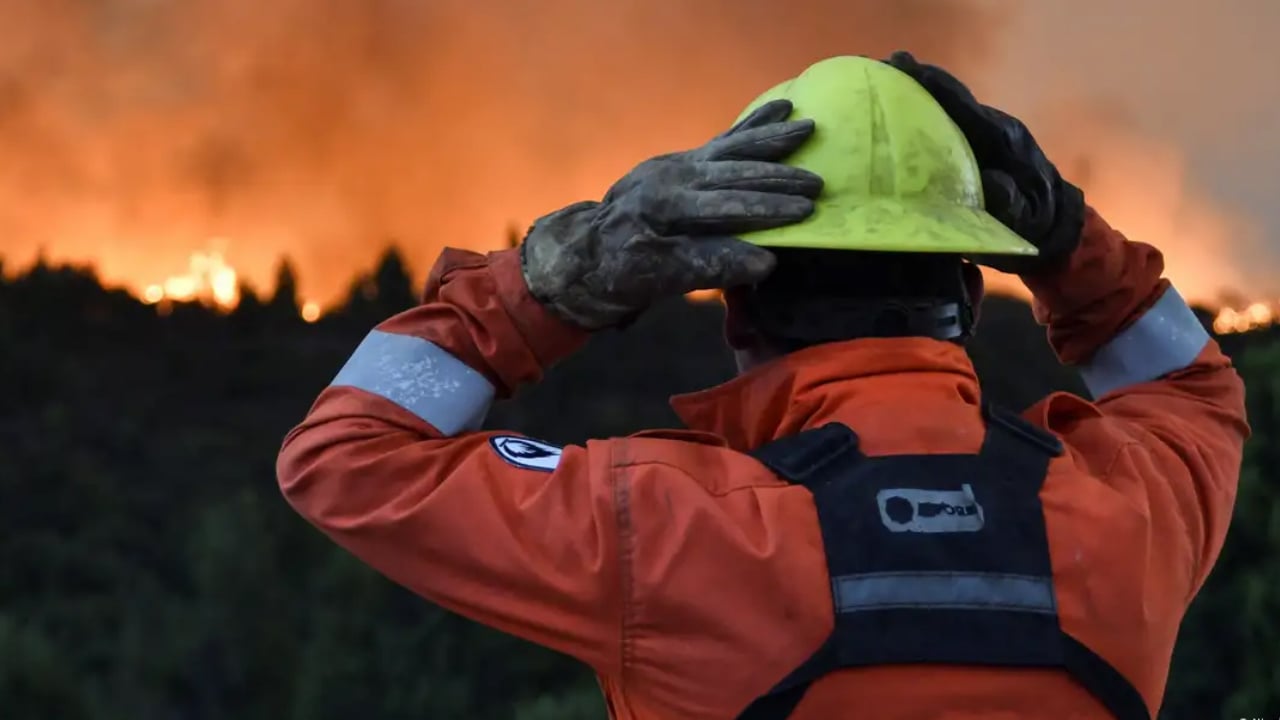
Scientists have warned that a 'super El Niño' could develop in 2026, intensifying global heat and wildfire risks. According to data compiled by World Weather Attribution, from January to April this year, more than 150 million hectares of land have already burned worldwide, 20 percent higher than previous records. The phenomenon, which warms the surface waters of the central and eastern Pacific Ocean, is expected to disrupt global weather patterns as the Northern Hemisphere enters summer. Imperial College London wildfire expert Theodore Kipping said the wildfire season has started unusually early, with Africa losing about 85 million hectares and Asia around 44 million hectares to fires so far. He warned that the risk of wildfires could increase later this year as El Niño heightens the likelihood of heatwaves and droughts in Australia, Canada, the United States, and the Amazon rainforest. The World Meteorological Organization stated last month that El Niño conditions are expected to begin in May, potentially bringing drought to parts of Australia, Indonesia, and South Asia, while causing floods and rising temperatures elsewhere.
Police have arrested Kazi Jahanara Parvin, the general secretary of the banned Women’s Awami League unit of Syedpur municipality in Nilphamari, in connection with a farmer murder case. She was detained on Tuesday night from a mediation meeting at Gol Chattar in Syedpur. Parvin previously served as a reserved female councilor of the municipality. The arrest was confirmed on Wednesday by Officer-in-Charge Zillur Rahman of Nilphamari Sadar Police Station. According to the case details, she was arrested in connection with the killing of a farmer named Siddiq Ali, who was allegedly run over by a vehicle in Ramganj, Nilphamari Sadar. The case was filed on October 22, 2024, by the victim’s son. Former Member of Parliament Asaduzzaman Noor, district Awami League president Dewan Kamal Ahmed, general secretary Advocate Momtazul Haque, and 202 others were named as accused, along with 1,000 to 1,200 unidentified individuals. The case statement mentions that the complainant could not file the case earlier because the Awami League was in power at that time.

The ‘1 Nojor’ media platform is now live in beta, inviting users to explore and provide feedback as we continue to refine the experience.