

The ‘1 Nojor’ media platform is now live in beta, inviting users to explore and provide feedback as we continue to refine the experience.
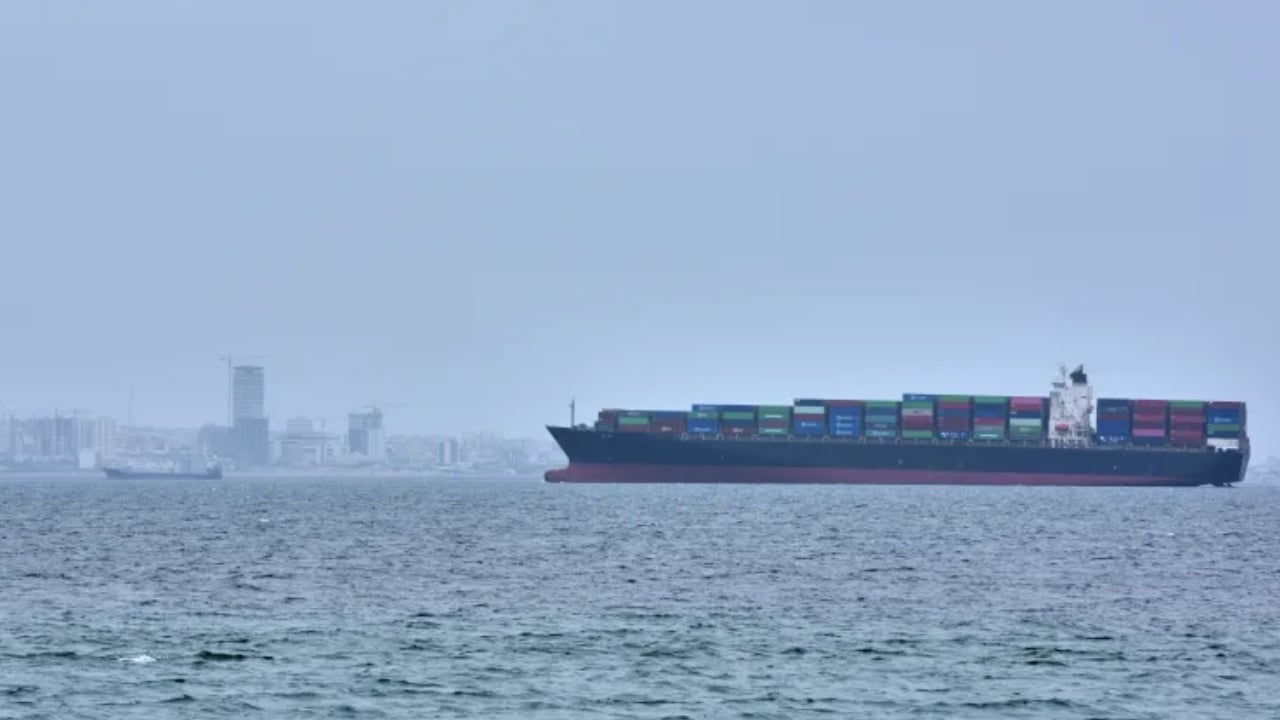
The United States and the United Kingdom have held high-level discussions focused on reopening the Hormuz Strait. According to the US State Department, Secretary of State Marco Rubio and British Foreign Secretary Yvette Cooper emphasized the importance of restoring normal maritime traffic through the strategic waterway. A separate defense conference involving defense ministers from 40 countries is scheduled to take place today to discuss plans for securing navigation in the Hormuz Strait. The meeting will be co-chaired by UK Defense Minister John Healey and French representative Catherine Vautrin. They are expected to outline possible military contributions from various nations to ensure the strait’s safety following the end of the recent conflict. The discussions highlight ongoing international efforts to stabilize maritime operations in the region and coordinate post-war security measures through multilateral defense cooperation.
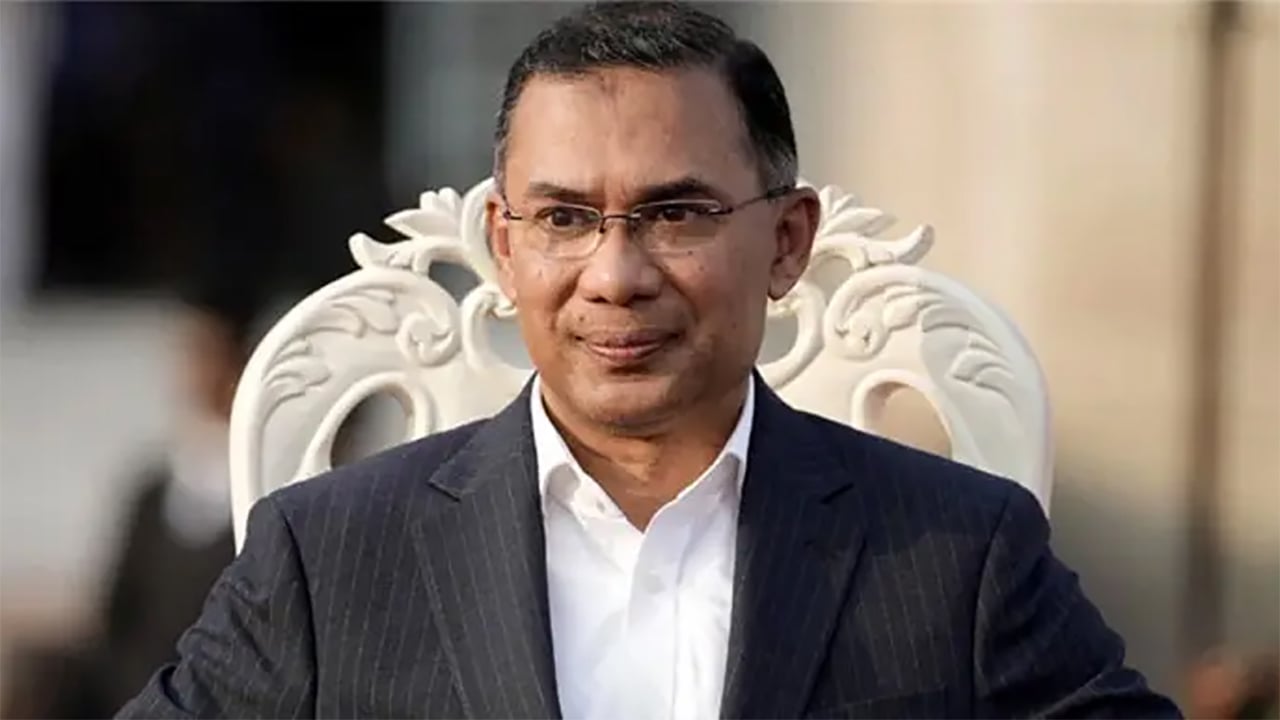
Prime Minister Tarique Rahman attended the University Grants Commission’s (UGC) national workshop at Dhaka University on Tuesday morning. The daylong event, held at the Nawab Nawab Ali Chowdhury Senate Building, focuses on the development and sustainable transformation of Bangladesh’s higher education system. This marks Rahman’s first official program at Dhaka University since assuming office as prime minister. According to UGC’s Public Relations and Publications Director Mohammad Jaminur Rahman, Education Minister Dr. A N M Ehsanul Haque Milon and the Prime Minister’s Education Adviser Mahdi Amin were present as special guests, while UGC Chairman Professor Dr. Mamun Ahmed presided over the session. To welcome the prime minister’s arrival on campus, leaders and activists of the Jatiyatabadi Chhatra Dal planted 85 medicinal trees along the route from Banglamotor to Shahbagh intersection. The event was attended by Dr. Touhidur Rahman Auwal, vice president of the central committee of the student organization.
India’s financial markets faced a sharp downturn on Monday after Prime Minister Narendra Modi urged citizens to reduce energy consumption, limit non-essential imports, and cut gold purchases. Following his remarks, the rupee fell steeply against the US dollar, reaching 95.31 per dollar, one of its largest single-day declines. The NSE Nifty-50 index dropped 1.5 percent to 23,815 points, while the BSE Sensex lost 1,276 points to close at 76,015. Analysts attributed the pressure to rising global crude oil prices, which have strained India’s foreign exchange reserves. Brent crude climbed to 104 dollars per barrel after US President Donald Trump rejected a peace proposal from Iran. Market analyst Arun Kejriwal said Modi’s comments triggered immediate investor concern, warning that sustained high oil prices could prolong market stress. Most sectors saw losses, particularly small- and mid-cap stocks. Shares of state-run oil firms and major companies like Reliance Industries fell sharply, while travel, hospitality, and jewelry sectors also declined. However, Hyundai Motor India and agrochemical firm UPL recorded gains amid the broader slump.

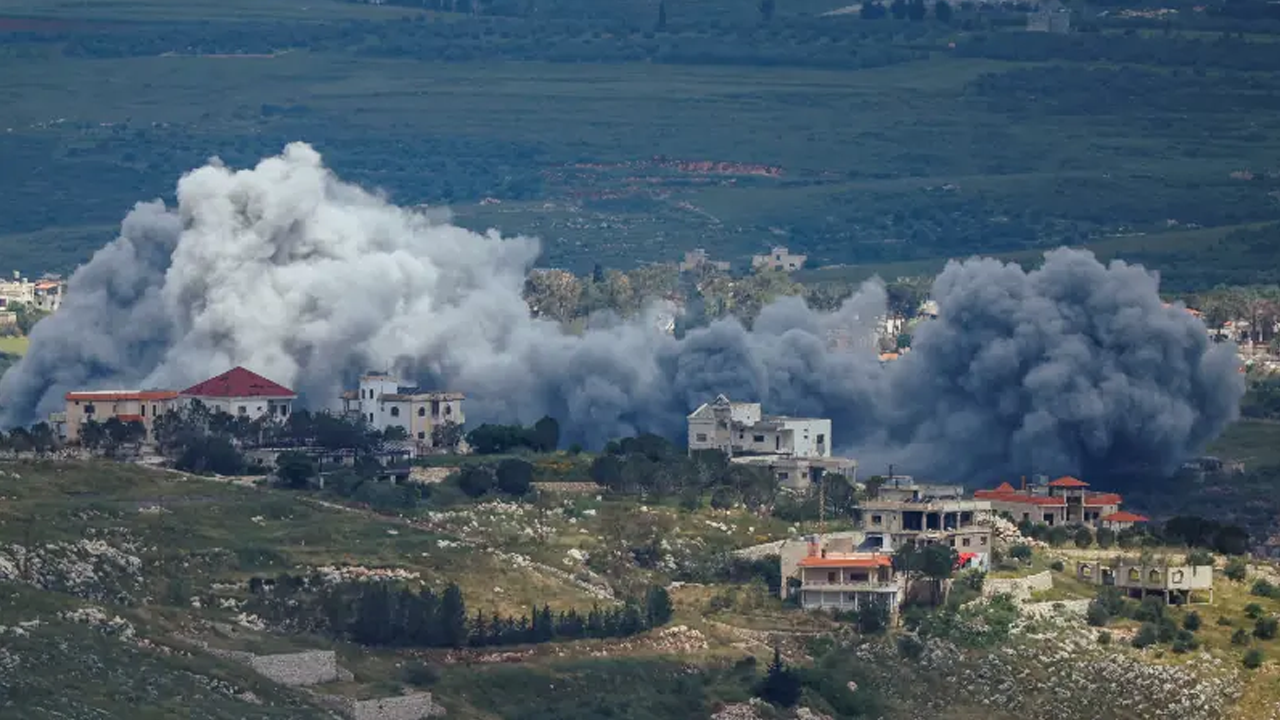
At least six people were killed and seven others injured in an Israeli airstrike on the Kfar Dounin area of southern Lebanon on the night of May 11, according to Lebanon’s National News Agency (NNA). The report said a residential house was targeted in the attack, and the injured were taken to hospitals in the city of Tyre. Early the next morning, Israeli forces also shelled the outskirts of Al-Mansouri and Majdal Zoun, NNA added. The incident comes amid escalating clashes and reciprocal attacks between Israel and armed groups along Lebanon’s southern border. In a separate strike earlier on May 11, two Bangladeshi expatriates were killed in the Nabatieh district when their residence in Jibdin was hit by an Israeli air raid. The victims were identified as Shafiqul Islam and Md Nahidul Islam, both from Satkhira district in Bangladesh. The repeated airstrikes highlight the growing instability in southern Lebanon, where cross-border hostilities have intensified in recent weeks.
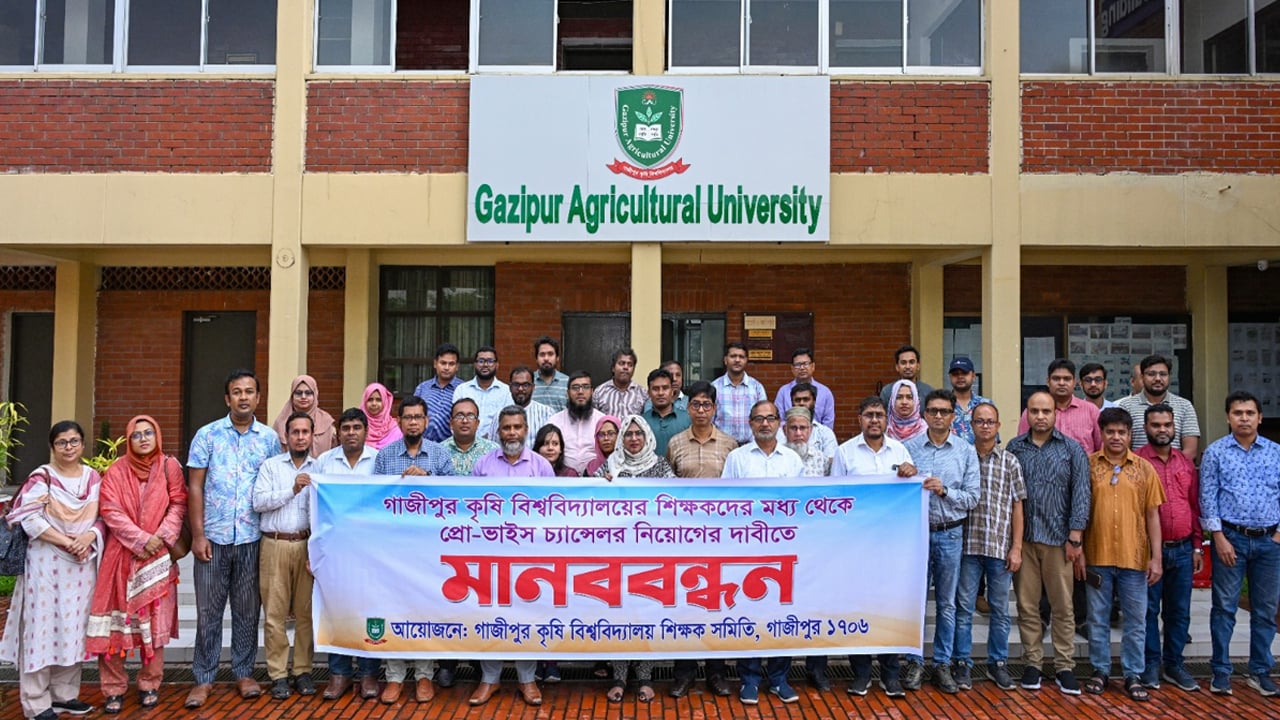
Teachers of Gazipur Agricultural University (GAKRUBI) have strongly opposed the possible appointment of an external candidate as the university’s pro-vice chancellor. The protest was expressed through a human chain held on Sunday afternoon at the university campus, organized by the Gazipur Agricultural University Teachers’ Association (GAKRUBIS). Association leaders warned that faculty members would not accept any outsider in the position, citing growing concern and dissatisfaction over rumors of such an appointment. Speakers at the event argued that the university already has many honest, qualified, and experienced professors who are capable of providing administrative leadership. They cautioned that appointing someone from outside could disrupt the academic environment, research activities, and administrative stability, potentially causing unrest and division within the university community. The teachers emphasized that leadership should come from within the institution to preserve its academic culture and continuity. The association urged the authorities to appoint a pro-vice chancellor from among the university’s own senior professors to ensure institutional stability and uphold its academic progress.
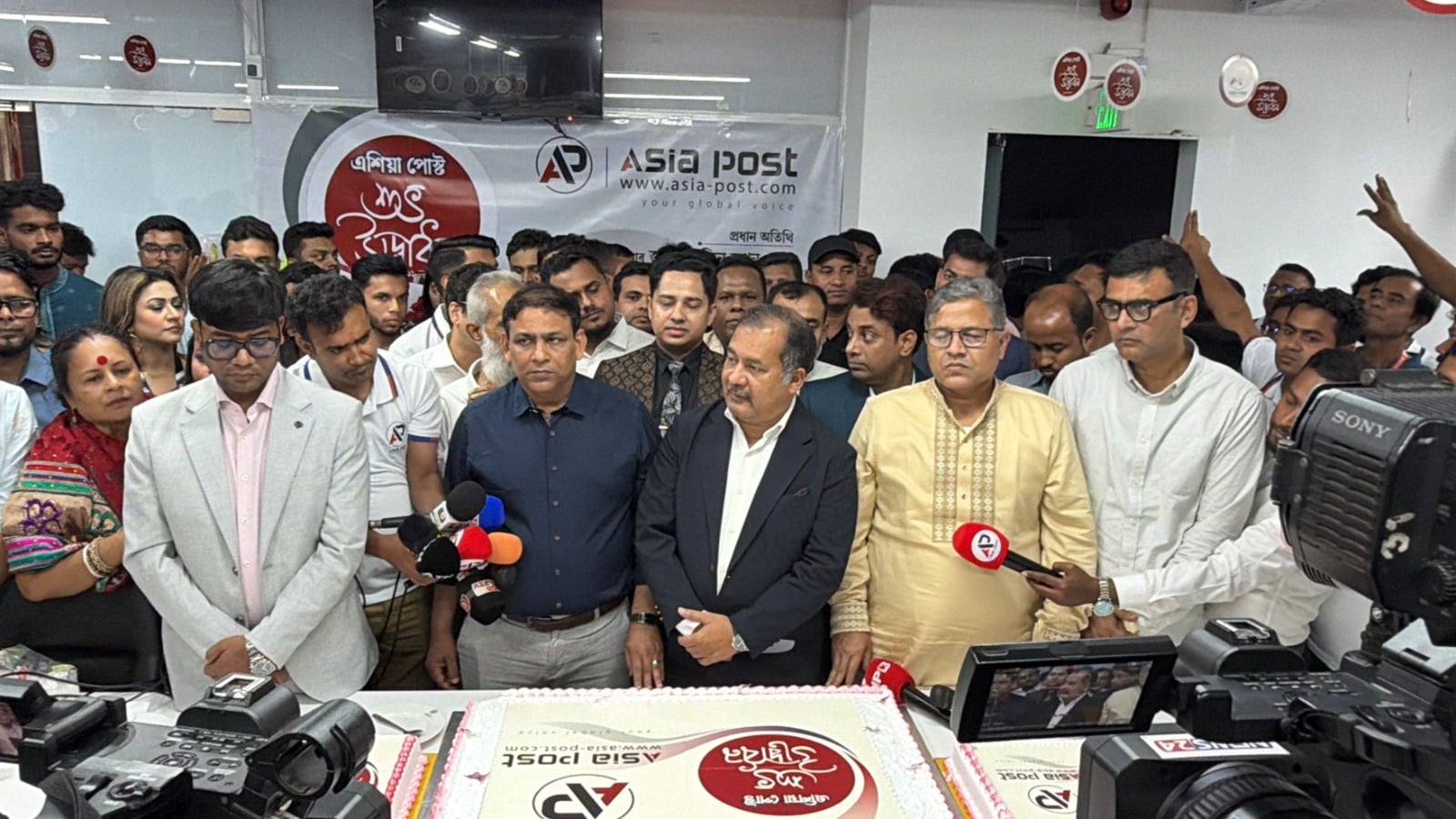
Information and Broadcasting Minister Zahir Uddin Swapan announced that the government will form an independent media commission to ensure media freedom and protect digital audiences from misinformation. He made the statement on Monday, May 11, at the inauguration of the online newspaper Asia Post held at Bengal Centre on Topkhana Road in Dhaka. The minister said the commission would be created through participation from all stakeholders, not imposed from above, to guarantee citizens’ right to information. During his speech, Swapan highlighted that while the era of free information flow brings opportunities, it also increases the risks of misinformation. He emphasized that safeguarding digital viewers from false information has become a major challenge. The minister also sought cooperation from all media outlets, including Asia Post, in addressing new crises emerging from artificial intelligence technologies. Asia Post editor Palash Mahmud urged the government to introduce a worker-friendly policy for online media, noting that despite registration processes, no formal policy exists for employees in this sector.
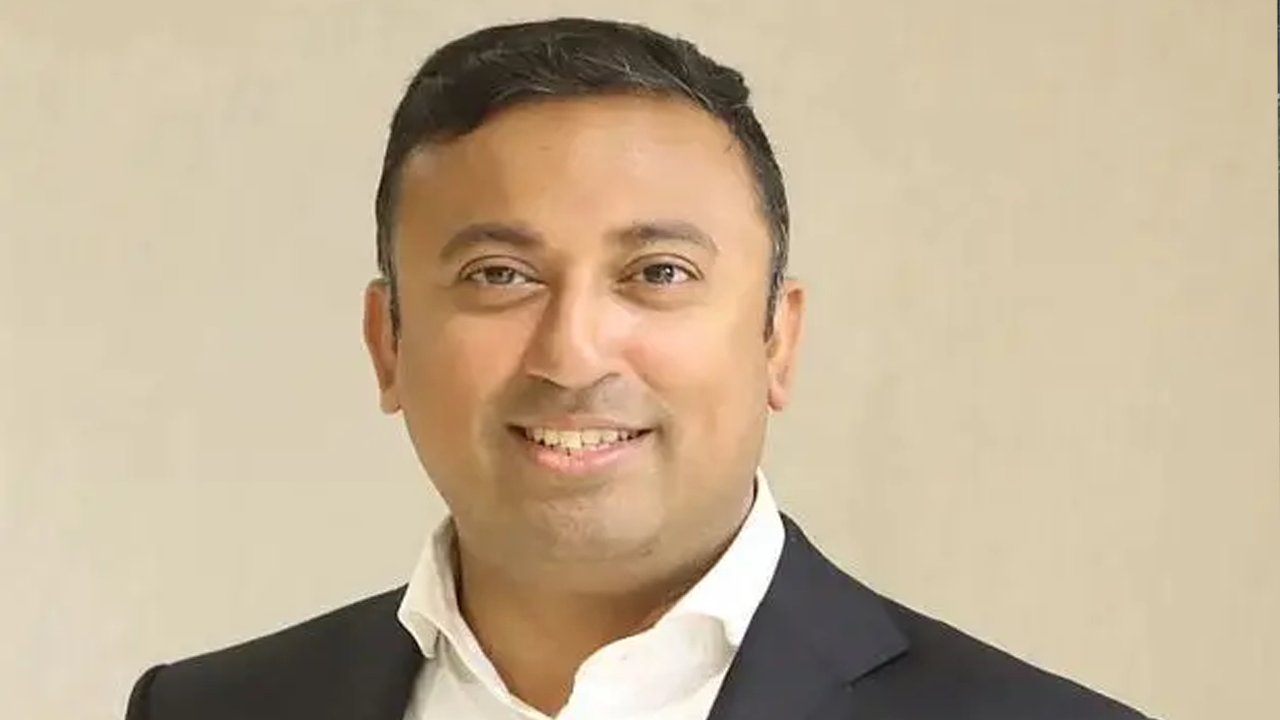
Former Thai Prime Minister and influential businessman Thaksin Shinawatra was released on parole on Monday morning from Bangkok’s Klong Prem Prison, where hundreds of supporters greeted him with chants of affection. The 76-year-old leader had returned to Thailand in 2023 after nearly fifteen years in exile and was convicted of abuse of power and conflict of interest charges. Following a period of hospitalization due to illness, he served several months in prison under court order. Thaksin appeared energetic upon release, dressed in white and welcomed by his daughter and political heir, Paetongtarn Shinawatra. His release came months after Paetongtarn lost the premiership following a court ruling. Thaksin joked that his long absence from public life felt like a long sleep, expressing relief at his freedom. Analysts believe his release could reinvigorate the Pheu Thai Party, which underperformed in the last election. However, observers caution that Thaksin must act carefully if he chooses to influence politics from behind the scenes. He will remain under electronic monitoring until September.

Bangladesh Prime Minister’s Foreign Affairs Adviser Humayun Kabir stated that Bangladeshis are not afraid of border fences, responding to West Bengal Chief Minister Suvendu Adhikari’s announcement to hand over land to the Border Security Force (BSF) for fencing along the India-Bangladesh border. Adhikari made the decision during his first cabinet meeting on Monday, directing that the land transfer process be completed within 45 days. Kabir made his remarks at the Ministry of Foreign Affairs in Dhaka, saying that if necessary, Bangladesh would discuss the issue at the appropriate level. He emphasized that Bangladesh seeks humane approaches in border security and criticized past incidents of violence along the frontier. Kabir added that Bangladesh is no longer the country that would remain silent if such actions were repeated. The India-Bangladesh border stretches 2,216 kilometers, of which 563 kilometers in West Bengal remain unfenced. Kabir expressed hope that India would not pursue a confrontational approach in managing the border.
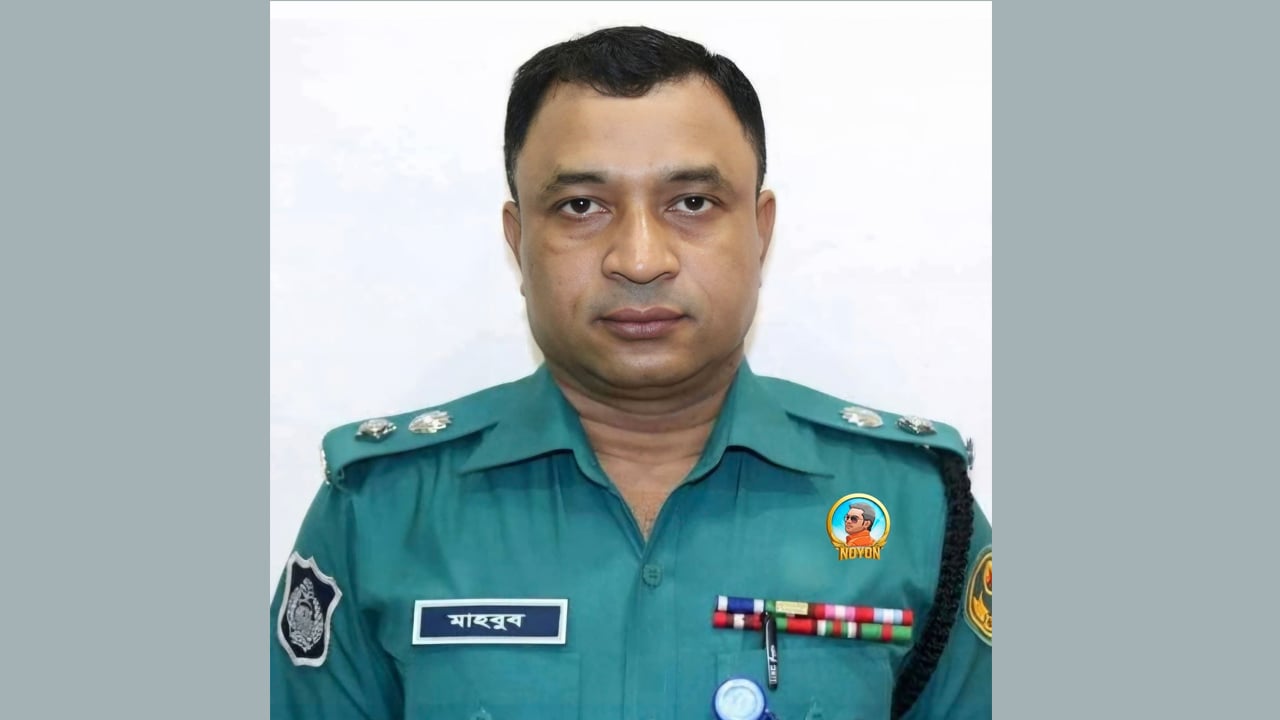
The Police Headquarters has withdrawn Mohammad Mahbub Alam Khan, who had been appointed as the new Superintendent of Police (SP) of Feni, before he could assume his duties. According to the headquarters, the order signed by Inspector General of Police Md Ali Hossain Fakir was issued on Saturday, requiring Khan to report to the Police Headquarters by May 10. Sources said that after his posting as Feni SP, widespread criticism and detailed reports about his past activities surfaced on social and mainstream media. The controversy intensified when it was revealed that Khan was an accused in two murder cases. On May 7, a writ petition was filed in the High Court challenging his appointment, seeking cancellation of his posting, temporary suspension, and an impartial investigation into the matter.
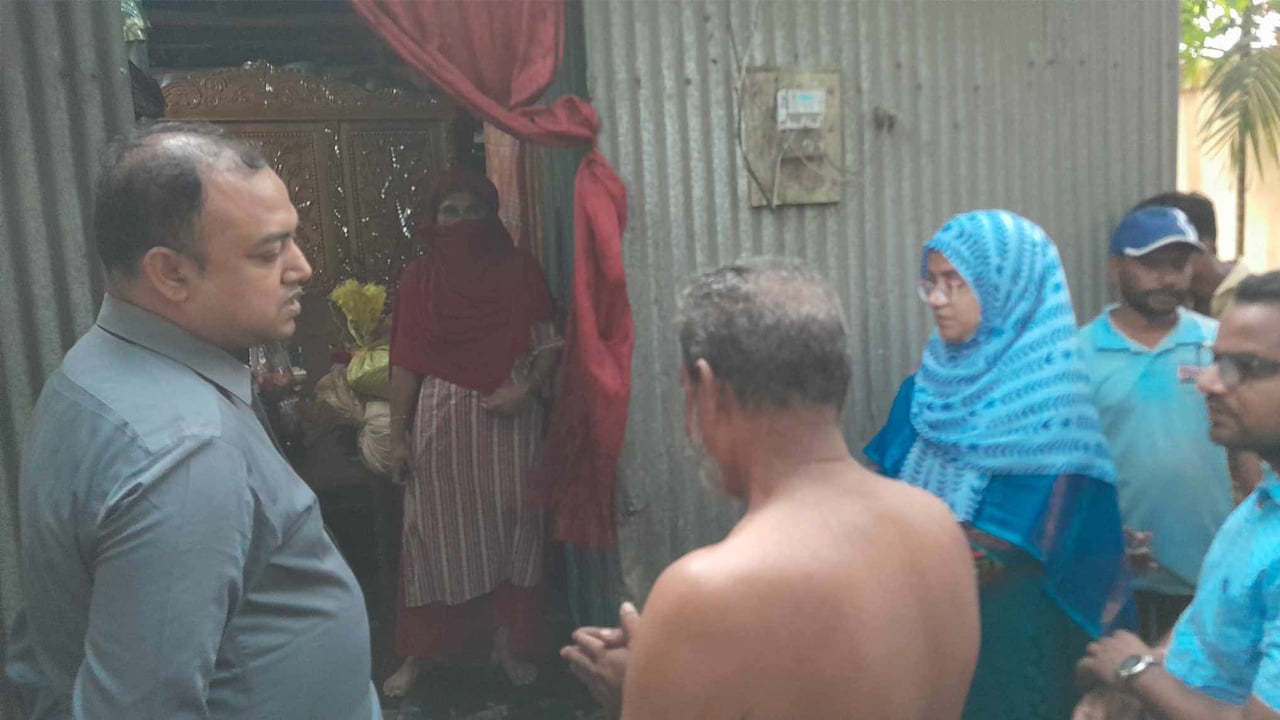
A woman named Rozina Akter, aged 40, was fined 10,000 taka in Bakshiganj, Jamalpur, for illegally storing petrol and selling it at higher prices. The fine was imposed on Monday afternoon by Assistant Commissioner (Land) Asma Ul Husna through a mobile court. According to the report, Rozina Akter had been storing petrol at her home near the Paresh Chandra Saha Filling Station in the Tinani Para area and selling it at inflated rates. During the operation, the allegations were found to be true, prompting the immediate establishment of a mobile court that imposed the fine. In addition to the monetary penalty, the court ruled that failure to pay the fine would result in 15 days of simple imprisonment.
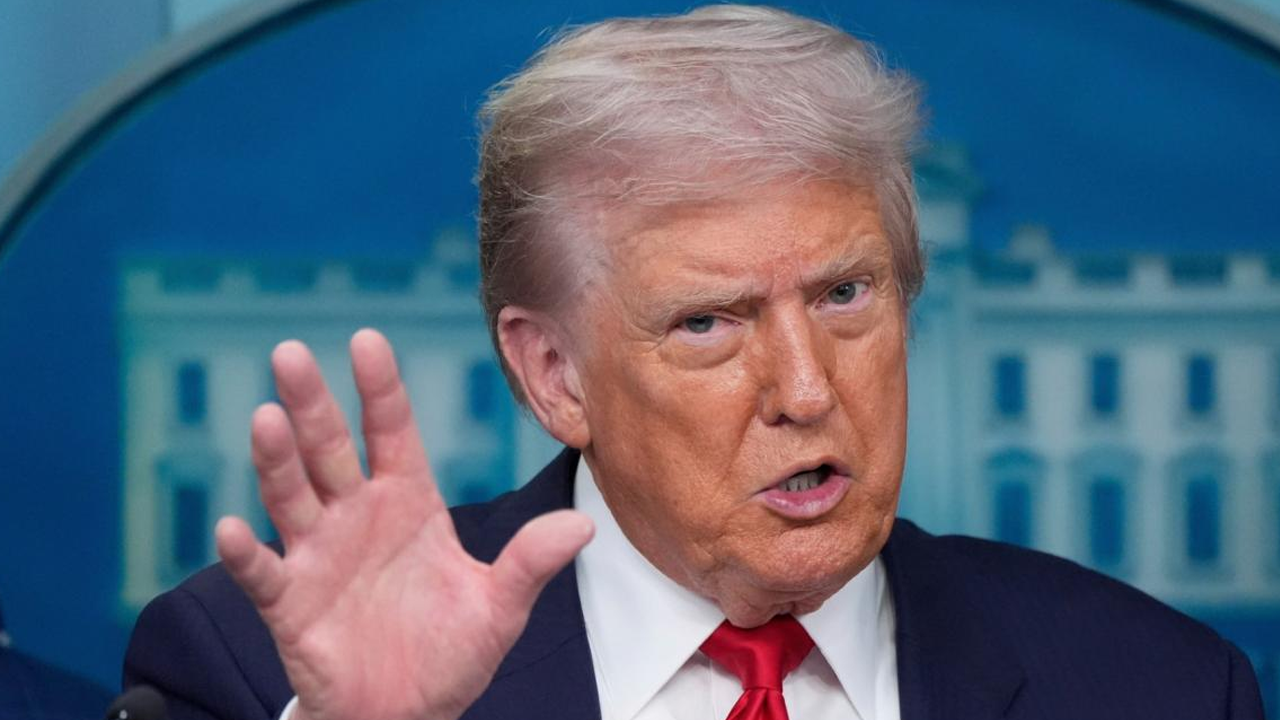
U.S. President Donald Trump is reportedly considering a major military move against Iran as peace talks between Washington and Tehran have stalled. According to reports citing American media, Trump has grown increasingly frustrated with the lack of progress in negotiations and is now giving greater weight to military options than before. Sources close to the discussions said that the ongoing blockade in the strategically important Strait of Hormuz and internal divisions within Iran’s leadership are key factors behind Trump’s dissatisfaction. He reportedly believes that these internal conflicts have weakened Tehran’s ability to make significant concessions in nuclear or diplomatic talks. Advisers to the president indicated that the possibility of military action has become more prominent in recent weeks. They believe Iran’s leadership struggles have reduced the government’s decision-making capacity, making it harder to advance negotiations.
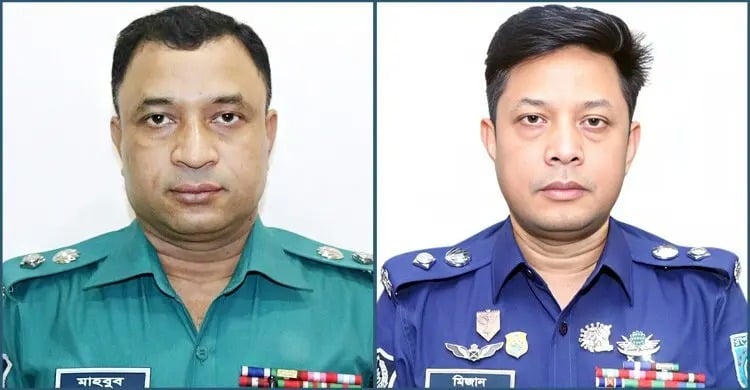
The Police Headquarters has withdrawn the Superintendents of Police (SP) of Panchagarh and Feni districts. The officials are Md. Mizanur Rahman of Panchagarh and Mohammad Mahbub Alam Khan of Feni. According to police sources on Monday, the withdrawal orders were signed separately by Inspector General of Police Md. Ali Hossain Fakir on Saturday. The orders instructed Mahbub Alam Khan, who was transferred from Chattogram Metropolitan Police as SP of Feni, to report to the Police Headquarters by May 10. Similarly, Md. Mizanur Rahman was directed to hand over his duties to the next senior officer and report to headquarters by the same date. Reports on social and mainstream media had surfaced against Mahbub Alam Khan after his appointment as SP of Feni. A writ petition was filed in the High Court on May 7 challenging Mahbub Alam Khan’s appointment, citing his status as an accused in two murder cases. The petition sought cancellation of his appointment, temporary suspension, and an impartial investigation. The writ was filed by Advocate S M Zulfiqar Ali Junnu, chairman of the National Lawyers Council.
A police team came under attack while attempting to arrest suspected robbers in Dhaka’s Mohammadpur area on Monday morning. The incident occurred when officers from Dhanmondi Police Station conducted a raid to capture suspects linked to a recent mugging. Sub-Inspector Saiful Islam was injured by sharp weapons during the confrontation, while a suspect named Shakib was shot in the foot when police fired in response. Three suspects, including Shakib, were later arrested. According to Dhanmondi Police Station’s officer-in-charge Saiful Islam, the suspects had been lying in wait with machetes and other sharp weapons near Mohammadpur Town Hall. When police arrived around 6 a.m., the suspects attacked, prompting officers to fire warning shots before using live rounds to control the situation. Both the injured officer and the suspect are receiving treatment at Shaheed Suhrawardy Hospital and are reported to be out of danger. Police said the arrested individuals, identified as Shakib, Palash, and Biplob, have prior cases related to robbery and other crimes.

A Feni court has ordered the imprisonment of ASM Moinul Hossain Jackson, vice president of the district unit of the student organization Chhatra Dal and a junior officer at NRBC Bank’s Feni branch. The decision came on Monday afternoon when the Senior Judicial Magistrate Court rejected his bail plea in a case involving the assault of a teacher’s family and vandalism of their home. The same court granted bail to another accused, Ninupa Akter. According to case details, the incident occurred on February 10 in Fazilpur village of Feni Sadar upazila. Jackson and several others allegedly attacked retired teacher Azizul Haque, his wife, and daughter over a land dispute. During the assault, the attackers reportedly tied up Azizul’s pregnant daughter and vandalized the family’s house. The victims were later rescued by army and police personnel. The family initially filed a complaint with the local police station, but after the case was not recorded, they proceeded to file it in court, leading to the current legal action.
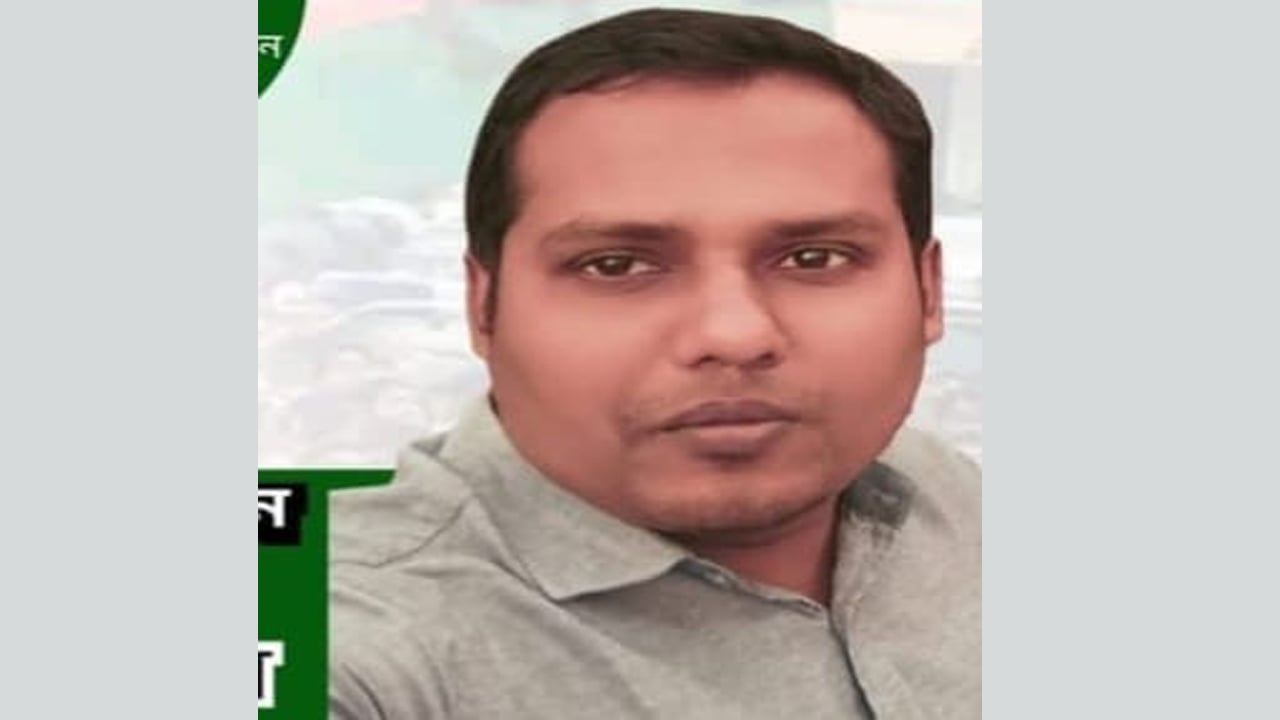
Authorities in Mohanganj, Netrokona, conducted a raid on Monday afternoon at the residence of Rocky Molla in Khalifa Patti, also known as Jal Patti, and seized illegal Chinese fishing nets valued at approximately 2 million taka. The operation was led by Upazila Nirbahi Magistrate and Assistant Commissioner (Land) M A Kader, who conducted a mobile court during the raid. As Rocky Molla was not present, his mother, Asma Akter, was fined 5,000 taka by the mobile court. Senior Fisheries Officer Anik Rahman was also present during the operation. Following the seizure, the confiscated illegal nets were burned on the premises of the upazila compound. The action was part of an ongoing effort by the local administration to curb the use of banned fishing equipment in the area. The report did not specify whether further legal action would be taken against the owner or others involved in the illegal possession of the nets.

The ‘1 Nojor’ media platform is now live in beta, inviting users to explore and provide feedback as we continue to refine the experience.