

The ‘1 Nojor’ media platform is now live in beta, inviting users to explore and provide feedback as we continue to refine the experience.
A cargo aircraft from the United Arab Emirates bound for Pakistan has gone missing with five people on board. The plane, a Boeing 737-400 operated by K-2 Airways, lost contact on Tuesday night about 155 nautical miles west of Karachi. No wreckage or trace of the five crew members has been found so far. According to Pakistan’s airport authorities, communication with the aircraft was lost shortly after takeoff. Flight tracking data showed the plane cruising normally at 35,000 feet and 790 kilometers per hour before making a sudden U-turn and descending rapidly. Within five minutes, it dropped nearly 34,000 feet and was last detected at 1,100 feet and 211 kilometers per hour before disappearing from radar over the Arabian Sea. Pakistan’s Navy and Air Force have intensified search operations, deploying additional warships and surveillance aircraft. Commercial vessels of the Pakistan National Shipping Corporation are also assisting in the search effort.

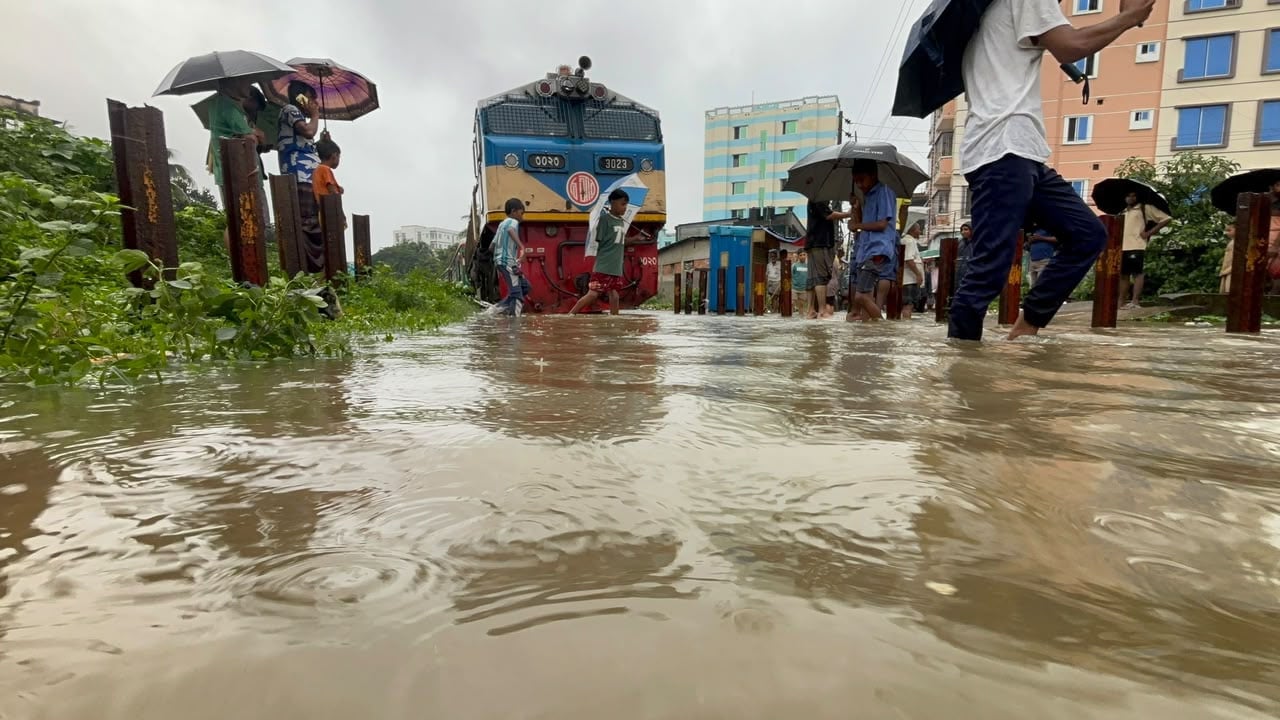
Train operations between Chattogram and Cox’s Bazar were disrupted as four scheduled services were canceled due to waterlogging on the railway line. Two trains, the Prabal Express from Chattogram and the Saikat Express from Cox’s Bazar, had their entire journeys canceled. The remaining two, Cox’s Bazar Express and Parjotok Express, suspended only the Chattogram–Cox’s Bazar leg, with alternative arrangements made to transport passengers to their destinations. Ticket refunds began Wednesday morning for affected passengers. According to railway officials, the cancellations were caused by flooding that submerged about two feet of track between Soloshahar and Janalihut in Chattogram city. The Cox’s Bazar Express could not depart for Cox’s Bazar but was rescheduled to leave for Dhaka at 4 p.m. Passengers holding tickets for the canceled route who wished to travel to Dhaka were allowed to use the same tickets for the rescheduled train. Railway authorities stated that refunds were being processed at ticket counters and that operations would resume once water levels recede.
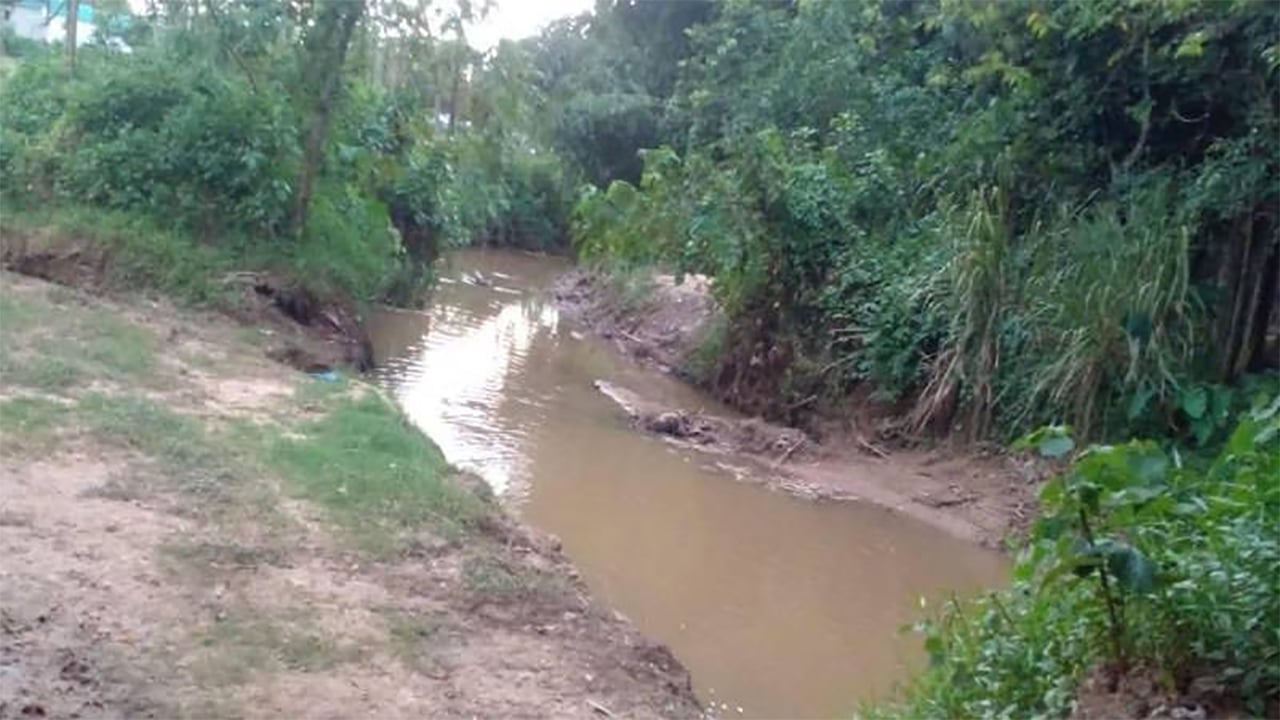
The Sahati River in Jhenaigati upazila of Sherpur is facing a severe existential crisis due to encroachment and pollution. Local residents report that influential individuals have occupied large portions of the riverbanks, planting trees and converting the land for private use. They are demanding immediate government intervention to reclaim the occupied areas, dredge the river, and construct embankments on both sides to prevent further damage. Residents of Chapajhora village say the river is a key drainage route for hill runoff in northern Jhenaigati, but water flow has deteriorated drastically. The absence of embankments causes annual flooding, damaging homes and farmland. Over the past two years, about 40–50 feet of land along the northern bank has turned into sand, threatening 100–150 acres of cropland. Officials from the Sherpur Water Development Board stated that a proposal has been sent to higher authorities for excavation and drainage improvement. They emphasized the river’s importance to local agriculture and pledged to expedite necessary work.
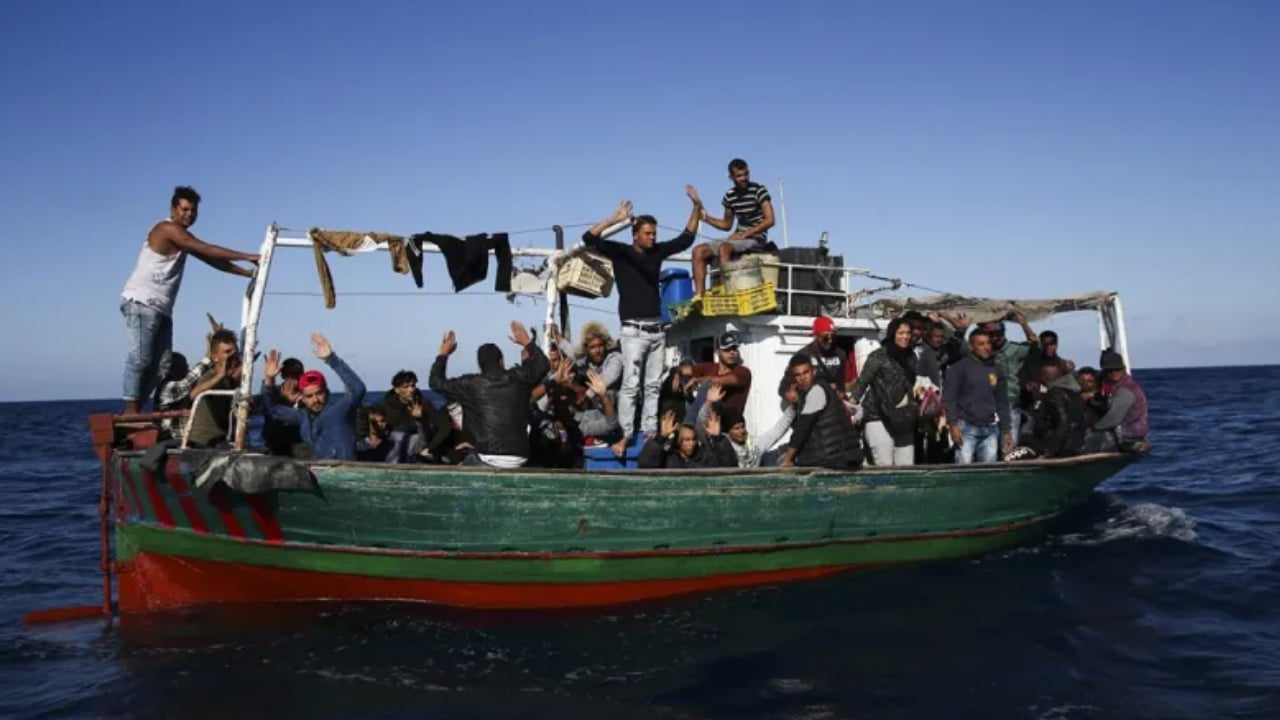
In June 2026, around 2,800 migrants arrived in Italy by sea, bringing the total since the start of the year to 14,388. Among them, Bangladeshi nationals formed the largest group, followed by migrants from Somalia and other African countries. From Asia, Pakistanis ranked second after Bangladeshis. According to Italy’s Interior Ministry, the data was recorded up to the morning of July 7 and may undergo minor revisions after verification. The number of sea arrivals in 2026 has dropped significantly compared with the same periods in 2025 and 2024. Between January 1 and July 7, 2026, Italy received 14,623 migrants, about 53 percent fewer than in 2025 and 45 percent fewer than in 2024. Monthly figures also show lower arrivals each month from January to June 2026 compared with the previous two years. Bangladeshis accounted for 4,314 arrivals, roughly one-third of the total. Somalia followed with 1,702, then Sudan, Pakistan, Algeria, Egypt, Eritrea, Tunisia, Mali, Nigeria, Ivory Coast, Ethiopia, Iran, South Sudan, and Guinea. Another 1,163 migrants from various countries remain under identification.
The state-owned National Jute Mill in Sirajganj, one of northern Bangladesh’s largest industrial units, has remained closed for two years, leaving thousands of workers unemployed. Machinery has rusted due to prolonged inactivity, while the government continues to spend around Tk 6.5 to 7 million monthly on salaries for 189 officials and employees, as well as electricity bills. Despite generating no income, the mill continues to drain public funds. The mill, originally built in 1960 as Qaumi Jute Mill, was once a major source of employment for about 5,000 people. It faced repeated closures due to corruption and bureaucratic complications, first in 2007, then again in 2020. A private group briefly leased and operated it in 2022 but shut down in 2024, leaving unpaid wages and bonuses. Workers and local leaders have demanded the mill’s reopening to restore livelihoods and prevent further waste of public money. The mill’s general manager said efforts are underway through the Bangladesh Jute Mills Corporation to lease the facility again, expressing hope that operations could resume soon.

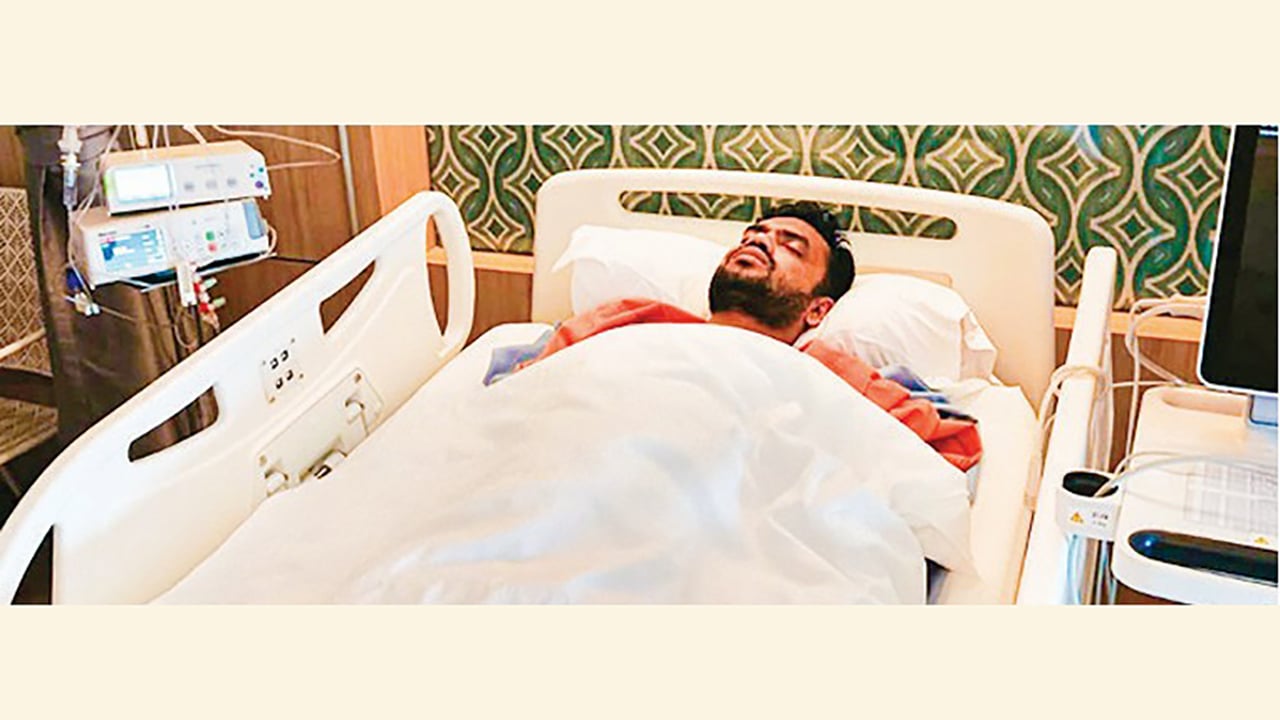
Journalist Raihan Ali, injured during the July Revolution protests in Nilphamari, is now fighting for his life at Vejthani Hospital in Thailand. He was attacked by police on August 4, 2024, while covering events at Chourangi intersection. After receiving treatment at Nilphamari Sadar Hospital, Rangpur Medical College Hospital, and CMH, doctors advised his transfer abroad for advanced care. According to his family, Raihan has undergone more than 18 surgeries in Thailand, with several more procedures still ahead. His condition remains critical, and his recovery is uncertain. Meanwhile, his elderly parents and four-year-old son Labib are living in deep anxiety back home in Nilphamari, struggling emotionally and financially as the family’s resources have been exhausted. Colleagues and members of the journalist community have called for urgent financial and institutional support for Raihan’s treatment and his family’s survival, describing it as both a humanitarian and moral responsibility.
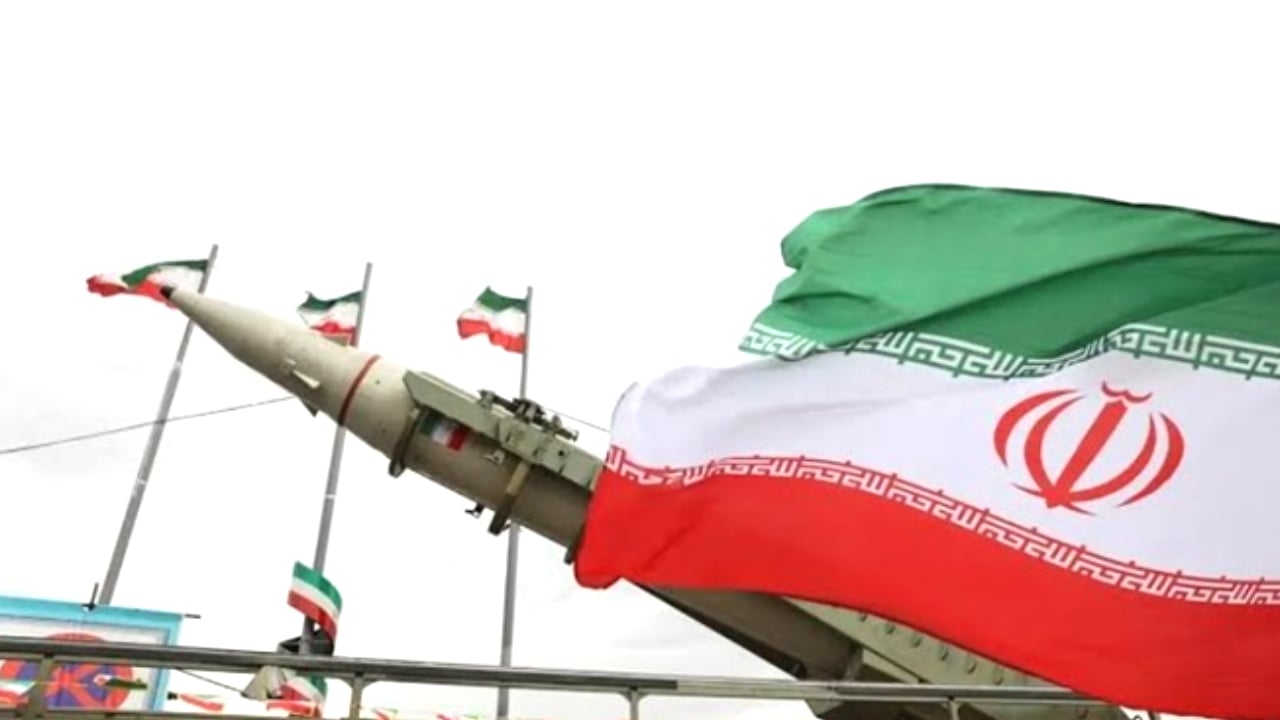
Iran carried out missile and drone attacks on 85 United States military installations located in Bahrain and Kuwait, according to a statement from the Islamic Revolutionary Guard Corps (IRGC). The IRGC said its naval and air forces jointly executed the strikes, targeting the US Fifth Fleet base in Bahrain and the Ali Al-Salem Air Base in Kuwait. The operation was described as Iran’s first retaliatory response against the United States. The IRGC accused the US of violating a ceasefire and the Islamabad Agreement by launching airstrikes on Iran’s coastal bases and civilian facilities in Hormozgan and Mahshahr. It further claimed that the US attacks were intended to undermine the significance of the funeral ceremony of Iran’s former supreme leader. The report, citing Al Jazeera, did not provide details on casualties or damage, and there was no immediate comment from US authorities regarding the incident.
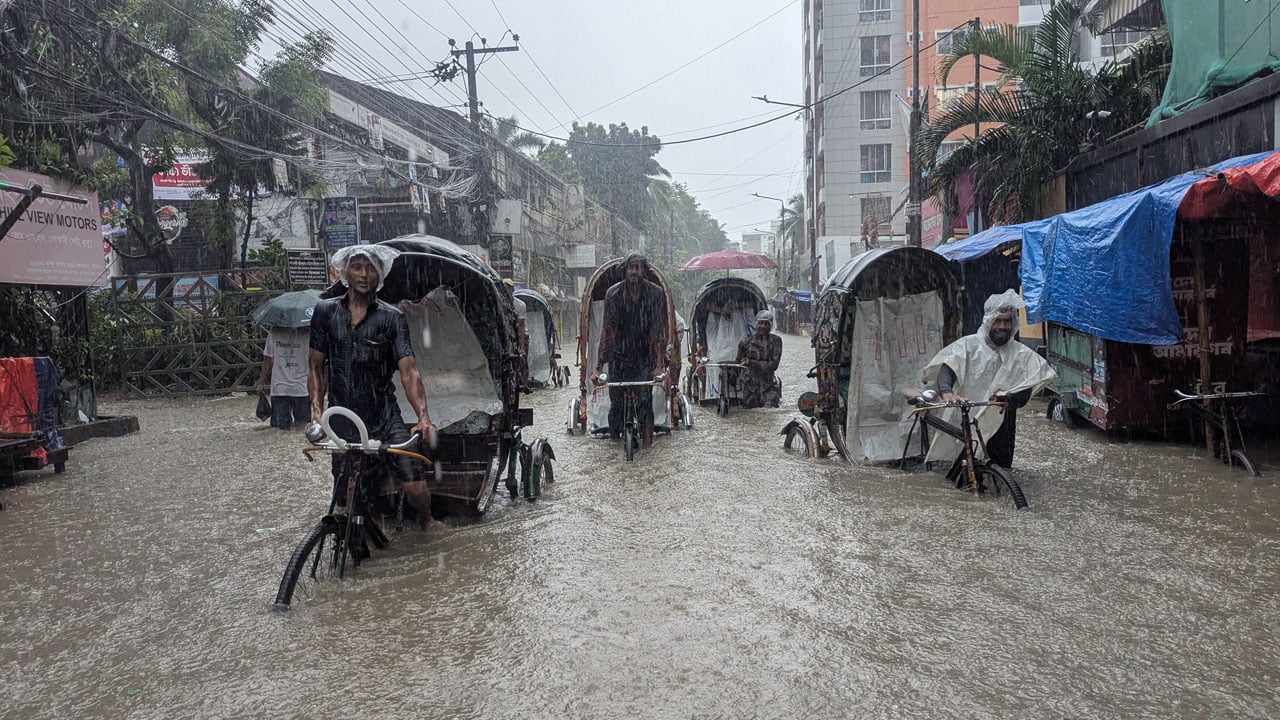
Continuous heavy rainfall has caused severe waterlogging across low-lying areas of Chattogram, disrupting daily life and transport. Streets have gone underwater, slowing vehicle movement and forcing residents to wade through water to reach destinations. The city recorded 237.5 millimeters of rain in 24 hours until Wednesday morning, following 412 millimeters the previous day. Despite city corporation claims of improved drainage, incidents such as a wall collapse in East Nasirabad killing one person and road damage near Patenga have highlighted the impact. Transport and port operations have been severely affected. Train services on the Chattogram–Cox’s Bazar route remain suspended, and several flights failed to land at Shah Amanat International Airport due to adverse weather. The district administration has issued warning signal number three, citing increased landslide risks. Evacuation drives are underway in 26 risky hill areas, with schools and mosques prepared as temporary shelters. Meteorologists attribute the heavy rain to active monsoon winds and moisture from the Bay of Bengal. Forecasts warn of continued heavy rainfall and potential flash floods in Chattogram and nearby districts over the next 48 to 72 hours, with gradual improvement expected after July 11.
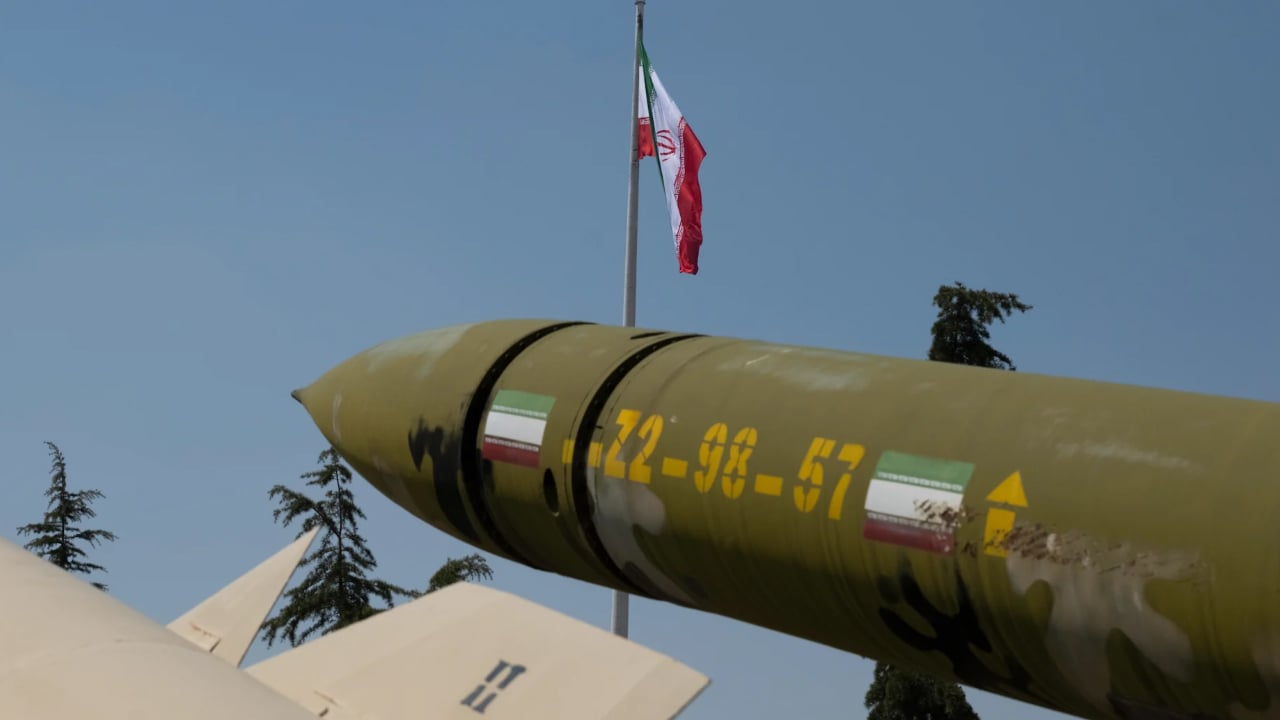
Global oil prices climbed again after the United States launched airstrikes on Iran and reinstated trade sanctions. According to a Reuters report, oil prices rose more than 2 percent on Wednesday, with Brent crude increasing by 1.92 dollars to 76.08 dollars per barrel and West Texas Intermediate rising by 1.82 dollars to 72.26 dollars per barrel. The renewed sanctions on Iranian oil sales and the breakdown of a temporary truce between the two countries have fueled market instability. Analysts noted that while the decision may not cause major structural changes in the oil market, investor anxiety has increased. The United States said its strikes followed Iranian attacks that damaged three commercial ships in the Strait of Hormuz. Experts warned that the incident underscores ongoing risks to shipping in the region, and prolonged tensions could reduce global oil supply if vessel traffic falls below half of normal levels. Oil prices had previously declined after a ceasefire agreement between the United States and Iran last month, which had raised expectations of increased Middle Eastern oil supply.

An opinion analysis by Dr. Shafiul Islam, published on 8 July 2026, highlights growing instability in Bangladesh’s health sector, driven by dissatisfaction among intern doctors, trainees, and FCPS candidates. The unrest stems from proposed policies, poor working conditions, insecurity, and uncertainty about professional futures. The author argues that the quality of medical education underpins the entire healthcare system, and current weaknesses threaten both service delivery and public health. The article traces the crisis to long-standing mismanagement and inadequate governance. Despite an expansion in the number of medical colleges since independence, quality improvements have lagged behind. Problems include outdated infrastructure, teacher shortages, limited research capacity, political interference, and lack of effective accreditation. Many medical colleges operate in unsafe and unhygienic environments, with insufficient laboratories and modern learning tools. Dr. Islam calls for a comprehensive reform plan emphasizing infrastructure upgrades, faculty development, research investment, and internationally recognized accreditation. He stresses that sustainable improvement requires dialogue, accountability, and depoliticized regulation to ensure Bangladesh produces competent doctors and a resilient health system.

Iran has warned the United States of a decisive response to what it called military aggression. The country’s top joint military command, Khatam al-Anbiya Central Headquarters, stated that any attack on southern Iran would be met with stronger retaliation than ever before. In a statement, the command described the recent assault as an open act of aggression and declared that Tehran would not tolerate US interference in the management of the Strait of Hormuz. The statement emphasized that the only safe route for ship navigation through the Strait of Hormuz is the one established by Iran. The warning followed US airstrikes on several Iranian targets, which Washington said were carried out in response to attacks on three commercial vessels in the strategic waterway. The US Central Command confirmed the strikes in a statement issued on Tuesday. The exchange of warnings underscores rising tensions between Tehran and Washington over control and security in one of the world’s most critical maritime trade routes.
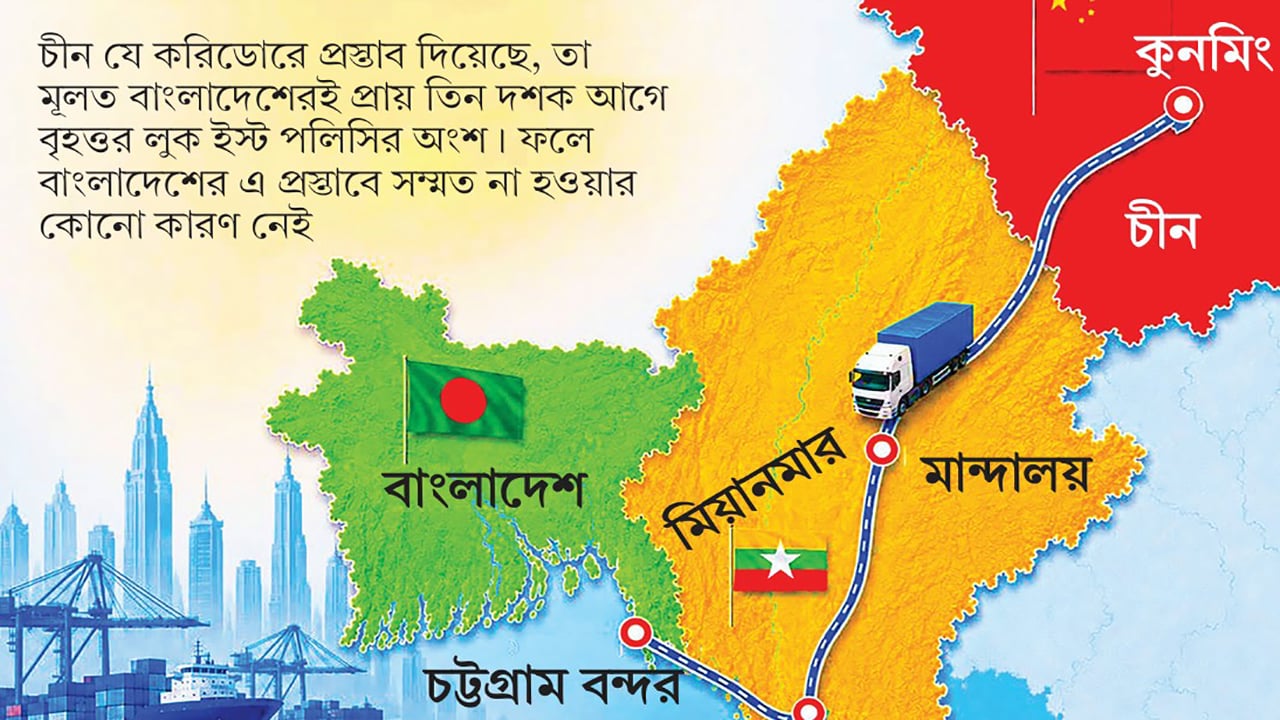
Bangladesh is reconsidering its earlier Look East Policy as China has proposed a new transport corridor linking Kunming in Yunnan province to Chattogram through Myanmar. The proposal emerged during Prime Minister Tarique Rahman’s visit to Beijing, where China suggested establishing road and rail connectivity via Lashio, Mandalay, and Sittwe. The corridor would give China direct access to the Bay of Bengal and potentially transform Bangladesh into a key regional trade hub. The Look East Policy was first adopted in 2002 by Bangladesh’s four-party coalition government to reduce dependence on India and strengthen ties with ASEAN and East Asian economies. However, the initiative stalled after Myanmar withdrew under Indian pressure. The new Chinese proposal revives that vision but faces strong geopolitical resistance from both India and the United States, who view deeper Bangladesh-China cooperation as a strategic threat. If implemented, the corridor could reshape South and Southeast Asian geopolitics, enhance Bangladesh’s connectivity, and reduce Indian dominance. However, the article cautions that Bangladesh must safeguard its sovereignty, economic independence, and security while engaging with China and managing regional rivalries.
A recent report by India’s government think tank NITI Aayog has revealed that despite producing about 20 percent of the world’s generic medicines, India remains heavily dependent on China for key raw materials. The report highlights that over 65 percent of key starting materials and active pharmaceutical ingredients used in Indian drug manufacturing come from China, with dependency exceeding 85 percent for critical drugs such as antibiotics and fever medicines. This structural reliance poses a major risk to India’s pharmaceutical supply chain, which could be disrupted by geopolitical tensions or trade restrictions. The report contrasts India’s global reputation as the “pharmacy of the world” with its limited financial returns and fragile industrial base. It notes that while India supplies around 60 percent of global vaccines, its share in the vaccine market’s total value is only 0.6 percent. NITI Aayog attributes this imbalance to low research and development investment, bureaucratic hurdles, and restrictive environmental regulations that have driven manufacturers to import cheaper Chinese materials. The analysis warns that without sustained R&D investment, streamlined patent processes, and practical environmental policies, India’s “Made in India” initiative will remain dependent on “Made in China.”

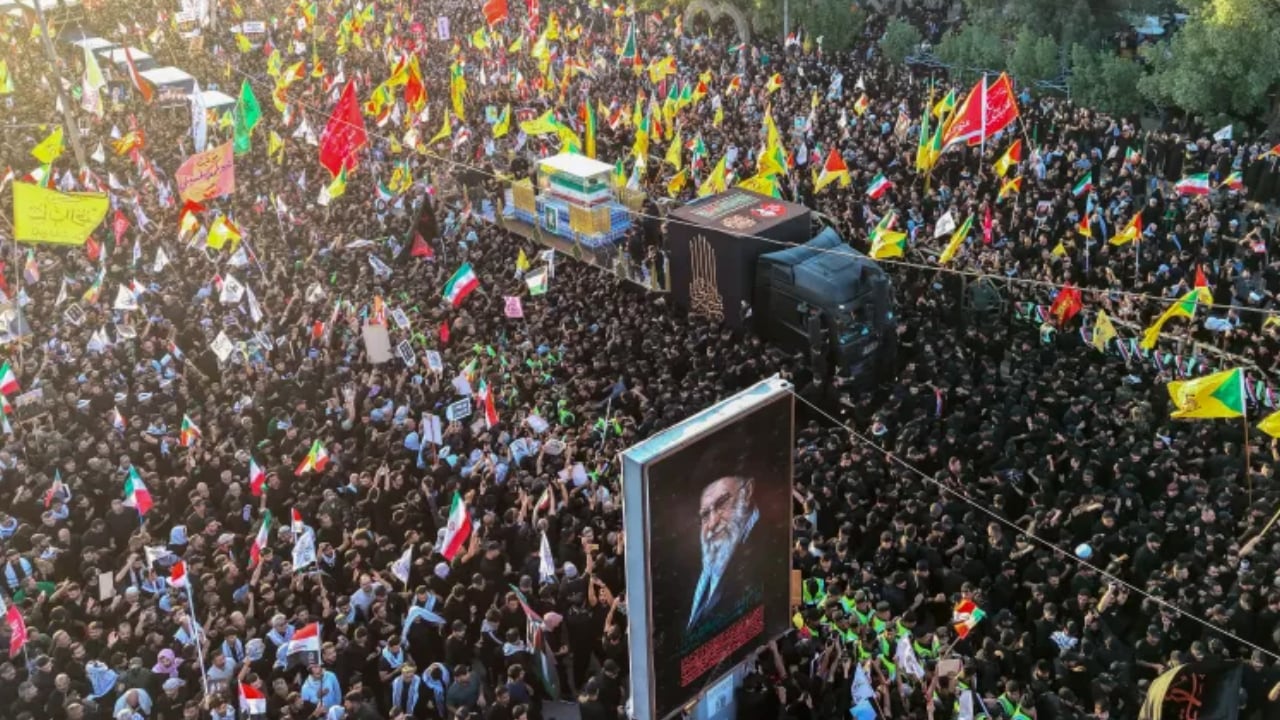
Ayatollah Ali Khamenei’s body was brought to Najaf, Iraq, where millions of mourners gathered for a funeral procession on Tuesday night. The procession began at the Al-Kufa Bridge and moved toward the shrine of Imam Ali, one of the holiest sites for Shia Muslims. Video footage showed Najaf transformed into a sea of people as Khamenei’s coffin and family members arrived by plane. Following several days of memorial events in Iran, the funeral ceremonies were transferred to Iraq. Officials confirmed that Khamenei’s body will also be taken to Karbala, where additional processions are planned. Experienced Iraqi officials and volunteers have been preparing for the upcoming ceremonies in Karbala. Khamenei, the leader of the Islamic Revolution, was killed on February 28 in a U.S.-Israeli attack along with members of his family and senior officials, according to the report.
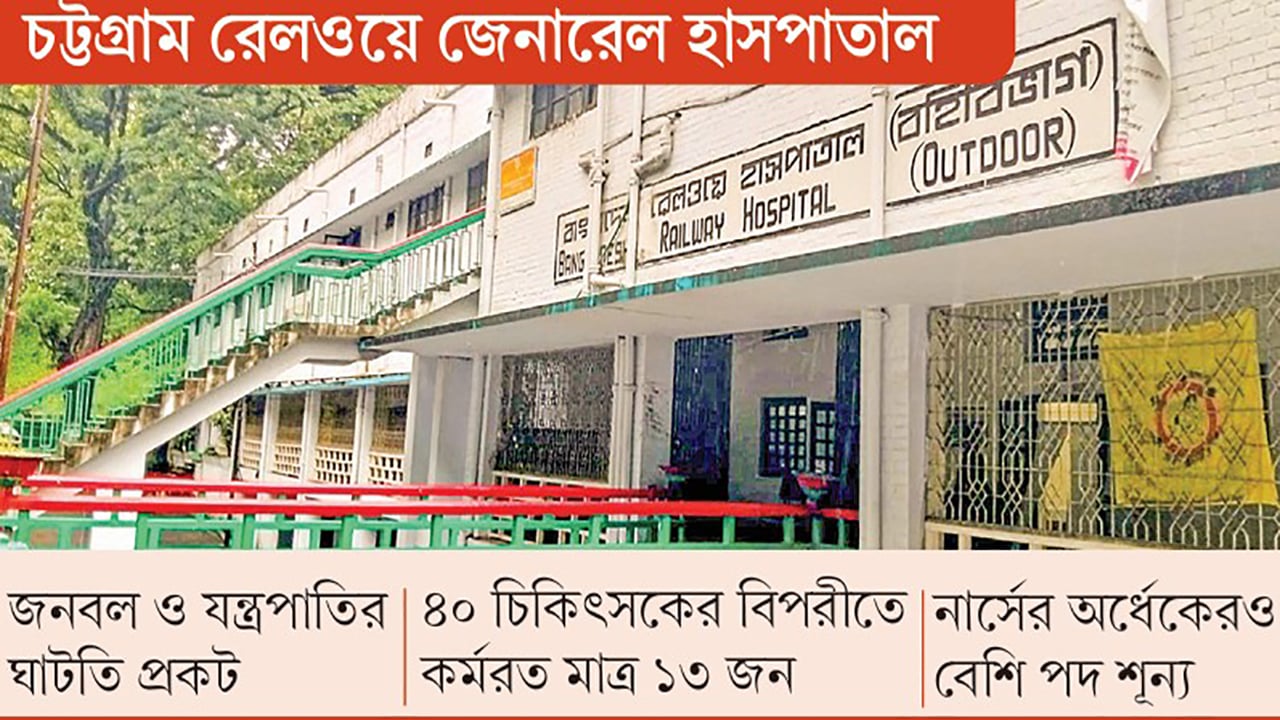
The Chattogram Railway General Hospital, located in the CRB area, has been opened to the general public but continues to face major challenges in providing comprehensive healthcare. Despite operating both outpatient and inpatient departments, the hospital suffers from shortages of specialist doctors, nurses, health workers, and modern equipment. Patients report delays in receiving treatment and limited diagnostic facilities. Hospital authorities say services will expand once recruitment and equipment upgrades are completed. The hospital was renamed and opened to all following a memorandum of understanding between the Ministry of Railways and the Health Services Division during the interim government. It was previously restricted to railway employees and tuberculosis treatment. Currently, about 350–360 outpatients and around 10 emergency patients are treated daily, with 83 inpatient beds almost always occupied. However, only 13 of 40 approved doctor positions and 5 of 16 nursing posts are filled. Officials said financial constraints have delayed the launch of full pathology services, though plans are underway to add surgery, dental, ENT, and radiology facilities. Limited transport access to the CRB area also discourages some patients from visiting, further complicating service delivery.
The ‘1 Nojor’ media platform is now live in beta, inviting users to explore and provide feedback as we continue to refine the experience.