

The ‘1 Nojor’ media platform is now live in beta, inviting users to explore and provide feedback as we continue to refine the experience.
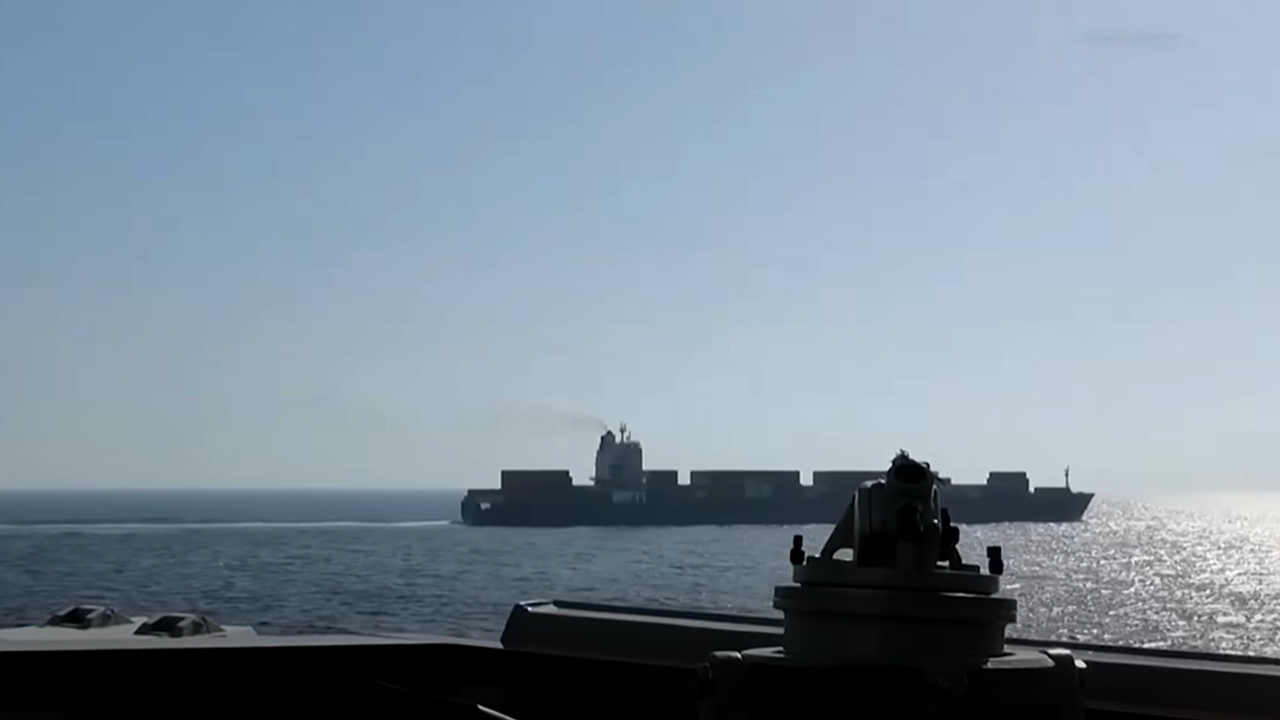
Three large crude oil tankers crossed the Strait of Hormuz with their location trackers turned off to avoid potential Iranian attacks, according to data from Kepler and LSEG cited by Reuters on Monday. The vessels, named Agios Fanourios One, Kiara M, and Basra Energy, each carried about two million barrels of crude oil. Agios Fanourios One, loaded in Iraq’s Basra on April 17, is heading toward Vietnam after two failed attempts to cross earlier. Kiara M, flying the San Marino flag and operated by a Shanghai-based company, has not yet confirmed its unloading destination. The Panama-flagged Basra Energy departed Abu Dhabi’s ADNOC Zirku terminal on May 1 and discharged its cargo at Fujairah port in the UAE last Friday. The report notes that ongoing conflict and instability in the Middle East have severely disrupted navigation through the Strait of Hormuz. Amid heightened tensions between Iran, Israel, and the United States, oil exporters and shipowners are increasingly operating “in the dark” by disabling tracking systems to reduce the risk of targeted attacks.

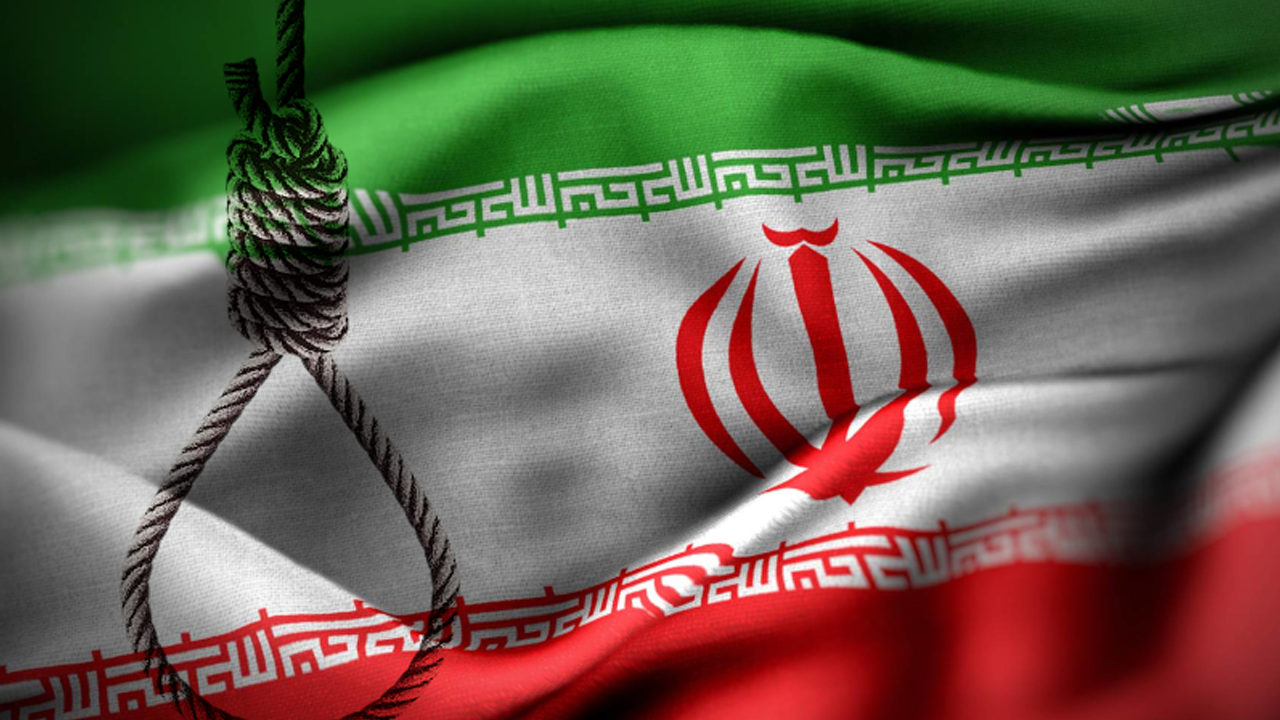
Iran has executed a man accused of spying for the United States’ Central Intelligence Agency (CIA) and Israel’s Mossad, according to the state-run Mehr News Agency, as reported by Al Jazeera. The executed individual was identified as Erfan Shakourzadeh, who was said to have worked with an Iranian scientific institution involved in satellite-related activities. Authorities in Iran alleged that Shakourzadeh had provided sensitive information to foreign intelligence agencies. However, no further details about the nature of the information or the circumstances of his arrest and trial were disclosed in the report. The execution underscores Iran’s continued focus on countering alleged espionage activities linked to Western and Israeli intelligence networks, though the report did not specify when or where the execution took place.
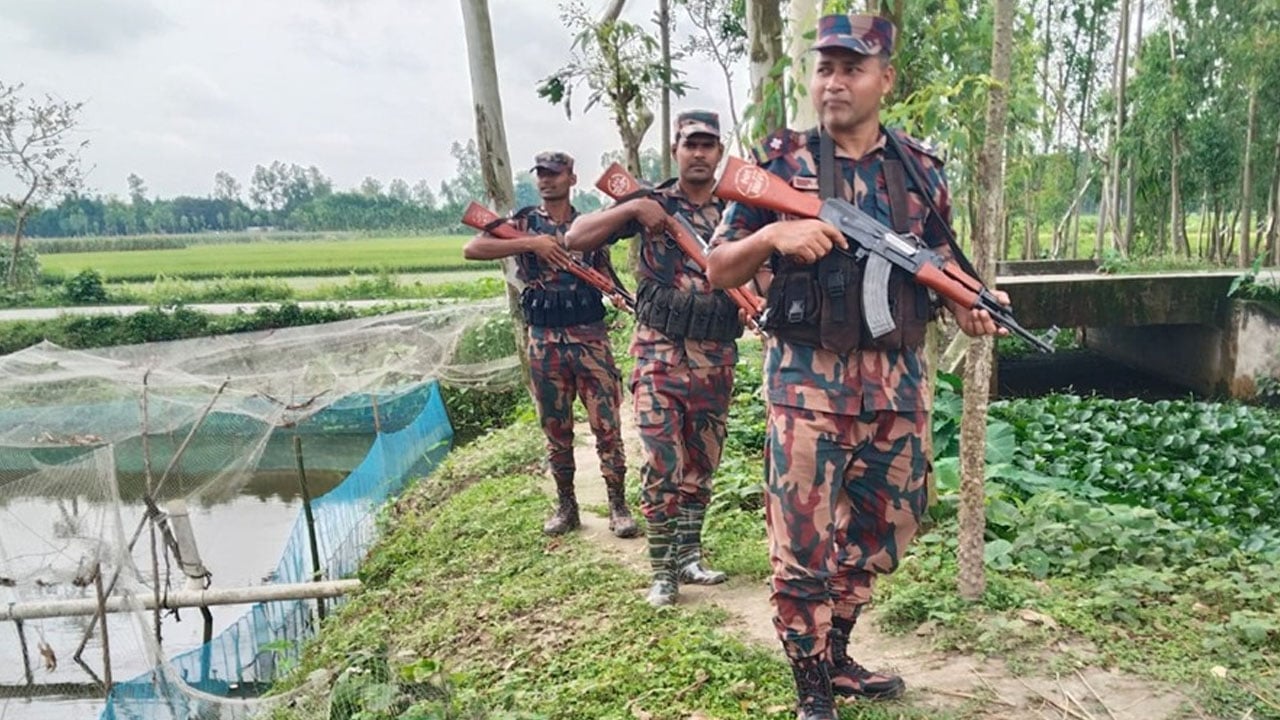
Border Guard Bangladesh (BGB) has intensified patrols and surveillance along the Lalmonirhat border to prevent illegal infiltration. According to a statement from the 15 BGB Battalion, intelligence monitoring has also been strengthened. The move follows concerns that Bengali-speaking Muslims in India have been labeled as 'illegal' and may be pushed into Bangladesh, raising anxiety among residents of nearby border villages. Sources reported that special checkpoints have been set up at key and sensitive locations across the district to ensure border security. Day and night patrols have been expanded to prevent any unlawful entry or activities that could threaten security. The heightened alert also aims to stop potential infiltration following post-election violence in West Bengal, India. Lieutenant Colonel Mehedi Imam, Commanding Officer of the 15 BGB Battalion, stated that the force remains uncompromising in protecting the border, combating smuggling, human trafficking, and resisting push-ins. Public announcements are being made in border areas urging residents to stay alert.
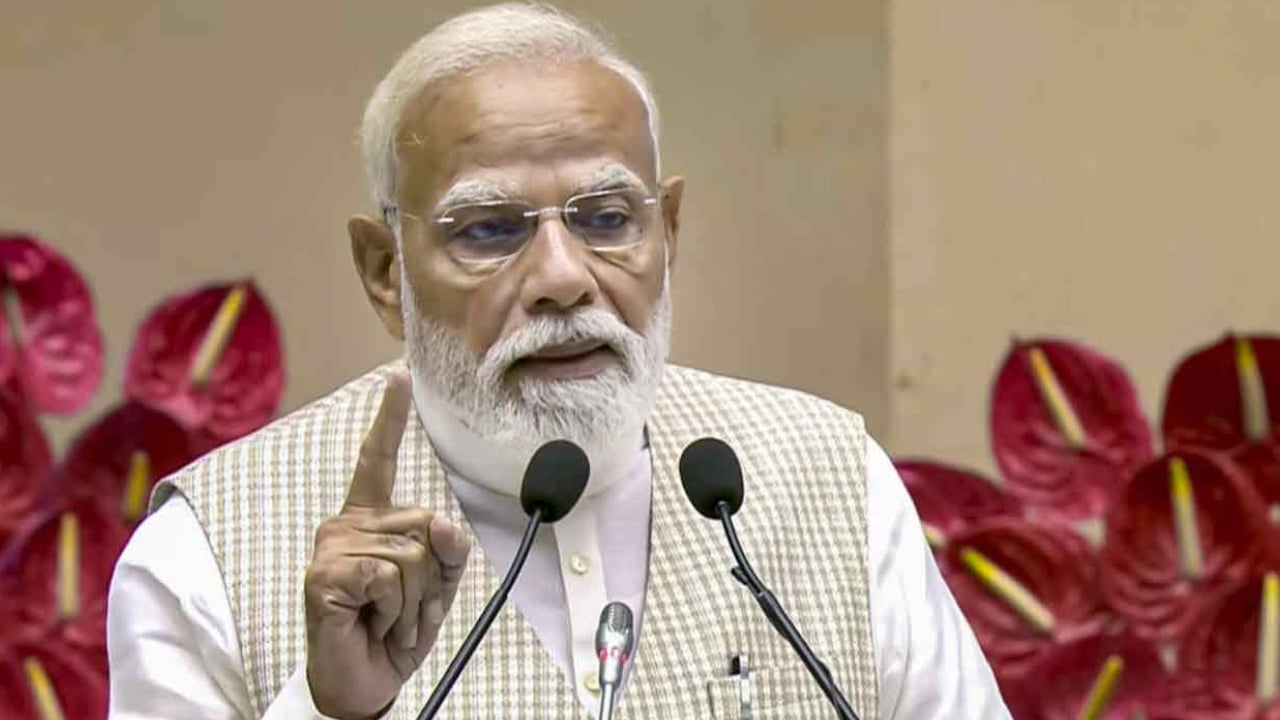
Indian Prime Minister Narendra Modi has called on citizens to resume working from home, citing the deepening impact of the Iran war on India’s economy. Speaking at a public rally in Telangana on Sunday, Modi said the conflict has disrupted global supply chains and increased prices of essential imports such as petroleum and cooking oil. He urged people to reduce petrol and diesel consumption and use less edible oil in cooking to help conserve foreign currency reserves. Modi highlighted that India lacks large domestic oil reserves and depends heavily on imports of petroleum, diesel, gas, edible oil, gold, copper, and chemical fertilizers. The rising international prices of these commodities have strained India’s foreign exchange reserves. To mitigate the pressure, Modi advised citizens to avoid foreign travel and refrain from buying gold jewelry for the next year. He also appealed to farmers to cut their use of chemical fertilizers by half, emphasizing the need for national restraint in consumption to safeguard economic stability during the ongoing global crisis.
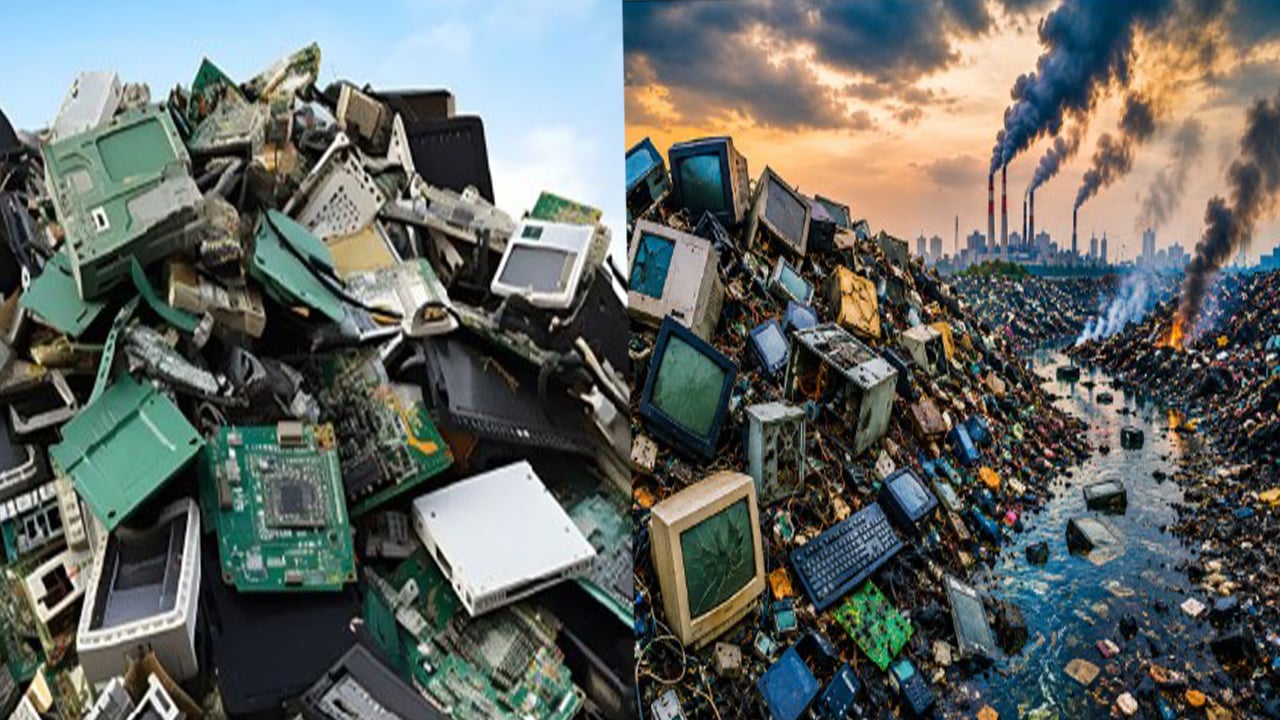
The rapid advancement of technology has led to a surge in electronic waste, posing a severe threat to the environment and public health. Discarded devices such as smartphones, laptops, televisions, and batteries contain toxic substances like lead, mercury, and cadmium that contaminate soil, water, and air when improperly disposed of. In Bangladesh, unregulated recycling centers in major cities often burn or dismantle old electronics in unsafe conditions, exposing workers and nearby residents to harmful fumes and pollutants. The article highlights that both domestic and international factors are driving the rise of e-waste. Frequent device upgrades, low-quality electronics, and imports of used products from developed countries have intensified the problem. Many workers, including children, handle hazardous materials without protection, increasing health risks. To address this crisis, the report calls for public awareness campaigns, safe disposal practices, and the establishment of modern e-waste collection and recycling systems. The government is urged to implement international-standard facilities to recover valuable materials without harming the environment.
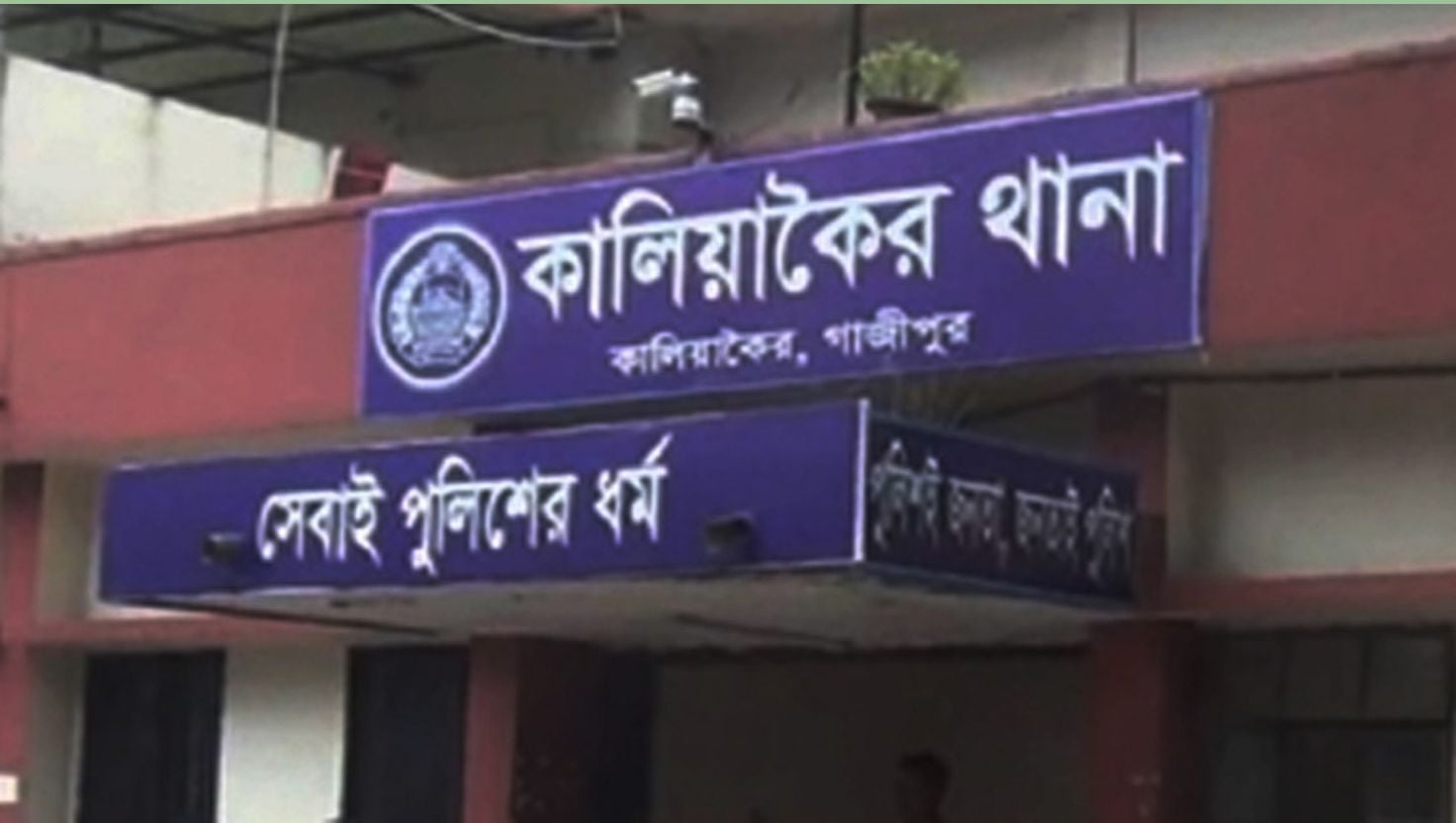
Police in Kaliakair, Gazipur have filed a case against 200 unidentified individuals following the killing of three men suspected of cattle theft. The incident occurred early Sunday in the Bagchala area of Fulbaria when locals attacked the men after suspecting them of being cattle thieves. The victims were severely beaten and later declared dead at Gazipur Shaheed Tajuddin Ahmad Medical College Hospital. According to police and local sources, the suspects had entered the village in a pickup truck, prompting suspicion among residents. The crowd set fire to the vehicle before police and fire service personnel arrived to control the situation. Local union member Mofizur Rahman said cattle theft incidents had increased in the area ahead of Eid-ul-Azha. Police later recovered the bodies and conducted autopsies. Sub-Inspector Shafiqul Islam of Fulbaria Police Camp filed the murder case, and Officer-in-Charge Shahidul Islam confirmed that an investigation is underway to determine the exact cause of the incident. The case has created widespread fear in the locality.
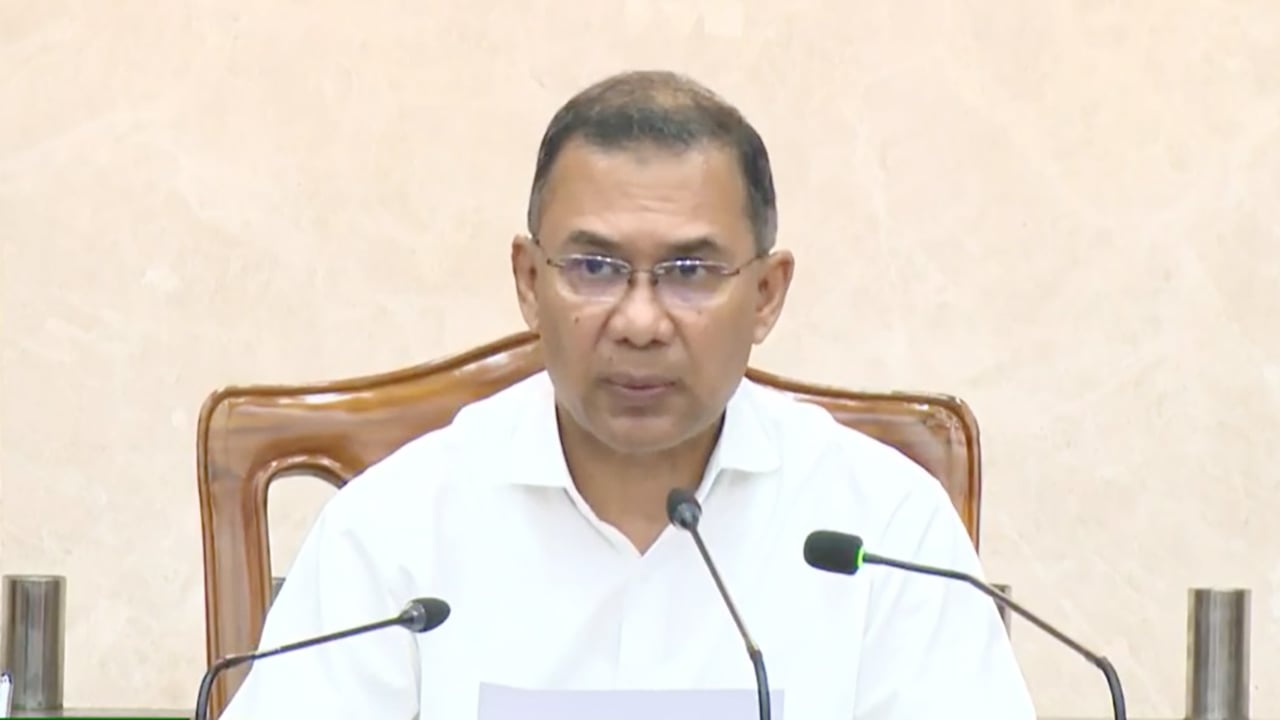
Prime Minister Tarique Rahman stated that a neutral police administration is essential for the success of any government. He made the remarks on Monday morning at the Prime Minister’s Office in Tejgaon, Dhaka, during an event marking Police Week. Rahman emphasized that neither governments nor police positions are permanent, underscoring the importance of impartiality in law enforcement. Addressing police officials, the Prime Minister urged them to take firm action against corruption and terrorism without compromise. He instructed that anyone involved in such activities, regardless of political affiliation, should face legal consequences. Rahman reminded the police that maintaining law and order and ensuring peace and discipline are among their core responsibilities, which must be carried out properly. The speech highlighted the government’s focus on accountability and integrity within the police force as a foundation for effective governance and public trust.
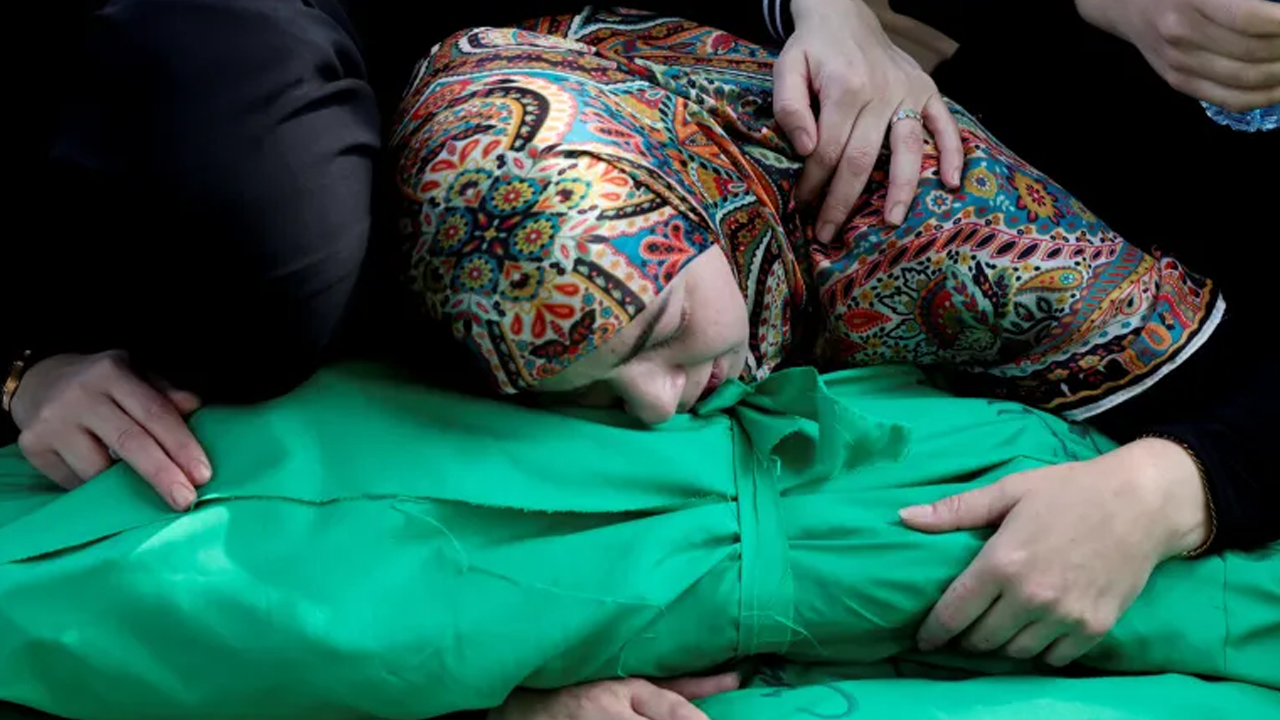
At least 51 people, including two health workers, were killed in Lebanon within the past 24 hours amid ongoing Israeli attacks. Funerals in the villages of Harret Saida and Al-Saksakiyyah drew hundreds of mourners, many of whom carried photos of their deceased relatives. Ali Safiuddin, head of Civil Defense in Tyre, said residents live under constant threat and feel as if they have already lost their lives. In Gaza, Israeli strikes on residential areas, including the Al-Shati refugee camp, killed several Palestinians. Families were seen mourning beside the ruins of their homes. According to Lebanon’s Health Ministry, Israeli aggression since March has killed 2,846 people in Lebanon, while Gaza’s death toll has surpassed 72,700. Bereaved families have appealed to the global conscience for justice. The Israeli offensive, which began on March 2, has displaced more than 1.2 million Lebanese. Despite a ceasefire declared on April 16, the intensity of attacks has continued to rise, worsening the humanitarian crisis across both Lebanon and Gaza.
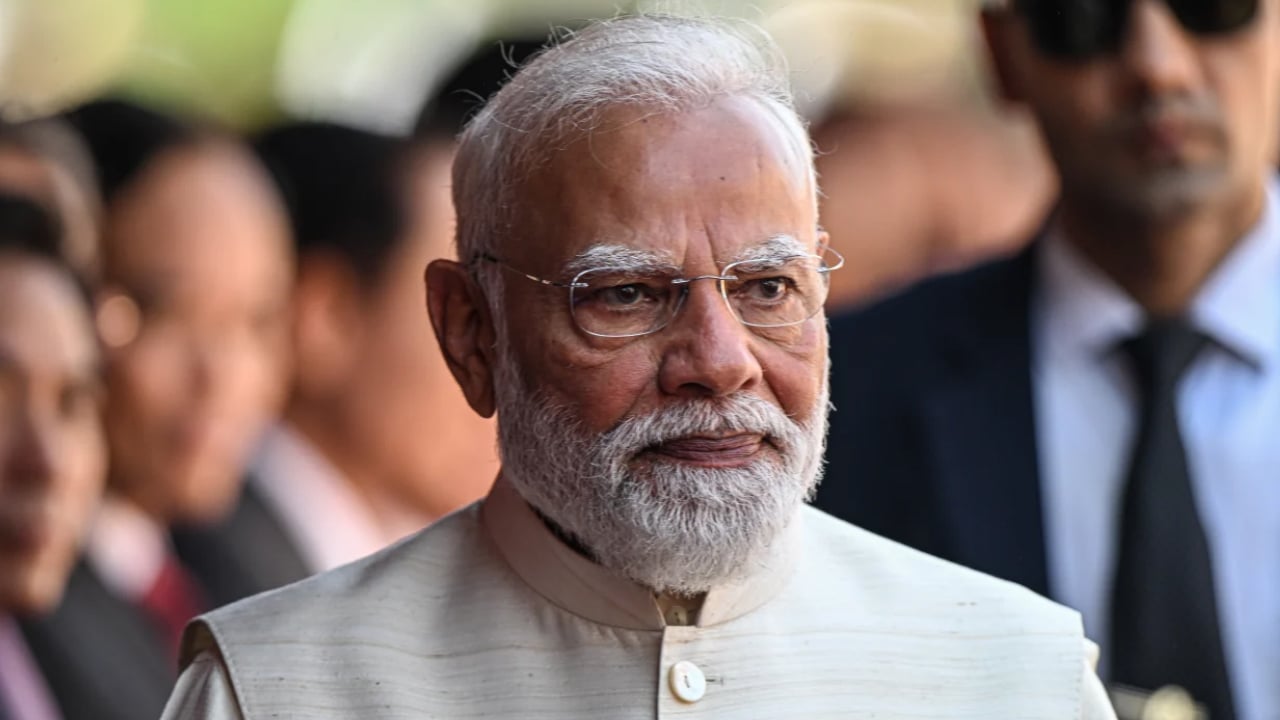
Indian Prime Minister Narendra Modi has urged citizens to refrain from organizing wedding ceremonies abroad and to conserve fuel in response to the crisis triggered by the Iran war. Speaking at a public rally on Sunday, Modi emphasized the need to reduce petrol and diesel consumption and encouraged people in cities with metro lines to use public transport. He further called for saving foreign currency by avoiding the purchase of gold jewelry and postponing foreign travel and destination weddings for at least one year. Modi noted that a growing culture of overseas weddings and vacations among the middle class should be reconsidered in the current situation. India, with a population exceeding 1.4 billion, depends heavily on oil and gas imports from the Middle East. The ongoing tensions in the Strait of Hormuz have made India one of the countries most affected by the regional instability.
The Supreme Court of Bangladesh has released the full verdict restoring the political registration of Bangladesh Jamaat-e-Islami. The High Court had earlier canceled the party’s registration during the previous Awami League government, but the Appellate Division overturned that decision after more than a decade. The complete copy of the verdict was published on Monday. The appeal was heard by a four-member Appellate Division bench led by Chief Justice Syed Refaat Ahmed, with Justices Md Ashfaqul Islam, Zubayer Rahman Chowdhury, and Md Rezaul Haque as members. The High Court had declared Jamaat’s registration illegal on August 1, 2013, following a 2009 writ petition challenging the Election Commission’s decision to grant registration. Jamaat filed a regular leave-to-appeal in 2013, which led to the final ruling. On June 1, 2025, the Appellate Division annulled the 2013 High Court verdict, restoring Jamaat’s registration and clearing the way for its return to electoral politics, including participation in the 13th parliamentary election under its party symbol.
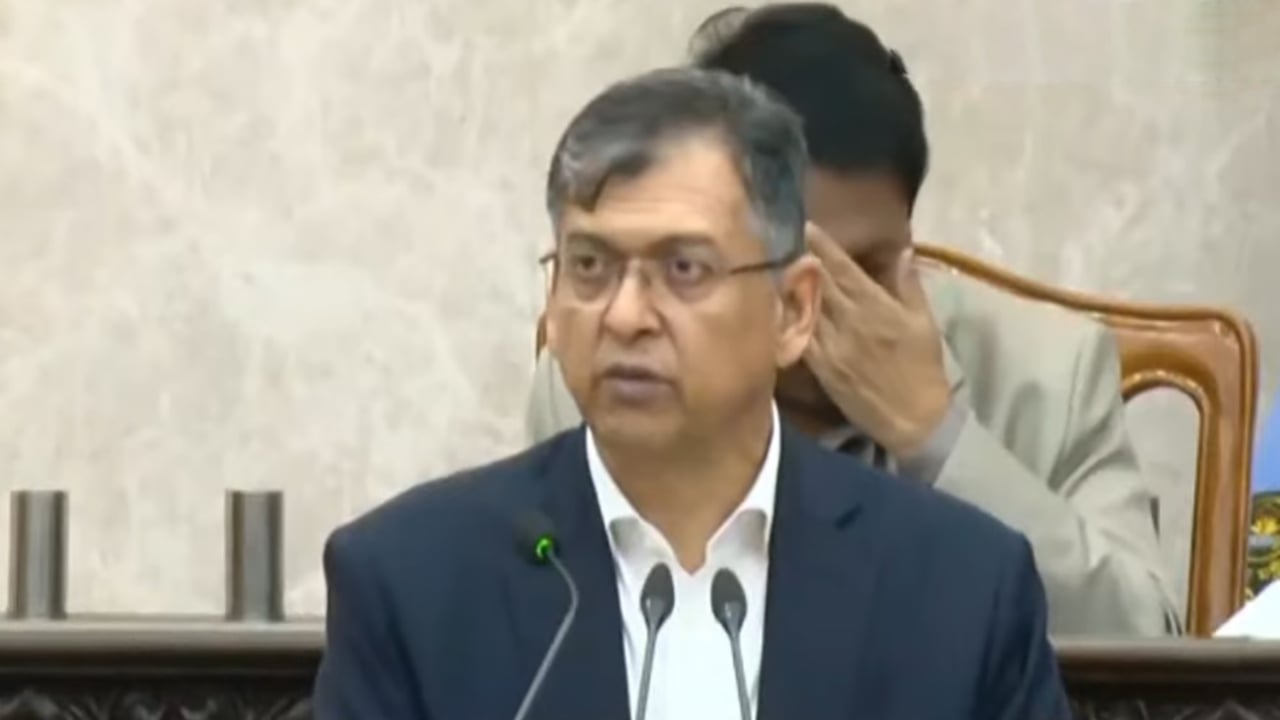
Home Minister Salahuddin Ahmed stated that strict action will be taken against any police personnel who break the chain of command. He emphasized that there will be no compromise in maintaining discipline within the force. The minister made these remarks on Monday morning at the Prime Minister’s Office in Tejgaon, Dhaka, during an event marking Police Week. He also announced the formation of a committee to draft legislation for establishing a cybercrime unit within the police. To enhance transparency in police operations, traffic management, and other activities, he said the use of body-worn cameras will be expanded. The government plans to ensure that all operational and investigative activities are recorded through these cameras in the future. Addressing police members, the minister reminded them of the importance of upholding human rights while conducting investigations and supporting prosecution teams. He urged officers to carry out their duties strategically and responsibly to ensure fair and lawful operations.
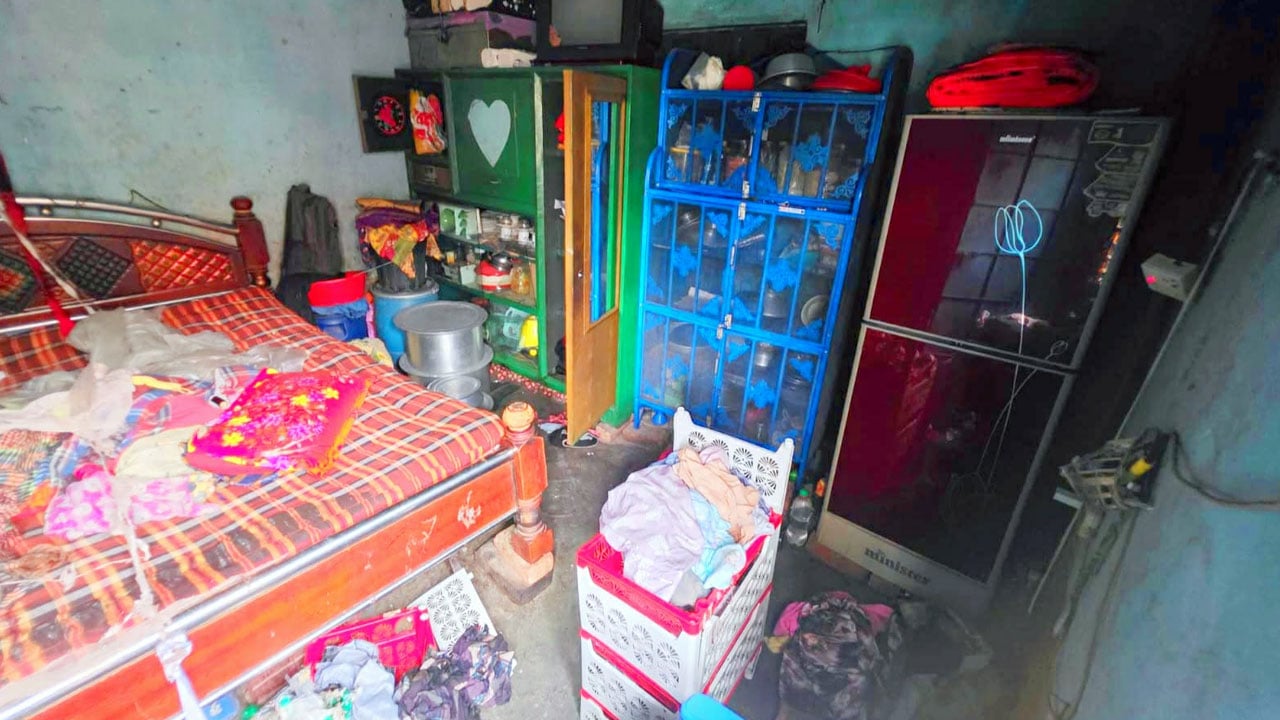
A speeding passenger bus lost control and crashed into a shop at Valaiyapur Bazar in Chuadanga on Sunday, May 10, injuring at least two people. The incident occurred when a Tazim Paribahan bus, operating on the Hatboalia–Chuadanga route, hit a pedestrian named Fazlu near Khadimpur Mor on the Valaiyapur–Asmankhali road. While attempting to flee, the bus veered off and rammed into a roadside shop, injuring Shahadat Hossain, 22, who is now receiving treatment at Chuadanga Sadar Hospital. Local residents detained the bus, but the driver and helper fled the scene before police arrived. Law enforcement later seized the vehicle. Fazlu Mallik, one of the injured, was referred to Dhaka’s National Orthopedic Hospital for advanced treatment. Another unidentified person was also hurt while taking cattle across the road when the bus struck him. Police confirmed that legal proceedings are underway, though the driver and helper remain at large. Hospital officials declined to comment on the victims’ conditions.

Four members of a family were burned in a suspected gas leakage explosion in Fatullah’s Lakibazar area of Narayanganj on Monday morning. The incident occurred around 6:30 a.m. at the house of Shawkat Mia. The injured were identified as Abdul Kader, aged 50, and his three sons Mehedi, 17, Sakib, 16, and Rakib, 16. They are originally from Matlab upazila in Chandpur district. According to Abdullah Al Arifin, deputy director of the district Fire Service and Civil Defense, officials visited the site but have not yet confirmed the exact cause of the explosion. It remains under investigation whether it was due to gas leakage or another reason. On-site observations showed that furniture and a refrigerator remained intact, but doors and windows were damaged. Locals suspect accumulated gas inside the house may have triggered the blast. Dr. Shawon Bin Rahman of the National Burn and Plastic Surgery Institute reported that Abdul Kader sustained 57 percent burns, while his sons suffered burns ranging from 17 to 25 percent. All have been admitted for treatment. The incident follows another gas explosion in Kutubpur the previous day that injured five members of another family.
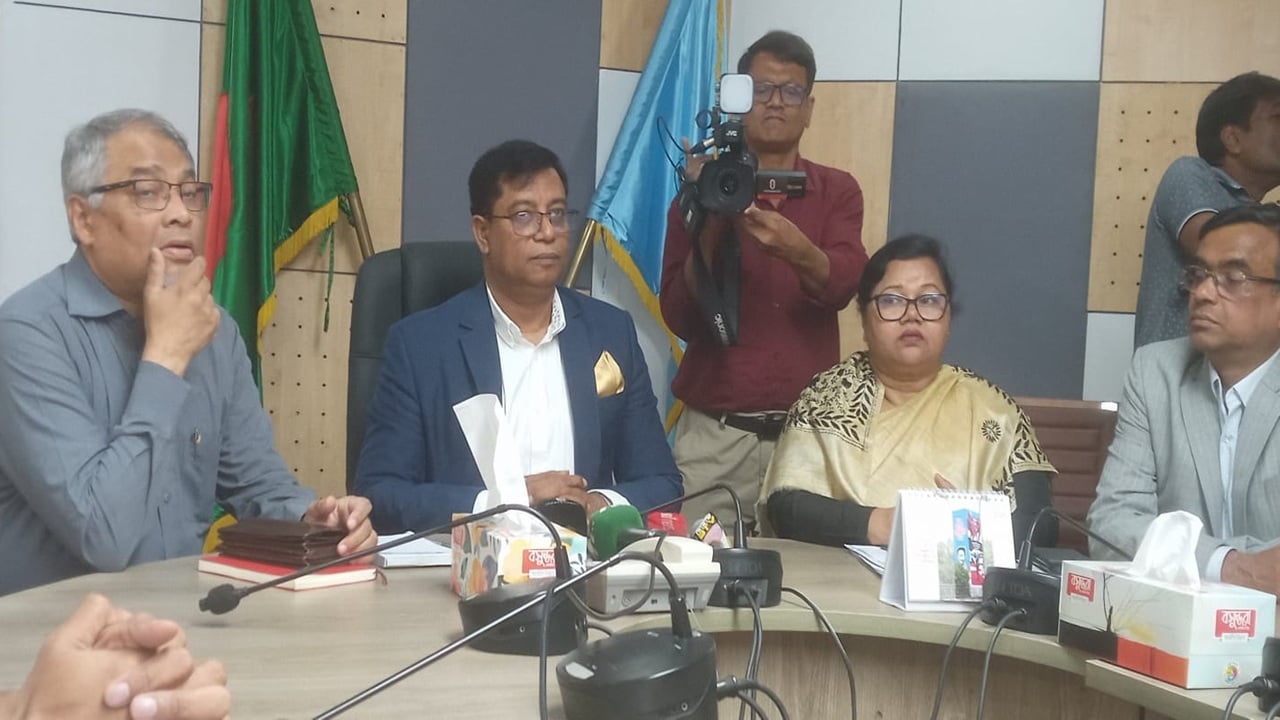
The University Grants Commission (UGC) of Bangladesh will hold a national workshop titled “Transforming Higher Education in Bangladesh: Roadmap for Sustainable Excellence” on Tuesday at the Nabab Nawab Ali Chowdhury Senate Bhaban of the University of Dhaka. Prime Minister Tarek Rahman will inaugurate the daylong event, which aims to make the country’s higher education system more modern and sustainable. Education Minister Dr. A N M Ehsanul Haque Milan and the Prime Minister’s Education Adviser Mahdi Amin will attend as special guests, while UGC Chairman Professor Dr. Mamun Ahmed will preside over the opening session. According to the UGC chairman, the workshop will feature five technical sessions focusing on graduate employability, soft skills, industry-academia collaboration, digital transformation, artificial intelligence integration, teacher development, research excellence, governance, and institutional reform. Around 850 invited participants, including academics, policymakers, government officials, and industry representatives, are expected to attend. The workshop will gather participant feedback to develop a practical policy roadmap for improving higher education quality and aligning it with global standards. The UGC expects the outcomes to support the government’s future planning and direction for the higher education sector.
The United Kingdom and France will jointly host a virtual defense ministers’ meeting on Tuesday to discuss military planning aimed at normalizing commercial shipping through the Strait of Hormuz, according to a British government statement. The announcement came just hours after Iran warned both London and Paris against deploying warships to the region. More than 40 countries are expected to participate in the meeting, co-chaired by UK Defense Minister John Healey and French Defense Minister Catherine Vautrin. The meeting follows an April gathering of military planners in London, where discussions focused on implementing a multinational mission led by the UK and France to secure the vital waterway after a sustainable ceasefire. Both countries have already deployed naval assets to the Middle East: France sent its nuclear-powered aircraft carrier Charles de Gaulle, while the UK dispatched the destroyer HMS Dragon. Officials said these deployments are part of preparations for an international mission to safeguard maritime traffic. Iran’s deputy foreign minister warned that any foreign warships entering the strait would face an immediate and firm response, asserting that only Iran can ensure its security. French President Emmanuel Macron later clarified that France supports a coordinated security mission involving Iran rather than unilateral naval deployment.
The ‘1 Nojor’ media platform is now live in beta, inviting users to explore and provide feedback as we continue to refine the experience.