

The ‘1 Nojor’ media platform is now live in beta, inviting users to explore and provide feedback as we continue to refine the experience.
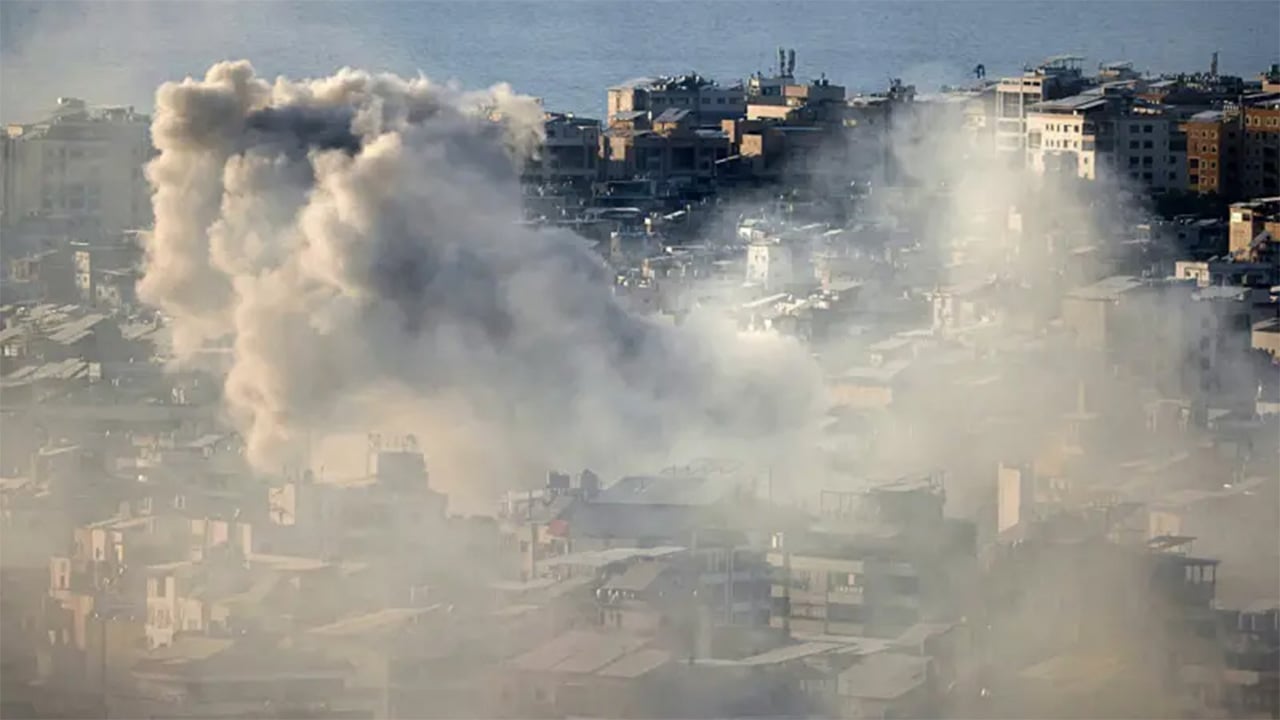
At least 11 people were killed in a series of Israeli airstrikes across several towns and villages in southern Lebanon, according to Lebanon’s Health Ministry and local media reports on Friday. Four people, including two women, died in an attack on the Tura area of Tyre district, where at least eight others were injured. The National News Agency of Lebanon reported that another four people were killed in a separate strike on the city of As-Sultaniyah. Additional operations were carried out in the Bint Jbeil district, including the towns of Chakra, Barashit, and Safad al-Batikh. In another incident, three people were killed in the village of Al-Zahrani when an Israeli strike targeted a car on the Arab al-Jal-Houmin al-Tahta road, also hitting a passing motorcyclist. The recent wave of attacks has worsened security conditions in Lebanon’s southern border areas, with growing civilian casualties spreading fear among local residents. Reports indicate that the situation remains tense as the number of victims continues to rise, heightening concerns over further escalation in the region.
Information Minister Zahid Uddin Swapon stated that the government will not allow any crime in Bangladesh to lapse, regardless of who committed it. Speaking on Friday at the National Museum auditorium in Dhaka during an event organized by the Shapla Smriti Sangsad, he said this includes crimes from the 1971 Liberation War genocide to the Shapla Chattar killings. He emphasized that the current government, led by Tarique Rahman, has already honored the victims of the Shapla incident in the first parliamentary session. Swapon noted that the government’s recognition of the Shapla victims was intended to send a message that no crime will go unaddressed. He called for collective cooperation to ensure justice. The event’s speakers demanded justice, truth disclosure, and state recognition for those killed in the 2013 Shapla Chattar incident. Swapon assured that these demands would be conveyed to the Prime Minister and the BNP Chairperson. Other speakers, including leaders from various Islamic and political organizations, described the Shapla movement as a historic struggle and urged national unity to honor the martyrs and protect the country’s sovereignty and religious values.

Dhaka University Central Students’ Union (DUCSU) Vice President and Bangladesh Islami Chhatra Shibir’s Central International Secretary Sadiq Kayem is set to get married on May 13. His bride-to-be, Anika Forayezi, is an MBBS doctor from Porikot village in Gunabati Union, Chauddagram, Comilla. The marriage ceremony (akd) will take place at Dhaka University’s Central Mosque, confirmed her father Ayub Ali Forayezi, who is the Vice Chairman of Reliance Group and Chairman of Probashi Bangla Properties Limited. The akd will be attended by DUCSU leaders and students, and a main reception is planned later at a convention center in Dhaka. The news of the DUCSU VP’s marriage has already drawn wide attention on social media, particularly after a wedding card image circulated online. Comilla City Chhatra Shibir President Hasan Ahmed expressed joy over the marriage, calling it a proud moment for Comilla residents. Chauddagram Upazila Jamaat Amir Muhammad Mahfuzur Rahman said the guest list for the Dhaka reception will be finalized soon.

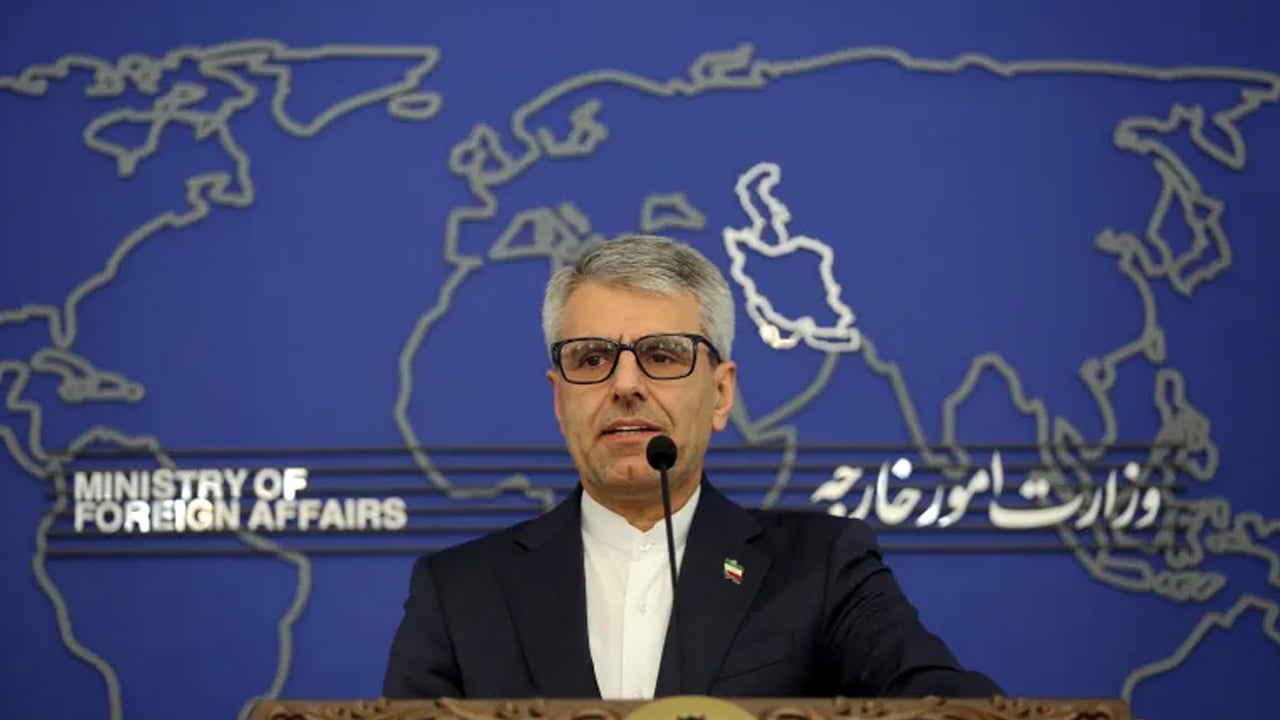
Iran is still reviewing the latest proposal from the United States aimed at ending the ongoing conflict, according to Foreign Ministry spokesperson Esmail Baghaei. In remarks published by the semi-official Tasnim news agency, Baghaei said Tehran is carefully considering Washington’s new offer and will make its decision based on national interests. He also accused the United States of violating ceasefire agreements and international law following a recent attack in Iran, claiming that American actions have further endangered regional stability. Baghaei added that Iran’s armed forces are closely monitoring the situation and remain fully prepared to respond to any aggression or reckless moves. Tehran’s stance has introduced new diplomatic uncertainty in the Middle East, where prospects for negotiation coexist with the persistent risk of military escalation.
Pakistan’s Interior Minister Mohsin Raza Naqvi paid tribute at the graves of late President Ziaur Rahman Bir Uttam and former Prime Minister Khaleda Zia in Dhaka. The visit took place on Friday afternoon at Zia Udyan in Sher-e-Bangla Nagar, where Naqvi placed floral wreaths and offered prayers after visiting the graves. According to the report, Pakistan’s High Commissioner to Bangladesh Imran Haider and several others were present during the tribute. The event marked a gesture of respect from the visiting Pakistani minister during his time in Bangladesh. No further details about the purpose or outcomes of the visit were mentioned in the source.

An Iranian-flagged commercial vessel was reportedly attacked by the US Navy in the Strait of Hormuz and adjacent waters of the Gulf of Oman, according to Iran’s semi-official Mehr News Agency. The incident occurred on Tuesday night near the coastal waters of Minab County, where the cargo ship caught fire following the strike. At least ten sailors were injured and taken to a local hospital, while five others remain missing as rescue and search operations continue. The attack has heightened tensions in one of the world’s most critical energy transport routes. The Strait of Hormuz is a key passage for global oil shipments, and any disruption there often draws international concern. As of the report’s publication, US authorities had not issued any official statement regarding the alleged attack. The absence of a US response leaves uncertainty about the circumstances and potential diplomatic fallout of the incident, which could further strain regional maritime security.

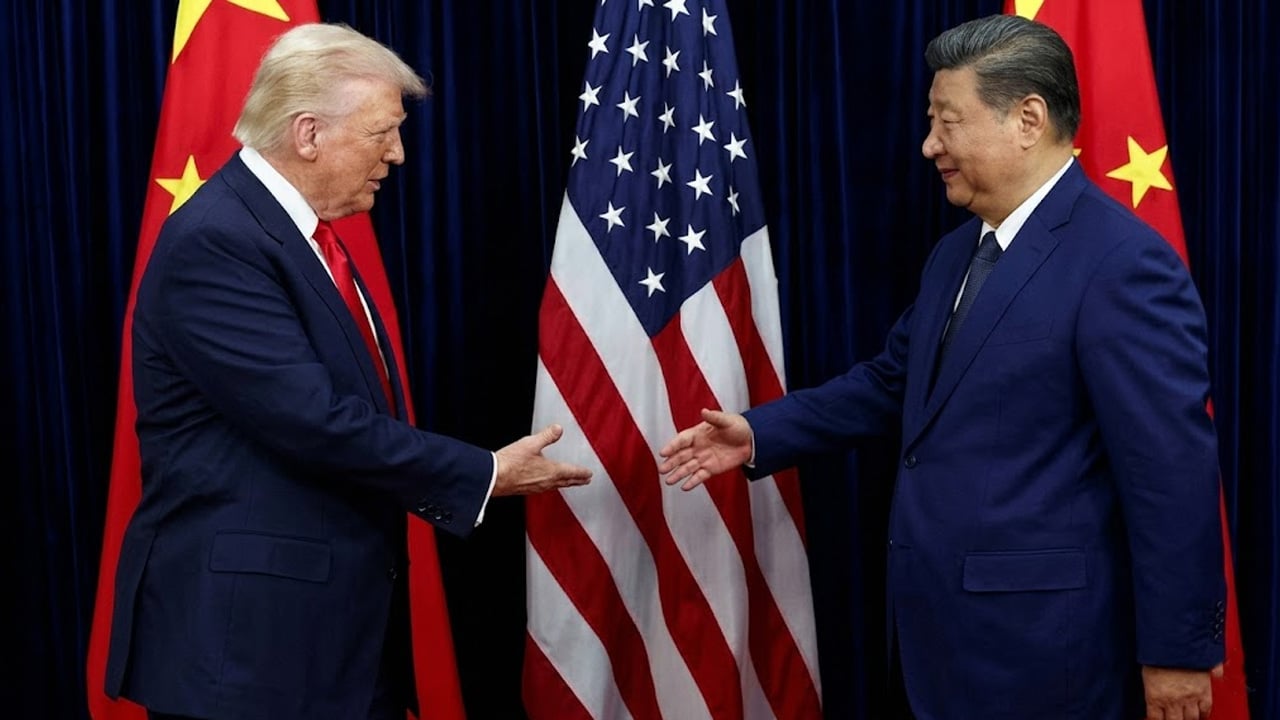
China is reassessing U.S. military strength after heavy American weapons use in the prolonged Iran war. Chinese analysts argue that Washington’s arsenal has been significantly depleted, weakening its ability to defend Taiwan effectively. According to U.S. defense assessments cited in the report, nearly half of America’s long-range stealth cruise missiles have been used since the conflict began in late February, and the number of Tomahawk missiles fired is about ten times the annual purchase volume. Retired PLA Colonel Yue Gang said the situation exposes limits to U.S. global military dominance. Chinese commentators suggest that if the U.S. struggles against Iran, it may face even greater challenges countering China over Taiwan. Ahead of next week’s Trump–Xi summit, Beijing believes this could weaken President Trump’s diplomatic leverage, while China seeks stability and reduced U.S. support for Taiwan. U.S. officials have rejected Beijing’s analysis, insisting that deterrence against China remains intact. Analysts note that China’s own military faces internal challenges, though the conflict has raised doubts among Asian allies about Washington’s reliability as a security partner.
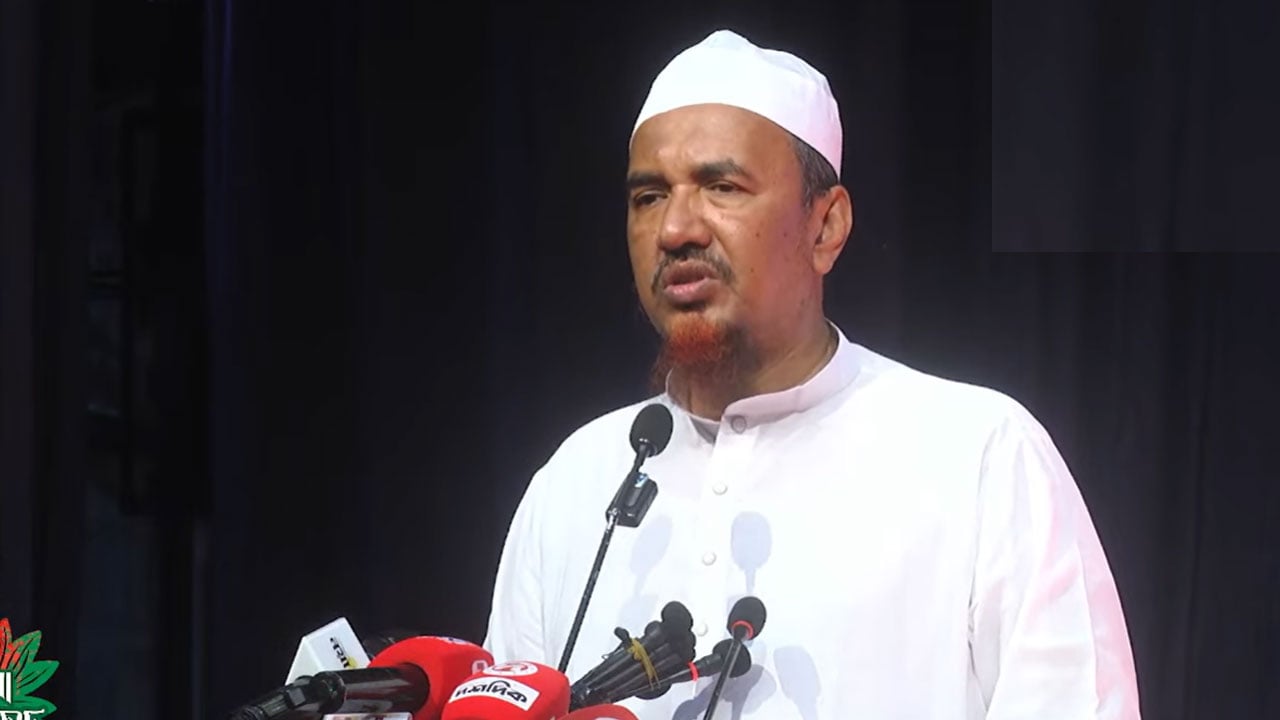
Bangladesh Khelafat Majlis Secretary General Jalal Uddin criticized the BNP for avoiding political risks, saying the party prefers to benefit from others’ struggles. He made the remarks on Friday afternoon at the National Museum’s main auditorium during the launch of the commemorative book ‘Shahidnama,’ organized by the Shapla Smriti Sangsad, which also featured a documentary screening and award ceremony. Jalal Uddin said that on the day of the 2013 Shapla Chattar incident, then BNP Chairperson Begum Khaleda Zia had urged her party members to stand beside Hefazat activists. He argued that if BNP activists had responded, Bangladesh might have been freed from fascism in 2013. He added that the July uprising that removed a fascist regime was built on the sacrifices of scholars and students at Shapla Chattar. He called for including the Shapla Chattar events in school, college, and madrasa curricula and demanded a speedy trial for what he described as the massacre there. The event was presided over by Shapla Smriti Sangsad Chairman Maulana Muhammad Mamunul Haque.
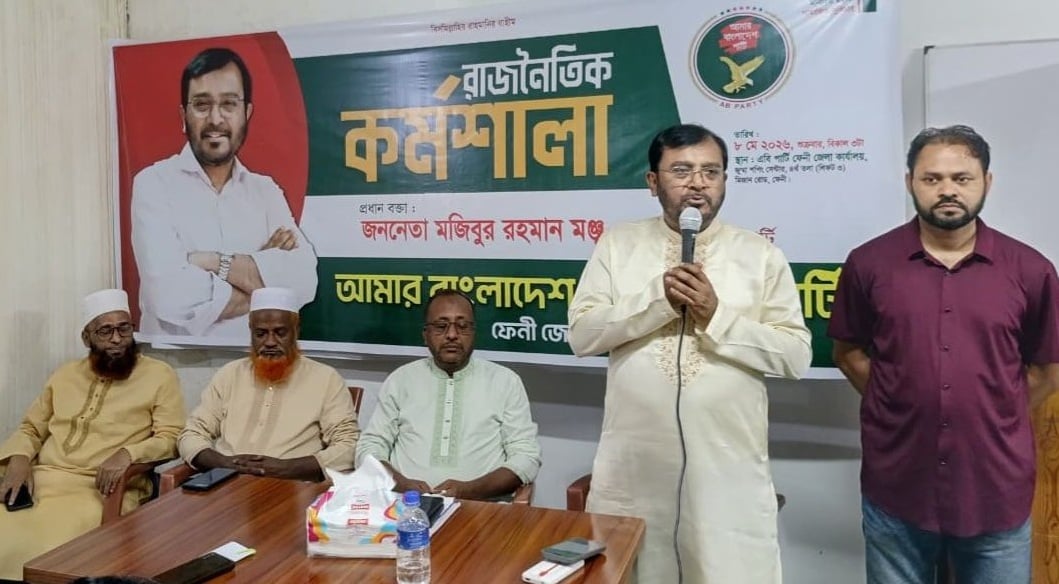
AB Party Chairman Mojibur Rahman Monju stated that citizens will distinguish between the BNP and Awami League based on corruption, partisanship, terrorism, and rising commodity prices. He made the remarks on Friday at a political workshop organized by the AB Party at its district office on Mizan Road in Feni city. Monju argued that both major parties share similar family-based leadership and bourgeois characteristics. He said people will evaluate the two parties through their real-life experiences under these four governance issues. Referring to the aftermath of the 2024 mass uprising, he noted that if citizens see no meaningful change, frustration and anger may push them to reconsider their political choices. He further explained that the AB Party had sought reforms before elections, but the BNP preferred quick polls to avoid restrictions that could have barred loan defaulters and holders of illicit wealth from contesting. Monju emphasized that without systemic reform, the rise of new politics would remain impossible.
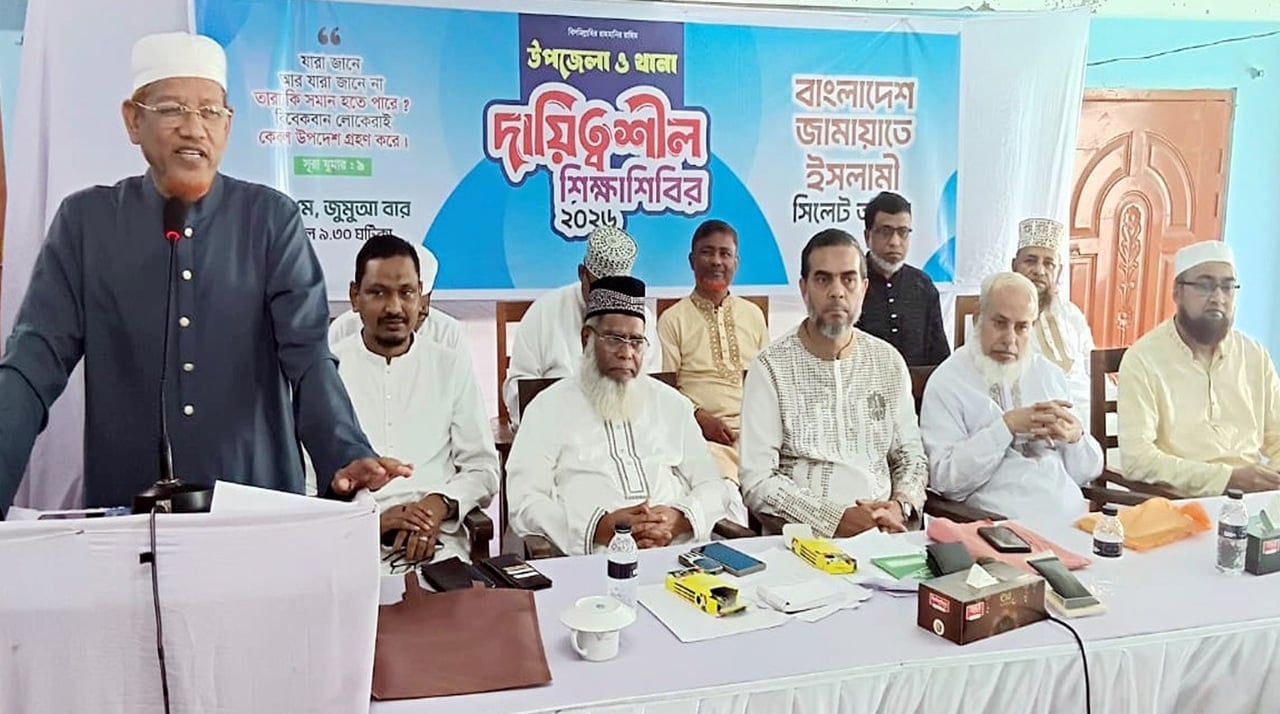
Dr. A.H.M. Hamidur Rahman Azad, Assistant Secretary General of Bangladesh Jamaat-e-Islami and former MP, stated that no government can gain public confidence by disregarding the outcome of a referendum. He made the remarks on Friday morning while addressing a gathering of Jamaat’s upazila and thana-level leaders from the Sylhet region. The event was chaired by Advocate Ehsanul Mahbub Zubair and attended by senior Jamaat leaders from Sylhet, Sunamganj, Moulvibazar, and Habiganj. Azad said the nation had hoped for change following the student and public uprising of August 5, 2024, but the new government had betrayed that hope by nullifying the referendum and ignoring the July Charter. He accused the authorities of moving toward a new form of fascism and warned that such actions would have consequences. He reaffirmed Jamaat’s commitment to building a humane and discrimination-free Bangladesh in line with the aspirations of those who were martyred or injured during the uprising. Azad also emphasized that the Islamic movement has always faced oppression and sacrifice, asserting that Jamaat’s leadership remains undeterred despite past conspiracies and injustices.
The Trump administration has approved the sale of advanced air defense missiles and related military services worth about $17.1 billion to Kuwait, the United Arab Emirates, and Bahrain, even as U.S. missile stockpiles decline due to the ongoing Iran war. The U.S. State Department formally notified Congress of the deal last Friday but did not publicly announce it that day. The total approved arms sales reached $25.7 billion, with $8.64 billion in new emergency sales and the remainder expanding previous agreements. The package extends earlier deals from 2019 and 2024 and includes Patriot interceptor missiles valued at roughly $4 million each. Kuwait’s share amounts to $9.3 billion, the UAE’s to $6.25 billion, and Bahrain’s to $1.625 billion. Meanwhile, Qatar has placed an additional $4 billion order for about 1,000 Patriot missiles. Since the Iran conflict began in late February, the U.S. has used over 1,300 interceptors, while Gulf partners have launched about 600. Pentagon officials warn that rising foreign sales could strain U.S. readiness, as current production exceeds only 600 interceptors annually. Critics in Congress argue the administration is bypassing oversight by invoking emergency powers for rapid arms transfers.

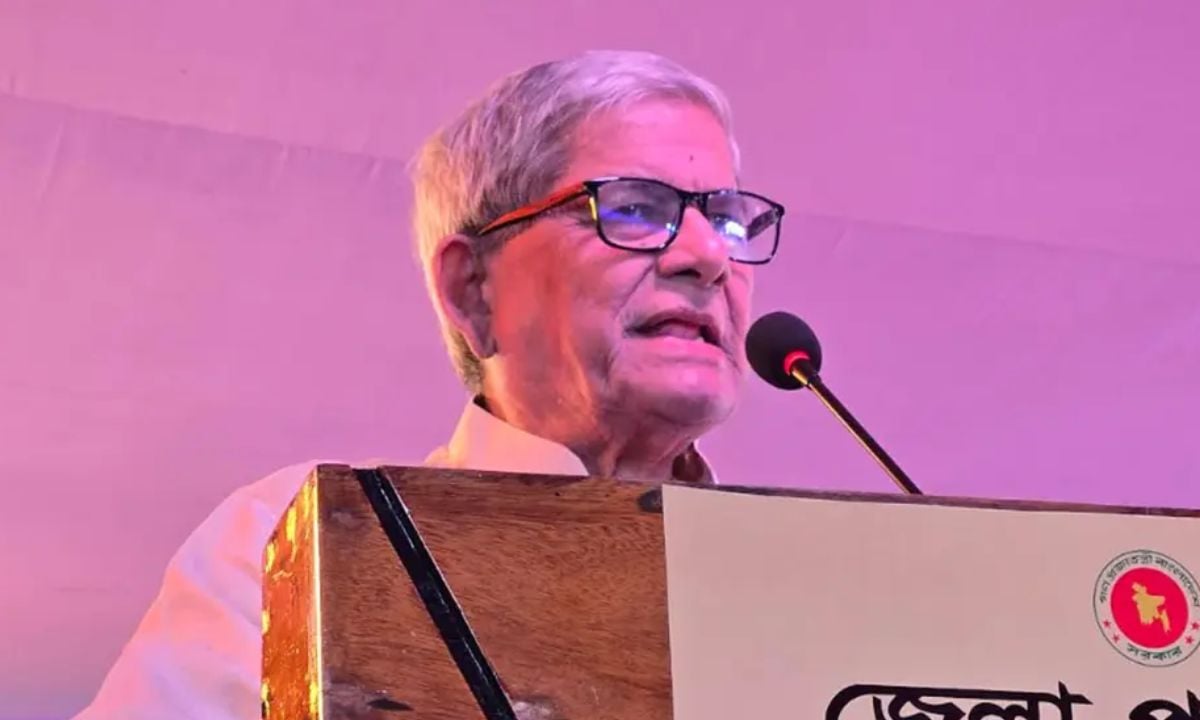
Local Government, Rural Development and Cooperatives Minister and BNP Secretary General Mirza Fakhrul Islam Alamgir said Rabindranath Tagore was not only a poet but also a philosopher. He made the remarks on Friday at Patishar in Naogaon while addressing a program marking the 165th birth anniversary of the world poet. Fakhrul described Tagore as a creative personality whose works span all branches of literature and said that those who label him as communal lack understanding. He highlighted that Tagore had initiated agricultural bank activities in Patishar to improve the lives of farmers and introduced modern agricultural concepts. Fakhrul added that the current government continues to work for the development of agriculture and farmers in line with Tagore’s vision. The event was organized by the Naogaon district administration with support from the Ministry of Cultural Affairs and chaired by Rajshahi Divisional Commissioner Dr. A N M Bazlur Rashid. The program included speeches from several ministers and cultural performances by artists from local Shilpakala Academies. The Patishar area took on a festive atmosphere as visitors and Rabindra enthusiasts gathered to celebrate the poet’s birth anniversary.
Education Minister Ehsanul Haque Milon announced that work is ongoing to implement Bangladesh’s new curriculum by 2028. Speaking as chief guest at the annual general meeting of the Bangladesh Publishers and Booksellers Association and a seminar at Bangla Academy, he said a committee of experts is revising and updating textbooks. He emphasized improving paper quality and printing standards to ensure enjoyable learning and said the ministry will act to stop teachers from preparing exam questions based on note and guidebooks. Milon highlighted the government’s focus on expanding digital technology use, including distributing tablets to teachers and eventually students, to reduce reliance on traditional guidebooks. He stated that quality supplementary books will replace note-guides, ensuring publishers and sellers are not harmed. He also encouraged the publication of internationally competitive books and noted that Bangladesh could become a major book-exporting country due to its cost-effective, high-quality printing capacity. Other speakers, including state ministers for local government and liberation war affairs, discussed greater collaboration among ministries in organizing the national book fair and supporting the publishing sector. Industry representatives urged the government to recognize publishing and printing as a full-fledged industry and provide policy and financial support.

Saudi Arabia recorded a budget deficit of 125.7 billion riyals (about 33.5 billion dollars) in the first quarter of 2026, marking its largest shortfall since 2018. The deficit nearly doubled compared with the same period last year, according to data from the Saudi Ministry of Finance cited by Bloomberg. The shortfall was attributed to the economic impact of the Hormuz Strait closure and accelerated government spending. The ministry reported that to mitigate supply risks from the Hormuz disruption, the government advanced infrastructure and food import expenditures. It also invested heavily in expanding Red Sea coastal ports and increased spending on transport and logistics projects to strengthen alternative trade routes. Analysts noted that amid regional tensions and uncertainty in energy transport, Saudi Arabia prioritized economic security through early preparedness, though this approach has immediately strained the national budget.

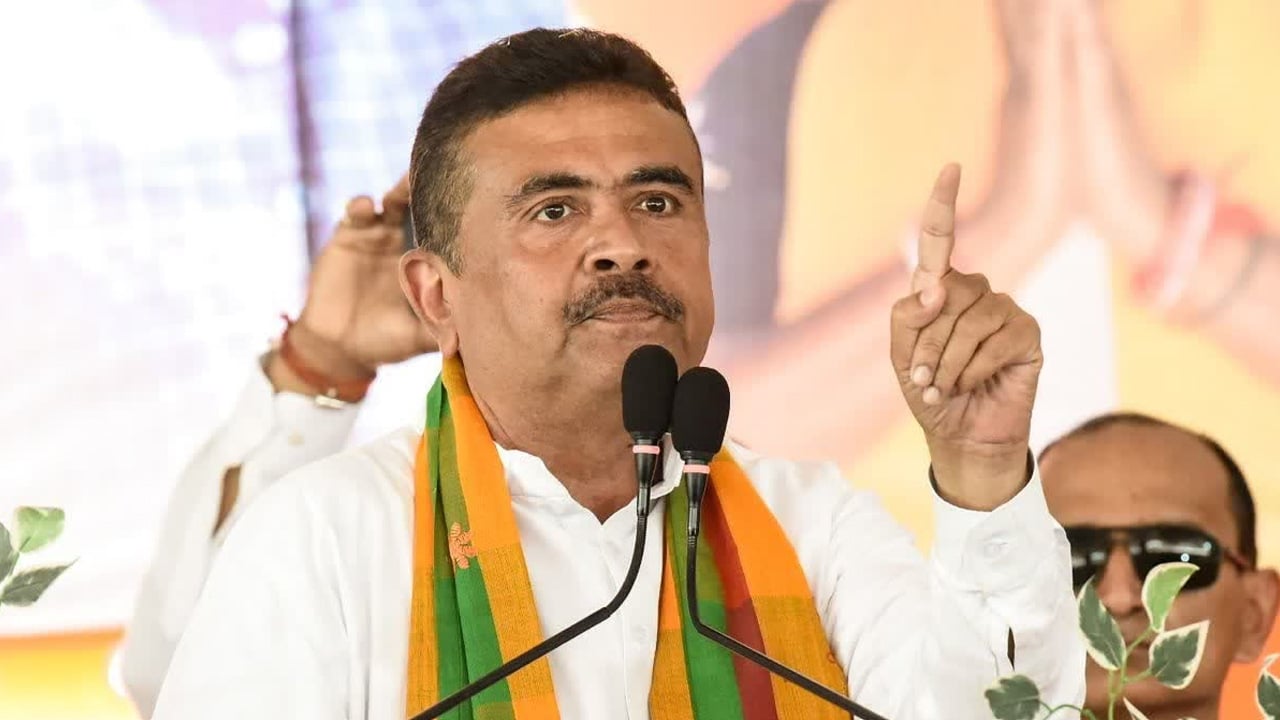
India’s Home Minister Amit Shah has formally announced Suvendu Adhikari as the new Chief Minister of West Bengal. The decision came after the Bharatiya Janata Party’s (BJP) major victory in the state assembly election, with Adhikari unanimously chosen as the parliamentary party leader during a meeting of 207 newly elected legislators at the Biswa Bangla Convention Centre in New Town. Adhikari, who left the Trinamool Congress to join the BJP in 2020, has been a prominent and often controversial figure in West Bengal politics. Since 2024, several of his statements about Bangladesh have drawn attention and debate over India-Bangladesh relations. He has accused Bangladesh of minority persecution, threatened to halt border trade, and criticized the country’s military capability. His remarks also included calls for international intervention in Bangladesh’s political situation and comparisons to Israel’s actions in Gaza. By late 2025, Adhikari’s rhetoric intensified, including threats to block exports and protests targeting the Bangladesh Deputy High Commission. His comments have continued to stir political tension between the neighboring countries.
The ‘1 Nojor’ media platform is now live in beta, inviting users to explore and provide feedback as we continue to refine the experience.