

The ‘1 Nojor’ media platform is now live in beta, inviting users to explore and provide feedback as we continue to refine the experience.
Thirteen countries, including Bangladesh, have jointly condemned an Israeli military attack and the reported abduction of crew members from the 'Global Sumud Flotilla', a ship attempting to deliver humanitarian aid to Gaza. The foreign ministers of these nations issued a joint statement describing Israel’s actions as a severe violation of international law. The incident occurred on April 30 in international waters near the coast of Greece. The statement, signed by Bangladesh, Turkey, Pakistan, Indonesia, Brazil, Colombia, Jordan, Libya, Malaysia, Maldives, Mauritania, South Africa, and Spain, characterized the assault and abductions as illegal acts against civilians in international waters. It emphasized that the flotilla was a peaceful civilian initiative aimed at highlighting the humanitarian crisis in Gaza and delivering aid. The countries expressed deep concern for the detained workers’ safety and urged Israel to release them immediately and unconditionally. They also called on the international community to uphold international law, ensure civilian protection, and hold Israel accountable for violations.

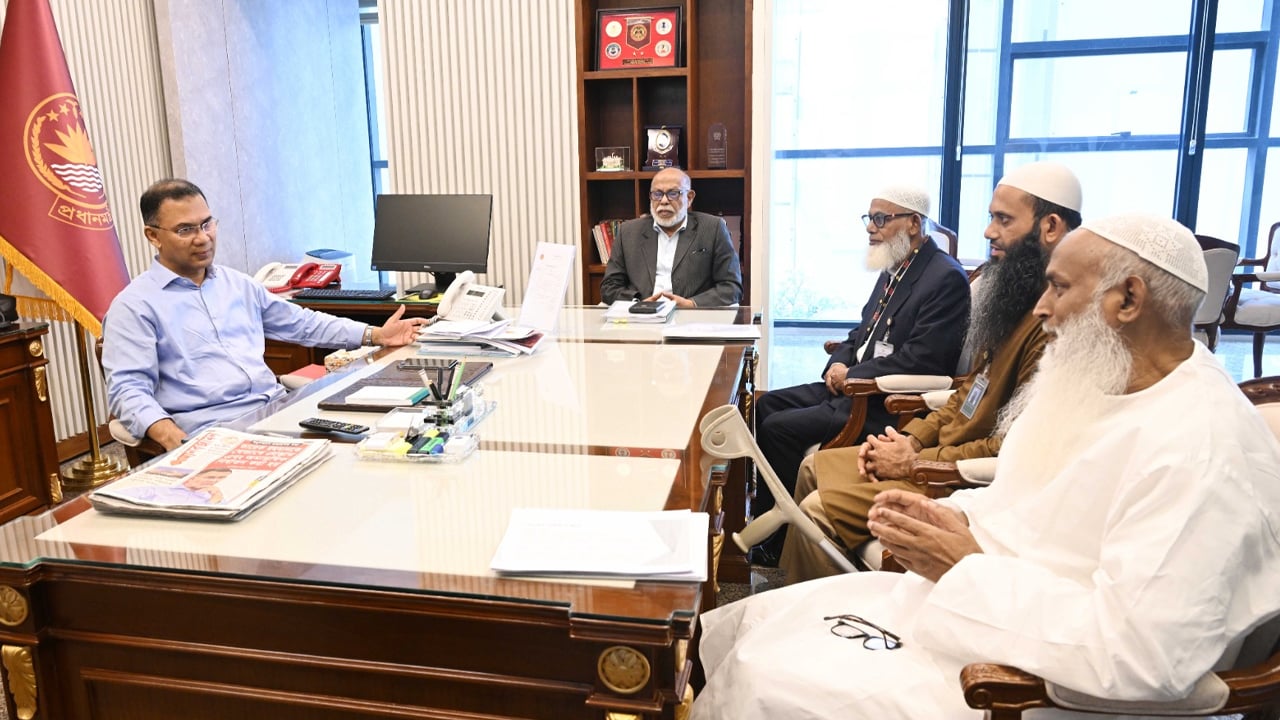
Bangladesh Prime Minister Tarique Rahman met with Waqf Administrator Safiz Uddin Ahmed on Thursday, May 7, 2026, at the Prime Minister’s Office. During the courtesy meeting, the administrator presented an overview of the current activities of the Waqf Administration and the overall management of Waqf properties across the country. The Prime Minister provided key directives on ensuring proper maintenance of Waqf properties and expanding welfare initiatives funded by their income. The meeting was also attended by Minister for Religious Affairs Shah Mofazzal Hossain Kaykobad, Member of Parliament Shamim Kaysal Linkon, and Religious Affairs Secretary Munshi Alauddin Al Azad. The discussion highlighted the government’s focus on improving transparency and efficiency in Waqf property management and enhancing their contribution to public welfare programs.
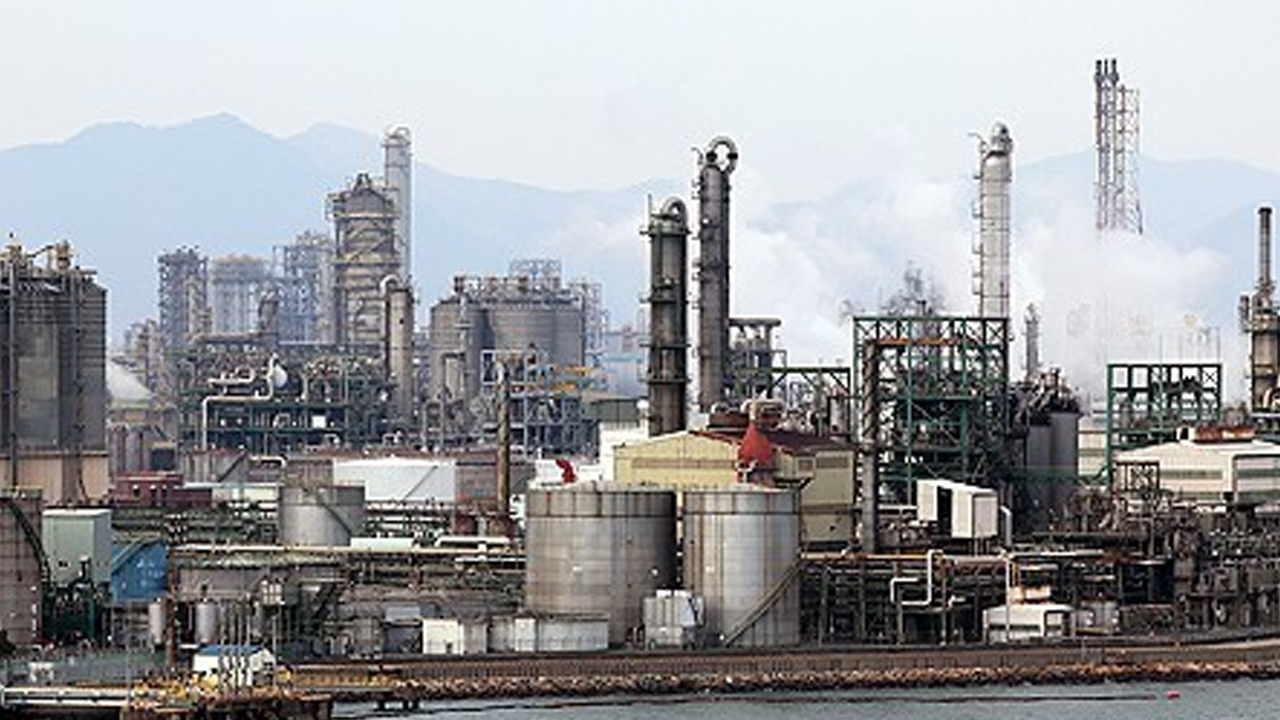
South Korea has extended its temporary ban on stockpiling petroleum products for another two months, the country’s Finance Minister Koo Yun-cheol announced. The decision comes as global energy supply concerns persist due to instability in the Middle East. The measure, initially imposed in March to prevent unfair trading, was set to expire next week but will now remain in effect for two additional months. According to the state news agency Yonhap, the government introduced the restriction earlier this year to curb speculative hoarding of fuel products. The extension aims to stabilize the domestic energy market and ensure fair distribution amid fears of supply disruptions caused by ongoing conflicts in the Middle East. Officials described the move as a precautionary step to mitigate potential risks to South Korea’s energy security while monitoring global developments closely.
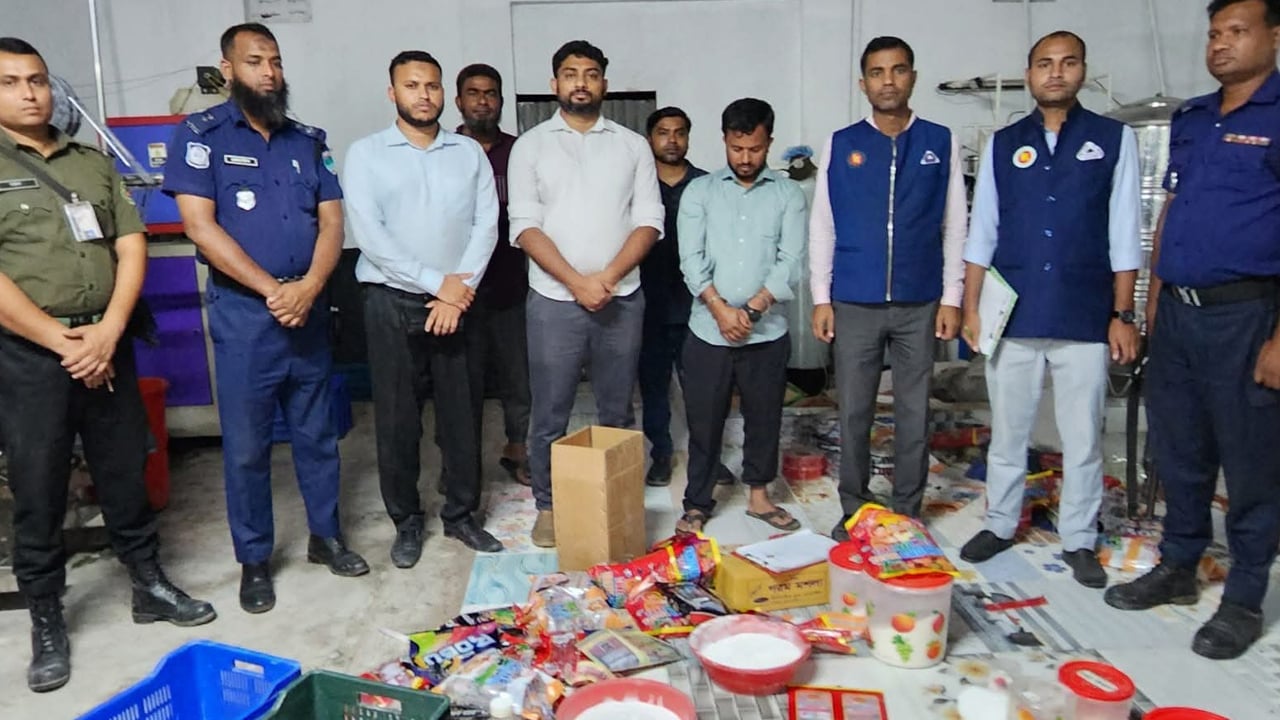
A mobile court in Bheramara upazila of Kushtia conducted a raid on an unlicensed factory producing counterfeit baby food items including juice, jelly, and liquid yogurt. The operation took place on Wednesday night, May 6, in the Satbaria area of Dharmapur Union. Factory owner Majnu Hossain was fined 100,000 taka, and a large quantity of fake products was destroyed on site. The raid was led by Bheramara Upazila Nirbahi Officer Rafiqul Islam and Assistant Commissioner (Land) Dr. Gazi Ashiq Bahar, with participation from BSTI Kushtia inspector Asif Karim, field officer Khairul Islam, and local police and Ansar members. According to court sources, the factory had been producing baby food using labels of well-known companies collected from Dhaka’s Chawkbazar, without any government approval and under unhygienic conditions, posing serious health risks. In a separate operation in the same area, Shahadat Hossain was fined 30,000 taka for possessing bottled sexual stimulant medicines without a license. The upazila administration stated that similar drives against illegal and adulterated factories will continue to protect public health.
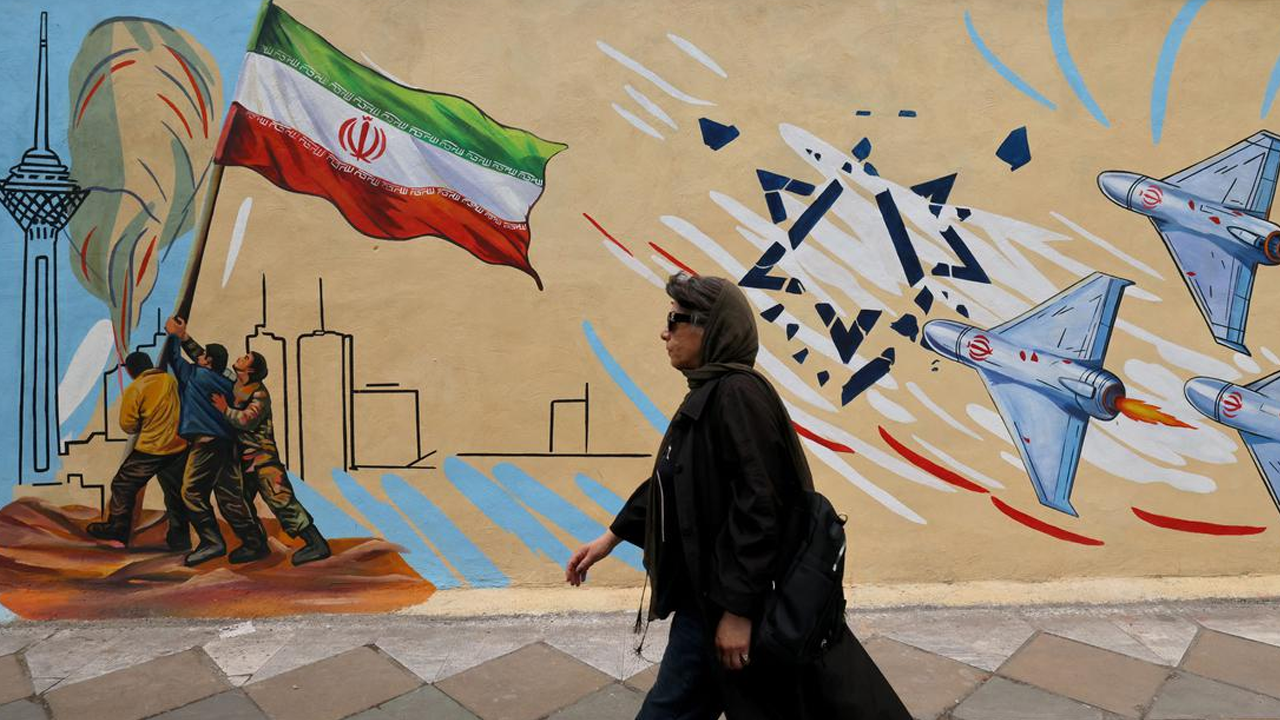
Iran has toughened its position on key issues ahead of any potential negotiations, declaring firm red lines on its nuclear program and control over the Strait of Hormuz. According to reports from Tehran, the government has made clear that uranium enrichment activities are non-negotiable, and it will not transfer its stockpile of highly enriched uranium abroad. The move signals a more rigid approach as discussions with international counterparts are anticipated. As a second red line, Iran has emphasized its regional military posture and sovereignty over the strategic Hormuz Strait. The country has strengthened its control over the waterway, introducing new protocols requiring all transiting vessels to coordinate with the Islamic Revolutionary Guard Corps (IRGC) Navy. Ships must now obtain transit permits and pay mandatory tolls or fees to the IRGC. Observers view these measures as Tehran’s main strategic response amid recent regional tensions. The new regulations underscore Iran’s intent to assert authority over critical maritime routes and resist external pressure on its nuclear and defense policies.
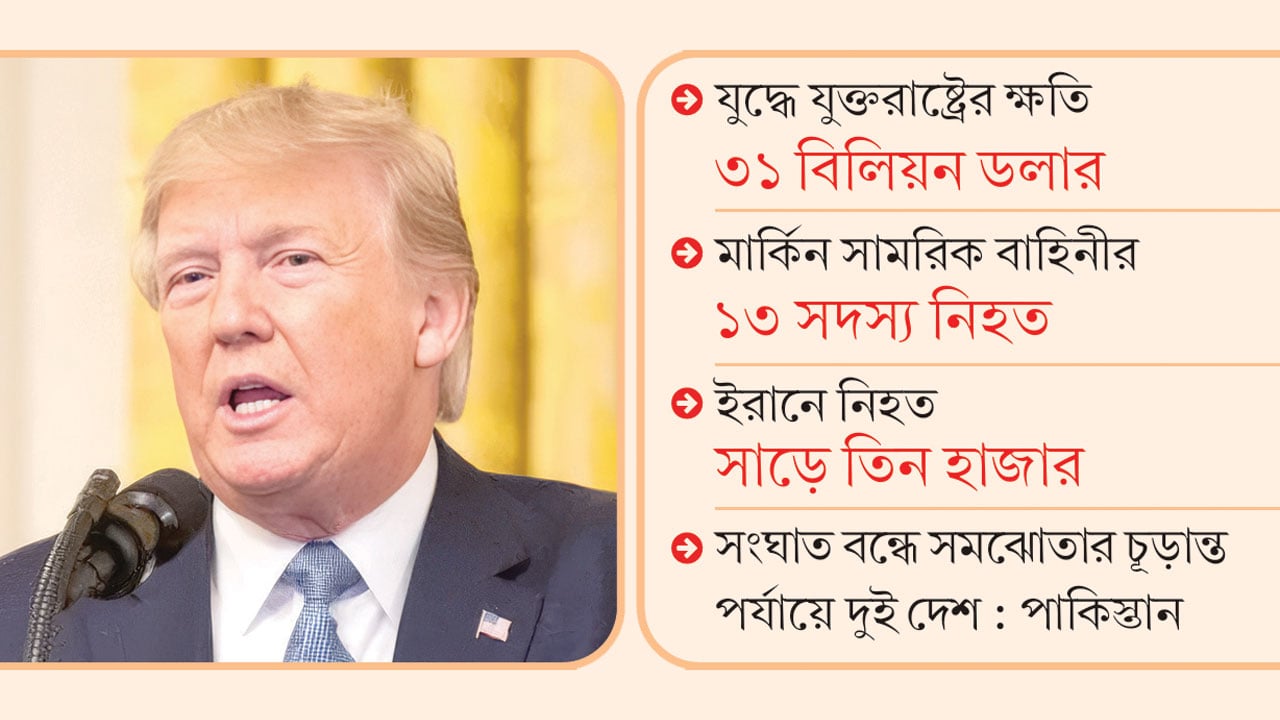
The United States has declared an end to its joint military operation with Israel in Iran, known as “Operation Epic Fury.” U.S. Secretary of State Marco Rubio announced the decision at a White House press conference, saying Washington’s objectives had been achieved. President Donald Trump also suspended “Project Freedom” in the Strait of Hormuz, citing progress toward a peace agreement with Tehran. Iran has not yet commented, maintaining that it will withdraw only after securing full control over Hormuz and assurances against future attacks. According to reports, the two countries are close to signing a one-page memorandum of understanding that would suspend Iran’s uranium enrichment program in exchange for lifting U.S. sanctions and returning frozen funds. The war, which began on February 28, caused heavy losses: the U.S. spent about $31 billion, while Iran suffered damages worth $270 billion. Thousands were killed across the region, including in Iran, Lebanon, and Israel. China has called the U.S.-Israel attacks illegal and urged a comprehensive ceasefire. Analysts cited war costs, regional pressure, and domestic opposition as key factors behind Washington’s withdrawal. Talks may soon take place in Islamabad or Geneva if Iran responds within 48 hours.
Zoho co-founder Sridhar Vembu has called for a re-election in Tamil Nadu, citing uncertainty over actor-politician Vijay’s party, Tamilaga Vettri Kazhagam (TVK), forming a stable government. In a post on social media platform X, Vembu said the numbers do not add up for a clear majority and warned that any government formed under current conditions could face instability due to internal pressures. Vembu suggested that imposing President’s Rule followed by a new election might be the best course of action, emphasizing the need for strict enforcement of a “no cash for votes” policy to ensure genuine voter support. He expressed confidence that Vijay would return with a strong majority if such an election were held. He also urged the DMK and AIADMK to unite if they wished to challenge Vijay, while suggesting that the BJP should contest independently even if it risks winning no seats. Vijay’s TVK, formed just two years ago, won 108 of 234 seats in the April 23 assembly election, falling ten seats short of the 118 needed for a majority.

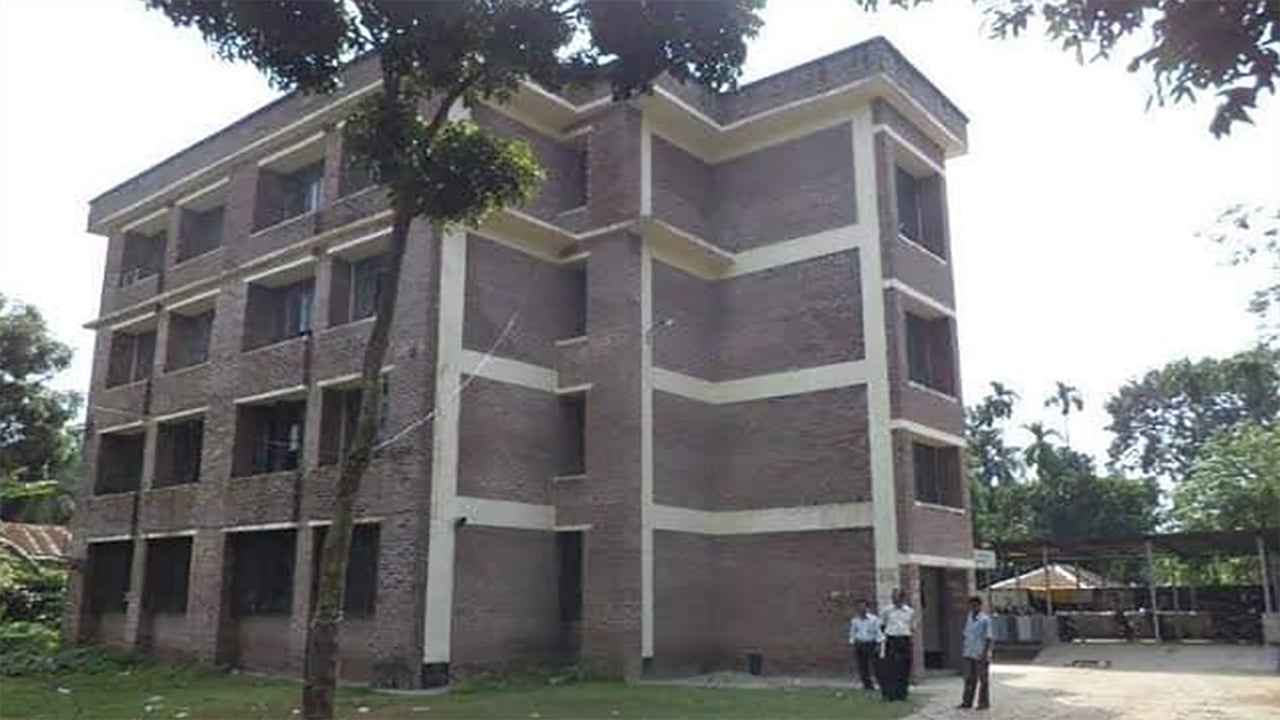
A major bribery scandal at the Rangpur Secondary and Higher Education (MAUSHI) office has sparked controversy as Deputy Director Roksana Begum is accused of trying to suppress the incident. Two months after the alleged bribery case, no action has been taken by higher authorities, leaving victims and staff frustrated. Reports claim that Roksana, known for her political connections, has been intimidating teachers and employees visiting her office, while her close aide, computer operator Ashraf Ali, has allegedly amassed significant wealth. According to multiple officials, Roksana has long relied on Ashraf for office dealings, often excluding other staff. The scandal came to light when teacher Maidul Islam Khan was arrested on February 16 with Tk 700,000 in alleged bribe money meant for teacher enlistment. After his release, he publicly accused Roksana and her associates of demanding large sums for MPO approvals. Despite media coverage, no investigation or disciplinary action has followed. Both Roksana and Ashraf have denied all allegations, while the regional director stated that no formal complaint has been received so far.
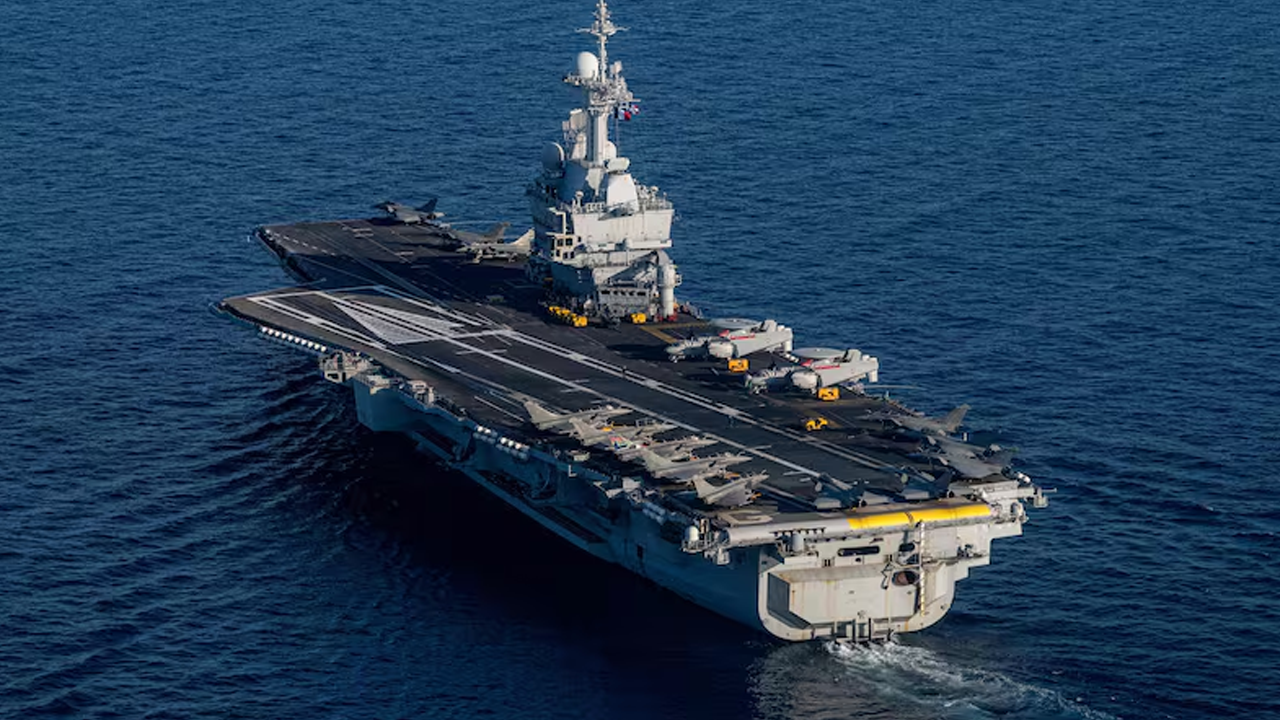
France’s aircraft carrier Charles de Gaulle is moving south through the Red Sea toward a possible deployment in the strategically vital Strait of Hormuz. The mission aims to ensure the safe passage of commercial vessels through the waterway, which has been disrupted by reciprocal blockades between Iran and the United States. French President Emmanuel Macron said a multinational mission is ready to maintain normal maritime traffic in the area. According to France’s defense ministry, the carrier group includes warships from Italy and the Netherlands, which crossed the Suez Canal on Wednesday en route to the southern Red Sea. France and Britain have been working for weeks on a proposal to reopen safe navigation through the strait once conditions stabilize. Macron described the initiative as entirely defensive and separate from the warring parties. Macron also urged Iranian President Masoud Pezeshkian in a phone call to seize this opportunity and expressed his intention to discuss the matter with U.S. President Donald Trump.
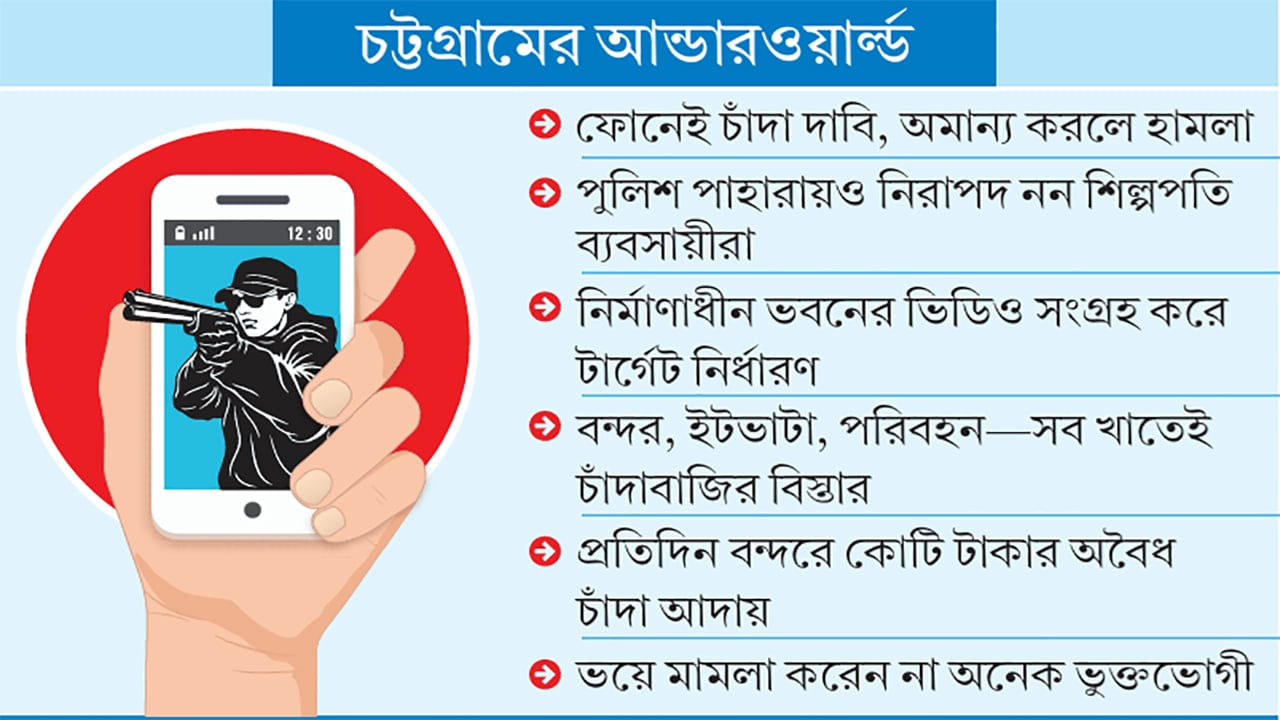
Industrialists and business owners in Chattogram are facing escalating extortion threats from fugitive crime bosses operating from abroad. According to police and victims, top underworld figure Sajjad Ali Khan, known as ‘Boro Sajjad,’ has been demanding millions of taka through phone and WhatsApp, with violent attacks following refusals. Even police guards failed to prevent a second armed assault on Smart Group chairman Mostafizur Rahman’s residence in Chandgaon after he declined to pay. The extortion network reportedly spans construction, brick kilns, and transport sectors across multiple city areas. Law enforcement sources say Sajjad, believed to be hiding in India, controls criminal operations in at least five police jurisdictions through dozens of local informants. His associates, including ‘Chhoto Sajjad,’ Mohammad Raihan, and Habib Khan, are accused of murder, arms trafficking, and widespread extortion. Police have sought Interpol’s help to bring Sajjad back, while the Chattogram Metropolitan Police has launched the ‘Hello CMP’ app for citizens to report extortion. Business leaders warn that fear of retaliation and lack of effective protection are discouraging investment in the port city, raising concerns about long-term economic stability.
The 2013 Shapla Chattar incident in Dhaka remains one of Bangladesh’s most contested political and human rights events. Occurring on May 5–6, 2013, it involved a violent state operation against demonstrators, with conflicting narratives from the government, opposition, and rights groups. Then–Prime Minister Sheikh Hasina described the event as deathless, while organizations such as Human Rights Watch and Odhikar reported fatalities and demanded investigation. The article highlights how the absence of verified casualty figures and restricted media coverage reflected a structural crisis of information control and impunity. Following political changes in 2024, a renewed investigation by the International Crimes Tribunal reportedly found evidence of some deaths. Hefazat-e-Islam leaders have filed a case against 54 individuals, including Sheikh Hasina, demanding exemplary punishment for those responsible. Analysts note that political disunity and compromises among opposition groups weakened earlier efforts for justice. The commentary argues that a transparent and credible inquiry could restore institutional trust and help the nation reconcile with its past. The piece concludes that the Shapla Chattar tragedy continues to question the balance between state power and citizens’ rights, urging national unity for justice and reform.
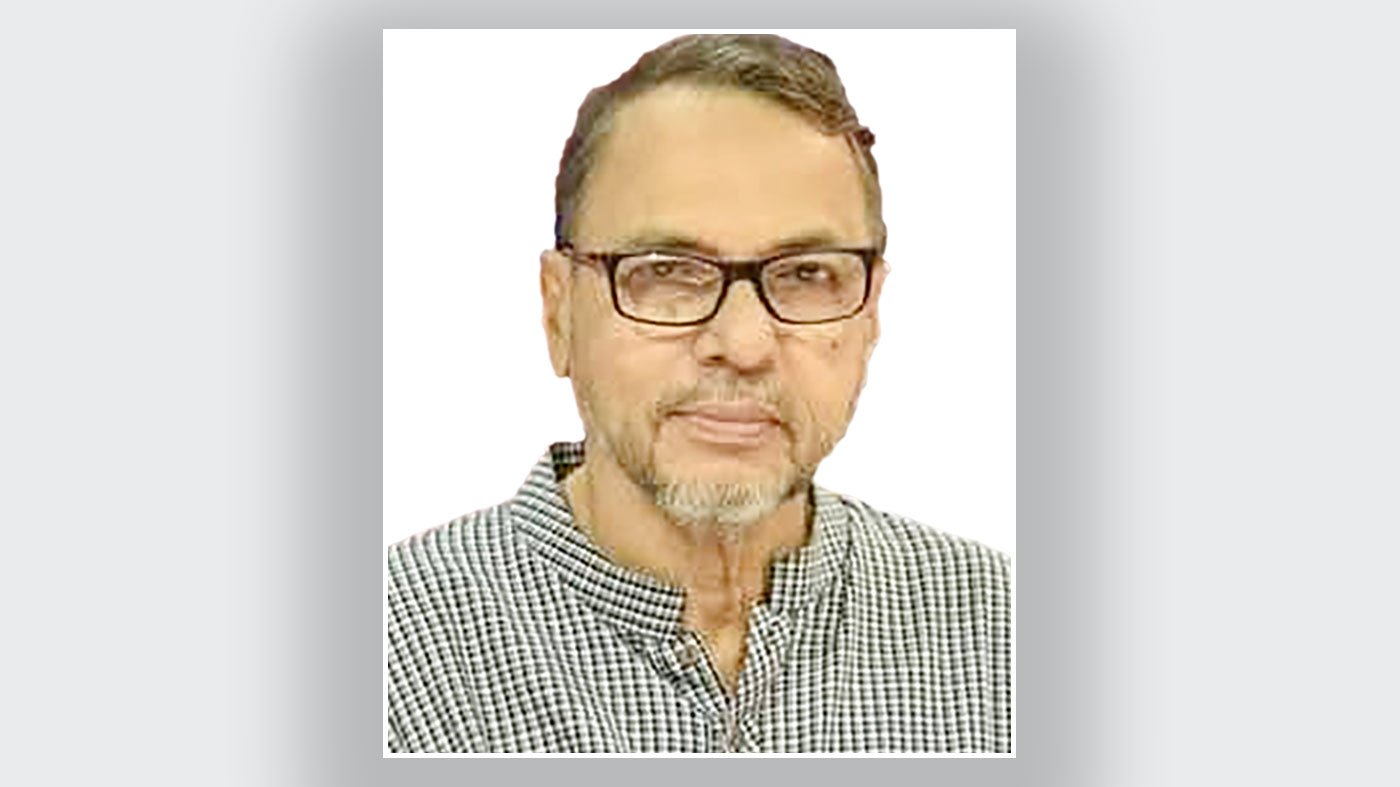
The United Kingdom has imposed sanctions on 35 individuals and entities, including a Bangladeshi travel company, for alleged involvement in trafficking foreign nationals to Russia to fight in the war against Ukraine. The measures, announced on Tuesday under the UK’s Global Irregular Migration and Human Trafficking Sanctions Regulations 2025, target Dream Home Travels, accused of deceiving Bangladeshi citizens with false promises of high-paying jobs in Russia. According to a statement published on the UK Foreign Ministry’s website, the company recruited Bangladeshis under fraudulent pretenses and exposed them to severe exploitation. Investigations revealed that once in Russia, the workers were coerced into combat roles in the ongoing conflict against Ukraine. The British government also ordered the seizure of all assets belonging to the company’s owner in the UK. The Foreign Office emphasized a zero-tolerance policy toward human trafficking and irregular migration that endangers lives. The sanctions reinforce international concerns about the use of migrant workers in the Russia-Ukraine war, ongoing since February 2022.

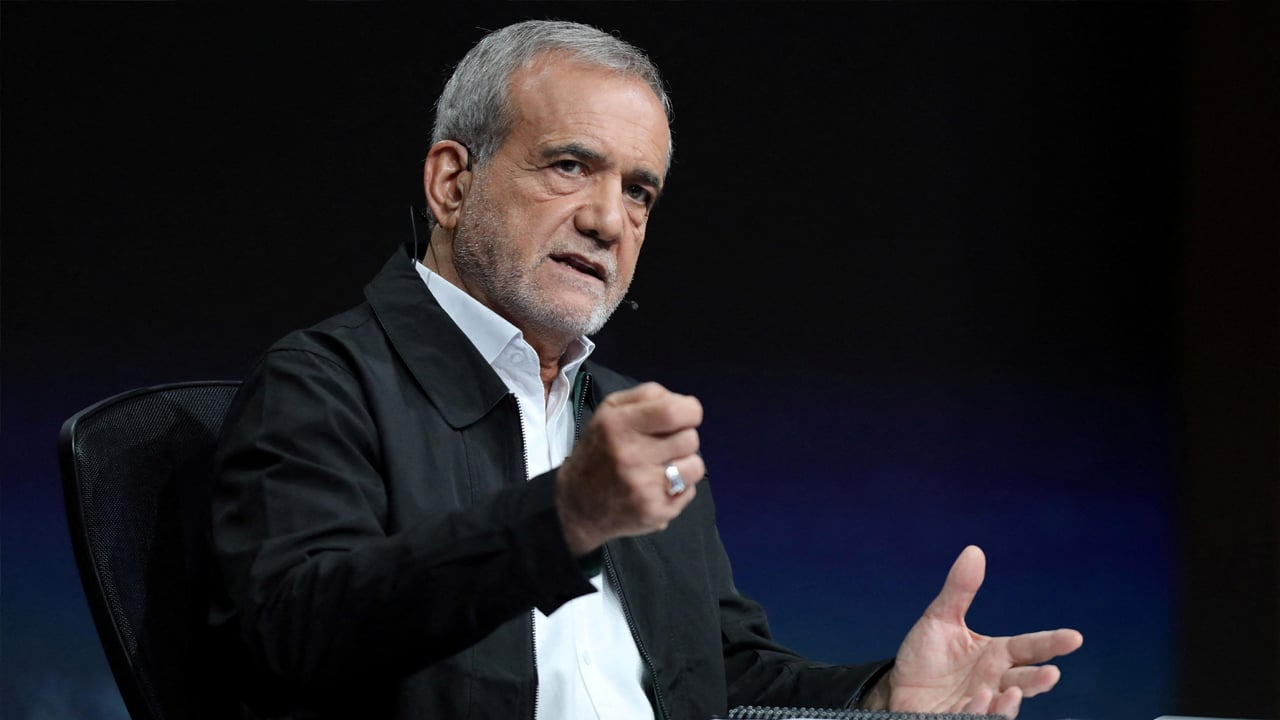
Iranian President Masoud Pezeshkian has said his country is prepared to end its conflict with the United States and Israel through diplomatic means. He emphasized that protecting the rights of the Iranian nation will remain the top priority. Pezeshkian made the remarks during a telephone conversation with French President Emmanuel Macron, according to a statement published on his office’s website. During the call, Pezeshkian expressed deep distrust toward the United States, accusing it of attacking Iran twice even while bilateral talks were ongoing. He described these attacks as a “stab in Iran’s back.” Meanwhile, Axios reported that the United States and Iran are close to finalizing a one-page memorandum of understanding aimed at ending the war. According to the report, the potential agreement would see Iran commit to halting its uranium enrichment program, while the United States would agree to lift sanctions. Both sides would also remove restrictions on navigation through the Strait of Hormuz.
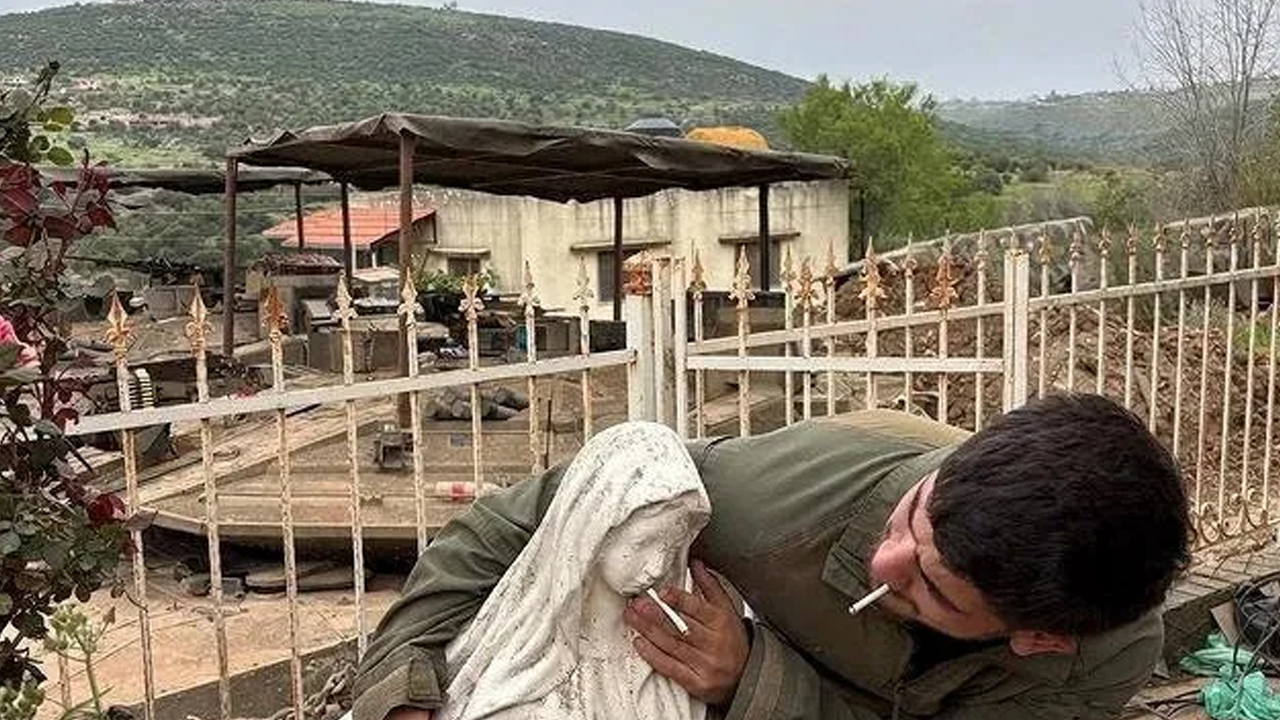
A photo circulating on social media shows an Israeli soldier appearing to press a lit cigarette to the face of a Virgin Mary statue in the Christian-majority town of Debel, southern Lebanon. The image has drawn attention as it follows a previous incident last month in which Israeli soldiers reportedly smashed a statue of Jesus Christ in the same town. According to The Times of Israel, the Israeli military stated that if the soldier involved is identified, disciplinary action will be taken. The report also noted that this incident is part of a continuing pattern of footage showing Israeli soldiers destroying or looting property, often shared by the soldiers themselves. The image has added to growing scrutiny of Israeli military conduct in Lebanon, with the army pledging to investigate the matter once the individual is confirmed.
The United Arab Emirates announced on Tuesday its decision to withdraw from the Organization of the Petroleum Exporting Countries (OPEC), ending nearly six decades of membership. Analysts view the move as driven by both economic and political motives. The UAE has long sought freedom from OPEC’s production quotas to fully utilize its oil capacity. The decision comes amid regional instability following U.S.-Israeli attacks on Iran and growing tensions with Saudi Arabia, OPEC’s leading member. The UAE’s departure is expected to weaken OPEC’s control over global oil supply and pricing. While Saudi Arabia depends heavily on high oil prices to balance its budget, the UAE has invested heavily in expanding production and can tolerate lower prices. The move also reflects Abu Dhabi’s closer alignment with Israel and the United States, contrasting with Riyadh’s more cautious diplomatic stance. The timing coincided with a Gulf summit in Jeddah, where the UAE president was notably absent. Analysts suggest the split could reshape regional alliances, forcing countries like Egypt and Jordan to navigate between Saudi and Emirati blocs. The rift may also influence broader Arab and Islamic cooperation frameworks, signaling a new phase of rivalry in the Gulf.
The ‘1 Nojor’ media platform is now live in beta, inviting users to explore and provide feedback as we continue to refine the experience.