

The ‘1 Nojor’ media platform is now live in beta, inviting users to explore and provide feedback as we continue to refine the experience.
Egyptian forward Mostafa Zizo expressed strong dissatisfaction after Egypt’s 3-2 defeat to Argentina in the World Cup round of 16 on July 8, 2026. Egypt had led 2-0 before conceding three goals, ending their campaign in heartbreak. Speaking to the media after the match, Zizo alleged that the referee’s decisions consistently went against Egypt, claiming the official did not want them to win. He recited a Quranic verse and said a referee had destroyed the hard work of a nation. Zizo further argued that the match was unfair and suggested the tournament seemed destined for Argentina. The Egyptian camp’s frustration centered on several controversial calls, including a disallowed goal by Zizo after a VAR review and a denied penalty appeal. These decisions, according to Zizo and his teammates, changed the course of the match. FIFA and the match referee did not issue any immediate response to Zizo’s comments, while Argentina secured a dramatic comeback to reach the quarterfinals.

Chittagong University announced the suspension of all classes and examinations scheduled for Wednesday, citing severe weather conditions. The decision was confirmed in a notice signed by Acting Registrar Professor Dr. Mohammad Saiful Islam and shared on the university’s official Facebook page. The announcement stated that the suspension was ordered due to adverse weather, waterlogging, and transportation disruptions affecting the area. According to the report, continuous rainfall since Monday has caused widespread waterlogging in various parts of Chittagong. Many homes and shops have been flooded, severely disrupting daily life. On Tuesday morning, train services on the Chittagong–Cox’s Bazar route were temporarily halted after water rose over the railway tracks. The university has not yet announced when classes and examinations will resume, leaving students and staff awaiting further instructions.

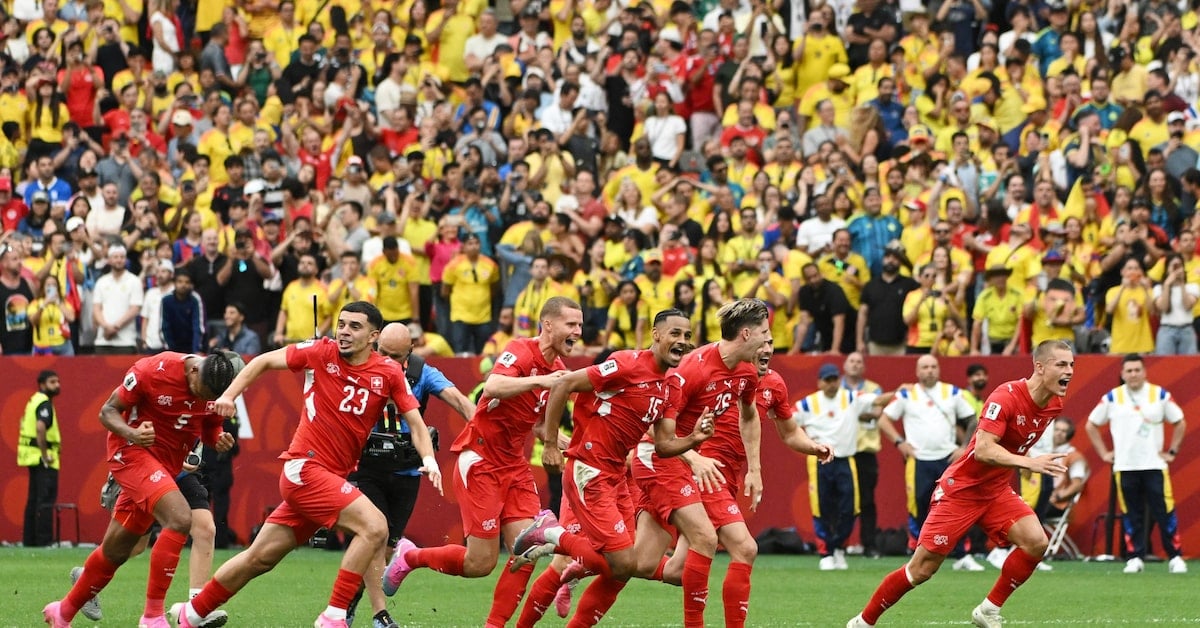
Switzerland advanced to the FIFA World Cup quarter-finals after defeating Colombia 4-3 in a penalty shootout following a goalless 120-minute match in Vancouver, Canada. The Swiss goalkeeper Gregor Kobel delivered an outstanding performance, making several crucial saves and earning the player of the match award. Despite Colombia’s early attacking dominance, both teams failed to score in regular and extra time, leading to a tense shootout that Switzerland managed to win. The victory marks Switzerland’s first World Cup quarter-final appearance since 1954. Colombia’s efforts, led by players such as Gustavo Puerta and James Rodríguez, were repeatedly denied by Kobel’s sharp reflexes. Switzerland also created several scoring chances through Fabian Rieder and Dan Ndoye but could not convert during open play. With this result, Switzerland will face Lionel Messi’s Argentina in the quarter-finals. Argentina had earlier secured their place by overturning a 0-2 deficit to defeat Egypt 3-2. The match between Argentina and Switzerland is scheduled for Sunday at 7 a.m. Bangladesh time.
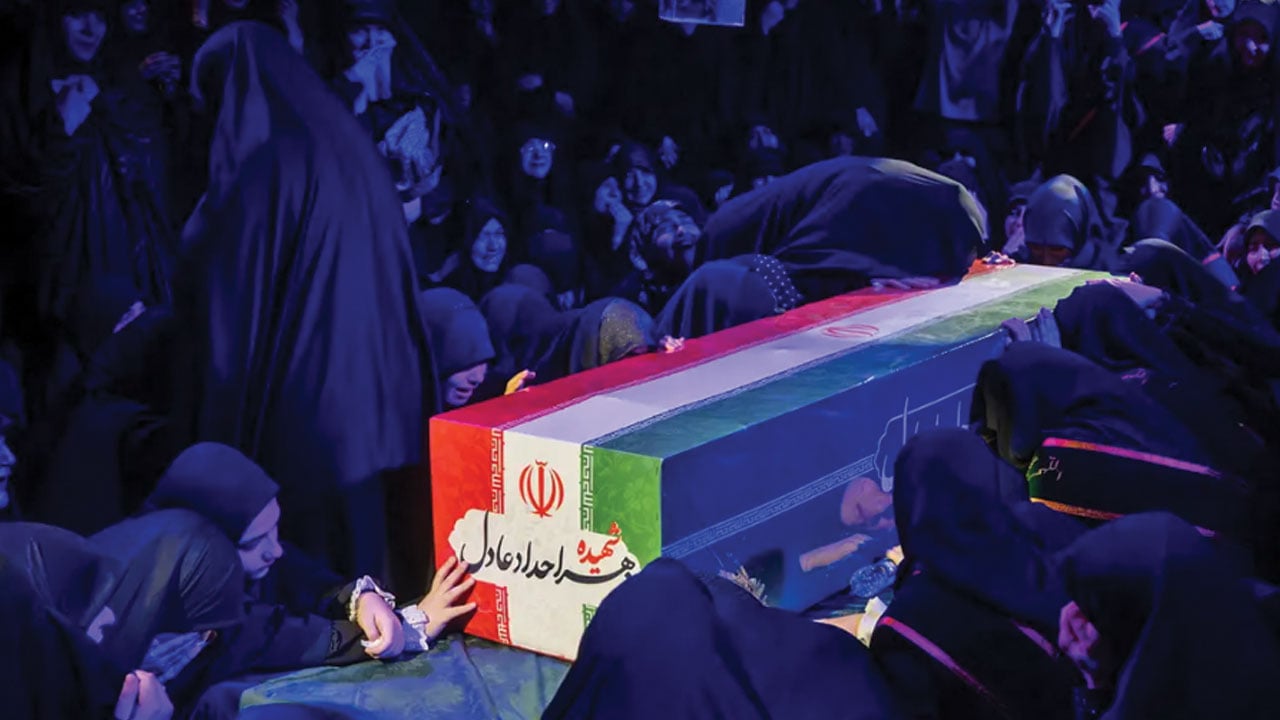
The coffin of former Iranian Supreme Leader Ayatollah Ali Khamenei has arrived in Iraq. According to Iranian state media Press TV, the plane carrying the coffins of Khamenei and his family members landed at Najaf International Airport on Tuesday night, where Iranian President Masoud Pezeshkian and Iraqi Prime Minister Ali al-Zaidi received it. A formal reception was held at the airport to honor the late leader. Press TV reported that the coffins will be taken to Najaf and the holy city of Karbala on Wednesday for funeral prayers expected to draw millions of Iraqis. Khamenei was regarded as a religious leader by many in Iraq, and the Iraqi government has declared a public holiday for the occasion. Earlier, the first funeral prayer was held on Sunday at Tehran’s Grand Square, led by senior cleric Ayatollah Jafar Sobhani. Following the ceremonies in Iraq, Khamenei’s body will be taken to Mashhad, Iran, for burial on July 9 at the shrine of Imam Reza, in accordance with his wishes.
Intense competition has erupted among potential Bangladesh Nationalist Party (BNP) candidates across the country as they seek party backing for the upcoming local government elections. Although the polls will not be held under party symbols and formal nominations are not permitted, numerous BNP leaders are campaigning vigorously to secure informal endorsement from senior figures. The government and Election Commission are preparing to announce the election schedule in August, with voting expected in October. Across Bangladesh’s 4,581 union councils, as well as in municipalities and upazilas, multiple BNP leaders are vying for the same positions, raising fears of internal division. Party policymakers view ensuring single candidates as their biggest organizational challenge. Political analysts note that removing party symbols was intended to promote nonpartisan competition, but major parties continue to back preferred candidates, undermining that goal. Civil society representatives warn that such party involvement violates the spirit of nonpartisan elections and could reduce public participation. BNP insiders say the party may only centrally endorse mayoral candidates, while local units will decide other nominations. The outcome of this internal contest will test BNP’s unity and organizational discipline ahead of the polls.

Kuwait’s Ministry of Finance announced that the country’s budget deficit for the 2025–26 fiscal year has risen to 7.1 billion Kuwaiti dinars, equivalent to about 23.9 billion US dollars. The ministry attributed the increase to a significant drop in oil revenues, according to a statement cited by Al Jazeera. Compared with the previous fiscal year, the deficit expanded by 13.2 percent. The government’s total revenue fell by around 10 percent from earlier projections, with income from the oil sector declining by 11.2 percent to 15.3 billion Kuwaiti dinars, or roughly 49.4 billion US dollars. The data highlight Kuwait’s continued dependence on oil income and the fiscal pressure caused by lower global energy prices, as reflected in the ministry’s report.

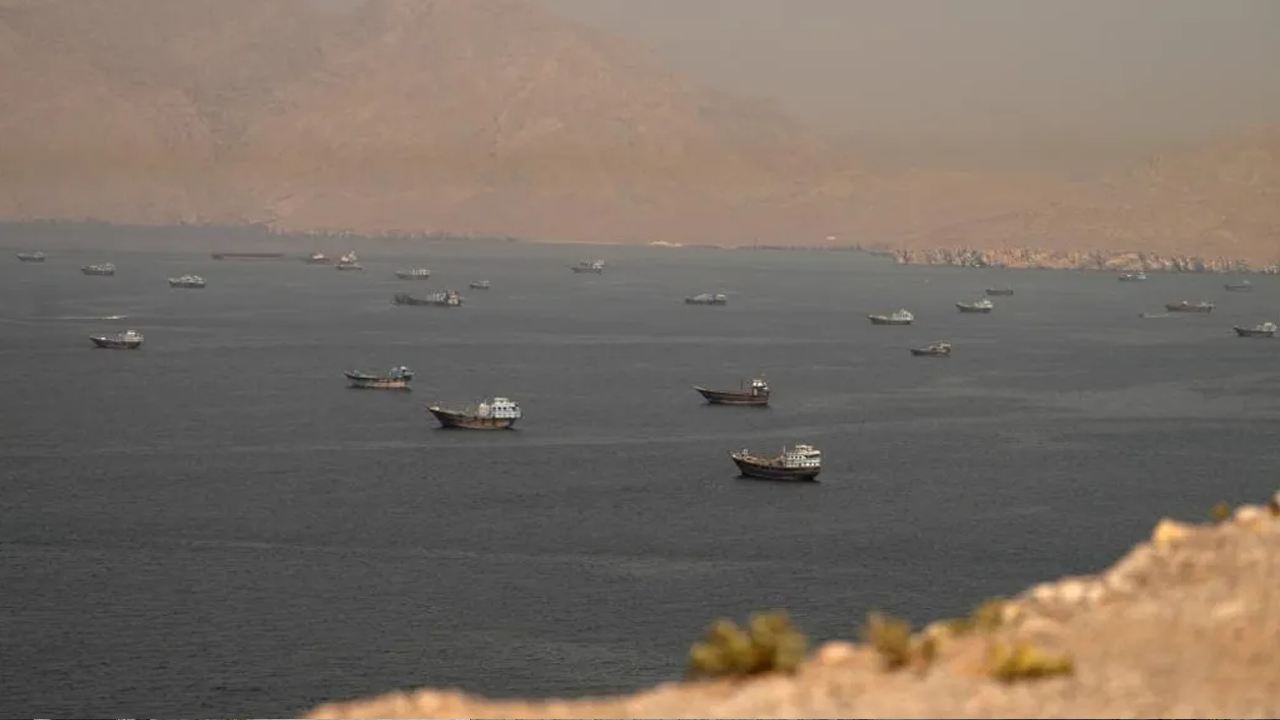
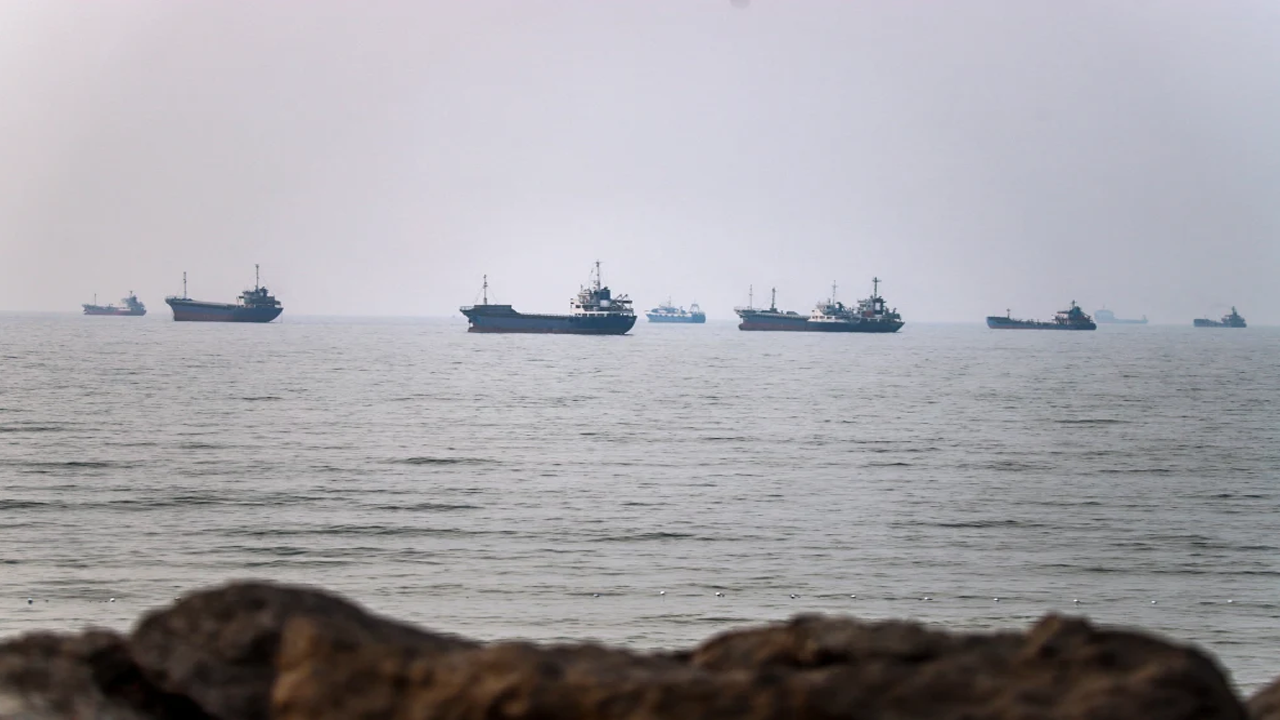
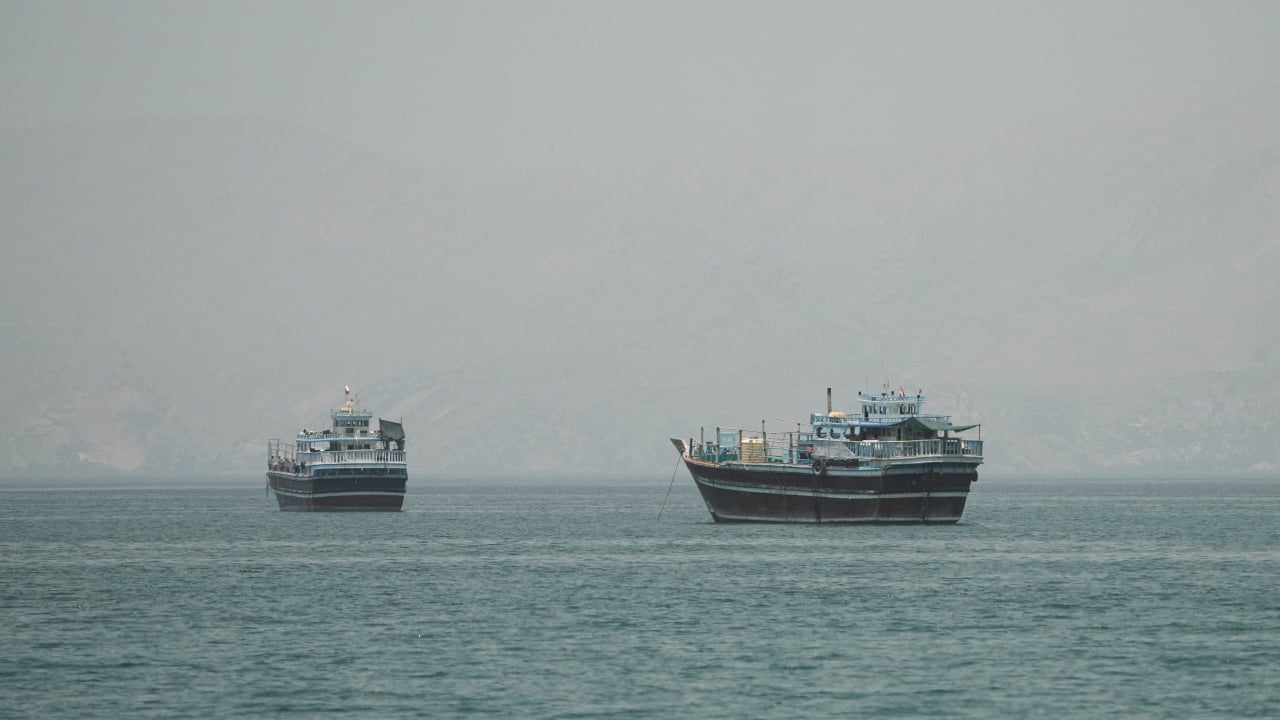
The United States Central Command (CENTCOM) has launched direct air and missile strikes inside Iran in response to recent attacks on three commercial vessels operated by civilians in the Strait of Hormuz. CENTCOM described the operation as a sustained and powerful assault against Iran. Iranian media confirmed multiple explosions in the southern regions, particularly near Sirik, Qeshm Island close to Chabahar, and Bandar Abbas. According to Iran’s state media, explosions were heard on both sides of Bandar Abbas, and US projectiles struck a commercial jetty at Sirik port and a nearby fishing jetty in Ziarat village. At least seven major blasts occurred in the Sirik port area. CENTCOM stated that the strikes aimed to make Iran pay a heavy price for illegal attacks on commercial ships and called the Iranian actions a dangerous provocation and a serious violation of the existing ceasefire agreement between the two nations. Following the US strikes, Iran’s Foreign Ministry issued a stern warning, declaring that Tehran would take any necessary and strong measures to defend its national security and interests.
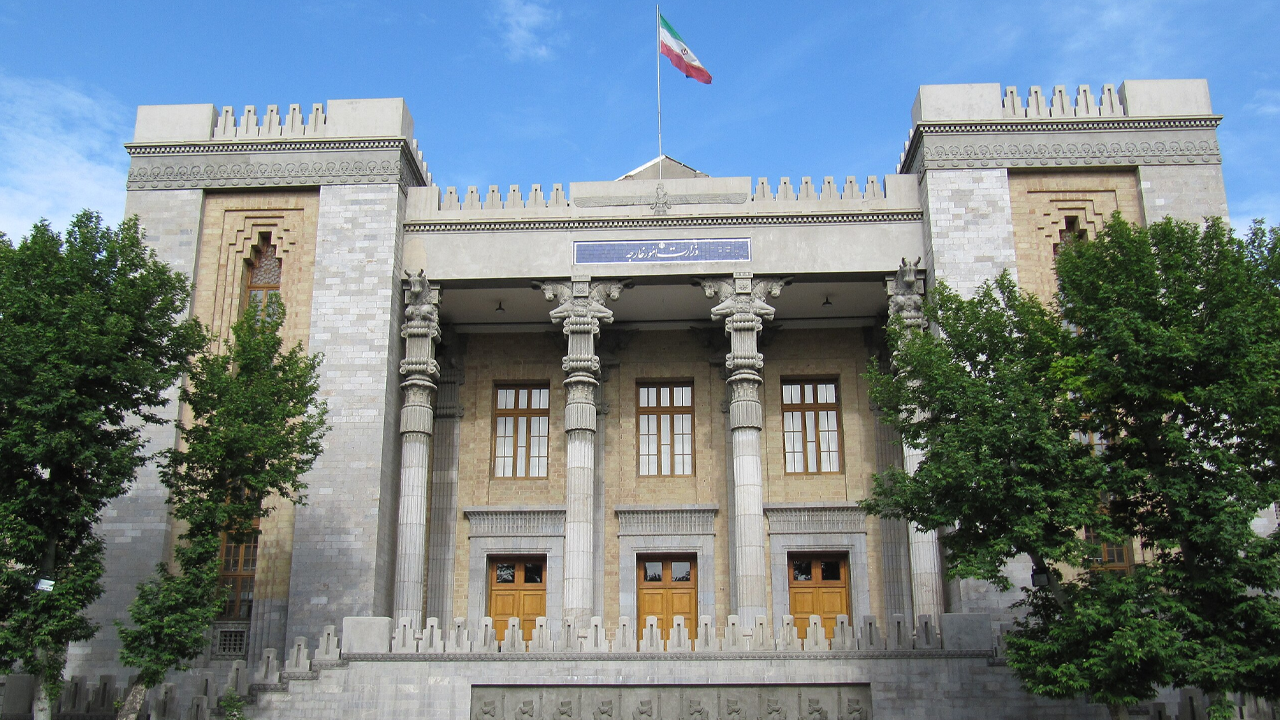
Iran’s Foreign Ministry has accused the United States of breaching a memorandum of understanding between the two countries. The accusation follows Washington’s decision to cancel the temporary lifting of sanctions on Iranian oil sales. Tehran claims that the U.S. action violates Article 10 of the memorandum signed on June 18. In a statement, the Iranian Foreign Ministry condemned the U.S. Treasury Department’s move, calling it a clear violation of the bilateral agreement. The ministry said that taking such a decision less than 20 days after signing the memorandum demonstrates Washington’s misconduct and bad faith, adding that it proves the U.S. administration cannot be trusted. Tehran further alleged that the United States has repeatedly violated various provisions of the agreement, both directly and indirectly. As an example, it cited U.S. indirect support for Israeli military activities in Lebanon as another breach of the memorandum.
The United States has launched a series of military airstrikes in Iran following attacks on three commercial ships in the Strait of Hormuz. According to the US Central Command (CENTCOM), the operation began on Wednesday in response to the incidents that damaged the vessels within 24 hours on Monday and Tuesday. CENTCOM stated that the strikes aim to make Iran pay a “heavy price” for targeting civilian-operated ships in international waters. The United Kingdom Maritime Trade Operations (UKMTO) confirmed that three tankers were damaged in the attacks. Iran has not claimed responsibility for the incidents. CENTCOM described Iran’s actions as unjustified, dangerous, and a clear violation of the ceasefire. Qatar and Saudi Arabia condemned the attacks, reporting that one tanker from each of their countries was hit while transiting the area. Earlier on Tuesday, the United States revoked a waiver that had temporarily eased oil sanctions on Iran, signaling a further escalation of tensions between the two nations.
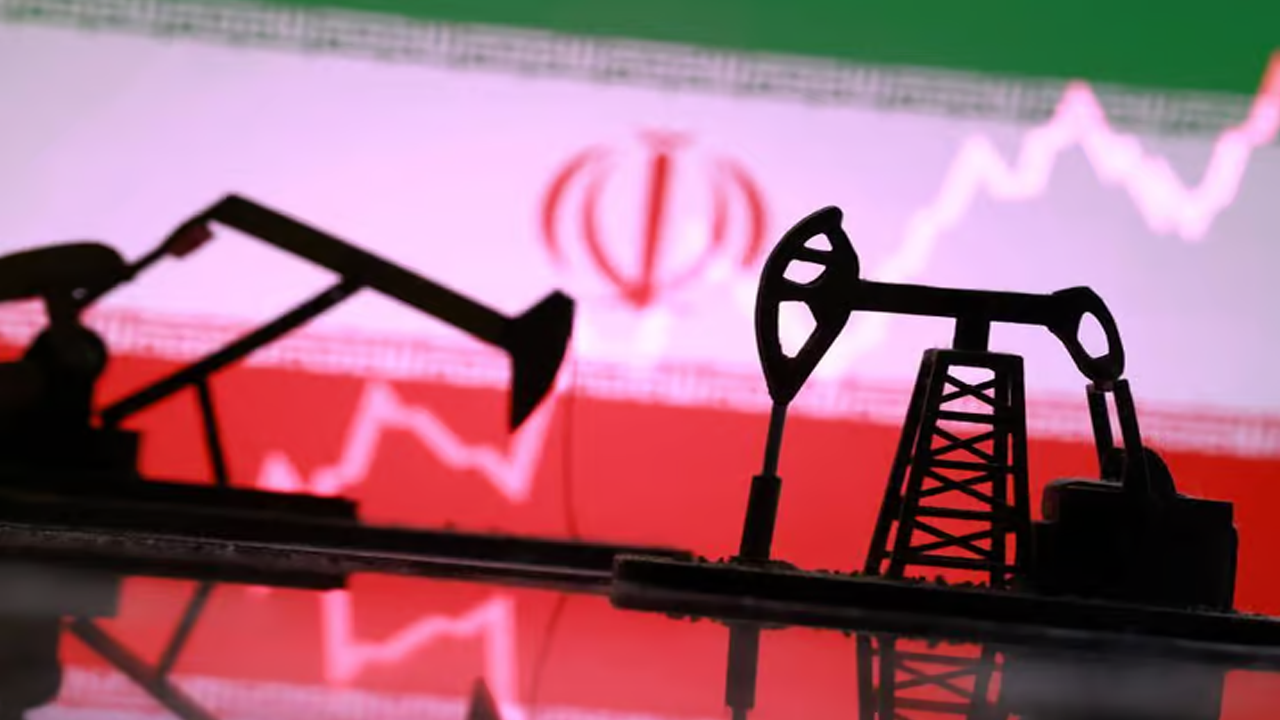
The US Treasury Department has revoked the general license that allowed limited Iranian oil sales, according to a statement from the Office of Foreign Assets Control. The department confirmed that the previously issued 'General License X' from June 21, 2026, was canceled effective July 7, 2026, and replaced with a new 'General License X1'. The earlier license had temporarily lifted parts of US sanctions on Iranian oil exports following what were described as positive talks between the two countries aimed at ending ongoing conflict. That 60-day suspension had opened the way for Iranian oil production, supply, and sales in the US market. Reuters, citing unnamed US officials, reported that Iran’s recent actions in the strategic Strait of Hormuz were deemed unacceptable by Washington. The decision to revoke the license came shortly after three commercial oil tankers were attacked in the area within 24 hours, prompting the US to impose this punitive measure.
A leader of the Swechchhasebak Dal was shot by assailants in Dhaka’s Mirpur area on Tuesday night. The victim, Saiful Islam Siju, 40, serves as joint convener of the Mirpur Thana unit and is currently receiving treatment at Dhaka Medical College Hospital. Police said the shooting occurred around 9:15 p.m. near the south side of Chourangi Market adjacent to the Mirpur-10 fruit market. According to police, the attack stemmed from a previous enmity. A man named Shanto Bhuiyan allegedly fired at Siju using a foreign-made firearm. Law enforcement officers conducted an immediate operation in and around the scene, arresting the suspect and recovering a foreign revolver along with four rounds of live ammunition. Mirpur Model Police Station’s officer-in-charge Hafizur Rahman confirmed the arrest and recovery of the weapon. Police have increased vigilance in the area, reporting that the law and order situation remains normal while legal proceedings are underway.

Iran has rejected Qatar’s accusation that it attacked a Qatar-linked vessel in the Strait of Hormuz. The Iranian Foreign Ministry spokesperson, Esmail Baghaei, described the allegations as ‘astonishing’ and reaffirmed Tehran’s commitment to ensuring safe navigation in the strategically important waterway. He said Iran continues to fulfill its responsibilities under the memorandum of understanding related to maritime safety management. Earlier, Qatar had summoned Iran’s deputy ambassador and handed over a formal protest note following reports that a Qatari liquefied natural gas (LNG) tanker was targeted near the Strait of Hormuz. The incident has drawn attention to the security of one of the world’s most critical maritime routes. The exchange of accusations underscores ongoing tensions in the Gulf region, where maritime security remains a sensitive issue involving multiple states and energy interests.
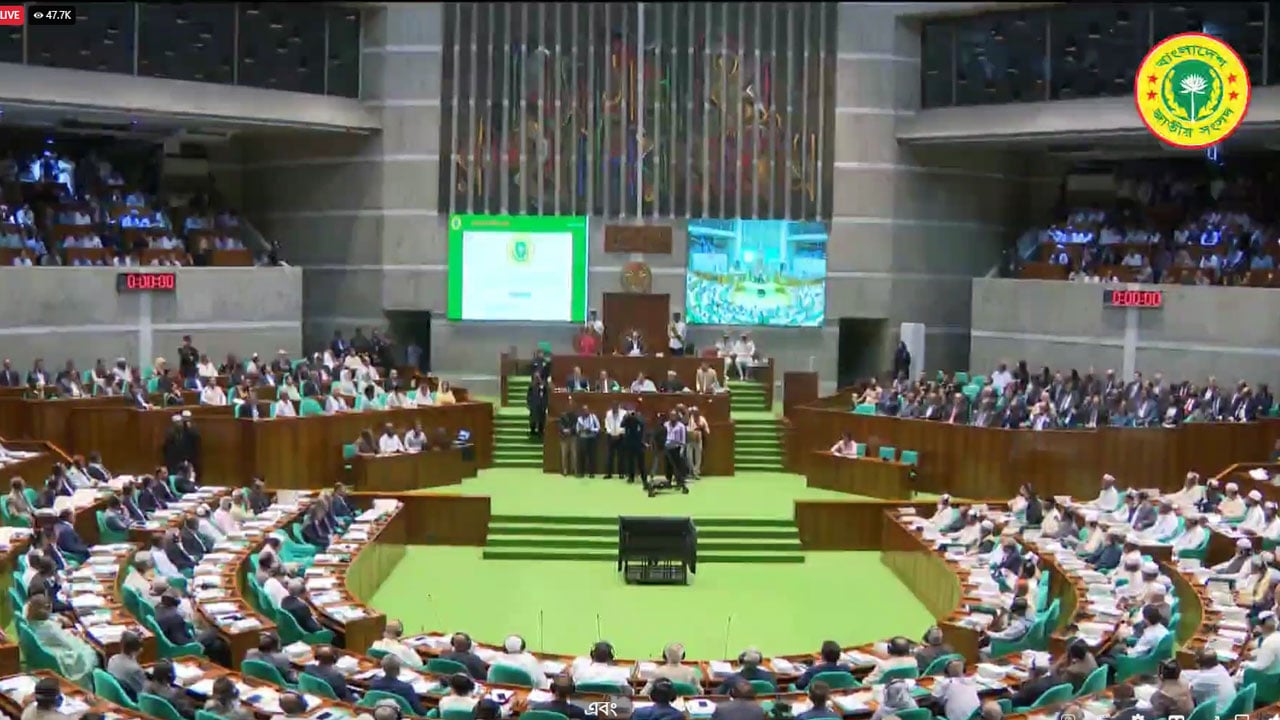
The Bangladesh Parliament on Tuesday passed the Public Examinations (Offences) (Amendment) Bill 2026, introducing penalties for digital manipulation, unauthorized database access, and carrying electronic devices into exam centers. The bill, presented by Education Minister A N M Ehsanul Haque Milan, sets a maximum punishment of five years’ imprisonment and fines for such offenses. It also includes provisions for organized exam crimes and defines digital manipulation as hacking, altering, deleting, or concealing data in public examination databases. The amendment reduces the punishment for question paper leaks from ten years to five years and adds penalties for assisting examinees through written or verbal agreements. It also introduces up to two years’ imprisonment or fines for unfair evaluation of answer scripts, determined by a third examiner. Special provisions are included for minors, who will be dealt with under the Children Act. In a separate development, the Bogura University Bill 2026 was introduced to establish a full-fledged university in Bogura, replacing the 2001 Bogura Science and Technology University Act, which was never implemented.
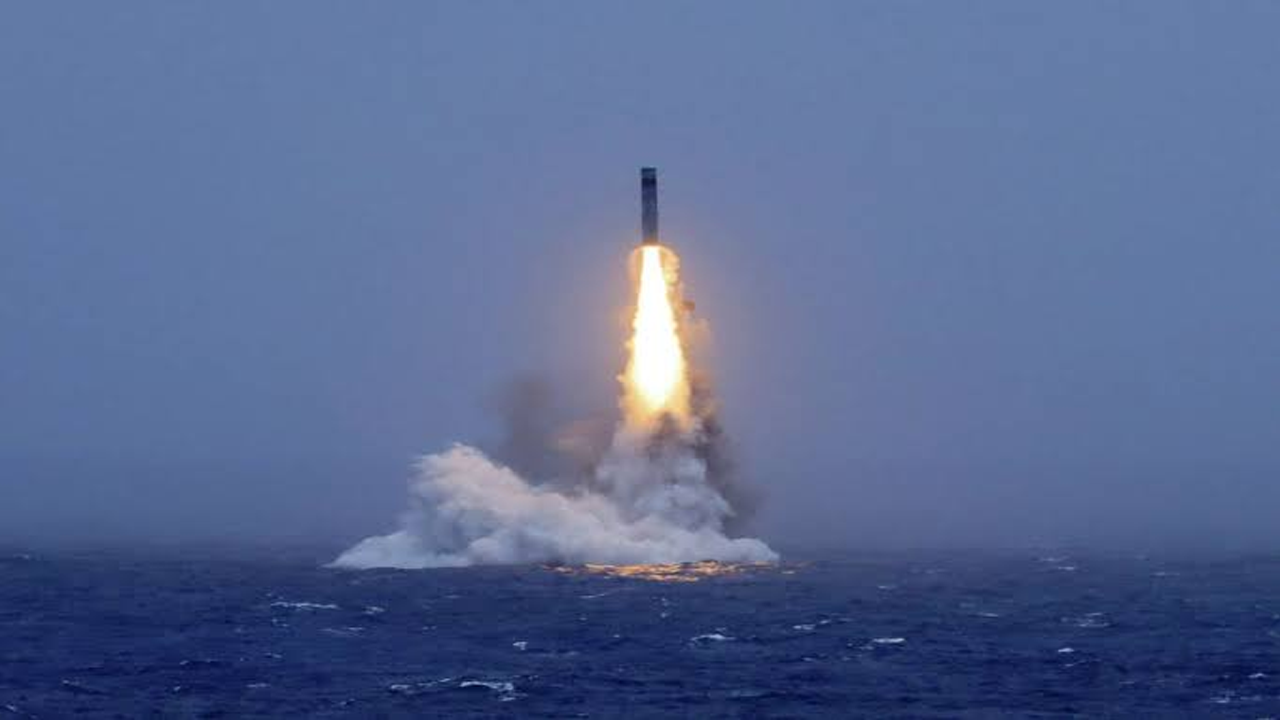
The United States and several other countries have expressed deep concern after China conducted a long-range missile test in the Pacific Ocean. The launch, viewed as part of Beijing’s ongoing military modernization, follows a previous intercontinental ballistic missile test near French Polynesia two years ago. Analysts suggest the new test indicates enhanced Chinese capability to strike the U.S. mainland. U.S. State Department spokesperson Tommy Pigott said China’s rapid and opaque nuclear expansion poses serious global risks. Washington has urged Beijing to join meaningful arms control talks and establish prior notification systems for missile and space launches. Taiwan identified the missile as a JL-2, claiming it flew over the Philippines, while Manila condemned the launch as a calculated provocation. Australia, Japan, and New Zealand also voiced concern, though Russia defended China’s right to conduct the test. Observers believe the missile was launched from a nuclear-powered submarine and landed near the Solomon Islands, highlighting China’s growing sea-based deterrent capability. The test coincided with a new Australia-Fiji defense pact, reflecting intensifying strategic competition in the Pacific region.
The Inter-Education Board Coordination Committee announced that Wednesday’s Higher Secondary Certificate (HSC) and equivalent examinations in three districts under the Chattogram Education Board—Chattogram, Rangamati, and Cox’s Bazar—have been postponed due to adverse weather and flooding. The decision was confirmed in a notice signed by Professor Syed Akhteruzzaman, chairman of the Dhaka Board and head of the coordination committee. According to the notice, the postponed exams include HSC, Alim, HSC (BMT), HSC (Vocational), and Diploma in Commerce examinations scheduled for July 8, 2026. However, exams in Bandarban and Khagrachhari districts under the same board, as well as in other education boards across the country, will proceed as planned. The revised schedule for the postponed exams will be announced later. The notice also requested all concerned authorities to take necessary measures in light of the updated situation.

The ‘1 Nojor’ media platform is now live in beta, inviting users to explore and provide feedback as we continue to refine the experience.