

The ‘1 Nojor’ media platform is now live in beta, inviting users to explore and provide feedback as we continue to refine the experience.
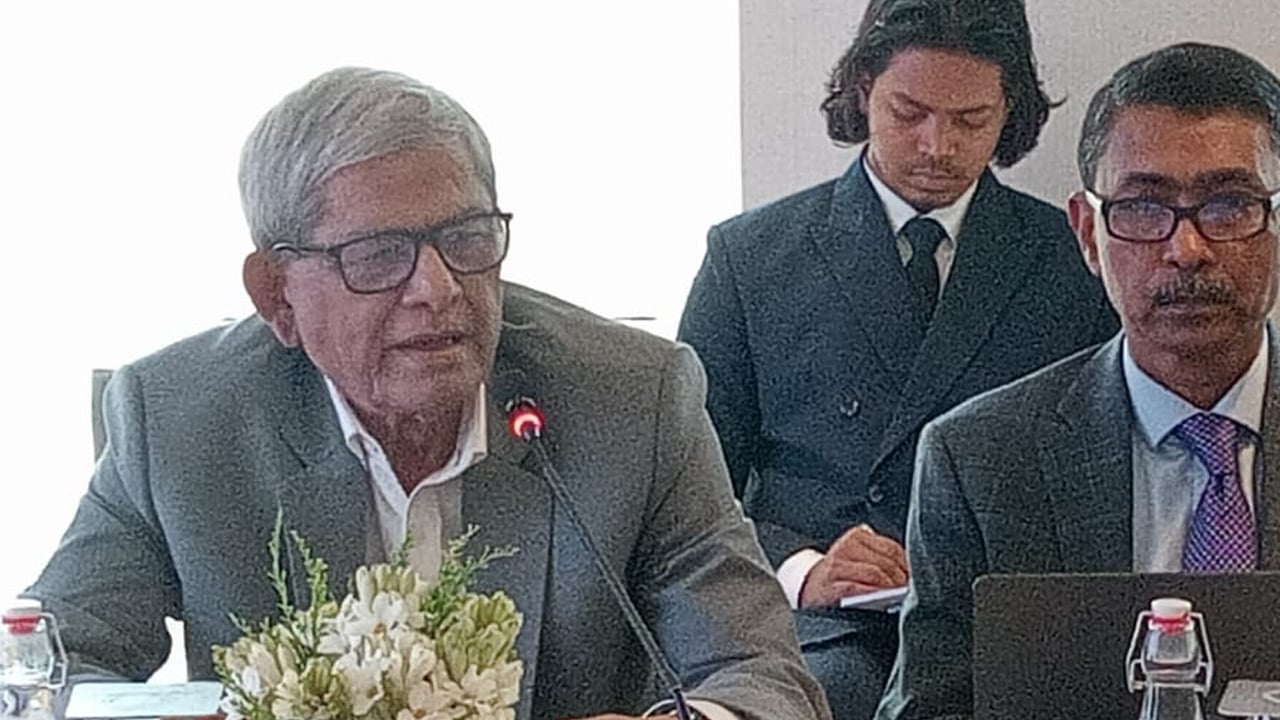
Local Government, Rural Development and Cooperatives Minister Mirza Fakhrul Islam Alamgir stated that Bangladesh is steadily advancing under the visionary leadership of Prime Minister Tarique Rahman. He emphasized the government’s commitment to ensuring peace, stability, security, and sovereignty in the country. The minister made these remarks on Wednesday at a seminar organized by the Institute of Strategy and Tactics Research at Hotel Sheraton in Banani. The seminar, focused on strengthening the economy, investment, and strategic cooperation in the current global context, brought together domestic and international experts, policymakers, and representatives from various sectors. Mirza Fakhrul highlighted that the government is working to create a sustainable and investment-friendly environment, ensuring all necessary facilities for both local and foreign investors. He added that Bangladesh has become a promising destination for global investment through infrastructure development, progress in the energy sector, and policy reforms. The active participation of foreign delegates was seen as a reflection of international confidence in Bangladesh’s growth trajectory.
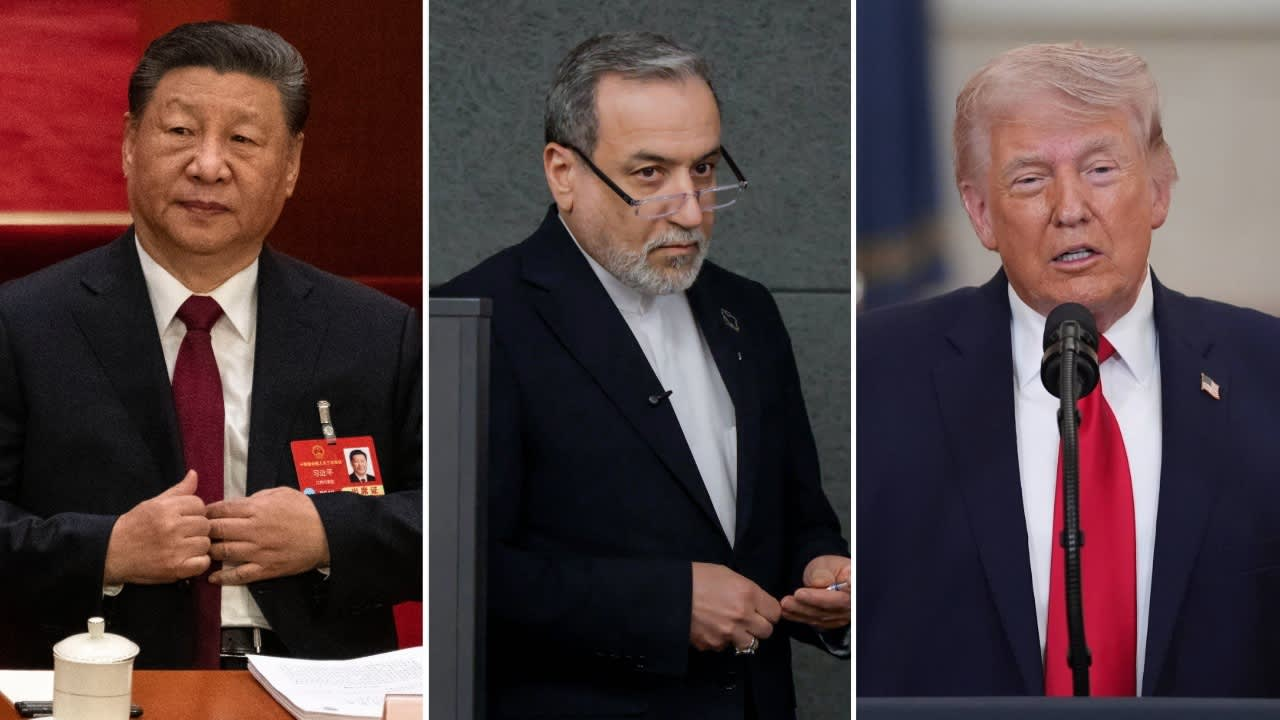
Iranian Foreign Minister Abbas Araghchi visited Beijing just one week before U.S. President Donald Trump’s scheduled trip to China. Analysts view the visit as a significant move in the shifting diplomatic balance between the Middle East and global powers. During the meeting in China, Araghchi held talks with his Chinese counterpart, marking the first direct meeting between the two allies’ top diplomats since the war began. Iran described the visit as an effort to ease tensions with the United States and to gain international support. China remains one of Iran’s key economic and strategic partners, continuing to import large volumes of Iranian oil despite sanctions. U.S. officials have increased pressure on Beijing to influence Tehran to reopen the Strait of Hormuz, while Washington has imposed sanctions on Chinese refiners buying Iranian oil. In response, Beijing stated it is not obliged to comply with U.S. sanctions. Following the meeting, Araghchi said relations between Iran and China would strengthen further, calling Beijing a sincere friend of Tehran. Trump’s upcoming visit to China on May 14–15 is expected to include talks with President Xi Jinping, and analysts suggest Iran’s diplomatic activity may add new pressure to regional and global discussions.
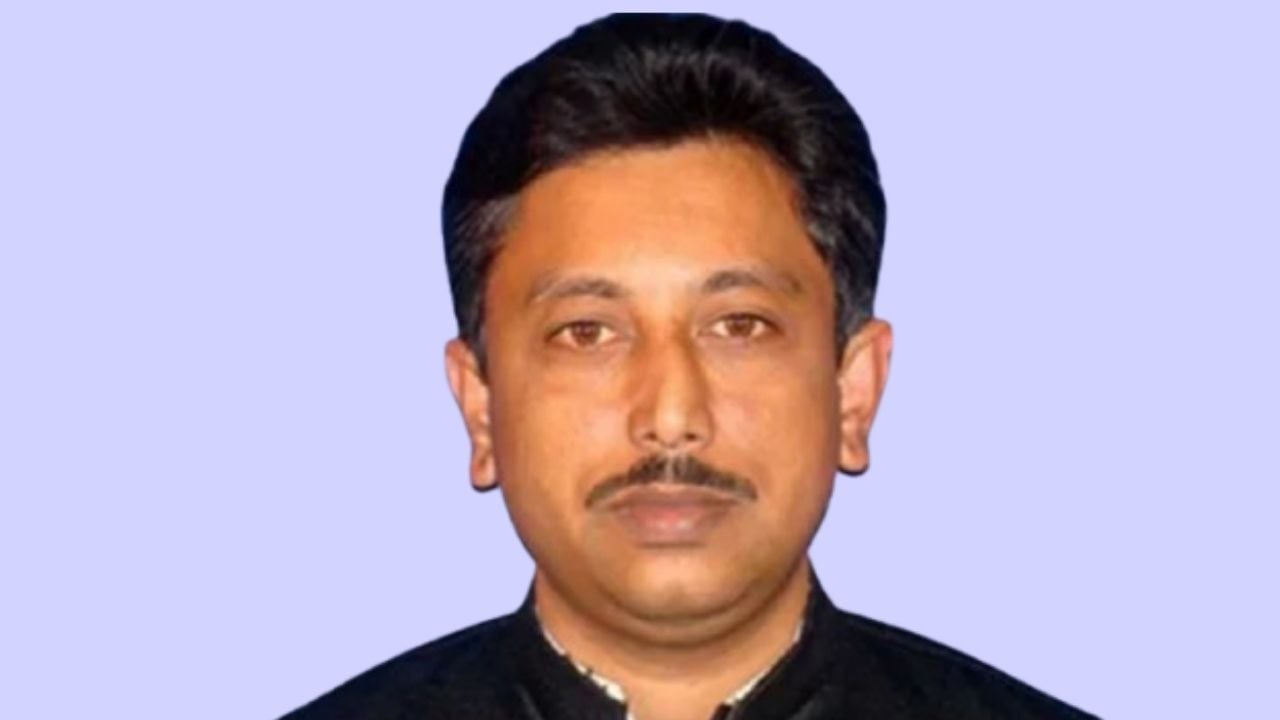
The leadership of the National Pension Authority, the agency implementing the Universal Pension Scheme, has changed. Dr. Md. Suratuzzaman has taken charge as the new Executive Chairman, while Sheikh Kamrul Hasan has joined as a member. The appointments were made through a notification from the Finance Division under the Ministry of Finance. Dr. Suratuzzaman, from the 15th batch of the BCS (Administration) cadre, has been appointed on a two-year contractual basis. According to the announcement, Dr. Suratuzzaman previously served in several key administrative roles, including as Assistant Private Secretary to former Prime Minister Begum Khaleda Zia. He has also been involved in social activities and writing. Sheikh Kamrul Hasan, from the 15th batch of the BCS (Audit and Accounts) cadre, has been appointed as a member for one year on a contractual basis. Hasan has held leadership positions in various financial institutions and served as Chief Accounts Officer, Finance Controller (Army), and Divisional Controller of Accounts. He also worked in senior roles in the Board of Investment, Ministry of Shipping, and Ministry of Fisheries and Livestock, and served as First Secretary (Commercial) at the Bangladesh Deputy High Commission in Kolkata.

A Dhaka court has ordered the seizure of income tax records belonging to former Chief Whip and ex-MP of Madaripur-1 constituency, Noor-E-Alam Chowdhury, in connection with a corruption case. The order was issued on Wednesday, May 6, 2026, by Dhaka Metropolitan Senior Special Judge Md Sabbir Faiz following a petition from the Anti-Corruption Commission (ACC). Court bench assistant Md Riaz Hossain confirmed the decision. Earlier, ACC Assistant Director A.K.M. Murtuza Ali Sagar, the investigating officer, submitted a petition seeking the seizure of Chowdhury’s tax documents up to the 2024–25 fiscal year, citing the necessity for a fair investigation. After a hearing, the judge approved the request. The ACC had filed the case on March 25, 2025, accusing Chowdhury of amassing Tk 57.49 crore in unexplained wealth and conducting suspicious transactions totaling Tk 232.11 crore through eight bank accounts.
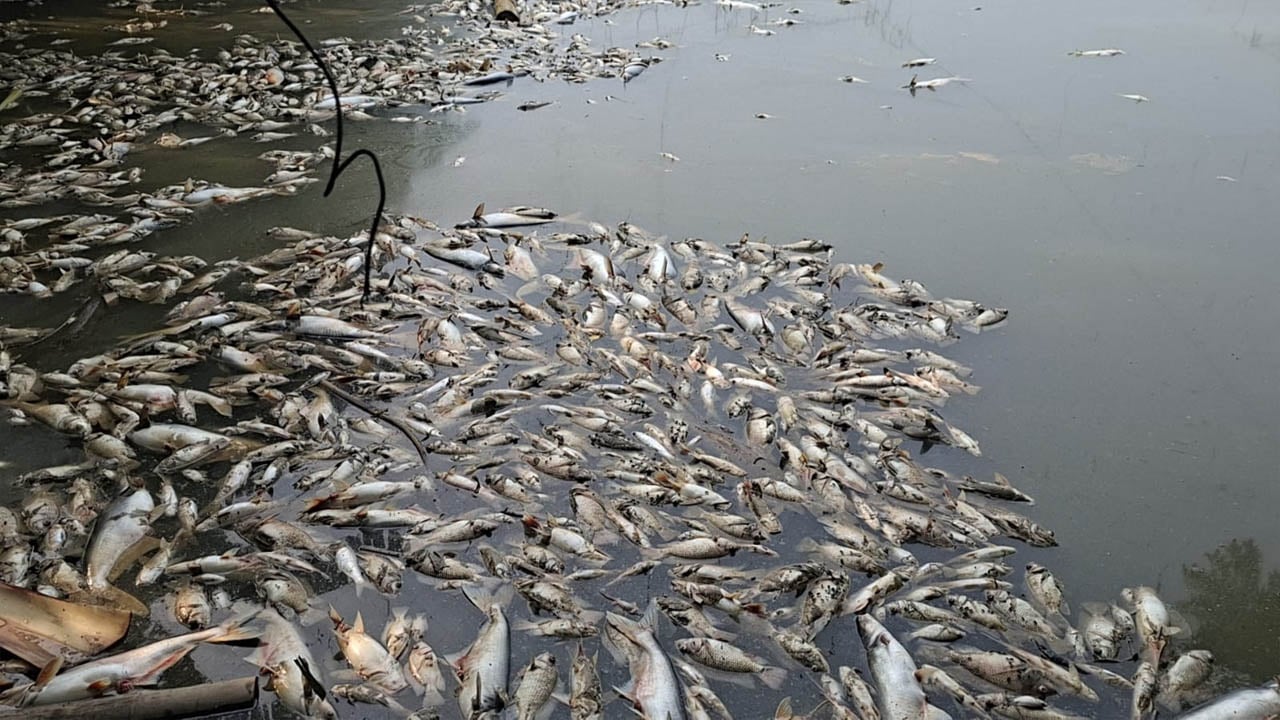
In Bhanga upazila of Faridpur district, miscreants allegedly poisoned the fish farm of Jamaat leader Anwar Matubbar, causing the death of fish worth about half a million taka. The incident occurred around midnight on Wednesday. Anwar, a member of the union-level Jamaat, discovered hundreds of dead fish floating in the water early in the morning after Fajr prayers and broke down in tears at the sight. According to local Jamaat president Delwar Hossain, the attack was carried out out of enmity under the cover of darkness. He described the incident as deeply tragic and demanded exemplary punishment for those responsible. Anwar Matubbar stated that he had no known disputes with anyone and was unaware of who might have committed the act. He claimed the loss amounted to nearly half a million taka. The report did not mention whether any official complaint had been filed or if authorities had begun an investigation into the poisoning.
Cybercriminals are using a new method called 'SMS pumping attacks' that does not require installing malware, stealing passwords, or hacking accounts. Through this technique, attackers send international SMS messages that generate revenue for them while the costs are charged to unsuspecting users. The process often begins with a single click on a deceptive CAPTCHA-like page. According to Malwarebytes researcher Pieter Arntz, fake CAPTCHA pages are being used in an ongoing cyber campaign to trick mobile users into unknowingly sending multiple international SMS messages. Attackers lure users through malicious ads or fake telecom websites with minor spelling errors in their domains. Once users click a button, their SMS app opens with prewritten messages and recipient lists. The attack involves sending messages to dozens of international numbers across 17 countries, including Azerbaijan, Myanmar, and Egypt, where SMS charges are high. This scheme, known as 'international revenue share fraud,' can result in bills of up to 30 dollars for individual users. Experts advise avoiding sending SMS to verify identity, not clicking suspicious links, and recognizing that genuine CAPTCHA pages never open SMS apps.

Police in Kolmakanda, Netrokona recovered the body of a six-year-old girl named Jannatul Akter from a paddy field, 39 hours after she went missing. The child, daughter of Arshad Mia from Jasiura village under Kailati Union, had been missing since Monday afternoon. Her body was found on Wednesday morning, and police took it to the station for further procedures. According to local residents and family members, extensive searches were conducted in nearby areas after the child went missing. The fire service also searched ponds and water bodies but found no trace. A missing person report was filed at Kolmakanda Police Station on Tuesday. Officer-in-Charge Md Siddiq Hossain said police are investigating to uncover the cause of death. The exact reason will be determined after the autopsy report is received.

Infrared imaging data collected this year indicate that the flames inside Turkmenistan’s Darvaza gas crater, known as the ‘Door to Hell,’ have weakened significantly. The monitoring organization Capterio found that the fire’s heat intensity has dropped by more than 75 percent over the past three years. The crater, located in the Karakum Desert about four hours from Ashgabat, has burned continuously for decades and remains a popular attraction for adventurous tourists. Turkmenistan’s government has long sought to extinguish the fire, citing environmental and health concerns. A 2024 publication from the Turkmen Energy Forum stated that two wells were drilled near the crater to extract natural gas, which officials linked to the reduced flames. However, Capterio’s analysis suggests the decline began before the drilling, leaving open the possibility of natural causes. The site emits methane gas, averaging about 1,300 kilograms per hour between 2022 and 2025, according to Carbon Mapper. Scientists note that while the fire converts methane into less harmful carbon dioxide, the flames are unlikely to extinguish completely soon.
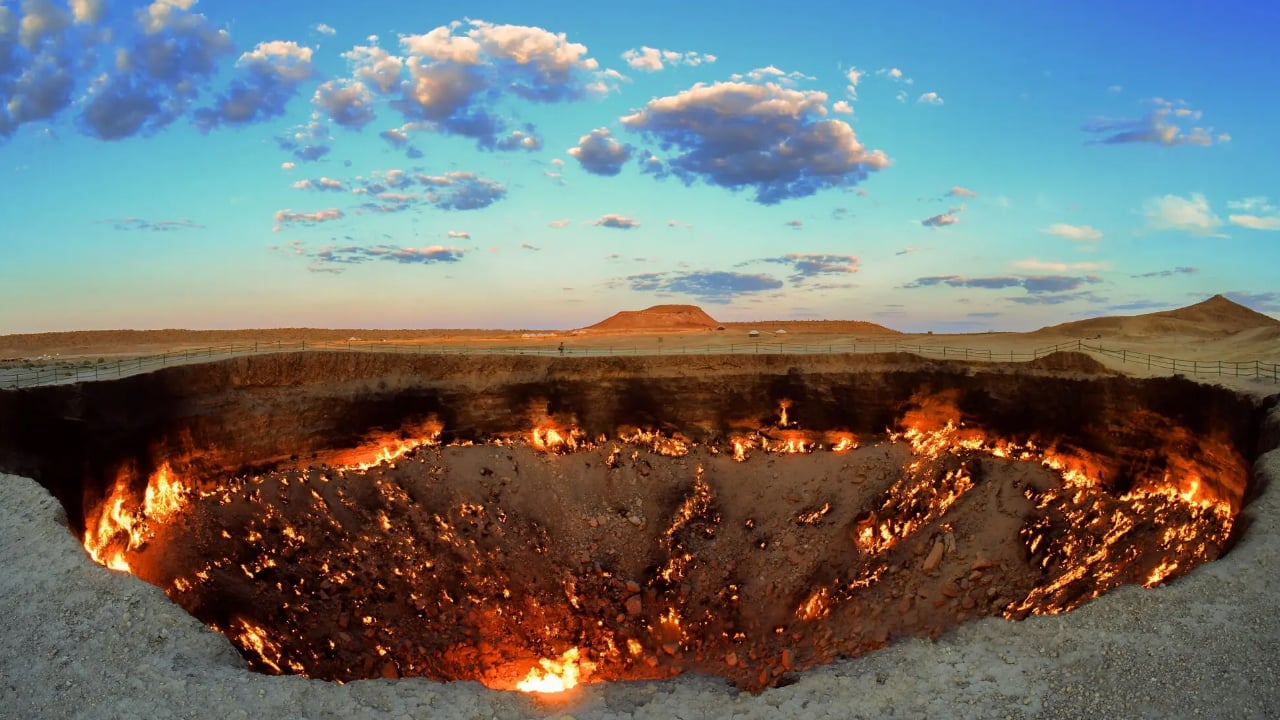
RAB-11 conducted a combing operation in Deobhog Nur Mosque area of Fatullah, Narayanganj, on Tuesday evening, detaining 13 individuals with firearms, ammunition, drugs, and cash. The raid began around 6:30 p.m. and continued until midnight. Among the seized items were six rounds of pistol bullets, knives, Chinese axes, machetes, CCTV cameras, a drone, 1.164 million taka in cash, 235 kilograms of cannabis, and 11,000 yaba tablets. The detainees include men aged between 22 and 48. RAB-11 Commander Lt. Col. H. M. Sajjad Hossain confirmed the operation at a press briefing on Wednesday morning. According to RAB, the raid followed complaints from locals and intelligence reports about criminal and drug-related activities in the area. Legal action will be taken against the detainees on charges of possessing illegal arms, narcotics, and obstructing government duties. Earlier on Tuesday afternoon, three RAB-11 members were injured in a machete attack by criminals in the Masdair Boalia canal area of Fatullah, prompting heightened security operations in the region.
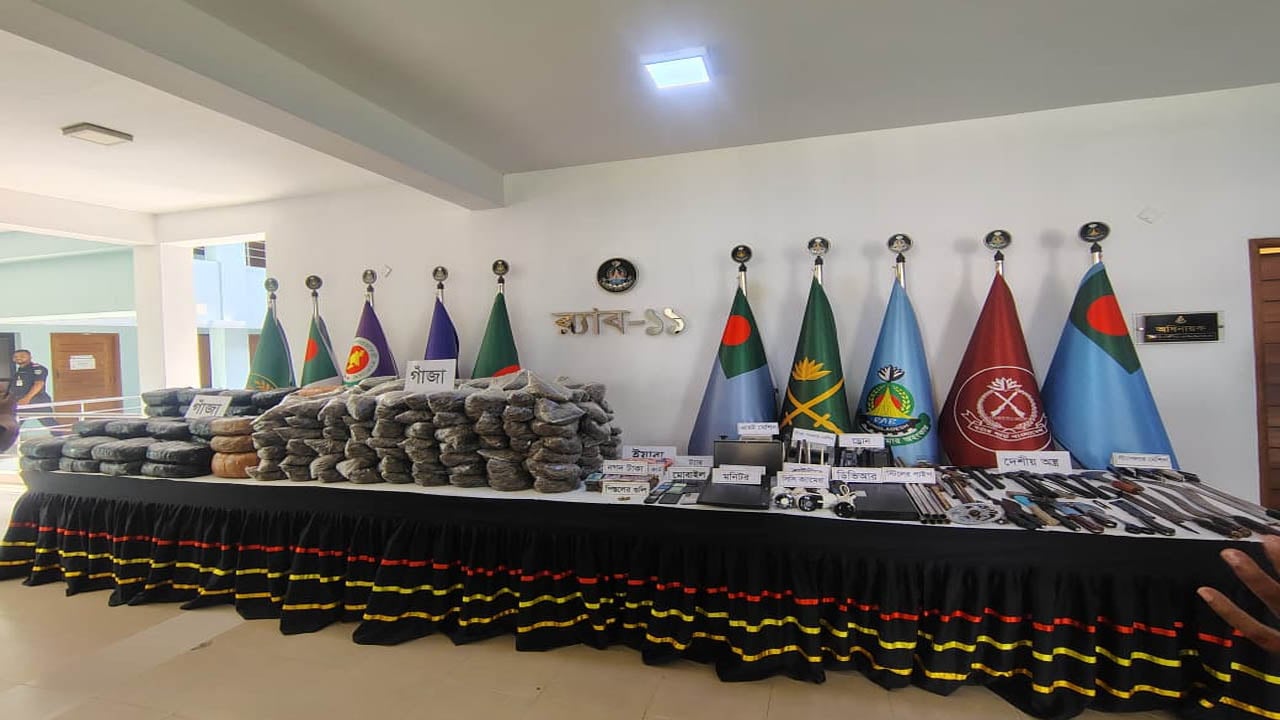
A Bangladeshi expatriate named Rubel Mondal, aged 21, from Dighalkandi area of Jorkhali Union in Madarganj, Jamalpur, has been missing in Saudi Arabia for 21 days. He went to Saudi Arabia on January 27 this year through a local broker and was employed at a private clinic in Mecca. His family last spoke with him on April 16 at around 4 p.m., after which all communication through Imo, Facebook, and Messenger stopped. Rubel’s mother, Monowara Begum, expressed deep anguish, saying she had sent her youngest son abroad with great hopes and now has no idea of his whereabouts. She appealed to the government to help locate him. Madarganj Upazila Nirbahi Officer Suman Chowdhury said he learned about the incident through social media and would inform higher authorities to ensure necessary assistance for the family. The family remains in distress as the search continues, with local authorities pledging to escalate the matter for further action.
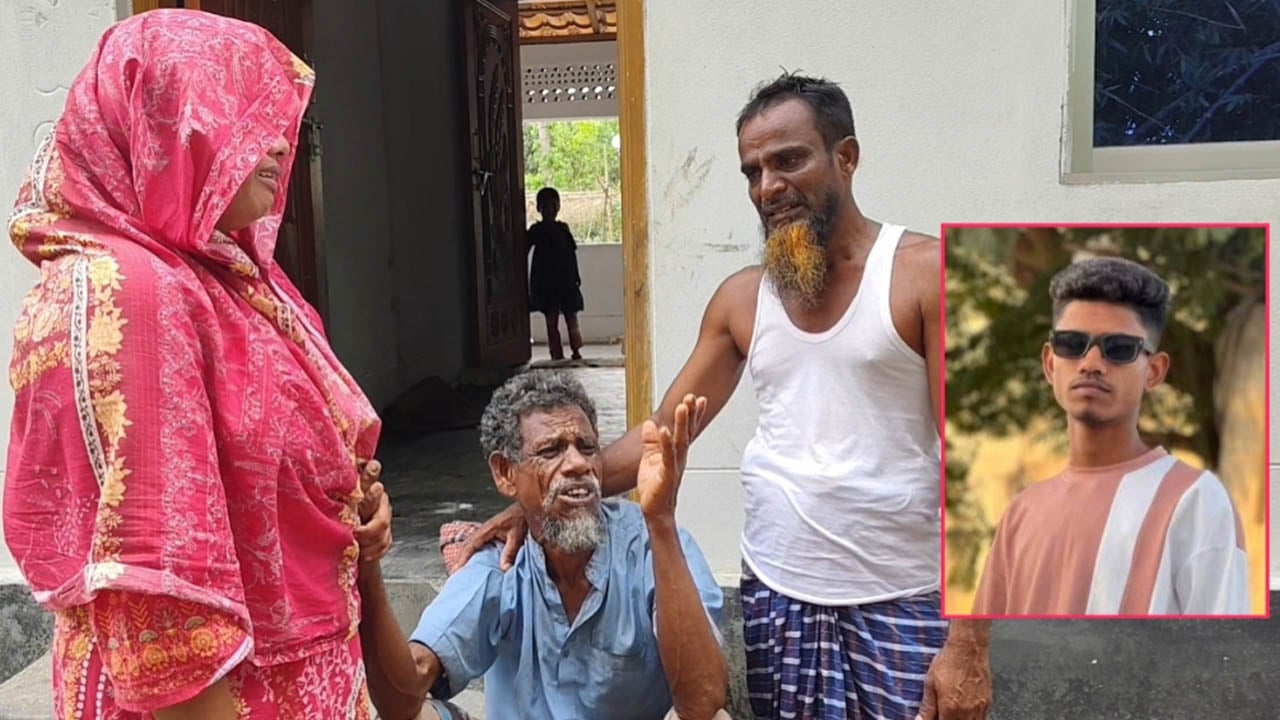
Australia has announced the creation of a national fuel reserve of 1 billion liters to address the global energy crisis triggered by the ongoing war in the Middle East. Prime Minister Anthony Albanese made the announcement on Wednesday, stating that the government-owned stockpile will primarily ensure long-term supplies of diesel and aviation fuel. He emphasized that the main goal is to protect Australia from the negative impacts of the current crisis. Details of the plan are expected to be presented in next week’s national budget. Energy Minister Chris Bowen noted that although Australia is one of the few members of the International Energy Agency, it previously had no national fuel reserve. He said the government is preparing for potential future shocks as global conditions become increasingly unstable. Australia currently has only two oil refineries, making it highly vulnerable to disruptions in global supply chains. The country relies heavily on the Strait of Hormuz for fuel imports, a route that has been nearly closed since February 28 following U.S. and Israeli attacks toward Iran, severely affecting global oil and gas transport.
Nepal has lodged a formal protest against India’s announcement to resume a pilgrimage route through the disputed Lipulekh pass in the Himalayas. The Indian government said on Thursday that pilgrimages to Tibet’s Kailash Mansarovar would restart this year via the Lipulekh corridor, which connects India, China, and Nepal. The route had been closed since 2020 due to the COVID-19 pandemic. In a statement issued Sunday, Nepal’s Ministry of Foreign Affairs asserted that the Lipulekh, Limpiyadhura, and Kalapani regions fall within Nepal’s territory under the 1816 Sugauli Treaty signed with the British colonial rulers. Kathmandu expressed strong objection to India’s decision, calling it a violation of Nepal’s sovereignty. India’s Ministry of External Affairs responded that the Lipulekh route has been used by Hindu, Buddhist, Jain, and Bon pilgrims since 1954 and dismissed Nepal’s claim as baseless and historically unfounded. According to India’s plan, 500 Hindu pilgrims will travel through Uttarakhand to Tibet this year, while others will use a separate route via Sikkim.

A 23-member Pay Commission led by former finance secretary Zakir Ahmed Khan has submitted a comprehensive report recommending significant salary and allowance increases for Bangladesh’s government employees. The proposal, if implemented, could more than double current pay levels. The commission suggested raising the minimum basic salary from 8,250 taka to 20,000 taka and the maximum from 78,000 taka to 160,000 taka, with overall increases ranging from 100 to 140 percent. The government currently spends 1.31 trillion taka annually on 1.4 million employees and 900,000 pensioners. Implementing the new structure could require an additional 1.06 trillion taka. Separate reports have also been prepared for the Judicial Service Pay Commission and the Armed Forces. A 10-member high-level committee led by the Cabinet Secretary has been formed to analyze all three reports and finalize a phased implementation plan. The proposed pay scale aims to reduce the salary ratio between the highest and lowest grades from 1:9.4 to 1:8 while keeping the existing 20-grade structure. Special pay steps have been recommended for top administrative positions, to be announced later by official notification.

After years of heightened tensions, the United States and Iran are reportedly close to finalizing a historic memorandum aimed at ending their conflict. According to a Pakistani source involved in mediation, the proposed agreement is a one-page document covering several key issues. It marks the most advanced stage of negotiation between the two nations since the start of hostilities. Preliminary details suggest the memorandum may include limits on Iran’s nuclear program, partial easing of U.S. economic sanctions, measures to reduce tensions around the Strait of Hormuz, and a framework for broader discussions in the coming weeks. Pakistan has played a significant diplomatic role in facilitating communication and ensuring progress between the two sides. Some complexities remain, particularly regarding the timeline of Iran’s nuclear activities. Nonetheless, recent diplomatic momentum indicates that the long-standing conflict may be closer to resolution than ever before.

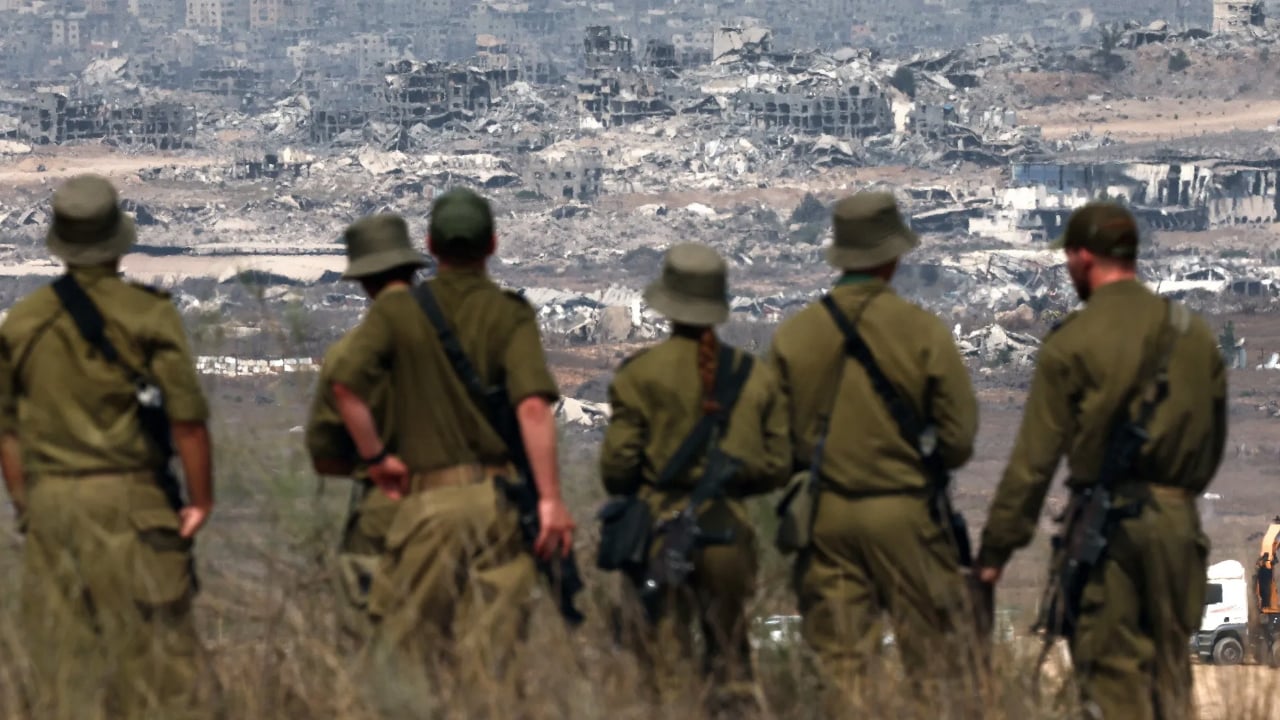
Israeli Defense Forces (IDF) now control about 60 percent of Gaza’s territory and are reportedly preparing for a new offensive, according to a report by Israel Army Radio on Sunday. The report cited military officials saying that they consider this the right time to eliminate Hamas fighters. The IDF has completed operational planning and is awaiting final approval from Israel’s political leadership. To strengthen positions in Gaza and the occupied West Bank, the IDF has reduced troop deployment in southern Lebanon. Despite a ceasefire brokered by the United States in October last year, Israeli forces have violated it at least 832 times in the past seven months. Humanitarian aid deliveries also remain severely restricted, with fewer than 200 of the expected 600 daily relief trucks entering Gaza due to Israeli barriers. According to the Palestinian Health Ministry, two people were killed and eleven injured in the past 24 hours. Since the ceasefire began, 834 people have been killed and 2,365 injured, while total casualties from over two years of conflict have reached 72,615 dead and 172,468 wounded.
The ‘1 Nojor’ media platform is now live in beta, inviting users to explore and provide feedback as we continue to refine the experience.