

The ‘1 Nojor’ media platform is now live in beta, inviting users to explore and provide feedback as we continue to refine the experience.
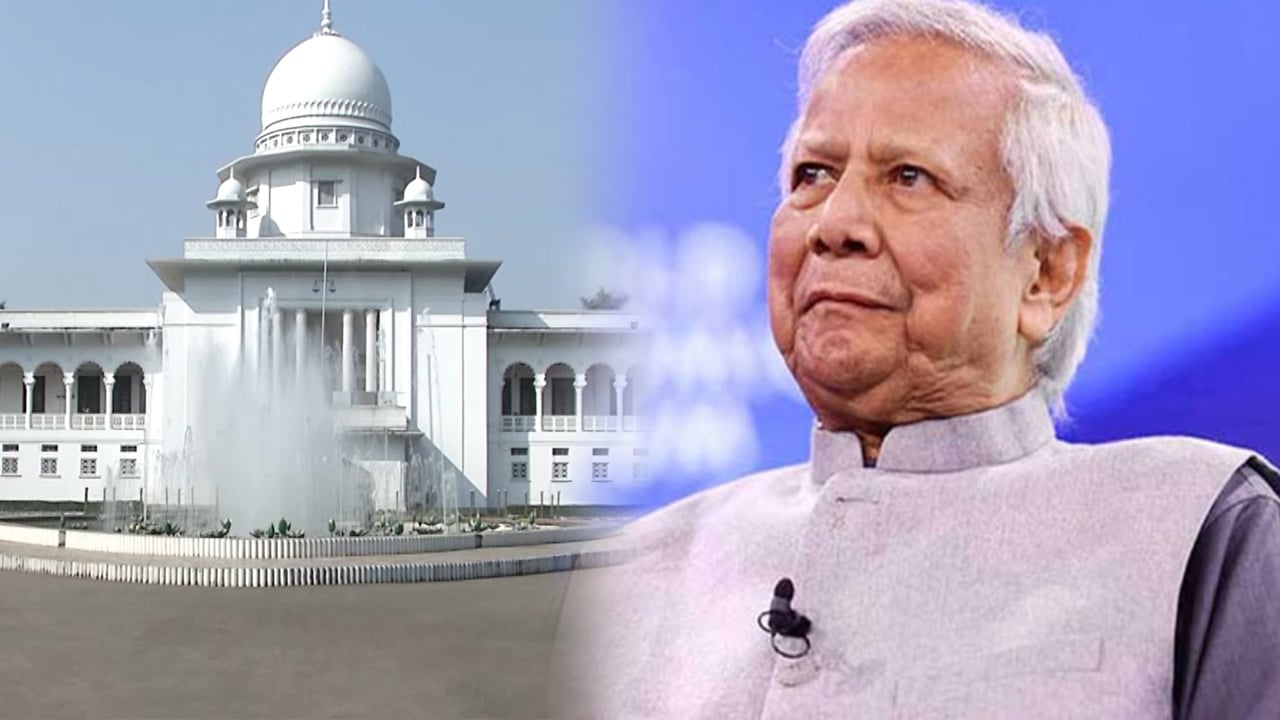
A Supreme Court lawyer has filed a writ petition in the High Court challenging the legality of actions taken during the tenure of the interim government led by Professor Dr. Muhammad Yunus. The petition was submitted on Monday by lawyer Mohammad Mohsin Rashid to the relevant branch of the court. The writ seeks a directive for the government to form a commission to investigate whether there are any corruption allegations against Chief Adviser Dr. Yunus. It also questions the validity of various decisions, laws, reform commissions, and both domestic and international agreements made during the interim government’s tenure. The Cabinet Secretary, Law Secretary, and other relevant officials have been named as respondents in the petition. According to the petitioner, he plans to present the petition for hearing before the High Court later in the day. The outcome of the hearing will determine whether the court issues any directives regarding the legality of the interim government’s actions.
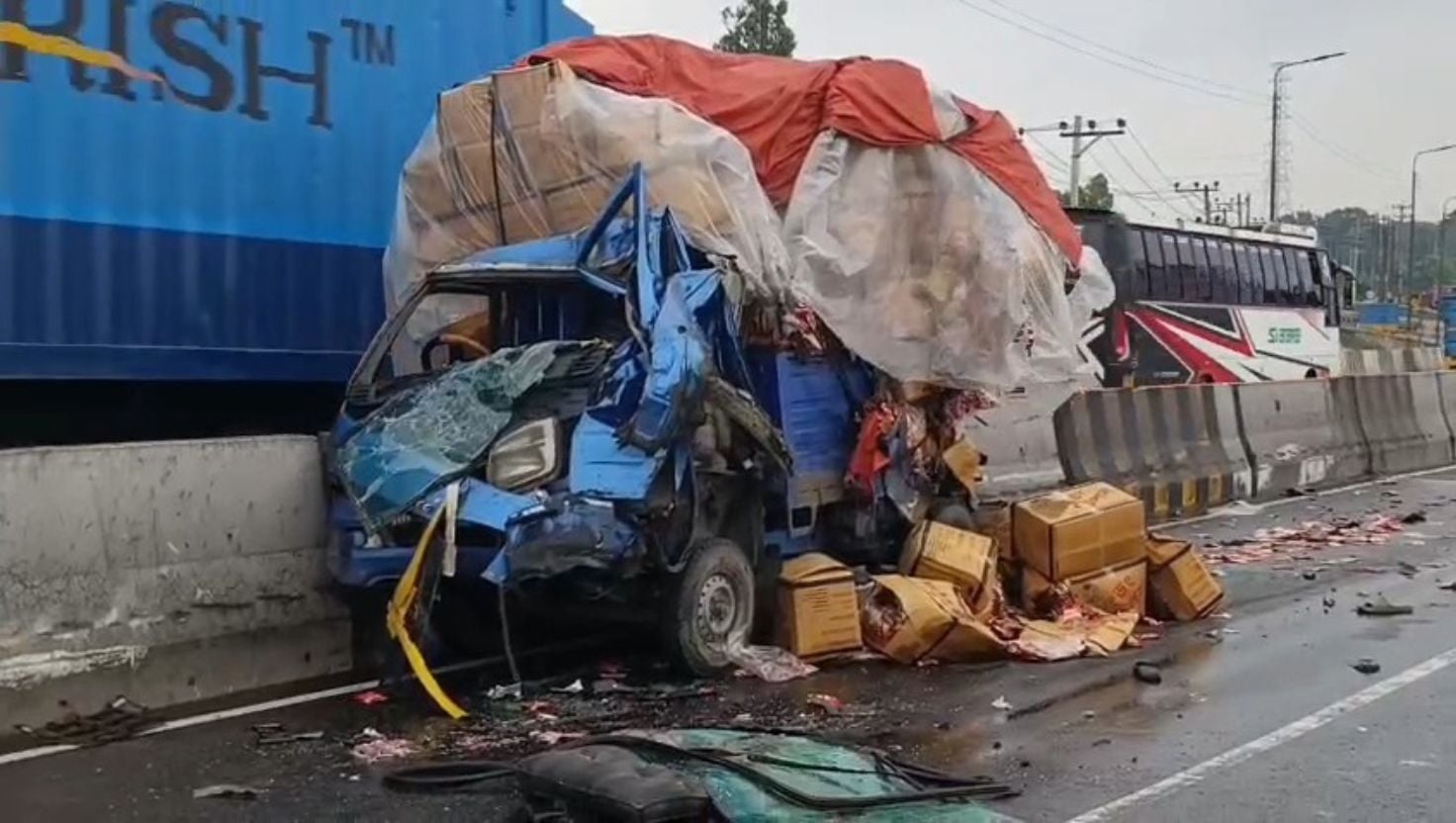
Two people were killed and two others injured in a collision between a truck and a pickup van on the Dhaka-Tangail Jamuna Bridge Highway early Monday morning. The accident occurred around 5:15 a.m. in the Rabna Bypass area of Tangail district. The identities of the victims were not immediately known. According to the in-charge of the Elenga Highway Police Outpost, the Jamuna Bridge-bound truck collided with a pickup van while overtaking on the Rabna flyover. Two people died on the spot, and two others sustained injuries. The deceased were taken to the morgue of Tangail General Hospital, while the injured were admitted for treatment. Police said the bodies would be handed over to the families after completing legal procedures.
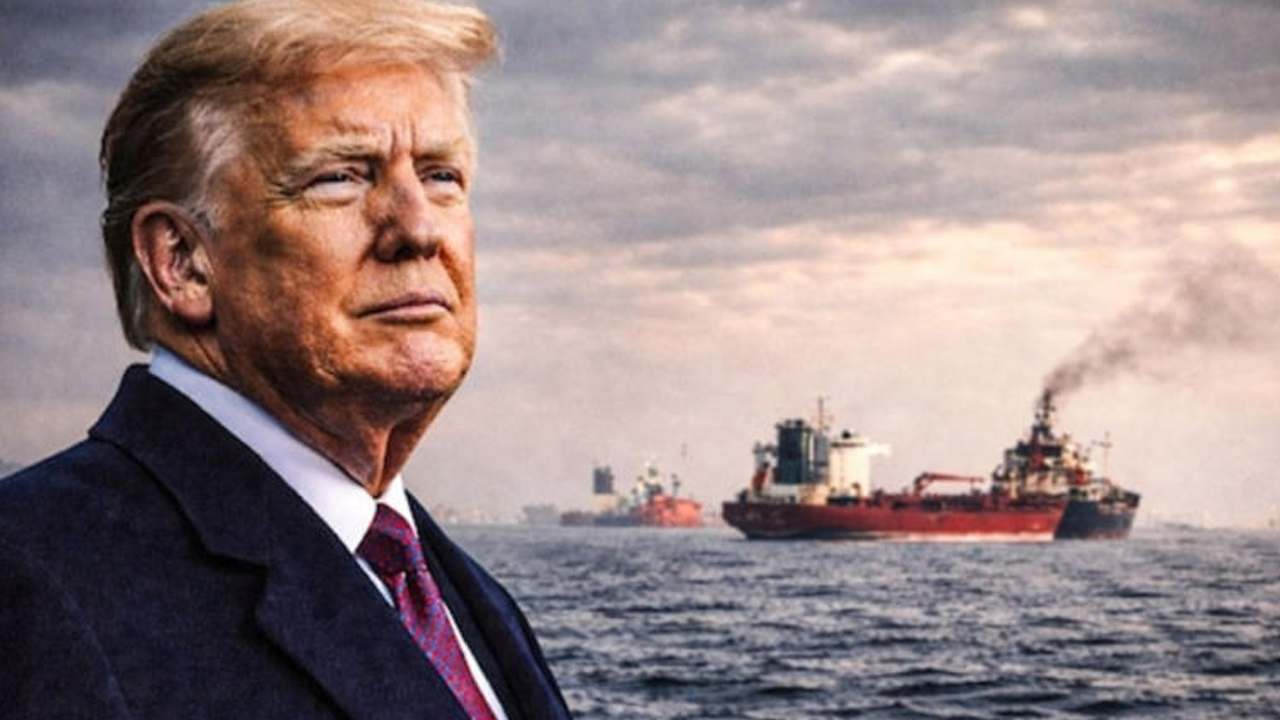
Former US naval officer and Kilwynn Group chairman Harlan Ullman has warned that Donald Trump’s announced ‘Project Freedom’ to resolve the Hormuz Strait crisis could lead to a major disaster if not carefully planned. In an interview with Al Jazeera, Ullman said the mission carries extremely high risks, particularly if Iran decides to resist the operation. He noted that Iran possesses a large number of drones and small warships, which could make the mission highly challenging. Ullman cautioned that any attack on a US warship would leave Washington with no choice but to retaliate. He expressed hope that Trump’s declaration was part of a diplomatic initiative coordinated with Iran and mediators such as Pakistan, Oman, or Saudi Arabia. According to Ullman, the only sustainable solution lies in reopening the Hormuz Strait and initiating long-term diplomatic talks on Iran’s nuclear ambitions. He emphasized that the crisis should be resolved through negotiation rather than military escalation to protect the global economic system.
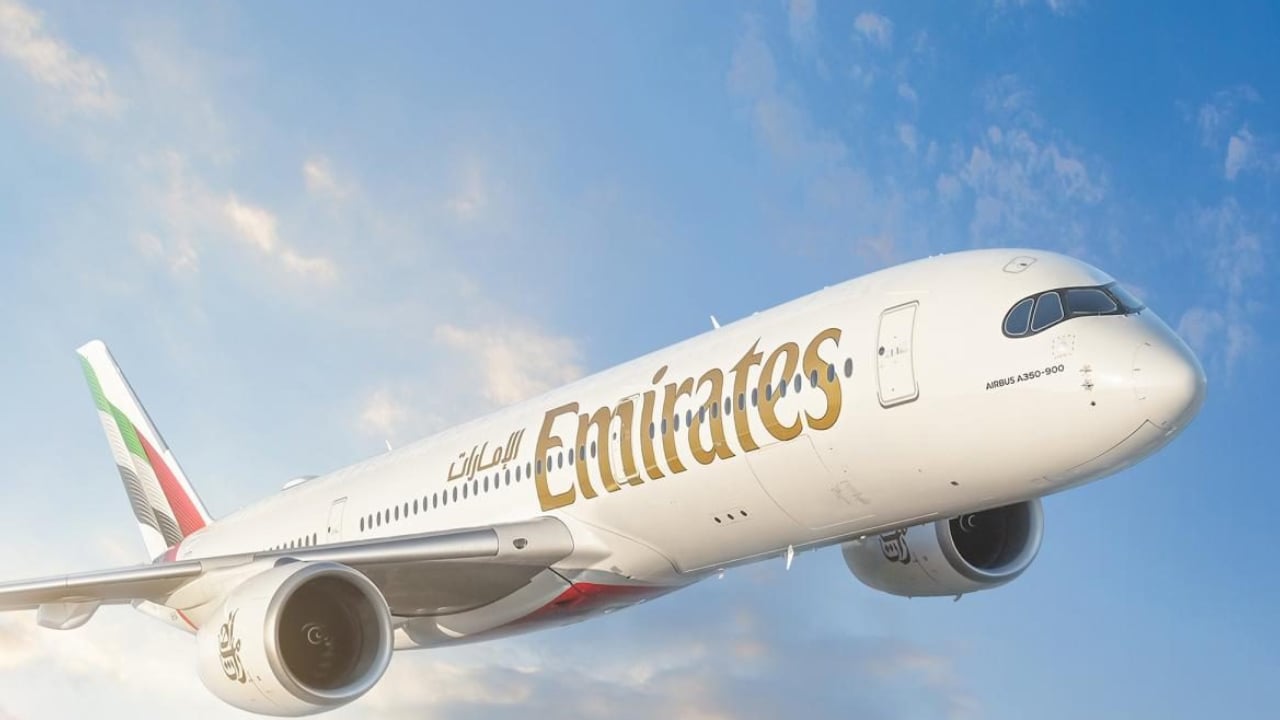
The United Arab Emirates has lifted its temporary ban on all air traffic after assessing improved security conditions. The General Civil Aviation Authority announced on Saturday that the country’s airspace has returned to normal operations. The decision followed coordination with relevant authorities to evaluate operational and safety conditions, though officials said they would continue monitoring the situation. The UAE had imposed the ban after the United States and Israel launched joint strikes on Iran, prompting Tehran to retaliate with attacks on US bases across the Middle East. The conflict led several Gulf countries, including Iraq, Jordan, Qatar, Bahrain, and Kuwait, to close their airspace partially or completely. Major UAE airports in Dubai and Abu Dhabi, among the busiest international hubs, had been affected since late February. According to aviation data firm Cirium, more than 11,000 flights to and from the region were canceled in the early days of the conflict. The lifting of restrictions is expected to ease disruptions for international travelers and airlines operating between Europe and Asia.
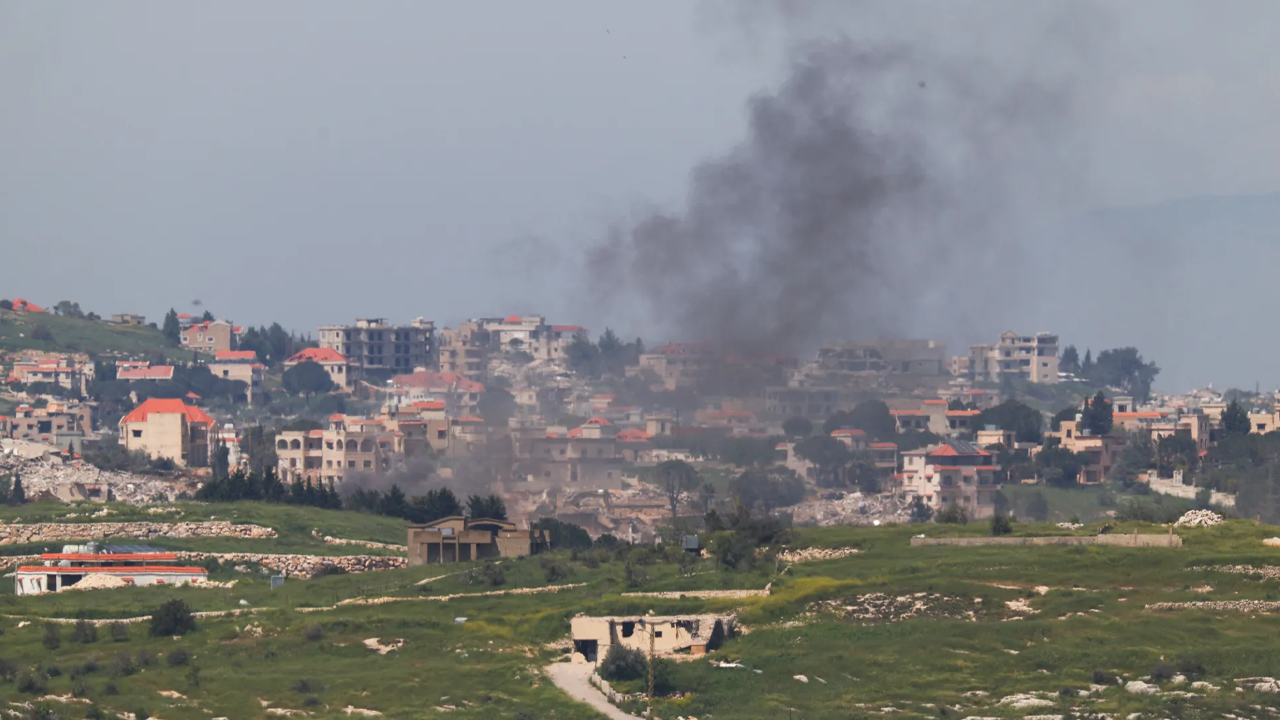
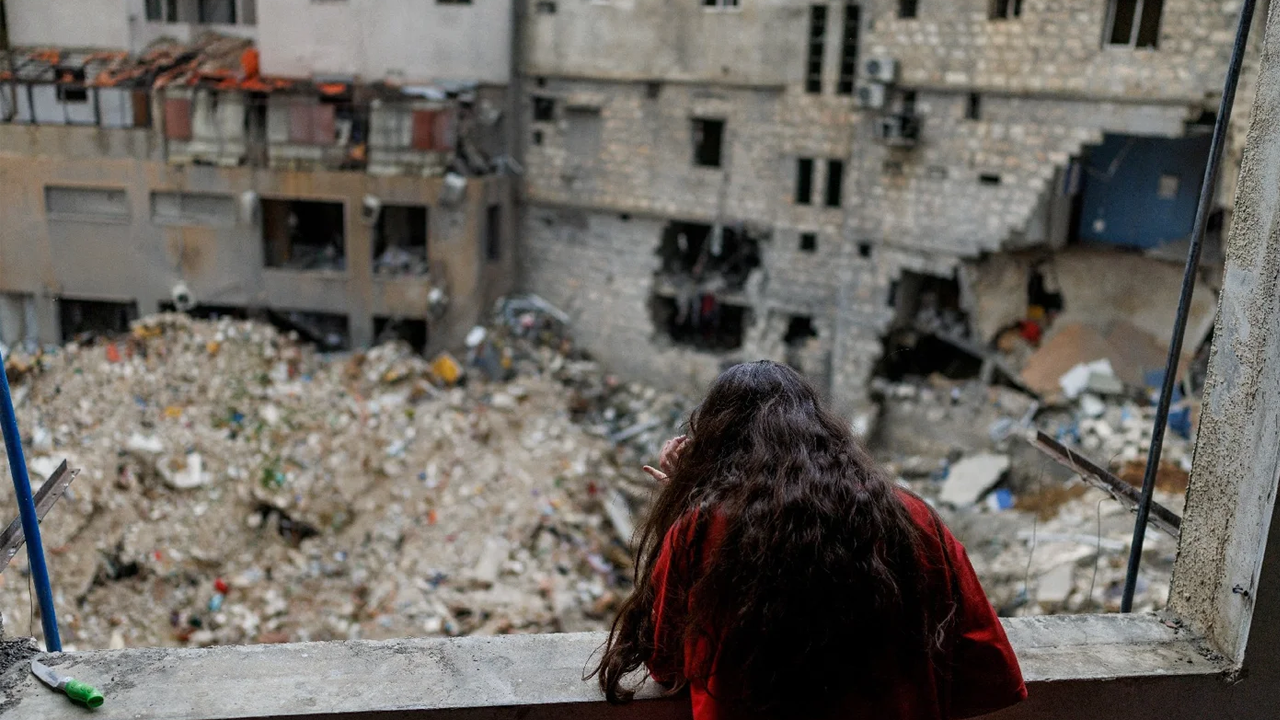
Israeli military attacks have continued across southern Lebanon, with multiple areas hit by airstrikes and shelling. Local sources reported deadly assaults in several locations, including Arab Salim and Srifa near Tyre, where a medical center was struck, injuring at least four paramedics. Heavy exchanges of fire were also reported between Hezbollah fighters and Israeli forces near Bint Jbeil, while nearby Haris and surrounding regions faced intense bombardment. In the southwestern Chama area, Israeli forces reportedly expanded destructive operations, with allegations of civilian homes and historical sites being demolished in Biyyada. Residents described constant aerial activity involving warplanes and drones, heightening fear across the region. Despite hopes for a ceasefire, military tension in southern Lebanon has sharply escalated. According to the Lebanese government, more than 40 people have been killed in just two days, pushing the crisis to a severe level.
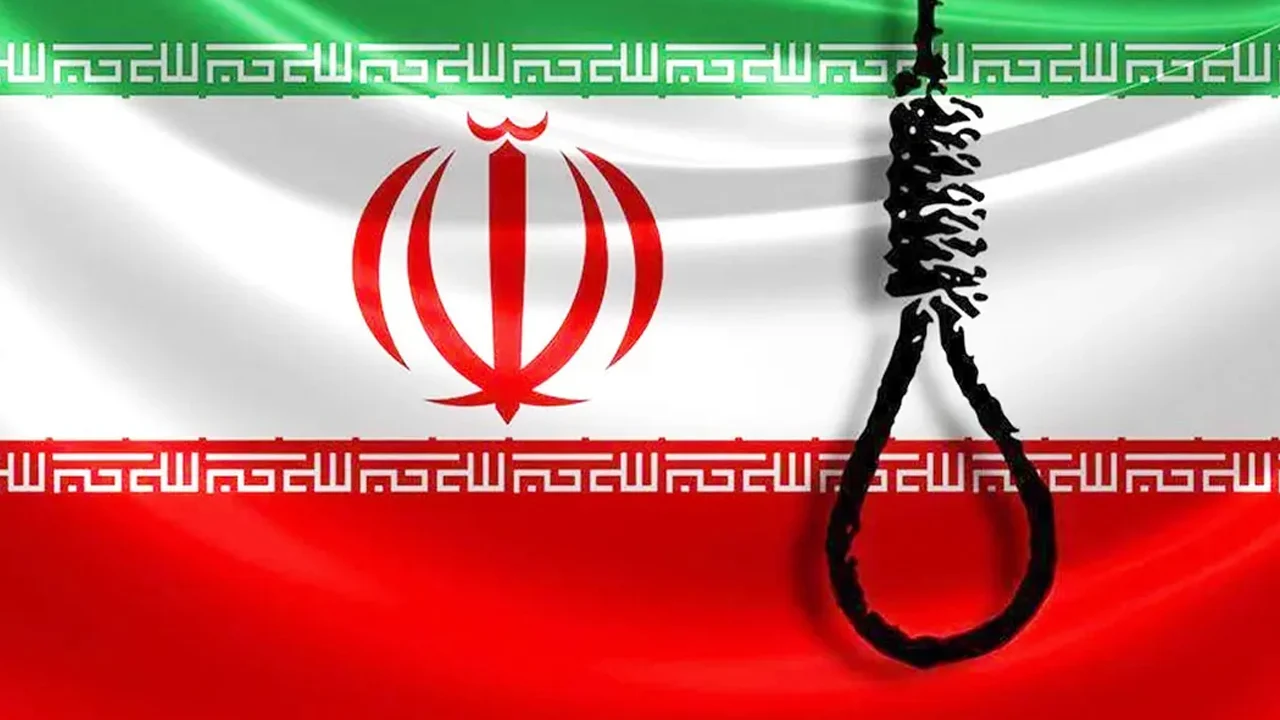
Iran has executed three men accused of working for Israel’s intelligence agency Mossad and inciting violence during anti-government protests in Mashhad. The executions were carried out following allegations that the men were involved in violent acts during demonstrations in the northeastern city earlier this year. The semi-official Fars News Agency identified the executed individuals as Mehdi Rasouli, Mohammadreza Miri, and Ebrahim Doulatabadi. According to the report, Rasouli and Miri were described as linked to Mossad and accused of participating in the killing of security officer Hamidreza Yousefnejad. They were also charged with destroying public property, looting, using Molotov cocktails, and committing crimes against national security. Doulatabadi was accused of leading riots in Mashhad’s Tabarsi area and organizing 250 to 300 armed rioters. Authorities claimed that several security personnel were killed in the clashes, and Doulatabadi was held responsible for damage to a bank, a Basij military base, and other public and private properties.
A rice trader named Abdul Haque was seriously injured and robbed of about two lakh taka by masked assailants in the Moinpur area of Chhatak upazila, Sunamganj. The incident occurred between 10 and 11 p.m. on Sunday near the old hospital and bridge area of Moinpur. Abdul Haque, son of Azhar Ali from Katashala village under Dolar Bazar Union, was returning home on a motorcycle with business money when the attackers ambushed him. The assailants used sharp local weapons to attack him, leaving him critically wounded before fleeing with the cash. Locals rescued the injured trader and provided initial treatment before transferring him to Sylhet MAG Osmani Medical College Hospital as his condition worsened. Residents expressed concern over the security situation in the area following the attack. Police from the Jahidpur outpost visited the scene, and Chhatak Police Station Officer-in-Charge Mizanur Rahman stated that operations are ongoing to identify and arrest those involved.

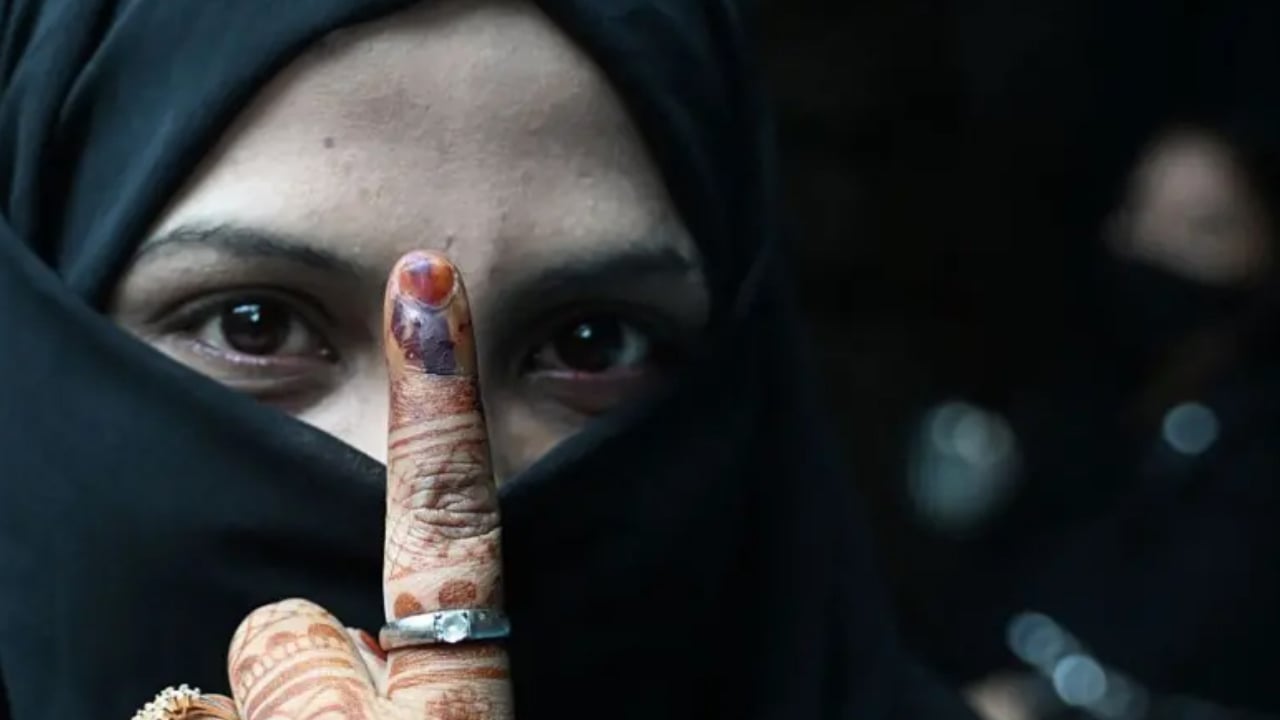
Muslim voters play a central role in West Bengal’s electoral dynamics, accounting for about 27 percent of the state’s population. Their presence is particularly strong in politically decisive districts such as Murshidabad, Malda, North Dinajpur, and parts of South Bengal. According to BBC correspondent Soutik Biswas, Muslim populations exceed 30 percent in around 88 of the state’s 294 constituencies, making their votes crucial in determining electoral outcomes. The 2021 election underscored this influence when the Trinamool Congress won 75 of 85 Muslim-majority seats, signaling strong consolidation behind Chief Minister Mamata Banerjee. For the Bharatiya Janata Party, gaining power in Bengal depends on dividing or weakening this voter bloc while uniting Hindu votes. Biswas noted that issues such as “infiltration,” border districts, and demographic change featured prominently in BJP’s campaign. The current election has become more contentious, with critics alleging that a controversial voter list revision disproportionately affected Muslim voters in several districts, raising concerns about fairness and representation.
Inter Milan secured the Italian Serie A championship with three matches left in the season after defeating Parma 2-0 at San Siro. The victory confirmed Inter’s 21st league title, as they needed only one point following Napoli’s goalless draw in the previous round. Marcus Thuram opened the scoring just before halftime, and Henrikh Mkhitaryan doubled the lead in the 80th minute. Returning from injury, Lautaro Martínez assisted the second goal, marking his comeback. This is Inter’s second league title in three years, placing them second in the all-time Serie A winners list behind Juventus, who have 36 titles. The win also helped the club recover from the disappointment of their Champions League exit earlier in the season. Inter now has the chance to complete a domestic double, as they are set to face Lazio in the Coppa Italia final on May 13. The club last achieved both league and cup victories in the same season in 2011.

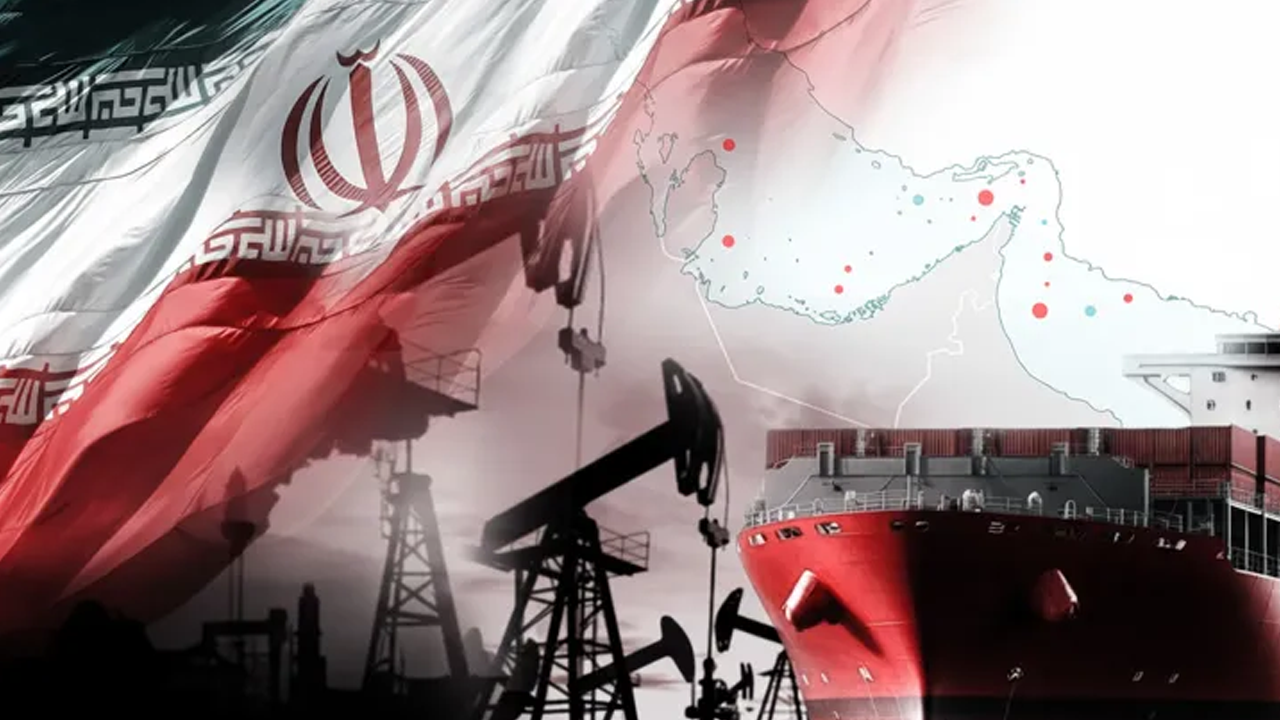
The ongoing conflict involving the United States, Israel, and Iran is reshaping global energy dynamics, forcing countries to reconsider their dependence on unstable regions for fuel supply. The disruption in the Strait of Hormuz has already caused significant changes in global markets, with energy trade patterns shifting rapidly. Amid the turmoil, US energy exports have reached record highs, while the United Arab Emirates has withdrawn from the Organization of the Petroleum Exporting Countries (OPEC), effective May 1. Analysts view this as a major turning point for the global oil market. The International Energy Agency (IEA) has described the situation as the largest global energy security challenge in history. Experts suggest that the ongoing instability in the Strait of Hormuz, combined with OPEC’s fragmentation and the search for alternative supply routes, could permanently alter the global energy order.
Iran’s health sector is facing a severe crisis as recent war and sanctions have sharply disrupted the country’s medical supply chain. Grigor Simonyan, head of the Iran mission of Doctors Without Borders (MSF), said that the conflict has caused major interruptions in supply systems, leading to a significant rise in medicine prices. Locally produced medical equipment had previously met much of the demand, but the war has damaged the entire supply chain, increasing pressure on the system and driving up costs. Simonyan added that the number of patients has risen notably in recent weeks, particularly after a ceasefire announcement, as uncertainty has prompted more people to seek treatment. Iranian officials confirmed that prices of some medicines have doubled, while others have increased up to tenfold due to shortages of essential materials and raw inputs. Long-standing U.S. sanctions, recent military attacks damaging major pharmaceutical producers, and port blockades have further complicated the situation. Government sources said prices of about 20 percent of all medicines have already changed, raising serious concern among ordinary citizens.
Real Madrid extended the La Liga title race by defeating Espanyol 2–0 away on May 4, 2026. After a goalless first half, Vinicius Junior scored twice in the second half to secure a vital win for Carlo Ancelotti’s team. With 34 matches played, Real now have 77 points, maintaining an 11-point gap behind Barcelona, who sit on 88. The result postponed Barcelona’s potential title celebration by at least another week. Barcelona’s previous victory over Osasuna had put pressure on Real Madrid, as a draw or loss in this match would have confirmed Barcelona as champions. However, Real’s win kept their slim hopes alive. The upcoming El Clasico on May 10 is now expected to play a decisive role in determining the league title, with Barcelona needing only a draw to clinch their 29th championship. Espanyol’s defeat ended their faint hopes of qualifying for European competition. Despite a strong start to the season, they remain winless in 2026, recording six draws and ten losses in 16 matches.

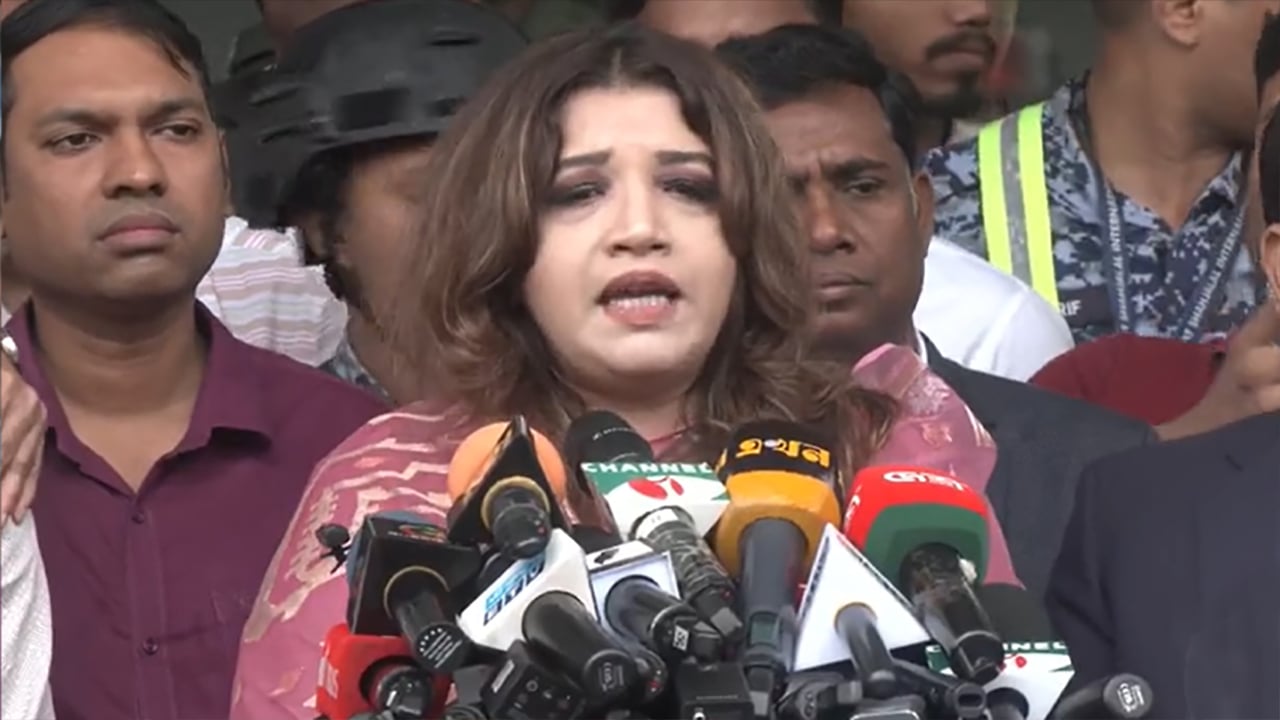
Bangladesh’s State Minister for Foreign Affairs, Shama Obaid Islam, stated that the government is maintaining communication with U.S. authorities to ensure a fair investigation and trial over the killing of two Bangladeshi students in Florida. She made the remarks on Monday morning at Dhaka’s Hazrat Shahjalal International Airport while receiving the remains of Jamil Ahmed Limon, one of the victims. The minister added that the process of bringing back the body of the other victim, Nahida Sultana Brishti, is underway and that the government will stand by the victims’ families. Limon’s dismembered body arrived in Dhaka at 8:40 a.m. on May 4 after all legal procedures were completed in coordination with the Bangladesh Embassy in Washington, the Consulate General in Miami, the victim’s family, university authorities, local Bangladeshi expatriates, and police. His funeral prayer was held earlier at the Islamic Society of Tampa Bay Area mosque. Nahida Sultana Brishti’s body was identified on May 1 by the Hillsborough County Sheriff’s Office, and her first funeral prayer is scheduled for May 6 in Tampa. The Bangladesh Embassy in Washington and the Miami Consulate are jointly coordinating the repatriation of Brishti’s remains to Bangladesh.
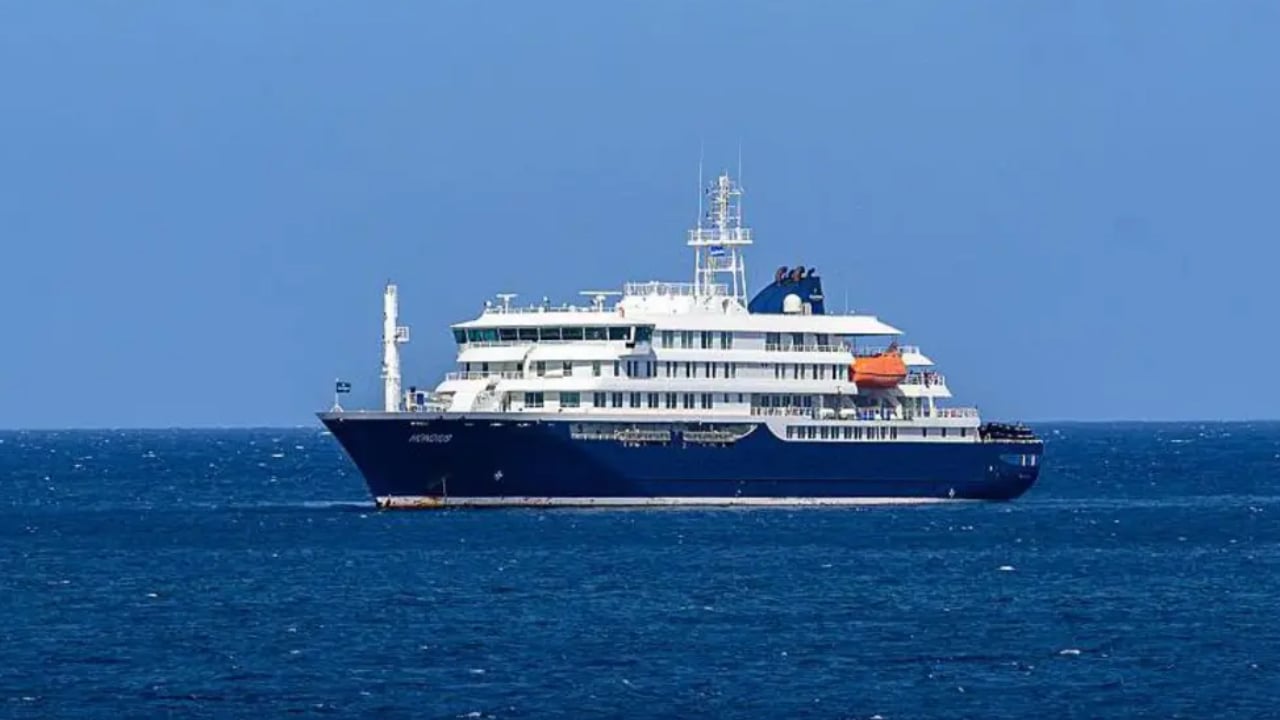
A suspected hantavirus outbreak aboard a cruise ship traveling from Argentina to Cape Verde has resulted in three deaths, according to the World Health Organization as reported by the BBC. A 70-year-old male passenger on the MV Hondius fell ill and died after the vessel reached Saint Helena Island. His 69-year-old wife also became ill and later died in a hospital in Johannesburg, South Africa. Hantavirus is a rodent-borne virus that spreads through inhalation of particles from dried rodent droppings. Professor Paul Griffin, Director of Infectious Diseases at Mater Health Services in Australia, told the Australian Broadcasting Corporation that hantavirus is not a common virus but can be severe. He noted that cruise ships provide favorable conditions for infection spread due to confined spaces and prolonged close contact among passengers. Griffin added that since the COVID-19 pandemic, hygiene practices have improved, making hantavirus transmission among cruise passengers highly unusual.
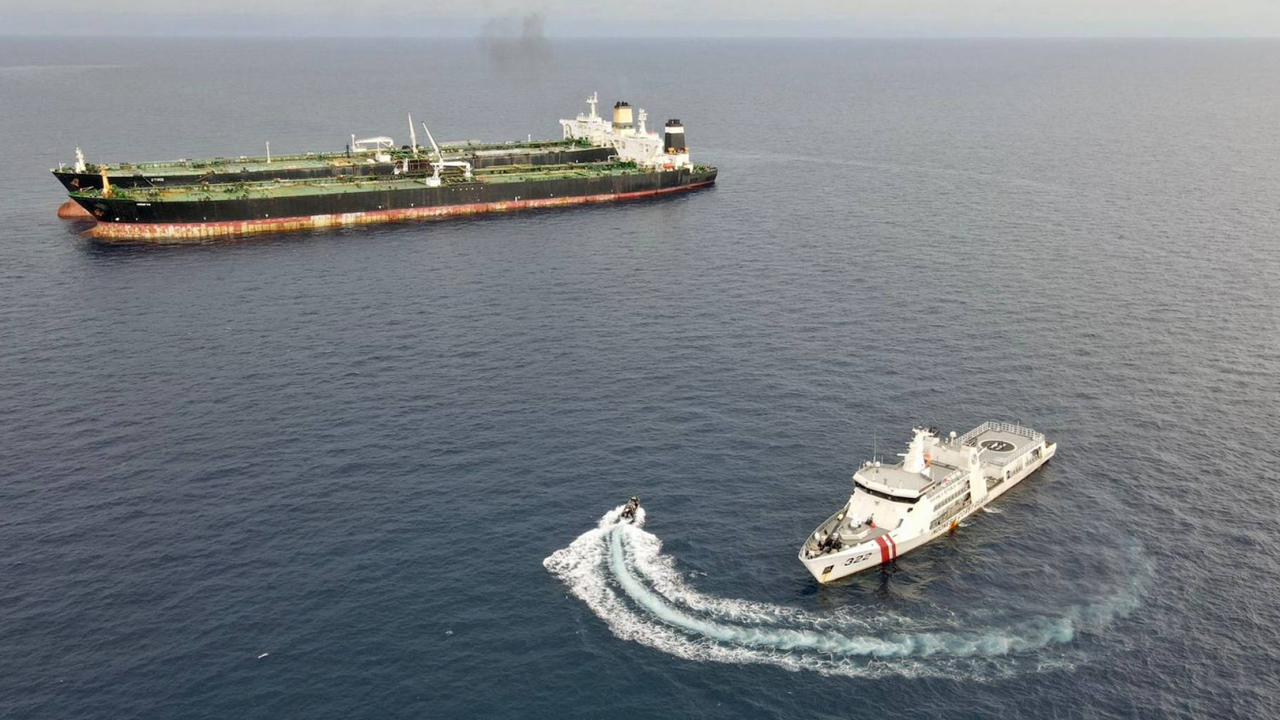
An Iranian very large crude carrier (VLCC) named 'Derya' has entered Indonesia’s Lombok Strait, reportedly evading detection by the United States Navy. The vessel is now moving through Indonesian waters toward the Riau Islands, according to the oil shipping monitoring group TankerTrackers.com. The group stated on social media that the ship had earlier attempted to unload 1.88 million barrels of Iranian crude oil in India in mid-April but failed. TankerTrackers added that after the failed attempt in India, the Derya continued southward while other Iranian vessels in the region were being forced back to Iran by the US Navy. The firm also reported that another Iranian supertanker, the 'Huge', carrying 1.9 million barrels of oil, entered the Lombok Strait a day earlier, also heading toward the Riau Islands. According to TankerTrackers, a total of 25 Iranian oil tankers departed from Iran in April. Of these, seven were sent back to Iranian ports and two were seized by US forces, while the rest reached their destinations successfully.
The ‘1 Nojor’ media platform is now live in beta, inviting users to explore and provide feedback as we continue to refine the experience.