

The ‘1 Nojor’ media platform is now live in beta, inviting users to explore and provide feedback as we continue to refine the experience.
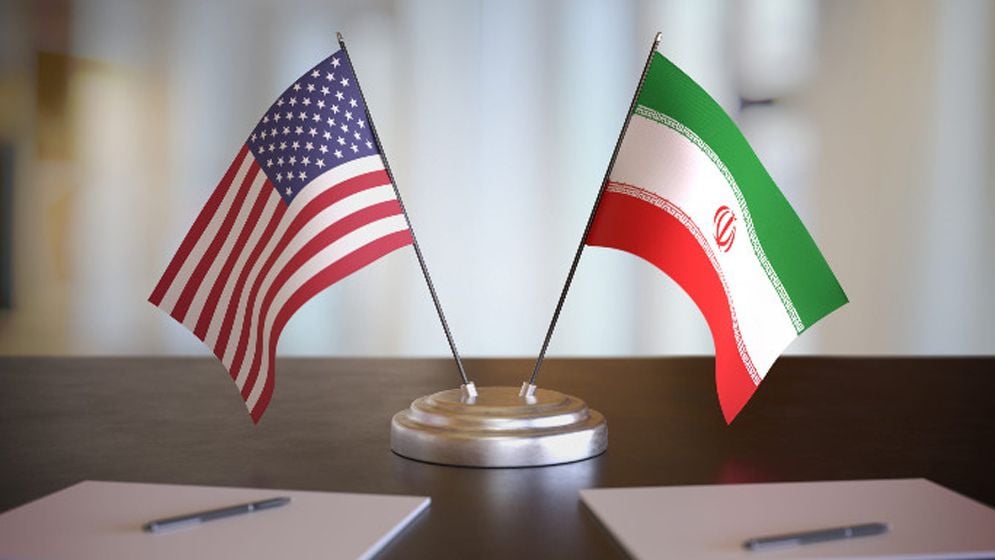
U.S. President Donald Trump has announced that he will soon review Iran’s latest peace proposal, though he expressed skepticism about its acceptance. The announcement came on Saturday through a post on Trump’s social media platform, Truth Social, where he stated that Iran had sent a plan for consideration but that he doubted it would be acceptable. Trump made the remarks while staying in West Palm Beach, Florida. In his post, Trump argued that Iran had not yet paid enough for the harm it had caused to humanity and the world over the past 47 years. Details of Iran’s new proposal have not been disclosed, leaving the content and scope of the plan unclear. The report, citing AFP, noted that Trump’s comments may further reduce hopes for easing the ongoing tensions between the two countries. The lack of transparency around the proposal and Trump’s dismissive tone suggest that prospects for diplomatic progress remain uncertain.

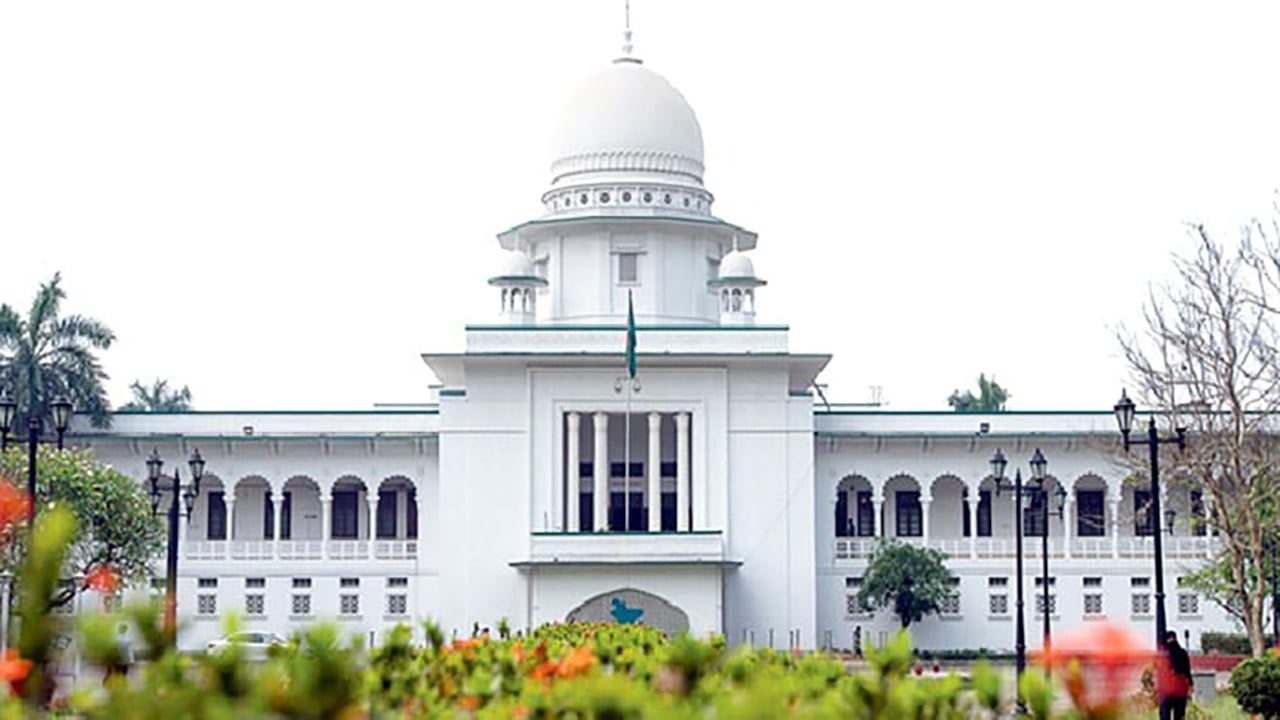
Thirteen judges have been appointed to monitor subordinate courts across Bangladesh’s eight divisions. Chief Justice Zubayer Rahman Chowdhury reconstituted the committees, forming 13 separate 'Monitoring Committees for Sub-Ordinate Courts' for each division. The Supreme Court announced the restructuring on Saturday, also assigning 13 judicial officers to provide secretarial support to the committees. According to the Supreme Court administration, the newly formed committees include Justice Sheikh Md Zakir Hossain for Barishal, Justice Md Habibul Gani for Rajshahi-2, Justice JBM Hassan for Dhaka-1, Justice Md Mujibur Rahman Mia for Khulna-1, Justice Md Zafar Ahmed for Khulna-2, Justice Razik Al Jalil for Mymensingh, and Justice Fatema Najib for Dhaka-2. Other divisions are assigned to Justices SM Kuddus Zaman, Shashanka Shekhar Sarkar, Ahmed Sohel, Sardar Md Rashed Jahangir, KM Hafizul Alam, and Md Atabullah. Earlier, in January 2022, eight judges were assigned to monitor the divisions, followed by 13 in October 2023. The committees were last restructured in April of the previous year.
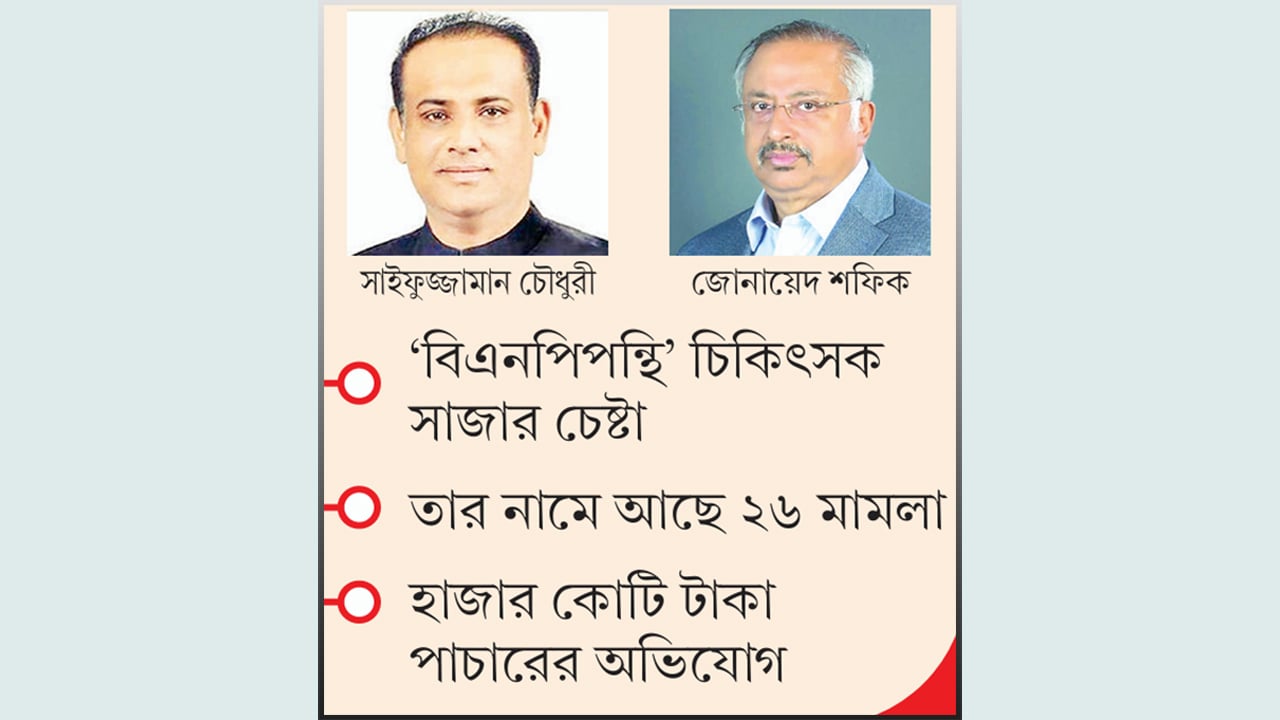
Dr. Jonaid Shafi, described in the report as a financial sector figure and relative of former land minister Saifuzzaman Chowdhury, is reportedly preparing to return to Bangladesh to manage the minister’s business interests. According to the source, Shafi fled the country after a July uprising and has since been living in Dubai. He faces at least 26 cases, including corruption and money laundering charges, with two charge sheets already filed by the Anti-Corruption Commission. A Chattogram court has issued an arrest warrant against him, and his and his wife’s bank accounts have been frozen by the Bangladesh Financial Intelligence Unit. The report states that Shafi is attempting to rebrand himself as sympathetic to the opposition BNP, seeking contact with party leaders and the Doctors’ Association of Bangladesh. He allegedly plans to surrender upon return, seek bail citing health reasons, and then attempt to regain control of his former business network. Allegations against him include embezzlement of hundreds of crores of taka from banks and misuse of corporate loans. The source notes that efforts to obtain Shafi’s comment were unsuccessful.
Bangladesh’s economy is increasingly pressured by global energy market volatility and internal structural weaknesses, according to experts speaking at a webinar titled “Economy Trapped in Energy Crisis,” organized by the Power and Participation Research Centre (PPRC) on Saturday. Participants said rising fuel prices, a prolonged dollar shortage, and import dependence are affecting production, agriculture, transport, and daily life. They questioned whether the situation is a temporary shock or a sign of a deeper energy trap. Speakers including former energy secretary A.K.M. Zafar Ullah Khan, former Bangladesh Agricultural University vice-chancellor Sattar Mandal, and industry leaders discussed the severity of the crisis and possible solutions. They noted that supply constraints, panic buying, and limited storage capacity have worsened the situation. Khan emphasized the need for uninterrupted supply despite price fluctuations, while Mandal highlighted growing diesel demand in agriculture. Trade Services International chairman Syed Mahmudul Haque warned of rising national financial pressure from global oil price hikes. Participants suggested expanding renewable energy use and accelerating gas exploration. PPRC executive chairman Hossain Zillur Rahman cautioned that bureaucratic delays could hinder timely policy action.

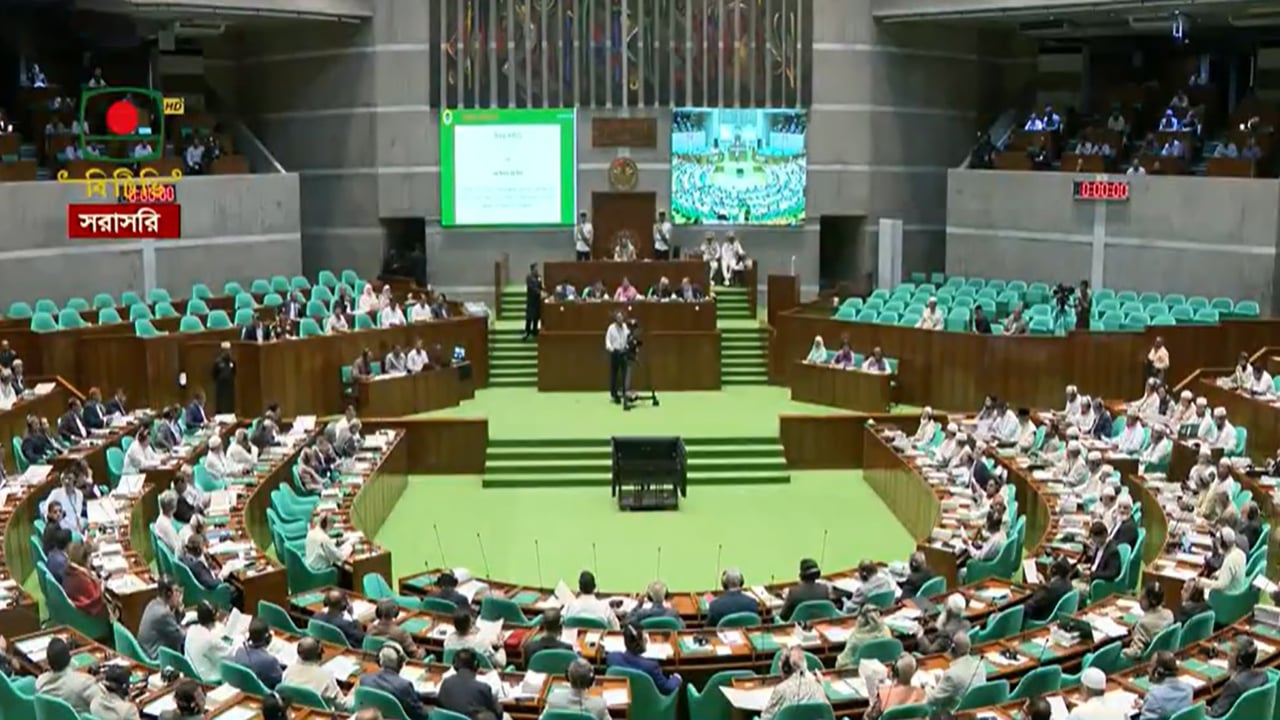
Bangladesh’s 13th National Parliament concluded its first session on April 30, 2026, after 25 working days marked by heated debates and multiple walkouts. The session, which began on March 12 under senior member Khandaker Mosharraf Hossain’s chairmanship, saw the passage of 94 bills, including 91 ordinances reissued from the interim government. The most contentious discussions centered on the Liberation War and the use of the so-called “’71 card,” as ruling BNP lawmakers repeatedly invoked the war to challenge opposition Jamaat-e-Islami’s historical role. The opposition staged four walkouts over issues including the July Charter, constitutional reform meetings, and ordinance repeals. Political analysts described the session as vibrant yet divisive, noting that BNP used the Liberation War narrative much like the former Awami League government once did. They observed that while the parliament displayed greater procedural balance and neutrality from the Speaker, debates often revived old ideological divisions. Analysts also highlighted that the session reflected both cooperation and confrontation between the government and opposition. Experts suggested that despite its energy, the session exposed weaknesses in legislative effectiveness and warned that unresolved issues around the July Charter and reform ordinances could shape future political tensions.
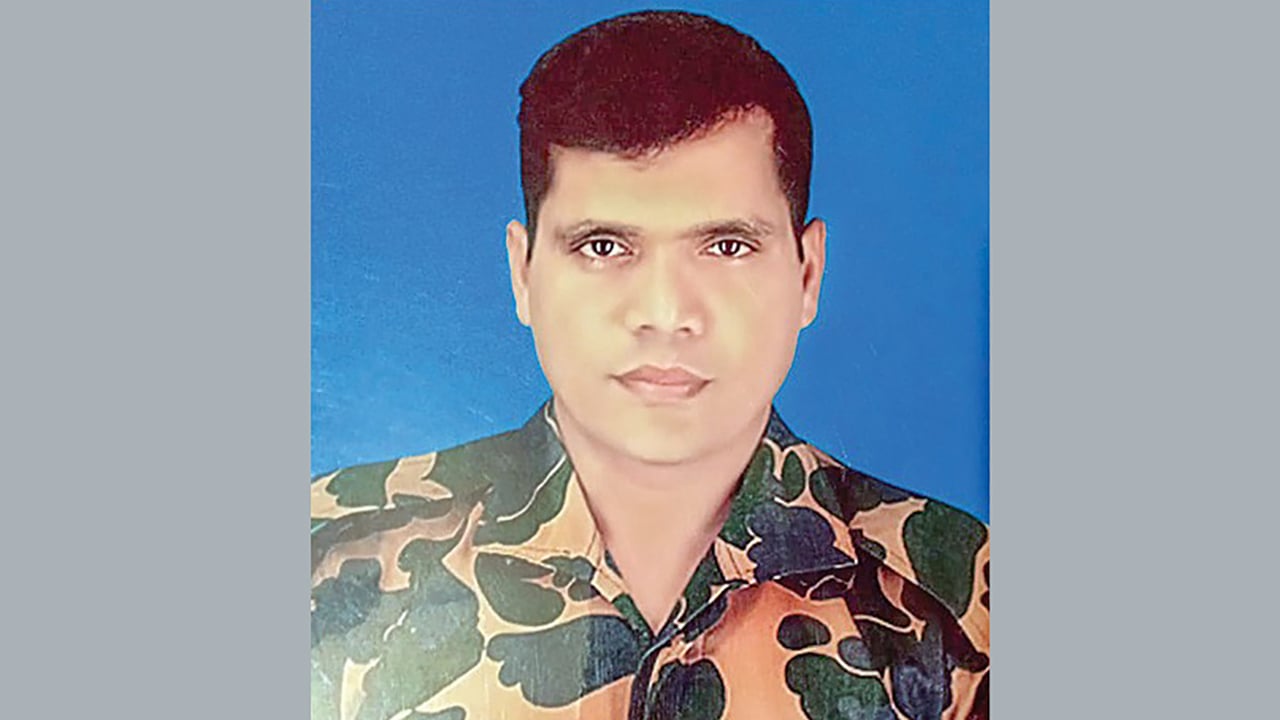
Nazrul Islam Mallik, a medical assistant at the BDR Hospital during the 2009 Pilkhana massacre, was a direct witness to the killings of 74 people, including 57 army officers. After escaping from the hospital during the uprising, he went into hiding under a false name. Despite living secretly for years, he was abducted and later found dead, his body recovered from the Baleshwar River in Bagerhat. Following the fall of the Sheikh Hasina government on August 5, 2024, Nazrul’s wife, Munni Akter, filed a case seeking justice for his murder. The International Crimes Tribunal is currently trying dismissed army officer Major General Ziaul Ahsan for crimes against humanity, including the killing of Nazrul and others. Family accounts describe how Nazrul disappeared in March 2010 after being taken by plainclothes men and was later identified through DNA testing. Investigators reportedly informed the family that Ziaul Ahsan was responsible for Nazrul’s death. The case remains part of a broader investigation into enforced disappearances and killings linked to the 2009 BDR mutiny.
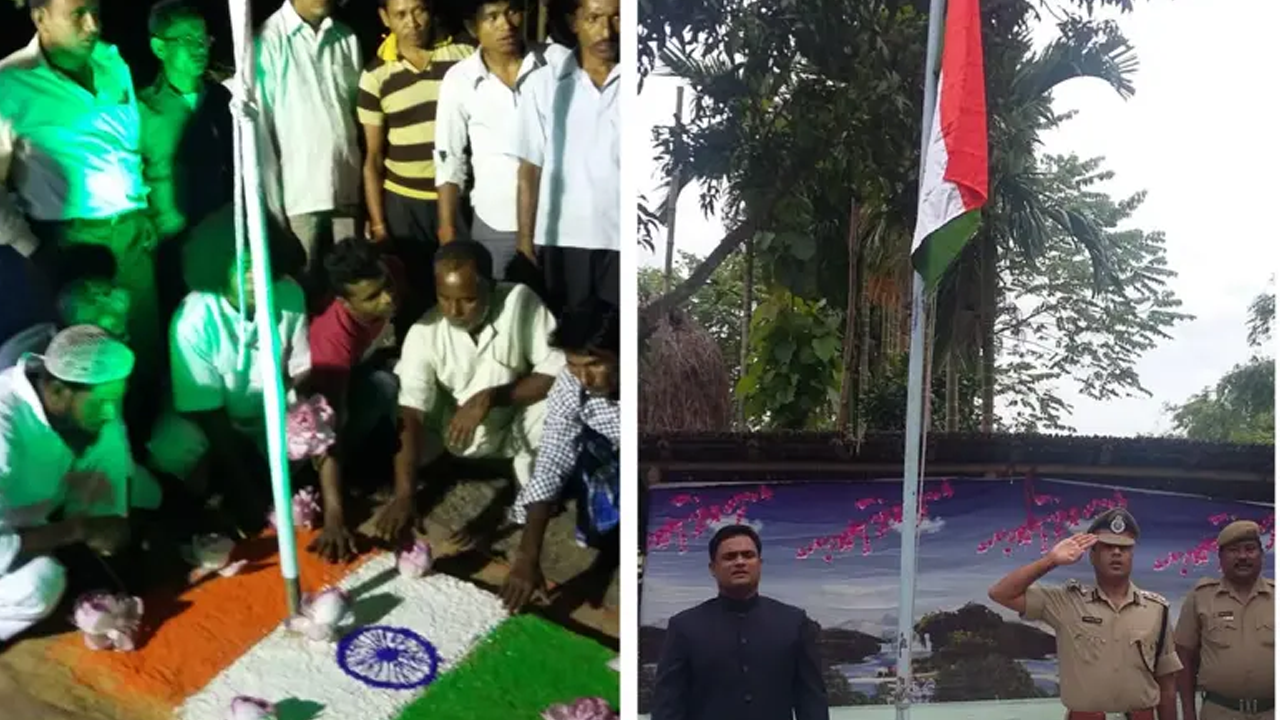
The 2026 West Bengal assembly election has concluded, drawing attention to the political and social transformation of former enclave residents in Cooch Behar. These communities, once stateless and deprived of basic services, became Indian citizens after the 2015 land boundary agreement between India and Bangladesh, which exchanged 162 enclaves. Villages like Poaturkuthi and Mashaldanga now have electricity, roads, and schools, but residents say many promises remain unfulfilled. Interviews with villagers reveal frustration over incomplete land ownership documentation, limited job opportunities, and the rise of political divisions. Once united in their struggle for citizenship, former enclave residents are now split among parties such as the Trinamool Congress, BJP, and left groups. Some attribute this division to local political pressure and personal interests, while others lament the loss of unity that once defined their movement. Community leaders and residents express that despite improvements in infrastructure, the expected social and economic benefits have not fully materialized. The story of these former enclaves reflects both progress and disillusionment in the post-exchange years.
Bangladesh’s long-awaited administrative reform proposals have stalled, with the report of the Abdul Muyeed Chowdhury Commission remaining unimplemented. The commission, formed by the interim government to build a transparent, accountable, and citizen-friendly administration, had recommended dismantling colonial and feudal bureaucratic structures and ensuring merit-based recruitment and promotion. However, senior officials and experts told Amar Desh that the proposals are now effectively shelved, and initiatives such as asset declarations and dual citizenship disclosures by officials have lost momentum. Public administration experts say bureaucratic behavior has not changed despite regime shifts, with corruption, bribery, and harassment persisting across government offices. Citizens interviewed across eight divisions reported that bribery has increased in land, transport, and passport offices. Former officials alleged that the interim government failed to reform the politicized bureaucracy inherited from the Awami League era. The government, however, maintains that it is committed to building an efficient and neutral administration, prioritizing merit and integrity in promotions and transfers. Analysts warn that without implementing the Muyeed Commission’s recommendations, efforts to establish good governance and accountability will remain ineffective.

European football’s 2025–26 season is entering its final stretch, with title races nearing resolution across major leagues. Bayern Munich have already secured the Bundesliga crown, while Spain’s La Liga and Italy’s Serie A are approaching decisive moments. In La Liga, Barcelona lead with 85 points after 33 rounds, followed by Real Madrid on 74. Barcelona faced Osasuna last night, and Real Madrid meet Espanyol tonight. If Barcelona win and Real Madrid lose or draw, the Catalan club will clinch their 29th league title. In Italy, the Serie A title race is also reaching its climax. Inter Milan top the table with 79 points after 34 matches, ahead of Napoli on 69 and AC Milan on 67. With only four matches remaining, Inter can secure their 21st league title tonight by defeating Parma, regardless of other results. As May progresses, the European football season is at its most intense stage, with league outcomes potentially changing within hours.

In Gaza City, new luxury cafes and restaurants have appeared among the ruins and piles of debris, featuring glass walls, expensive furniture, and bright lights. Images of these establishments have been circulated by pro-Israel social media accounts to suggest that life in Gaza has returned to normal and that no genocide occurred. However, eyewitness accounts describe a starkly different reality, where most residents struggle to survive amid destruction and displacement. According to a recent visitor to Gaza City, these upscale venues are owned and frequented by war profiteers who became wealthy through smuggling, looting, and hoarding goods during the conflict. Ordinary citizens, once able to afford cafes, now face tripled food prices and unaffordable transport costs. Many families live in tents without electricity, clean water, or stable livelihoods. Analysts cited in the report argue that the rise of such luxury spaces does not signal recovery but rather highlights deep social inequality and ongoing abnormality in Gaza’s shattered society.

Former Fox News host and political commentator Tucker Carlson has alleged that U.S. President Donald Trump is acting as a 'hostage' to Israeli Prime Minister Benjamin Netanyahu in the ongoing war with Iran. In an interview published Saturday by The New York Times, Carlson said Trump was less an independent decision-maker and more constrained by Netanyahu and his supporters in the United States. He claimed Trump launched the war on February 28 but was unable to withdraw from it, and that the president was fighting against his own will. Carlson further stated that only hours after Trump announced a ceasefire with Iran on April 8, Israel began killing civilians in Lebanon in a manner that drew global attention. He argued that Israel’s goal was to block all diplomatic solutions and continue the conflict until Iran was destroyed and destabilized. Criticizing Trump’s reluctance to publicly challenge Netanyahu, Carlson described the situation as one of total control, calling it a form of servitude. Carlson has long been known as a prominent media ally of Trump, previously describing a 2024 assassination attempt on the president as 'divine intervention.'

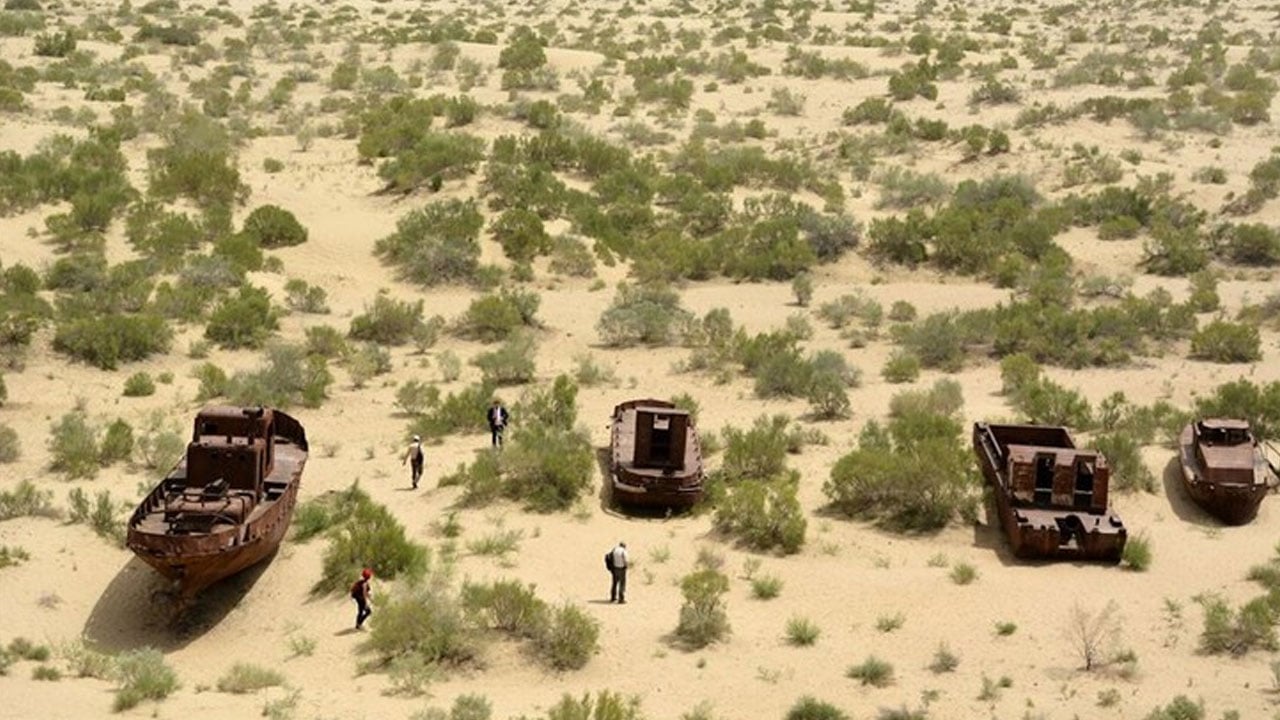
Once the world’s fourth-largest lake, the Aral Sea—spanning Kazakhstan and Uzbekistan—has now shrunk to less than one-tenth of its original size. Once a thriving source of fish and livelihood for local communities, the sea’s ports now stand abandoned, and its exposed seabed has turned into a toxic, saline desert. The United Nations Development Programme has described the situation as one of the twentieth century’s most severe environmental disasters. The crisis began in the 1960s when Soviet irrigation projects diverted the Amu Darya and Syr Darya rivers to support cotton cultivation, drastically reducing water inflow. As evaporation outpaced replenishment, the sea fragmented into smaller bodies, and the newly exposed land became known as the Aralkum Desert, one of the world’s youngest deserts. In response to the ongoing environmental degradation, Central Asian leaders recently convened in Kazakhstan’s capital, Astana, to discuss joint water resource management and strategies to prevent further damage to the region’s fragile ecosystem.
More than three million people in the United States have lost access to food assistance following the enforcement of stricter federal rules. According to The Wall Street Journal, citing federal data, participation in the Supplemental Nutrition Assistance Program (SNAP) has dropped by about 3.5 million since the new conditions took effect in July last year. The revised policy requires able-bodied adults aged 18 to 64 without children under 14 to work, volunteer, or attend approved training for at least 80 hours per month to remain eligible. Previously, the work requirement applied only up to age 54, and adults with children under 18 were exempt. The new rules also exclude some legally residing non-citizens who were previously eligible, in addition to undocumented immigrants who were already barred. The U.S. Department of Agriculture reported that an average of 42.1 million people received SNAP benefits last fiscal year, costing about $101.7 billion. Since the implementation of President Donald Trump’s tax and spending law in July, participation has steadily declined, reaching 38.5 million by January, an 8 percent drop in six months.

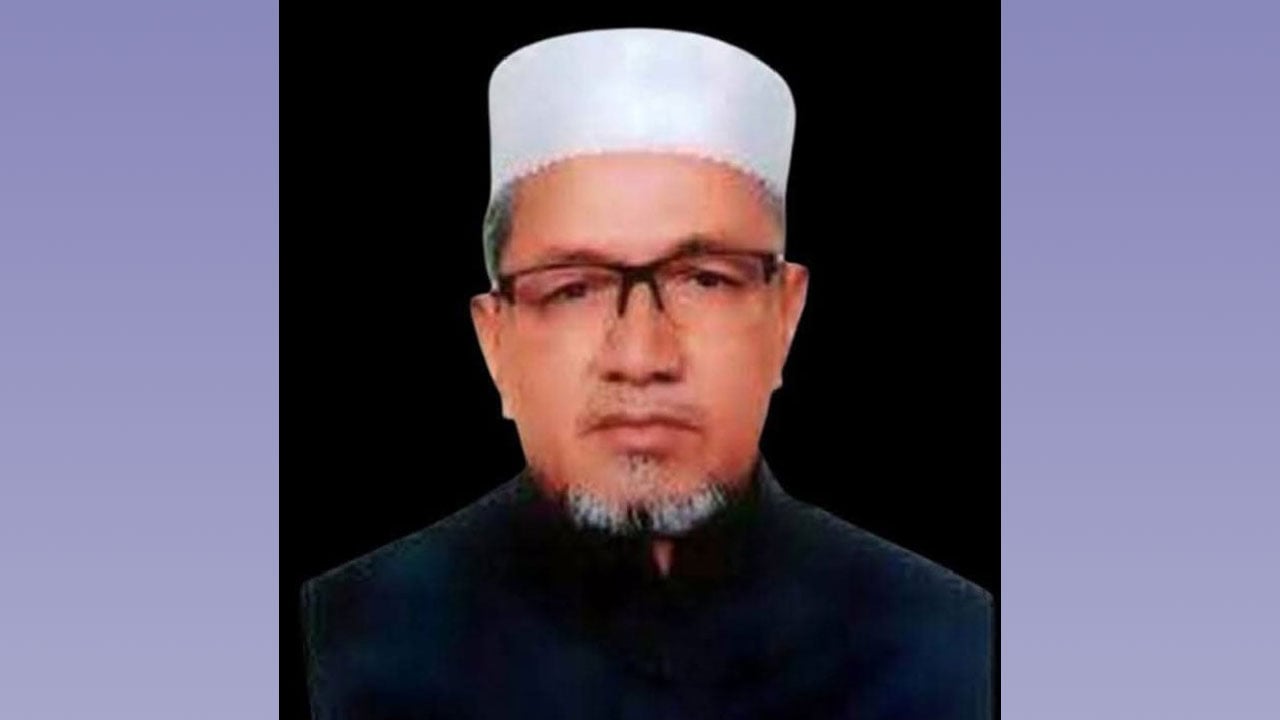
Former six-time Member of Parliament and ex-Constituent Assembly member Alhaj Md. Moslem Uddin has died at the age of 88. He passed away at around 11:30 a.m. on Saturday, May 2, 2026, at a hospital in Dhaka. Moslem Uddin was a former president of the Mymensingh District Bar Association and a leader of the now-banned Awami League activities in Phulbaria upazila. His first funeral prayer was held the same day after the noon prayer at Taqwa Mosque in Dhanmondi, Dhaka. Additional funeral prayers are scheduled for Sunday at the Mymensingh District Lawyers’ Association at 10 a.m., Phulbaria Government High School field at 3 p.m., and Alhaj Md. Moslem Uddin Orphanage field at 5 p.m. He will be buried at his home in Neugi Kushmail. His eldest son, Imdadul Haque Selim, confirmed the news on Facebook. Moslem Uddin is survived by two sons and two daughters.
Iran has presented a 14-point peace proposal to the United States aimed at achieving a permanent end to the ongoing war, according to a report by Iran’s semi-official Tasnim News Agency published on Sunday. The report stated that the U.S. had earlier sent a nine-point proposal to Iran. Al Jazeera also reported on the exchange of proposals between the two countries. Tasnim’s report said the U.S. had requested a two-month ceasefire period, while Iran insisted that all issues be resolved within 30 days. Iran emphasized that its focus was not merely on extending a ceasefire but on ending the war completely. The Iranian plan includes guarantees of non-aggression, withdrawal of U.S. forces from areas near Iran, lifting of naval blockades, release of Iran’s frozen assets, removal of sanctions, and cessation of fighting on all fronts, including Lebanon. According to the report, Iran is now awaiting the U.S. response to its 14-point proposal.
The ‘1 Nojor’ media platform is now live in beta, inviting users to explore and provide feedback as we continue to refine the experience.