

The ‘1 Nojor’ media platform is now live in beta, inviting users to explore and provide feedback as we continue to refine the experience.
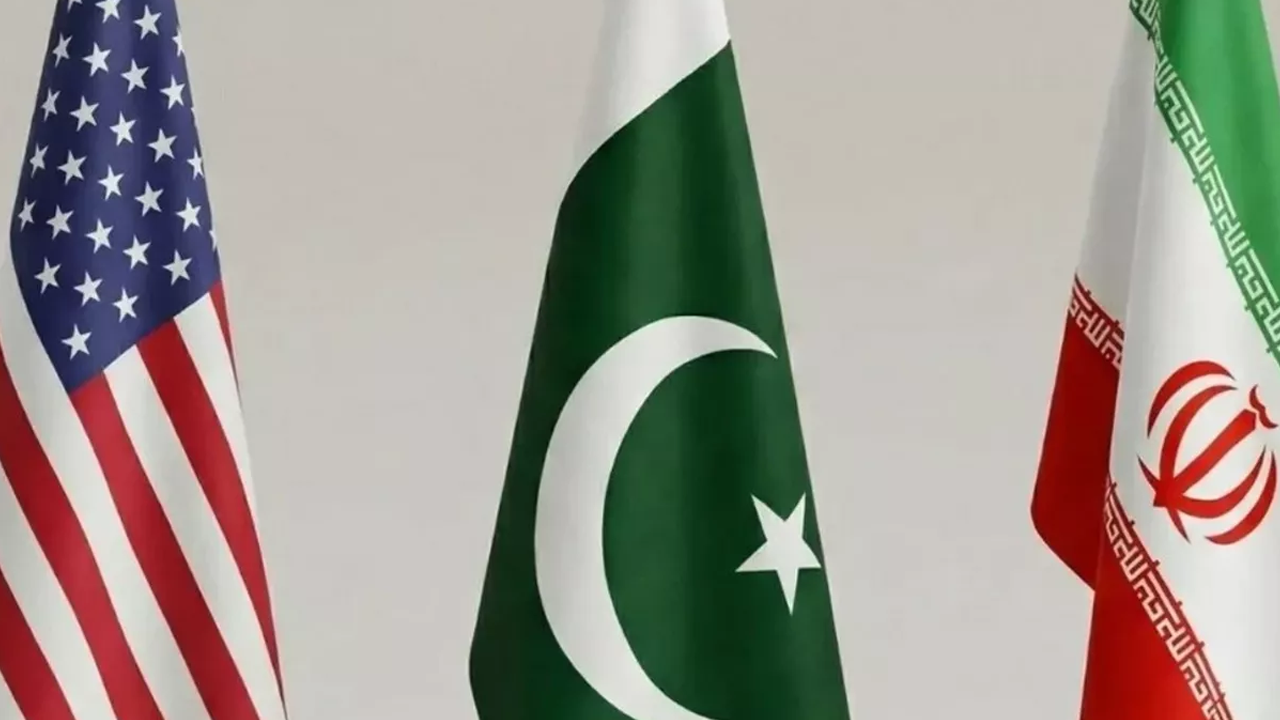
Iran has sent a revised proposal to Pakistan aimed at ending the ongoing conflict. According to an Iranian diplomat, the proposal was handed over to Pakistan on Thursday, with the country acting as a mediator. The diplomat told Al Jazeera on Friday that the document had been delivered the previous day. The new proposal had been awaited by U.S. President Donald Trump, who had rejected Iran’s earlier offer last week. Reports indicate that the previous proposal called for a ceasefire first, followed by discussions on Iran’s nuclear program. Trump, however, preferred to finalize a nuclear agreement while hostilities continued. Details of the revised proposal have not yet been disclosed. The conflict began after a joint U.S.-Israeli attack on Iran on February 28, which triggered 40 days of fighting. A ceasefire brokered by Pakistan on April 8 between Iran and the United States remains in effect.
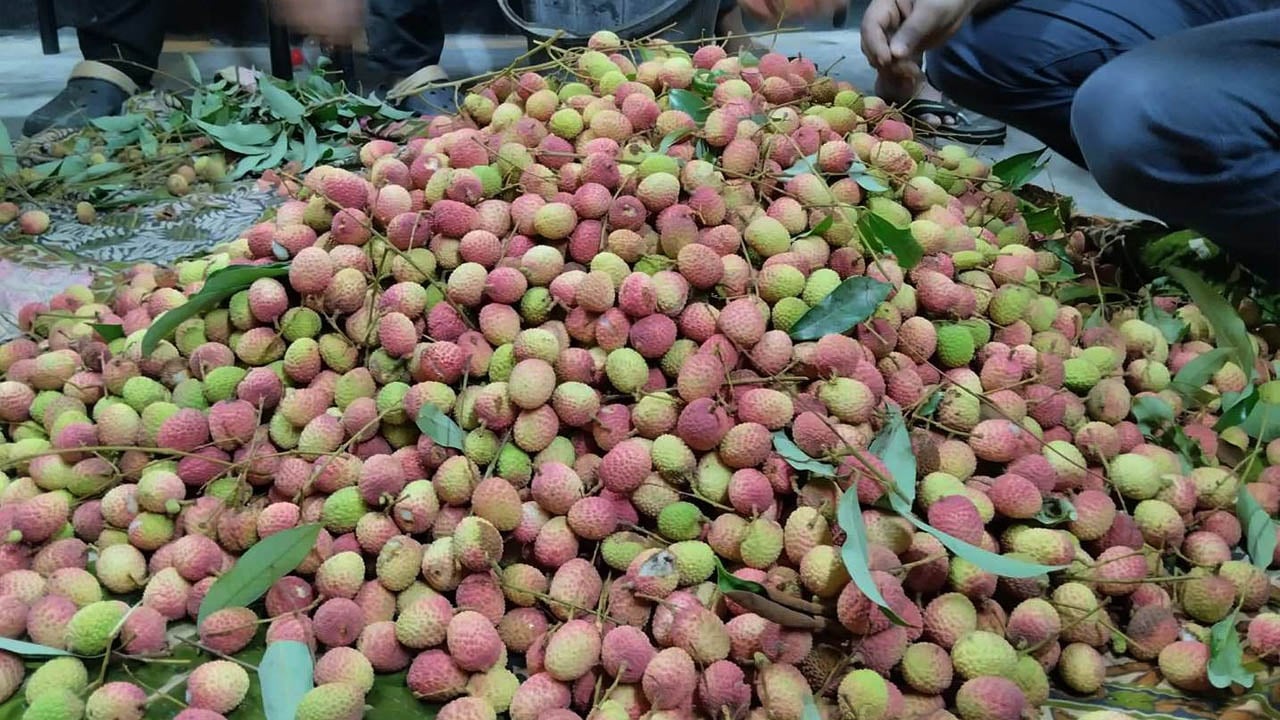
At Rajshahi University’s Bijoy-24 Hall, student leaders of the hall council organized a unique initiative on Friday afternoon by picking lychees from the hall’s trees and distributing them directly to students’ rooms. The hall’s provost, Professor Md. Jamirul Islam, was present during the activity. According to the organizers, around five thousand lychees were collected from the hall premises and distributed equally among 135 rooms, including the PhD block, as well as among hall staff members. Each room received about 25 to 30 fresh lychees. Hall council vice president Russell Mia said the initiative continued a tradition started the previous year, aiming to share the seasonal fruit with all residents and create a festive atmosphere reminiscent of childhood memories. Provost Professor Jamirul Islam noted that one of the hall’s lychee trees had produced an abundant harvest this year, and the distribution allowed everyone to enjoy it together. The event fostered joy and community spirit among students and staff.
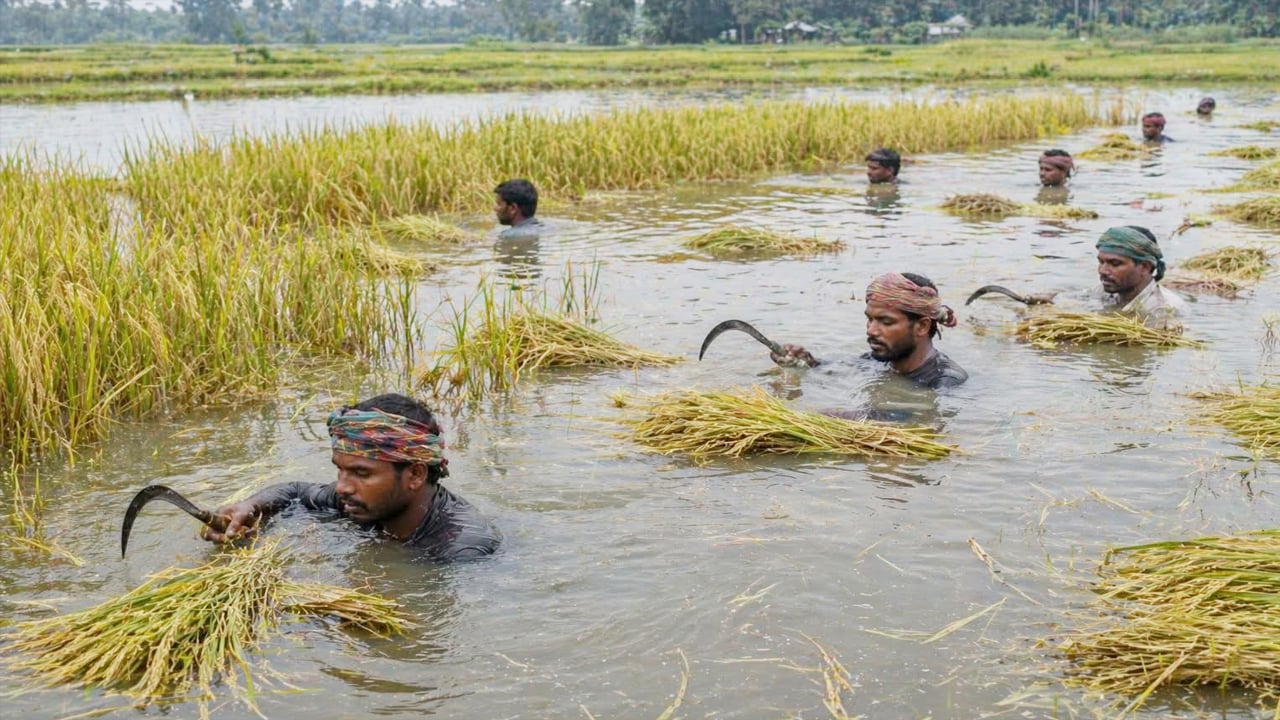
Continuous heavy rainfall and flash floods have submerged large areas of ripe Boro paddy in the haor regions of Nabiganj upazila in Habiganj district. Farmers in villages such as Fatehpur have seen their nearly harvested crops go underwater as embankments broke under the pressure of rising water. Many farmers, including Haralal Baishnab and Jamal Mia, expressed despair as they could not harvest their crops due to a shortage of laborers and boats. According to the Department of Agricultural Extension in Nabiganj, around 400 hectares of ripe Boro paddy have been submerged, with 27,355 hectares cultivated in haor areas this season. About 67 percent of the haor paddy had been harvested before the floods. Private sources reported that 40 percent of the total crop had been cut, but 15 percent of that is at risk of rotting due to lack of sunlight. The affected unions include Bara Bhakoir (West and East), Dighalbak, Kargaon, Bausa, and Paniunda. Farmers who cultivated paddy with loans fear they will be unable to repay their debts, as the sudden floods have destroyed their expected yields.
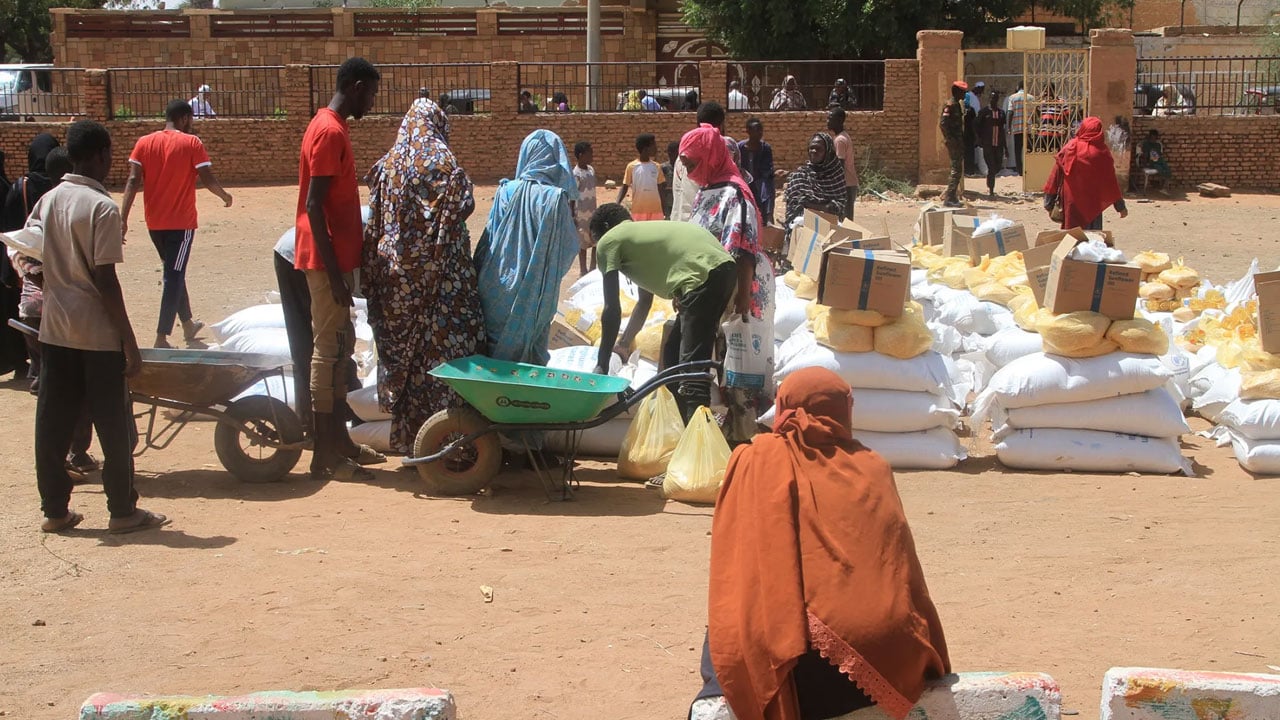
The United Nations refugee agency (UNHCR) reported that the ongoing conflict surrounding Iran has sharply increased the cost of delivering humanitarian aid to Sudan and caused significant delays. According to the agency, instability in key Gulf shipping routes, particularly the Strait of Hormuz, along with port congestion, rising fuel prices, and higher insurance costs, have driven up transportation expenses and slowed relief operations. Speaking in Geneva, UNHCR spokesperson Carlotta Wolf said that aid shipments previously sent from Dubai through Gulf routes must now travel via Europe and around the Cape of Good Hope, extending delivery times by up to 25 days. She noted that people in urgent need are receiving assistance much later than required. The cost of sending aid from Dubai to Sudan and neighboring Chad has risen from 927,000 to 1.87 million dollars, more than doubling. The UN described Sudan’s ongoing conflict as the world’s largest displacement crisis, leaving millions dependent on humanitarian aid now facing higher costs and longer delays.
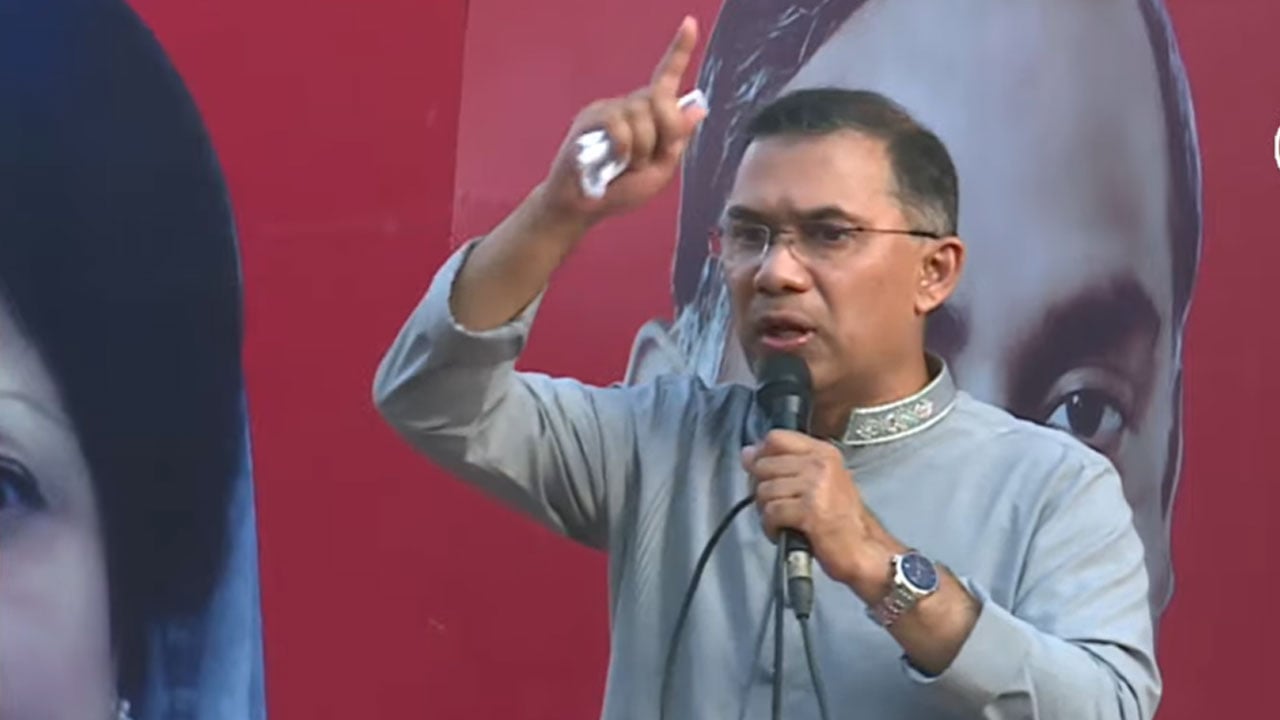
Prime Minister and BNP Chairperson Tarique Rahman stated that Bangladesh will prosper when its working people are well-off. He announced that the government will ensure employment opportunities for laborers. Rahman made these remarks on Friday afternoon while addressing a rally organized by the Labor Party to mark International Workers’ Day. During his speech, Rahman said that many factories had been shut down during the previous authoritarian government, and his administration has taken initiatives to reopen them. He emphasized that his government is working for the welfare of workers and also supporting farmers by introducing farmer cards and standing beside them. The event highlighted the government’s focus on labor welfare and agricultural support as part of its broader development agenda.
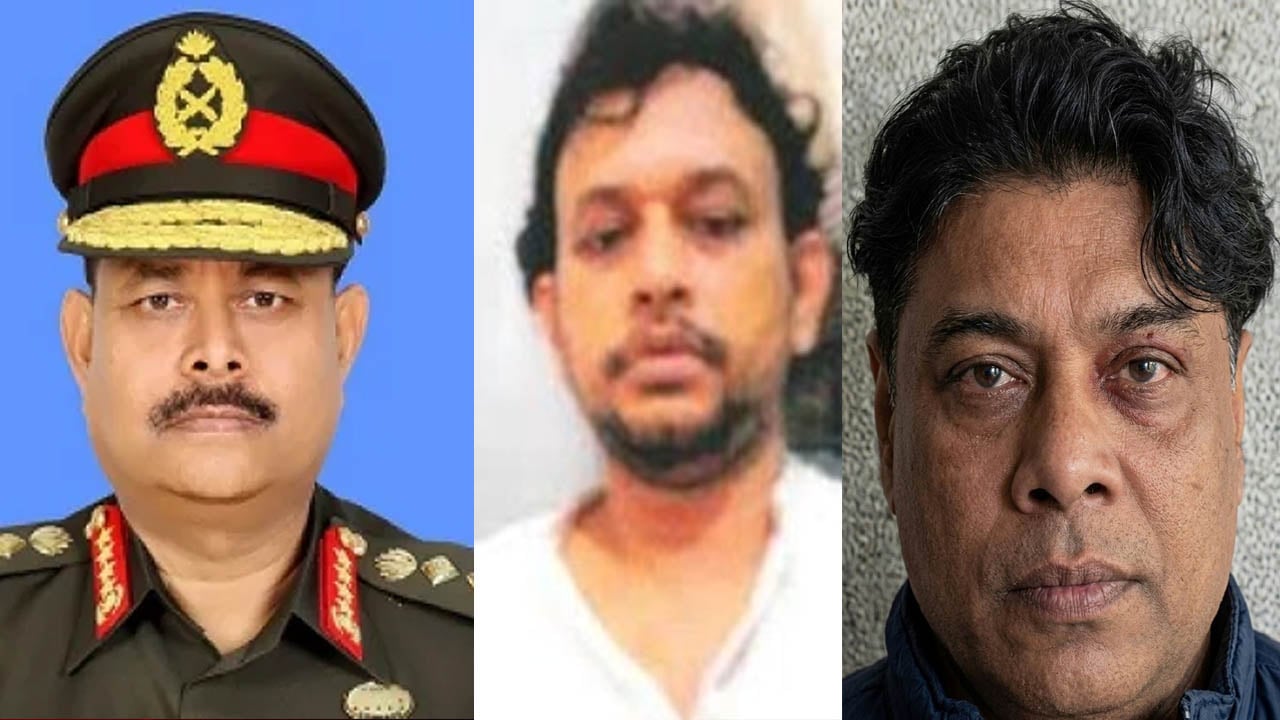
Detectives in Dhaka have found evidence linking Joseph, brother of former army chief Aziz Ahmed, to the killing of top gangster Naeem Ahmed Titon. Police believe Joseph orchestrated the murder out of longstanding enmity. The attack took place on Tuesday night near Shahnewaz Hostel in the New Market area, where Titon was shot dead. His brother later filed a murder case against eight to nine unidentified suspects. According to investigators, Joseph, currently in Sweden, allegedly financed the killing mission from abroad. Titon, once a leading member of the Five Star group in the 1990s, had rivalries with the Seven Star group, which Joseph was associated with. Police suspect the murder was an act of revenge following Titon’s release from prison. Another gangster, Pichchi Helal, denied involvement in an audio message, claiming Titon’s brother-in-law Iman was responsible. Dhaka Metropolitan Detective Police said the killers have not yet been identified or arrested. CCTV footage from the area has been collected, and efforts are ongoing to track down those involved.
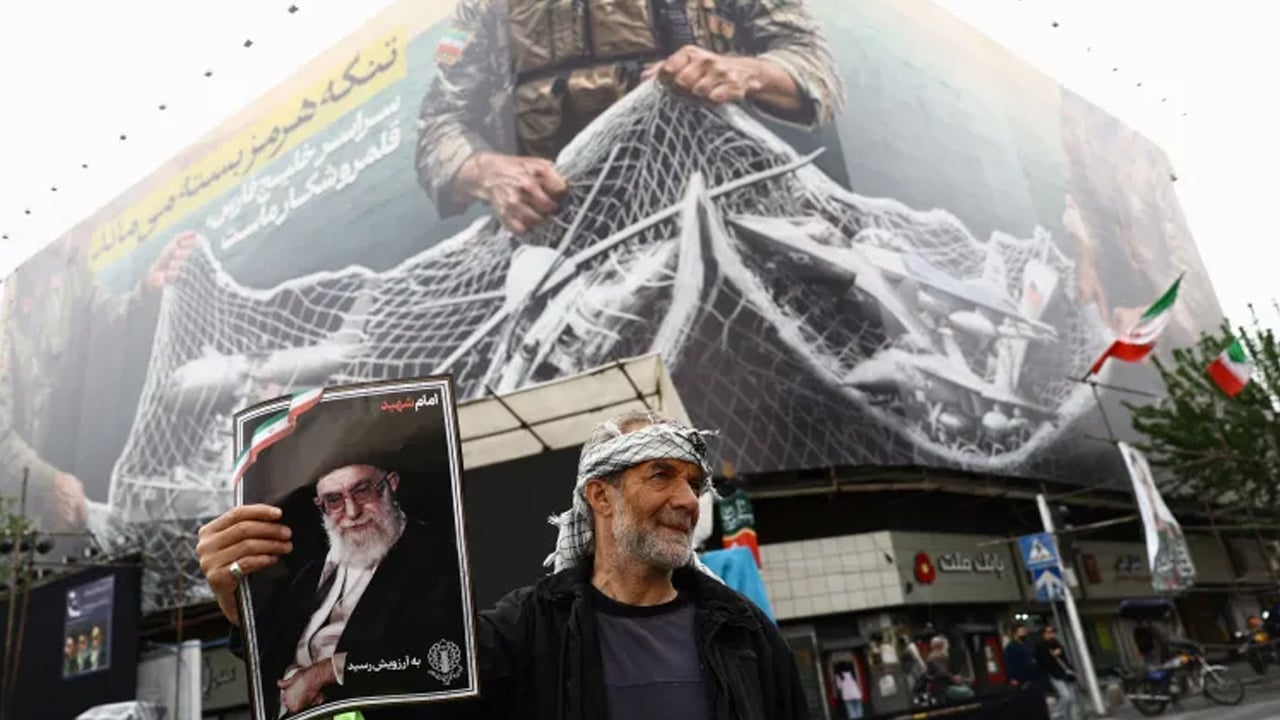
Despite a ceasefire lasting more than two weeks between Iran and the United States, regional tensions remain high. On the 63rd day of the conflict, U.S. President Donald Trump again hinted at possible military action, while Iranian President Masoud Pezeshkian described the American naval blockade of Iranian ports as intolerable. Reports from Tehran indicated activation of air defense systems targeting small drones and aircraft. In Lebanon, despite a ceasefire, Israeli attacks in the south killed at least 15 people, including women and children, while two Israeli soldiers were injured in retaliatory strikes. U.S. Defense Secretary Pete Hegseth told the Senate that 1,701 civilians, including 254 children, have died in the war so far, though he said the Pentagon is taking measures to minimize civilian casualties. Trump is also considering withdrawing troops from Italy and Spain due to opposition to the Iran war. The United Arab Emirates has banned travel to Iran, Lebanon, and Iraq, urging citizens already there to return home. The conflict has pushed global oil prices to a four-year high, with Brent crude rising 7 percent to $126.41 per barrel. Israeli Defense Minister Israel Katz warned that further action might be needed to prevent Iran from posing renewed threats.
Experts have warned that the Iran war’s impact on global oil markets could inflict lasting harm on the US economy. The International Energy Agency (IEA) described the situation as one of the worst oil supply crises in history, triggering what economists call “demand destruction,” where soaring prices force consumers to permanently change spending habits. Rising fuel costs are already draining Americans’ savings and tax refunds, hitting low-income households hardest. RSM US chief economist Joe Brusuelas said the US economy faces a chain reaction: higher energy prices act like an extra tax on families and businesses, eroding confidence, halting major purchases, reducing profits, and prompting layoffs. The Federal Reserve may raise interest rates, worsening the downturn. With the Strait of Hormuz closed, fertilizer and industrial raw material supplies are also disrupted, raising fears of further food price increases in coming months. Michigan State University’s David Ortega noted that food price shocks may take six months or more to fully appear. Oxford Economics’ Nancy Vanden Houten said a ceasefire and partial oil price stabilization may have prevented a total collapse, though conditions remain volatile.

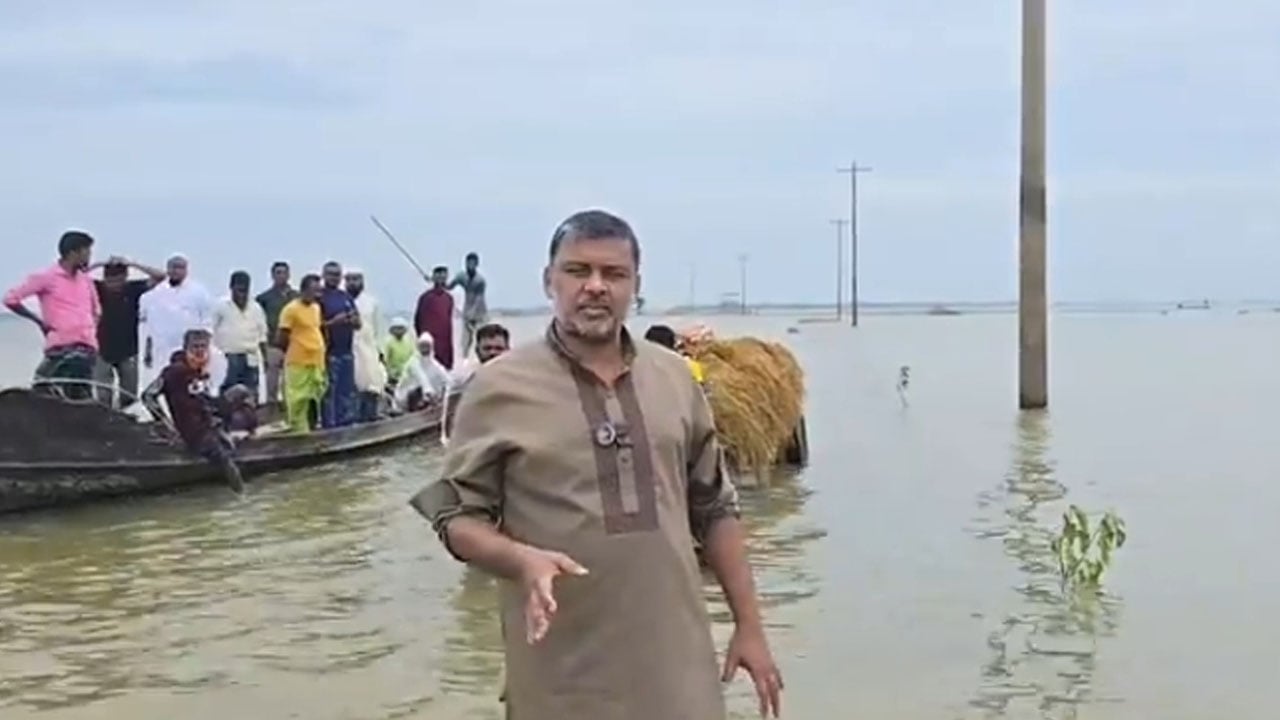
Supreme Court senior lawyer and Jamaat-e-Islami central working committee member Mohammad Shishir Monir has criticized the construction of unplanned embankments in the haor areas of Sunamganj. Speaking live on Facebook from Chhaya Haor in Shalla on Friday morning, he said hundreds of crores of taka are spent every year on embankments that lack proper water drainage systems. He emphasized that canals and wetlands are not being excavated and called for immediate dredging of haor canals, rivers, and wetlands to ensure water flow. Monir stated that heavy rainfall has submerged boro paddy fields in Sunamganj, causing the crops to rot and resulting in widespread distress among farmers. He described the situation as a humanitarian disaster, with people struggling to find food for themselves and their cattle. He urged the government to declare Sunamganj an environmentally affected area and to stand beside the farmers. He also mentioned that the government has announced three months of financial assistance but questioned how many people would actually receive the support.
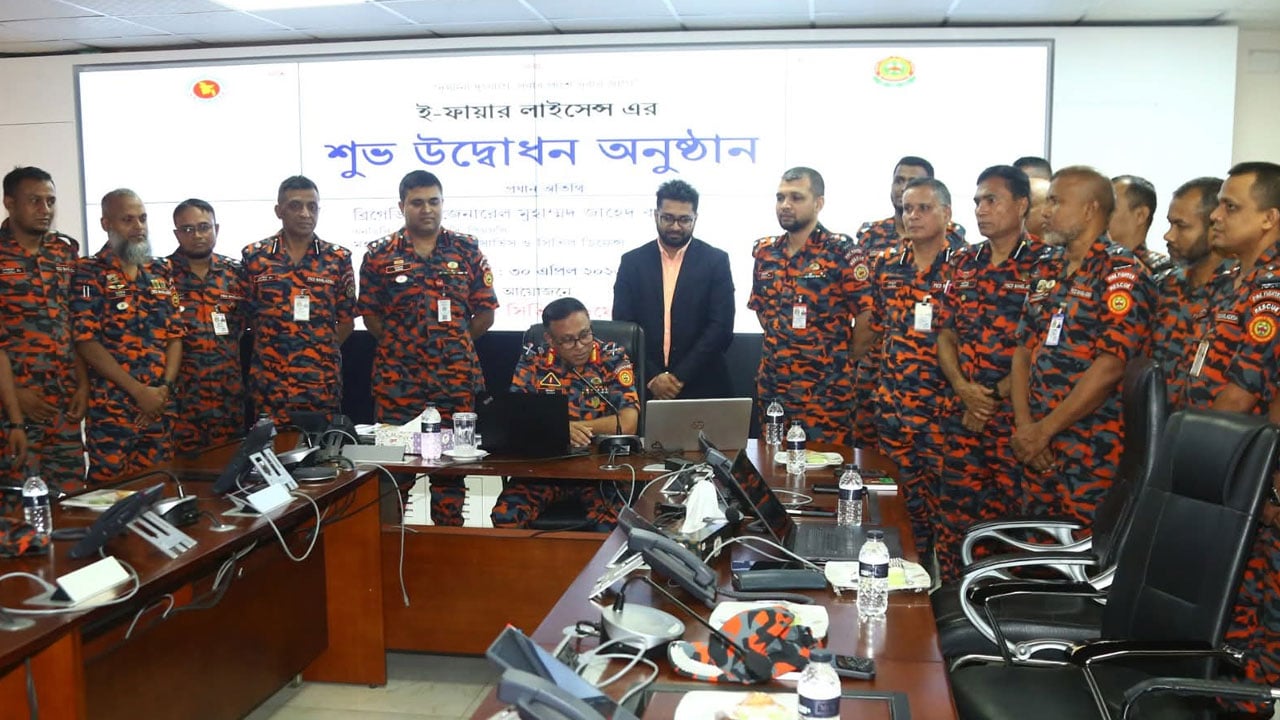
The Fire Service and Civil Defence of Bangladesh has launched an e-Fire License system aimed at simplifying public service access. The initiative was inaugurated on Thursday at the EOC building in Mirpur-10 by Director General Brigadier General Muhammad Zahed Kamal. From May 1, all activities related to new fire license issuance, renewal, and reassessment will be conducted online, ending the manual process. Applicants can now complete all steps—from application to license receipt—digitally from home. During the inauguration, officials emphasized that the manual method of issuing fire licenses has officially ended. The event was attended by senior officials including the Director (Operations and Maintenance) Lieutenant Colonel Md. Mahmudul Hasan, who led the e-Fire License implementation team. Participants joining online, including directors and deputy directors from various divisions, praised the initiative. Representatives from Perky Rabbit Corporation Limited, the implementing partner, were also present. The Fire Service requested cooperation from all concerned to ensure smooth implementation of the new online system.
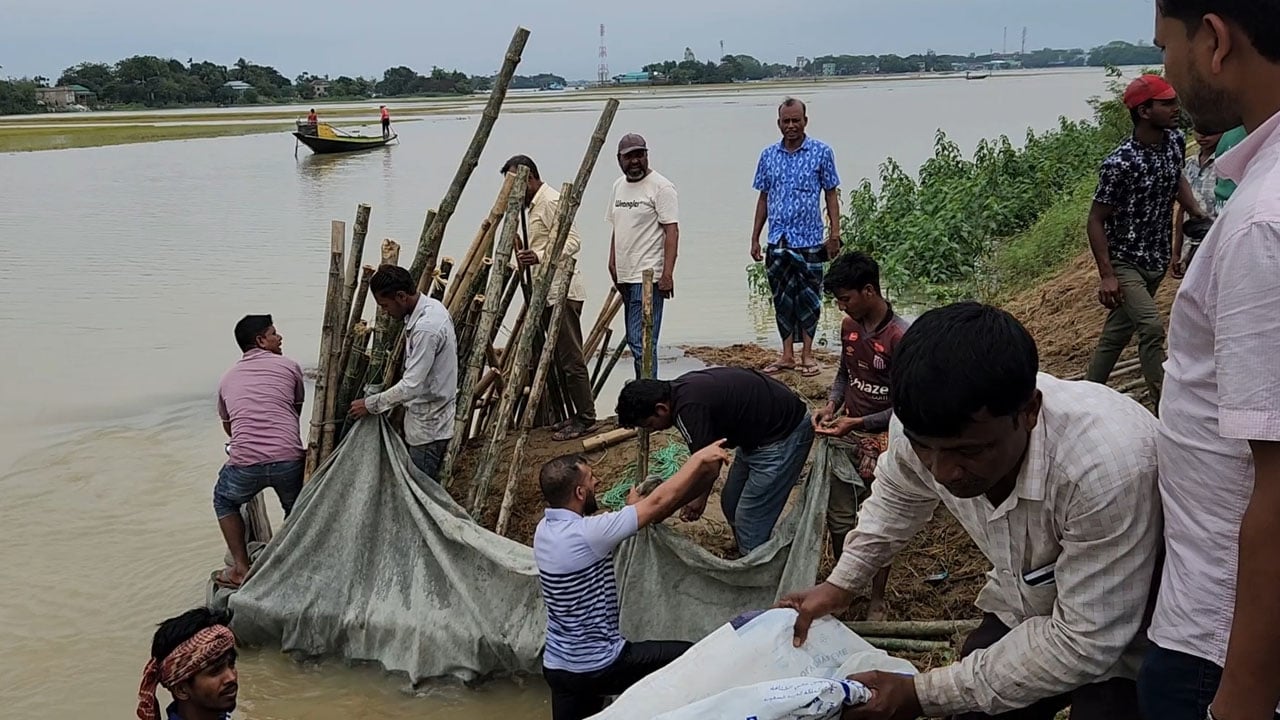
A breach in the embankment of the 20th PIC under the Kailani sub-project in Madhyanagar upazila of Sunamganj has been brought under control through joint efforts. The embankment began to overflow on Thursday night, leading to gradual erosion. In response, local administration, Water Development Board officials, political leaders, and farmers rushed to the site early Friday morning and began repair work using geo-bags, bamboo, and other materials. As of Friday afternoon, repair operations were still ongoing. PIC president Md. Lal Mia said continuous rainfall caused soil erosion, lowering the embankment, and he stayed on-site overnight to oversee protection efforts. Upazila BNP joint convener Abul Bashar stated that the embankment was now somewhat stabilized due to collective action. According to agricultural sub-assistant officer Kabir Hossain, around 300 hectares of land in Shaldigha Haor were affected, with 30 hectares submerged before harvest and 160 hectares of paddy already reaped. Acting Upazila Executive Officer Sanjay Ghosh said authorities responded immediately after receiving reports of water intrusion and expressed hope that the embankment would soon be fully stabilized.
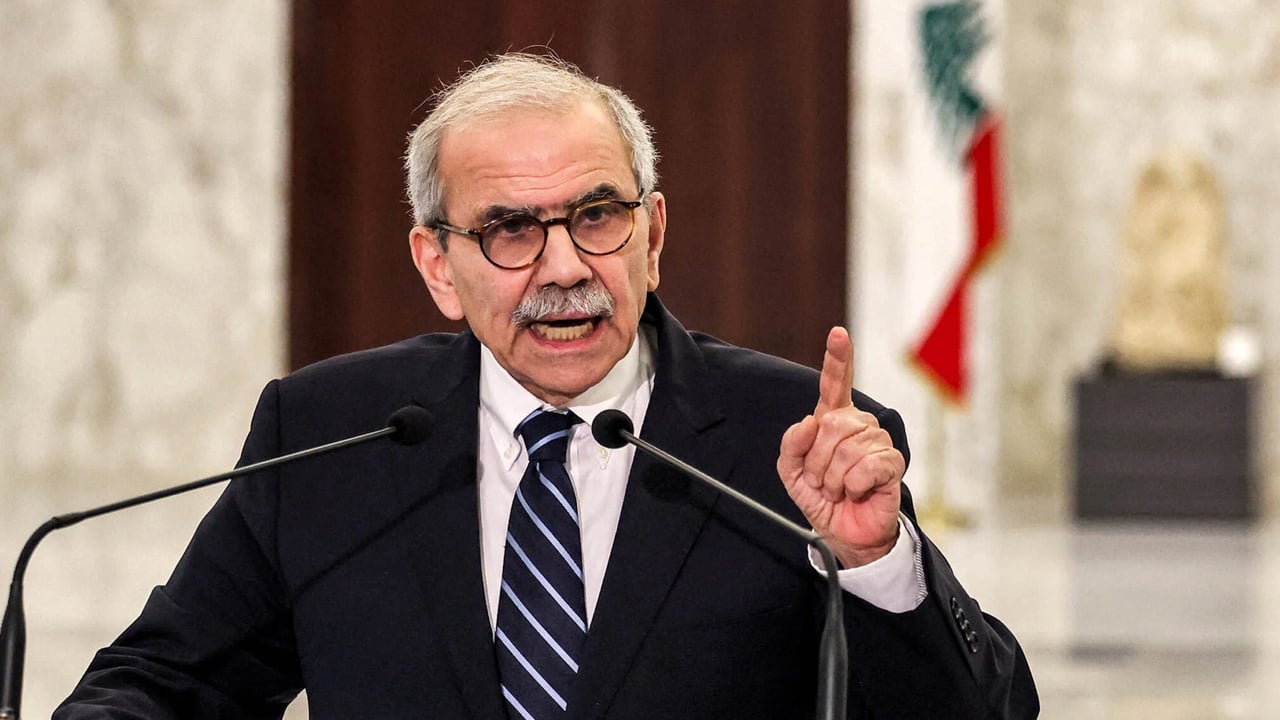
Lebanese Prime Minister Nawaf Salam has pledged to continue working tirelessly to reclaim every inch of Lebanon’s occupied territory. In a post on social media platform X on May 1, marking International Workers’ Day, he reaffirmed his government’s commitment to restoring national sovereignty and improving citizens’ living standards. Salam stated that alongside efforts to recover occupied Lebanese land, his administration is focused on revitalizing the national economy. He emphasized that economic recovery is a key government goal aimed at creating new jobs, restoring stability, and guiding Lebanon toward genuine renewal. His message reflected a broader vision of national resilience and economic revival amid ongoing challenges. The statement, issued on the occasion of May Day, underscored the government’s dual priorities of defending sovereignty and addressing the country’s economic crisis, signaling a continued focus on both territorial and economic restoration.
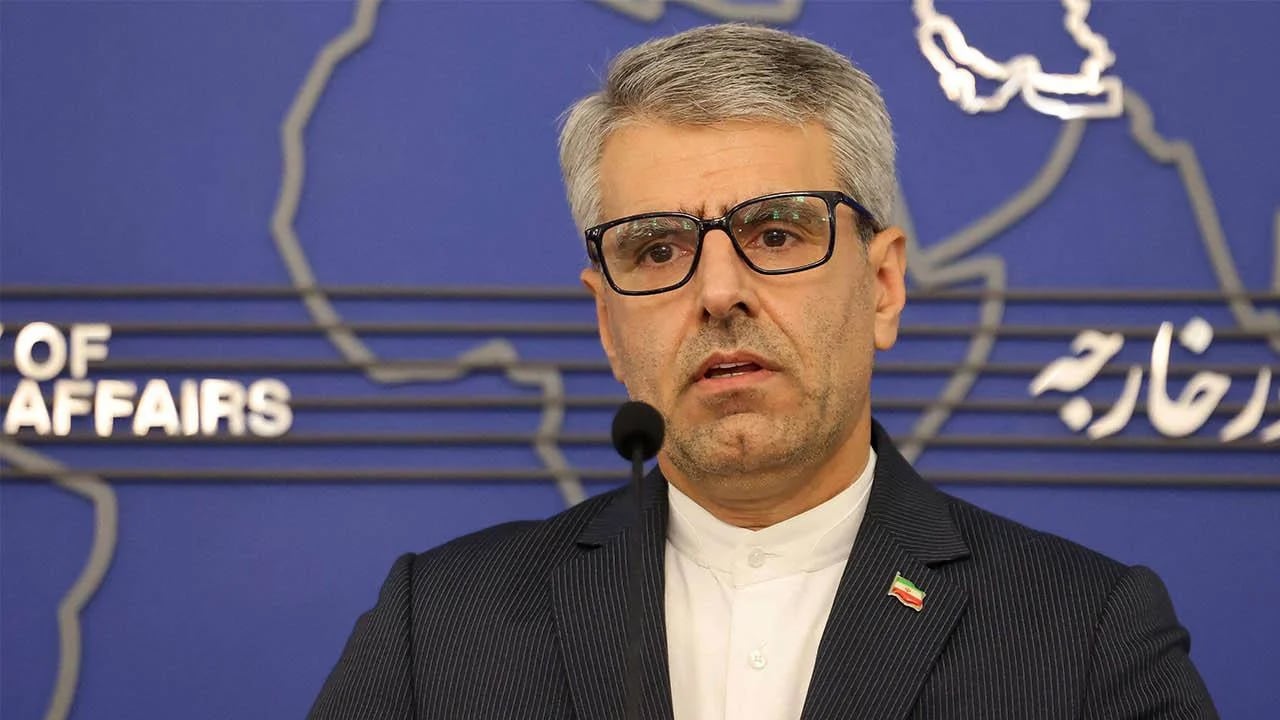
Iran has denounced a recent US attack on its territory, calling it an act of aggression rather than self-defense. The statement came from Iranian Foreign Ministry spokesperson Esmail Baghaei, who criticized Washington’s justification in a social media post. The US State Department had claimed that the conflict arose from the collective self-defense of Israel and its allies, as well as the United States’ inherent right to self-defense. Responding to that claim, Baghaei questioned whether Iran had carried out any armed attack that would warrant such a response, asserting that no such action had taken place. He described the US operation as a deliberate act of aggression against the Iranian nation. Tehran also accused Washington of violating international law and attempting to legitimize warfare through a fabricated narrative. The exchange underscores escalating tensions between the two countries, with Tehran firmly rejecting the US rationale and labeling the attack as unlawful under international norms.
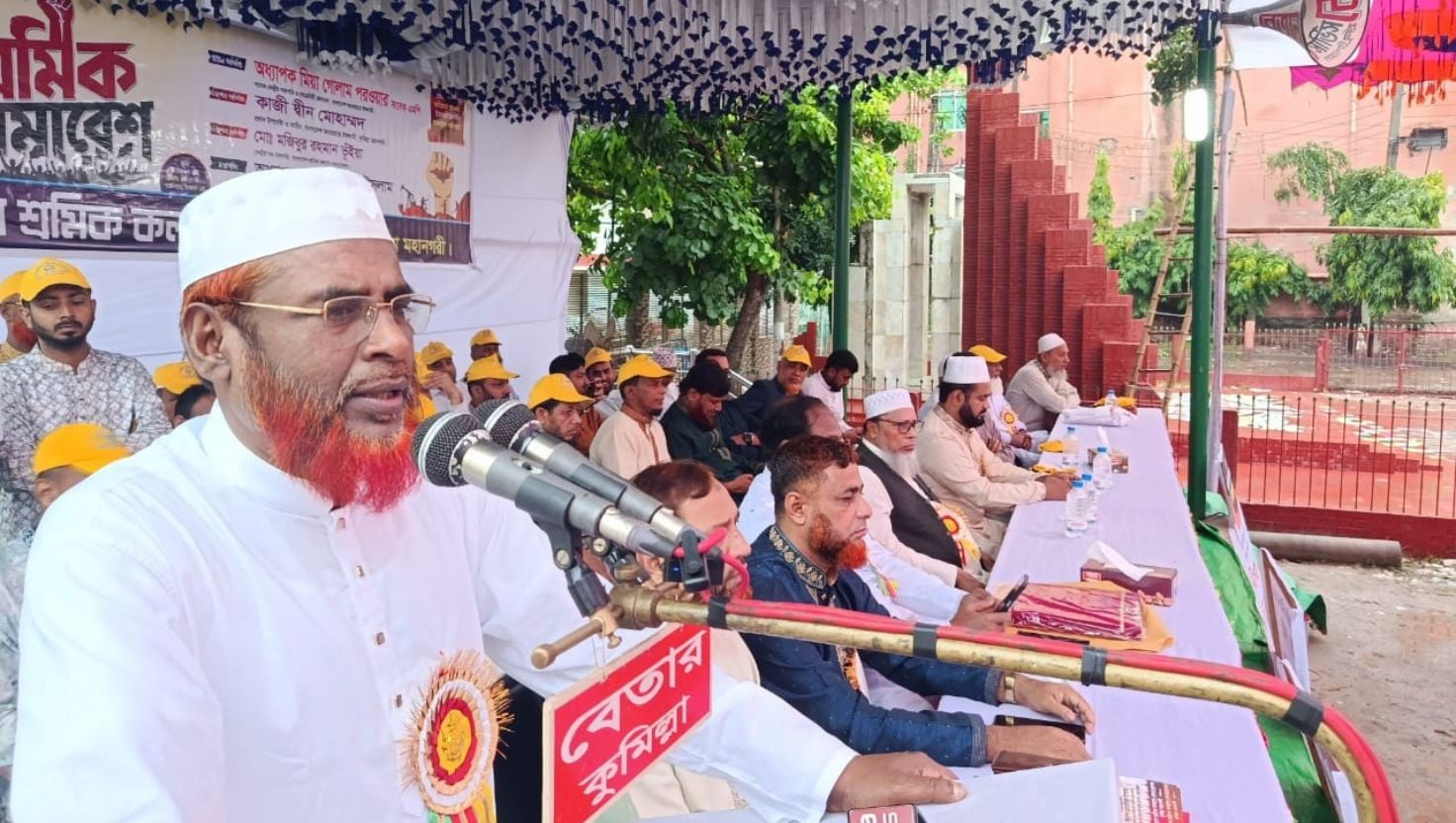
Bangladesh Jamaat-e-Islami Secretary General Professor Mia Golam Porwar said that attempts to divide the nation by reviving old issues hinder progress. Speaking to journalists after addressing a workers’ rally organized by the Bangladesh Labour Welfare Federation in Cumilla on Friday morning, he stated that most current members of parliament were born after independence and that labeling them as anti-liberation or collaborators is rejected by the public. Porwar claimed that a destructive force is active in promoting divisive politics, linking it to the current state of the National Freedom Fighters Council (Amendment) Bill 2026. He argued that despite the theoretical focus on workers’ rights in communism, such rights were not realized in practice. He added that Islamic labor principles cannot be implemented under Western democratic, socialist, or nationalist systems, emphasizing the need for an Islamic governance structure. He further alleged that some groups are keeping old disputes alive as part of a foreign conspiracy and called for resolving such debates quickly to build a united Bangladesh for future generations.
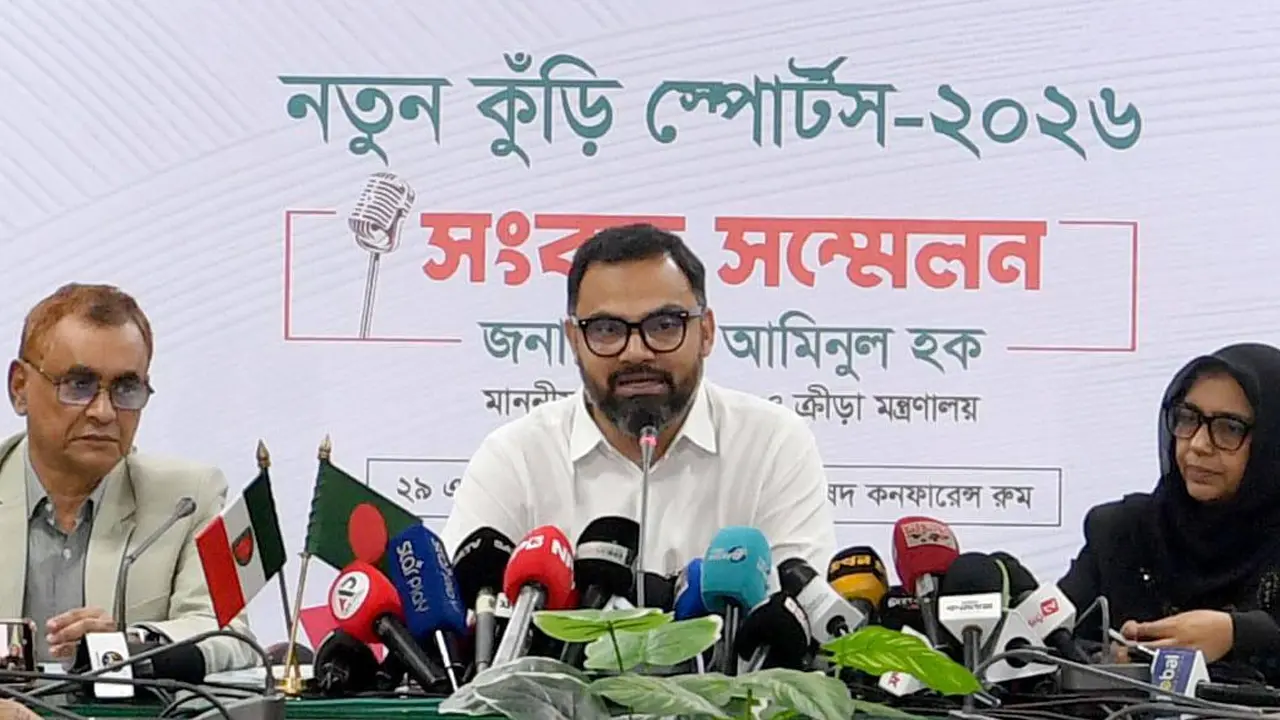
A new nationwide program titled 'Notun Kuri Sports' will begin on Saturday under the supervision of the Ministry of Youth and Sports and implementation by the Directorate of Sports. The initiative aims to identify and nurture sports talent among children aged 12 to 14 from grassroots levels. The opening ceremony will take place at Sylhet District Stadium, where Prime Minister Tareq Rahman will inaugurate the event and connect virtually with participants across the country. According to organizers, the program follows the legacy of the 1980s talent search 'Notun Kuri' and includes eight sports: cricket, football, kabaddi, athletics, chess, badminton, swimming, and martial arts. A total of 160,779 participants registered online between April 12 and 17, with the highest numbers from Sylhet, followed by Chattogram and Dhaka. Regional and divisional competitions will be held from May 13 to 22 across ten designated regions. Selected players will receive allowances, jerseys, and certificates, while national-level athletes will get residential training and opportunities at BKSP. The ministry has assured strict monitoring for transparency and safety, viewing the program as a milestone for Bangladesh’s sports development.
The ‘1 Nojor’ media platform is now live in beta, inviting users to explore and provide feedback as we continue to refine the experience.