

The ‘1 Nojor’ media platform is now live in beta, inviting users to explore and provide feedback as we continue to refine the experience.
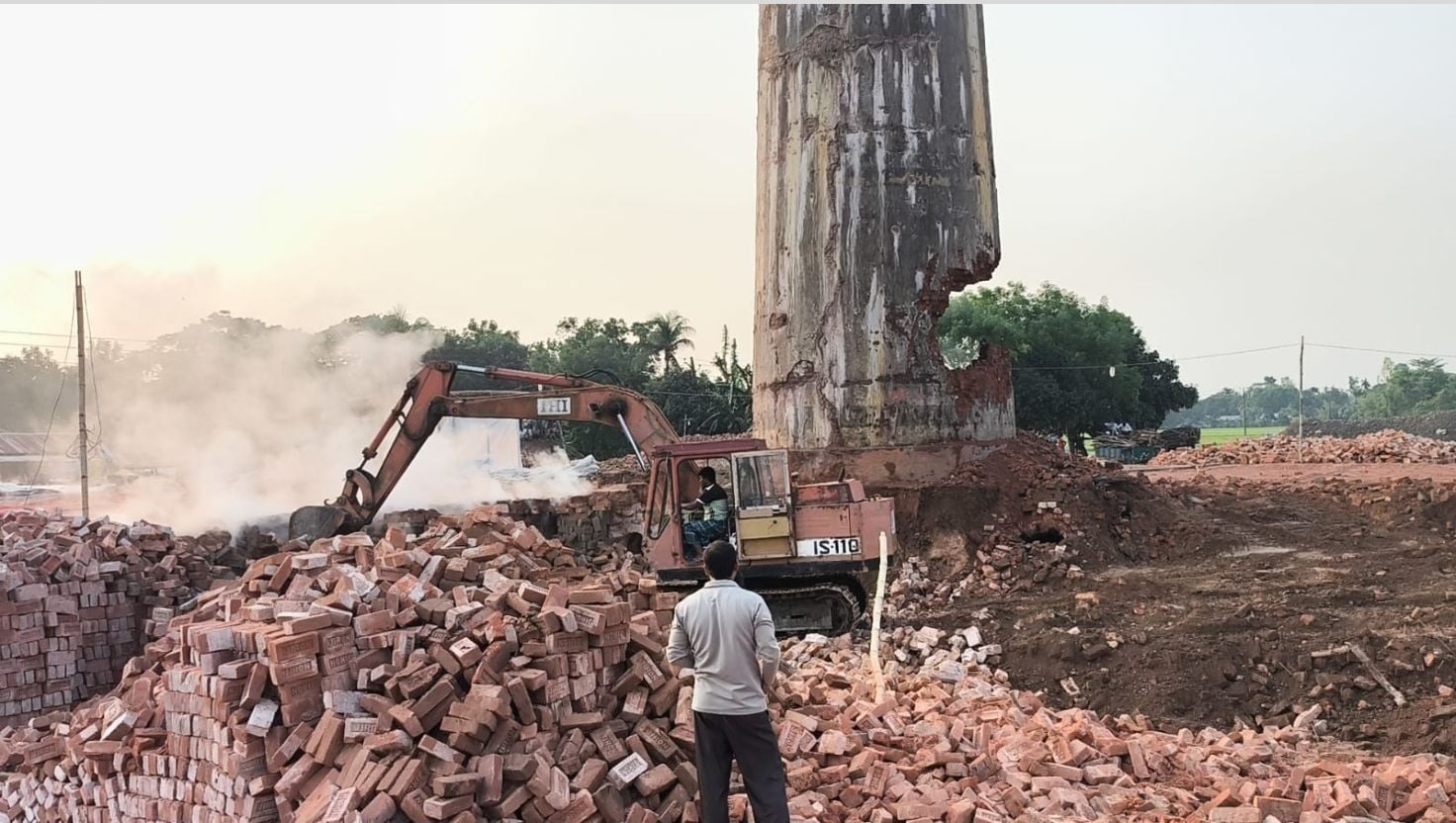
An illegal brick kiln in Jamalpur Sadar upazila was fined Tk 500,000 during a mobile court drive on Thursday afternoon, when a RAB vehicle providing security came under attack. The incident occurred in the Gobindapur area as the Department of Environment, led by Executive Magistrate Kishore Kumar Roy, conducted a joint operation to shut down unauthorized brick kilns in Gobindapur and Pingolhata. Despite the attack, the mobile court continued its operation, demolishing the chimney of Jiran Brick Field and later moving to Jamuna Brick Field. Police later detained Rozina Begum and Mahmudul Hasan Sujon, a partner of the brick kiln, while the main owner, Saurav Hasan Babu, and others fled. Witnesses said a group tried to portray the detained woman as mentally ill to mislead officials. Rozina Begum admitted to throwing bricks at the RAB vehicle out of anger over potential financial losses. Executive Magistrate Kishore Kumar Das stated that two of four illegal brick kilns in the area were targeted in the operation, with further drives planned. Police confirmed no written complaint had yet been filed by RAB or the Department of Environment.
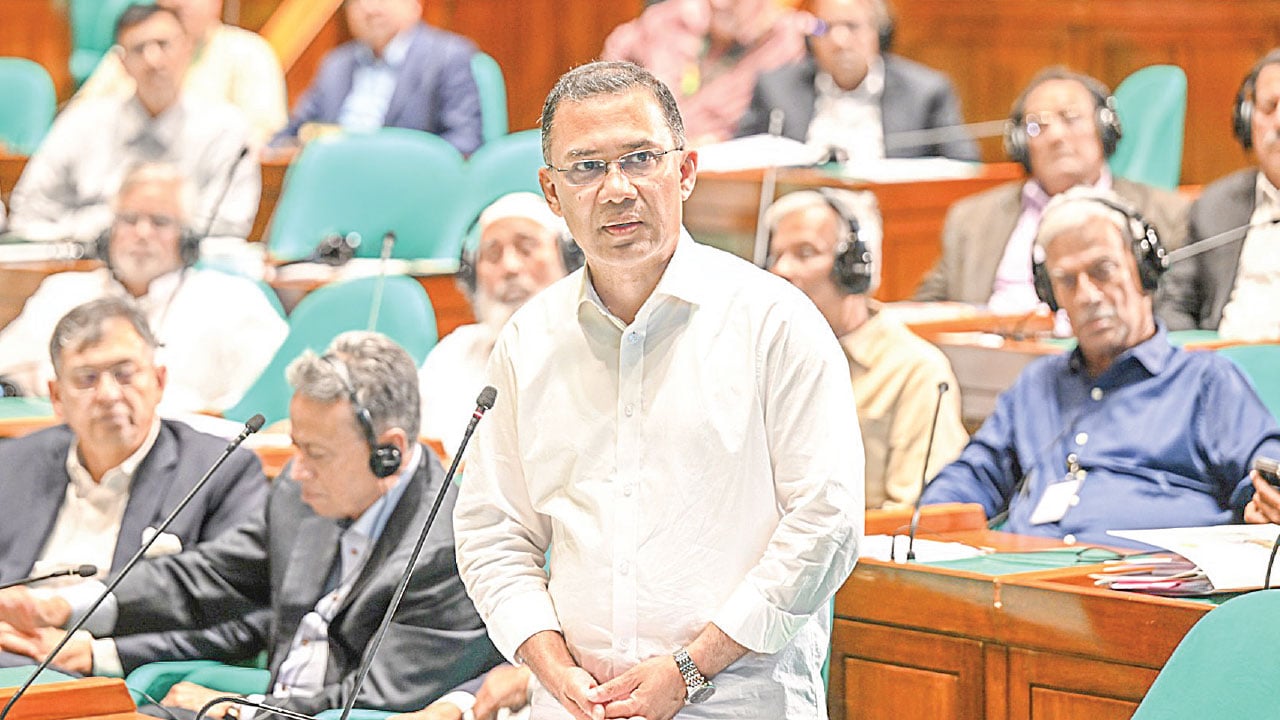
Prime Minister Tarique Rahman has called on both ruling and opposition parties to work together to ensure the success of the current parliament, describing it as one built on the sacrifices of thousands of martyrs. Speaking on Thursday during the closing session of the 13th Parliament and the vote of thanks on the President’s address, he emphasized that failure of the parliament would mean failure for Bangladesh itself. The motion of thanks was passed by voice vote, though the opposition voted against it. Rahman stressed that despite differences, both sides must engage in dialogue for the nation’s interest, focusing on resolving issues such as electricity shortages, employment generation, and improving education and healthcare. He said the stability of the government and parliament was essential for economic progress and national advancement. The Prime Minister also announced plans to provide school supplies to primary students and make education free up to the degree level for women. Opposition leaders, including Mirza Fakhrul Islam Alamgir, highlighted the importance of protecting the constitution, while Finance Minister Amir Khosru Mahmud Chowdhury warned of difficult economic years ahead requiring tough decisions and cooperation across parties.
Bangladesh’s government has announced a plan to introduce 250 electric buses in Dhaka to reduce air pollution and traffic congestion. Prime Minister Tarek Rahman said the initiative, part of a ‘Clean and Green City’ program, will be implemented jointly by the Department of Environment and the Dhaka Transport Coordination Authority. The project, supported by the World Bank, aims to modernize public transport and includes a 180-day priority program to launch electric and women-focused bus services. Experts from the Bangladesh University of Engineering and Technology (BUET) welcomed the move but warned that without clear policies, modern infrastructure, and skilled management, the plan could face serious challenges. They emphasized the need for effective maintenance systems, training, and incentives for green vehicles. Past efforts reportedly failed due to resistance from powerful transport business groups benefiting from diesel-based fleets. Analysts said the government must take firm political decisions to overcome vested interests. If implemented through dedicated lanes and strong oversight, the electric bus project could transform Dhaka’s public transport system and significantly cut pollution levels.

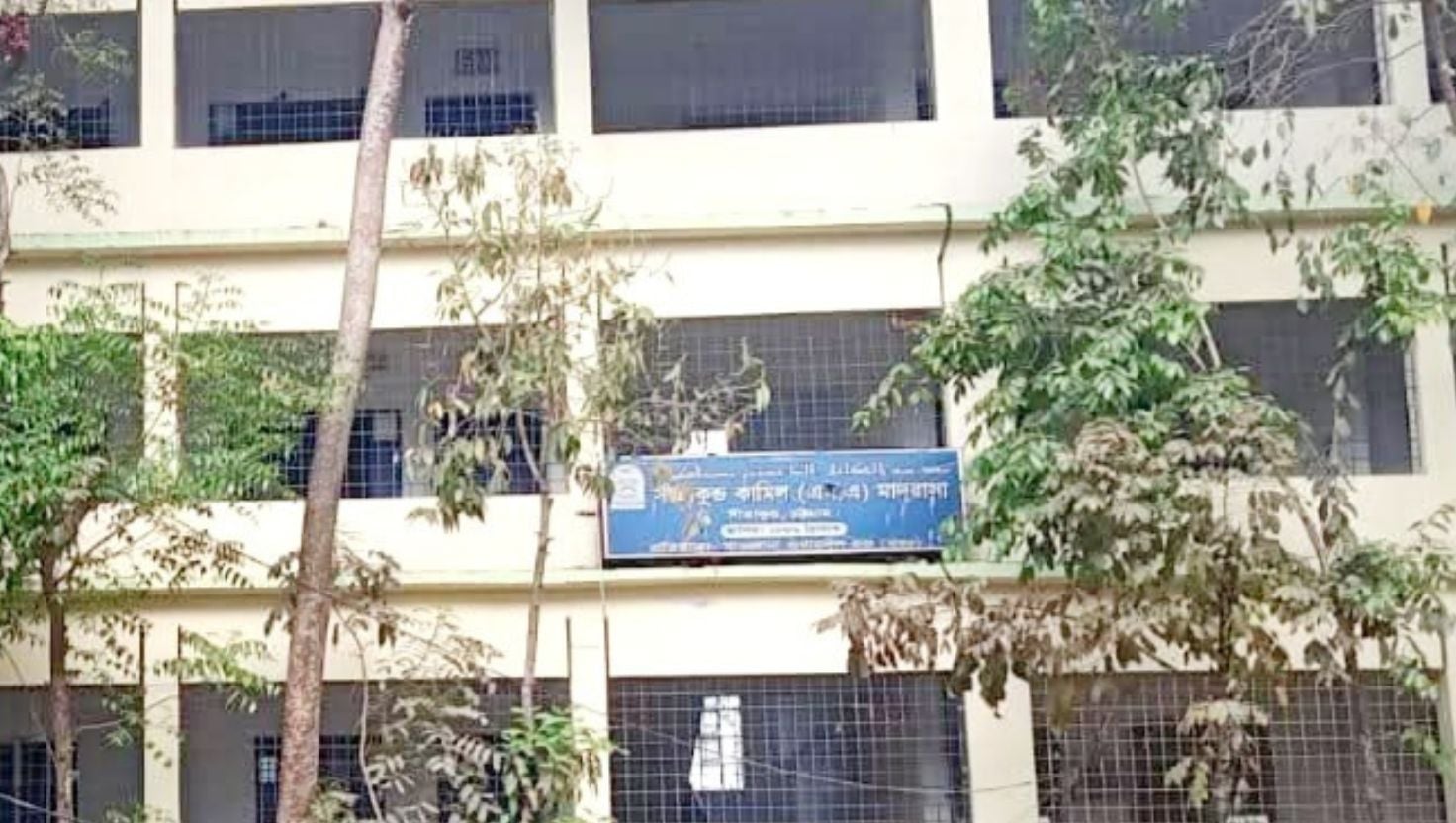
Forty-nine students from Sitakunda Kamil M A Madrasa are facing severe hardship after being assigned to sit for their exams at Nasaria Madrasa in Chattogram city instead of nearby institutions. The issue, reported on May 1, 2026, has caused daily travel difficulties, increased expenses, and mental stress for both students and parents. Each day, the students are transported by two buses along the Dhaka–Chattogram highway, with total additional costs estimated to reach around 150,000 taka. Principal Osman Gani said the problem arose because existing regulations prevent changing the exam center, even though several closer colleges were available. He noted that two teachers accompany the students daily for safety. The principal also pointed out that a similar madrasa in Mirsharai was allowed to shift its center locally under the same policy. Sitakunda’s Upazila Nirbahi Officer Fakhrul Islam stated that alternative arrangements could have been made if the authorities had informed him earlier. Parents, students, and local residents have demanded a permanent solution, urging that future exam centers be set based on accessibility and student safety.
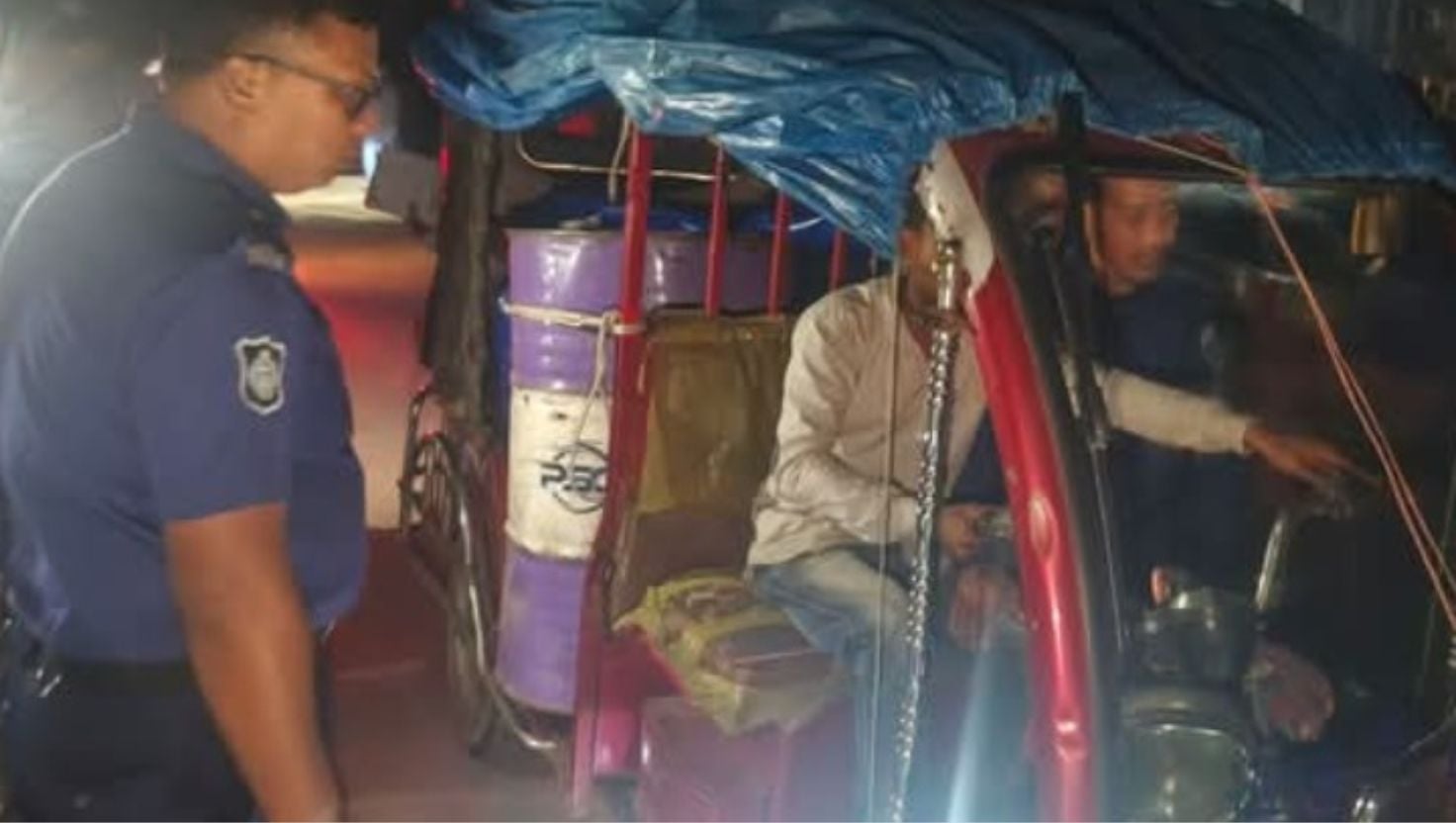
A youth was detained in Taraganj upazila of Rangpur for allegedly smuggling 446 liters of petrol. The arrest took place on Wednesday night around 8 p.m. in the Taraganj market area after locals became suspicious of an autorickshaw moving unusually. Upon inspection, two drums covered with polythene were found inside the vehicle, containing the petrol. Authorities also seized the autorickshaw used in the operation. According to initial information, the petrol was being transported from Parbatipur upazila through Taraganj to Kishoreganj upazila. The detained driver claimed that a businessman named Saju Mia from Kishoreganj had purchased the fuel at Tk 235 per liter for resale in the open market. Taraganj Upazila Nirbahi Officer (UNO) Monabbar Hossain arrived at the scene, confirmed the seizure, and stated that transporting and selling petrol illegally is a punishable and risky act. The UNO added that legal proceedings are underway against those involved in the smuggling attempt.
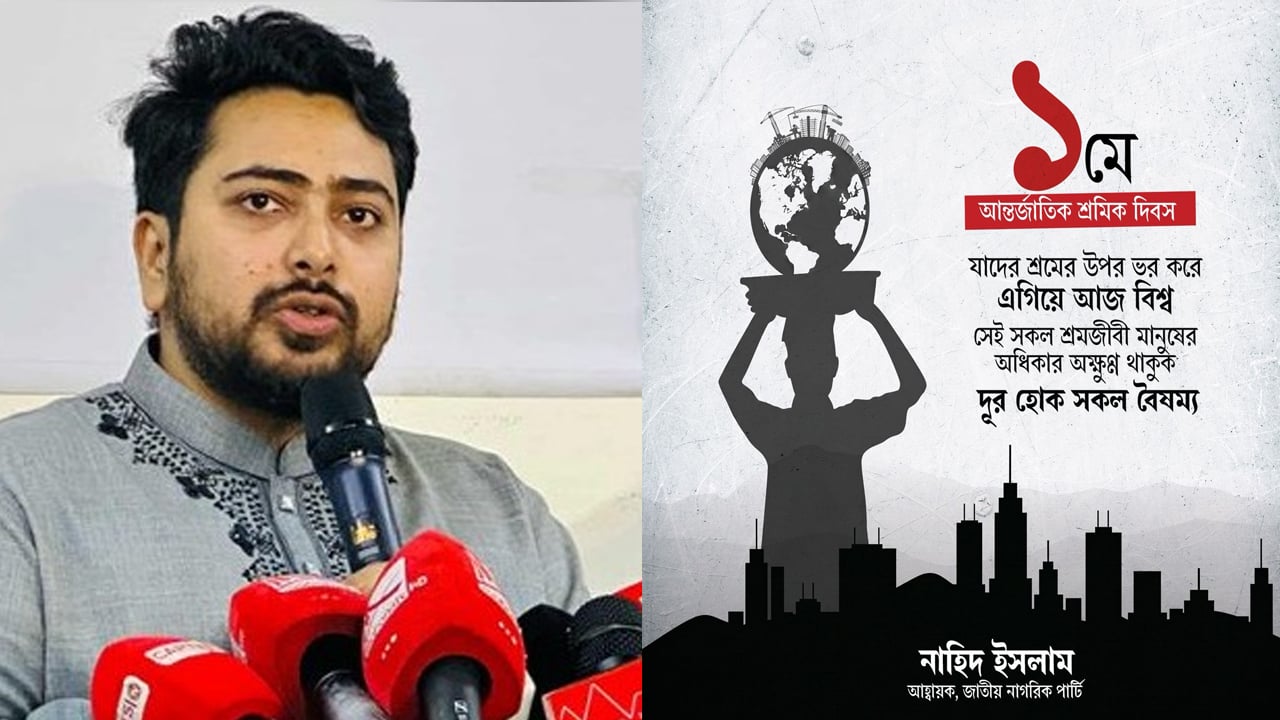
Opposition Chief Whip and National Citizens Party (NCP) convener Md. Nahid Islam extended greetings to workers at home and abroad on the occasion of International Workers’ Day on May 1, 2026. In a Facebook post, he recalled the 1886 Haymarket Square movement in Chicago and paid tribute to the workers who sacrificed their lives for the eight-hour workday demand. Nahid Islam expressed regret that in Bangladesh, May Day has remained largely ceremonial since independence, limited to banners, speeches, and discussions, without meaningful improvement in workers’ conditions. He criticized previous governments, alleging severe repression of workers during the Awami League’s rule and the absence of justice even 13 years after the Rana Plaza tragedy. He also recalled workers’ contributions to the July uprising and lamented that inequality and low wages persist. Reaffirming his commitment, Nahid Islam said the NCP aims to build a worker-friendly Bangladesh ensuring dignity, rights, and fair wages for all laborers.
Police Week 2026 will begin on May 10 with a four-day program at the Rajarbagh Police Lines field in Dhaka. On the opening day, 107 members of the Bangladesh Police will receive the Bangladesh Police Medal (BPM) and the President’s Police Medal (PPM). Alongside police personnel, several officers from the army and air force serving in the Rapid Action Battalion (RAB) will also be honored for their contributions to maintaining law and order. Prime Minister Tarique Rahman is expected to present the medals to the awardees. According to the Police Headquarters, the selected recipients have been instructed to report to the Rajarbagh Police Lines parade ground on May 2. The official letter, signed by DIG (Confidential) Md Kamrul Ahsan, includes the names, ranks, and addresses of all 107 honorees. In previous years, 400 officers received medals in 2024, 117 in 2023, and 230 in 2022. Following disruptions after the fall of the Awami League government in August 2024, last year’s Police Week was shortened to three days. The organizing committee has now decided to restore the full-scale celebration this year.
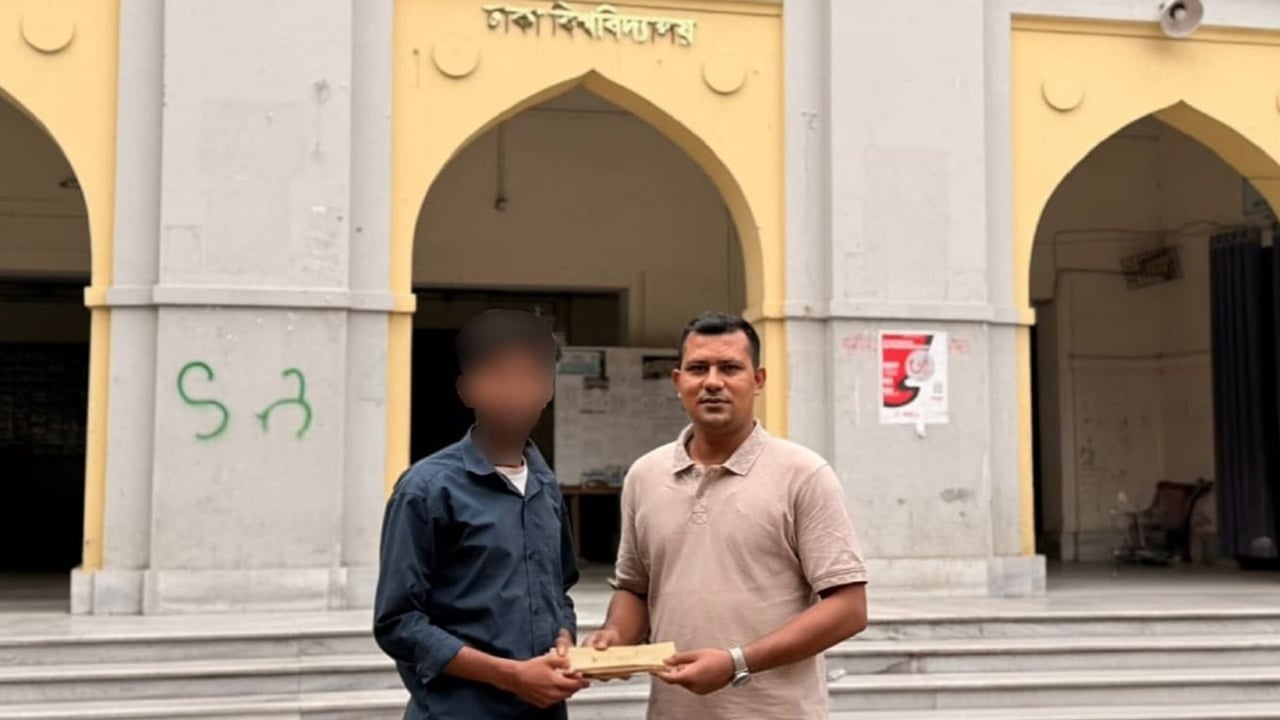
In Dhaka’s Dhanmondi area, a student of New Model Degree College faced the prospect of halting his studies due to financial hardship. On Wednesday, Bangladesh Jatiyatabadi Chhatra Dal leader Md. Tariqul Islam Tarik, the organization’s central joint general secretary and former general secretary of Salimullah Muslim Hall unit at Dhaka University, personally provided financial assistance to the student. The support allowed the marketing department final-year student to pay overdue fees and complete exam registration before the Thursday deadline. Observers described Tarik’s gesture as an example of humane politics, noting that his action not only saved a student’s academic future but also conveyed a message of compassion in public life. The student expressed deep gratitude, saying the help gave him renewed hope and courage to pursue his dreams. Tarik stated that his involvement stemmed from a sense of duty beyond politics, emphasizing that the true purpose of politics should be to serve people and ensure that no talented student’s education stops for lack of money.
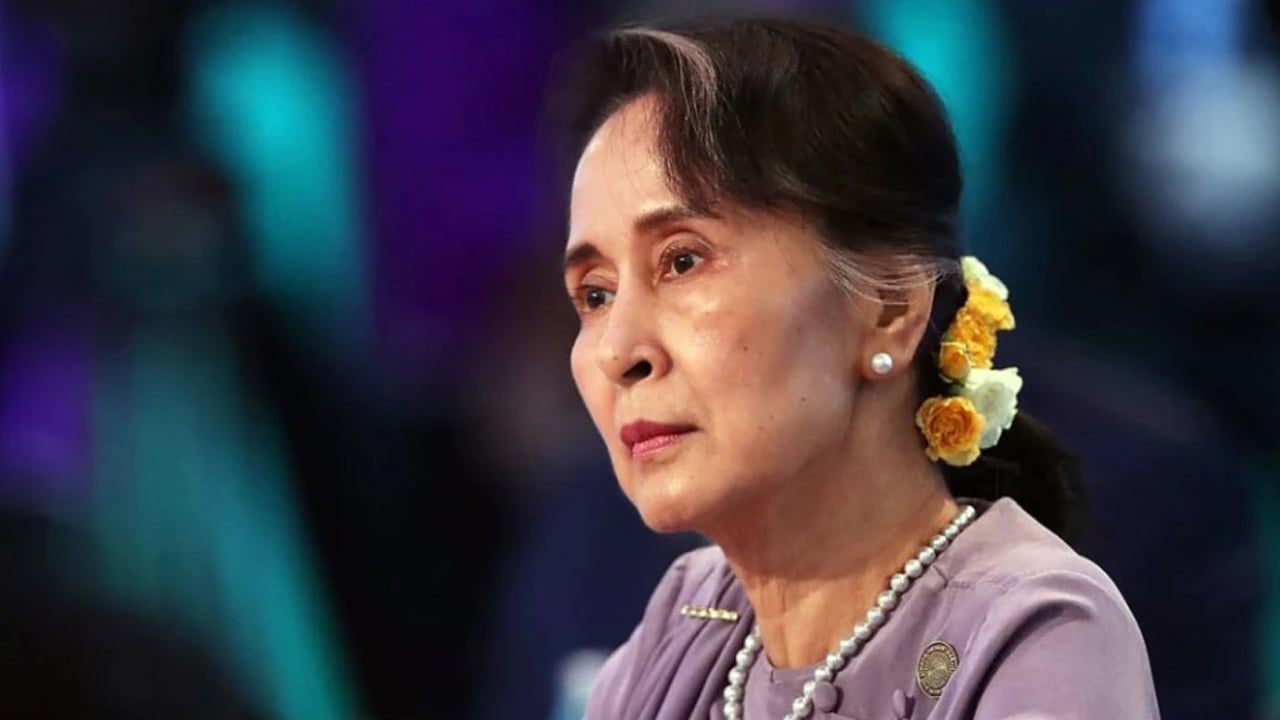
Myanmar’s military-backed government has transferred former leader Aung San Suu Kyi from prison to house arrest, according to a state television announcement on Thursday night. The move came as part of a general amnesty marking a Buddhist religious festival, during which the 80-year-old’s prison term was further reduced. A government information office released a photo showing Suu Kyi seated on a wooden bench in traditional attire, accompanied by two uniformed officials. Suu Kyi had been detained since the February 1, 2021 military coup that ousted the elected government. She was last seen publicly during a court hearing in May 2021 and was sentenced by late 2022 to a total of 33 years in prison on multiple charges. Her supporters and human rights groups have long described the convictions as politically motivated efforts to sideline her from politics. Officials said her sentence was reduced by another one-sixth, though the exact remaining term was not disclosed. State media reported that 1,519 prisoners, including 11 foreigners, were granted amnesty following General Min Aung Hlaing’s assumption of the presidency on April 10.
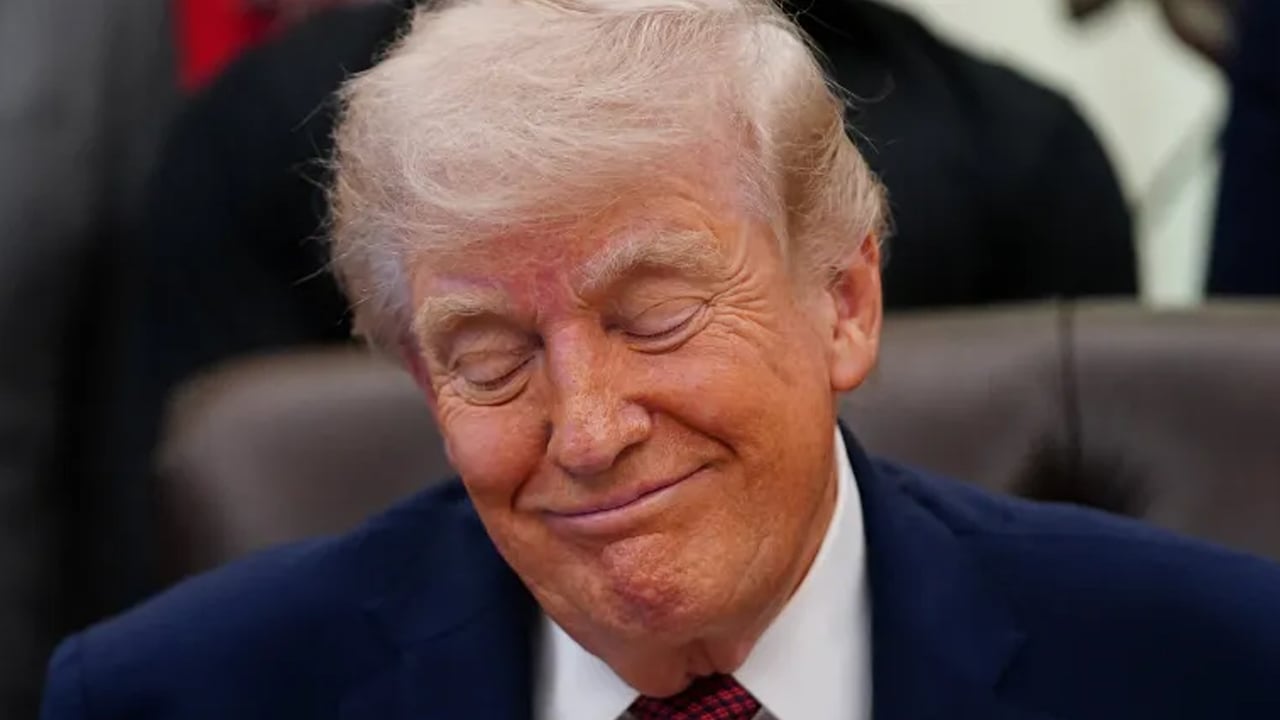
The Norwegian Nobel Committee has confirmed that 287 candidates are being considered for the 2026 Nobel Peace Prize. Committee secretary Kristian Berg Harpviken said on Thursday, April 30, that the list includes 208 individuals and 79 organizations, marking a significant increase from the previous year. This is Harpviken’s first major nomination list since assuming his role in January 2025. Speculation surrounds the inclusion of U.S. President Donald Trump, as leaders from Cambodia, Israel, and Pakistan have reportedly nominated him before the January 31 deadline. However, Harpviken did not confirm Trump’s name, citing the committee’s rule to keep nominations secret for 50 years. Other names circulating in betting markets include Yulia Navalnaya, Pope Leo, and Sudan’s volunteer group Emergency Response Rooms. The committee also expressed concern over the deteriorating health of 2023 Peace Prize laureate Narges Mohammadi, who is imprisoned in Iran. The 2026 Peace Prize winner will be announced on October 9, with the formal ceremony scheduled for December 10 in Oslo.

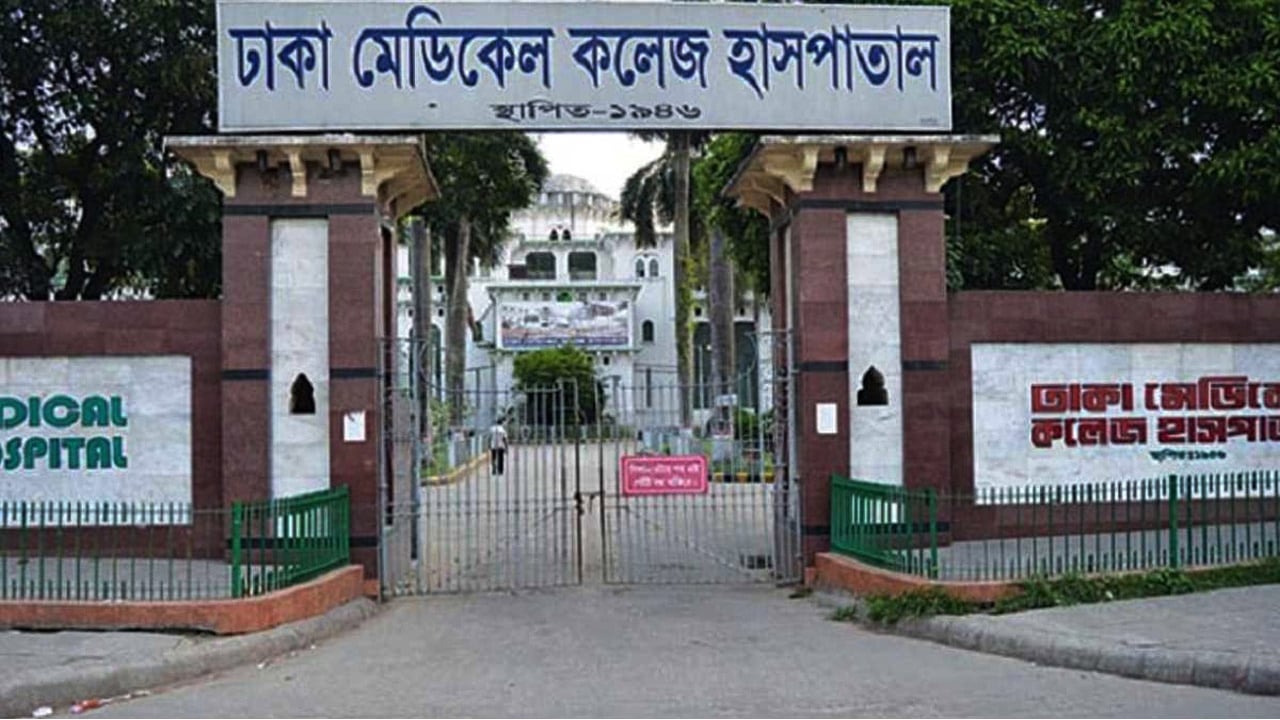
A 19-year-old worker named Md. Miraj died after being struck by a board while working at the City Plywood factory in Kamrangirchar, Dhaka. The accident occurred on Thursday night when Miraj was operating a machine and was hit by a board that came out of it. He was taken to Dhaka Medical College Hospital in critical condition, where doctors declared him dead around 10:45 p.m. Inspector Md. Faruk of the Dhaka Medical College Hospital police outpost confirmed the death and said the body was kept in the hospital morgue. Factory supervisor Md. Abdul Mannan stated that about 70 to 80 workers are employed at the City Plywood factory, located on the west side of Kamrangirchar police station. Miraj was originally from Amua village in Kathalia upazila of Jhalokathi district and had been living in the factory dormitory. No further details about the investigation or safety measures were mentioned in the report.
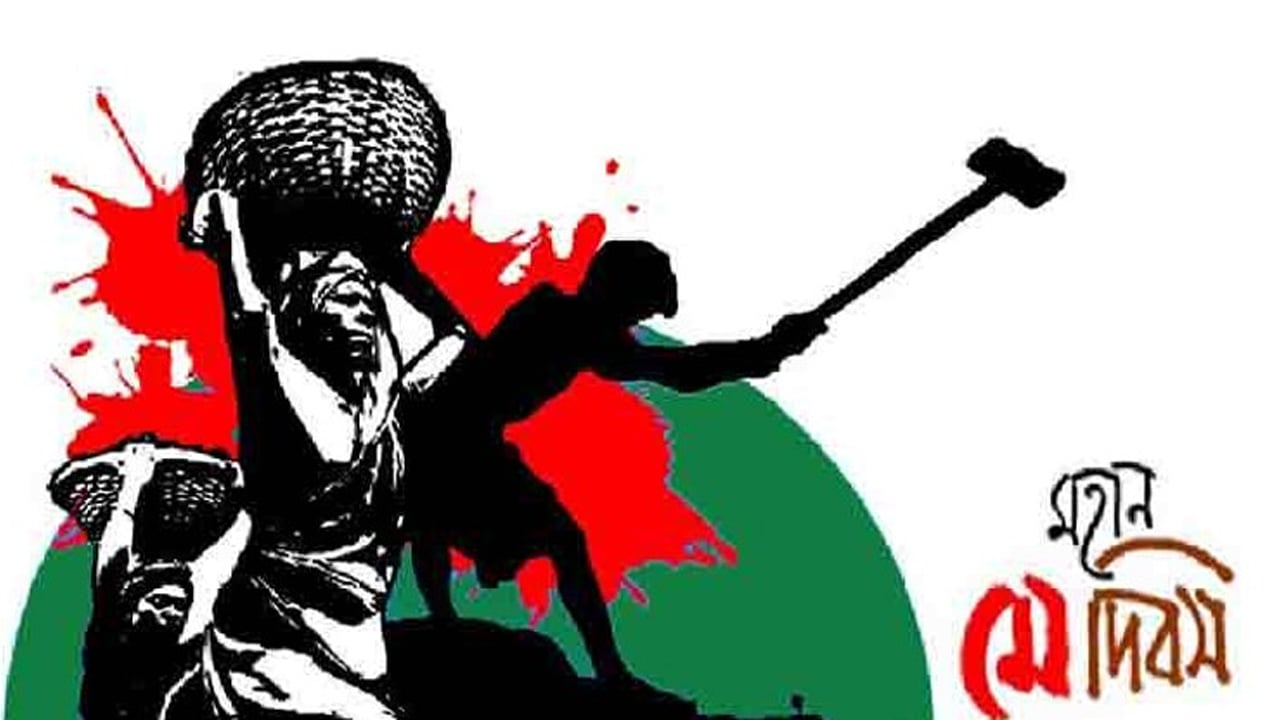
Bangladesh, along with the rest of the world, is observing May Day today as a day to uphold workers’ rights. President Md. Shahabuddin and Prime Minister Tarique Rahman issued separate messages marking the occasion, which carries the theme “Healthy workers, diligent hands, a new dawn will come.” The president extended greetings to workers worldwide and emphasized their vital role in national development across all sectors, including industry, agriculture, and construction. President Shahabuddin called for ensuring fair rights, safe workplaces, and social protection for workers to build a prosperous and humane Bangladesh. He expressed confidence that the country would reach new heights through strong labor relations and occupational health protection. Prime Minister Tarique Rahman reaffirmed his government’s commitment to improving workers’ living standards, pledging regular wage reviews and equal pay for men and women. He also announced plans to introduce a “Migrant Card” to enhance economic security for expatriate workers. In Dhaka, the Prime Minister is scheduled to address a workers’ rally organized by the Bangladesh Nationalist Labour Party for the first time, as confirmed by party leader Nazrul Islam Khan.
Police in Fulbaria upazila of Mymensingh seized a tanker lorry carrying 2,200 liters of fuel allegedly being sold illegally. The operation took place early Wednesday, April 29, at Shibganj Hatkhali Bazar in Putijana Union following a tip-off. Three individuals, including the fuel buyer, the driver, and his assistant, were arrested. They were later presented before court on Thursday, where police sought seven-day remand for each, and the judge ordered them sent to jail pending a hearing. According to police, the driver and assistant admitted during preliminary questioning that they were supposed to deliver the fuel from Sirajganj to a filling station in Muktagacha but instead sold it illegally to a local man named Sohel Mia. A supply slip mentioning “Seven Star Filling Station” was recovered, though it lacked a specific address. Authorities are investigating whether the station is linked to the incident. Local sources said Sohel Mia legally holds an NOC for retail fuel sales but is accused of nighttime illegal trading. Police have filed a case and are continuing efforts to identify others involved.

U.S. President Donald Trump is reassessing his next steps and available options regarding the ongoing Iran war as he prepares for an upcoming visit to China. According to American media reports, the trip could significantly influence his decision-making process. A White House official told NBC that the China visit is one of the key factors Trump is considering while evaluating military and diplomatic alternatives. The visit, previously postponed due to the conflict, is now scheduled for May 14–15 and is being prioritized by the administration. The New York Times reported that the dual blockade in the Strait of Hormuz and Iranian ports is complicating the situation ahead of the China trip. China has expressed interest in playing a constructive role in halting the war. However, the Trump administration has imposed sanctions on several Chinese refineries and shipping companies accused of continuing oil trade with Iran in violation of U.S. restrictions. Much of China’s imported oil passes through the Strait of Hormuz, which has been largely closed since early March.

Bruce Fein, a U.S. constitutional and international law expert and former Associate Deputy Attorney General, told Al Jazeera that loopholes in the 1973 War Powers Resolution could allow a U.S. president to continue military action without congressional authorization. He argued that the law contains constitutional inconsistencies and cannot override the U.S. Constitution, which grants Congress the sole authority to approve war unless the nation is under attack. Fein cited Iran as an example, saying that since Tehran has not attacked the United States, any military action against it would constitute a criminal act of aggression. He warned that the law’s ambiguity enables a president to reset the 60‑day war clock at will, effectively extending hostilities indefinitely. According to Fein, the War Powers Resolution fails to define precisely when a conflict begins or ends, leaving room for executive manipulation. This legal uncertainty, he cautioned, could let a president prolong war without congressional oversight.
The ‘1 Nojor’ media platform is now live in beta, inviting users to explore and provide feedback as we continue to refine the experience.