

The ‘1 Nojor’ media platform is now live in beta, inviting users to explore and provide feedback as we continue to refine the experience.
The International Crimes Tribunal-1 has cancelled its earlier order allowing former food minister Advocate Kamrul Islam to receive treatment at Evercare Hospital. Kamrul, who had been under treatment at Bangladesh Medical University, had applied for transfer to Evercare for advanced care. The tribunal had approved the request on April 9, 2026, but later reviewed the decision following allegations from the prosecution that false documents were used to obtain the order. During a hearing on Thursday, the tribunal revoked the permission and directed Kamrul’s lawyers to submit an explanation within 15 days. Until then, Kamrul will continue treatment at Bangladesh Medical University. Chief Prosecutor Aminul stated that the initial order lacked provisions regarding prison security arrangements or cost responsibilities, which raised procedural concerns. The prosecution also questioned the authenticity of documents submitted by Kamrul’s legal team, including records of treatment in Singapore and Keraniganj. The tribunal’s decision marks a procedural correction and requires Kamrul’s defense to clarify the disputed medical documentation within the specified timeframe.
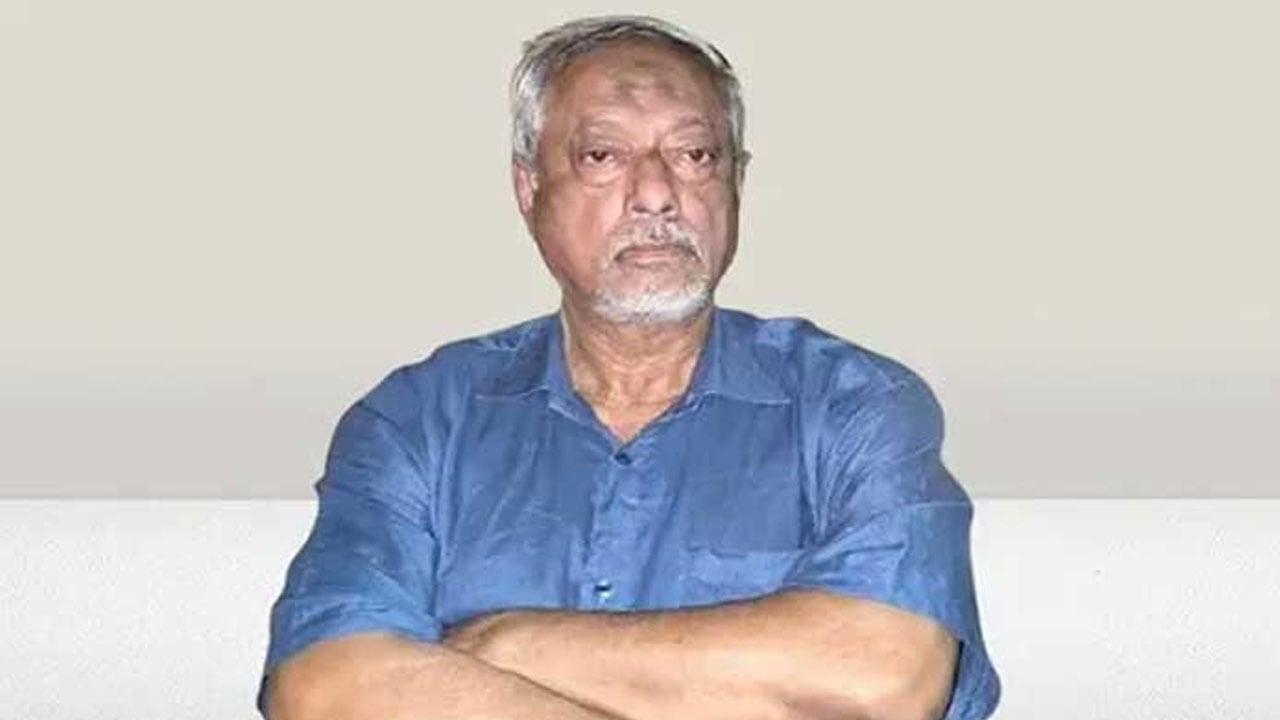
A Dhaka court has granted a fresh four-day remand for former army officer and ex-MP Masud Uddin Chowdhury for interrogation in the murder case of Delwar Hossain. The order was issued on Thursday, April 30, 2026, by Metropolitan Magistrate Md. Manjurul Islam. The case is linked to the killing that occurred during an anti-discrimination movement in Mirpur, Dhaka. State lawyer Shamsuddoha Suman confirmed the court’s decision following a hearing. Before the order, Chowdhury was produced before the court, and the investigation officer, DB Mirpur Sub-Inspector Kofil Uddin, sought a four-day remand. The prosecution supported the remand request, while defense lawyer Towhidul Islam Sajib argued for its cancellation. After hearing both sides, the court approved the remand. According to the case details, Delwar Hossain was shot and later died in July 2024 during a protest in Mirpur. The case was filed in July 2025, and Chowdhury was arrested from his Baridhara DOHS residence on March 23, 2026. He had previously been remanded in other related cases.
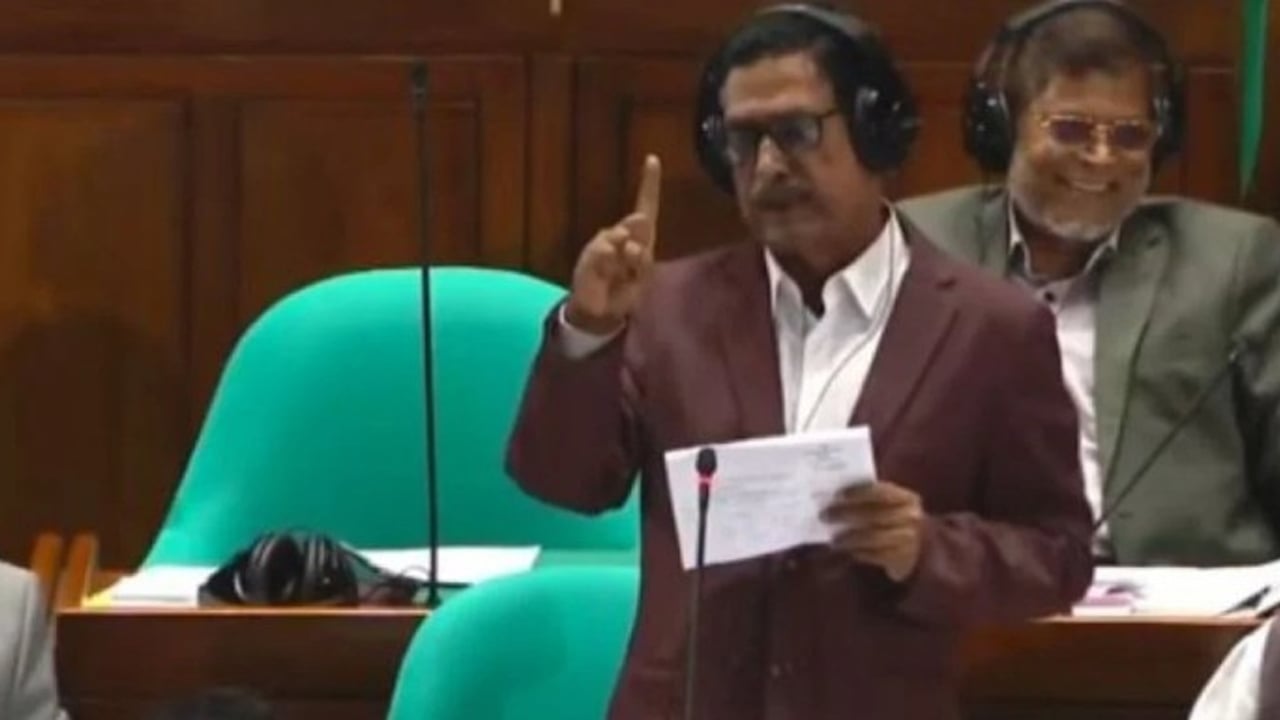
The National Freedom Fighters Council has strongly condemned ruling party MP Fazlur Rahman for using offensive and unparliamentary language in his speech during the 13th National Parliament session on Tuesday. In a statement released to the media on Wednesday, the council’s president Engineer Moslem Uddin, secretary general Md. Tajirul Islam, and 70 other members denounced Rahman’s comments about Bangladesh Jamaat-e-Islami and the opposition leader, calling them contrary to the spirit of the Liberation War. The statement noted that debates over the Liberation War and Jamaat-e-Islami’s role have recently intensified, even within Parliament. The council asserted that freedom fighters have historically joined various political parties, including Awami League, Jatiya Party, BNP, and Jamaat-e-Islami, and that every citizen has the right to associate with any political ideology supporting Bangladesh’s sovereignty. The council described Rahman’s claim that freedom fighters or martyrs’ families cannot join Jamaat as unacceptable and divisive. The council urged all parties to avoid divisive politics and focus on constitutional reform and national unity to prevent the country from sliding toward authoritarian rule.
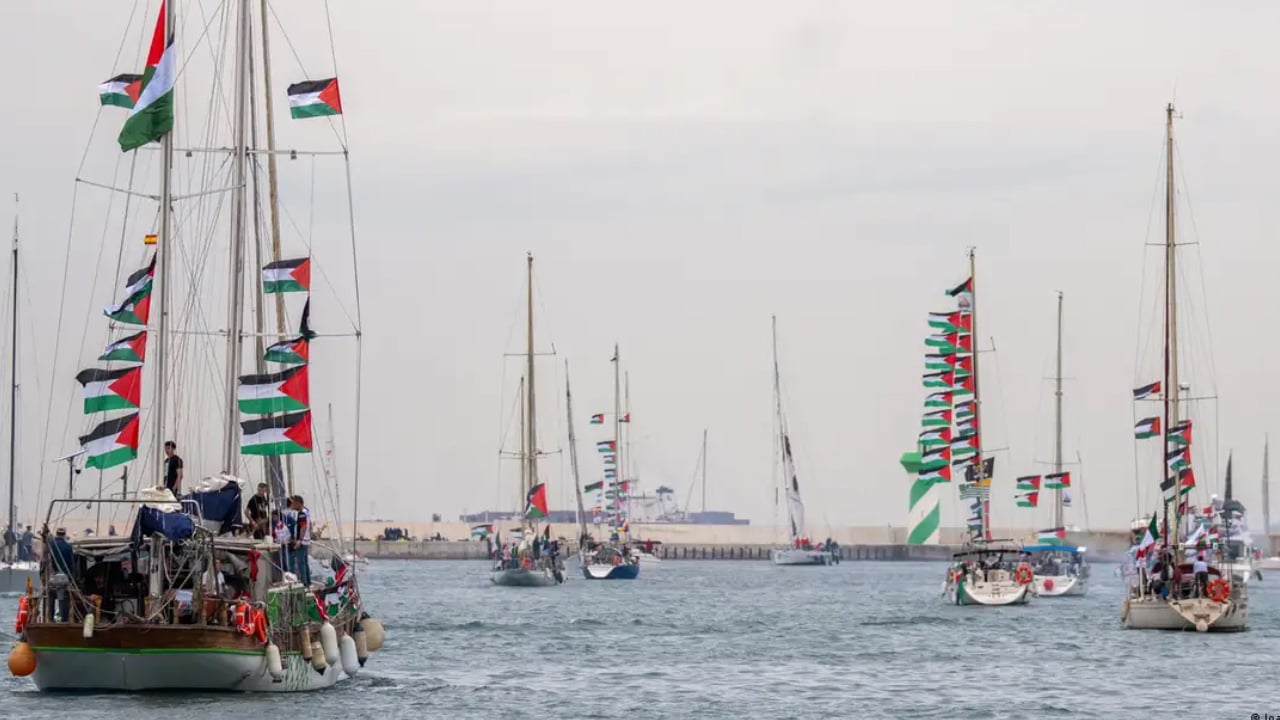
Israel has detained 175 people from the Gaza-bound Global Sumud Flotilla after conducting an operation on 20 vessels, according to a statement from the Israeli Foreign Ministry posted on social media platform X. The ministry said the detained individuals were being peacefully taken toward Israel. A video showing personnel aboard an Israeli naval vessel was also released. The Gaza Sumud Flotilla (GSF) claimed that Israeli forces carried out the operation on at least 22 vessels, calling it an act of piracy and a violation of international law. Israel maintains control over all entry routes into Gaza. Since the war that began in October 2023, the United Nations and several international non-governmental organizations have accused Israel of obstructing the flow of goods into the region, further worsening the humanitarian situation.
Biman Bangladesh Airlines is set to sign a landmark agreement with US aircraft manufacturer Boeing on Thursday evening to purchase 14 new-generation aircraft. The signing ceremony, scheduled for 7:30 p.m. at Hotel Intercontinental in Dhaka, marks the largest fleet expansion in the airline’s history. The deal includes eight Boeing 787-10 Dreamliners, two 787-9 Dreamliners, and four 737-8 Max jets, with an estimated total value of about Tk 37,000 crore. Biman’s Managing Director and CEO, Kaiser Sohel Ahmed, will sign on behalf of the airline, while a Boeing representative will sign for the company. The initiative aims to modernize Biman’s fleet, increase long-haul capacity, and strengthen Bangladesh’s position as a regional aviation hub. The event will be attended by senior government officials, diplomats, and aviation industry leaders, including the US Ambassador Brent T. Christensen. Civil Aviation and Tourism Minister Afroza Khanom Rita will attend as chief guest. The agreement comes as the third terminal of Hazrat Shahjalal International Airport nears completion, signaling a major step toward transforming Bangladesh into a regional aviation center. It also ends three years of competition between Boeing and European rival Airbus for Biman’s fleet expansion order.

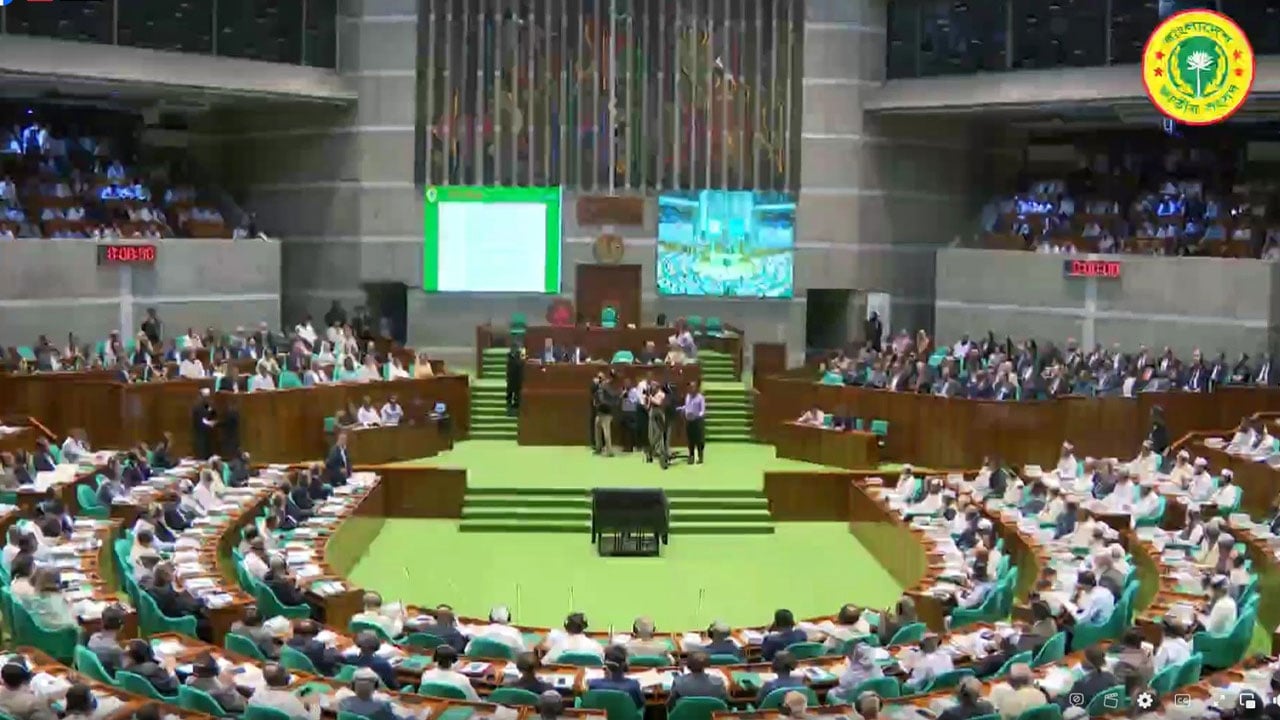
Opposition Chief Whip Nahid Islam has called for the removal and arrest of President Md. Shahabuddin, asserting that the president has no moral right to remain in Bangabhaban or address Parliament. He made the remarks on Thursday, April 30, during the discussion on the motion of thanks for the president’s speech in the 13th National Parliament’s first session. The session was presided over by Deputy Speaker Barrister Kaiser Kamal. Nahid Islam alleged that President Shahabuddin, during his tenure as an Anti-Corruption Commission (ACC) commissioner, was assigned to ensure convictions against Khaleda Zia and Tarique Rahman, clear the Awami League of corruption charges related to the Padma Bridge project, and dismiss corruption cases against Awami League leaders filed during the Fakhruddin-Moinuddin government. He also accused the president of involvement in financial irregularities linked to Islami Bank and of complicity in the July massacre. Nahid further criticized the BNP for previously defending the president under the pretext of constitutional continuity after the July uprising, questioning why the current elected government has not yet replaced him.
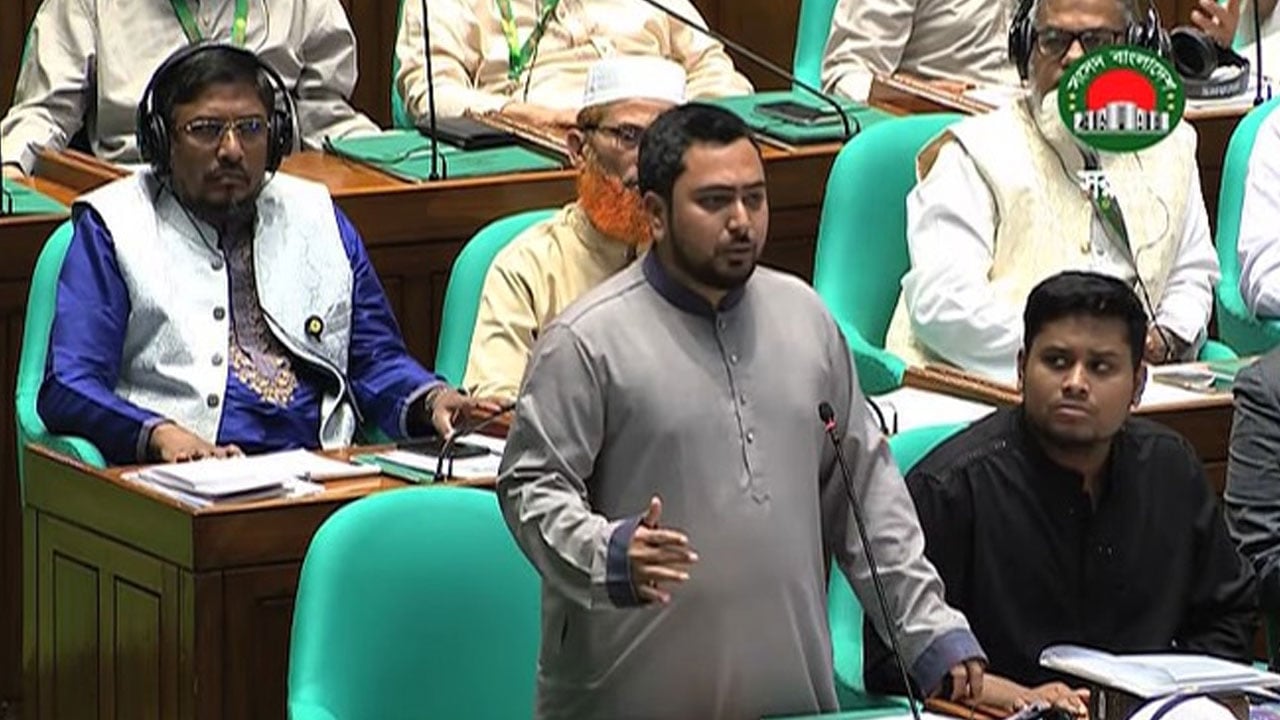
Opposition Chief Whip and National Citizens Party (NCP) convener Nahid Islam has questioned the police’s failure to register a case over the recent attack on members of the Dhaka University Journalists’ Association. Speaking in the national parliament on Thursday during the discussion on the President’s address, he demanded an explanation from the Home Minister regarding why the police have not yet accepted the case. Nahid Islam said several journalists were assaulted by leaders and activists of the student wing of a political party in front of Shahbagh Police Station, yet no case has been filed. He described the incident and the police’s inaction as deeply concerning and questioned whether law enforcement was under any pressure. He also noted that two elected representatives of the Dhaka University Central Students’ Union were attacked during the same incident, highlighting weaknesses in campus security. He urged the government to identify and prosecute those responsible, ensure the victims’ safety, and provide a clear explanation for the delay in accepting the case.
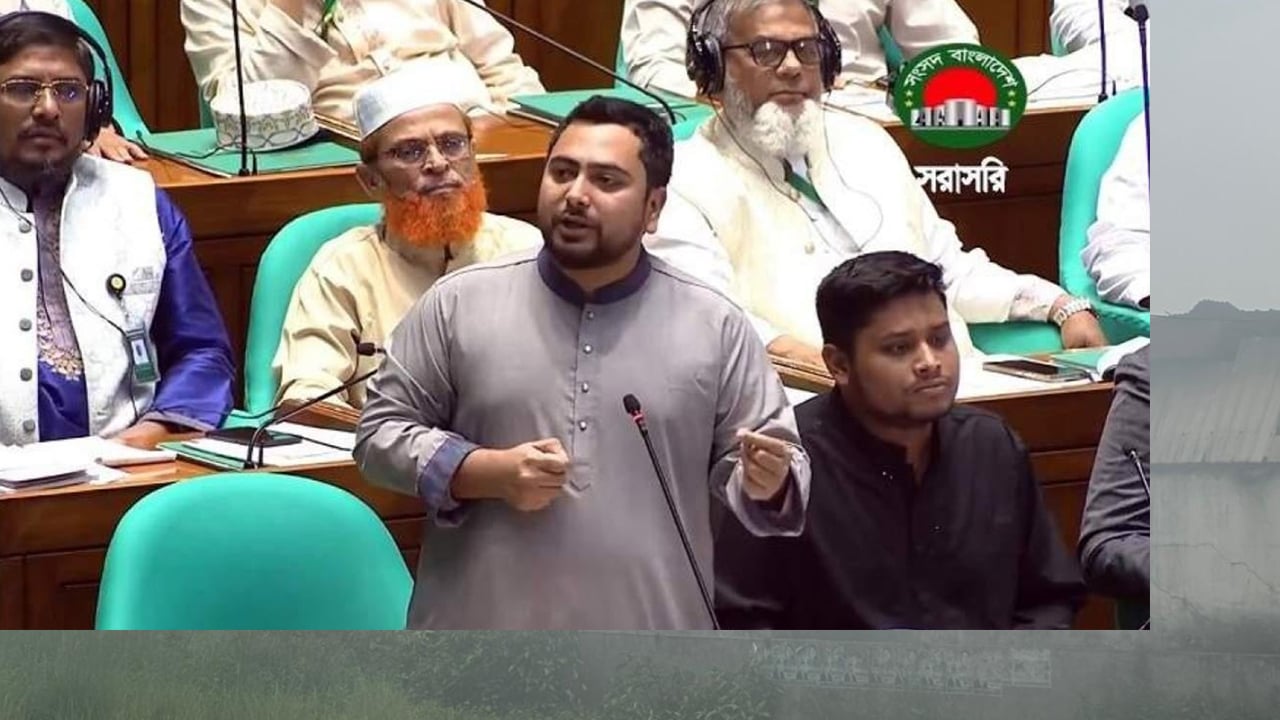
Bangladesh’s opposition leader and Jamaat-e-Islami Ameer Dr. Shafiqur Rahman has called for the proper observance of International Workers’ Day, or May Day, on May 1. In a statement issued to the media on Wednesday, he recalled the 1886 Chicago labor movement as a historic example of workers’ sacrifice for their rights. He noted that despite decades of struggle, workers worldwide continue to face challenges in securing fair wages and benefits, often risking their lives in the process. Dr. Rahman criticized both employers and workers for actions that harm industrial harmony, saying that owners sometimes prioritize their own interests over workers’ rights, while workers’ protests can occasionally damage institutions. He emphasized that true welfare for both sides lies in following the Prophet Muhammad’s guidance to pay workers their due before their sweat dries. He argued that Islamic labor principles could ensure justice and protect the interests of both employers and workers. He urged all segments of Bangladesh’s working population and citizens to observe May Day with due respect and seriousness.
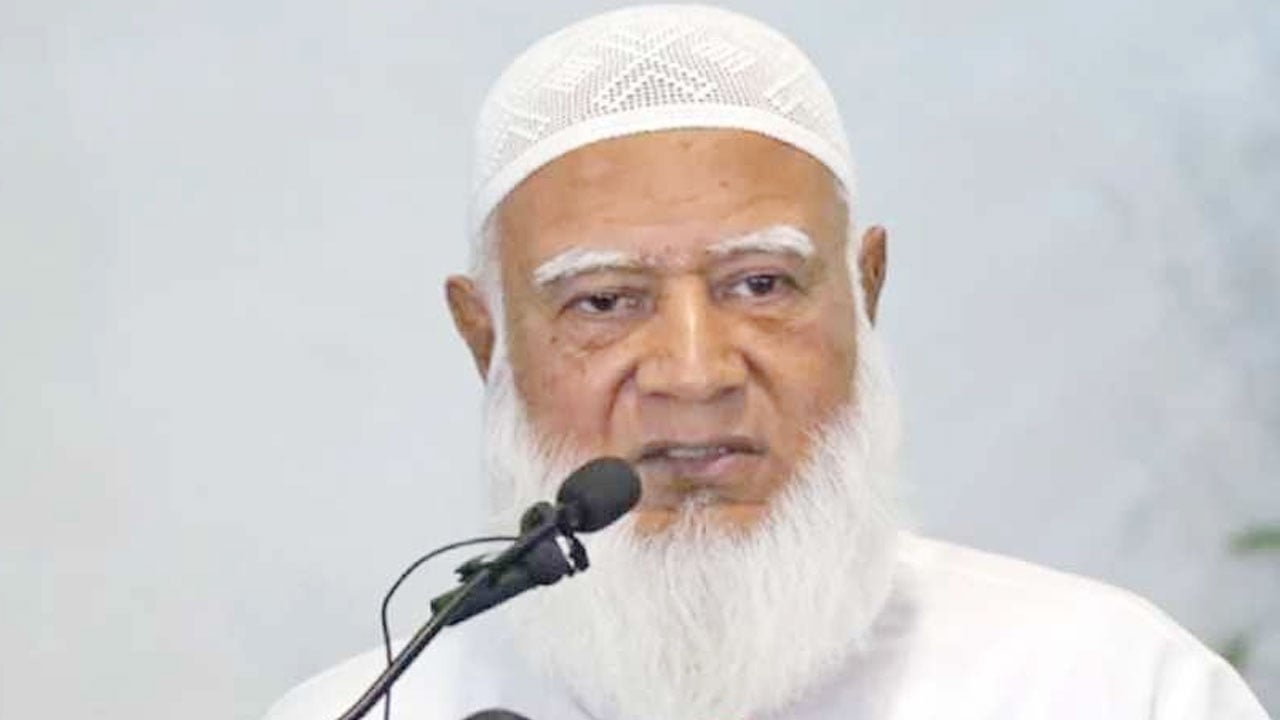
A sub-assistant engineer of the Local Government Engineering Department (LGED) in Brahmanbaria’s Nabinagar has been transferred following an attack by a contractor. On April 23, an order signed by supervising engineer Md Wahiduzzaman on behalf of the chief engineer directed the transfer of Mirza Tarikul Islam to Dewanganj in Jamalpur. The incident occurred on April 13 when a team of LGED engineers visited the Merkuta GC–Shibpur Bazar R&H road to inspect alleged substandard construction work. Contractor Lokman reportedly obstructed them and chased Mirza Tarikul Islam with a bamboo stick. A video of the attack later circulated on Facebook, and a case was filed that evening. Seventeen days after the incident, the main accused Lokman Hossain remains at large, though his driver Billal Hossain and manager Forqan have been arrested. According to LGED sources, Rajshahi-based Messrs Barendra Construction Limited received the contract to build the 4.5-kilometer road from Merkuta Bazar to Shibpur at an estimated cost of Tk 14.63 crore. Lokman Hossain was overseeing the project, which had drawn local complaints about poor-quality work.
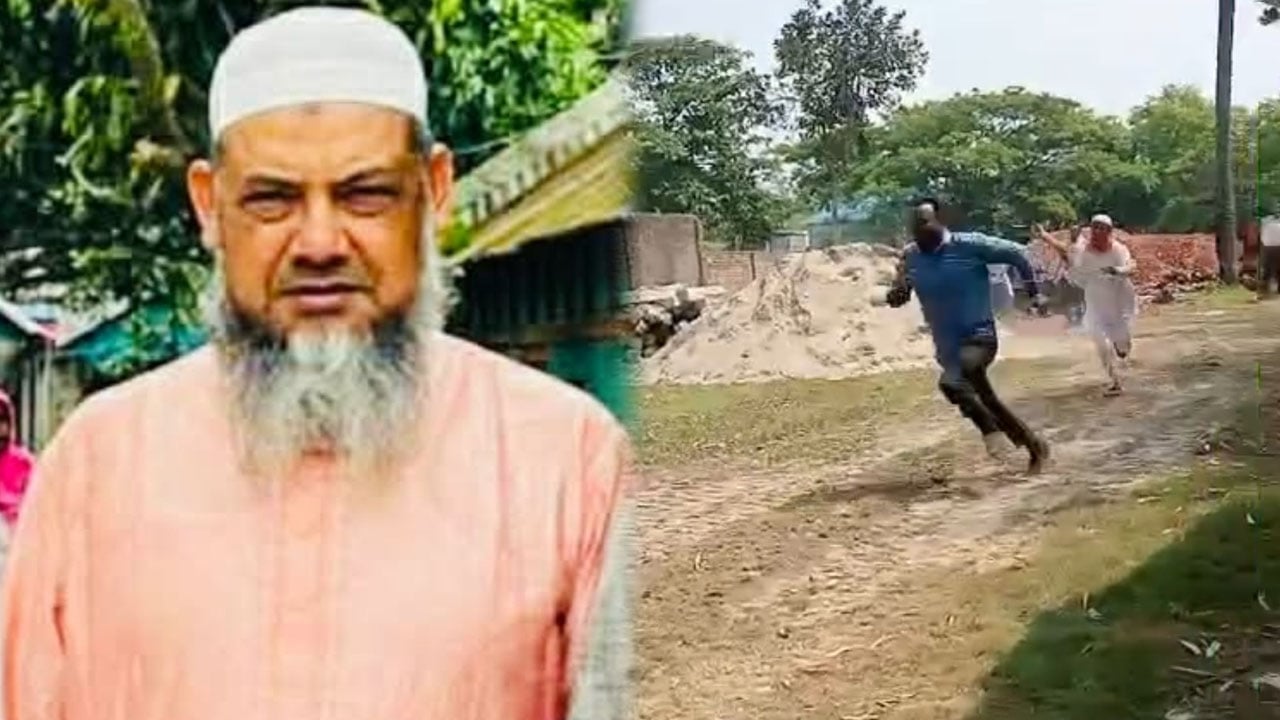
Bangladesh’s opposition parties have demanded the removal of the Bangladesh Bank governor, alleging politically motivated appointments following the passage of two amendment bills in parliament on Thursday. The bills—amending the Bangladesh Securities and Exchange Commission Act and the Insurance Development and Regulatory Authority Act—removed the upper age limits for chairmen and members of the two regulatory bodies. The opposition argued that the changes were designed to benefit specific individuals and criticized the government for making appointments based on political considerations. During the parliamentary session chaired by Deputy Speaker Kaiser Kamal, independent MP Rumin Farhana’s amendment proposals were rejected before the bills were passed. Opposition MPs Akhtar Hossain and Shafiqul Rahman questioned whether the removal of age limits was guided by policy or personal interest, linking the issue to recent appointments, including that of the central bank governor. Finance Minister Amir Khasru Mahmud Chowdhury defended the amendments, citing the need to utilize experienced professionals and noting that many countries have no such age restrictions. Opposition deputy leader Syed Abdullah Mohammad Taher urged clarification regarding the governor’s alleged political affiliation, suggesting a new appointment if the claim proved true. The finance minister responded that supporting a party does not necessarily make one a political appointee.
The government of Bangladesh has transferred 12 senior police officers, including additional deputy inspectors general (DIGs) and superintendents of police (SPs), in a major reshuffle. The Ministry of Home Affairs issued separate circulars on Thursday, April 30, 2026, announcing the changes, which were stated to take immediate effect in the public interest. According to the official notifications, Mokbul Hossain, commandant of the in-service training center in Satkhira, has been reassigned to the same position in Kushtia. Additional DIG Md. Iqbal of Dhaka APBn-12 has been moved to lead APBn-5, while Highway Police additional DIG Md. Enamul Kabir will now head APBn-12. Mohammad Sihab Kayser Khan, previously commanding APBn-13, has been appointed additional DIG of the Police Bureau of Investigation (PBI). RAB directors Mohammad Kamruzzaman and Md. Khalidul Haque Hawlader have been made joint police commissioners of Dhaka Metropolitan Police (DMP). Other transfers include Mohammad Rabiul Hossain Bhuiyan to the River Police, Nusrat Jahan Mukta to the Special Branch, and several SP-level changes involving Dhaka, Bagerhat, and Chattogram ranges.
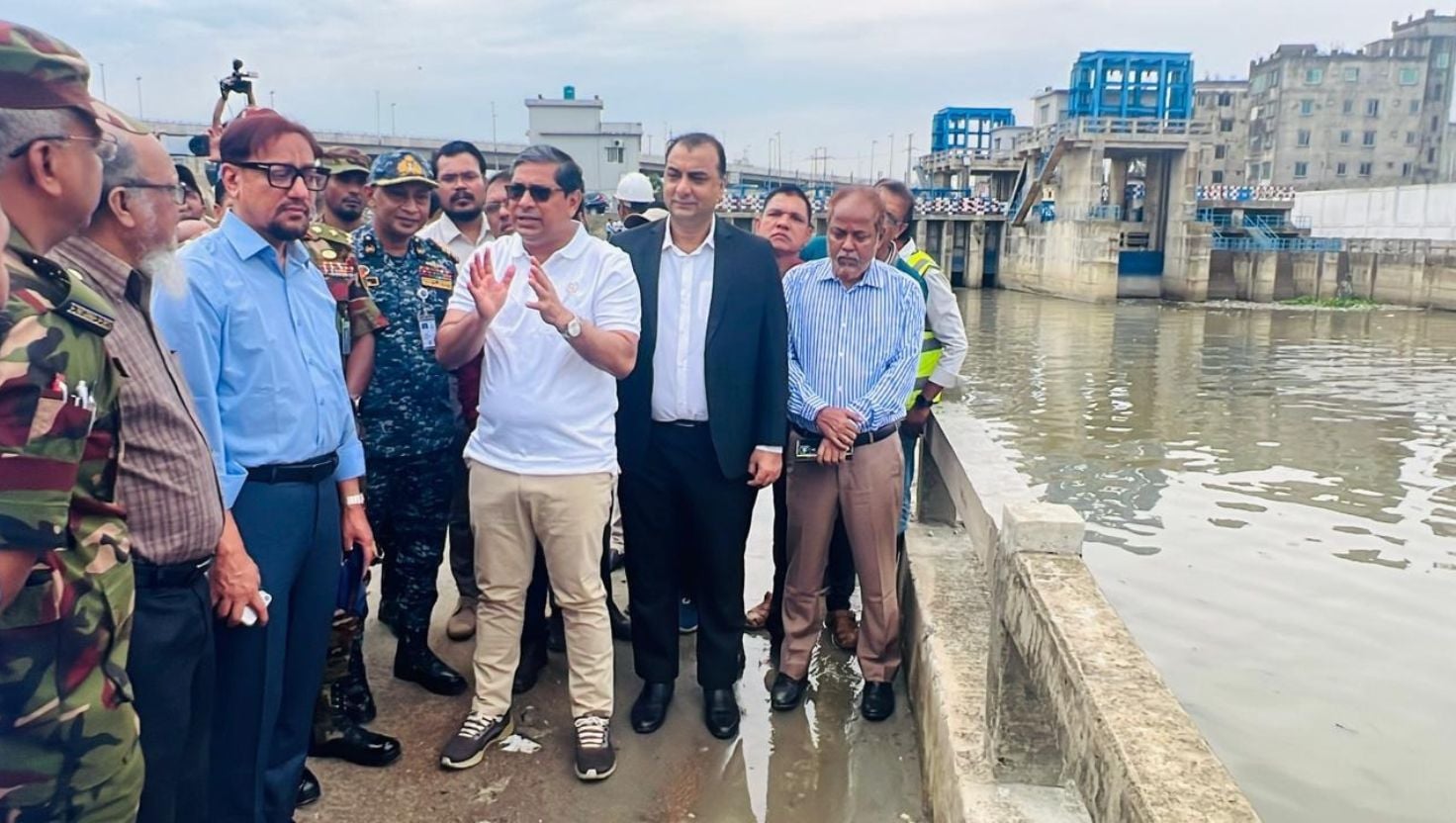
State Minister for Local Government, Rural Development and Cooperatives Mir Shah Alam claimed that Chattogram did not experience waterlogging but only temporary water congestion caused by sudden rainfall. He made the statement while inspecting the city’s waterlogging mitigation project and excavated canals. His remarks drew widespread criticism on social media since Tuesday’s and Wednesday’s heavy rains had submerged low-lying areas, prompting discussions even in the national parliament. Prime Minister Tarique Rahman had earlier expressed regret to Chattogram residents over the situation. During his visit to the city’s most affected area, Probortok Mor, the minister expressed anger at media reports highlighting the flooding and insisted that no water was visible in the city. When Chattogram City Corporation Mayor Dr. Shahadat Hossain attempted to speak, the minister reportedly stopped him in a stern tone. The incident, captured on video, spread widely online and sparked further criticism. Senior officials from the City Corporation and Chattogram Development Authority were present during the inspection, which took place after the rain had subsided and water levels had receded.
The Israeli military reported that one of its drones was shot down over southern Lebanon. According to the army, the drone was brought down by Hezbollah using a surface-to-air missile. The Lebanese armed group Hezbollah also claimed responsibility, saying it had downed an Israeli Hermes 450Z drone over the Nabatieh area, as reported by Al Jazeera. The incident has heightened tensions along the Lebanon-Israel border, an area already prone to periodic clashes and military exchanges. Both sides confirmed the downing of the drone, though no further details were provided about casualties or damage. The development is expected to further strain the fragile security situation in the border region, with observers noting increased volatility following the latest confrontation.

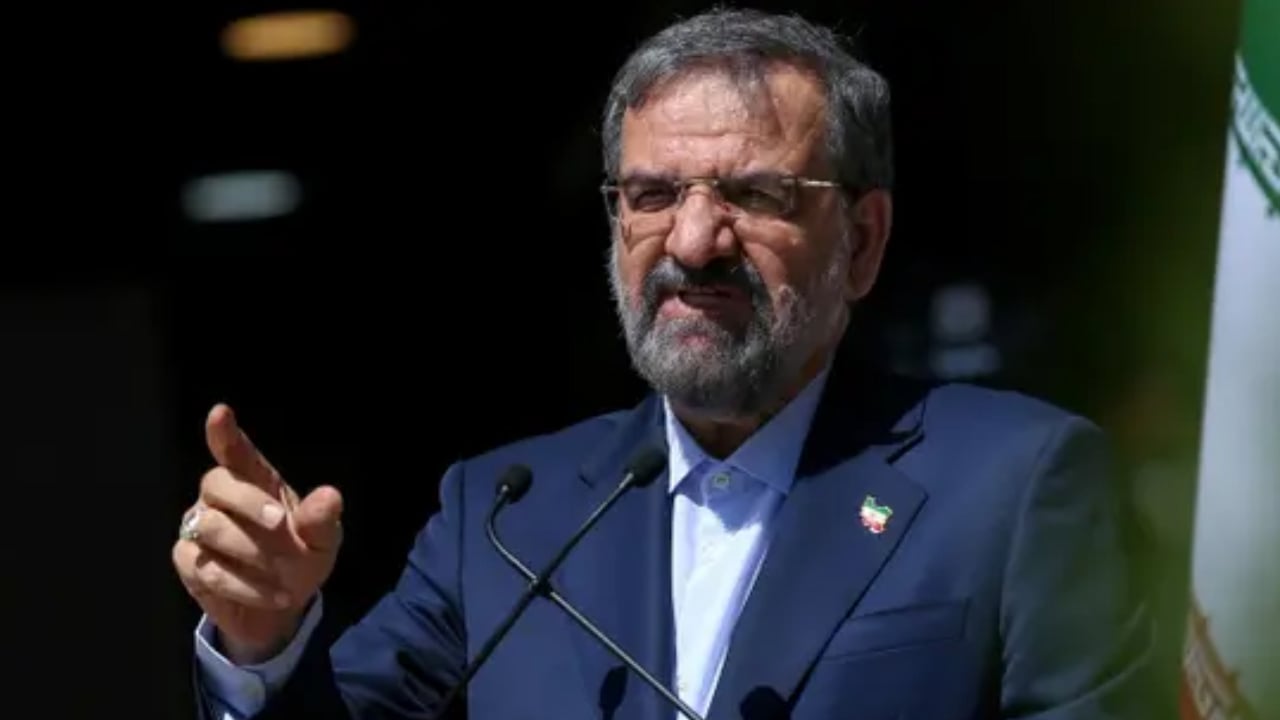
Iran’s senior military adviser to Supreme Leader Mojtaba Khamenei, Mohsen Rezaei, warned that Tehran would not tolerate an extension of the naval blockade. Speaking to Iran’s state television early Thursday, Rezaei cautioned the United States that Iran would respond if the blockade continued. He argued that such measures had been ineffective and claimed Iran could easily navigate the Indian Ocean despite restrictions. Rezaei’s remarks came as US President Donald Trump reportedly instructed allies to prepare for a prolonged naval blockade. The comments highlight growing friction between Tehran and Washington over maritime control and regional security. Rezaei also urged the Iranian public not to believe rumors about Supreme Leader Mojtaba Khamenei’s health, saying he remains young, healthy, and actively leading the country. The warning underscores Iran’s defiant stance amid escalating regional tensions and signals potential maritime confrontations if the blockade persists.
Authorities in Dasar upazila of Madaripur seized a truck carrying 422 sacks of rice allocated under the government’s Vulnerable Group Development (VGD) program. The operation took place on Tuesday, April 28, in the Bhanga Bridge area. According to the local food office, the seized rice was specially processed with added vitamins and proteins to improve nutrition for poor beneficiaries, and its sale or distribution in open markets is strictly prohibited. Ahad Munshi, owner of Munshi Rice Mill, claimed ownership of the rice and said it was being transported to Gopalganj. He admitted that moving the rice without official permission was a mistake. Local resident Shahriar Tuhin called for a thorough investigation into how such a large quantity of government rice reached private hands, urging strict punishment if misappropriation is proven. Dasar Upazila Executive Officer Zakia Sultana confirmed the seizure and stated that legal action against those involved is underway.

The ‘1 Nojor’ media platform is now live in beta, inviting users to explore and provide feedback as we continue to refine the experience.