

The ‘1 Nojor’ media platform is now live in beta, inviting users to explore and provide feedback as we continue to refine the experience.
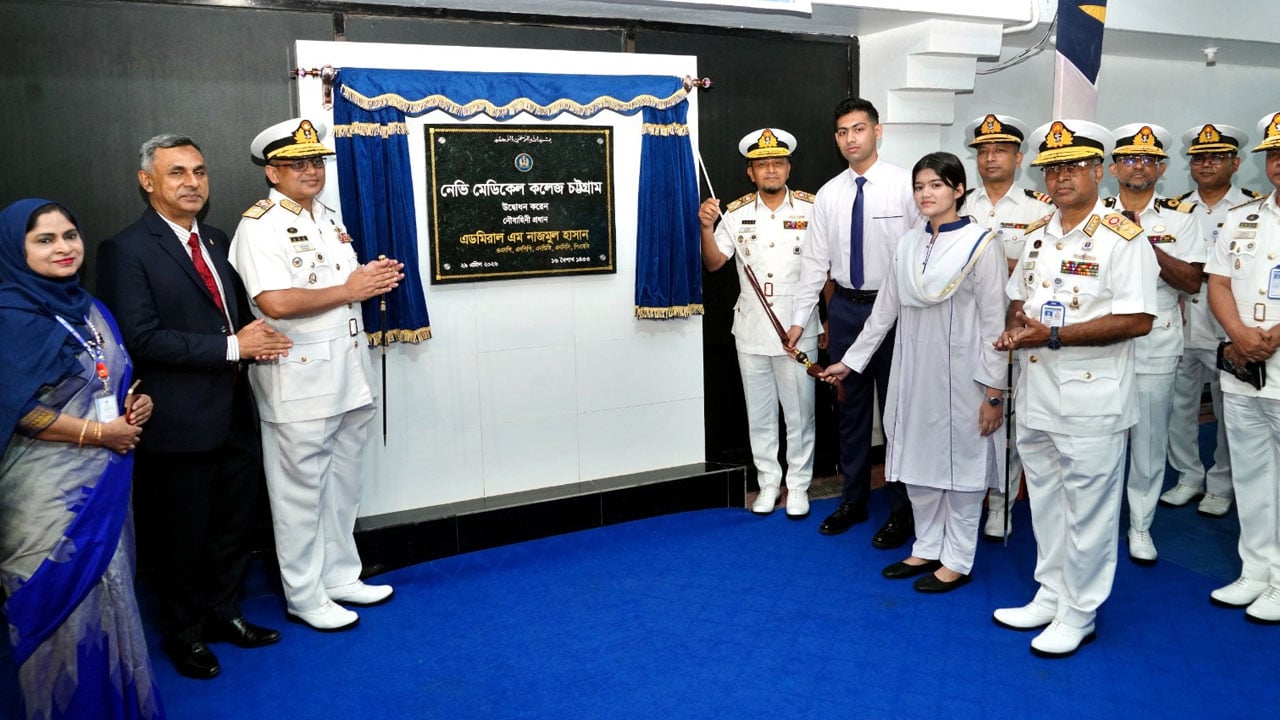
The newly built Bangladesh Navy Medical College in Chattogram’s Bandar Tila area, adjacent to BNS Issa Khan, was officially inaugurated on Wednesday by Chief of Naval Staff Admiral M Nazmul Hassan. The institution, established under the supervision of the Bangladesh Navy, aims to provide modern medical education supported by advanced infrastructure and training facilities. According to the source, the college has already completed its admission process following the guidelines of the Bangladesh Medical and Dental Council (BMDC) and the Bangladesh University of Professionals (BUP). With the inauguration, a five-year medical education program has begun for 50 civilian students in the current academic year. The Navy Chief stated that the college will enhance the armed forces’ medical capacity and contribute to improved healthcare for the general population. The college features modern laboratories, a well-equipped library, advanced classrooms, and experienced faculty. Academic activities are set to be conducted by qualified teachers and trained staff, integrating naval discipline and professionalism to strengthen the national healthcare sector.
A 60-year-old fish farmer named Shahidullah Mia died while undergoing treatment after being severely injured in an attack by drug dealers in Rupganj, Narayanganj. The incident occurred on April 11 in the Gangannagar Namapara area of Murapara Union, following a dispute with local drug traders. Shahidullah was attacked with hammers, knives, steel pipes, and sharp weapons when he tried to stop drug sales and use near his fish farm. The attackers also allegedly snatched 20,000 taka from him before fleeing. He was first taken to Dhaka Medical College Hospital and later transferred to Bangladesh Multicare Hospital in West Rampura, where he died on Wednesday afternoon. Following his death, Shahidullah’s son-in-law Mozammel Haque Bhuiyan filed a case with Rupganj Police Station, naming four individuals and several unidentified others. The officer-in-charge of Rupganj Police Station, AHM Salauddin, stated that the case will now be treated as a murder case. Police have inspected the scene and are actively working to arrest the suspects. The incident has sparked anger and tension in the local community, according to residents and police sources.
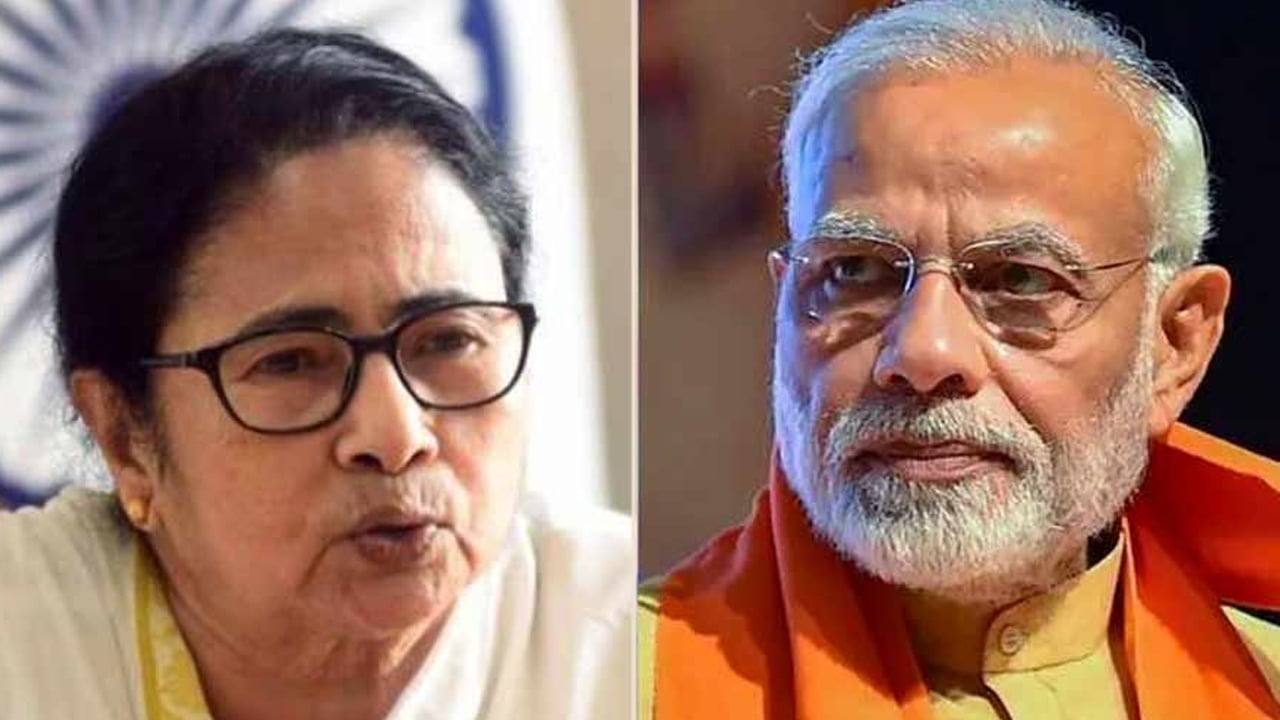
After voting concluded in the West Bengal Assembly election, six exit polls released on April 29, 2026, presented mixed outcomes. Four surveys suggested that the Bharatiya Janata Party (BJP) could form the state government for the first time, while two others projected a strong victory for the ruling Trinamool Congress (TMC) led by Mamata Banerjee. The state assembly has 294 seats, requiring 148 for a majority. According to Praja Poll, BJP might secure 178–208 seats and TMC 85–110. P-Mark estimated BJP at 150–175 and TMC at 118–138, while Matrix and Poll Diary also showed BJP ahead. In contrast, Janamat Polls predicted TMC would win 195–205 seats, and Peoples Pulse gave it 177–187, indicating a possible third consecutive term for Banerjee’s party. All surveys agreed that the Left and Congress are likely to perform poorly again. Analysts noted BJP’s rapid rise in the past decade, citing its 2019 parliamentary gains and the party’s strong booth-level organization this year. The final results will be announced on May 4, clarifying who controls the Writers’ Buildings. Exit polls are not always accurate, and the official outcome will determine the actual power balance in the state.
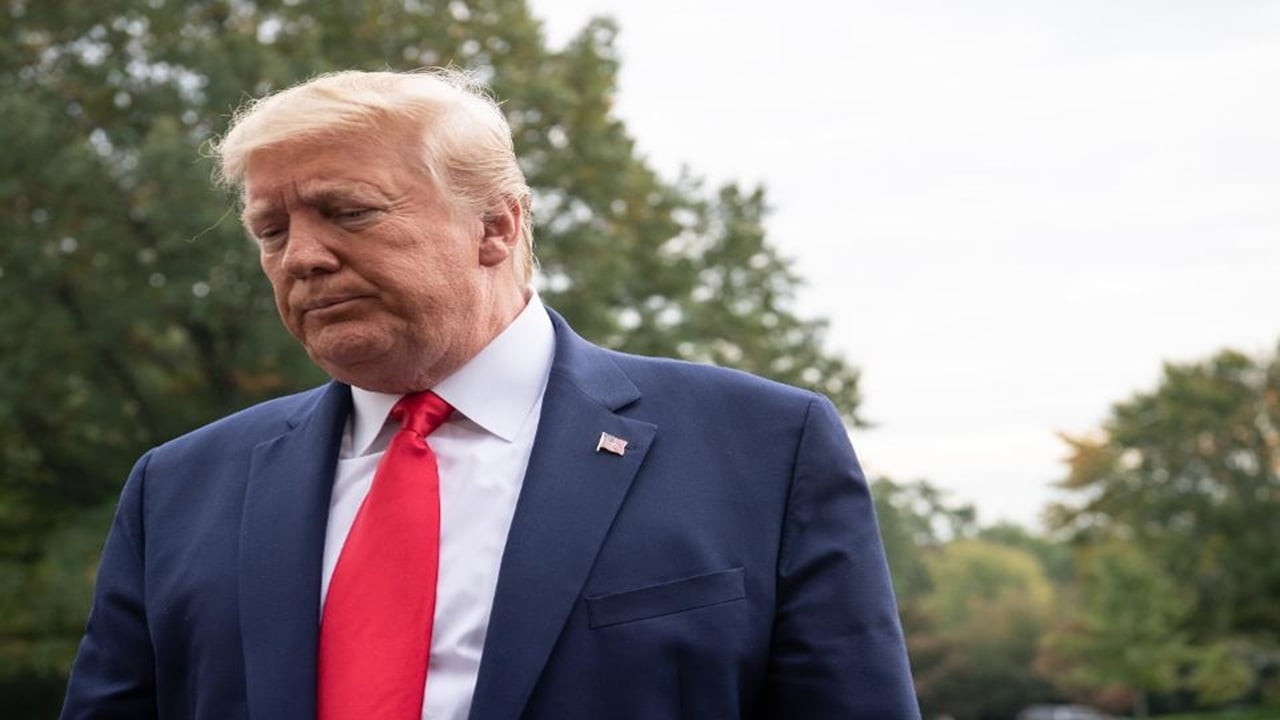
U.S. President Donald Trump is facing mounting political pressure to end the ongoing war with Iran, which has become a major burden for the White House, according to a Reuters report published Tuesday. Intelligence agencies are assessing how Iran might respond if Trump unilaterally declares victory after two months of conflict that has already claimed thousands of lives and turned into a political liability for his administration. Senior officials have asked intelligence agencies to evaluate possible outcomes of a U.S. troop withdrawal from the conflict. Advisers have warned that continuing the war could severely damage Republican prospects in the upcoming November midterm elections. Sources told Reuters that intelligence assessments following the initial February offensive suggest Iran would likely interpret a U.S. withdrawal after a victory declaration as its own success. The report also noted that if Trump declares victory but maintains a significant troop presence in the region, Iran may view it as part of a strategic negotiation process, though such a move would not guarantee an end to the war.
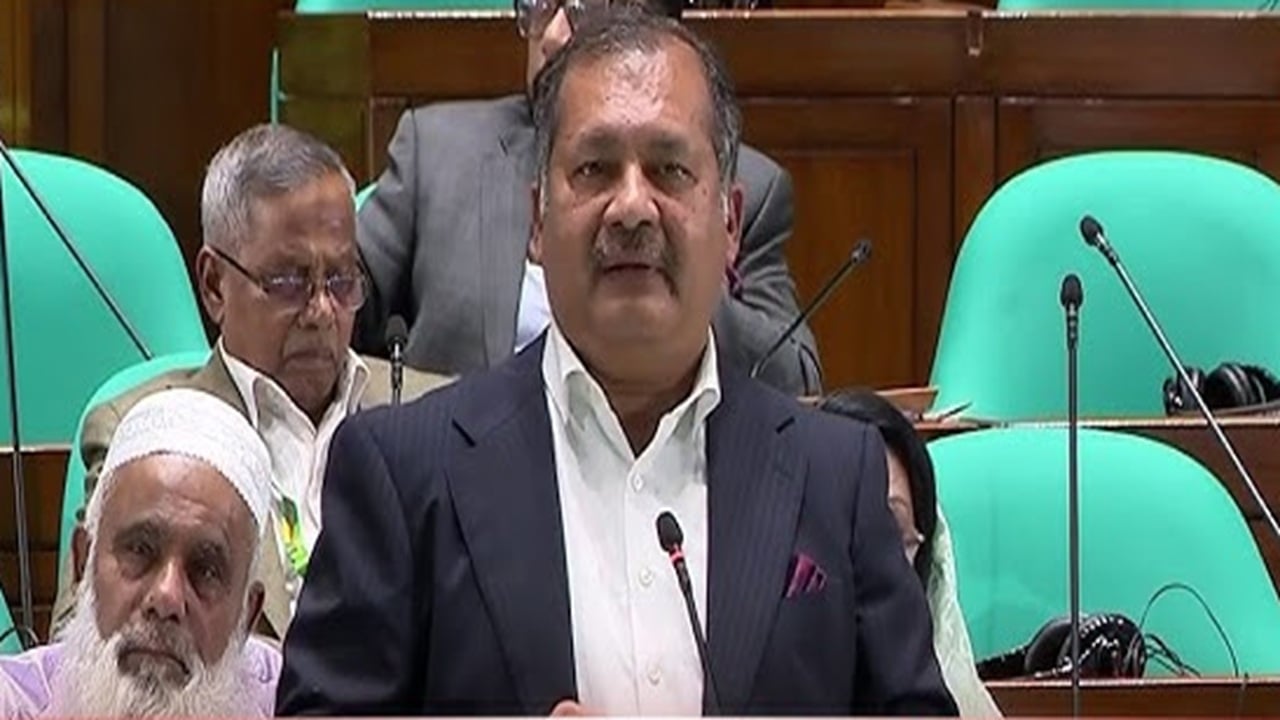
Information and Broadcasting Minister Zahiduddin Swapan told parliament that debate with Jamaat-e-Islami will persist until the party adopts an acceptable position on the 1971 genocide. Speaking during discussions on the motion of thanks to the President’s address, he added that disputes over the July movement will also remain unresolved until the Awami League addresses its historical accountability. The session, chaired by Speaker Hafizuddin Ahmed, began at 11 a.m. on Wednesday. Swapan said the BNP will continue political debate within the framework of the constitution, parliament, and democracy, without allowing it to move beyond those boundaries. He described the 13th National Parliament as historically unique for its diversity and noted that the current political landscape differs from the past two-party structure. He also cited progress in economic indicators such as stock market turnover and remittance growth. Law Minister Asaduzzaman claimed Jamaat-e-Islami has effectively acknowledged itself as an anti-liberation force under the National Freedom Fighters Council Act 2026. Other ministers and MPs discussed issues including electricity shortages, national unity, education reforms, and calls for implementing Islamic law, reflecting wide-ranging debates across party lines.
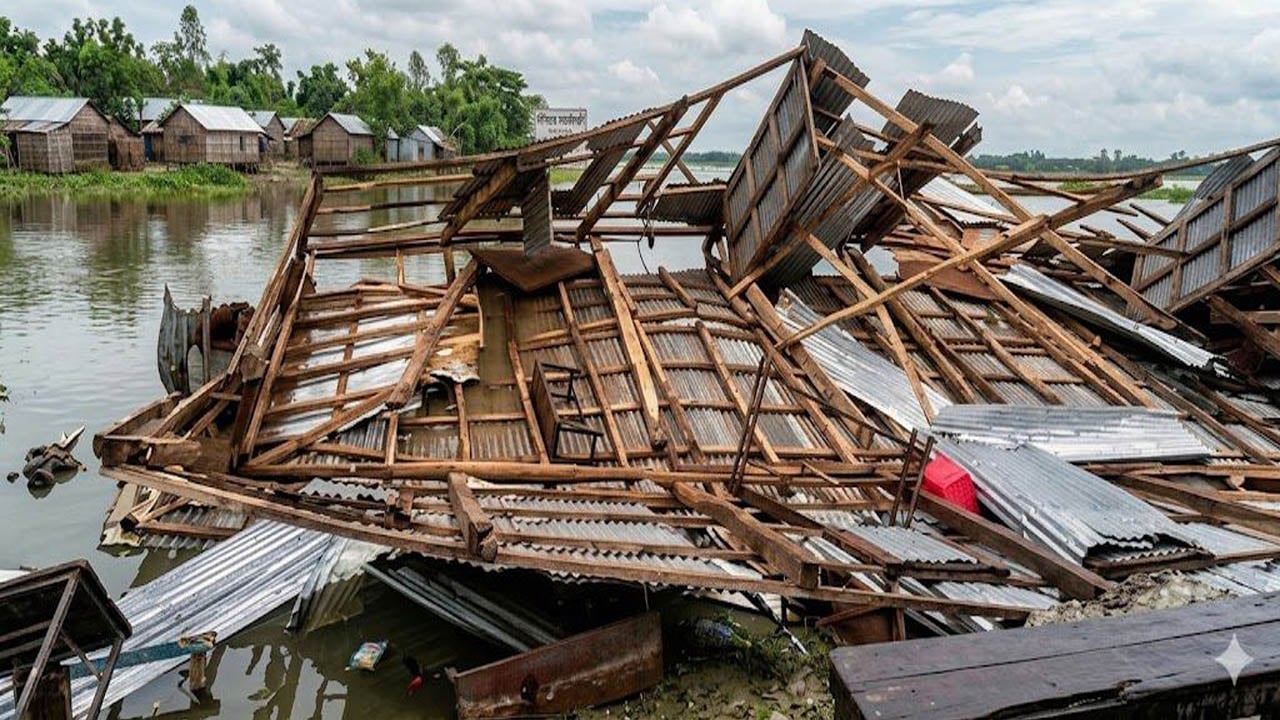
A severe nor'wester storm struck Char Zahir Uddin in Tazumuddin upazila of Bhola on Tuesday afternoon, causing extensive damage to the 63 No. Mariam Government Primary School. The storm blew away the school’s tin roof and destroyed classroom furniture, leaving the building in disarray. No casualties were reported as students had been dismissed early when the sky darkened. Local residents urged immediate repairs to resume classes, emphasizing the disruption to the learning environment. Headteacher Abul Kashem confirmed that the furniture inside was badly damaged but said timely evacuation prevented injuries. School authorities warned that without quick restoration, continuing educational activities would be difficult. Upazila Primary Education Officer Md. Riaz Alam stated that photos and details of the damage would be sent to higher authorities for emergency funding. He added that once funds are allocated, repairs will begin promptly to restore normal schooling conditions.
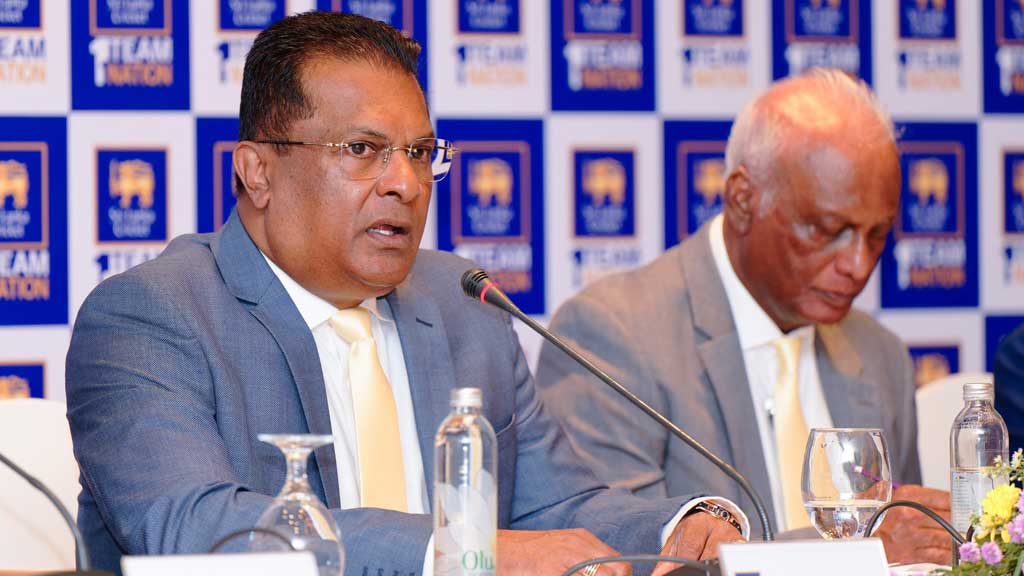
Sri Lanka Cricket Board (SLC) president Shammi Silva and the board’s executive committee formally resigned following a decision made in a special committee meeting the previous day. The move came after Sri Lankan President Anura Kumara Dissanayake requested Silva’s resignation amid allegations of financial irregularities and growing public anger. The two sides reportedly reached an understanding for a cordial departure during a meeting last Friday. The Sri Lankan government is now set to appoint an interim committee to oversee the cricket board’s operations. Former parliamentarian Eran Wickramaratne is expected to lead the committee, according to the report. Additionally, former national cricket legends Sidath Wettimuny and Roshan Mahanama may be given key roles to help drive reform within the board. No official announcement has yet been made regarding the composition of the interim committee or the specific responsibilities of the proposed members.
A lawyer named Solaiman Haque, aged 38, was killed after being run over by a truck in Panchagarh Sadar upazila on Wednesday, April 29. The accident occurred in the Ahmadnagar area on the Milgate Bazar–Phultala road under Dhakkamara Union. Police and local sources said Solaiman was returning home from Panchagarh on a motorcycle when a truck coming from the opposite direction collided with him. He fell on the road and was crushed under the truck’s wheels, dying on the spot. The deceased was a resident of Saddarpara in Mareya Bamonhat Union of Boda upazila and a member of the Panchagarh Lawyers’ Association. Police recovered the body and sent it to Panchagarh Modern Sadar Hospital morgue for autopsy. Officer-in-Charge Ashraful Islam of Panchagarh Sadar Police Station said the body would be handed over to the family after the post-mortem. The truck fled the scene, and legal proceedings are underway to locate and seize it.

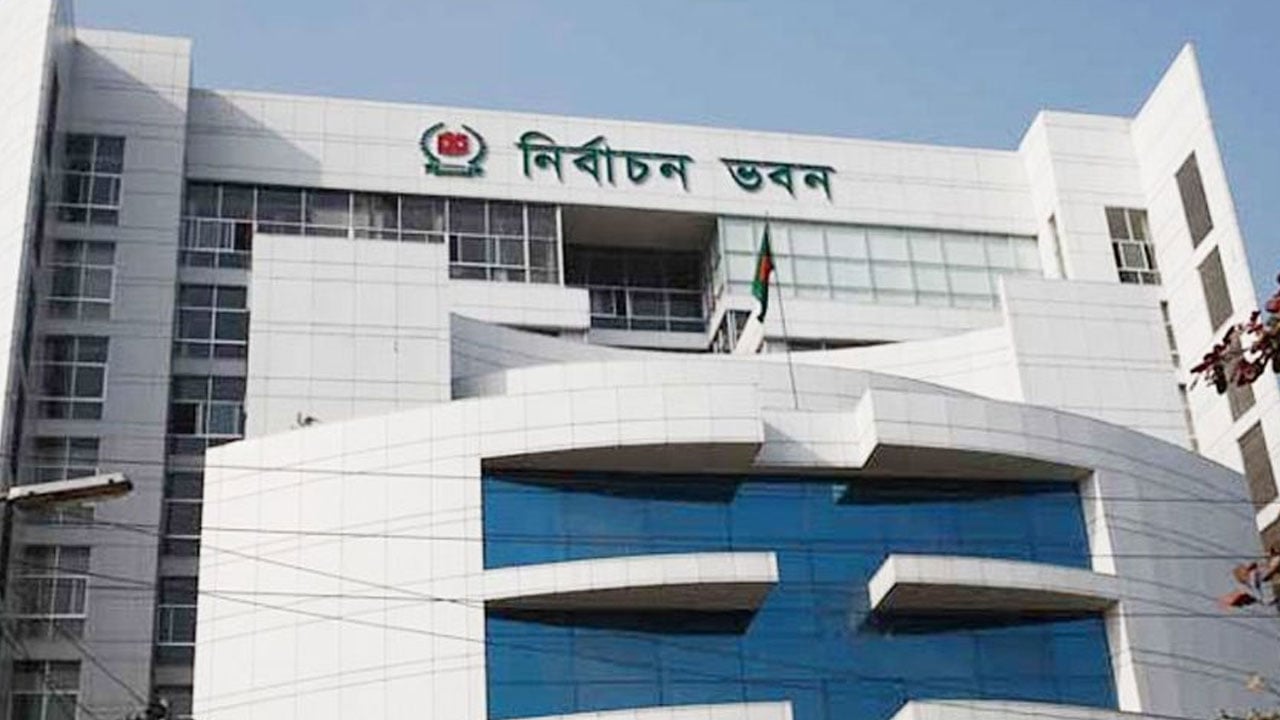
The Election Commission (EC) of Bangladesh has made it mandatory to present an education certificate when applying for a National Identity Card (NID), both for new voter registration and for correction requests. The directive, issued on April 29 by the EC’s NID wing, was sent to field-level officials to ensure data accuracy and prevent future complications in identity corrections. According to the instruction signed by NID Wing Director Saiful Islam, voter registration requires several documents, including the registration form, birth certificate, and proof copy. The Secondary School Certificate (SSC) is now essential, especially for verifying birth dates during data corrections. The EC observed that many field offices were not including SSC certificates in the database, leading to difficulties in verifying applicants’ information. To maintain transparency, applicants with higher education must also submit their highest degree certificates. Regional and district election officers have been assigned to monitor compliance and conduct random checks. EC officials stated that this initiative will enhance the accuracy of NID data and help prevent identity fraud.
The United States has spent at least $25 billion in its ongoing war with Iran, according to Pentagon officials. Acting Undersecretary (Comptroller) Jules Hurst disclosed the figure during a hearing of the House Armed Services Committee on Wednesday, where Defense Secretary Pete Hegseth was also present. Hurst said most of the spending went toward ammunition and weaponry, as well as military operations and replacement of damaged equipment. The war, which began on February 28, has drawn concern among US lawmakers over its financial toll. Democratic members have accused President Donald Trump of launching the costly conflict without congressional approval. The hearing also revealed that US bases in the Middle East suffered significant damage from Iranian drone and missile attacks, further straining resources. Hurst added that the Pentagon is still calculating the total cost of the war and may request additional funds from Congress to rebuild damaged military infrastructure. The hearing was held as part of the administration’s effort to justify its proposed $1.5 trillion defense budget for fiscal year 2027.

Prime Minister Tarique Rahman has instructed Cumilla City Corporation Administrator Yusuf Molla Tipu to take immediate measures to resolve waterlogging in the city. The directive came after 126 millimeters of rainfall on Tuesday submerged major roads and several educational institutions, forcing SSC examinees at Cumilla Ishwar Pathsala School to sit for exams in knee-deep water. The administrator confirmed receiving the Prime Minister’s phone call on Wednesday afternoon. Yusuf Molla Tipu stated that the Prime Minister expressed concern over the situation and emphasized the need for rapid drainage. He reported that overnight operations had been conducted to remove stagnant water and that the city was now free of flooding. The administrator also mentioned identifying and clearing areas prone to water accumulation. He further criticized irregularities over the past 16 years of city administration, alleging misuse of development funds and neglect in cleaning the Gungarjuri canal, which is crucial for drainage in Cumilla.
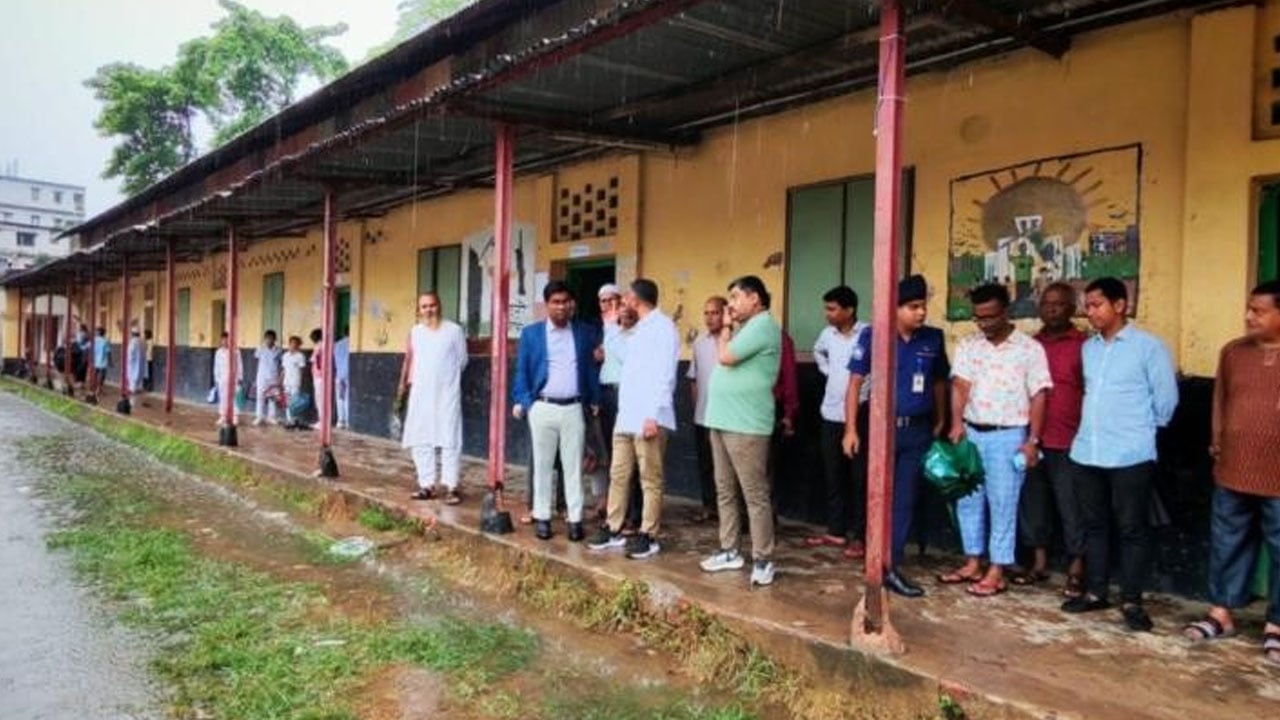
A prayer gathering was held in Lakshmipur seeking the recovery of Dr. Muhammad Rezaul Karim, a central executive council member of Bangladesh Jamaat-e-Islami and secretary of the party’s Dhaka North unit. The event took place on Wednesday afternoon under the initiative of Chandraganj Thana Jamaat. The gathering was attended by several local Jamaat leaders, including former district secretary and council member Maulana Faruk Hossain Nurunabi, district council member Professor Abdur Rahman, Chandraganj Thana Ameer Maulana Nur Mohammad Rasel, and Thana Secretary Advocate Rezaul Islam Khan Suman, along with other local leaders. Special prayers were offered for Dr. Karim’s quick recovery and long life, led by Professor Abdur Rahman. According to the report, Dr. Muhammad Rezaul Karim has been receiving treatment for respiratory complications at Ibn Sina Hospital in Dhaka for over a week. He was previously nominated by Jamaat as a parliamentary candidate for the Lakshmipur-3 (Sadar) constituency.

A top-listed gangster named Titon was shot dead in Dhaka’s New Market area, and his family alleges the killing stemmed from a dispute with another gangster, Picchi Helal, over control of a cattle market in Bhashila. The incident occurred on Tuesday night near Shahnewaz Hall, where unidentified assailants opened fire. Following the autopsy, police handed over Titon’s body to his family, who have since filed a murder case at New Market Police Station. According to the case statement, Titon’s brother Khondaker Saeed Akhtar Ripon accused eight to nine unidentified individuals of involvement. Ripon said Titon had recently told him about tensions with Helal and others regarding the cattle market lease. Titon had been released on bail in August 2024 after a long imprisonment and had expressed a desire to lead a lawful life. Police have yet to make any arrests in connection with the case. The case file also mentions that Titon was related to another known gangster, Iman, though Ripon denied any conflict between them. Investigations into the killing are ongoing.
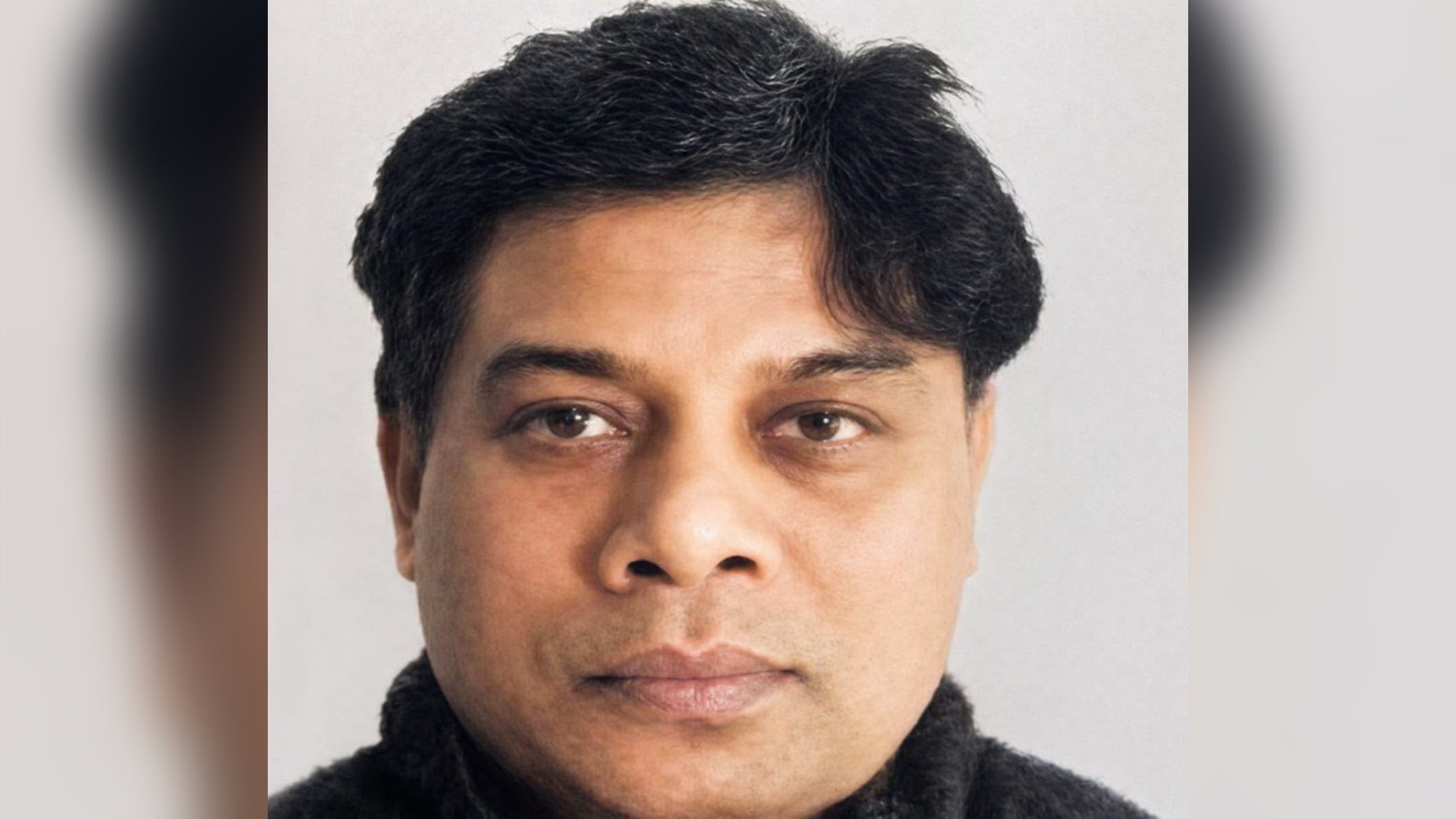
A fisherman named Rajib Sheikh, aged 35, died after being struck by lightning while lifting fishing nets in the Kirtonkhola River at Maizpara area of Japsa Union, Naria upazila, Shariatpur. The incident occurred around 1:15 p.m. on Wednesday, April 29, 2026. According to Naria Police Station Officer-in-Charge Md. Bahar Mia, Rajib was fishing as usual when a sudden lightning strike hit him, causing severe injuries. He fell into the boat and was later taken to Naria Upazila Health Complex, where doctors declared him dead. Naria Upazila Nirbahi Officer Md. Abdul Kaiyum Khan confirmed the lightning incident and said that the victim’s family received Tk 25,000 in government assistance after officials verified the case and visited the family. Local authorities have not reported further casualties or damage related to the lightning strike.

US Defense Secretary Pete Hegseth told the House Armed Services Committee on Wednesday that America’s greatest enemy at present is not any foreign power but the 'defeatist' Democratic members of Congress. Appearing before lawmakers for the first time since the Trump administration launched the war with Iran, Hegseth accused Democrats of obstructing the country’s defense efforts through their statements and actions. During the hearing, Hegseth reiterated former President Donald Trump’s stance on Iran’s nuclear program, asserting that the United States would never allow Iran to develop nuclear weapons. He said top negotiators were working toward a deal to prevent that outcome. While welcoming dialogue on the Iran situation, he sharply criticized Democratic lawmakers for questioning the justification of the war and the record $1.5 trillion defense budget, calling their position a threat to national security. Democratic members strongly protested Hegseth’s remarks, accusing the administration of violating the Constitution by starting the Iran war without congressional approval and labeling critics as enemies for challenging the defense budget.

The ‘1 Nojor’ media platform is now live in beta, inviting users to explore and provide feedback as we continue to refine the experience.