

The ‘1 Nojor’ media platform is now live in beta, inviting users to explore and provide feedback as we continue to refine the experience.
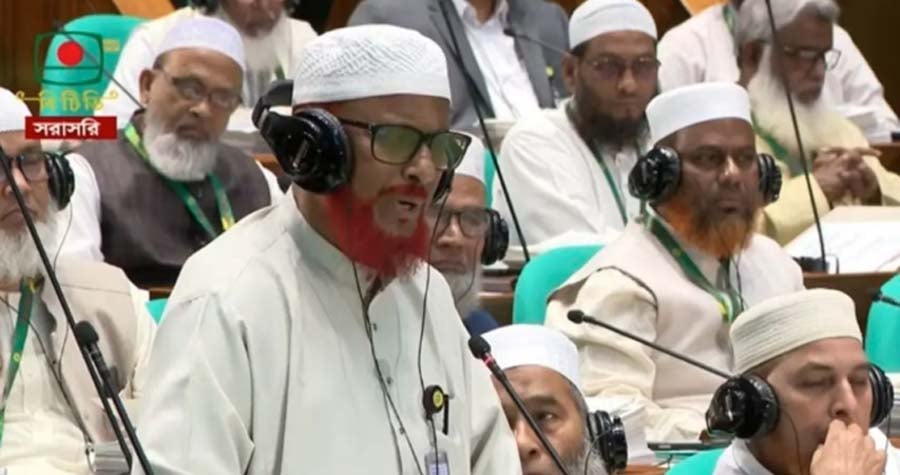
Jamaat-e-Islami lawmaker and party Nayebe Ameer ATM Azharul Islam questioned how the Bangladesh Nationalist Party (BNP), founded in 1978, could claim to be a Liberation War party. Speaking in Parliament during the discussion on the motion of thanks for the President’s address, he argued that the Liberation War took place in 1971, seven years before the BNP’s formation, and therefore the party’s claim was inconsistent. He added that while BNP has freedom fighters, Jamaat-e-Islami also has members who fought in the war. Azharul Islam reflected on his own past as a death-row convict and linked his release to the July uprising of 2024, which he described as a movement for change rather than merely a power shift. He credited the uprising with leading to a referendum supported by 70 percent of voters. He also praised former presidents Ziaur Rahman and Khaleda Zia for their roles in establishing democracy and unity politics in Bangladesh. Azhar criticized the current President as a collaborator of the Awami League, which he labeled fascist, and questioned how BNP could support such a figure. He further alleged that BNP nominated a local Awami League leader for a reserved women’s seat, suggesting it reflected weakness or an attempt to appease certain powers.
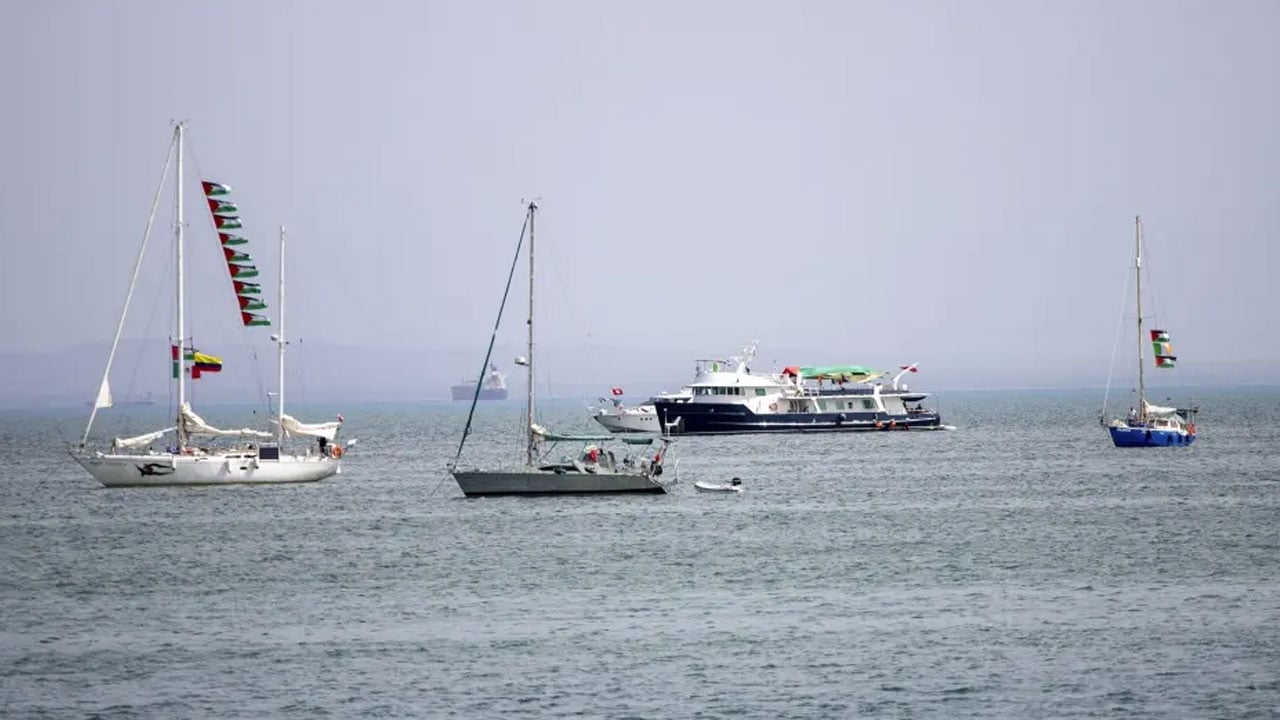
Israel has imposed a ban on the fundraising campaign for the ‘Global Sumud Flotilla,’ which set sail toward the Gaza Strip to deliver humanitarian aid. The flotilla, consisting of around 100 ships from Turkey, Spain, and Italy, aims to break the blockade and ensure uninterrupted assistance to Gaza residents. The order was signed by Israeli Defense Minister Israel Katz, according to a report by Middle East Eye. The Israeli Defense Ministry stated that the flotilla violates United Nations resolutions and disrupts regional settlement efforts linked to the Trump administration. Despite a ceasefire agreement signed on October 10, 2025, which called for immediate and full aid delivery to Gaza, Israel has reportedly restricted essential and nutritious food supplies, allowing only a small portion of promised aid to enter. The report also notes that under international humanitarian law, blockades that harm civilians or obstruct humanitarian relief are prohibited, particularly those that contribute to starvation or prevent aid from reaching affected populations.
The body of six-year-old Azmain Hossain was recovered from a pond near his home in Barura, Cumilla, on Wednesday morning, two days after he went missing. According to local sources, Azmain, son of Shahjahan Hossain and Beauty Begum of Odda village in Chitadda Union, disappeared on Monday afternoon while playing near the central mosque of the village. His disappearance had caused concern in the area, and appeals for his recovery were shared on social media. Local residents discovered the child’s body floating in a nearby pond and informed the authorities. Barura Police Station Officer-in-Charge Md Azharul Islam stated that the child likely fell into a water-filled pit near the house, and the body surfaced due to rainwater. He also confirmed that the family had not filed any complaint regarding the incident. The tragic death has left the parents devastated, and the local community deeply saddened by the loss.

The National Citizens Party (NCP) has issued a four-point demand seeking urgent government intervention in the Haor region, where ongoing heavy rains, upstream floods, and sudden inundation have severely disrupted the current Boro rice harvest. The demands include immediate supply of sufficient combine harvesters and laborers for harvesting, a special incentive package and fair compensation for affected farmers, rapid repair and strengthening of crop protection embankments with effective drainage, and prompt initiation of government rice procurement to ensure fair prices for farmers. In a press release signed by NCP’s joint chief coordinator and agriculture secretary Golam Mortuza Selim, the party expressed deep concern over the worsening situation in Netrokona and Sunamganj. It said farmers are struggling to save their ripe paddy as many areas remain waterlogged, with large portions of crops submerged. The NCP noted that labor shortages, lack of modern machinery, and weak embankments have intensified the crisis. The statement warned that delays in effective action could have far-reaching negative effects on national food security and the economy, urging the government to act swiftly to protect farmers’ livelihoods.

Widespread paddy fields in the haor areas of Kendua and Atpara in Netrokona were submerged within a short time due to continuous rainfall and sudden flooding. Many farmers tried to harvest their crops in waist-deep water but failed to save most of them. Losing their only annual harvest, they now face severe uncertainty about their livelihoods. Local Member of Parliament Dr. Rafiqul Islam Hilali stated on Facebook that the situation has been brought to the Prime Minister’s attention. Following her directive, the Chief Secretary contacted him, and the district administration was instructed to prepare a three-month rehabilitation and assistance plan for affected farmers. However, on the ground, frustration and anger are evident among farmers who demand permanent solutions instead of temporary aid. According to the Upazila Agriculture Office, about 3,100 farmers have been affected in Kendua, with 375 hectares of Boro paddy, 5.5 hectares of vegetables, 5.7 hectares of jute, and 0.45 hectares of Aman seedbeds submerged. The agriculture officer said a list of affected farmers is being prepared for future assistance through the Ministry of Disaster Management and Relief.

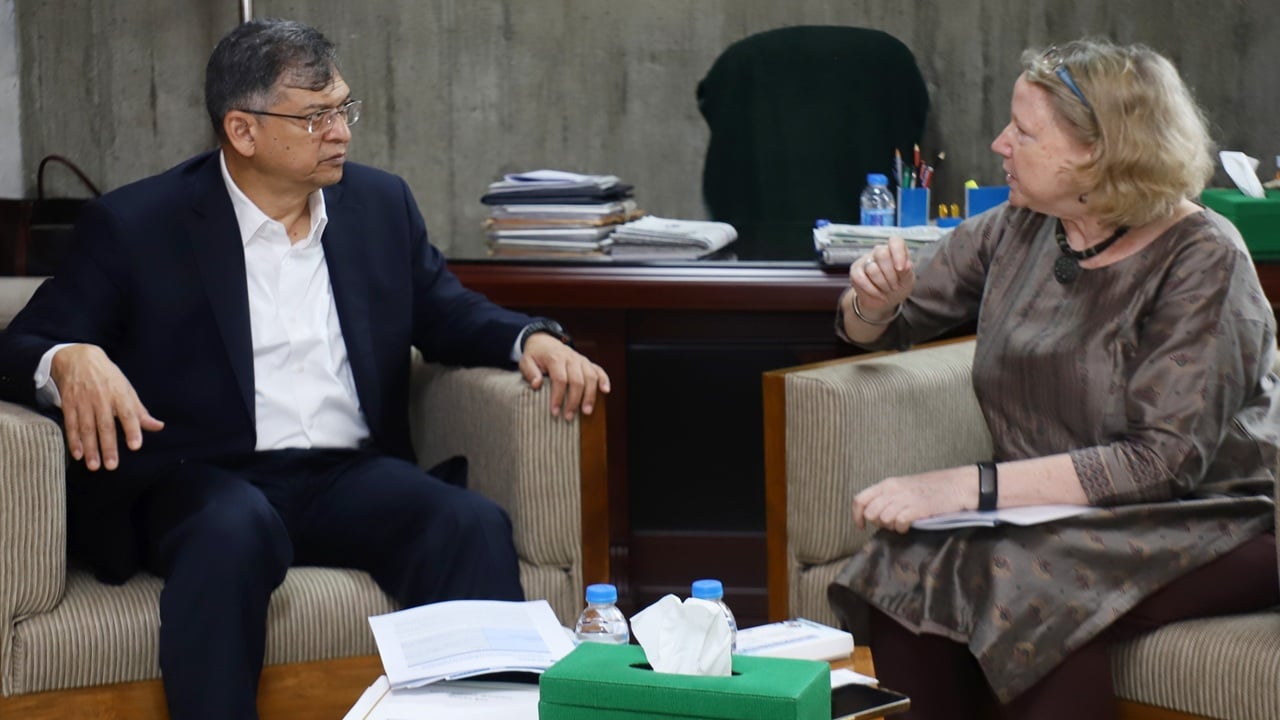
A three-member UNESCO delegation led by Country Representative Susan Vize met with Home Minister Salahuddin Ahmed at the Parliament Secretariat on Wednesday. The meeting discussed cooperation on police training and reform, strengthening relations between police and media, safeguarding freedom of expression, and journalist training. Vize congratulated the minister on his new portfolio and outlined UNESCO’s ongoing projects related to police and journalist training. During the meeting, Vize said UNESCO had already trained 700 police officers of SP and OC rank before the national election and planned to start new training by June, pending ministry approval. The minister welcomed the proposal and instructed relevant officials to expedite the process. He suggested including officers from police media units and holding sessions on Saturdays for convenience. UNESCO is also preparing similar training programs for journalists. The minister reaffirmed the government’s commitment to press freedom and accountability, emphasizing the importance of improving relations between police and journalists.
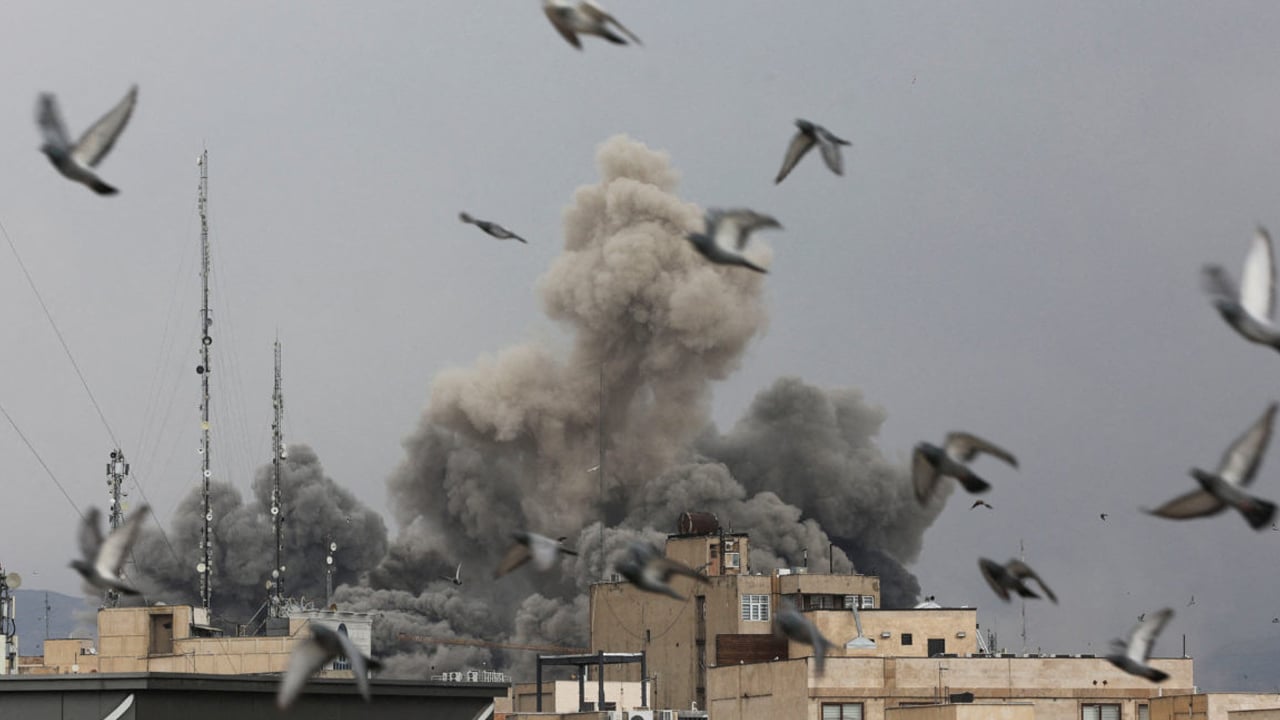
The OPEC Fund for International Development has announced a $1.5 billion aid package to support developing countries facing energy and trade disruptions caused by the ongoing Iran war. According to Reuters, the Vienna-based organization stated that the funds will be distributed in phases through 2028 to help nations manage rising economic pressures. The OPEC Fund explained that the conflict has severely disrupted the supply of essential goods such as food, fuel, and fertilizer, driving prices sharply higher. The newly created demand-based fund aims to assist governments in covering increased costs and maintaining stable supply chains. The organization emphasized that the package will provide special protection to countries struggling with the negative global market impacts and trade stagnation resulting from the war. The fund has previously extended financial assistance to developing nations during various global crises, continuing its role as an international development partner.
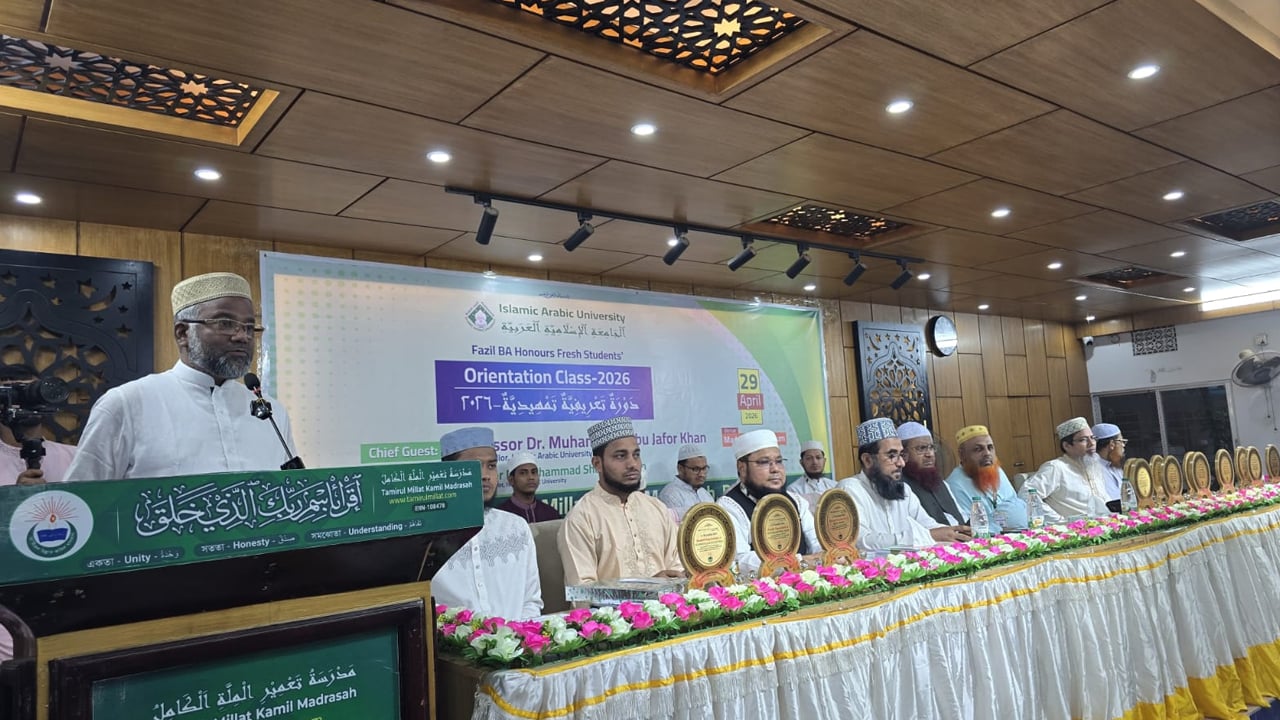
Tamirul Millat Kamil Madrasa in Dhaka held a ceremony honoring outstanding students and welcoming new honors and master's students at its main campus in Jatrabari on Wednesday morning. The event was presided over by Acting Principal Dr. Muhammad Khalilur Rahman Madani, with Islamic Arabic University Vice-Chancellor Professor Dr. Muhammad Abu Zafar Khan attending as chief guest. Fourteen students who achieved GPA-5 at the honors level this year received special awards and recognition. During his address, Professor Khan highlighted Tamirul Millat’s longstanding academic achievements, its contribution to nation-building, and its role in developing Islamic scholars. He urged students to pursue both contemporary education and divine knowledge. The orientation session for new students provided guidance on academic life, higher education, and future career planning. In his closing remarks, Dr. Madani emphasized the importance of moral education alongside academics, calling on students to prepare themselves as responsible individuals grounded in Islamic values to face modern societal challenges.
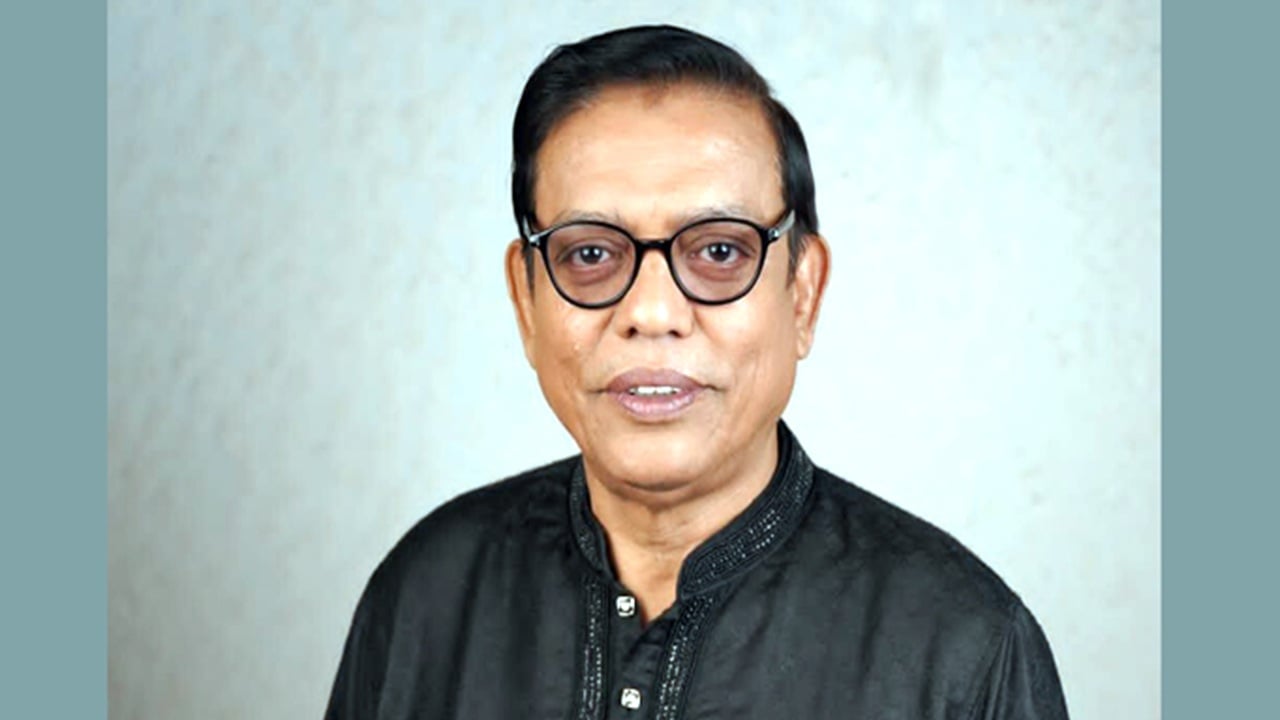
Government Whip and Lakshmipur-4 Member of Parliament ABM Ashraf Uddin Nizan expressed regret that he could not personally thank President Sahabuddin Chuppu. Speaking in the national parliament on Wednesday during the discussion on the motion of thanks for the President’s address, Nizan said he had promised the mothers of the July uprising martyrs to respect the President’s chair, but he could not extend personal thanks to the individual holding that position. Recalling the July uprising in his home district, Nizan described how people’s anger led to the destruction of rooms in the parliament building and the removal of materials from Ganabhaban, emphasizing that it was not the work of political groups but of ordinary citizens expressing frustration. He also reflected on the ninth parliament, criticizing the language used in parliamentary debates and recalling how opposition leader Khaleda Zia was treated. The remarks came as part of a broader parliamentary discussion on the President’s speech, highlighting both historical grievances and calls for respect toward state institutions.
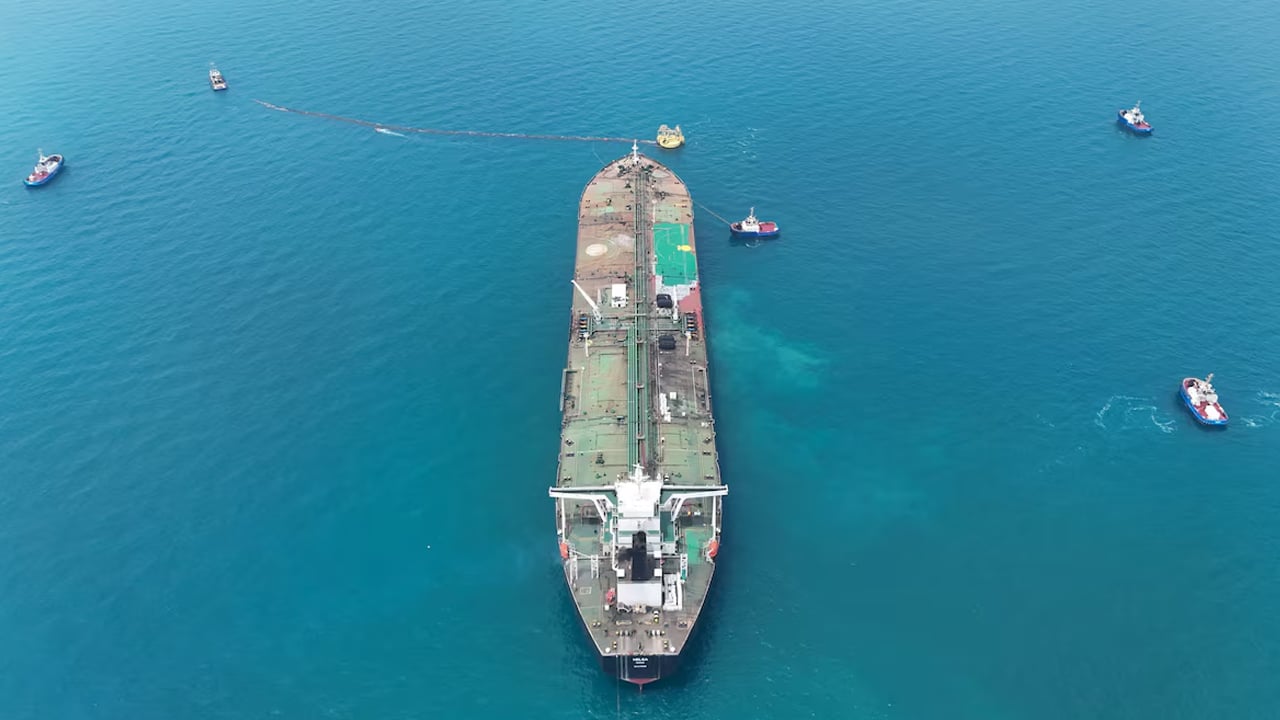
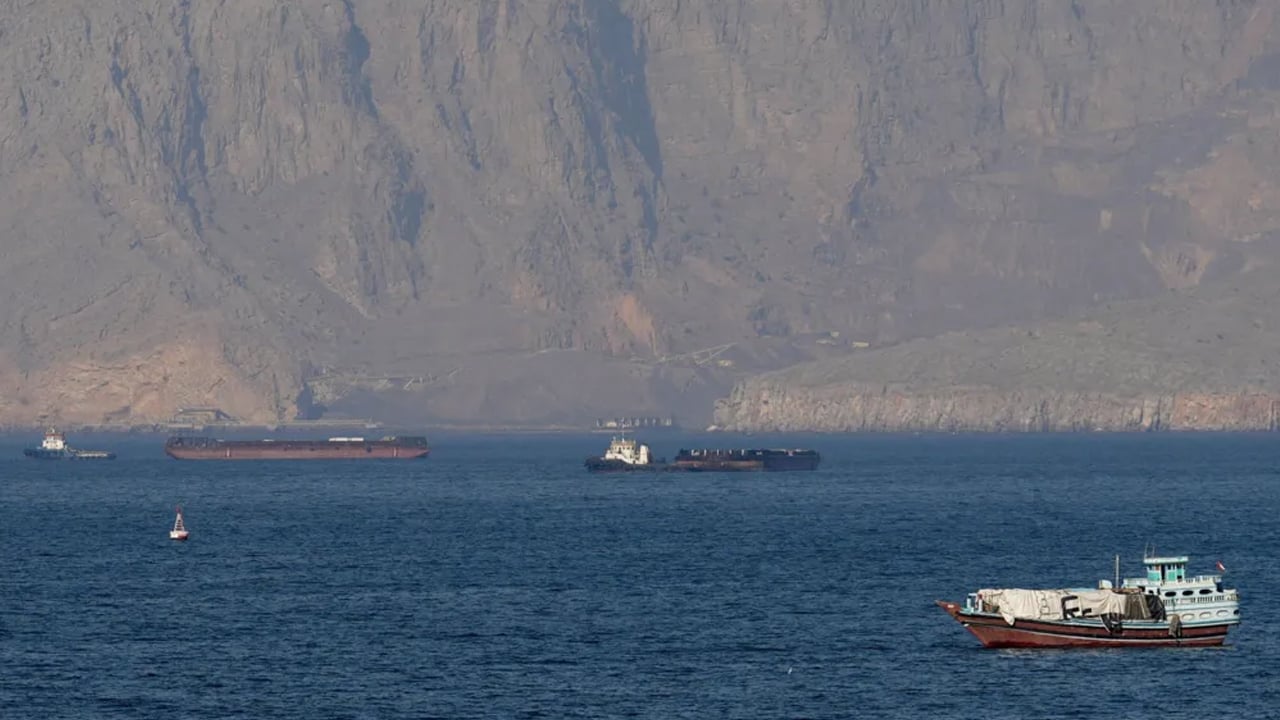
Diplomatic efforts to ease tensions between the United States and Iran have reached a deep stalemate, following failed mediation talks in Islamabad on April 13. Since then, the closure of the Hormuz Strait has disrupted global trade, causing severe shortages of fuel and fertilizer. The United States has imposed a strict naval blockade targeting Iranian ports, seizing or turning back Iran-linked vessels in the Gulf and Asia-Pacific regions, which Tehran has denounced as piracy. In retaliation, Iran has halted all maritime traffic through the Strait and seized several foreign commercial ships. A new opportunity for diplomacy collapsed when US President Donald Trump announced that his delegation would not meet Iranian officials in Islamabad. At that time, Iranian Foreign Minister Abbas Araghchi was in Oman before traveling to Russia, where he met President Vladimir Putin and praised Moscow’s steadfast support. Meanwhile, Washington said it is considering a new Iranian proposal to end the conflict and reopen the Strait, focusing on resolving the current crisis while suspending nuclear program talks. Trump later claimed Iran was on the verge of collapse and urged Tehran to act wisely, asserting that Iran had requested the lifting of the US blockade on its ports.
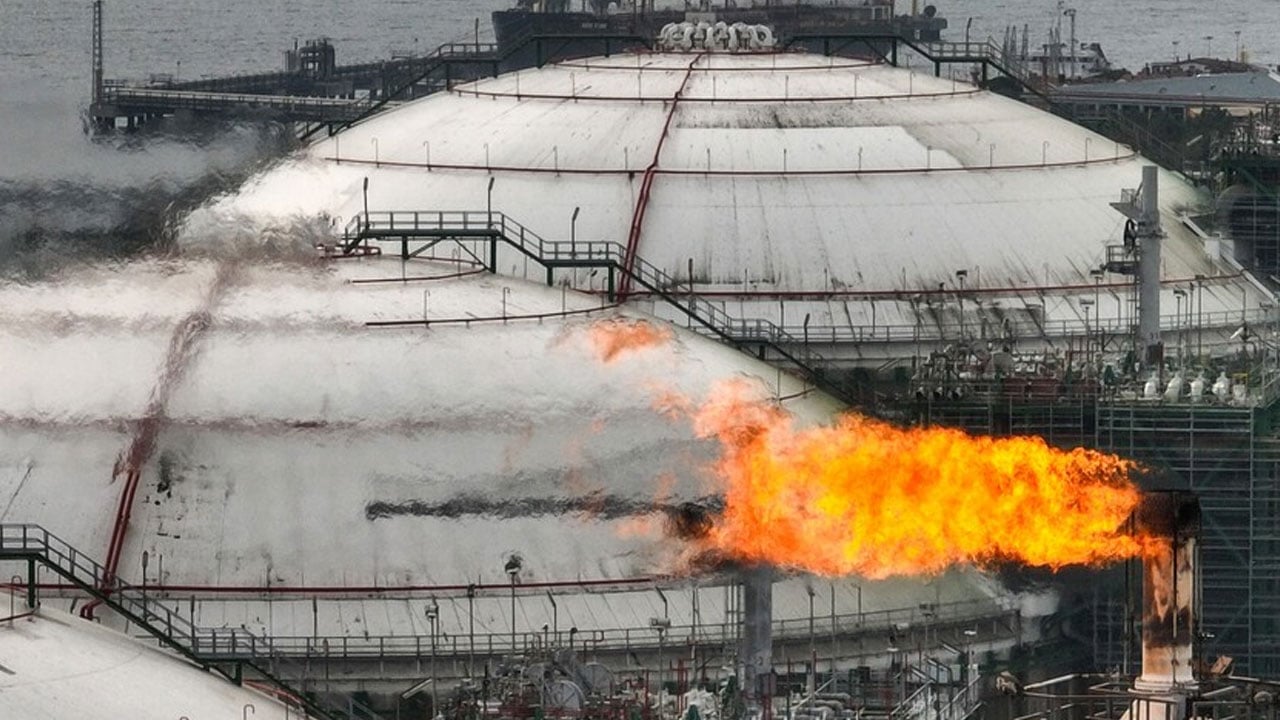
Polish President Karol Nawrocki announced that Poland is ready to position itself as a key northern gateway for U.S. energy supplies to Central and Eastern Europe. Speaking at the Three Seas Initiative summit in Croatia on Tuesday, he said the country seeks to strengthen regional energy self-sufficiency while deepening ties with the United States, which he described as a strategic partner for Central Europe. Nawrocki also highlighted the participation of U.S. Energy Secretary Chris Wright at the summit as evidence of strong bilateral cooperation. His remarks came amid domestic discussions following Prime Minister Donald Tusk’s recent comments questioning the U.S. stance on NATO’s collective defense commitments. Nawrocki indirectly addressed these concerns, emphasizing that the foundation of security in NATO’s eastern flank remains the United States and that its presence should be further reinforced. He added that the Three Seas Initiative plays a vital role in regional economic stability and called for discussions on establishing a dedicated investment bank to support the initiative’s goals.
Commerce Minister Khandaker Abdul Muktadir announced that Bangladesh will reduce lending interest rates to single digits to foster an investment-friendly environment. Speaking at the inauguration of the four-day Bangladesh International Textile, Knitting and Garment Industry Expo 2026 at ICCB in Dhaka, he said industries like textiles cannot sustain with current financing rates of 13–14 percent. He highlighted that the textile and garment sector plays a vital role in economic growth through investment and employment but faces challenges from high interest rates and energy shortages. The minister detailed that the country’s gas demand is about 4,300 MMCFD, while domestic production ranges between 1,700 and 2,300 MMCFD, leaving a daily shortfall of 1,400–1,700 MMCFD even after LNG imports. To address this, new FSRU tenders will be issued soon. He also emphasized renewable energy expansion with a plan to generate 10,000 MW of solar power. Muktadir added that business licensing and tax processes are being simplified to attract investors, reduce harassment, and expand the tax base through digital systems rather than raising tax rates.

Iran’s state media has claimed that 52 Iranian ships successfully reached their destinations within 72 hours despite a US-imposed naval blockade. Semi-official Fars News, citing satellite tracking data, reported that by 10 p.m. Monday local time, 31 oil tankers and 21 cargo vessels had crossed the blockade line. Additionally, 30 ships passed through the Strait of Hormuz during this period, including six Iranian tankers and five cargo ships. The United States, under President Donald Trump, had announced a strict naval blockade on Iranian ports starting April 13. Iran asserted that its vessels continued operations despite US surveillance and threats. Earlier, tanker-tracking firm Vortexa reported that at least 34 Iranian tankers had breached the blockade, delivering around 11 million barrels of oil. According to Iranian sources, Tehran has tightened restrictions in the Strait of Hormuz in response to the blockade. The development follows months of conflict between Iran, the US, and Israel, with Pakistan mediating a temporary ceasefire extended on April 21.
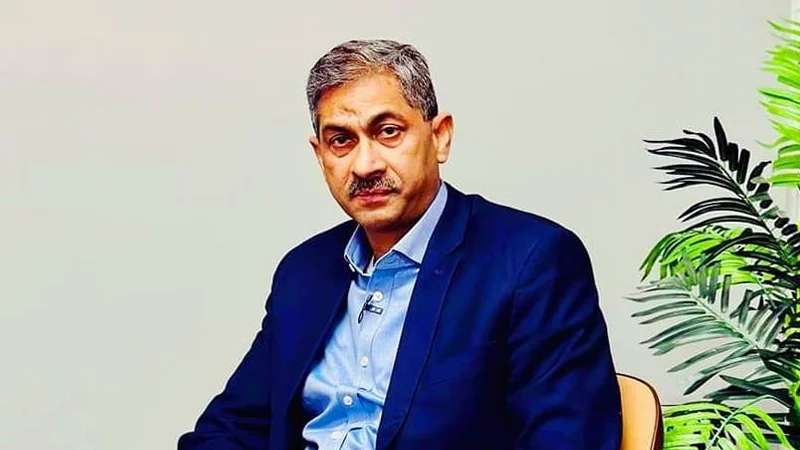
More than half of Americans believe their financial situation is deteriorating, according to a Gallup survey released on Tuesday. The 2026 poll found that 55% of respondents said their finances had worsened, up from 53% in 2025 and 47% in 2024. Gallup described the current situation as historically poor, marking the fifth consecutive year that more Americans reported financial decline. A similar trend was last seen during the 2007–2009 global recession. The survey also revealed that 62% of Americans are worried about having enough savings for retirement, while 60% fear they could not afford medical costs in case of serious illness or accident. Additionally, 54% expressed concern about investment returns and maintaining their standard of living. Nearly half are anxious about regular healthcare expenses, 41% about paying monthly bills, and 40% about higher education costs. Gallup attributed these concerns mainly to inflation and rising costs of energy, housing, and healthcare. It added that college, transportation, and childcare expenses are also creating significant financial pressure for households.

Water Resources Minister Md. Shahiduddin Chowdhury Annie announced that the government plans to plant 2.5 billion trees over the next five years to protect coastal communities from natural disasters. The initiative aims to create a strong green belt along the coastline to mitigate the impacts of cyclones, tidal surges, and floods. The minister made the announcement while addressing a national seminar titled “If the Coast Survives, Bangladesh Survives,” organized by the Coastal Development Foundation at the National Press Club on Wednesday. He said Bangladesh is among the six most disaster-prone regions in the world and recalled the devastating cyclone of April 29, 1991, which struck several coastal districts. The government also plans to construct sustainable embankments, establish sufficient cyclone shelters, and take coordinated measures for disaster management. Additionally, under the leadership of Prime Minister Tarique Rahman, the government will revive the canal excavation program initiated by former President Ziaur Rahman, targeting 20,000 kilometers of rivers, canals, ponds, and reservoirs for excavation and re-excavation. The seminar was chaired by Professor Dr. Mohammad Kamal Hossain, with several members of parliament from Cox’s Bazar and Chattogram attending as special guests.
The ‘1 Nojor’ media platform is now live in beta, inviting users to explore and provide feedback as we continue to refine the experience.