

The ‘1 Nojor’ media platform is now live in beta, inviting users to explore and provide feedback as we continue to refine the experience.
Brazil’s preparations for the 2026 FIFA World Cup are entering the final stage, with head coach Carlo Ancelotti set to announce the 26-member final squad on May 18. Before that, a preliminary list of 55 players will be submitted to the Brazilian Football Confederation (CBF). The tournament, to be held in the United States, Canada, and Mexico, sees Brazil among the favorites, but intense competition for limited spots has made selection highly contested. Goalkeeper Alisson Becker remains the most reliable choice, while Ederson, Bento, and Hugo Souza are also in contention. In defense, Marquinhos and Gabriel Magalhães are expected to be confirmed, with Éder Militão ruled out due to injury. The full-back positions appear less settled, and midfielders Casemiro and Bruno Guimarães are nearly certain selections. In attack, Vinícius Júnior, Raphinha, and Matheus Cunha lead the line, with several others vying for places. The biggest uncertainty surrounds Neymar, who continues to struggle with injuries and fitness despite returning to Santos. His inclusion remains doubtful, and his omission would be a major surprise as Brazil finalizes its squad for the expanded 48-team World Cup.

The United States Department of State has announced a special edition of passports featuring President Donald Trump’s image. The initiative, confirmed by the White House, will coincide with the 250th anniversary of the country’s Declaration of Independence in July. According to a Fox News report, the limited-edition passports will be available exclusively through the Washington Passport Agency. A State Department design preview shows Trump’s portrait surrounded by the text of the Declaration of Independence and the US flag, along with the president’s signature in gold. An administration official told the BBC that any American citizen will be eligible to apply for the commemorative passport once distribution begins. The release marks an unprecedented decision by the US government to include a sitting president’s image on official passports as part of a national celebration.

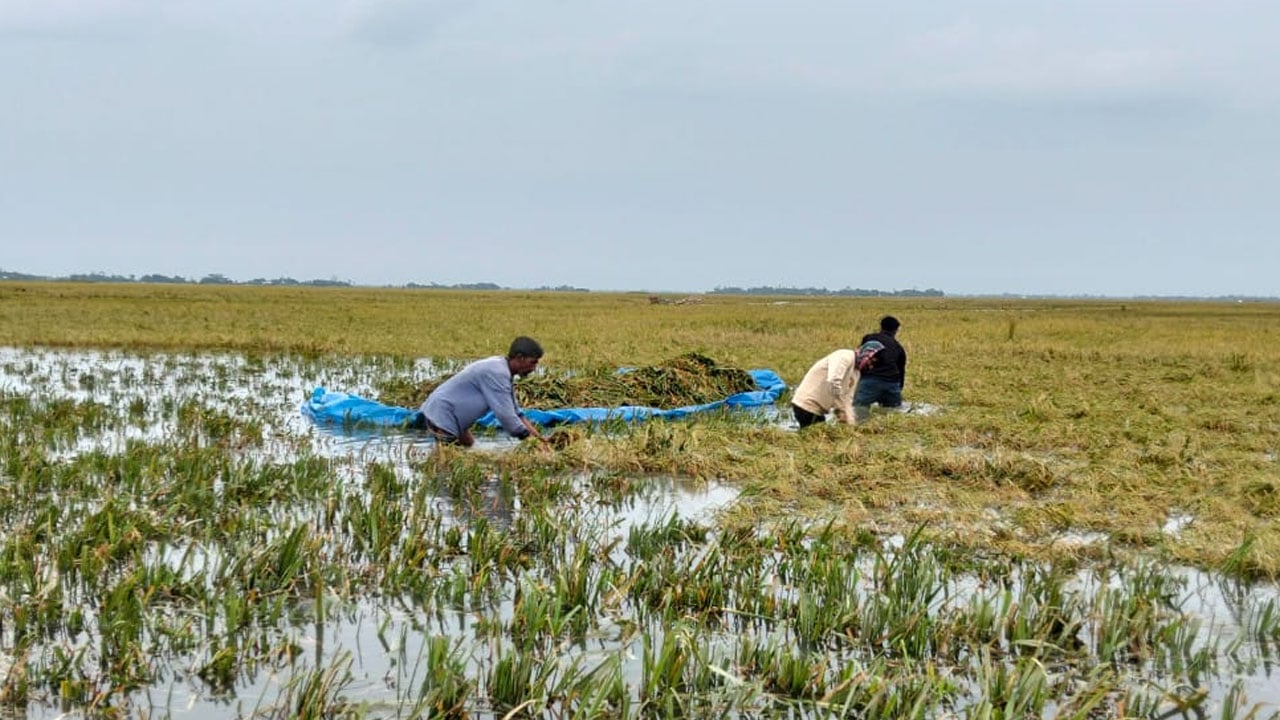
In Dirai upazila of Sunamganj, heavy rainfall has submerged 600 hectares of ripe paddy fields during the current harvesting season. According to the Upazila Agriculture Extension Department, the total cultivated area in the region is 30,178 hectares, with 16,738 hectares currently under standing crops. On Tuesday, the area recorded 30 millimeters of rainfall, which led to waterlogging in many fields. Farmers reported that the excessive rain caused water accumulation in the fields before the paddy had fully matured, preventing harvesting machines from entering the waterlogged areas. Additionally, a shortage of laborers has made it difficult for farmers to harvest the ripe paddy in time. A farmer from Bharam Haor in Sarmangal Union expressed distress, saying most of his land is underwater and that drying harvested paddy has become impossible due to lack of sunlight and drying space. The situation has raised concerns about potential crop losses and food insecurity among local farmers if the water does not recede soon.
RAB-11 has recovered a pistol and a round of shotgun ammunition that were looted from Siddhirganj Police Station during the July uprising in Narayanganj. The recovery took place around 1:30 a.m. on Tuesday night in the Wabda Colony area of Siddhirganj, where the items were found abandoned. According to RAB, a patrol team received secret information about a suspicious object resembling a weapon wrapped in tape near the wall of the abandoned Monowara Jute Mill entrance in the RPO Wabda Colony area. Acting on the tip-off, the team informed higher authorities and recovered the object in the presence of locals. Upon unwrapping the tape, they found a 7.62 cm automatic 54 China pistol and one round of 12-bore shotgun cartridge, which were seized as evidence. RAB stated that the recovered items have been handed over to Siddhirganj Police Station for further legal action.

Talks between the United States and Iran to end the ongoing Middle East conflict and reopen the Hormuz Strait remain stalled, largely due to disagreements over financial concessions and sanctions relief. According to Middle East Eye, several U.S. and Arab officials said former President Donald Trump’s reluctance to release Iranian funds or ease sanctions has blocked progress. Iran has proposed bypassing its nuclear program in exchange for reopening the strait, but financial issues remain the core obstacle. Analysts cited in the report said Trump’s Iran policy was built on economic pressure, making it difficult for him to reverse course. The 2015 nuclear deal, which limited Iran’s uranium enrichment in exchange for sanctions relief, was abandoned by Trump, who later imposed severe sanctions. Even as Iran seeks to rebuild after heavy losses from U.S. and Israeli airstrikes, Washington continues to tighten restrictions, including new sanctions on Iranian oil shipping firms. Experts noted that Iran’s leadership views sanctions relief as essential to restoring its economy, while U.S. officials face political and regional resistance to any concessions. The stalemate leaves both sides unable to finalize a peace agreement or economic normalization.
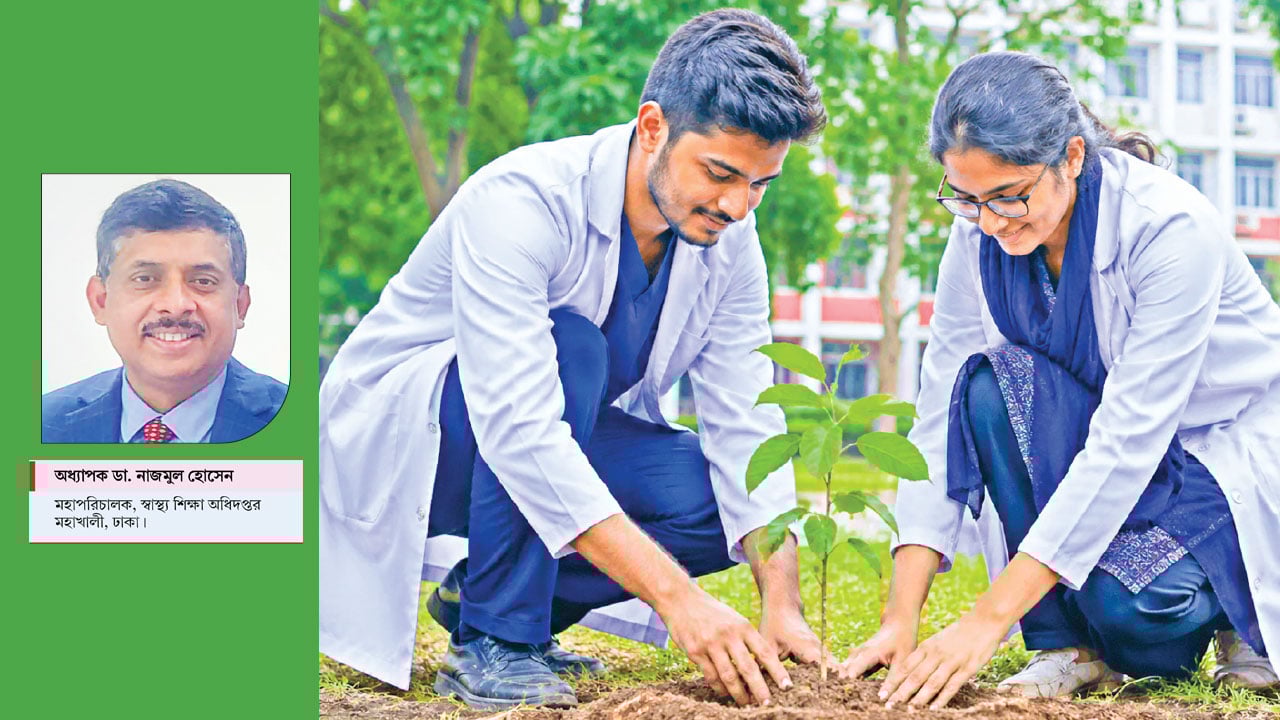
The Directorate General of Health Education in Bangladesh has announced that every new medical student will plant a tree on their first day of class in the 2025–26 academic year. The initiative will be part of a centrally organized orientation event connecting all medical colleges online, followed by individual welcome programs at each institution. The program aims to instill environmental responsibility among future doctors while marking the beginning of their medical education. According to Professor Dr. Nazmul Hossain, Director General of the Directorate, the tree-planting initiative was introduced last year and received positive response. The broader discussion also covered government efforts to improve medical education quality, including infrastructure upgrades for older colleges and expansion projects to accommodate more students. Currently, Bangladesh has 37 public and 112 total medical colleges offering MBBS degrees. The initiative reflects the government’s emphasis on combining academic development with social and environmental awareness among medical students, aligning with national goals for sustainable education and healthcare improvement.
False claims alleging that the United States is 'stealing clouds' in the Middle East have spread widely on social media amid the ongoing U.S.-Israel and Iran conflict. Iraqi lawmaker Abdullah al-Khaikani told Al-Rashid TV that the U.S. was using aircraft to break and steal clouds, suggesting recent rains in Iraq returned because the U.S. was distracted by war. However, he provided no evidence to support his statements. Iraq’s meteorological department dismissed the allegations as unscientific, noting that forecasts had already predicted a rainy year. Scientists and climate experts emphasized that no existing technology can steal or control clouds. They explained that cloud seeding—a weather modification method used in several countries—can only slightly increase rainfall from existing clouds. Experts from institutions including Khalifa University, Wyoming University, and the UN University stressed that climate change, not manipulation, is driving extreme weather in the region. Researchers warned that misinformation thrives amid uncertainty and water insecurity, as people seek simple explanations for complex climate phenomena.

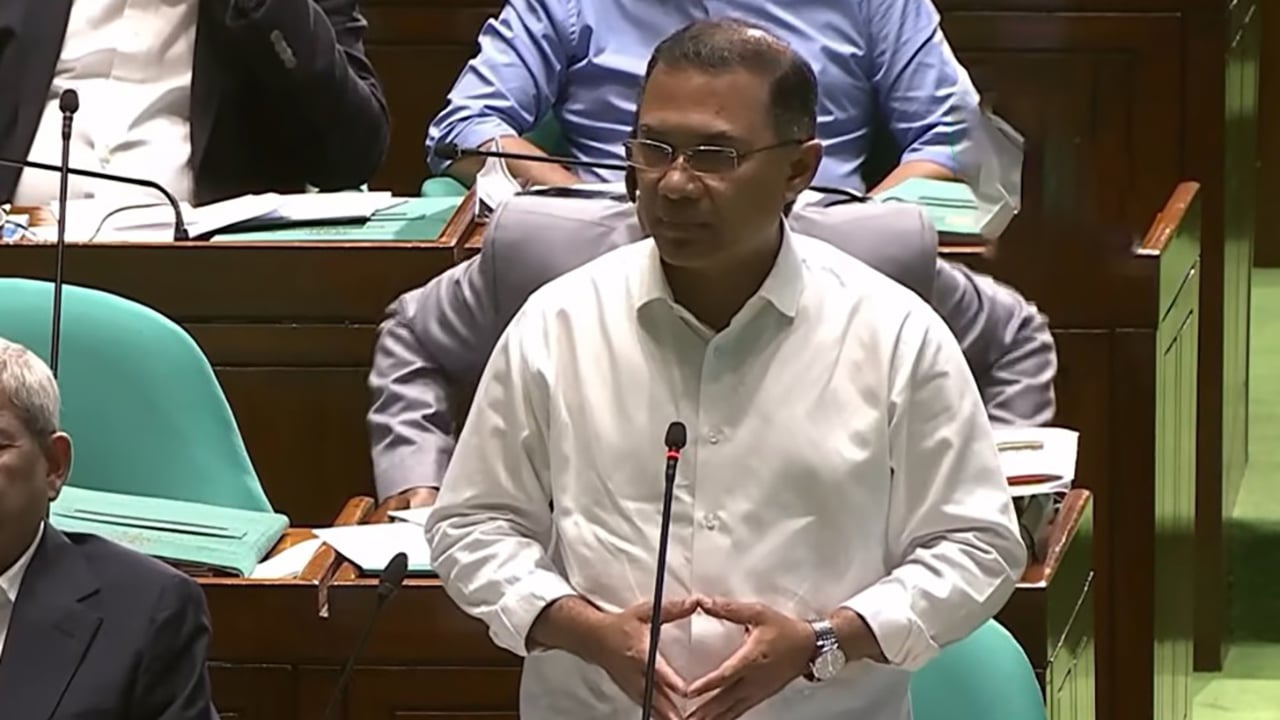
The government of Bangladesh will provide three months of assistance to farmers in the haor region who have suffered losses due to recent natural disasters and hailstorms. Prime Minister Tarique Rahman announced the decision in the National Parliament on Wednesday afternoon, April 29, 2026. The announcement followed a proposal made the previous day by Fazlur Rahman, Member of Parliament for Kishoreganj-4, who urged the formation of a separate 'Haor Ministry' covering 35 districts to improve the livelihoods of people in the disaster-affected haor areas. He described the severe hardship faced by farmers whose single annual crop has been destroyed by heavy rain and hail, leaving them dependent on others for food and clothing throughout the year. The Prime Minister’s statement indicates immediate government attention to the crisis, while the proposal for a dedicated ministry suggests a possible long-term institutional response to recurring natural disasters in the haor region.
Police in Raiganj upazila of Sirajganj recovered the throat-slit body of autorickshaw driver Naeem Hossain on Wednesday morning from the bank of Khaichala Beel in Sonakhara Union. The discovery followed a report from locals who found the body and alerted authorities. Additional Superintendent of Police Saiful Islam Khan and Officer-in-Charge Ahsanuzzaman led the police team that recovered the body. According to local sources, Naeem, aged 25 and a resident of Maltinagar village in Dhubil Union, had left home with his autorickshaw on Tuesday morning but did not return that night. His body was found the next day, causing grief among his relatives and shock in the community. Police suspect that Naeem was killed in a planned attack aimed at stealing his autorickshaw. The body has been sent for autopsy, and efforts are underway to identify and arrest those involved. The incident has sparked concern and anger among local residents.

Water levels in two major rivers of Netrokona district have risen above the danger mark, according to local authorities on April 29, 2026. The Bhugai-Kangsha River was flowing 82 centimeters above the danger level at the Jaria-Jhanjail point, while the Someshwari River was 50 centimeters and the Magra River 2 centimeters above the danger level. The Water Development Board confirmed that 68 millimeters of rainfall was recorded in Jaria-Jhanjail and 55 millimeters in Durgapur. The district’s agriculture department reported that in the current season, 21,065 hectares of land in Kolmakanda have been cultivated with Boro paddy, including 4,630 hectares in the haor areas. As of noon on the reporting day, only 45 percent of the paddy had been harvested. Heavy rainfall has already submerged 600 hectares of ripe paddy fields. Officials are monitoring the situation closely as rising river levels and continued rainfall pose risks to unharvested crops in the low-lying haor regions.
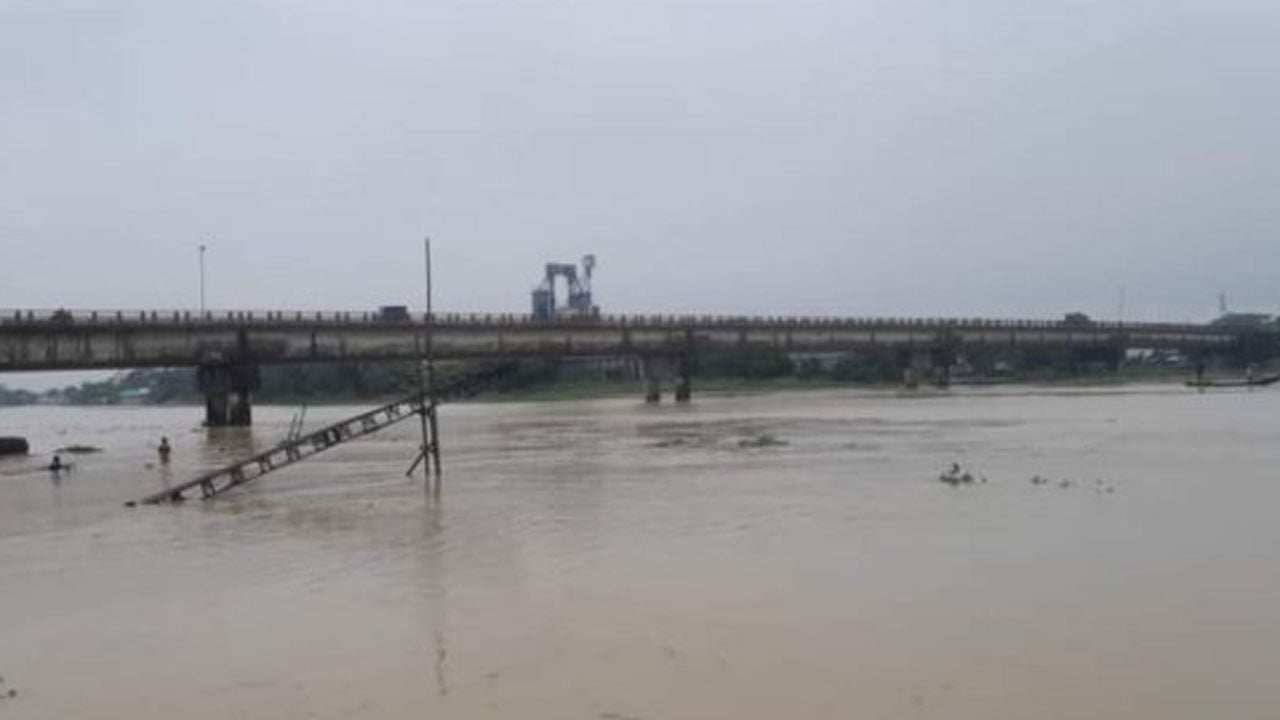
Heavy rain and stormy weather have affected Bangladesh since early morning on April 29, 2026, with continuous rainfall in Dhaka and coastal districts in the south. The Meteorological Department has issued warnings for heavy to very heavy rainfall, thunderstorms, and possible landslides in hilly areas. Maritime ports have been advised to hoist signal number three, while river ports have been placed under signal number one. Ferry and launch services on the Paturia-Daulatdia and Aricha-Kazirhat routes were suspended from 6 a.m. due to strong winds and heavy rain. Meteorologists Dr. Omar Faruk and Dr. Bazlur Rashid described the situation as disastrous, urging public caution against lightning strikes. Rainfall data show Bhola recorded the highest at 152 millimeters, followed by Feni, Srimangal, and Comilla. The weather office forecasts continued rain until May 3, with the possibility of temporary waterlogging and landslides in Chattogram. The Bay of Bengal remains rough due to pressure differences, prompting warnings for fishing boats to stay near the coast. Temperatures are expected to drop further nationwide as the low-pressure system persists, ending the recent heatwave that had gripped several regions.
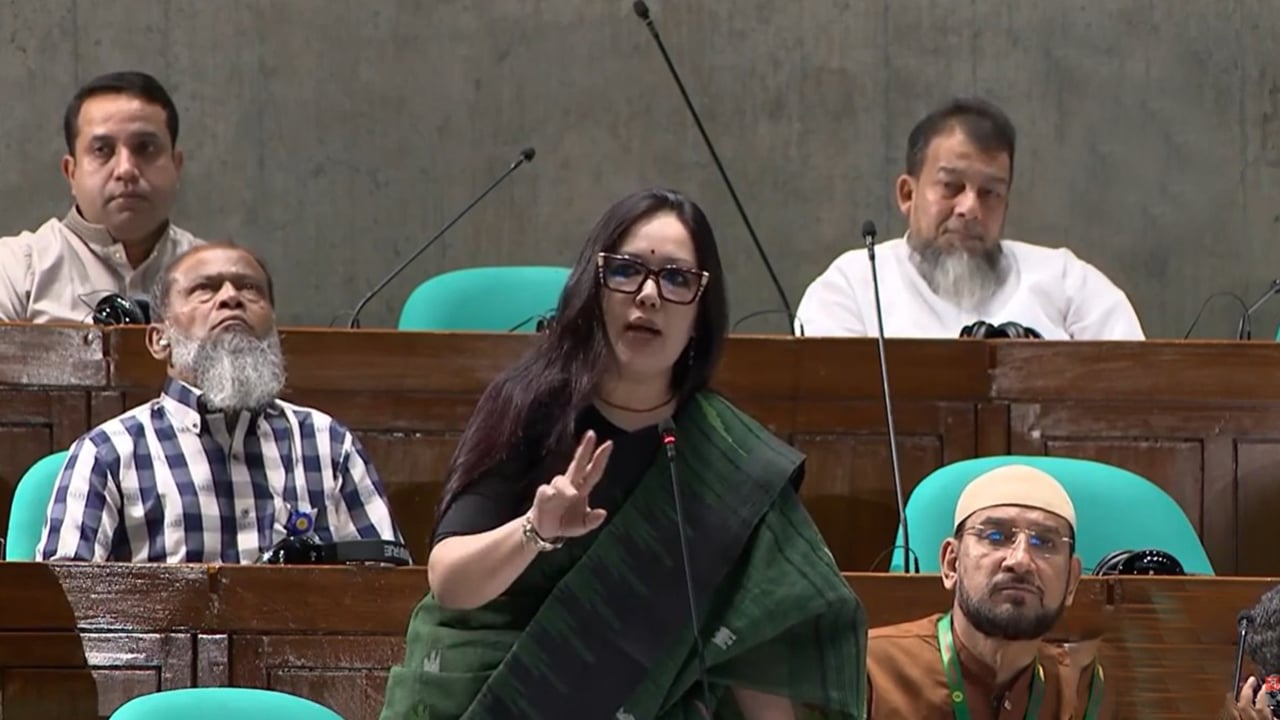
Independent Member of Parliament Rumin Farhana from Brahmanbaria-2 has demanded that the recently signed trade agreement between Bangladesh and the United States be brought before Parliament. Speaking on a point of order during Wednesday’s session chaired by Speaker Hafiz Uddin Ahmed, she argued that the deal, signed on February 9—three days before the national election—contains clauses contrary to Bangladesh’s interests. She noted that the government retains the option to cancel the agreement within 60 days if it chooses. Farhana referred to a meeting held the previous day between the US ambassador and Bangladesh’s commerce minister, where issues such as trade imbalance, agricultural and energy imports, business environment reforms, and investment policies were discussed. She emphasized that the agreement was signed by an interim government despite objections from civil society and think tanks, who argued that such a government lacked the mandate to finalize international deals. Speaker Hafiz Uddin Ahmed ruled that her remarks did not constitute a valid point of order and advised her to submit a formal notice instead. Her request to table the agreement in Parliament was not accepted.
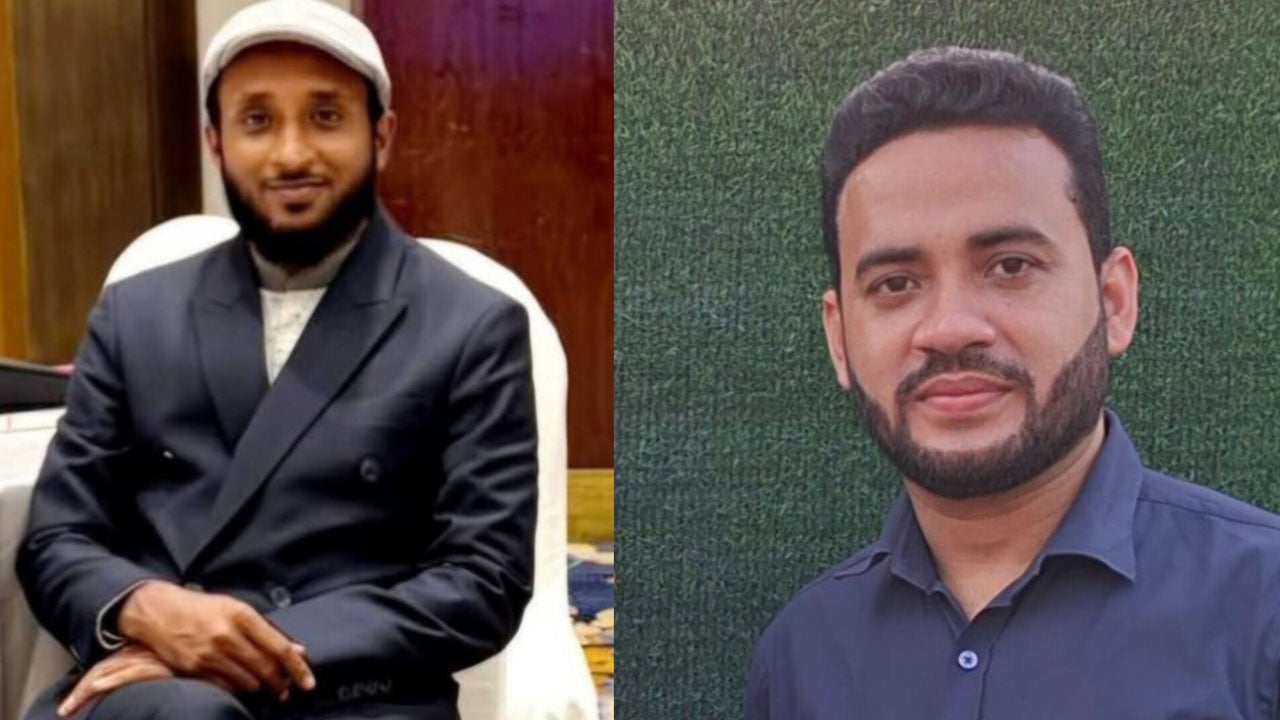
The National Citizens Party (NCP) announced its Lakshmipur district committee late Tuesday night, according to a statement signed by central member secretary Akhtar Hossain and chief organizer (southern region) Hasnat Abdullah. The committee named Md Masum Billah as convener and Muhammad Alamgir Hossain as member secretary, along with several joint conveners and secretaries. Twelve additional members were also included in the committee. A few hours after the announcement, the committee list was removed from the NCP’s official page without any explanation. When asked about the removal, newly appointed member secretary Muhammad Alamgir Hossain said the reason was unknown to them but confirmed that the committee had been officially announced and would continue to operate as the legitimate body for NCP activities in Lakshmipur. The incident has created uncertainty about the party’s internal decision-making process in the district, though no official clarification from the central leadership was reported in the source.
As lightning incidents increase across Bangladesh, the risk of damage to household electronic devices such as televisions, computers, routers, and refrigerators has also risen. Sudden voltage surges during lightning can severely harm sensitive circuits, even without a direct strike. The report advises that during lightning, all electrical connections should be completely disconnected, not just switched off, to prevent high-voltage currents from reaching devices. The article highlights that internet and cable connections can also transmit electrical surges, so unplugging routers, LAN, and fiber cables is recommended. Devices being charged, such as mobile phones and laptops, are particularly vulnerable and should not be used or left plugged in during storms. For long-term protection, the use of surge protectors and proper electrical grounding is encouraged to safely divert excess electricity. Additional safety measures include installing lightning rods and voltage stabilizers in large buildings. After a storm, devices should be powered on gradually, and any irregularities should be checked by a professional before further use.

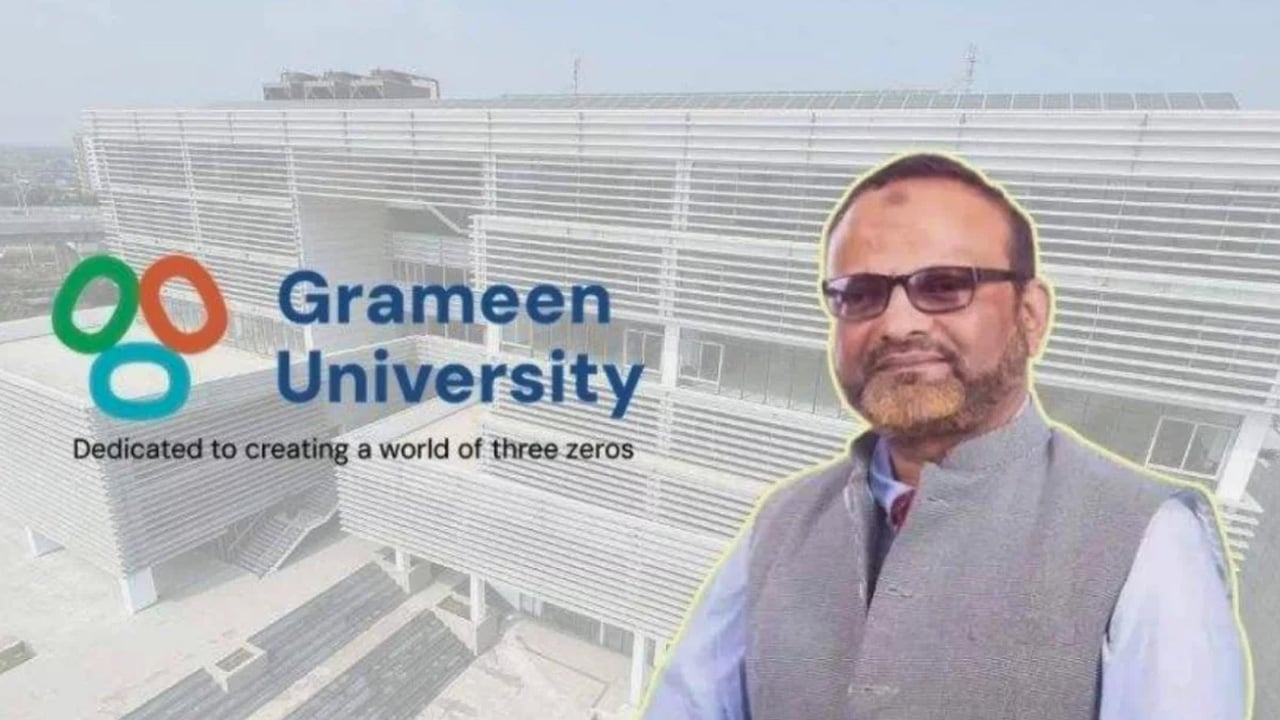
Former Dhaka University vice-chancellor Professor Niaz Ahmad Khan has taken on a new role as senior strategic adviser at Grameen University. The appointment was announced on Tuesday through a press release from the Grameen University Trust, which stated that he assumed the position after receiving formal approval from Dhaka University authorities. Professor Khan had served as vice-chancellor of Dhaka University from August 27, 2024, during a period of unrest following student and public movements in July and August of that year. He managed the university’s administrative affairs for about one and a half years before resigning voluntarily on February 10, 2026. According to the Grameen University authorities, the institution will operate based on Nobel laureate Dr. Muhammad Yunus’s “three zeros” concept—zero poverty, zero unemployment, and zero net carbon emissions. It has identified 14 priority academic programs under five schools and is continuing recruitment for key leadership positions. The university received approval from the Ministry of Education in March 2025 and from the University Grants Commission in April 2025, paving the way for academic operations under a trustee board whose members have pledged to serve without financial benefits.
The ‘1 Nojor’ media platform is now live in beta, inviting users to explore and provide feedback as we continue to refine the experience.