

The ‘1 Nojor’ media platform is now live in beta, inviting users to explore and provide feedback as we continue to refine the experience.
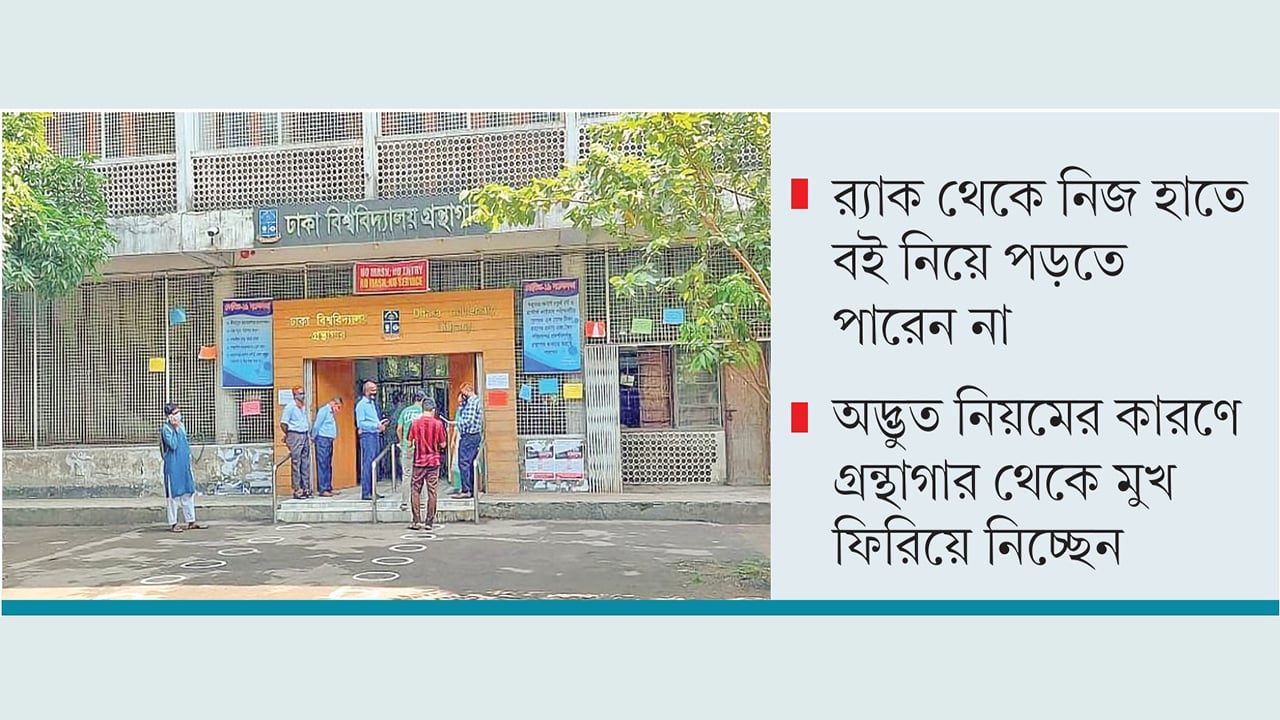
Students at Dhaka University have voiced frustration over restrictive rules at the Central Library, which holds more than seven hundred thousand books but does not allow direct access to shelves. Learners must request titles on slips, and librarians retrieve them, preventing students from browsing or selecting books themselves. Many have turned to departmental libraries or outside reading spaces for a more open experience. Library officials defend the system, citing security and order concerns, saying unrestricted access could lead to disorganization and book loss. Acting librarian Professor Kazi Mostak Gausul Haque described the closed-access model as a long-standing tradition, noting staff shortages as another reason. However, he mentioned plans to introduce partial open access and digital modernization to make the library more student-friendly. Experts and university officials, including Professor Shariful Islam and ICT Cell Director Dr. Mosaddeq Kamal Tushar, criticized the current system as outdated and misaligned with modern technology. The newly appointed Vice-Chancellor, Professor A.B.M. Obaidul Islam, said discussions are underway for reforms and a new modern library project.
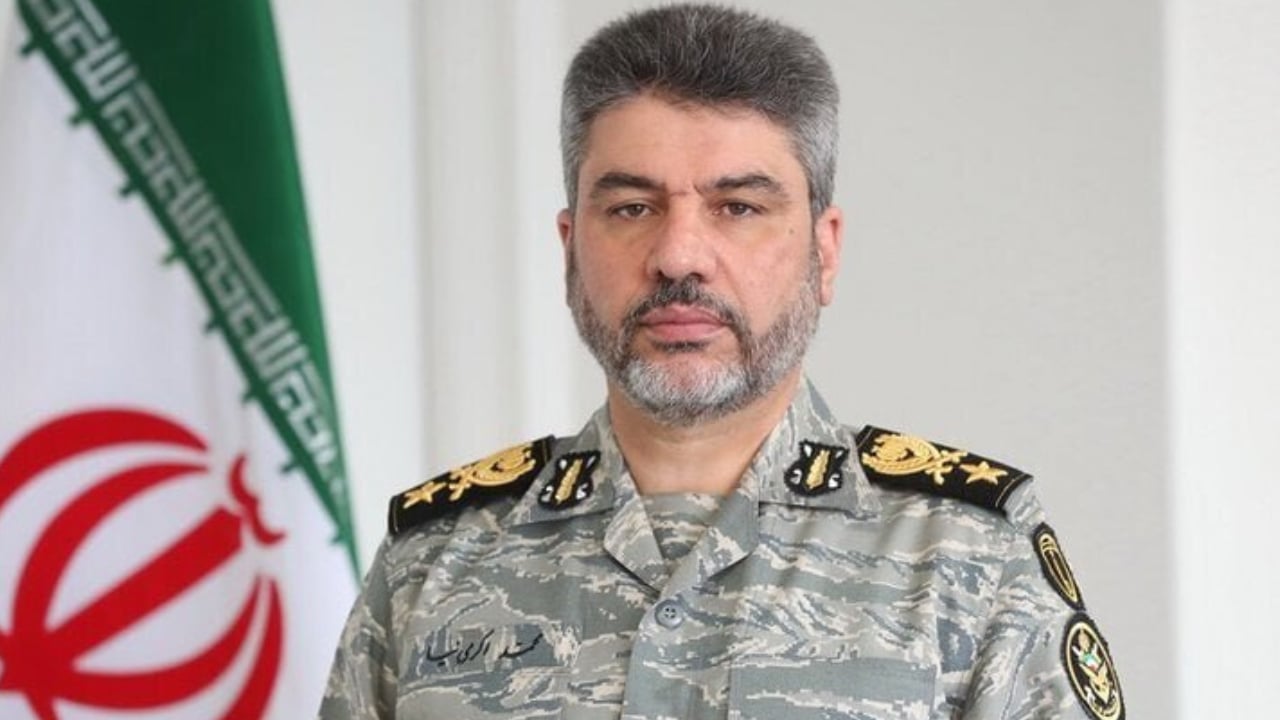
Iranian Army spokesperson Mohammad Akraminia stated that although a ceasefire has been reached with the United States, the war is not completely over. He emphasized that Iran has no trust or confidence in the United States or its enemies. Akraminia added that the Iranian military remains as prepared as it was during the conflict. He further explained that Iran is seriously preparing a list of targets, continuing training based on wartime experience, and maintaining weapons production. His remarks highlight Iran’s ongoing military readiness despite the declared ceasefire. Earlier, U.S. President Donald Trump claimed that Iran had requested the United States to reopen the Strait of Hormuz, a statement he made on his social media platform. The contrasting statements from both sides indicate continued tension and mistrust following the ceasefire.
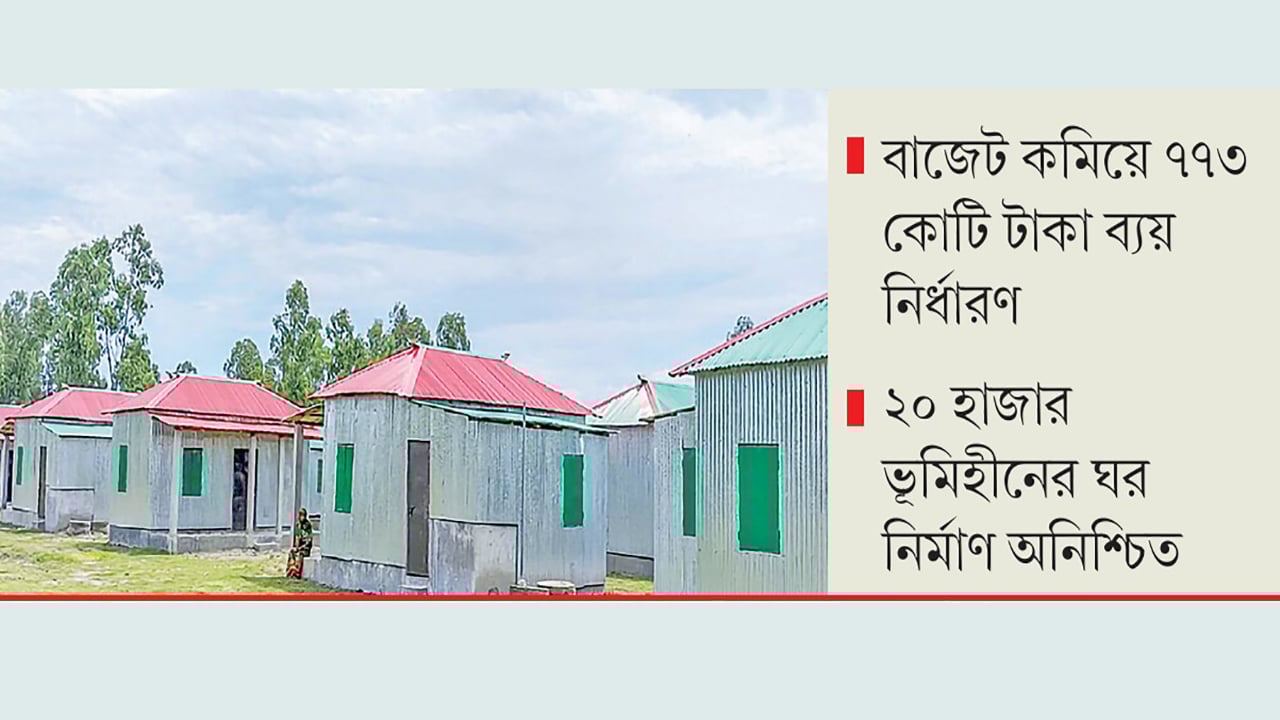
Implementation of Bangladesh’s Guchchhogram Phase III project, aimed at rehabilitating 20,000 landless and river erosion-affected families on government land, has become uncertain. Despite several meetings, the Planning Commission’s Project Evaluation Committee has not responded, delaying construction and leaving thousands of families in limbo. The project, titled “Climate Victims Rehabilitation Project,” was initially planned for July 2025 to June 2030 with a budget of Tk 776.62 crore, later reduced to Tk 760 crore after cost reviews. According to the Land Ministry, feasibility studies were completed in April 2024, and the project’s manpower structure was approved in early 2025. However, the revised Development Project Proposal (DPP) faced repeated scrutiny for excessive and unclear expenses, including vehicle costs, allowances, and promotional spending. The Planning Commission has urged further cost rationalization and transparency in expenditure breakdowns. Officials said the project remains under review but may be presented to the Executive Committee of the National Economic Council soon. If implemented, it would provide housing, utilities, and livelihood support to vulnerable families across 64 districts, contributing to social security and rural resilience.
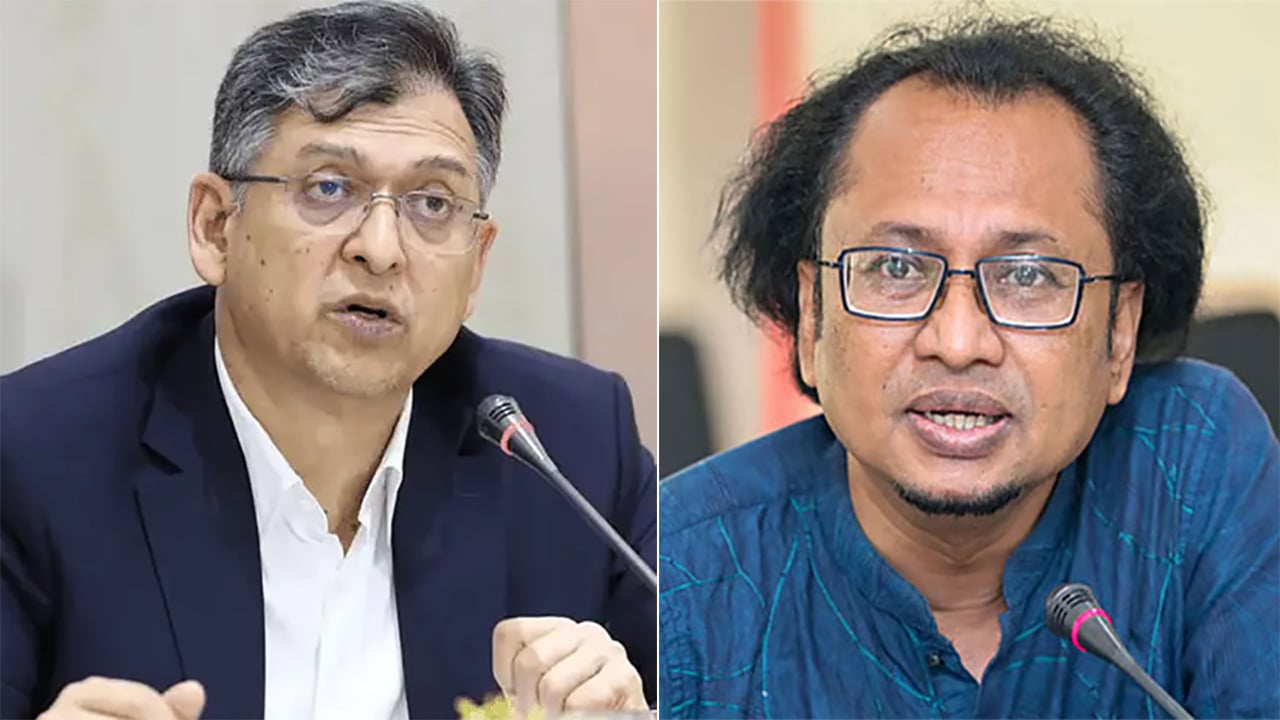
Bangladesh’s Home Minister Salahuddin Ahmed and Prime Minister’s Information and Broadcasting Adviser Zahed Ur Rahman have expressed opposing views on the presence of militant activity in the country. Speaking after a Coast Guard anniversary event in Dhaka, the Home Minister said there was no militant activity in Bangladesh, describing such claims as outdated and politically motivated. He argued that extremist threats no longer exist in the country’s current context. In contrast, Adviser Zahed Ur Rahman told reporters at a separate briefing that militancy still exists in Bangladesh, though the government is working to reduce it to a “zero level.” He said both denying militancy entirely and exaggerating it for political gain were extreme positions. The adviser also confirmed that security had been tightened at airports and key installations following police warnings about possible attacks by a banned extremist group. At the same briefing, Rahman announced a strict government stance against misinformation and disinformation in the media, urging journalists to maintain factual reporting while encouraging constructive criticism of the government.
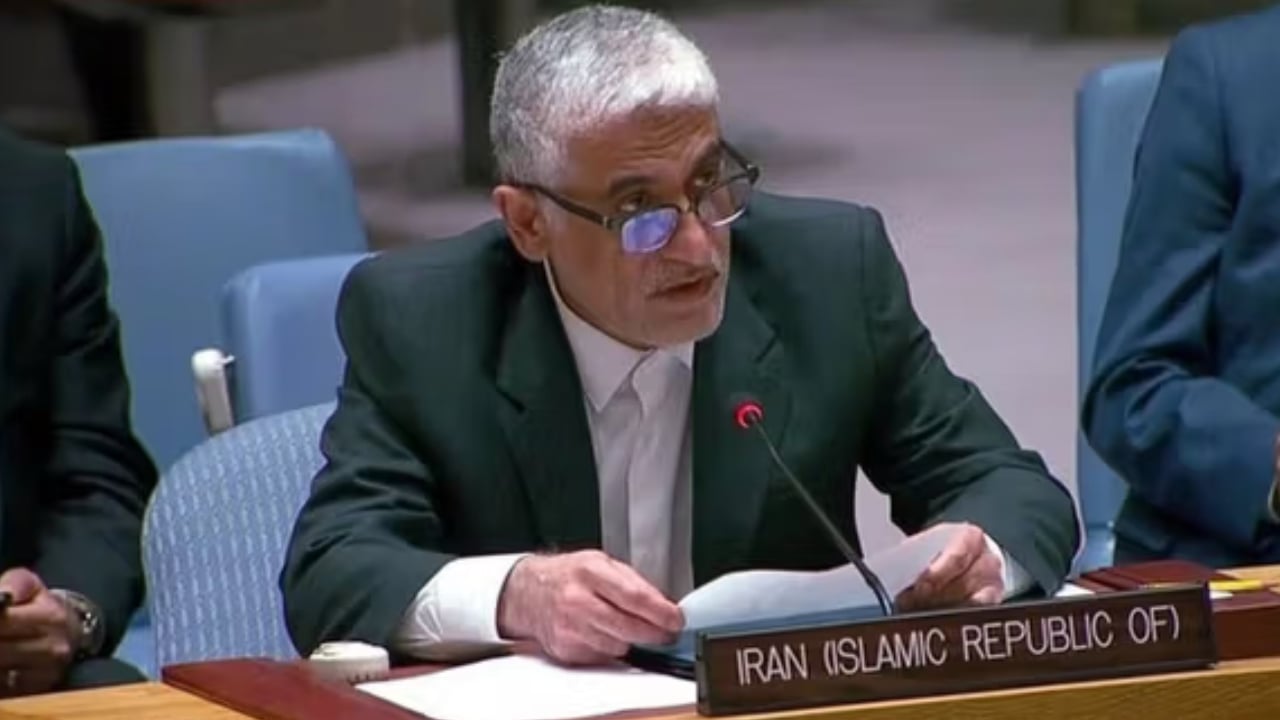
Iran has lodged a formal complaint against the United States at the United Nations, accusing Washington of piracy. According to reports, Iran’s envoy to the UN, Amir Saeid Iravani, sent a letter to both the UN Secretary-General and the President of the Security Council. In the letter, Iravani strongly protested the U.S. seizure of an Iranian vessel, describing the action as an act of piracy. Iravani stated that such use of force cannot be justified under any circumstances. He further argued that the U.S. actions amounted to unlawful coercion, interference in legitimate international trade, and illegal confiscation of property. The Iranian envoy warned that this behavior sets a dangerous precedent that seriously undermines the rule of international law. The letter reflects Iran’s continued opposition to U.S. maritime actions and highlights growing tensions between the two nations over enforcement measures at sea.
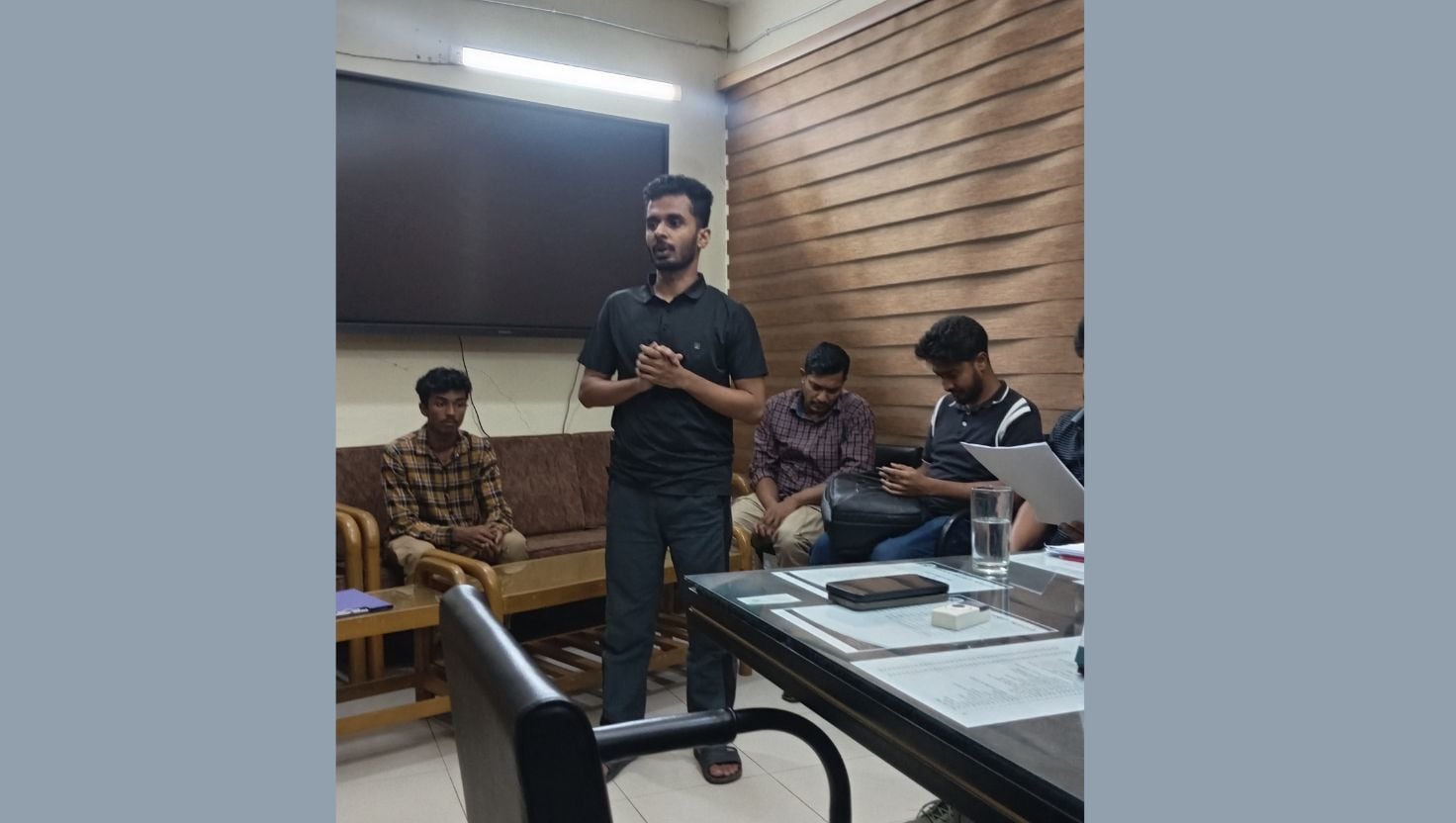
A female student of Shahjalal University of Science and Technology (SUST) in Sylhet was allegedly harassed over the phone after her mobile number was circulated on social media. The accused, a 25-year-old photocopy shop employee named Ashraful Islam from Zakiganj, was handed over to police on Tuesday night following interrogation at the university’s proctor office. The incident began on April 26 when the student visited a shop in Madina Market’s Haque Mansion to print her presentation paper, leading to a dispute over payment. After the disagreement, the employee reportedly demanded more money, threatened the student, and later shared her phone number in various online groups. As a result, she received numerous harassing calls and messages from unknown individuals. The student filed a general diary at Jalalabad Police Station, prompting police to detain the suspect and bring him to the university for questioning. According to the assistant proctor, the accused admitted his wrongdoing during preliminary questioning. Police confirmed that further legal action would follow once the university administration files a formal case.
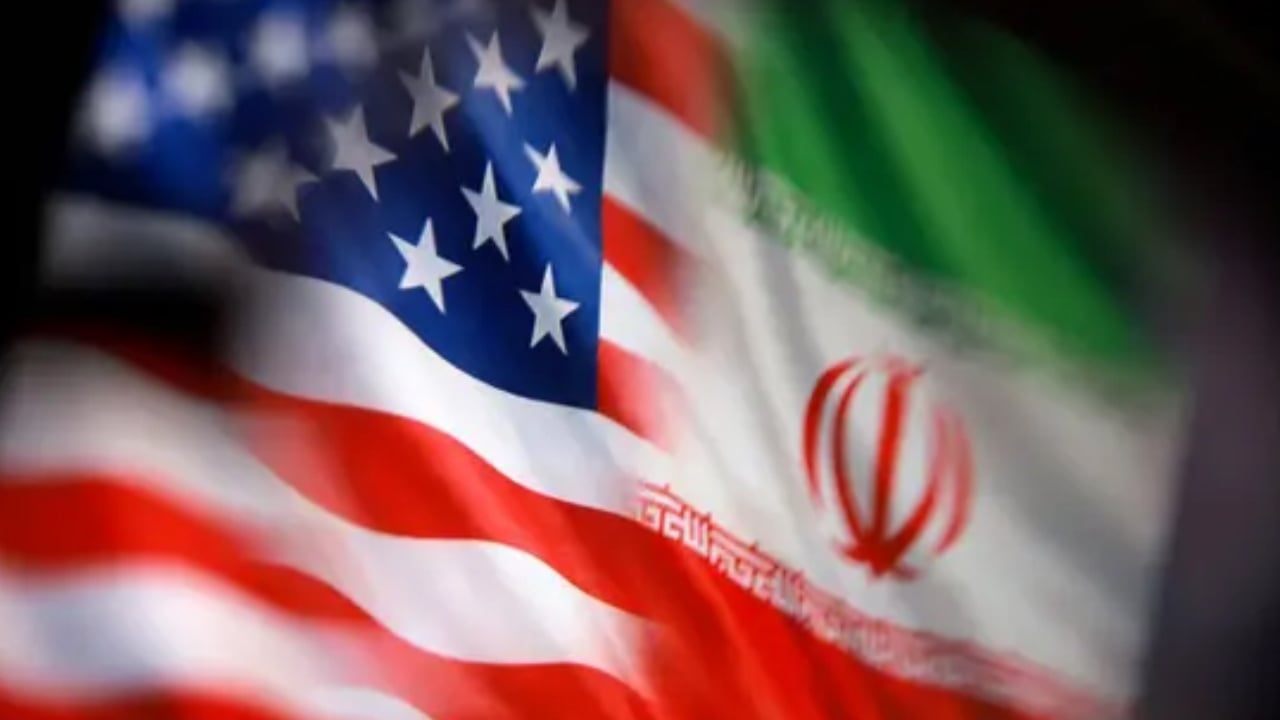
The United States has imposed sanctions on 35 Iranian individuals and entities accused of involvement in Iran’s shadow banking system. US Treasury Secretary Scott Besant said the sanctioned parties were responsible for transferring billions of dollars in illicit funds that allegedly supported Iran’s terrorist activities. The announcement came amid a deadlock in ongoing talks aimed at ending the conflict. Besant warned that the move serves as a warning to global financial institutions. He stated that any institution found to be assisting or transacting with this network would face severe consequences. The sanctions target what Washington describes as a financial network enabling Iran to bypass restrictions and fund destabilizing operations. The action underscores Washington’s continued pressure on Tehran’s financial system and signals potential escalation in economic measures if the alleged network continues operating.
The closure of the Hormuz Strait has caused a disruption in global oil supply, leading to economic effects in the United States. Although President Donald Trump stated that the US is a net oil exporter and not dependent on oil passing through the strait, the indirect impacts are becoming evident across the economy. Experts note that reduced oil supply has driven up fuel prices, directly affecting consumers. Americans are paying more for gasoline and everyday goods, as higher diesel costs have increased transportation expenses. This has led to a general rise in living costs, contradicting earlier assurances from Trump that such inflation would not occur. The ongoing price increases have reportedly fueled public dissatisfaction, and analysts suggest the situation could influence the upcoming midterm elections in November, potentially affecting Trump and the Republican Party’s political standing.
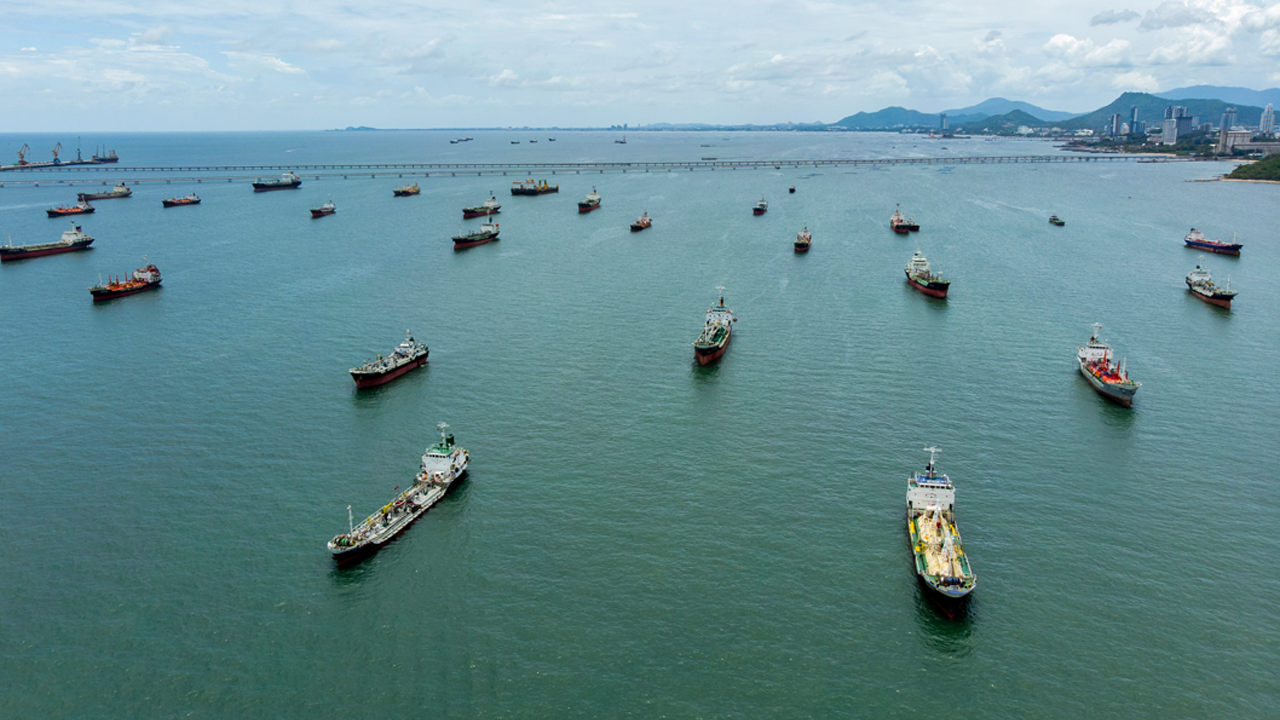
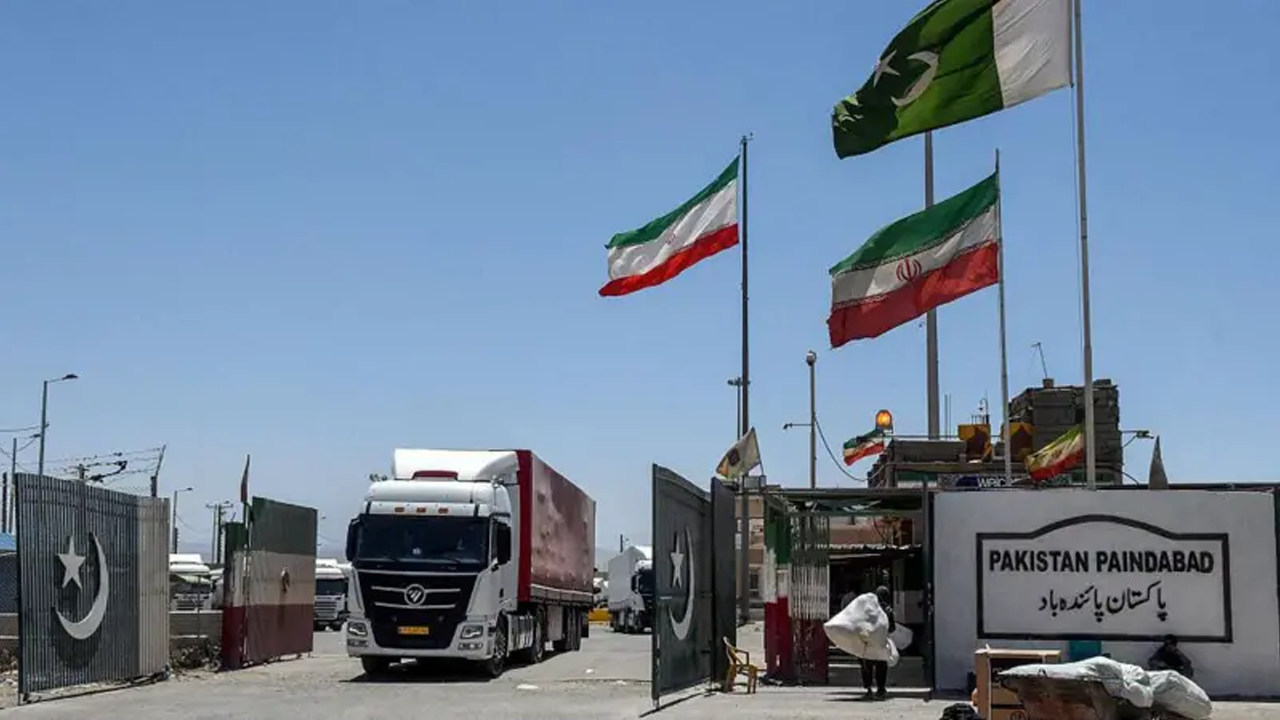
Pakistan has announced the opening of six trade corridors for Iran under the 'Transit of Goods Through Territory of Pakistan Order 2026'. The move allows Iran to use Pakistan’s Karachi and Gwadar ports for imports and exports to third countries. The decision comes as Iran faces severe trade disruptions due to ongoing conflict since February 28 and U.S. sanctions blocking access to its own ports in the Strait of Hormuz. According to Pakistan’s Ministry of Commerce, the new order aims to facilitate transit trade and strengthen regional connectivity. Commerce Minister Jam Kamal said the initiative will enhance Pakistan’s strategic importance as a logistics hub. Analysts view the decision as a sign of growing trust between Islamabad and Tehran, noting that Iran requested the corridor amid wartime shortages of essential goods. Former trade officials and economists said the arrangement follows international law and should not trigger U.S. sanctions, as it provides transit rather than direct trade. The first shipment under the new corridor has already traveled from Karachi through Iran to Uzbekistan, signaling Pakistan’s ambition to become a regional trade center and secure alternative routes beyond Afghanistan.
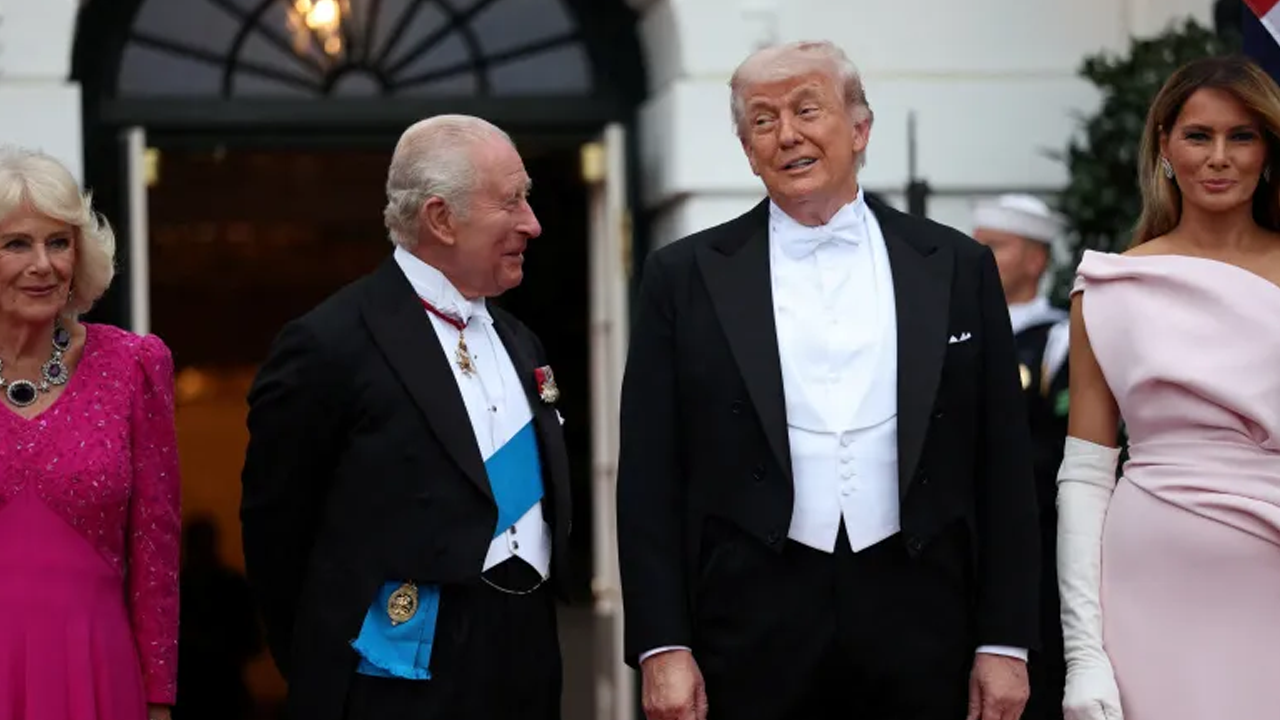
US President Donald Trump stated that Iran should never be allowed to acquire nuclear weapons and claimed that the United Kingdom’s King Charles shares his view. Speaking at a state dinner at the White House, Trump discussed the situation in the Middle East, saying his administration is currently working on certain matters in the region and that developments are progressing well, according to Al Jazeera. Trump further asserted that his administration had militarily defeated a specific adversary and would never allow that opponent to obtain nuclear weapons, adding that King Charles agreed with him even more strongly. His remarks came against the backdrop of ongoing tensions surrounding Iran’s nuclear program. The statement highlights continued US concern over Iran’s nuclear ambitions and reflects diplomatic alignment between Washington and London on preventing Tehran from developing nuclear capabilities.
A dramatic rescue unfolded at Bhairab Railway Station in Kishoreganj on Tuesday afternoon when a father risked his life to save his two-year-old son. The incident occurred around 3:30 p.m. as a couple from Katiadi, Kishoreganj, attempted to board the Dhaka-bound Titas Commuter train. The mother and child slipped from the platform, and as the train began to move, the child fell between the train and the platform. The father immediately jumped down, held his son tightly, and lay flat as eight train coaches passed by. Both miraculously survived without serious injury. Eyewitnesses described the scene as miraculous, with many passengers shouting in shock and disbelief. A video of the incident quickly spread on social media, showing the father lying motionless while the train passed overhead. After the train cleared, he stood up holding his son, and the mother rushed to embrace them. Bhairab Railway Police Officer-in-Charge Saeed Ahmed confirmed the rescue and warned that boarding or disembarking from moving trains is extremely dangerous and punishable by law. He urged passengers to remain cautious and use overbridges for crossing railway tracks.

Reports in Bangladeshi media have recently discussed the alleged emergence of a group using the name TTP in Bangladesh, following the leak of a confidential police document. The disclosure has raised questions about whether the group has any real organizational presence in the country or if some individuals have merely been influenced online by Pakistan-based militants. The report also mentions earlier incidents involving Bangladeshi nationals linked to TTP activities abroad, though their authenticity remains unverified. The article provides background on Tehrik-e-Taliban Pakistan, founded in 2007 by Baitullah Mehsud, and its history of violent operations in Pakistan and Afghanistan. It notes the group’s resurgence after the Taliban’s return to power in Afghanistan in 2021 and the shifting regional alliances involving Pakistan, Afghanistan, and India. The author calls for a thorough investigation into how the sensitive police document was leaked and whether any foreign entities are attempting to damage Bangladesh’s image. The commentary concludes that any claims of TTP activity in Bangladesh should be handled with professional scrutiny and transparency, warning against exaggerated official narratives that could undermine national security.
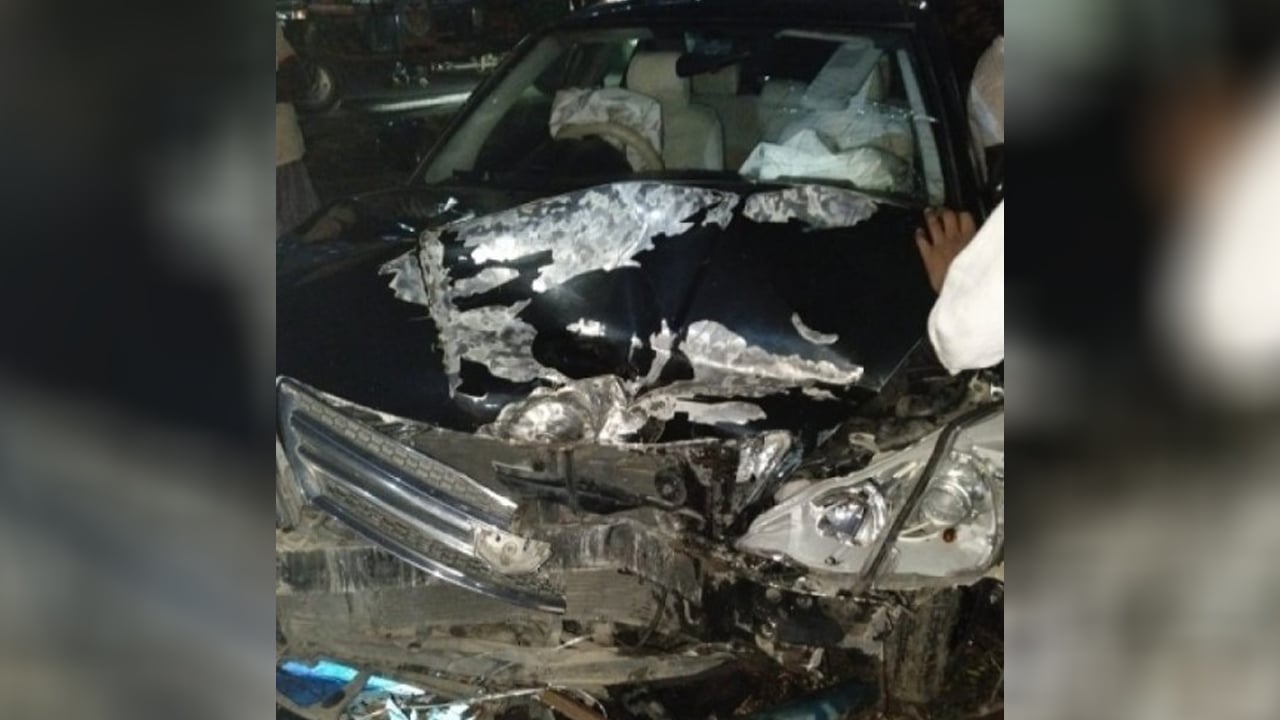
A garment worker was killed and three others were injured when a speeding private car lost control and hit them in Gazipur on Tuesday night. The accident occurred around 9:30 p.m. in front of a garment factory at Bhabanipur area on the Dhaka–Mymensingh highway. The deceased, identified as Abdul Kuddus, worked as an assistant cutting man at the N A Jet garment factory in Rajendrapur. His full identity was not immediately known. According to witnesses and police, Kuddus was waiting beside the road when the car, heading toward Maona intersection, veered off course and struck him, killing him on the spot. The car then hit a passenger autorickshaw, leaving the driver and three passengers injured. Locals rescued the injured and sent them to a hospital. Salna Highway Police Station’s officer-in-charge Shahabur Rahman said police recovered the body and that locals detained the private car and handed it over to police, though the driver fled. Legal proceedings are underway.
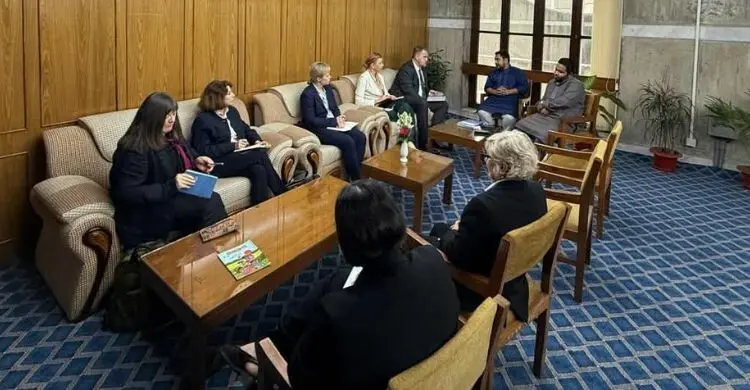
A delegation from the European Union’s election observation mission met with Nahid Islam, the opposition chief whip and convener of the National Citizens Party (NCP), at the Parliament complex on Tuesday afternoon. During the meeting, the EU team inquired about the progress of implementing the July Charter, and Nahid Islam expressed dissatisfaction with the government’s slow pace and performance. He alleged that the government has failed to uphold its reform promises made to the nation. The EU delegation also handed over its full observation report on the 13th National Parliamentary Election to Nahid Islam. Nahid Islam told the EU representatives that the NCP would continue its struggle both inside and outside Parliament to achieve the institutional and structural reforms envisioned after the July uprising. The meeting was led by Ivars Ijabs, head of the EU mission, and attended by deputy chief Baiba Zarina, senior observer Inta Leis, legal analyst Irini Maria Guonari, and Ryan Islam. NCP leaders Abdullah Al Amin and Alauddin Mohammad were also present. The discussion highlighted ongoing concerns about the pace of reform implementation and the government’s accountability to its earlier commitments.
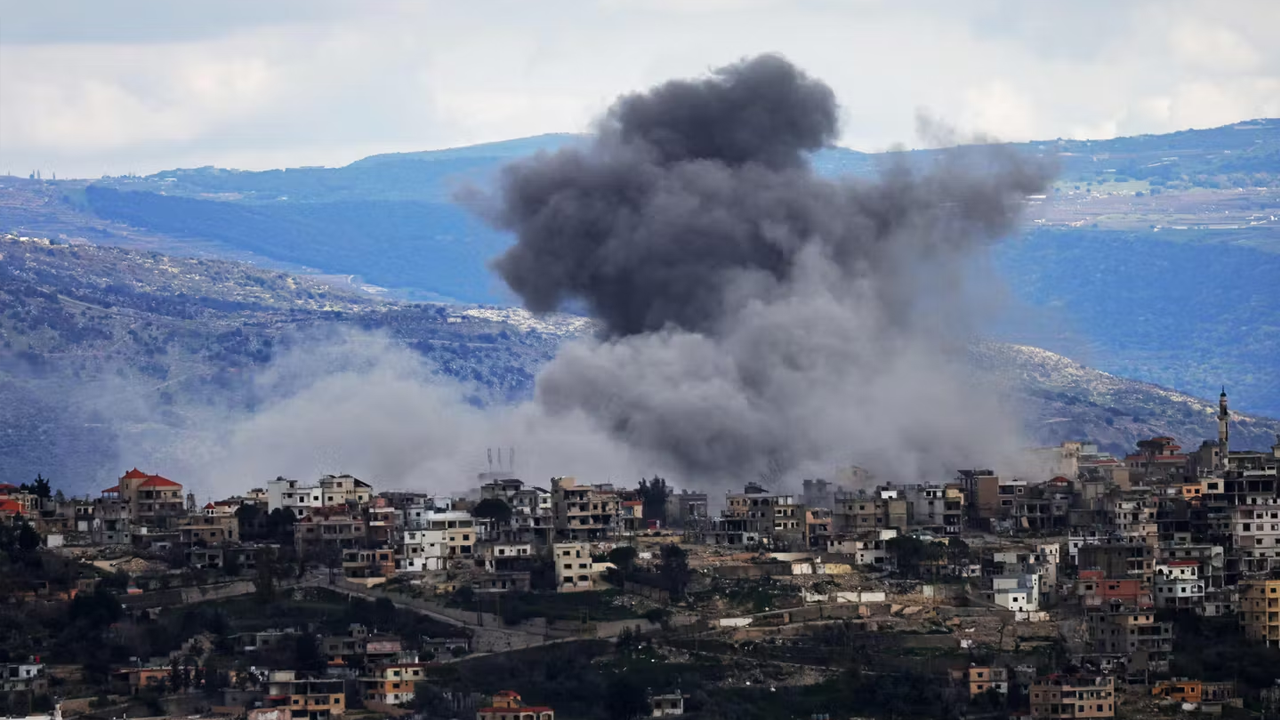
An Israeli airstrike in southern Lebanon’s Tyre district killed at least five people, including three health workers, according to Lebanon’s Ministry of Health. The attack occurred in the town of Majdal Zoun near the Israeli border, as reported by Al Jazeera on Tuesday. Two Lebanese soldiers who were with rescue teams at the site were also injured. The ministry stated that the three health workers had been trapped under debris following a previous strike before being killed in this latest attack. The incident adds to the ongoing violence along the Lebanon-Israel border, where repeated strikes have caused casualties and damage in recent weeks. Authorities have not released further details about the victims or the extent of the damage, and no immediate comment from Israel was mentioned in the report.
The ‘1 Nojor’ media platform is now live in beta, inviting users to explore and provide feedback as we continue to refine the experience.