

The ‘1 Nojor’ media platform is now live in beta, inviting users to explore and provide feedback as we continue to refine the experience.
Customs officer Bullet Bairagi was found dead near Kotbari area on the Dhaka–Chittagong highway in Comilla after returning from basic training in Chittagong. He had last spoken to his family around 1:25 a.m. while passing Tomchom Bridge, after which contact was lost. Police recovered his body the following morning and filed a case at Sadar Dakshin Police Station. Multiple police teams are now investigating the circumstances of his death. His wife, Urmi Hira, broke down in tears upon receiving the news, expressing deep grief. The body was later taken to his ancestral home in Tungipara, Gopalganj, for cremation after colleagues at his workplace paid their final respects. The atmosphere at the customs office was described as heavy with sorrow. The victim’s mother, Nilima Bairagi, alleged that her son’s death was not an accident but a murder, demanding exemplary punishment for those responsible. Customs Commissioner Abdul Mannan Sardar assured full cooperation with the investigation, while Additional Superintendent of Police Istiak Hasan Amin confirmed that several teams are working to uncover the mystery behind the death.
Bangladesh Bank has appointed its director Hasan Tarek Khan as administrator of Aviva Finance, a financially troubled non-bank institution. He will serve as the company’s managing director and chief executive officer. The central bank issued the appointment order on Sunday and sent it to the chairman of Aviva Finance. Aviva Finance was among six financial institutions recently targeted by the central bank for closure due to severe irregularities. The company, formerly known as Reliance Finance, was linked to former managing director Prashanta Kumar (P K) Halder, during whose tenure the firm suffered major financial losses and a default rate exceeding 80 percent. After Halder fled the country, the institution was renamed Aviva Finance but failed to recover. Following the interim government’s move to remove S Alam Group from several banks, its chairman Saiful Alam also left Aviva Finance. Bangladesh Bank subsequently dissolved the company’s board and reconstituted it with four independent directors, led by former central bank executive director Md Golam Mostafa as chairman.

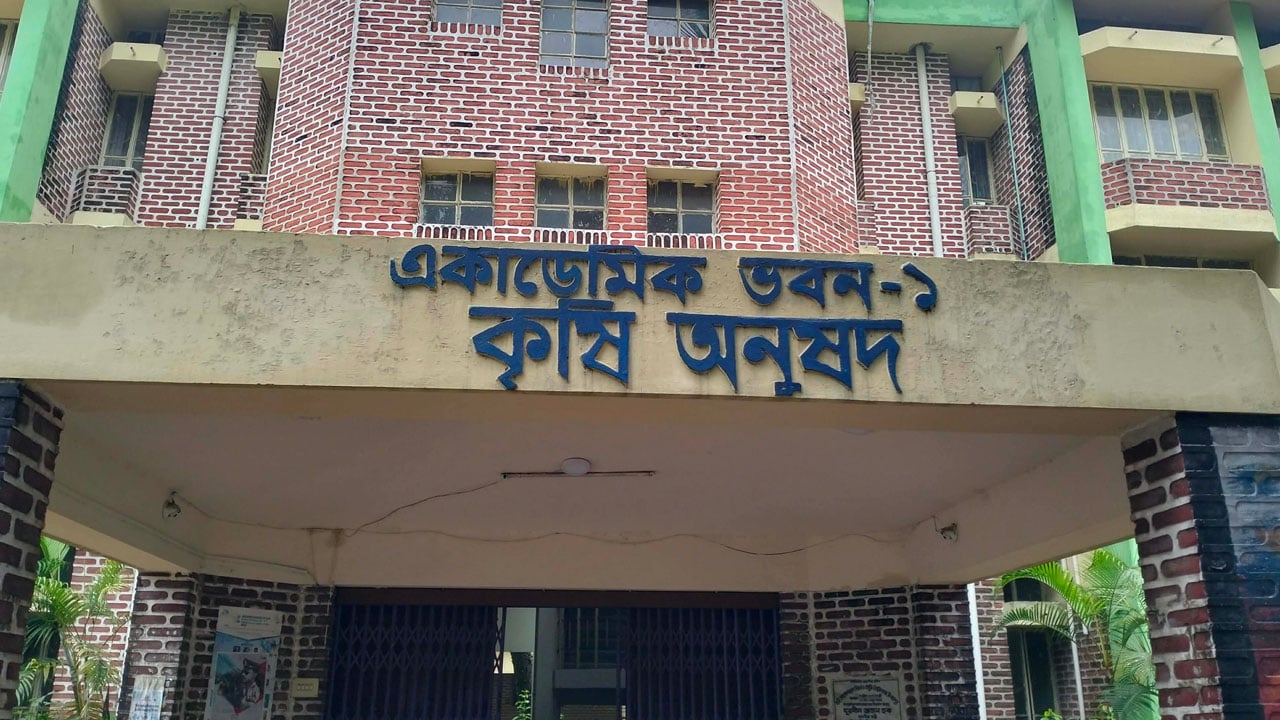
A final examination at the Faculty of Agriculture of Hajee Mohammad Danesh Science and Technology University (HSTU) was cancelled midway due to a power outage. The Level-4, Semester-1 final exam, held at Academic Building-2, began at 12:30 p.m. and was scheduled to end at 3:30 p.m. However, repeated power failures caused long interruptions, leaving students waiting in the dark without any backup lighting. The exam was ultimately cancelled at the scheduled end time, with authorities announcing that it would be rescheduled after Eid. Students expressed frustration over the cancellation, saying they were willing to continue even under poor lighting conditions. Faculty Dean Professor Dr. Moniruzzaman Bahadur stated that the exam was cancelled because teachers and staff were unwilling to remain on duty for an extended period. He added that no alternative arrangements were possible since other classes and exams were ongoing in all available classrooms. The incident highlighted the lack of contingency planning for power disruptions during examinations, raising concerns among students about academic management and preparedness.
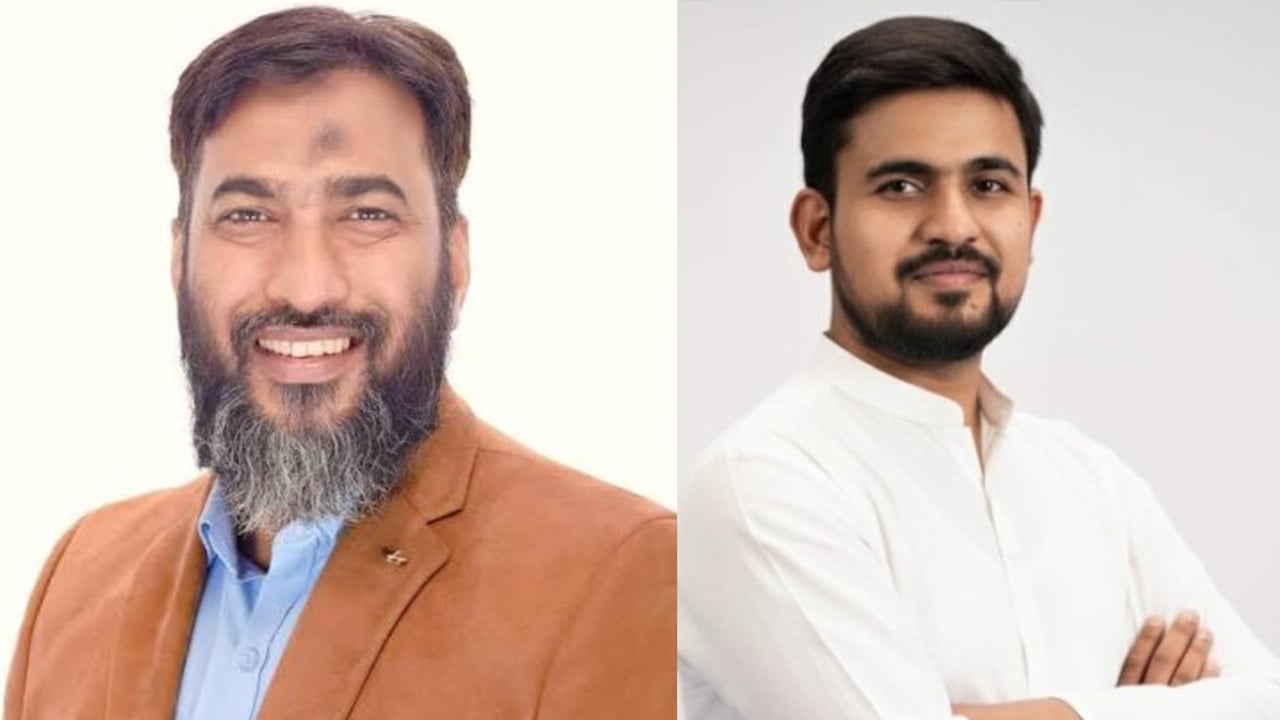
The National Citizen Party (NCP) has restructured its Dhaka South partial convening committee, appointing Ishaq Sarkar as convener and Engineer S.M. Shahriar as member secretary. The announcement was made on April 26, 2026. Ishaq Sarkar recently joined the NCP after being expelled from the BNP for contesting independently in the Dhaka-7 constituency. He was accused in over three hundred cases and spent nearly a decade in prison due to his role in anti-fascist movements. Engineer S.M. Shahriar was previously the NCP-nominated candidate for Dhaka-5 and served as joint chief organizer of the founding committee of the National Citizen Committee. After the formation of the NCP, he took responsibility as joint chief organizer for the party’s southern region. The reorganization reflects the NCP’s ongoing efforts to strengthen its organizational structure in Dhaka ahead of future political activities.
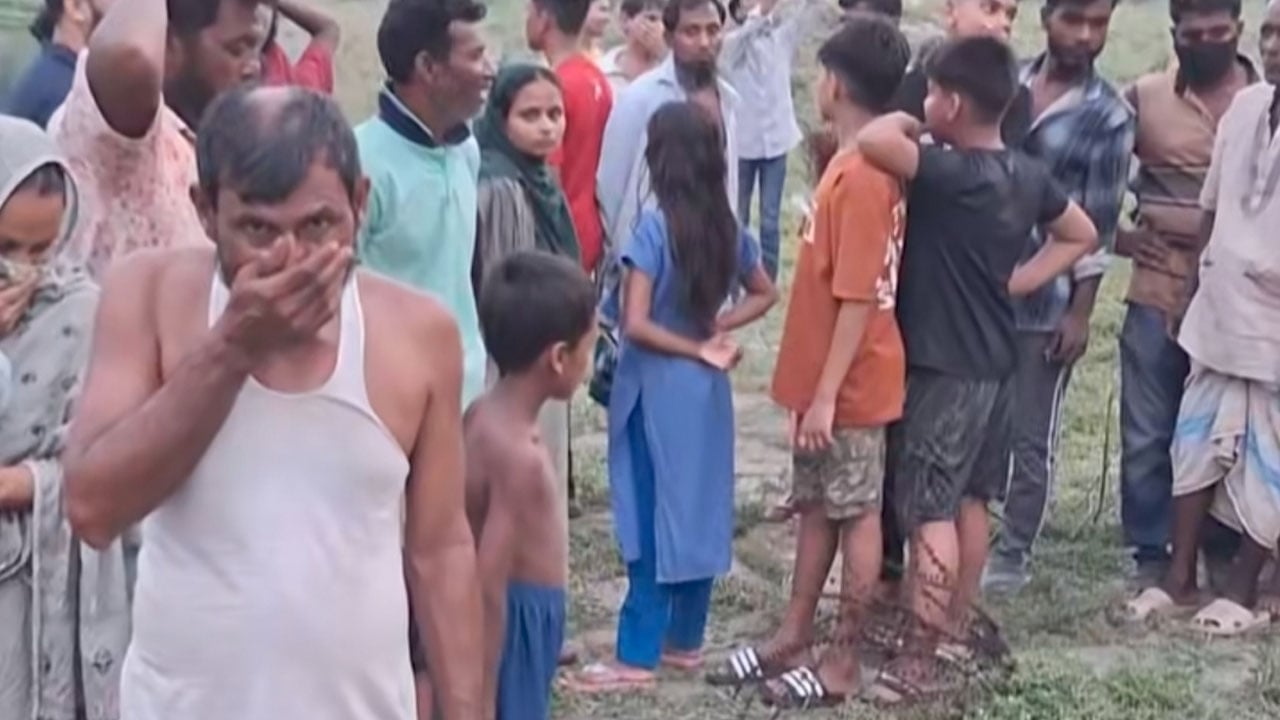
The bodies of a woman and her newborn, found inside a sack buried near the Louhajang River in Mirzapur, Tangail, remain unidentified seven days after their recovery. Police discovered the bodies on April 20 from a pit along the riverbank in Gunthia village under Jamurki Union. Following autopsy on April 21, both were buried as unclaimed at the Mirzapur municipal cemetery. According to Mirzapur police, the woman and her infant son were interred as unclaimed due to the absence of identification. Assistant Police Superintendent (Mirzapur-Nagarpur Circle) Adnan Mustafiz said preliminary findings suggest the woman was murdered, though confirmation of sexual assault awaits the autopsy report. The decomposed condition of the bodies has hindered identification efforts. Police have circulated photographs of the deceased to all police stations across the country as part of the ongoing investigation to determine their identities and the circumstances of the killing.
Student Jamiat Bangladesh has called for a permanent ban on what it termed 'secret politics' in educational institutions, citing ongoing unrest at Dhaka University and other campuses. The organization made the demand at an emergency press conference held at Madhur Canteen on April 26, where its president Ridwan Mazhari read a written statement. The group alleged that hidden organizational activities are fueling tension and endangering student safety. In its statement, Student Jamiat expressed concern over recent clashes between student groups, warning that such conflicts could revive fear and uncertainty among general students. It rejected muscle-based politics as a 'dirty competition' and described secret political operations as a 'political crime' contrary to transparency and accountability. The group clarified that it does not oppose student politics itself but seeks an end to subservient and violent practices. The organization urged the university administration to ensure neutrality, accountability for all parties involved in campus violence, and open, visible political activities. It also demanded the abolition of hall guestroom and mass-room systems, fair seat allocation, and protection of students’ freedom of expression.
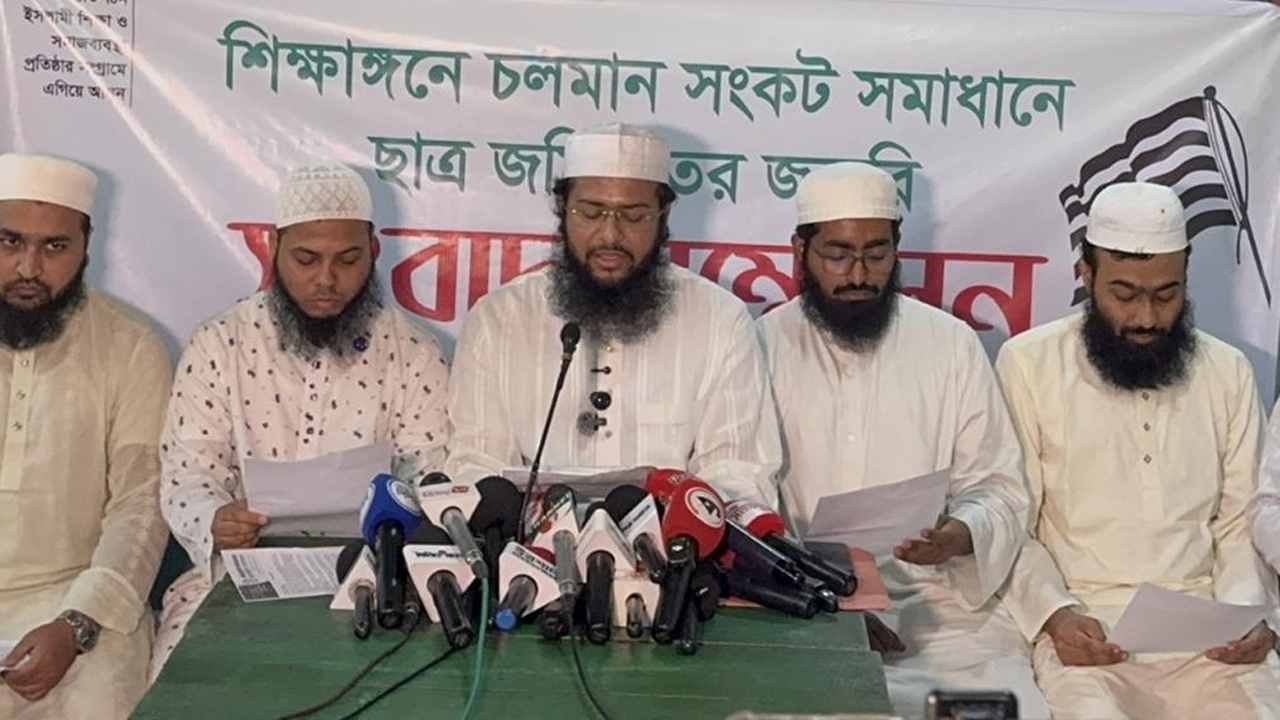
At least ten people were injured in a clash between two groups in Alakpur village of Sadar upazila, Brahmanbaria, on Sunday afternoon. The incident stemmed from a longstanding dispute between Abdul Ali, a former member of the Samir Bari family group, and his cousin Mohammad Awal Mia. The confrontation spread panic across the village as both sides used local weapons and engaged in stone-throwing and chasing. According to local residents and representatives, tensions had been building since Saturday night due to ongoing family and personal conflicts between the two sides. The violence escalated the following day, resulting in multiple injuries. The injured individuals received treatment at various hospitals. Brahmanbaria Sadar Police Station Officer-in-Charge Shahidul Islam said police were dispatched to the scene after receiving reports of the clash. He confirmed that the situation was now under control and that an investigation was underway to determine the cause of the conflict. Legal proceedings are in progress.

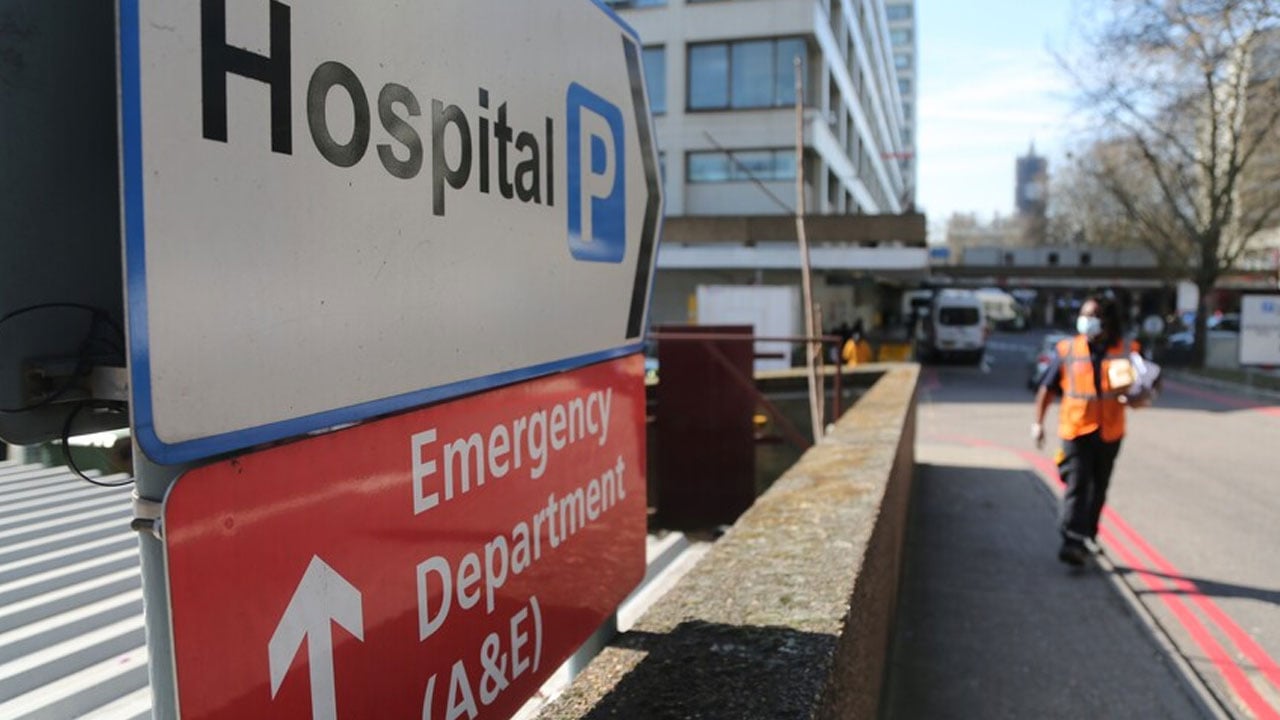
A new report has revealed that more than 400,000 people are diagnosed with cancer each year in the United Kingdom, marking a record high and signaling growing pressure on the country's healthcare system. According to Cancer Research UK, around 403,000 new cancer cases are identified annually, averaging about 1,100 new patients daily or one every 80 seconds. The report attributes this rise mainly to population growth and an aging demographic, along with increasing obesity rates and smoking habits. It notes that smoking alone causes approximately 57,700 cancer cases each year. While survival rates have improved significantly, with about half of patients now living at least ten years after diagnosis, the report warns that progress could stall without stronger preventive and diagnostic measures. Cancer Research UK urged governments across the UK to expand screening programs, reduce preventable risks, and invest more in research and healthcare to ensure sustainable improvements in patient outcomes.
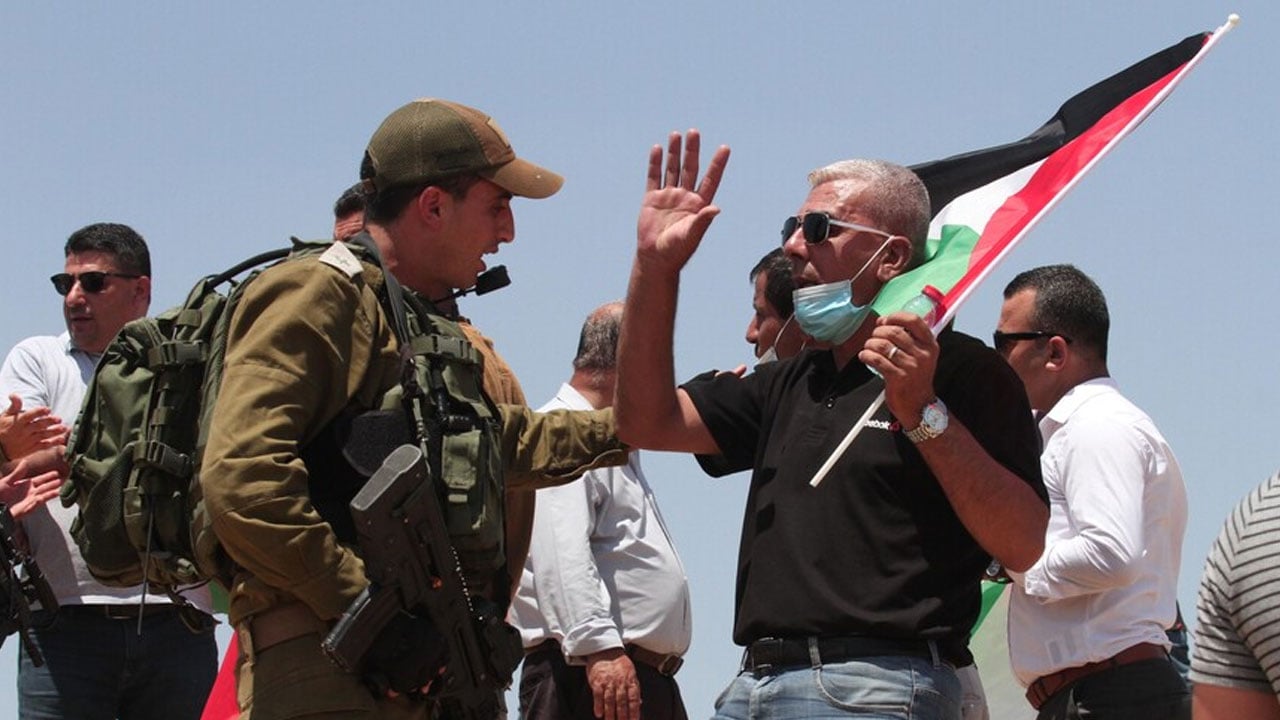
More than 80 former British diplomats, including 60 ambassadors and high commissioners, have called on the United Kingdom and its allies to take stronger measures against Israel’s settlement expansion in the occupied West Bank. In a letter published Friday in the Financial Times, they warned that current policies are encouraging territorial annexation and undermining international law. The diplomats argued that Israel’s expansionist activities in the occupied Palestinian territories amount to accelerating the occupation process. They said Israel is violating both the EU–Israel Association Agreement and the UK–Israel Trade and Partnership Agreement, which require respect for human rights and democratic principles. The letter cited growing settlements, discrimination against Palestinians, and what it described as state-backed settler violence as evidence of these breaches. The signatories urged the EU to suspend its cooperation agreements with Israel, ban trade with settlements, halt arms transfers, and limit Israel’s participation in EU programs. They also called on the UK to ban all trade with settlements and review its agreements with Israel, stressing that condemnation alone is insufficient and urging the government to take effective action.
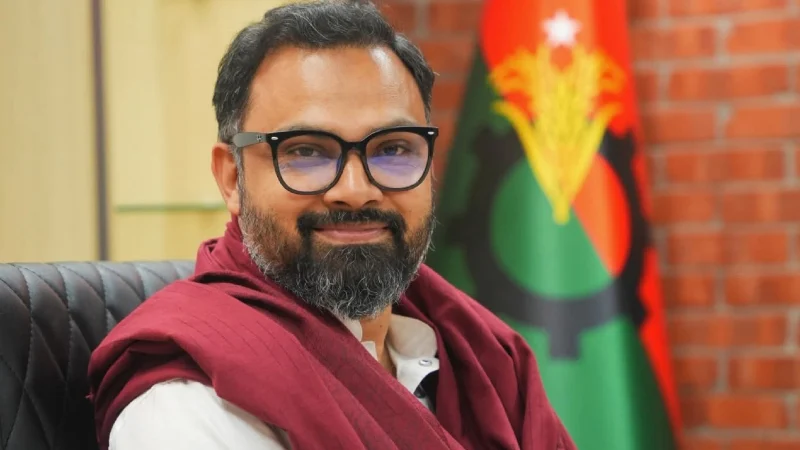
The government of Bangladesh has appointed new heads to 15 departments and agencies, along with three authorities, in a large-scale administrative reshuffle. The Ministry of Public Administration issued 15 separate notifications on Sunday, April 26, 2026, assigning additional secretaries to the posts of director general or equivalent positions across various ministries and divisions. According to the notifications, Md. Jasim Uddin Khan from the Ministry of Home Affairs has been appointed Director General of the Directorate General of Food, while Md. Lutfar Rahman from the Ministry of Agriculture will lead the Department of Environment. Other appointments include M M Arif Pasha as Director General of the Department of Agricultural Marketing, Md. Abdullah Al-Mamun as Director General of the National Freedom Fighters Council, and several others to key directorates such as youth development, nursing, and patents. Additionally, three new chairmen have been appointed to major authorities: Md. Abdul Hai to the Non-Government Teachers’ Registration and Certification Authority (NTRCA), Md. Shafiqul Islam to the Bangladesh Food Safety Authority, and Mohammad Habibur Rahman to the National Housing Authority. The appointed officials have been placed under their respective ministries.

State Minister for Youth and Sports Aminul Haque has congratulated the Bangladesh women's kabaddi team for winning the bronze medal at the 2026 Asian Beach Games. In a congratulatory message issued on April 26, 2026, he extended his greetings to all players, coaches, and officials, describing the achievement as a special moment for the country's sports sector. He praised the team’s determination, especially their fighting spirit in the semifinal match against India. The minister noted that this was Bangladesh’s first kabaddi medal at the Asian Beach Games since 2012, marking a return to the podium after 14 years. He said the success would significantly boost the confidence of female athletes and inspire further progress in women’s sports. Despite the semifinal loss, he expressed optimism that the team would qualify for the finals in future tournaments. Aminul Haque reaffirmed the government’s commitment to continue supporting women athletes and expressed hope that the team would achieve even greater success on the international stage.
An alleged extortionist named Sagar Hossain, aged 35, was beaten by locals and handed over to police in Shahjahanpur upazila of Bogura on Sunday afternoon. The incident occurred around noon in the Chhoto Hindu Para area of Sabrul village when Sagar and his group reportedly attempted to seize a pond belonging to a local resident named Narendra Nath. Villagers gathered and attacked Sagar while his associates fled the scene. According to local accounts, Sagar had long been extorting money from residents, and fear of him had forced about ten families to leave their homes. Shahjahanpur Police Station Officer-in-Charge Ashiq Iqbal confirmed that Sagar is a known criminal with previous cases involving murder and illegal weapons. He was injured in the mob beating and taken to a local hospital for treatment. Police are preparing to file a new case against him. Authorities stated that efforts are underway to eliminate extortion and terrorism in the area with community cooperation.
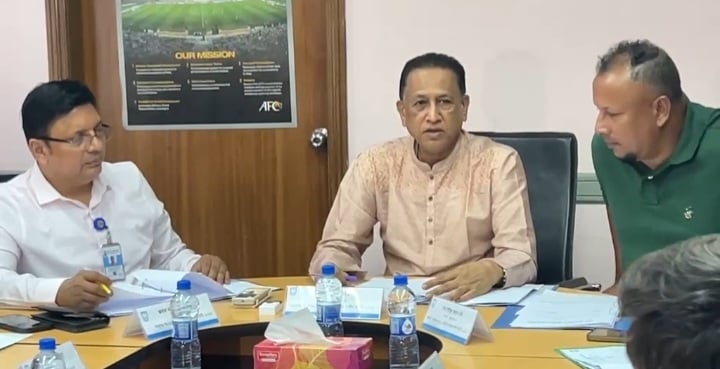
The Bangladesh Football Federation (BFF) has decided to organize the ‘BFF National Trial 2026’ to identify talented under-15 footballers across the country. The decision was made at a meeting of the Under-15 National Football League Committee held at the BFF headquarters in Dhaka. According to the federation’s media department, the trial will be conducted under the supervision of the FIFA Talent Development Scheme (TDS) and will begin on April 27 at the Kamalapur Stadium in the capital. The eight-day trial will include residential facilities for participating players. Through this program, promising footballers at the under-15 level will be observed and selected for further development. Officials involved believe that the initiative will play an important role in nurturing skilled and talented players for the future national team. The trial is expected to strengthen the foundation of youth football in Bangladesh by providing structured opportunities for young athletes to showcase their abilities under international development standards.
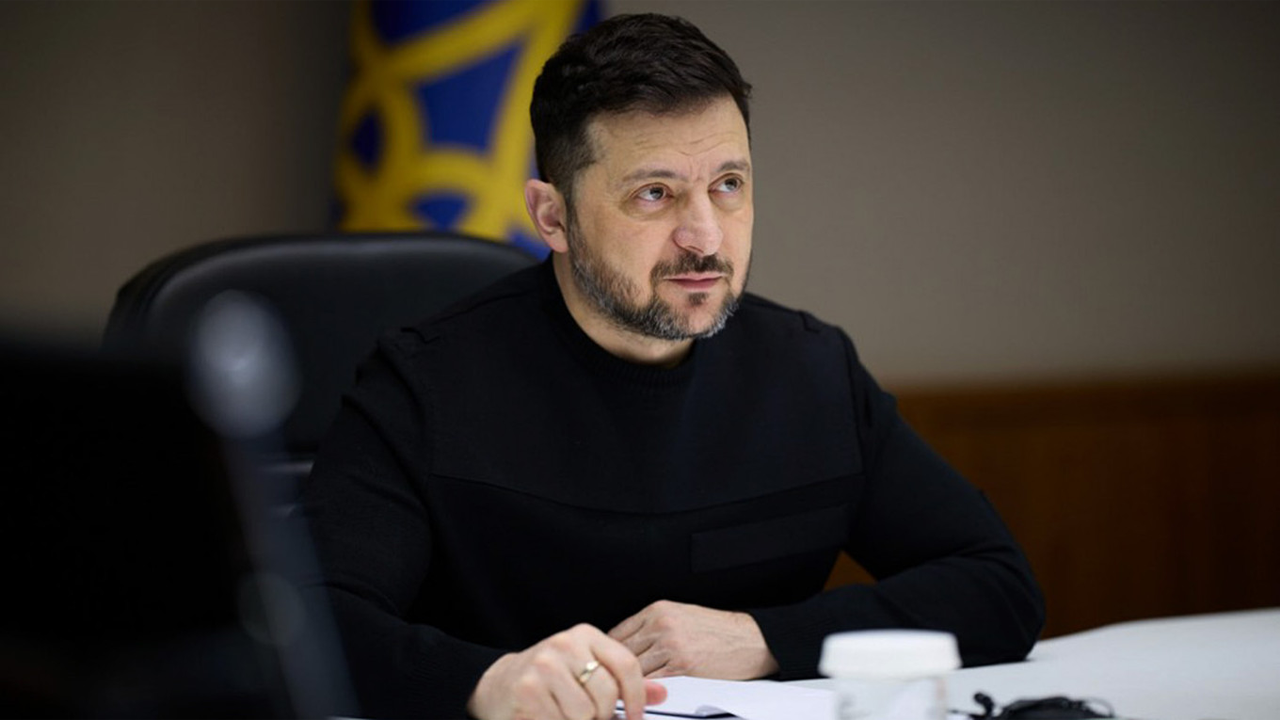
Ukrainian President Volodymyr Zelensky accused Russia of engaging in 'nuclear terrorism' during a speech on Sunday marking the 40th anniversary of the Chernobyl nuclear reactor disaster. According to a report by AFP, Zelensky said that Russia’s 2022 invasion of Ukraine had once again brought the world to the brink of a man-made catastrophe. Zelensky alleged that Russian drones regularly fly over the Chernobyl nuclear power plant and that one drone struck the site’s protective structure last year. He urged the international community not to allow such 'nuclear terrorism' to continue, emphasizing that the best way to stop it would be to compel Russia to end its reckless attacks. The Chernobyl disaster occurred in 1986 and remains one of the most severe nuclear accidents in history, serving as a grim reminder of the potential dangers of nuclear mishandling.
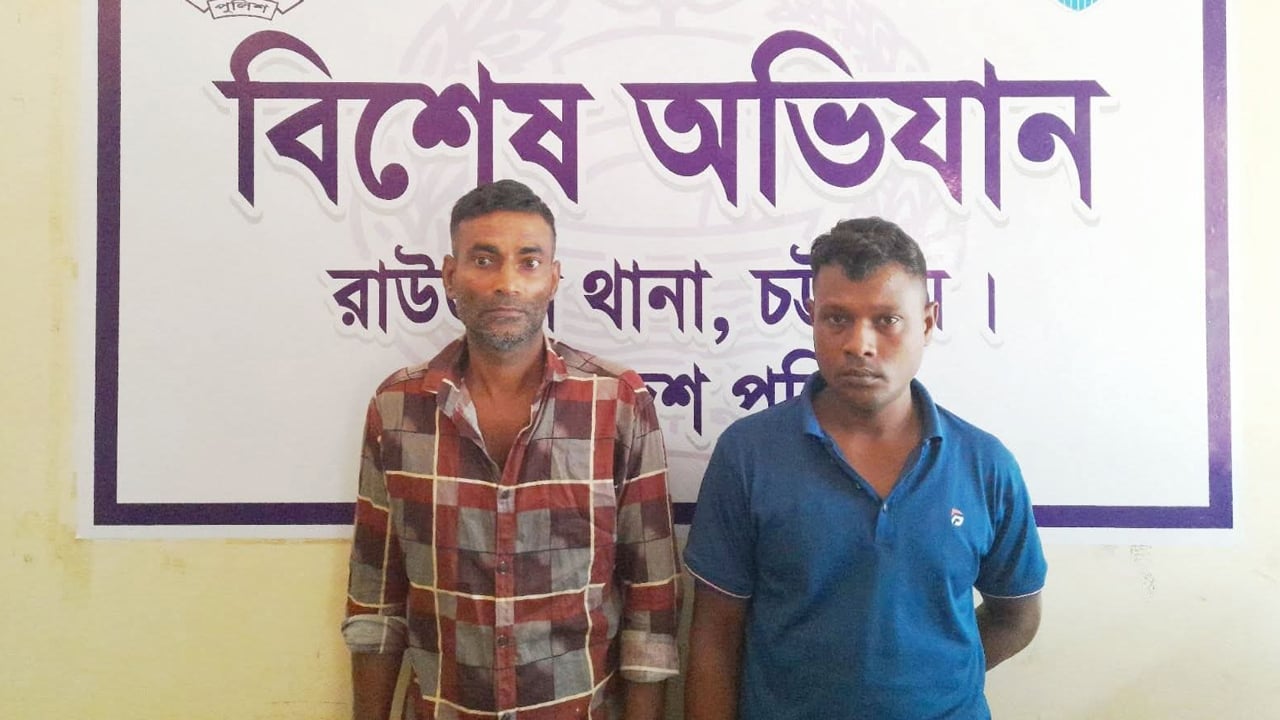
Police in Rouzan, Chattogram, have arrested two suspects in connection with the killing of Kawsar-uz-Zaman Bablu, 36, who was murdered early on April 25 reportedly over a dispute involving soil and sand trading. The arrests took place in the early hours of Saturday, April 25, in the Purba Rouzan area, according to Officer-in-Charge Sajedul Islam. The detainees were identified as Md. Shafi, 39, and Md. Suman, 33, both residents of Ward 9 under Rouzan Municipality. Bablu’s father, Abul Kalam Soudagar, filed a murder case with Rouzan Police Station (case no. 21), naming 12 individuals and several unidentified suspects. The victim, a father of two daughters, was killed around 3 a.m. on Friday night. Following the incident, local residents staged a protest on the road, demanding the arrest of the perpetrators within 24 hours. Police said the arrested suspects have been produced before court with a remand petition, and operations are continuing to apprehend the remaining accused.
The ‘1 Nojor’ media platform is now live in beta, inviting users to explore and provide feedback as we continue to refine the experience.