

The ‘1 Nojor’ media platform is now live in beta, inviting users to explore and provide feedback as we continue to refine the experience.
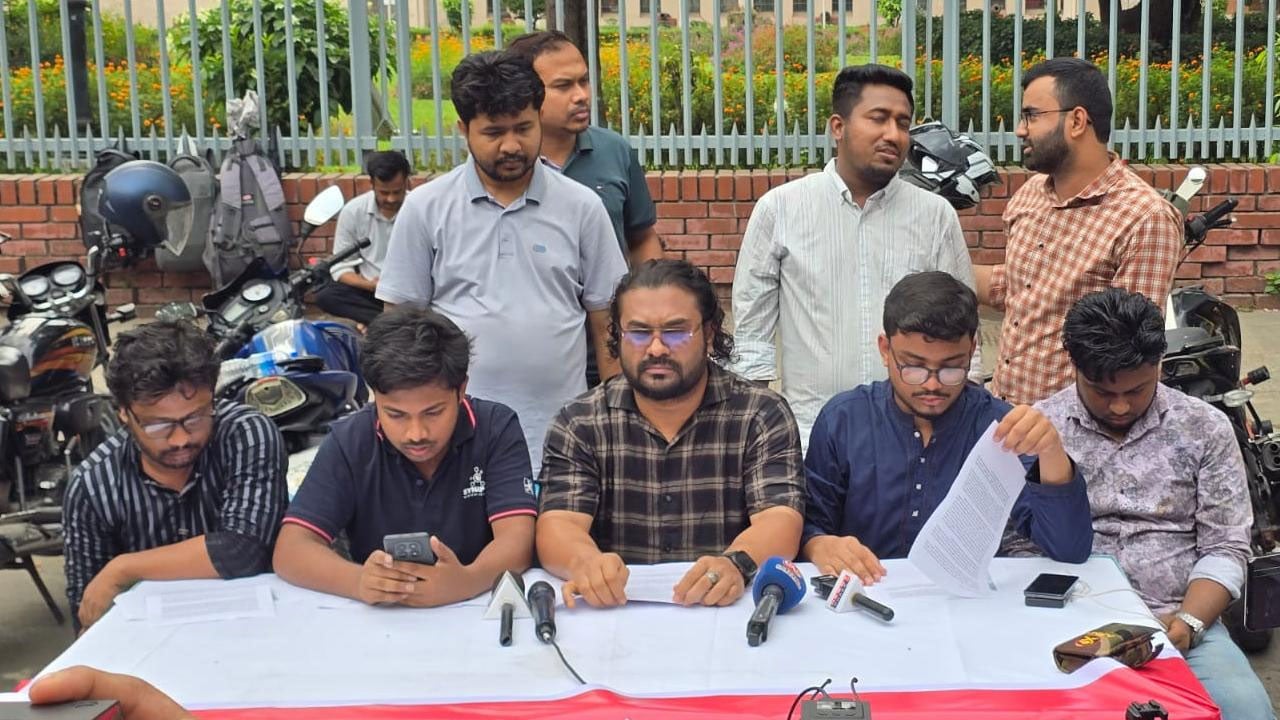
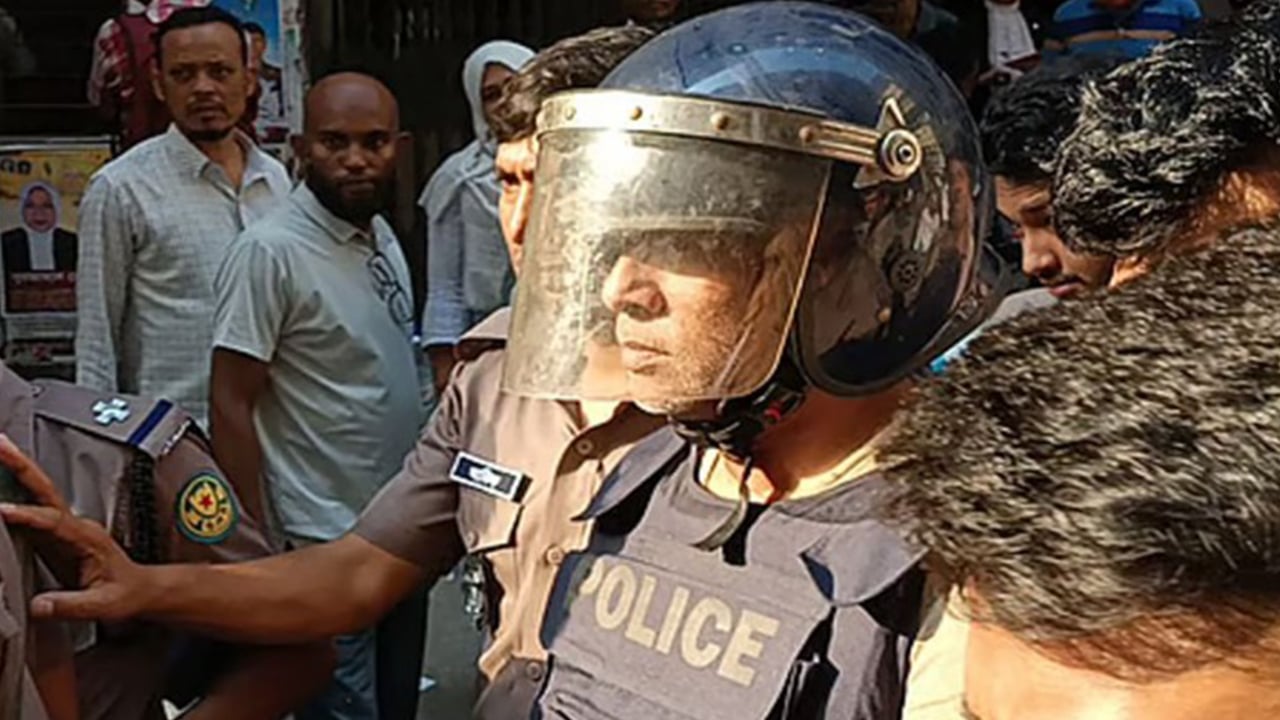
The platform 'July Unity' has demanded the immediate arrest and trial of those involved in the recent attack on Dhaka University students, two Daksu editors, and journalists. The demand was made at a press conference held on Sunday, April 26, 2026, in front of the National Museum at Shahbagh, Dhaka. Organizer Munshi Kobi Burhan Mahmud read a written statement, joined by other organizers including Fahim Faruqi and Riadul Islam Jubah. According to the statement, the attack occurred on April 23 inside Shahbagh Police Station when students and journalists went to file a general diary. The group alleged that individuals identifying as members of the Chhatra Dal carried out a planned assault. July Unity leaders accused the police of negligence, claiming officers delayed accepting the complaint and allowed the attackers to act. They also alleged that threats were spread on social media before the incident. The platform demanded exemplary punishment for the attackers and accountability for the police officers involved, asserting that the assault was politically motivated and aimed at silencing student voices.
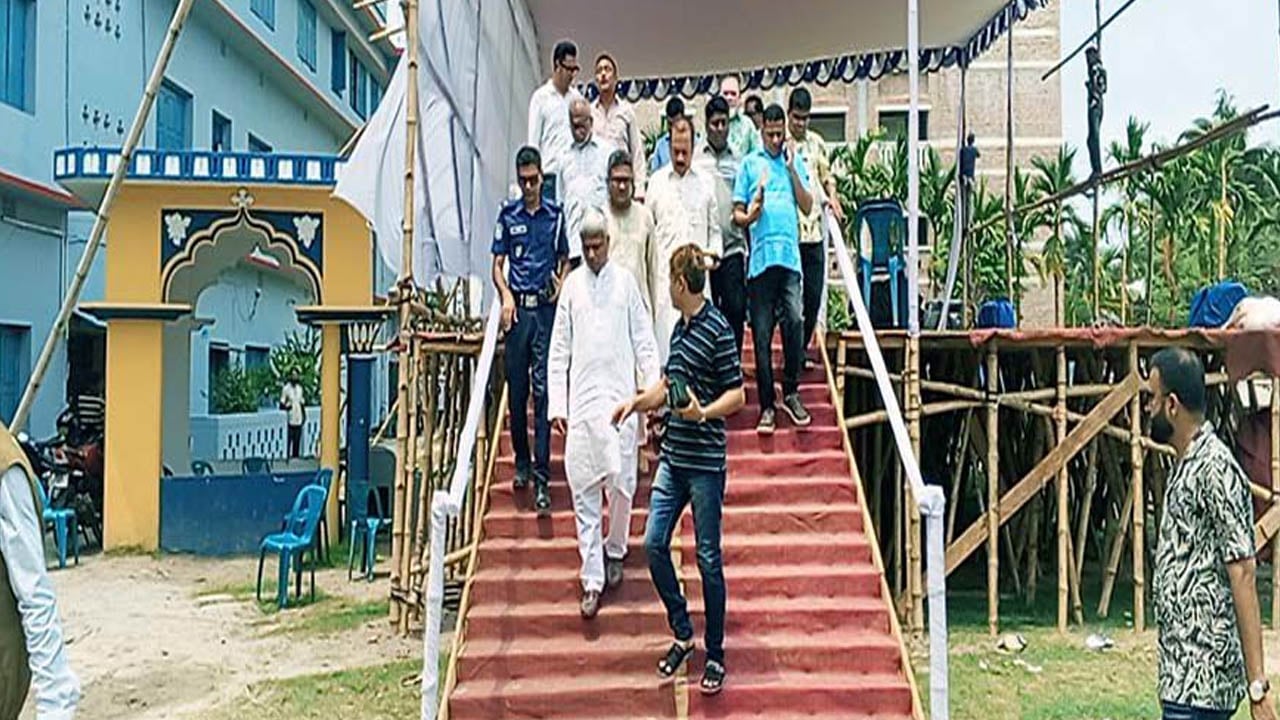
Prime Minister Tarique Rahman is scheduled to visit Jashore on Monday to accelerate development in Bangladesh’s southwestern region. This will be his first visit to Jashore since assuming office. According to the official itinerary, he will arrive at Jashore Airport at 10:15 a.m. and inaugurate the re-excavation of the historic Ulashi–Jadunathpur canal in Sharsha upazila, followed by a local gathering. Later, he will lay the foundation stone for a 500-bed hospital at Jashore Medical College, visit the Jashore Institute Public Library, and address a large political rally organized by the district BNP at the central Eidgah in the afternoon. Preparations for the visit have been underway for over a week, with the Special Security Force tightening security and law enforcement maintaining strict surveillance. The Water Development Board is implementing the canal project, while the Public Works Department is responsible for the hospital construction. Local BNP leaders have inspected the rally venue, expecting a large turnout. The Prime Minister will also briefly visit the historic Jashore Club before returning to Dhaka. The Ulashi–Jadunathpur canal holds historical significance as the starting point of a past national canal excavation program, and its revival has generated strong local interest.
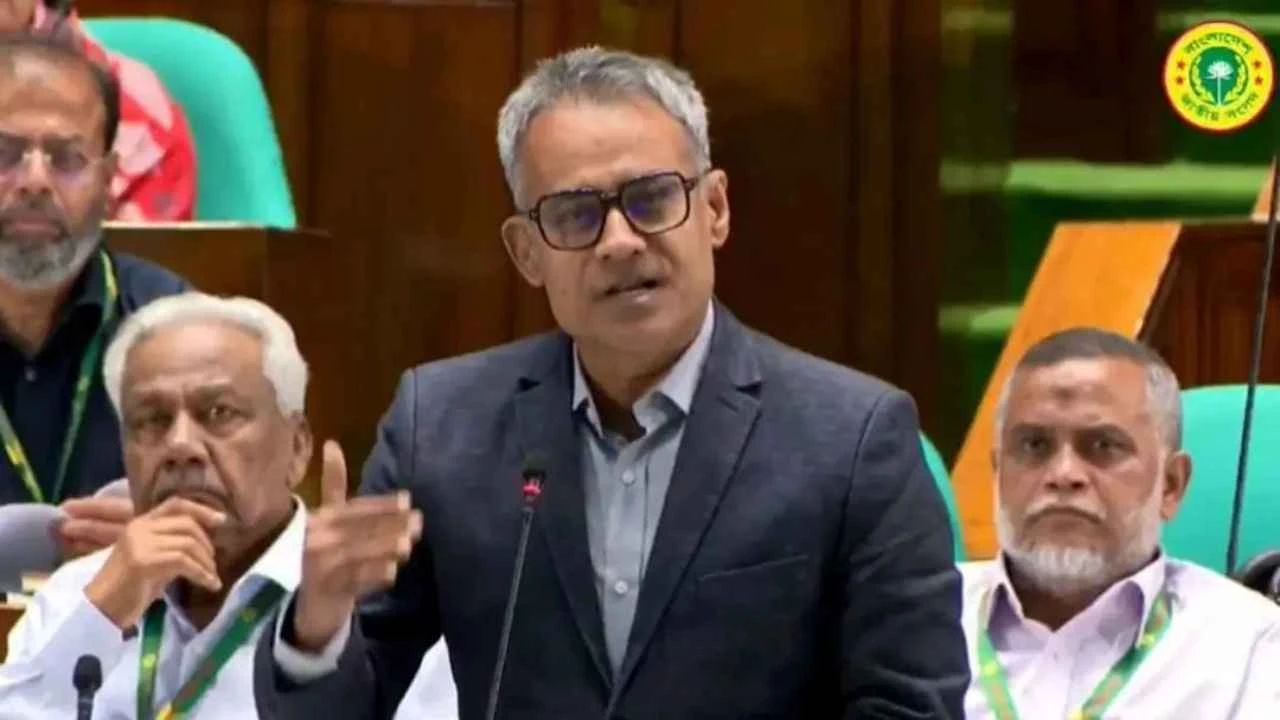
Road Transport and Bridges Minister Sheikh Robiul Alam informed the Bangladesh Parliament that a feasibility study is ongoing for the construction of a second Jamuna Bridge. He said the existing four-lane Jamuna Bridge often faces traffic congestion, making an alternative bridge over the river necessary. The Bangladesh Bridge Authority’s master plan recommends implementing the second Jamuna Bridge by 2033. The minister made the remarks on Sunday in response to a question from ruling party lawmaker Mostafizur Rahman Babul, during a session chaired by Speaker Hafiz Uddin Ahmed. Sheikh Robiul Alam stated that three possible alignments are being assessed: one between Sariakandi in Bogura and Madarganj in Jamalpur, another from Balasi Ghat in Gaibandha to Dewanganj in Jamalpur, and a third along another suitable corridor. In response to other parliamentary questions, he also noted that project costs for the Padma Bridge, Karnaphuli Tunnel, and Dhaka-Ashulia Elevated Expressway had been revised multiple times, with corruption investigations ongoing at the Anti-Corruption Commission. The minister further mentioned that under the ADB’s Master Plan 2040, 496.5 kilometers of highways will be upgraded to six lanes and 102 kilometers to eight lanes by 2040.
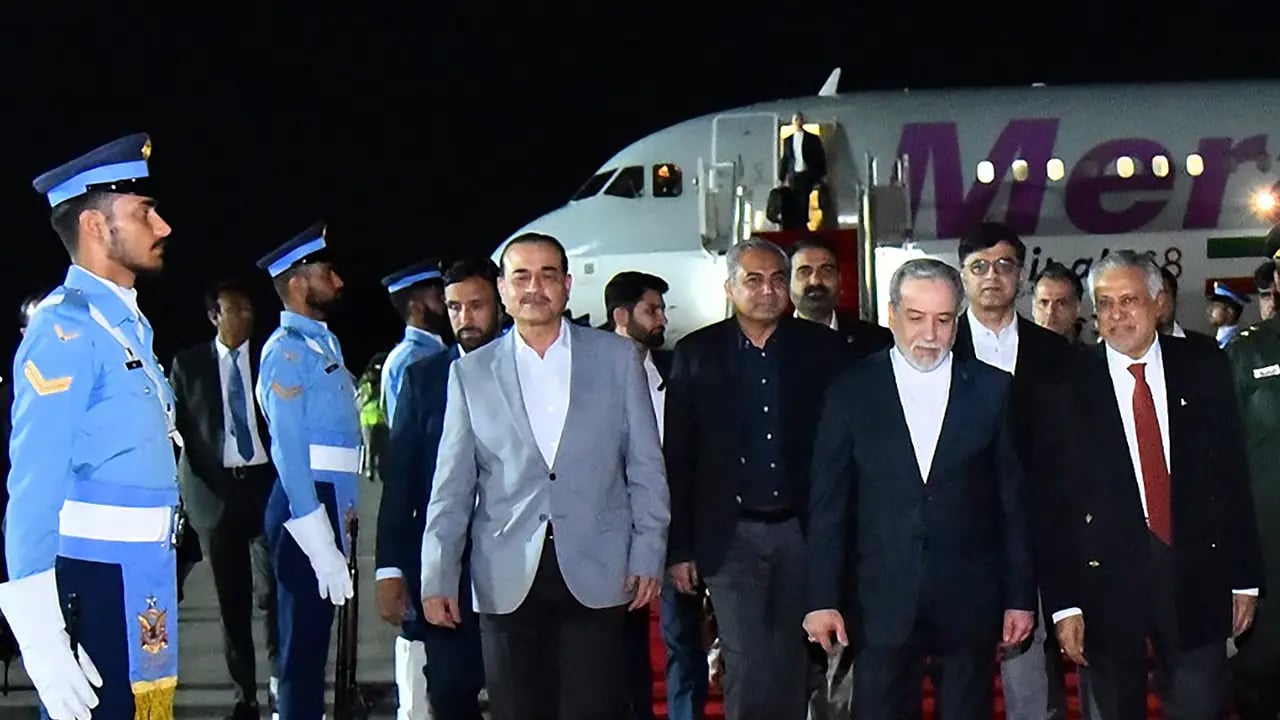
Iranian Foreign Minister Abbas Araghchi is returning to Islamabad after a visit to Muscat, Oman, before continuing to Moscow. Iran’s Foreign Ministry confirmed the trip, noting that Araghchi will make a brief stop in Pakistan’s capital for discussions before departing for Russia. Diplomatic sources said his private aircraft, named Meraj, departed from Tehran and is expected to land at Noor Khan Airbase near Islamabad within two hours. A portion of the Iranian delegation that participated in earlier discussions had returned to Tehran but is expected to rejoin Araghchi in Islamabad tonight with high-level government directives concerning efforts to end the ongoing conflict. During his previous visit to Islamabad, Araghchi met Pakistan’s army chief, deputy prime minister and foreign minister, and the prime minister to discuss bilateral relations and regional developments. Araghchi stated on social media that his visits to Islamabad, Muscat, and Moscow are part of Iran’s broader diplomatic coordination with allied nations.
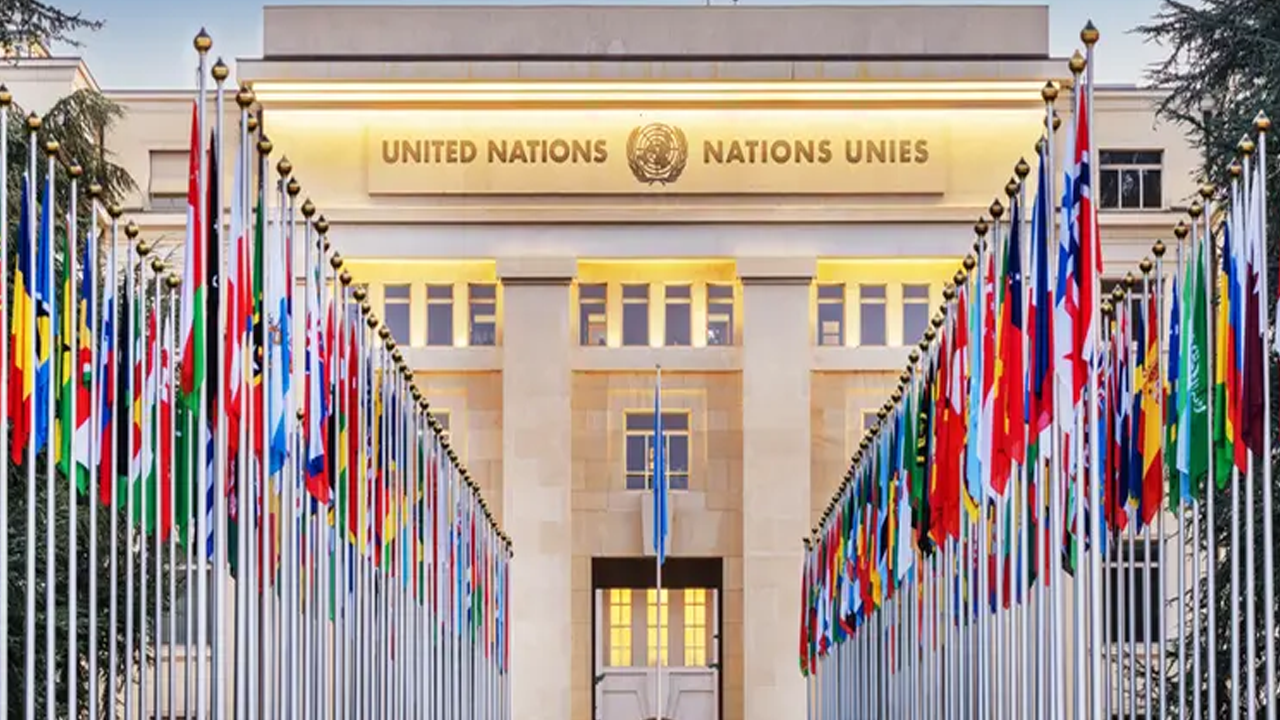
Bangladeshi diplomats stationed at the United Nations, particularly in Geneva, are presenting the newly elected government’s agenda and vision through active multilateral diplomacy. According to a press release from Bangladesh’s mission in Geneva, the diplomats are building a strong and dynamic presence across various UN offices and agencies. They are moving beyond traditional diplomacy to influence global policymaking on peace, climate change, and sustainable development. The release described their ongoing efforts as “active diplomacy,” which is significantly strengthening Bangladesh’s position in the international arena. The statement also paid tribute to the tireless efforts of representatives from all UN member states in advancing multilateral diplomacy toward a shared goal of building a better world for future generations—a vision aligned with the founding purpose of the UN in 1945. The remarks were made on the occasion of International Delegates Day, which recognizes the vital role of representatives in promoting dialogue, cooperation, and multilateral solutions. The mission noted that delegates embody the spirit of multilateralism and work together to address global challenges such as pandemics, climate change, development constraints, and security threats.
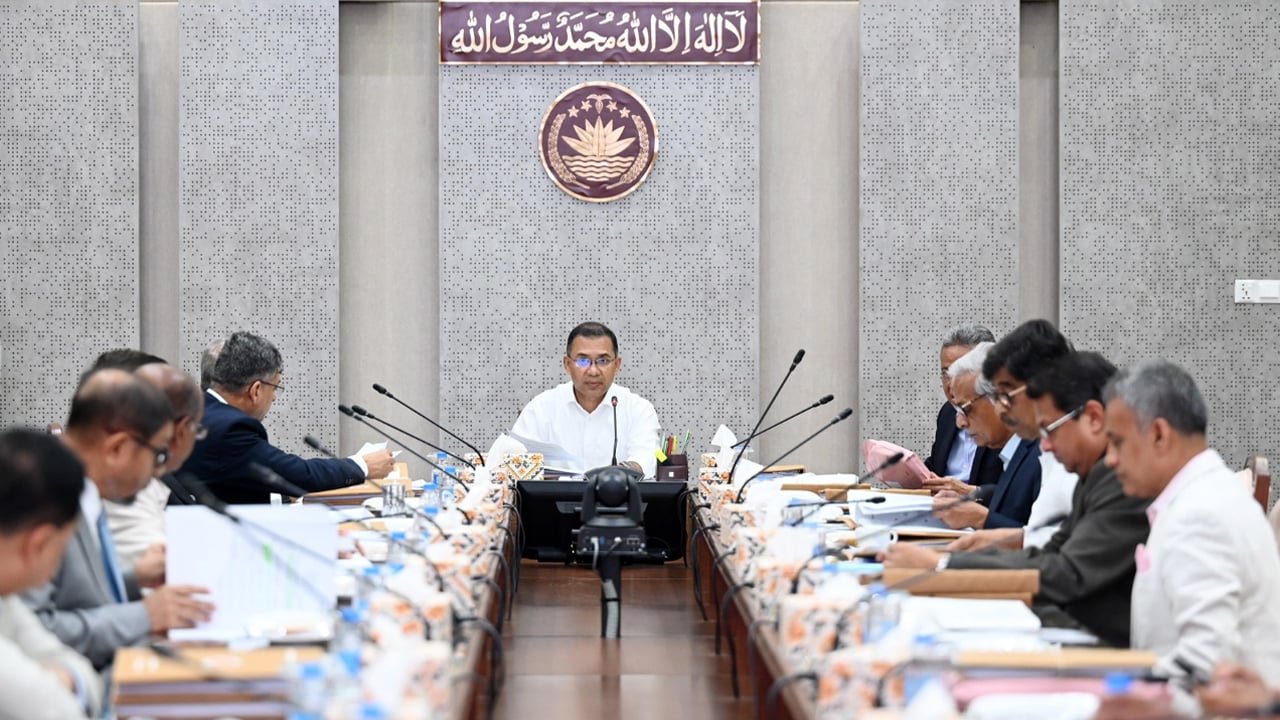
The 10th meeting of the Executive Committee of the National Economic Council (ECNEC) for the current fiscal year was held on Sunday, April 26, 2026, at the Secretariat in Dhaka. The meeting was chaired by Prime Minister and ECNEC Chairperson Tarique Rahman. This was the second ECNEC meeting under the current BNP government. According to the Planning Ministry, a total of 17 projects were placed for consideration at the meeting, with an estimated implementation cost of around Tk 7,000 crore. Among these, four projects belong to the Socio-Economic Infrastructure Division of the Planning Commission, two to the Agriculture, Water Resources and Rural Institutions Division, and eleven to the Physical Infrastructure Division. Additionally, 33 projects previously approved by the Planning Minister were presented for ECNEC’s information. Earlier, on April 6, the first ECNEC meeting of the current government approved five projects worth Tk 483.43 crore.
Police have recovered the body of Munira Mahjabin Mimo, a 26-year-old master's student of Theatre and Performance Studies at Dhaka University, from her family residence in North Badda, Dhaka. Officers found a note in her room mentioning the names of a teacher and a friend. Family members told police that she appeared to have taken her own life by hanging herself from a ceiling fan with a rope. According to Badda police, the teacher and the friend named in the note have been taken into custody for questioning. Sub-Inspector Fatema Siddika Soma led the recovery operation and sent the body to Dhaka Medical College morgue for autopsy. Forensic doctor Dr. Debika Roy stated that samples of viscera, blood, and DNA have been collected to determine the exact cause of death. The investigation is ongoing, and authorities are verifying whether the note was written by the deceased. The family later took the body after the post-mortem examination.

NCP lawmaker Abul Hasnat, representing Cumilla-4, told the Bangladesh Parliament on April 26, 2026, that a renewed atmosphere of fear and intimidation is emerging in the country. Speaking during the discussion on the President’s address, he said citizens should be able to criticize the Prime Minister and express opinions freely on social media without fear. He alleged that opposition voices are being suppressed through legal cases and that individuals have been detained for online criticism. Hasnat criticized what he described as a return to a “vicious cycle” of blame and repression, warning that campuses are again becoming unstable. He accused the ruling party of using students for political purposes while their own children study abroad. He also said the Human Rights Commission has been weakened and that the cancellation of the Police Reform Commission ordinance contradicts claims of reform. Calling for an end to divisive politics, Hasnat urged all parties to understand the language of the younger generation and work collectively for structural change and freedom of dissent.
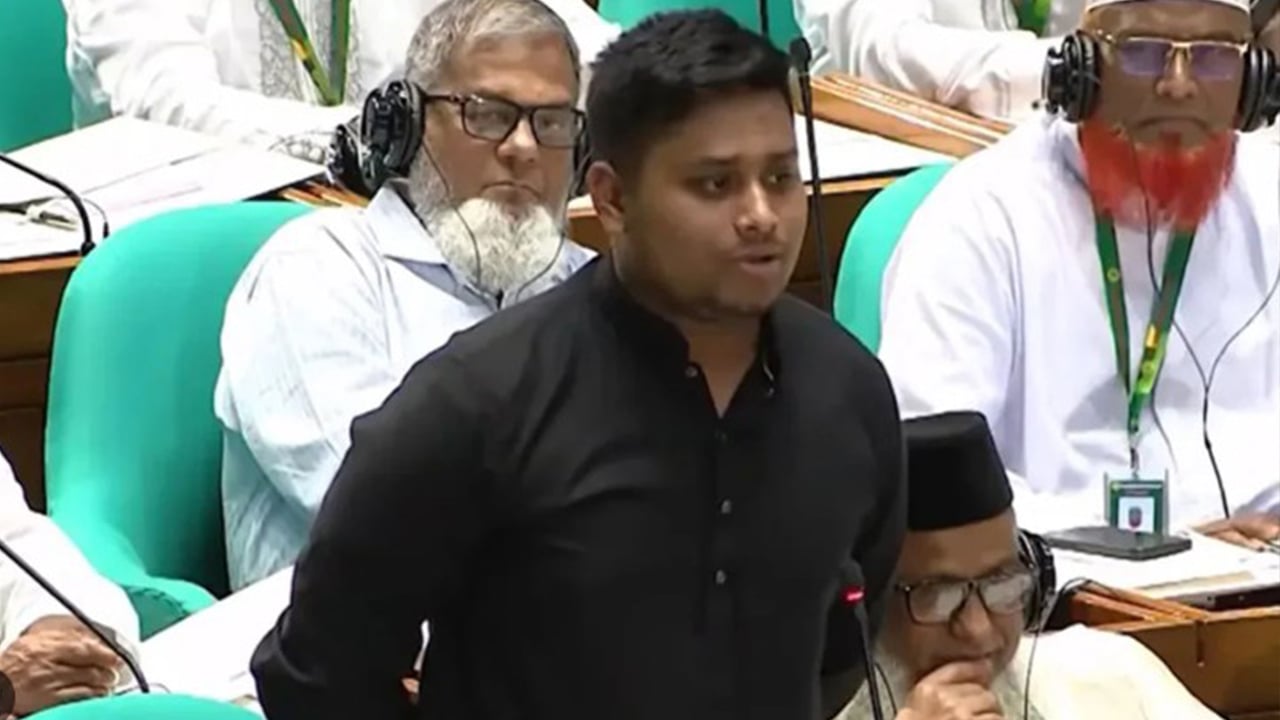
A Dhaka court has granted a four-day remand for former Directorate General of Forces Intelligence (DGFI) officer Manzil Haider Chowdhury in a case filed under the Anti-Terrorism Act. The order was issued on Sunday by Metropolitan Magistrate Mehedi Hasan after a hearing. Prosecutor Shamsuddoha Suman confirmed the court’s decision. The investigation officer, Sub-Inspector Md Amjad Hossain Talukder of the Ramna Detective Branch, had sought a seven-day remand for further questioning. Before this, Manzil Haider had been remanded for five days in the same anti-terrorism case and for a total of twelve days in three phases in a separate murder case. The prosecution argued that although some important information had been obtained during interrogation, more time was needed to identify other suspects. The defense, represented by lawyer Kamal Hossain, opposed the remand, calling it unjust to keep his client in custody repeatedly for related cases and citing his illness and long military service. According to investigators, the case involves allegations of involvement with a banned organization, anti-government conspiracy, and secret meetings. Manzil Haider was arrested on April 9 from Dhaka’s DOHS area and was earlier remanded in a murder case linked to a July 2024 shooting in Nilkhet.
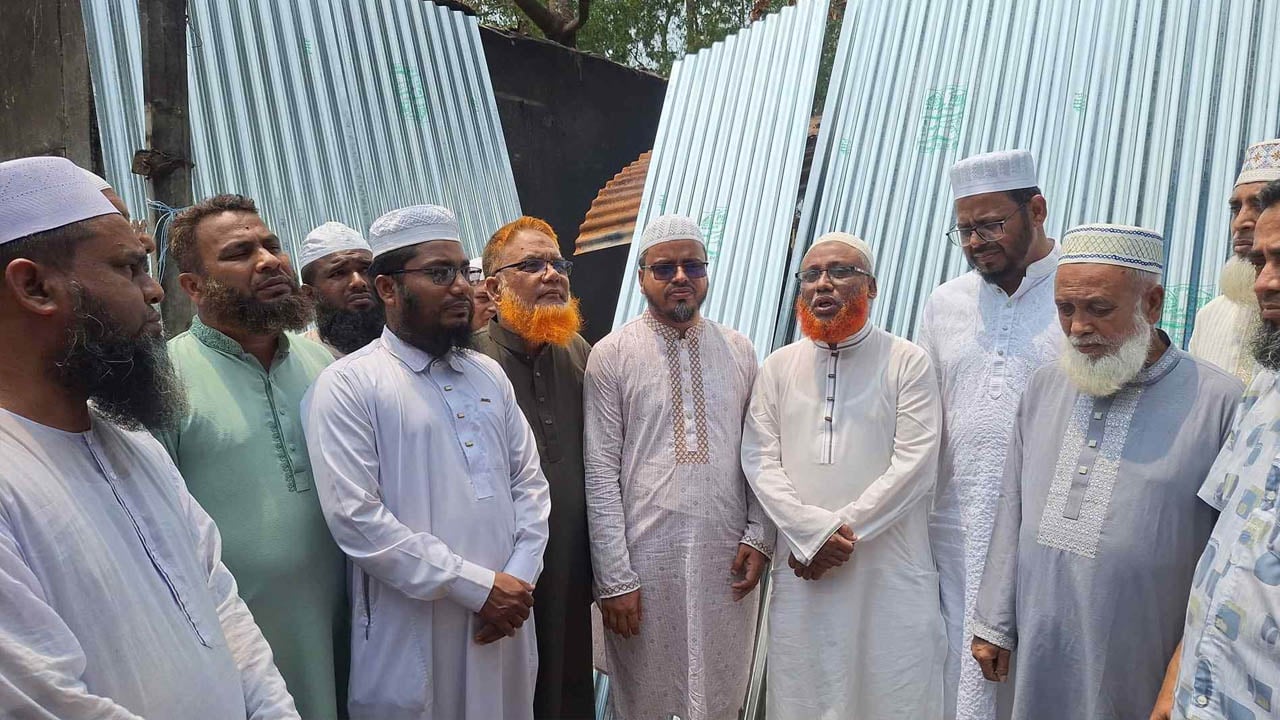
Bangladesh Jamaat-e-Islami has extended assistance to a family affected by a devastating fire in Sreepur upazila of Gazipur. The district and local leaders of the organization distributed corrugated iron sheets to the family and assured support for their rehabilitation. The incident occurred on April 17 near the land office area of Rajabari Union, where three houses belonging to Md. Yusuf were destroyed by fire, causing losses estimated at around 1.2 million taka. The distribution took place on Sunday morning under the initiative of the Sreepur upazila and Rajabari Union units of Jamaat-e-Islami. Gazipur district Ameer Dr. Mohammad Jahangir Alam visited the affected family, inquiring about their condition and promising full cooperation for their recovery. Several district and union-level leaders were also present at the event. Local residents described the initiative as a positive example of humanitarian and social responsibility in the community.
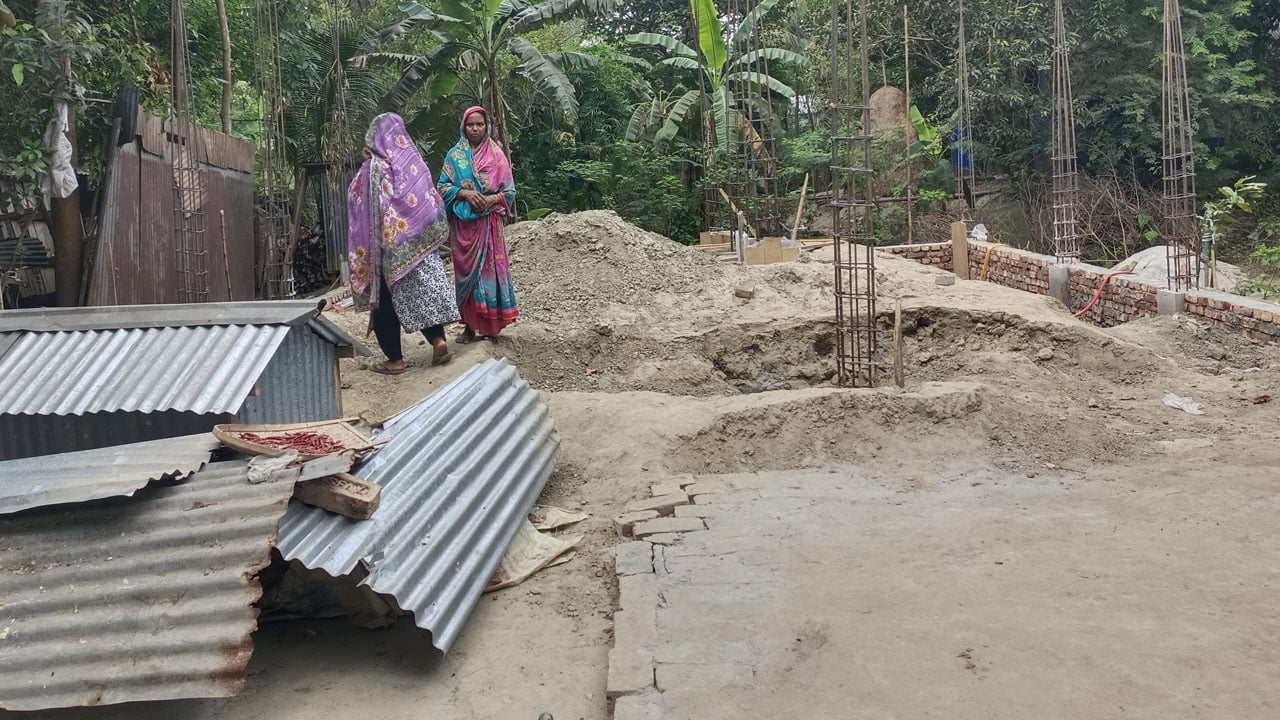
In Madaripur Sadar upazila, a Qatar expatriate named Akash Matubbar has alleged that his uncle obstructed the construction of his house after he refused to pay a demand of five lakh taka. The allegation was made at a press conference on Sunday by Akash’s mother Shahana Begum and wife Suraiya Akter at their home in Purbo Chiraypara village. The family stated that Akash had purchased ten decimals of land from his uncle Mati Matubbar and aunt Monju Begum in July 2020 and had been in possession since then. Construction of a semi-finished brick house was underway when Mati Matubbar allegedly demanded money and later filed a case to harass the family. Akash’s elder uncle Amir Hossain Matubbar confirmed that Akash had been using the land for over five years and accused Mati Matubbar of filing a temporary injunction case after failing to obtain the money. Shahana Begum said her son, currently in Qatar, was being harassed through false cases. Mati Matubbar could not be reached for comment. Madaripur Sadar Police Station Officer-in-Charge Abul Kalam Azad stated that a temporary injunction order had been received from the court and that action would be taken if any extortion attempt was proven.
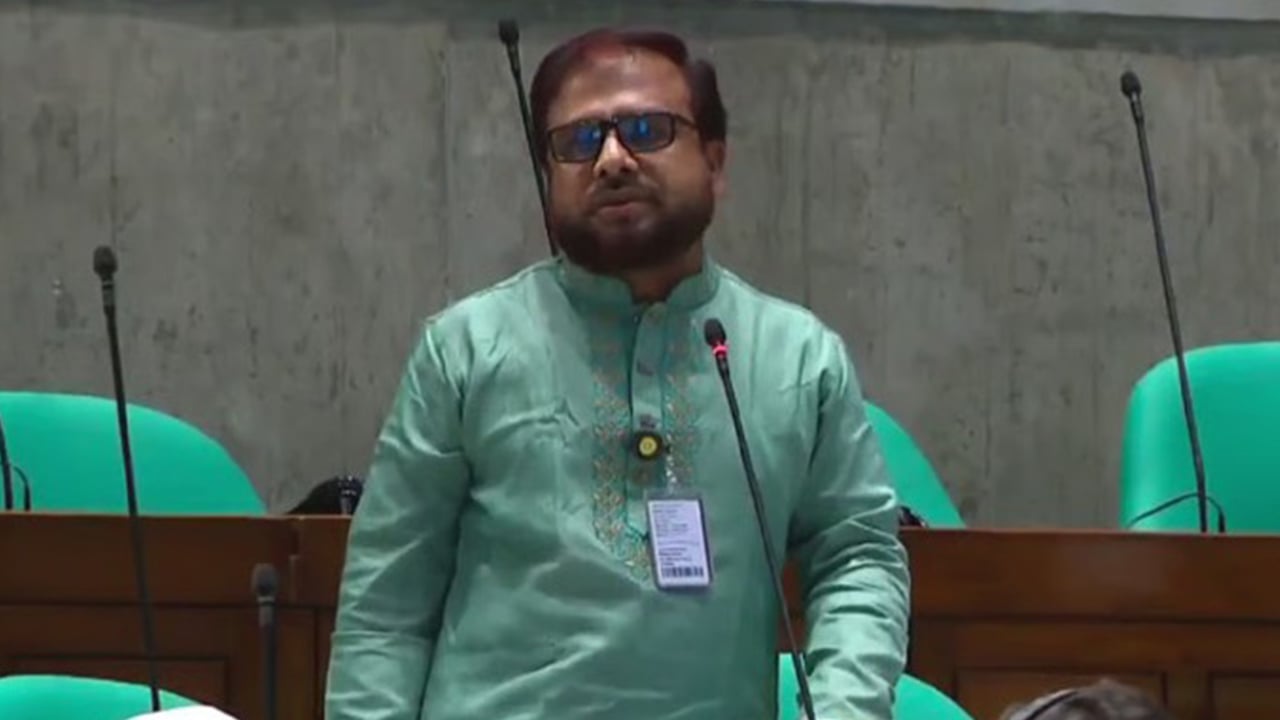
Jamaat-e-Islami lawmaker Mashum Mostafa, representing Netrakona-5, raised a demand for personal and organizational security in the National Parliament on Sunday. He described an attack that allegedly took place on Friday evening at the Giripath Filling Station in Atkapara area of Purbadhala, along the Shyamganj–Birishiri road. According to him, a group identifying themselves with the BNP vandalized his car, assaulted his associates, and attempted to break into a mosque where he had taken shelter during evening prayers. Mostafa told Parliament that the attackers tried to kill him and that professional killers had been hired for the purpose. He credited mosque worshippers for preventing the attackers from breaking in. The MP appealed to the Prime Minister and the Home Minister for protection for himself, his family, and his party workers. Speaker Hafiz Uddin Ahmed responded that nine people had been arrested in connection with the incident. Mostafa argued that only one of those arrested was a listed suspect and that the others were innocent. Local Government Minister Mirza Fakhrul Islam Alamgir described the incident as very unfortunate and assured that a fair investigation would be conducted to identify and punish the real perpetrators.
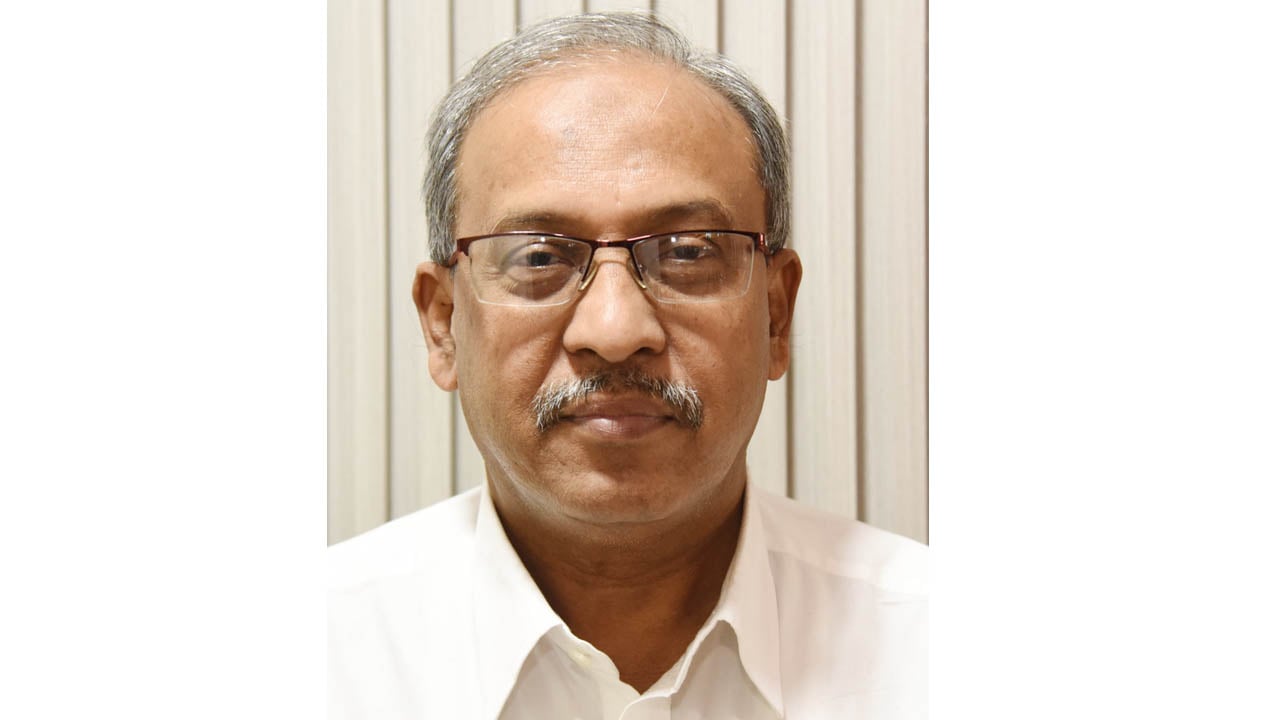
Syed Abdal Ahmad, Executive Editor of the newspaper Amar Desh, has been appointed as the Principal Information Officer (PIO) of the Government of Bangladesh. The appointment, equivalent to the rank of Secretary (Grade-1), was announced on Sunday through a notification issued by the Ministry of Public Administration’s Contract and Foreign Branch. According to the notification, the appointment is on a one-year contractual basis, effective from the date of joining, and requires him to sever ties with any other professional or institutional engagements. The notification further stated that other terms and conditions of the appointment will be determined by the contract agreement. Ahmad is a veteran journalist who previously served as Deputy Press Secretary to Prime Minister Begum Khaleda Zia from 1992 to 1996. He has received several awards, including the Philips Award in 1989, the ESCAP-FEJEB Award, and the Dhaka Reporters Unity Lifetime Honor in 2025. Ahmad has held leadership roles in the National Press Club, served on the Media Reform Commission under the interim government led by Nobel laureate Dr. Muhammad Yunus, and authored over 20 books on politics, literature, and social issues.
Prime Minister and Leader of the House Tarek Rahman announced in the National Parliament that the fuel rationing restrictions previously imposed on police and other emergency service agencies have been withdrawn. He stated that the decision was made two days earlier and expressed hope that such problems would not recur. The exemption applies to law enforcement, ambulances, and fire service units. The announcement followed remarks from Comilla-6 Member of Parliament Monirul Haque Chowdhury, who raised the issue of a customs officer’s killing in Comilla. He said police had cited fuel shortages as a reason for reduced duty hours, which affected their ability to respond. Chowdhury demanded the immediate withdrawal of the fuel rationing system for police, warning that it could otherwise lead to a deterioration in law and order and hinder public movement. The prime minister’s statement indicates that emergency and law enforcement operations are expected to return to normal following the lifting of fuel restrictions.
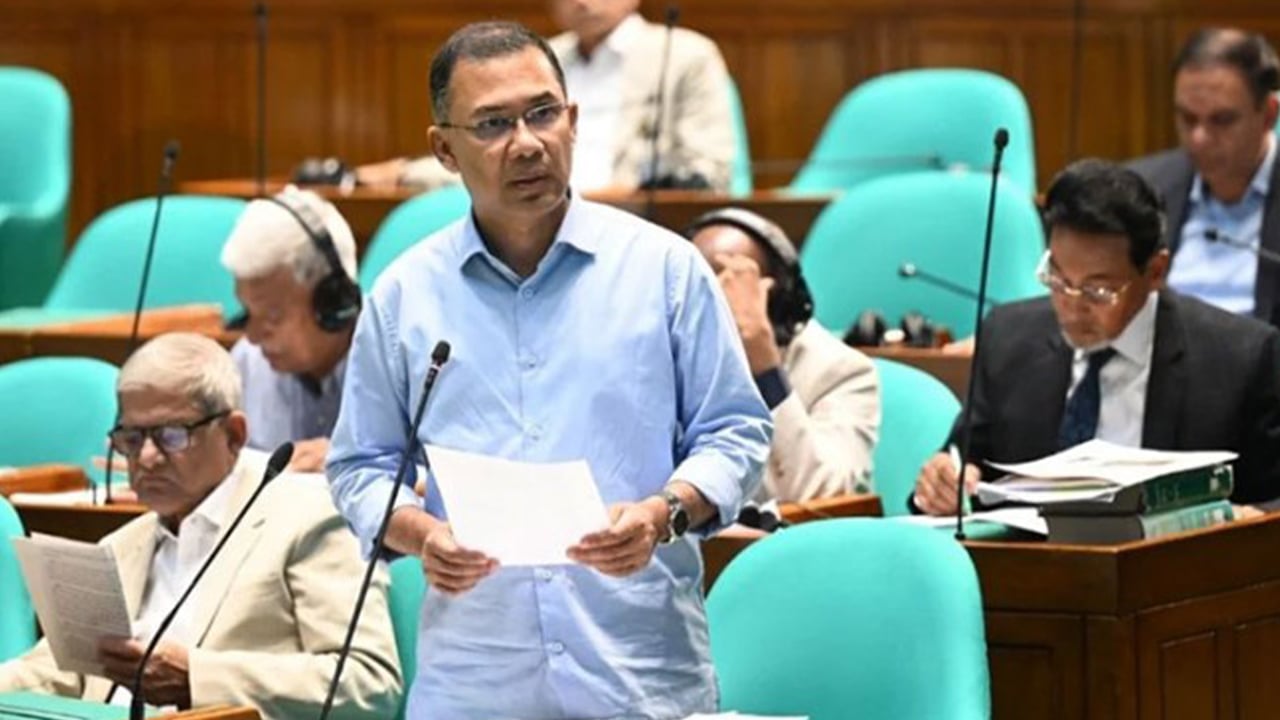
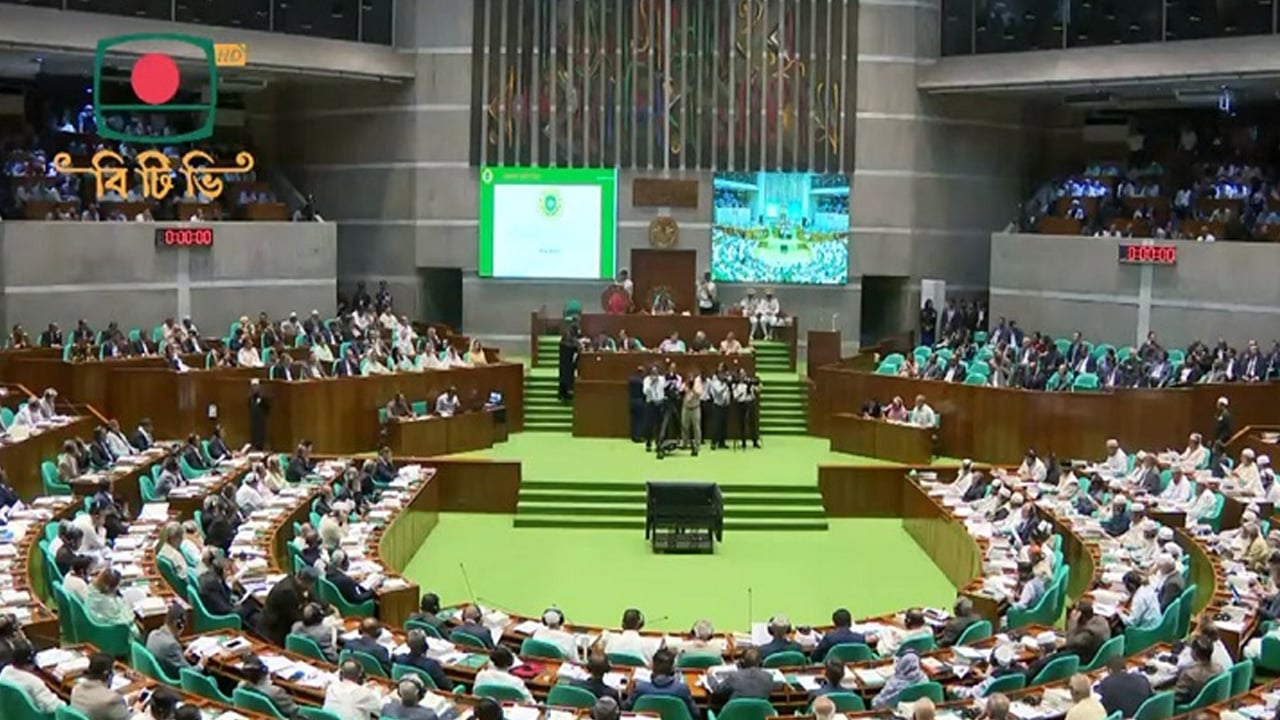
The Bangladesh Parliament has passed a bill abolishing the provision that allowed Members of Parliament to import vehicles duty-free. The amendment to the Members of Parliament (Remuneration and Allowances) Order 1973 was passed on Sunday without any discussion or amendment proposals. Law Minister Md. Anisul Huq introduced the bill, which had been approved earlier by the Cabinet on Thursday. With the passage of the bill, Section 3C of the existing law has been repealed. That section had entitled MPs to import one car, jeep, or microbus duty-free—excluding value-added tax, development surcharge, and import permit fees—under government-specified conditions during their tenure, and to import another after five years from the last import date. Both ruling and opposition parties had previously stated that their members would not accept duty-free cars, signaling political consensus behind the reform.
The ‘1 Nojor’ media platform is now live in beta, inviting users to explore and provide feedback as we continue to refine the experience.