

The ‘1 Nojor’ media platform is now live in beta, inviting users to explore and provide feedback as we continue to refine the experience.
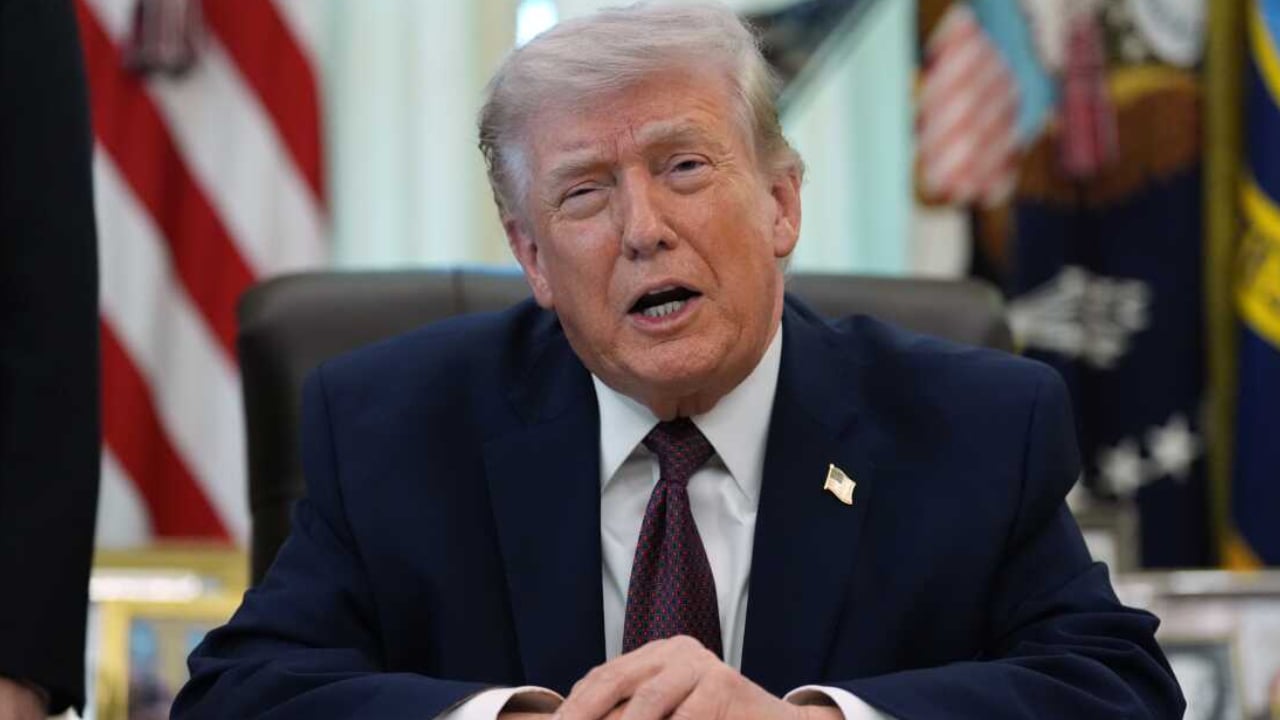
U.S. President Donald Trump said he is ready to make a deal with those currently in power in Iran. Speaking to reporters, he suggested that Iran’s leadership is facing internal conflict and that the United States has already eliminated two levels of their leadership. Trump added that Iran could call him whenever they want, claiming that all the cards are now in U.S. hands. Trump revealed that Iran had sent a proposal which he found insufficient, though a subsequent offer was better after he canceled sending an envoy to Pakistan. He reiterated that the U.S. position remains firm that Iran must not possess nuclear weapons. When asked whether he would continue the ceasefire, Trump replied that he had not yet thought about it. The remarks, reported by Al Jazeera, come amid ongoing tensions between Washington and Tehran, with both sides exchanging diplomatic signals over potential negotiations and regional security issues.
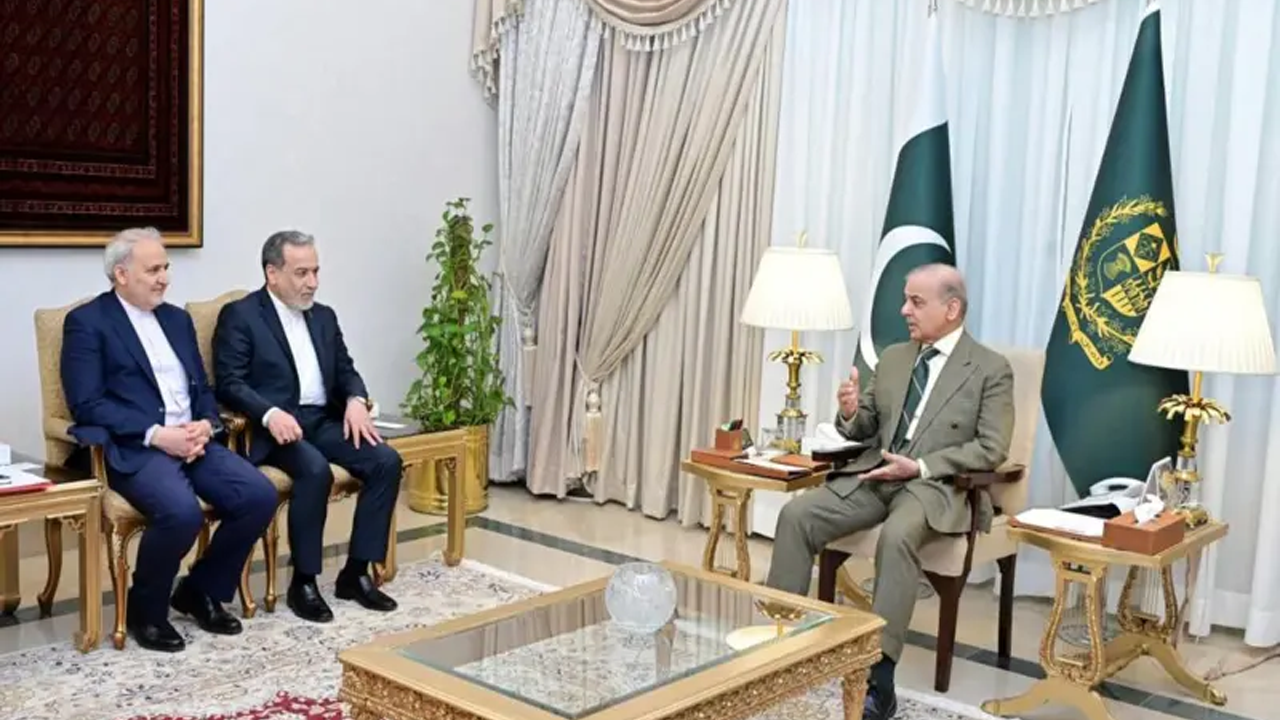
Iran’s state news agency IRNA reported that Foreign Minister Abbas Araghchi may travel to Pakistan again after completing his visit to Oman and before departing for Russia. The report stated that part of the Iranian delegation has already returned to Tehran under a foreign ministry plan to discuss ceasefire and related issues. According to IRNA, the delegation members are expected to rejoin Araghchi in Islamabad on Sunday night, though no details were provided about the specific topics or participants of the upcoming discussions. The report noted that Araghchi had concluded a previous visit to Pakistan only a few hours earlier, describing his talks with Pakistani officials as very productive. Araghchi also commented that it remains unclear whether the United States is genuinely sincere about diplomacy, though no further context was given in the report.
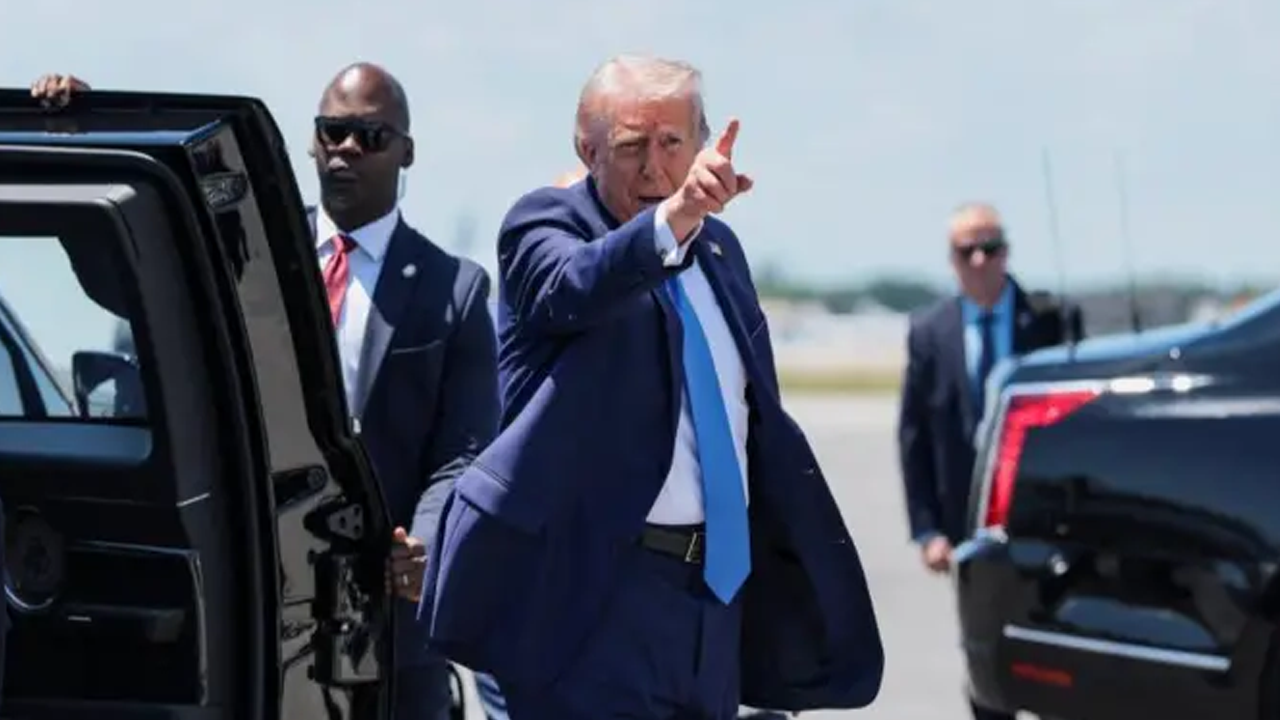
U.S. President Donald Trump stated that the United States is ready to engage in discussions with Iran and is willing to talk with 'whoever necessary.' He emphasized that Washington is open to dialogue with those 'running everything' in Iran and that Tehran can reach out whenever it wishes. Trump added that he is prepared to negotiate with anyone required but sees no reason to delay talks or make people travel long distances for meetings. His remarks, reported by BBC and published by Amar Desh Online on April 26, 2026, highlight a flexible stance toward potential diplomatic engagement with Iran. The statement comes amid ongoing tensions between the two nations, though the report did not specify any immediate plans or responses from Iranian officials.
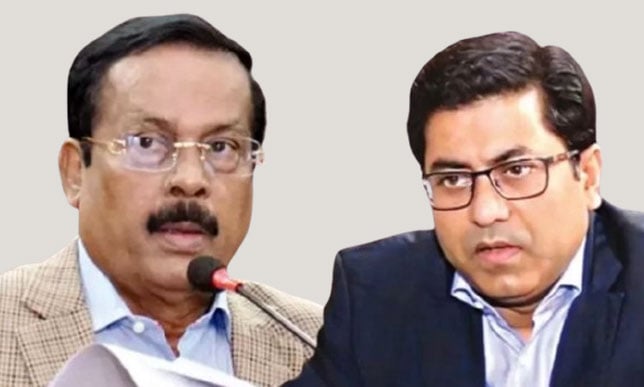
The International Crimes Tribunal-1 has set May 7 for delivering its order on charge framing against former mayor Fazle Noor Taposh, former textiles and jute minister Jahangir Kabir Nanak, and 26 others in connection with the killing of nine people during the July uprising in Dhaka’s Mohammadpur area. The decision came after hearings from both prosecution and defense before a three-member judicial panel led by Justice Md Golam Mortuza Majumder on Sunday. The other members of the tribunal are Justice Md Shafiul Alam Mahmud and retired district and sessions judge Md Mohitul Haque Enam Chowdhury. The hearing was initially scheduled for April 15 but was postponed following a prosecution request for more time. Among the accused are former DMP commissioner Habibur Rahman, former additional DIG Proloy Kumar Jowardar, and former joint police commissioner Biplob Kumar Sarkar, along with leaders and activists of the banned Awami League, Jubo League, and Chhatra League. Four accused are currently in custody and were produced before the tribunal from prison on Sunday. They include Naeemul Hasan Russell, Sajjad Hossain, Omar Faruk, and Fazle Rabbi, all linked to the banned Mohammadpur unit of Chhatra League.
Iran’s armed forces have issued a strong warning to the United States against launching any new military aggression. In a statement released by the Khatam al-Anbiya Headquarters, the Iranian military pledged to maintain control over the strategic Strait of Hormuz, a key maritime route in the region. According to the statement published by the state-run Tasnim news agency, Iran cautioned that if U.S. forces continue what it described as “blockade, piracy, and maritime banditry” in the area, they will face a powerful counter-response from Iran’s armed forces. The statement added that Iran remains prepared and determined to deliver a more severe blow to what it called American-Zionist enemies in the event of another act of aggression. The Iranian military further emphasized that it will continue monitoring the movements and activities of hostile forces in the region while maintaining management and control over the Strait of Hormuz.

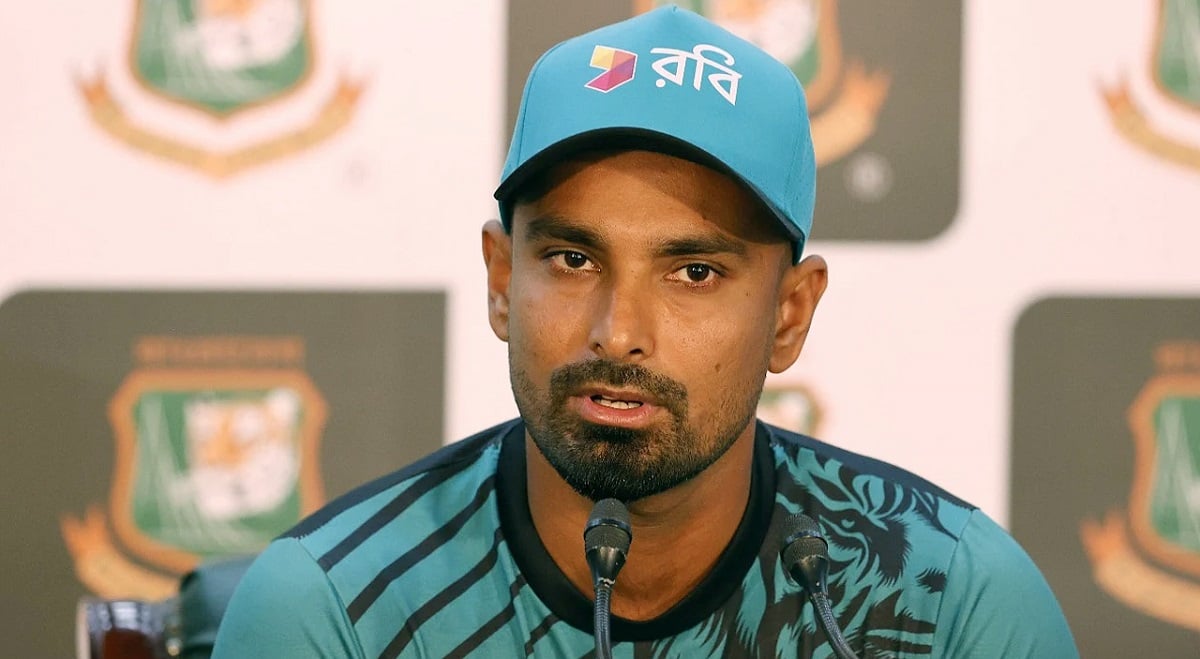
Bangladesh T20 captain Liton Das said the team has moved on from the disappointment of missing the last T20 World Cup and is now focused on playing positive cricket. Speaking at a pre-match press conference in Chattogram on Sunday, he explained that the players have recovered mentally and are eager to perform well in upcoming matches. Liton noted that the team had already played a tournament after the World Cup period, which helped them regain confidence and rhythm. He emphasized that every international game is important for both the team and individual players, and that they are preparing to take the field with a winning mindset for Bangladesh. His comments reflect a renewed focus within the squad on forward-looking performance and mental resilience as they prepare for their next international fixtures.
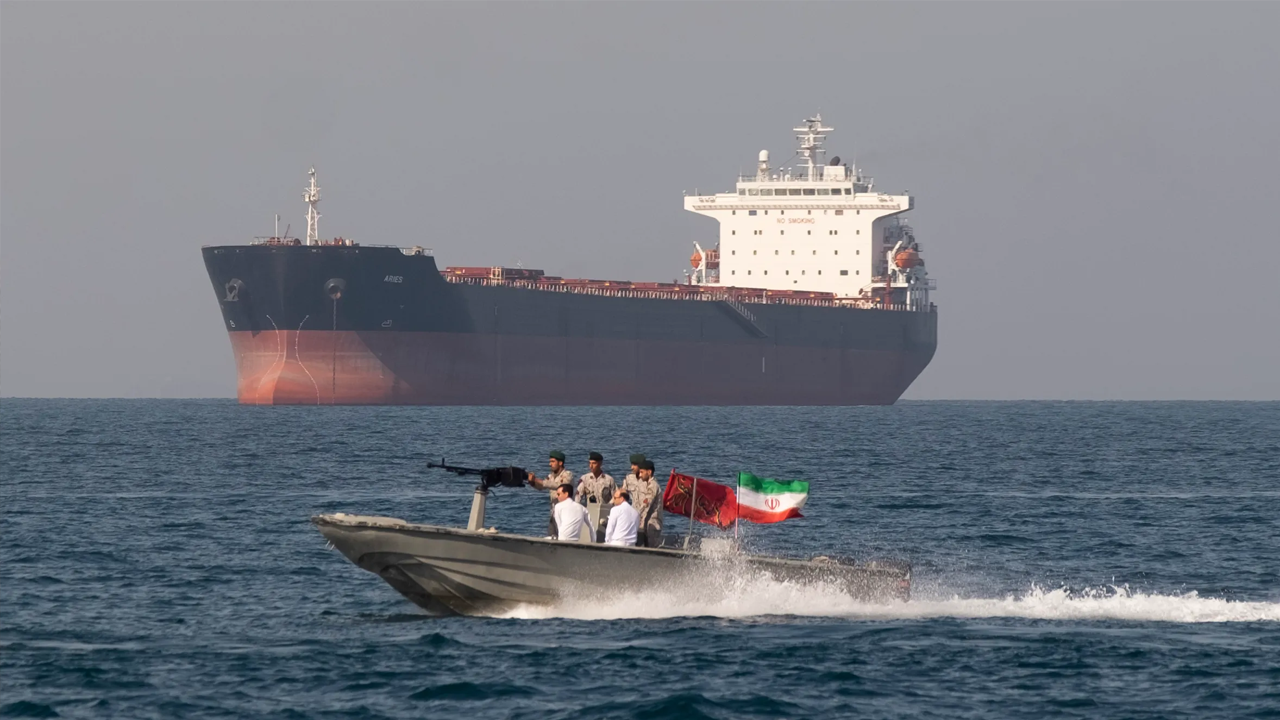
Iran’s Islamic Revolutionary Guard Corps (IRGC) has announced that controlling the Strait of Hormuz is its “ultimate strategy” in the event of a potential conflict with the United States. The statement was released through the IRGC’s official Telegram channel on April 26, 2026, emphasizing the strategic importance of the narrow waterway for global oil and gas supplies. According to the IRGC, maintaining control over the Strait of Hormuz would provide Iran with a significant strategic advantage and serve as a deterrent against the United States and its allies in the region. The statement described this control as central to the Islamic Republic’s defensive and deterrent posture. The report, citing Al Jazeera, highlights the IRGC’s focus on the geopolitical leverage of the Strait, which remains one of the world’s most critical maritime chokepoints for energy transport.
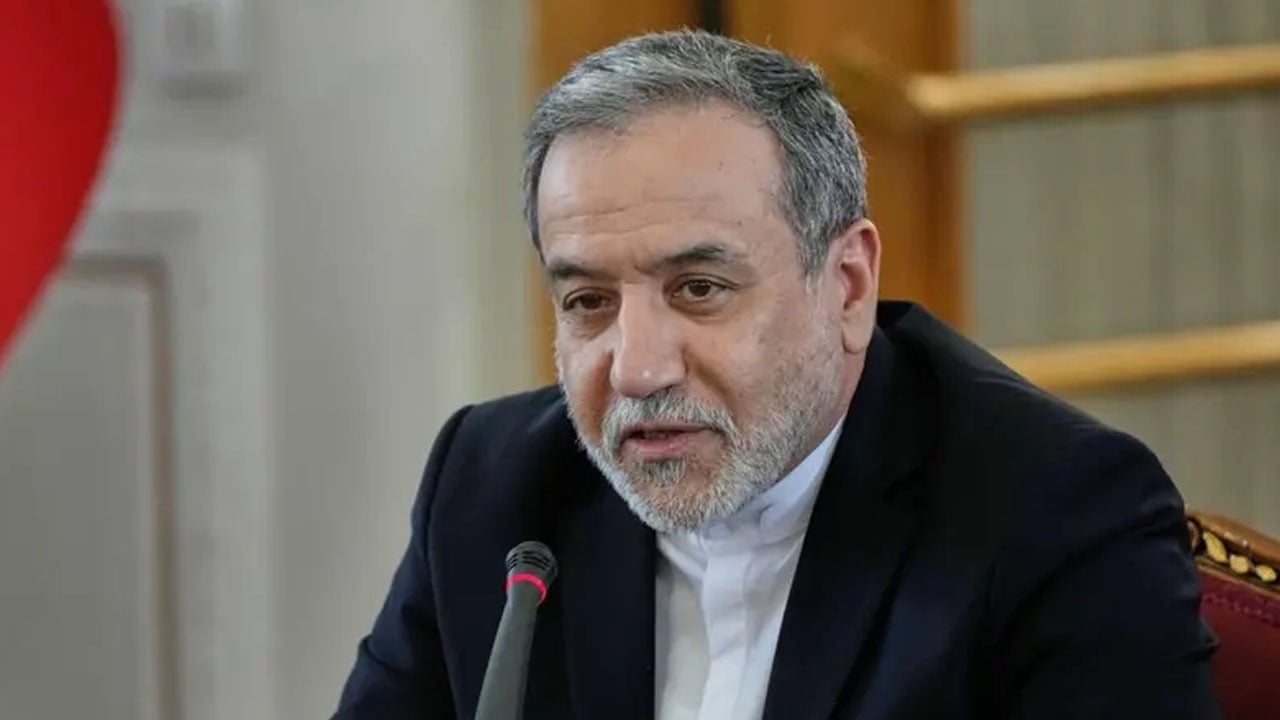
Iranian Foreign Minister Abbas Araghchi has questioned the sincerity of the United States in diplomatic efforts. He made the remark in a post on social media platform X after arriving in Oman as part of a three-nation tour. Earlier, Araghchi described his visit to Pakistan, the first stop of the tour, as highly productive and praised Pakistan’s brotherly efforts to restore peace in the region. Araghchi’s comments came shortly after US President Donald Trump canceled a planned visit by an American delegation to Pakistan that was intended for peace talks with Iran. Trump announced the cancellation in an interview with Fox News in Washington, D.C., on Saturday morning local time. The developments highlight growing uncertainty surrounding diplomatic initiatives between Tehran and Washington. The Iranian minister’s remarks suggest continued skepticism toward US intentions, while his regional tour underscores Tehran’s focus on strengthening ties with neighboring countries amid strained relations with the United States.
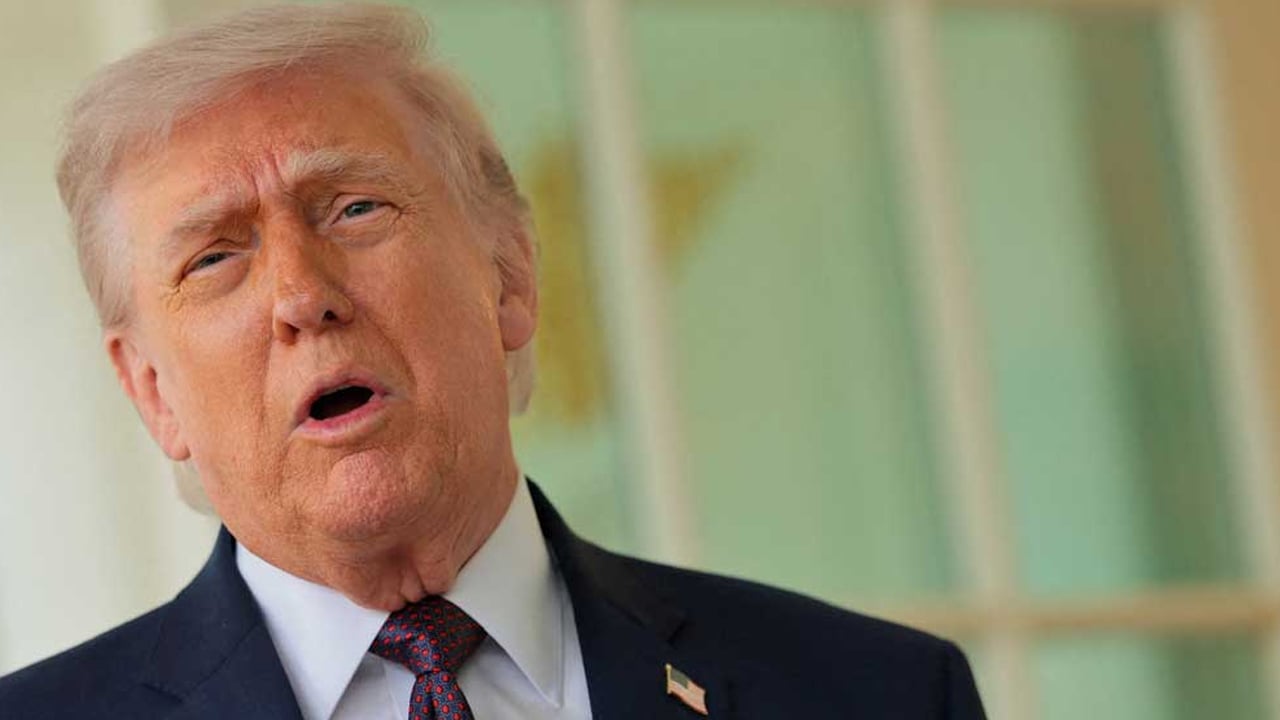
U.S. President Donald Trump has canceled a planned visit by an American delegation to Pakistan, citing the excessive travel time as the main reason. In an interview with Fox News, Trump said he stopped the team from departing, explaining that an 18-hour flight was unnecessary for what he described as idle discussions. He emphasized that the United States holds all the necessary authority and that communication with Pakistan could occur by phone instead of through lengthy travel. The decision came shortly after an Iranian delegation led by Foreign Minister Abbas Araghchi completed its visit to Islamabad. During that trip, the Iranian team met with Pakistan’s Prime Minister Shehbaz Sharif, Army Chief and Field Marshal Asim Munir, and other senior officials to discuss regional security and bilateral interests. Following the meetings, Sharif described the talks as productive and sincere. Trump’s cancellation followed the Iranian delegation’s departure, marking a shift in diplomatic scheduling between the two countries.
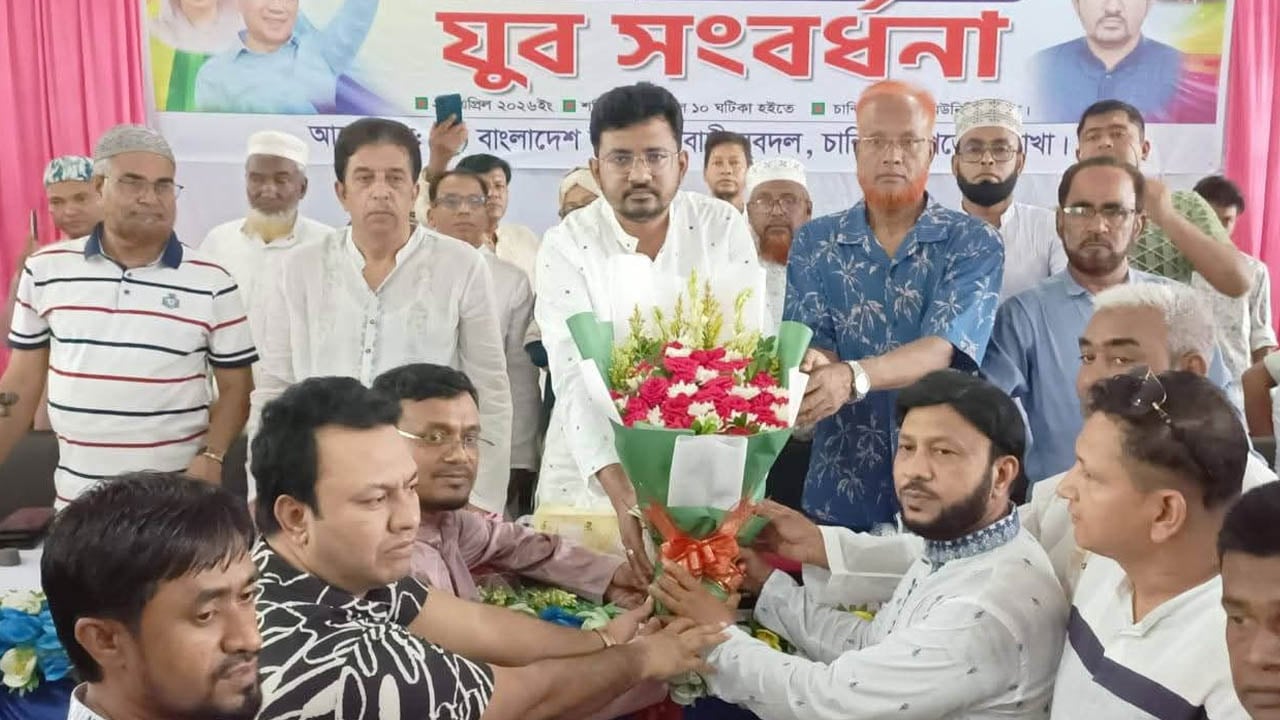
A political controversy has erupted in Chandina upazila of Cumilla after a reception was organized under a party banner for an expelled leader. The event took place on Saturday at the Chandina municipal auditorium, where expelled upazila Jubo Dal convener Abul Khayer presided over the program honoring Cumilla-7 MP Atikul Alam Shawon. Shawon had been expelled from the BNP for violating party directives by contesting in the 13th national election, while Khayer had also been expelled earlier from the upazila Jubo Dal. Local sources said the reception, held under the BNP banner, angered many party activists who questioned its legitimacy. Cumilla North Jubo Dal leader Borhan Uddin stated that using the party banner for such an event was completely against party rules. Another unnamed leader questioned how expelled members could organize a program under the party’s name. Abul Khayer claimed he had permission from higher authorities but did not specify from whom. MP Shawon did not respond to calls for comment. The incident has sparked debate in local political circles about the validity of organizing a party-branded event for expelled members.
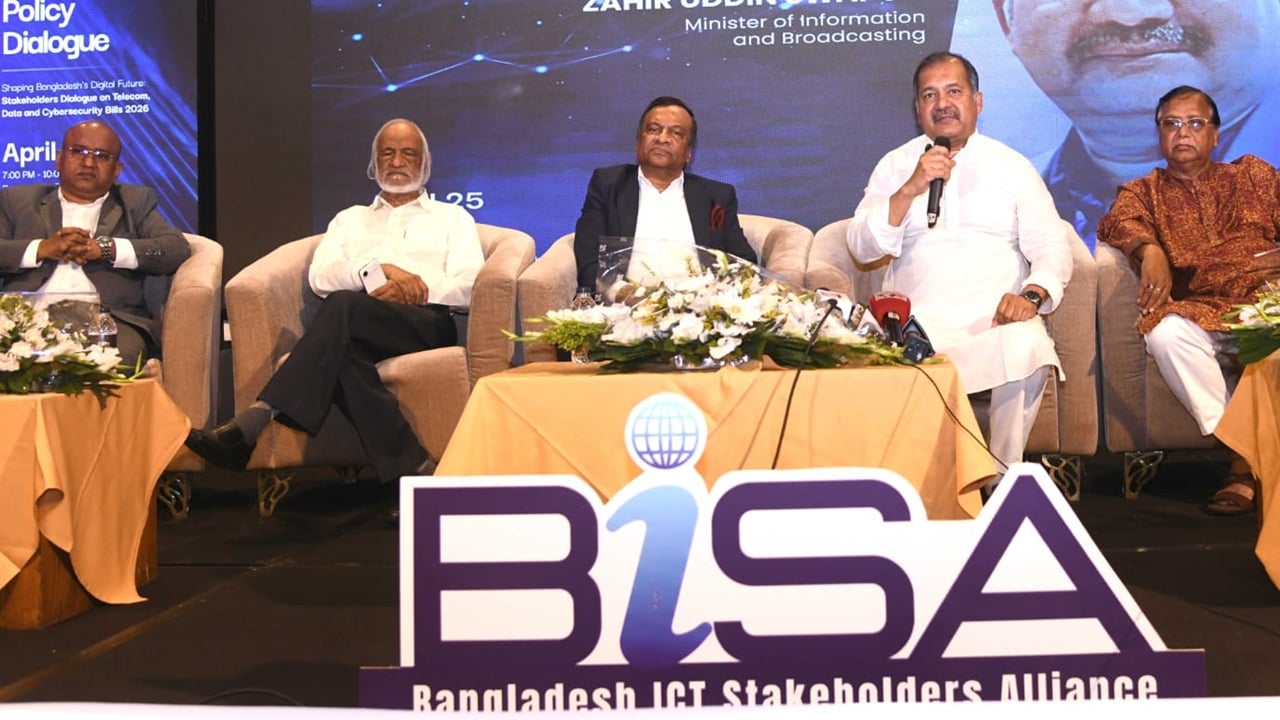
Information and Broadcasting Minister Zahir Uddin Swapan stated that collective practice of technology-based modern knowledge and creative thinking will become a strategic strength for future civilization. He made the remarks on Saturday in Dhaka at a discussion organized by the Bangladesh ICT Stakeholders Association (BISA) on the Telecom, Data and Cyber Security Bill 2026. The minister emphasized transforming the nation’s creative intellect, innovative ideas, and technological skills into assets for national development. Addressing technology experts, Swapan said their gathering represented not only attendance but also a convergence of creative thinking, which could become a national resource. He expressed hope that BISA would build an effective platform for stakeholders in the technology sector to collectively invest their knowledge, skills, and ideas. He also noted that semiconductors, rare earth materials, and communication technologies have become key strategic elements in global politics, economics, and technology. The minister added that expert knowledge and research are vital for formulating timely and realistic policies suited to the demands of a technology-driven civilization, helping the elected government fulfill its responsibilities effectively.
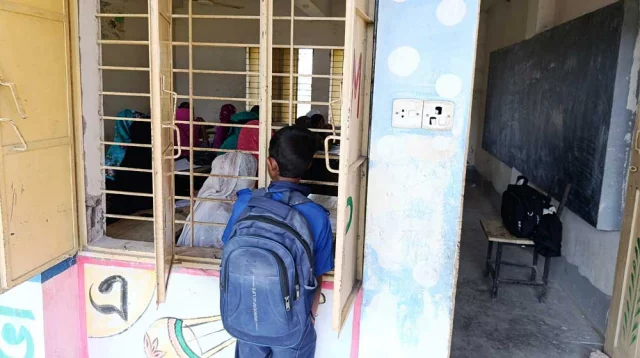
Two primary school students, Junayet from Patuakhali’s Dashmina upazila and Sifatulllah Siam from Pirojpur’s Mathbaria upazila, fell ill in their classrooms on Saturday during an ongoing heatwave. Both fourth-grade students fainted while classes were in session and received primary treatment. Teachers said the incidents occurred due to extreme heat and lack of electricity during class hours. Earlier, a third-grade student named Amena Akter from Cumilla’s Makrampur Government Primary School had also fainted in class on Thursday. Parents and teachers attributed the incidents to the combination of intense heat and frequent load-shedding, which left classrooms without fans. Teachers reported that many students were suffering from dizziness, vomiting, and weakness, while normal teaching activities were being disrupted. The Bangladesh Primary Teachers’ Association urged the government to adjust school hours so that classes end by noon to protect children from rising temperatures. The Directorate of Primary Education declined to comment, calling it a policy matter, and the state minister for primary and mass education could not be reached for response.
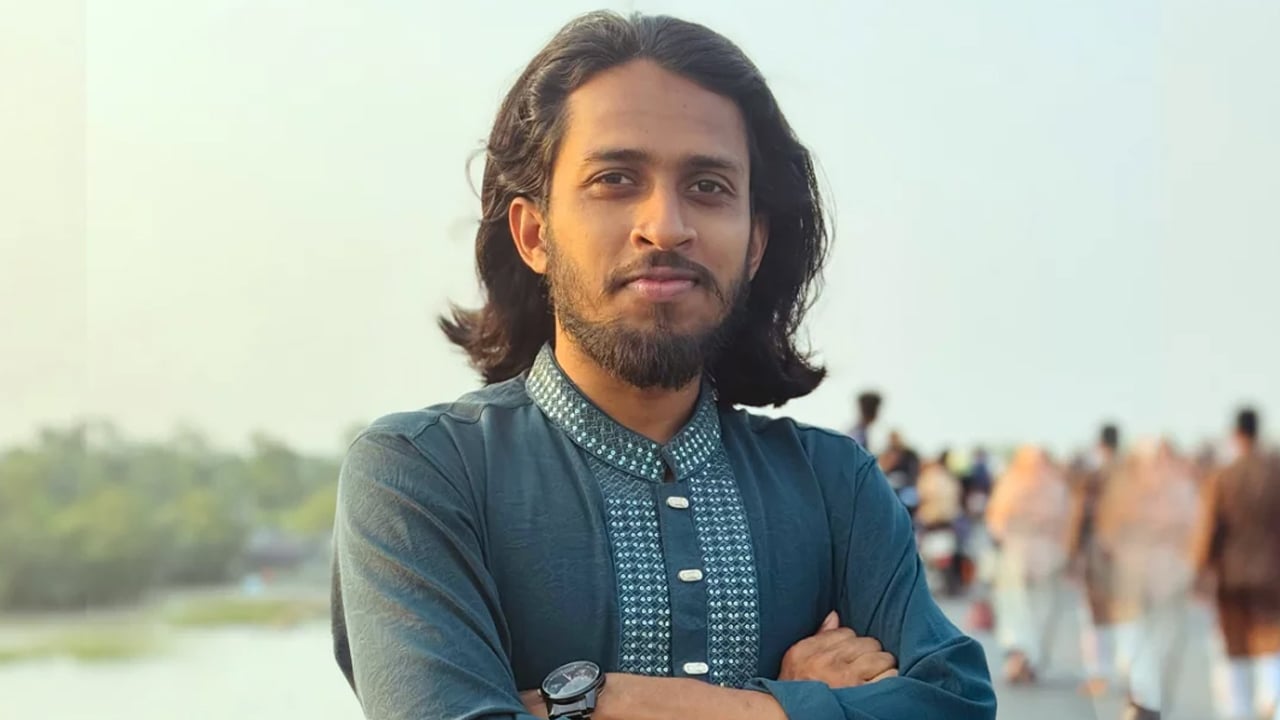
Salahuddin Ammar, General Secretary of the Rajshahi University Central Students’ Union (RACSU), made a Facebook post on Sunday afternoon indirectly addressing leaders of the student wing Chhatra Dal. In his post, he humorously remarked that these senior leaders had become part of the campus’s ‘heritage,’ suggesting that if they were placed in a museum, people would buy tickets to see them. Ammar’s post compared his own academic timeline with that of the senior leaders, noting that while he progressed through school and university, they remained active on campus for many years. His comments highlighted generational differences and implied stagnation among older student politicians. The post quickly drew attention for its satirical tone. A day earlier, on April 25, Ammar’s mother, Rokeya Khanam, had shared an emotional post describing herself as the proud mother of a revolutionary and recalling the political struggles and repression their family faced. Her statement added a personal dimension to the public discussion surrounding Ammar’s activism.
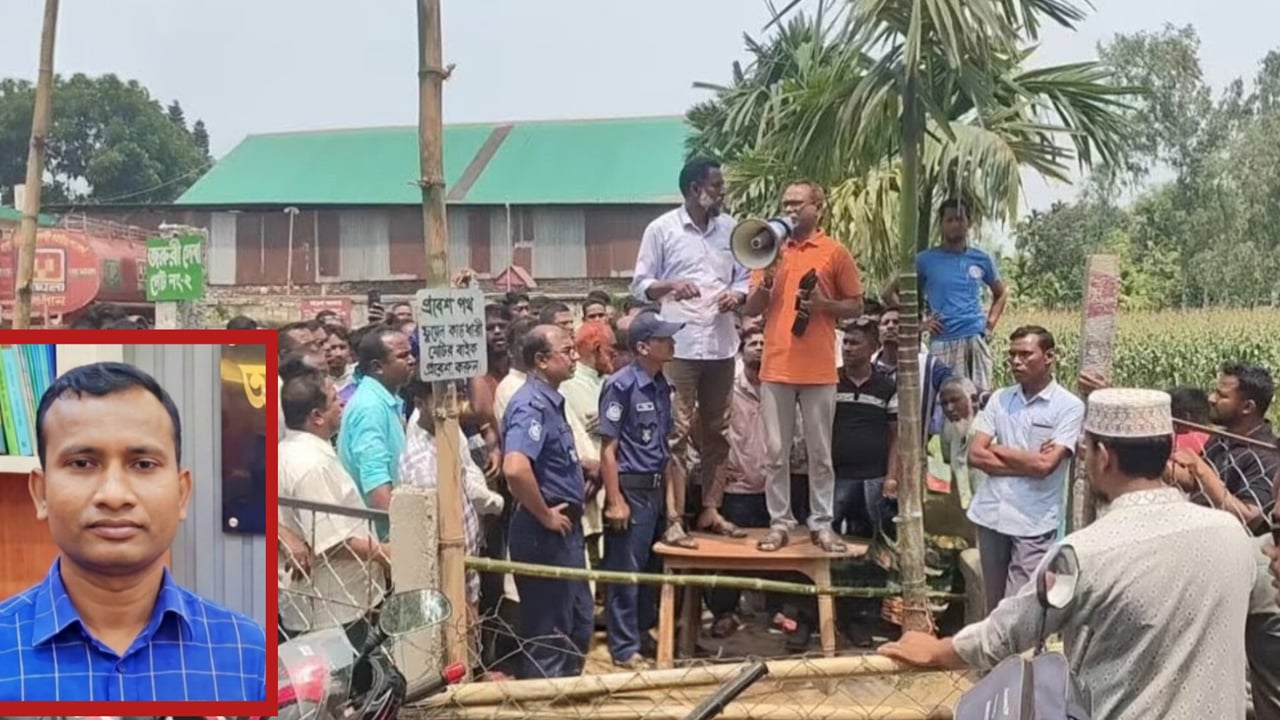
A case has been filed against 300 people in connection with an attack on Upazila Nirbahi Officer (UNO) and Executive Magistrate Sabuj Kumar Basak while he was on duty at a fuel station in Debiganj, Panchagarh. The case was lodged on Saturday night, April 25, by Sirajul Islam, a staff member of the upazila administration, at Debiganj Police Station. It names 25 individuals and includes 200 to 300 unidentified persons as accused. Following the filing, police launched operations in the area and increased surveillance to arrest the suspects. Fuel sales at the station have been suspended to maintain order. According to the report, the incident occurred when the UNO visited the station around 12:30 p.m. to inspect petrol distribution after long queues had formed since early morning. He instructed drivers without proper documents to leave and fined two motorcyclists Tk 500 each for lacking papers. Some drivers then started a commotion, leading to an attack on the UNO and accompanying Ansar members. Ansar member Tayebur Rahman was reportedly assaulted, and an attempt was made to snatch his weapon. Police confirmed that the case has been registered and operations are ongoing to apprehend those involved.
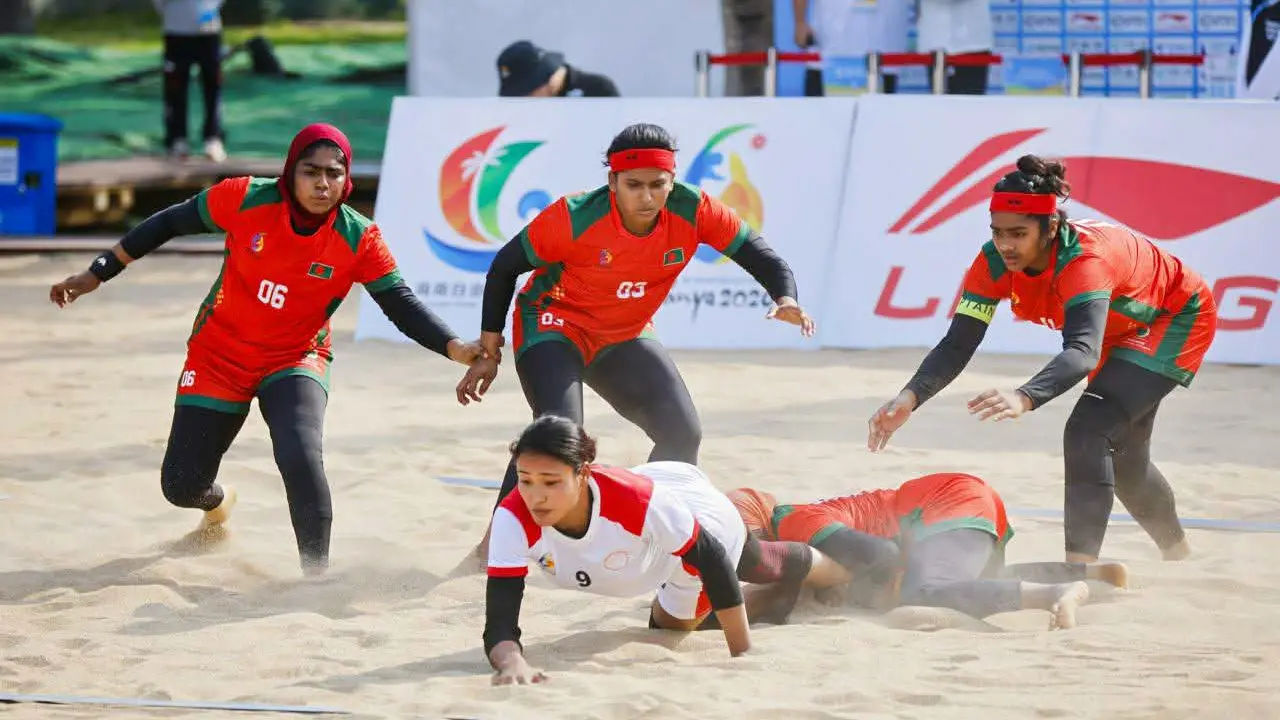
Bangladesh narrowly missed topping its group in the Asian Beach Games Kabaddi competition after losing to Nepal by just two points in Sanya, China. The match, originally postponed due to rain, was completed on Sunday morning. Nepal led 19–17 at halftime and maintained its advantage despite Bangladesh’s repeated efforts to recover. The final score stood at Nepal 38, Bangladesh 36. With this result, Bangladesh finished second in its group and will now face India, the top team from the other group, in the semifinals. The close contest demonstrated Bangladesh’s competitive form but also highlighted Nepal’s strong defense and effective raiding strategy. Regardless of the semifinal outcome, Bangladesh remains in contention for at least a bronze medal, as reaching the semifinals guarantees a place in the medal round.
The ‘1 Nojor’ media platform is now live in beta, inviting users to explore and provide feedback as we continue to refine the experience.