

The ‘1 Nojor’ media platform is now live in beta, inviting users to explore and provide feedback as we continue to refine the experience.
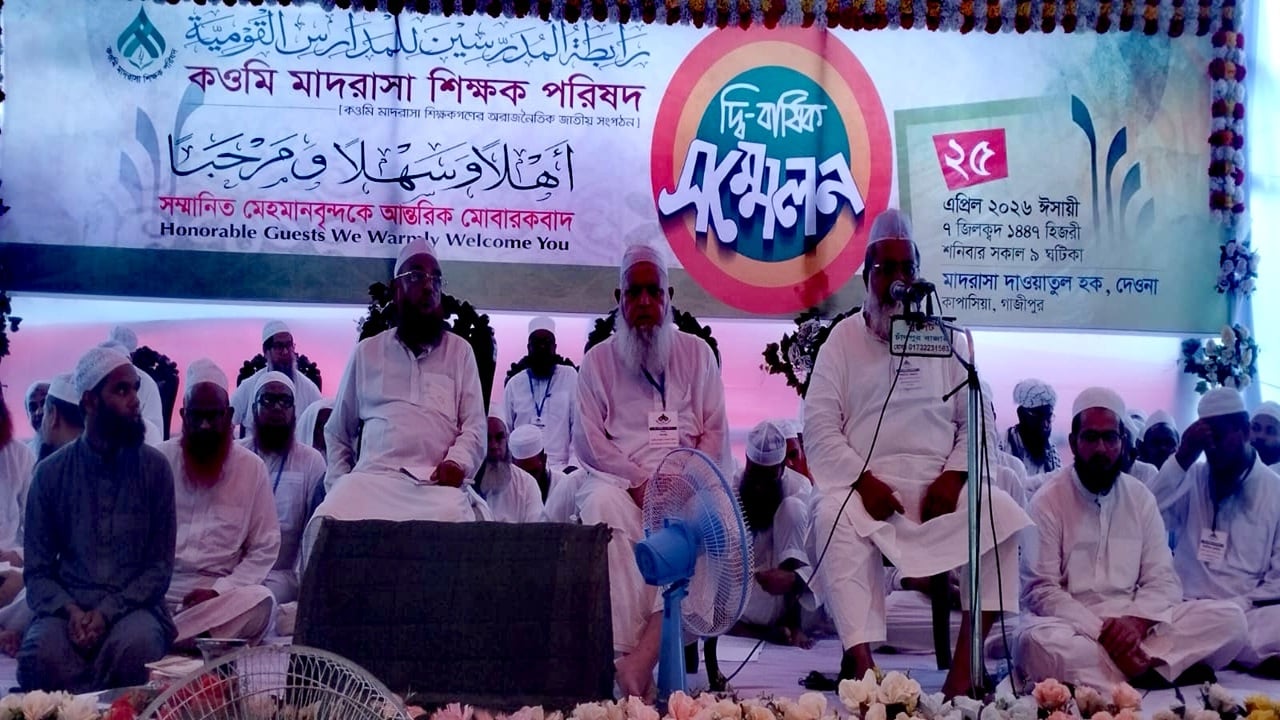
At a biannual conference held on Saturday at Dewna Dawatul Haq Madrasa in Kapasia, Gazipur, the Qawmi Madrasa Teachers Council called for the rapid and effective implementation of the Qawmi certificate. Council president and Dewna Pir Principal Mohammad Mizanur Rahman Chowdhury said Qawmi education is a specialized system that should not be reduced to a certificate-based model under the guise of modernization. He emphasized that Qawmi graduates contribute significantly to global employment and remittance earnings, underscoring the need to preserve the system’s distinct identity and dignity. Speakers at the event urged the government to recruit Qawmi-educated individuals as religious teachers in primary schools to enhance religious education and create employment opportunities. They also demanded constitutional and legal reforms, including amending Article 17 to reflect Islamic education, revising sections 32, 33, and 34 of the current Waqf Act, and establishing Sharia-based family courts. Additionally, they called for action against films and social media content depicting prophets and companions, which they said offend religious sentiments. The conference featured religious scholars and leaders from Bangladesh and India, who collectively voiced support for protecting Qawmi education’s autonomy and Islamic values.
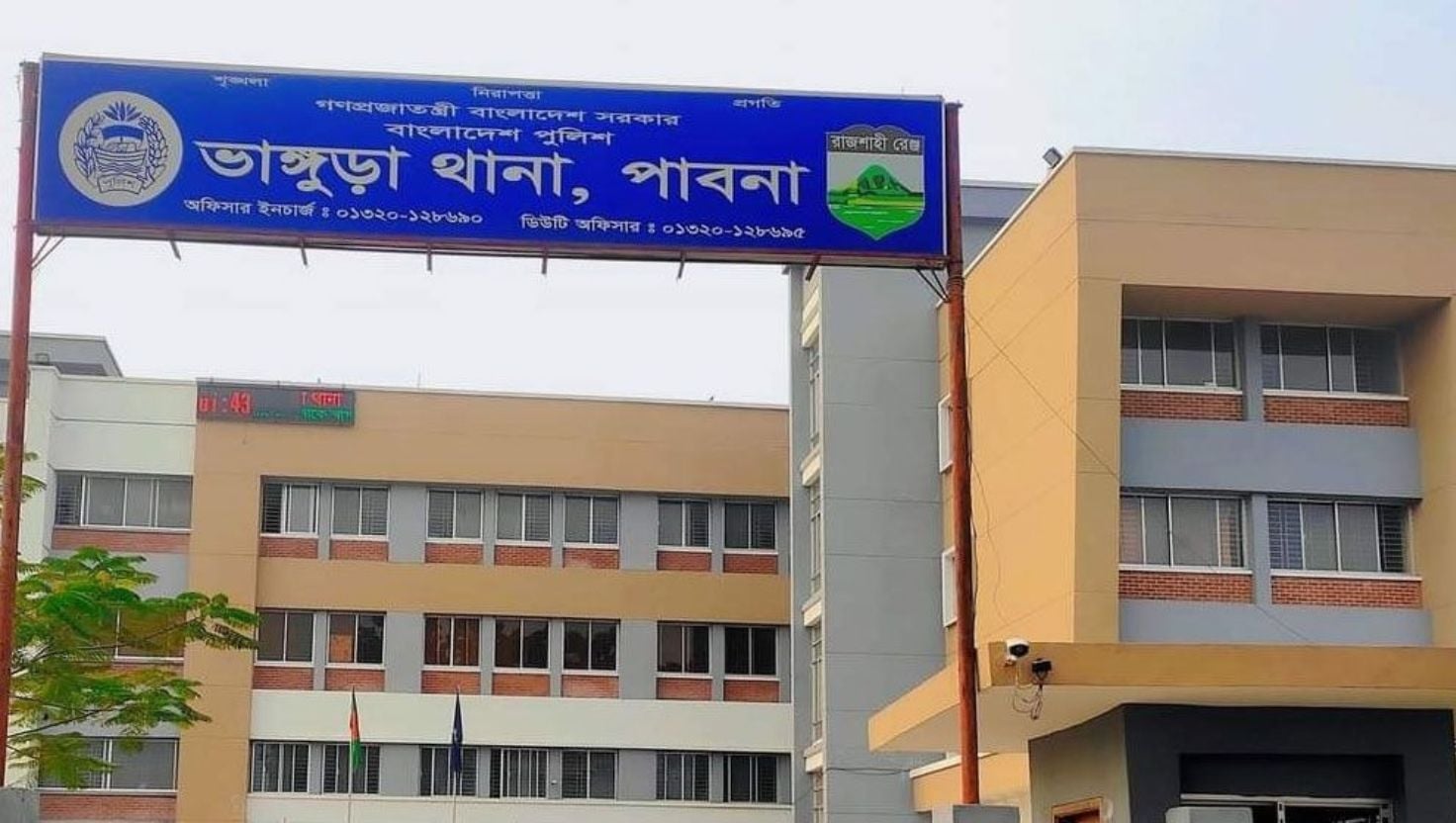
A woman named Khadija Khatun, aged 55, was killed after falling from her husband’s motorcycle and coming under the wheels of a truck in Pabna’s Bhangura upazila on Saturday afternoon. The accident occurred on the Naubaria-Betuya road in the Puibil area of Dilpashar Union. Her husband, Abu Taleb, was injured in the incident. The deceased was a resident of Purba Bankirat village in Ullapara upazila of Sirajganj district. The information was confirmed by Bhangura Police Station Officer-in-Charge Sakiul Azam. According to local sources, Abu Taleb was taking his wife Khadija to Bhangura Bazar by motorcycle. While giving way to a mini truck at Puibil Bazar, Khadija, who was sitting on the back seat, fell off and came under the truck’s wheels, dying instantly at the scene. Police reported that the victim’s relatives took the body before officers arrived. The truck has been seized by police, but the driver fled the scene. Authorities are investigating the incident, and the truck remains in police custody while efforts to locate the driver continue.
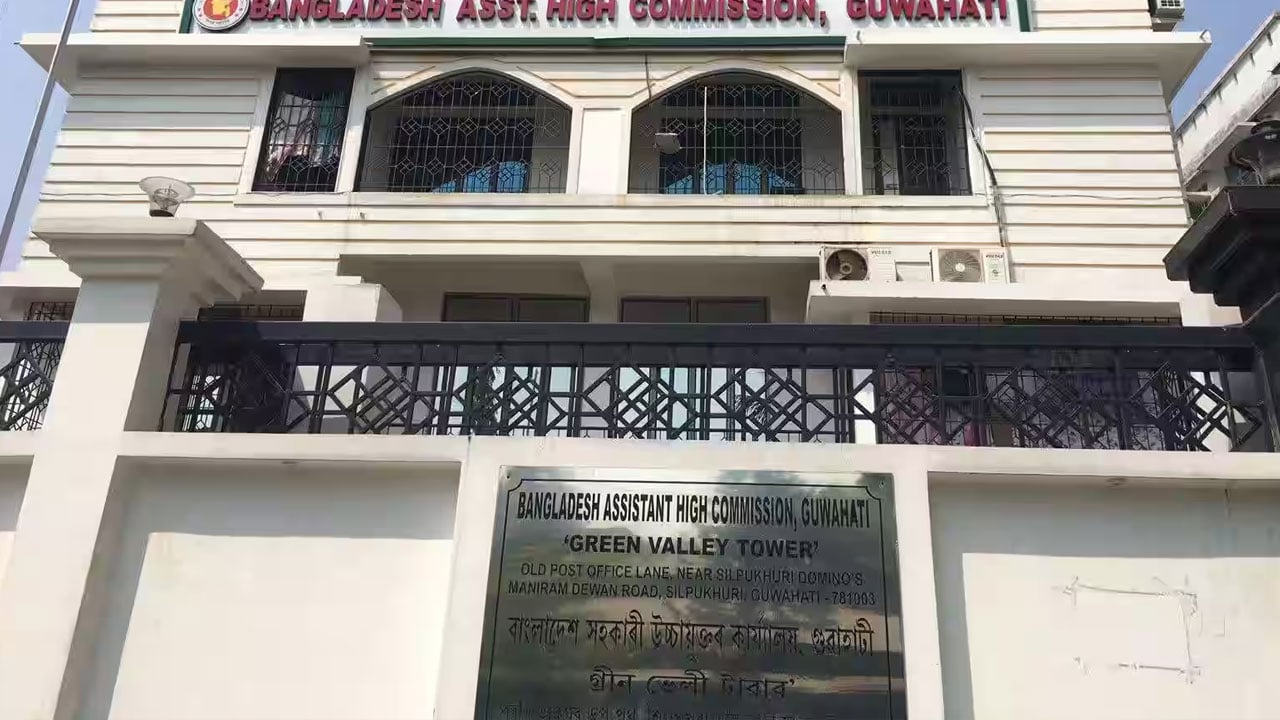
The Bangladesh Assistant High Commission in Guwahati, India, has issued a job notice that drew attention for its unusual requirements. Former UK Press Minister Akbar Hossain highlighted the matter in a Facebook post on Saturday, noting that the commission announced a vacancy for a security guard position restricted to Indian citizens from specific areas. The notice required at least a higher secondary education and included an additional qualification that the candidate must be able to draft letters in English. Hossain questioned why a security guard would need to draft official letters, especially given that such correspondence within a diplomatic mission is typically confidential. He also raised concerns about the sensitivity of allowing a foreign national to handle such tasks, particularly in the context of countries like India and Pakistan. The circular was reportedly posted on the official Facebook page of the Guwahati Assistant High Commission. The post has prompted public curiosity and debate about the appropriateness and intent behind the job requirements, though no official clarification has been issued yet.
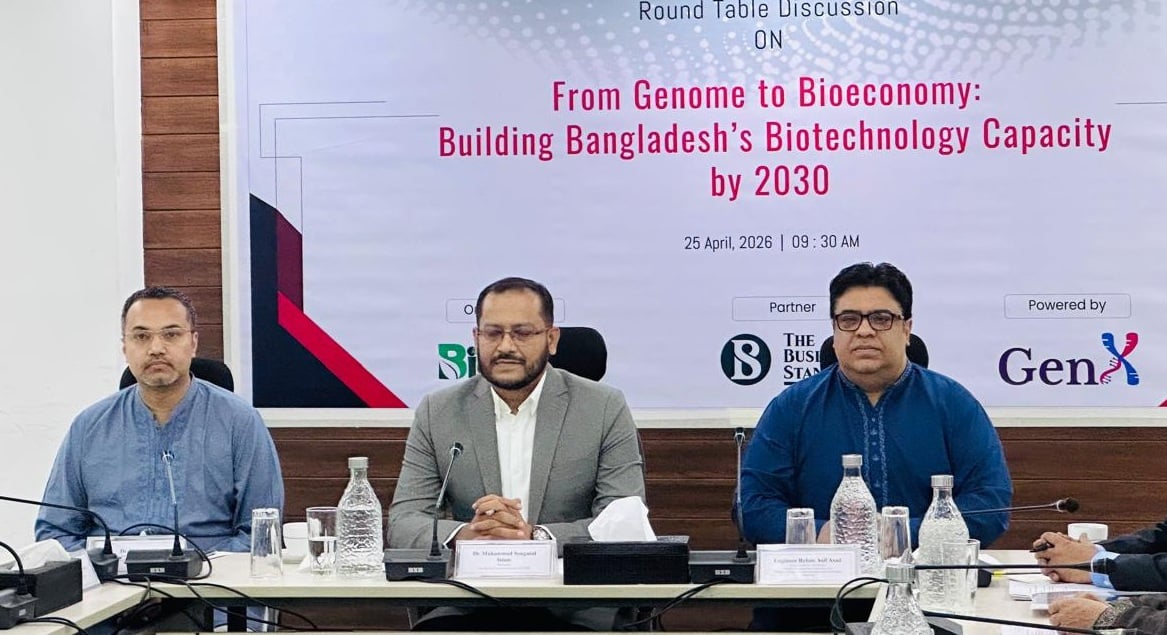
Prime Minister’s Education, Primary and Mass Education Adviser Mahdi Amin announced that the government plans to gradually deliver improved mid-day meals to around 20 million primary school students across Bangladesh. He said the initiative aims to ensure nutritious, high-quality, and long-lasting food, supported by modern technology-based research. Amin made the remarks on Saturday at a roundtable titled ‘From Genome to Bioeconomy: Enhancing Bangladesh’s Biotechnology Capacity by 2030,’ organized by Bioted in Eskaton Garden, Dhaka. The adviser emphasized that one of the Prime Minister’s major commitments is to guarantee mid-day meals for primary students. He noted that current tiffin items such as butter buns or bananas spoil quickly, underscoring the need for affordable and durable food solutions through research and development. Amin also highlighted the importance of curriculum reform to build transferable and technical skills, stronger industry-academia collaboration, and self-reliance in vaccine and food production through biotechnology. He added that engaging expatriate researchers through joint research and short courses could transform brain drain into brain circulation, helping strengthen national research capacity and empower citizens through biotechnology.
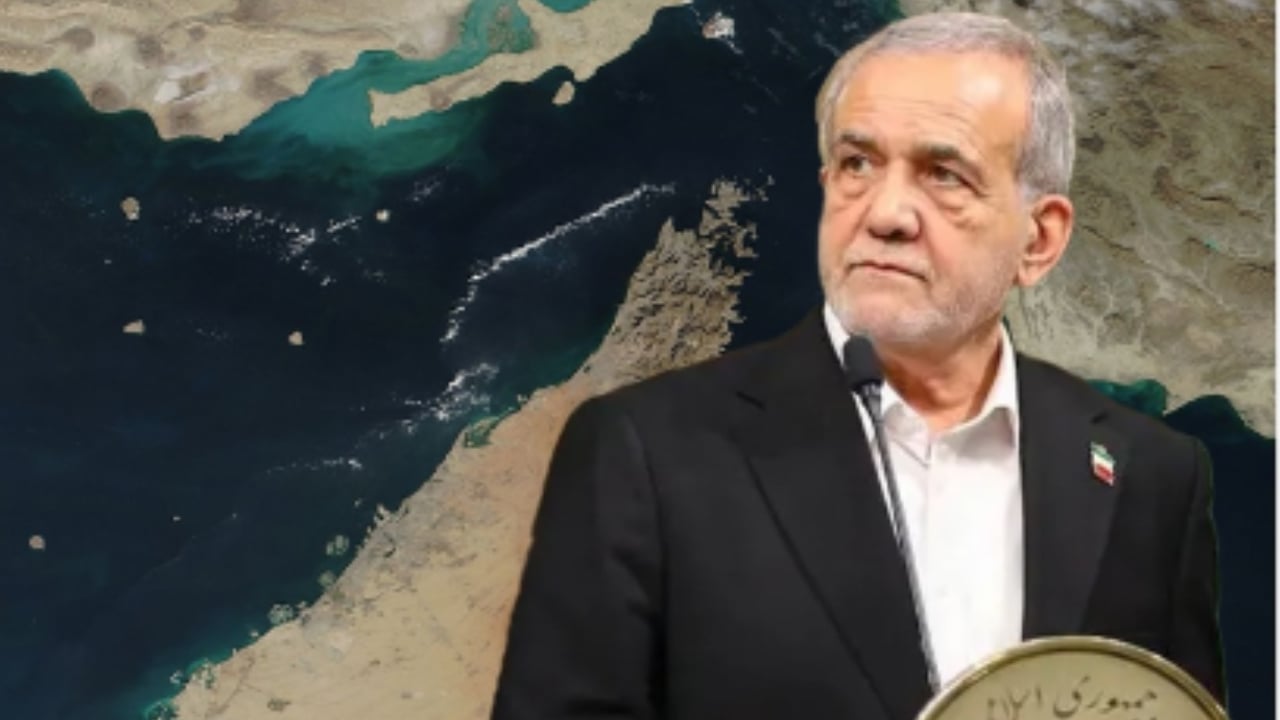
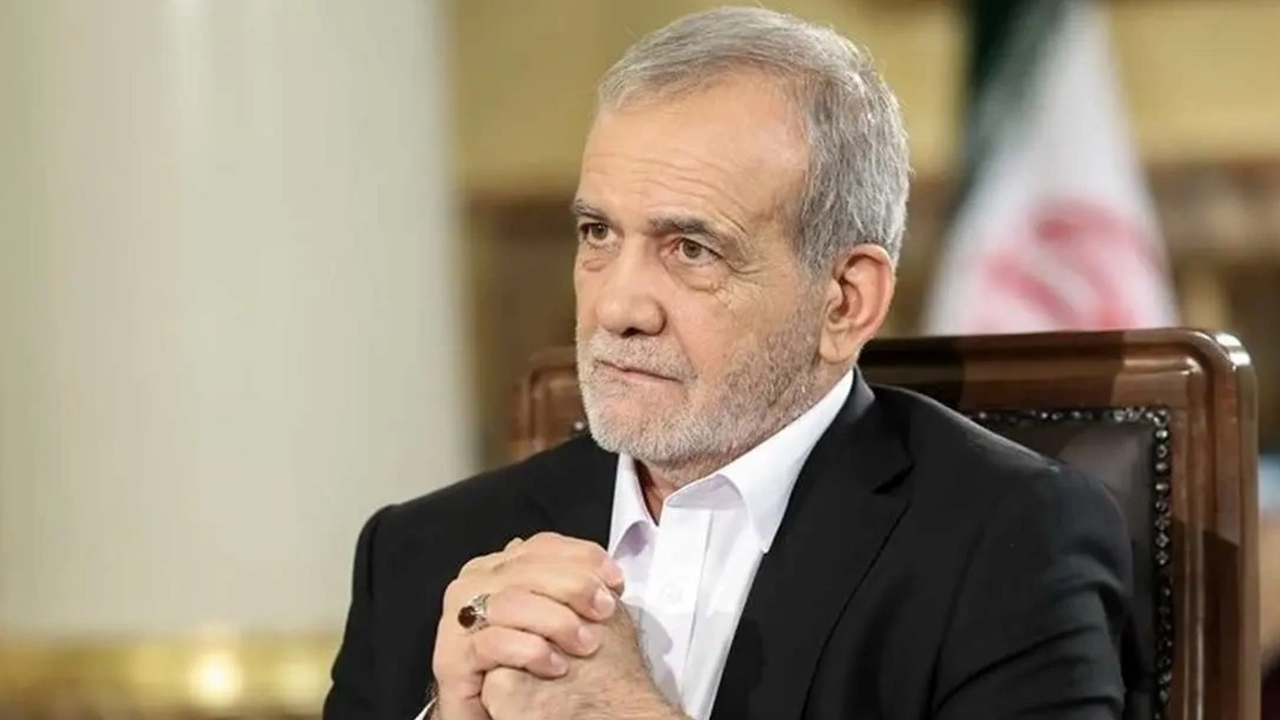
Iranian President Masoud Pezeshkian has declared that the Strait of Hormuz will not be reopened as long as international sanctions against Iran remain in place. He made the statement during a telephone conversation with Pakistani Prime Minister Shehbaz Sharif, emphasizing that the blockade, external pressure, and military presence in the Gulf of Oman are major obstacles to diplomatic dialogue. Pezeshkian highlighted what he described as a contradiction in U.S. policy, noting that Washington continues to apply sanctions and pressure while simultaneously calling for negotiations. He said this inconsistency has deepened distrust among the Iranian public and officials toward the United States. The Iranian president also stated that talks in Islamabad have stalled due to U.S. demands and reaffirmed that Iran will not return to negotiations until the sanctions are lifted.
Chuadanga is enduring an intense heatwave, with temperatures recorded at 36.8°C on Saturday evening, 36.7°C at 3 p.m., and 34.8°C at noon. The previous days also saw extreme heat, with temperatures reaching 37.3°C on Thursday and Friday, and 37.2°C on Wednesday. The scorching conditions have brought daily life to a standstill, as residents struggle under both high temperatures and prolonged power cuts. Officials from the local electricity offices reported a significant power shortage. The zonal office, serving 84,000 customers, has a regular demand of 105 megawatts but receives only 77 megawatts, resulting in a 30 percent deficit. The West Zone office faces a daily shortfall of 5–6 megawatts against a 24-megawatt demand. The combination of heat and load-shedding has caused severe hardship, particularly for children, the elderly, and laborers. According to the Chuadanga weather observatory, humidity levels ranged from 47 to 62 percent during the day, intensifying the discomfort caused by the heatwave.

Iran has handed over a framework for talks with the United States to Pakistan, according to Iranian President Masoud Pezeshkian. In a phone conversation with Pakistani Prime Minister Shehbaz Sharif, Pezeshkian said the main obstacle to resuming dialogue is a deep crisis of trust. He emphasized that the blockade and pressure over the Strait of Hormuz, as well as the U.S. military presence in the Gulf of Oman, remain key barriers to progress. Pezeshkian pointed to what he described as a contradiction between U.S. pressure and diplomacy, noting that Washington continues to impose sanctions while calling for negotiations. He said this inconsistency has increased distrust among the Iranian public and officials toward the United States. The Iranian president added that talks in Islamabad have stalled under U.S. demands and that Iran will not return to negotiations or reopen the Strait of Hormuz until sanctions are lifted.
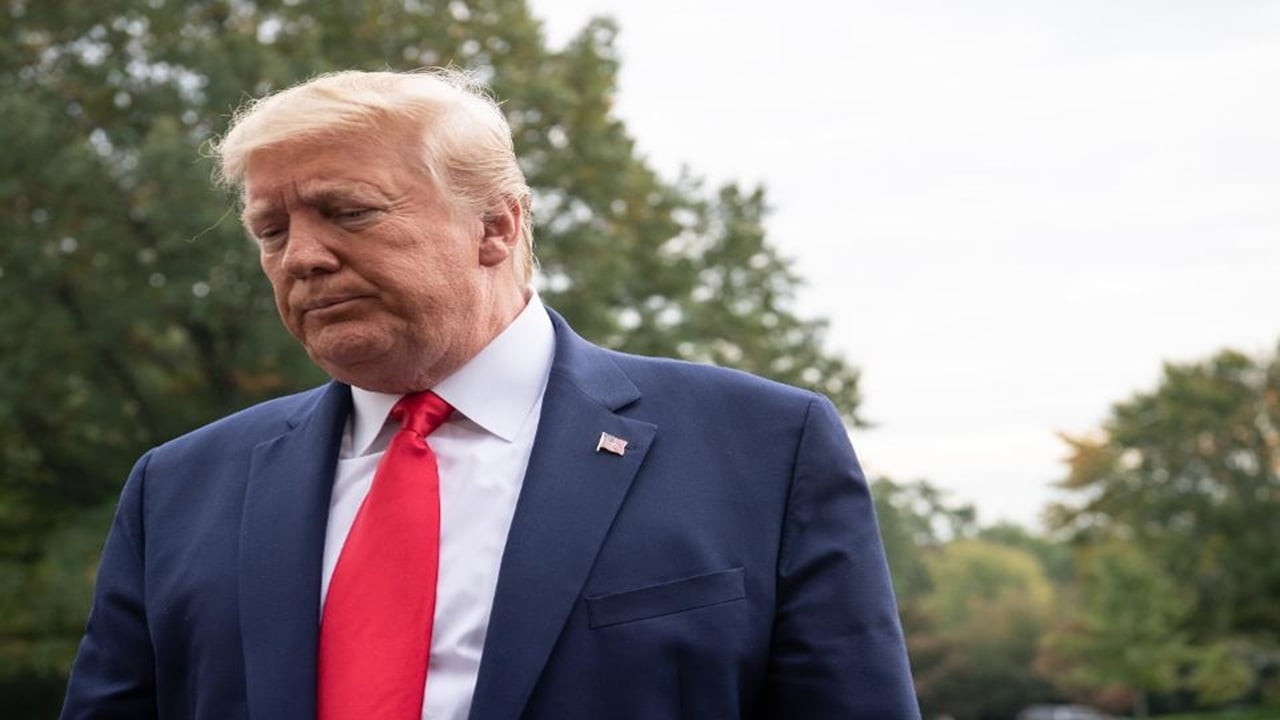
U.S. President Donald Trump described the presidency as a 'dangerous profession' following a shooting incident during a dinner event in Washington on Saturday. Speaking at a press conference afterward, Trump said he could not imagine any job more dangerous than being president. The incident marked the third shooting or attempted shooting near Trump in recent years. Trump stated that despite the risks associated with his position, he continues to live a relatively normal life. He emphasized that he is not mentally distressed or fearful, claiming he remains calm even in extreme danger. When asked how the shooting at the White House correspondents’ dinner affected him, Trump said he prefers not to dwell on it and believes he handles such situations as well as possible. The remarks came amid heightened security concerns following repeated incidents involving gunfire near the president, though Trump sought to project composure and resilience in his response.

US President Donald Trump has abruptly canceled the planned visit of special envoys Steve Witkoff and Jared Kushner to Islamabad, Pakistan. The visit was intended to initiate a new round of discussions between the United States and Iran. According to an Al Jazeera report, a meeting in Islamabad had been arranged as part of the dialogue process, but Trump rejected Iran’s proposal as inadequate and decided to cancel the trip. Trump announced the decision on his Truth Social platform and later told reporters that the Iranian side had presented a document containing several proposals, which he found unsatisfactory for the United States. He added that sending top-level representatives to such talks would not be reasonable given the uncertainty of the outcome. Despite the cancellation, Trump indicated that diplomatic channels remain open and that Iran could return to negotiations if it wishes. Analysts believe the decision has cast uncertainty over the future of the renewed US-Iran dialogue.
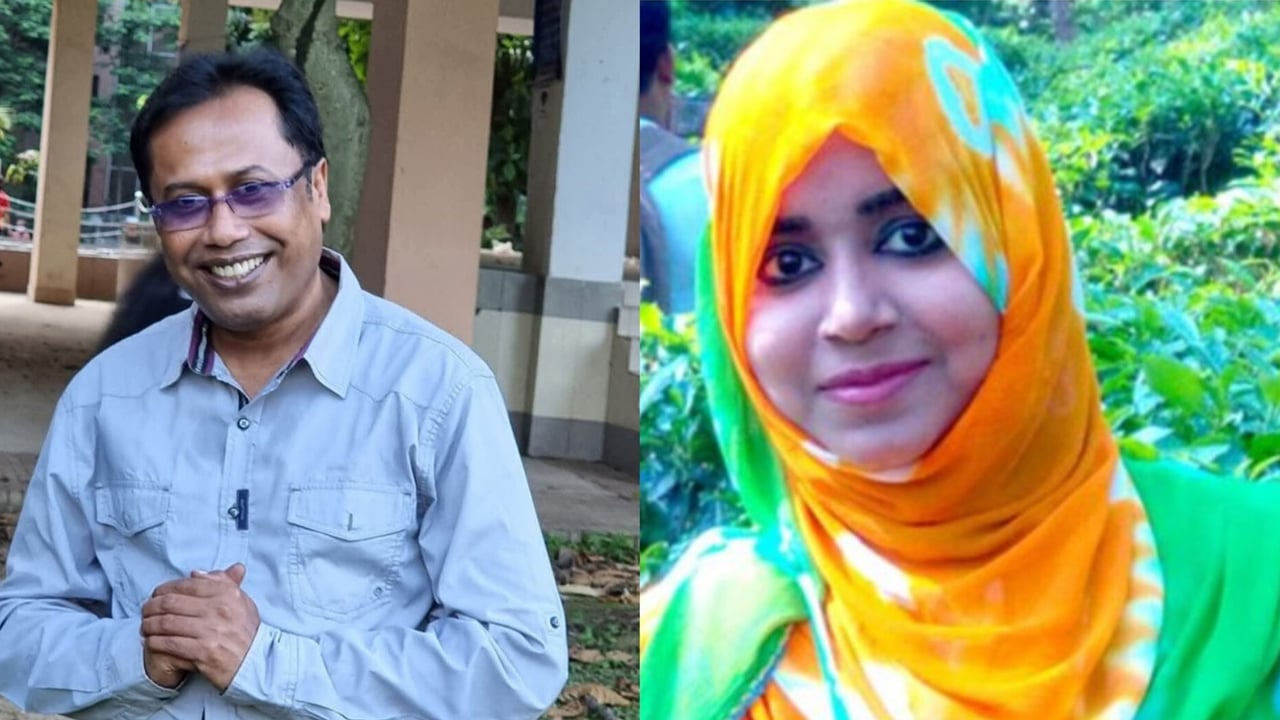
A doctor accused of providing a false forensic report in the Sohagi Jahan Tonu murder case has allegedly attempted to flee abroad. The report states that Dr. Kamda Prasad Saha, former head of the forensic department at Cumilla Medical College and now treasurer of Khulna Medical University, is seeking a no-objection certificate to travel to several SAARC countries, reportedly to escape to the United States and seek political asylum. Tonu’s father, Iar Hossain, urged authorities to detain him and uncover the truth behind the case. Dr. Saha led the initial and second autopsies of Tonu, a former student of Cumilla Victoria College, and was accused of concealing evidence of assault and issuing misleading findings that sparked public outrage. Family members and citizens have demanded his immediate interrogation and travel restrictions. The case has recently progressed with the arrest of retired army officer Hafizur Rahman and court orders for DNA testing of three suspects. Calls have been made to suspend Dr. Saha’s travel clearance and place him under surveillance to prevent possible escape as investigations continue.
Bangladesh Jamaat-e-Islami Secretary General Mia Golam Porwar has strongly condemned BNP Secretary General Mirza Fakhrul Islam Alamgir’s recent remarks threatening to politically eliminate Jamaat. In a statement issued to the media on Saturday night, Porwar described the comments as unconstitutional, undesirable, and undemocratic, asserting that such language does not align with democratic principles. Porwar argued that Mirza Fakhrul’s statement echoed the rhetoric of what he called fallen authoritarian forces, claiming it was inappropriate and disappointing from a senior political leader. He warned that such remarks could incite unrest and violence, pushing the country toward political chaos. Porwar further alleged that the BNP leader’s comments indicated an attempt to reestablish one-party authoritarian rule by eliminating the parliamentary opposition. He urged the BNP secretary general to refrain from using provocative language and instead uphold democratic norms. Porwar emphasized that threats or intimidation could not suppress Jamaat-e-Islami and that the people of Bangladesh would reject any conspiracy to politically destroy the party.
The Bangladesh Road Transport Authority (BRTA) has published a new fare list for inter-district and long-distance bus routes, including those in Dhaka and Chattogram, following the recent increase in fuel prices. The list was released on Saturday on the BRTA website, though passengers reported that no buses had yet displayed the updated fare charts. Supervisors said they had not received the official lists and were therefore continuing to charge previous fares. According to a government notification issued on April 23, fares for diesel-run buses were raised by 11 paisa per kilometer. In Dhaka and Chattogram, 52-seat buses will now charge Tk 2.53 per kilometer, up from Tk 2.42, while inter-district buses will charge Tk 2.23, up from Tk 2.12. Minimum fares remain unchanged at Tk 10 for buses and Tk 8 for minibuses. The new rates do not apply to gas-powered vehicles. Transport Minister Sheikh Robiul Alam warned that any gas-run buses charging higher fares would face action. He added that future fare adjustments will automatically align with international fuel price changes through BRTA notifications, ensuring a transparent and consistent process.

Bangladesh Jamaat-e-Islami’s central assistant secretary general Muazzam Hossain Helal alleged that some individuals were trying to conceal their history of fleeing to London by labeling others with secret tags. He made the remarks on Saturday afternoon while addressing a protest rally organized by an eleven-party alliance at the Town Hall premises in Barishal city. Helal claimed that within two months of taking office, the current government’s “fascist character” had become evident to the public. He accused the government of betraying the consensus reached in the Unity Commission regarding the July Charter and of using the judiciary to legitimize oppression. He urged the authorities to implement the July Charter in line with the referendum’s verdict and heed the people’s demands. Barishal city Jamaat Amir Zahir Uddin Muhammad Babar said the government had disappointed the nation by reinstating old authoritarian laws and resuming campus occupation politics. He warned that attacks on student leaders indicated a deteriorating law and order situation and that student groups would resist if targeted. Speakers from the alliance vowed to continue their united movement and hinted at tougher programs ahead.

Bangladesh Nezame Islam Party has urged the government to swiftly implement the February referendum verdict, warning that any delay or disregard would amount to betrayal of the nation. Party leaders made the remarks on Saturday during the Majlis-e-Shura session held at a hotel in Dhaka, presided over by party chief Allama Sarowar Kamal Azizee and conducted by Secretary General Musa Bin Izhar. They said ignoring the people’s mandate would not only be a political failure but also an insult to the martyrs of the July uprising. Speakers expressed deep concern over the country’s current political and economic situation, noting that the referendum reflected the aspirations of those who sacrificed their lives for reform and citizens’ rights. Despite the government’s formation after winning the parliamentary majority, the leaders alleged procrastination in implementing the referendum’s outcome, which they described as disappointing and alarming. The meeting also voiced concern over deteriorating law and order, citing rising instability in educational institutions and recent violent incidents. The party demanded swift arrests and exemplary punishment for those involved and announced new programs to strengthen its nationwide activities.
US technology giants Meta and Microsoft are set to lay off around 16,000 employees to manage rising expenses linked to their expanding artificial intelligence (AI) investments, according to a Financial Times report. Meta, the parent company of Facebook, plans to cut about 10 percent of its workforce, or roughly 8,000 employees, and cancel around 6,000 vacant positions. An internal memo indicated that the layoffs will begin on May 20. Meta is investing heavily in AI infrastructure, including new data centers and recruitment of top-tier technology experts, to compete with rivals such as Google and OpenAI. The company previously stated that its 2026 capital expenditure could reach between 115 and 135 billion dollars, with a large portion allocated to AI infrastructure and operational costs. Microsoft, meanwhile, is offering voluntary retirement to about 7 percent of its US-based workforce, affecting more than 8,000 employees who meet specific age and service criteria. The company had already cut over 15,000 jobs in 2025 while pledging 140 billion dollars to accelerate AI development.

The ‘1 Nojor’ media platform is now live in beta, inviting users to explore and provide feedback as we continue to refine the experience.