

The ‘1 Nojor’ media platform is now live in beta, inviting users to explore and provide feedback as we continue to refine the experience.
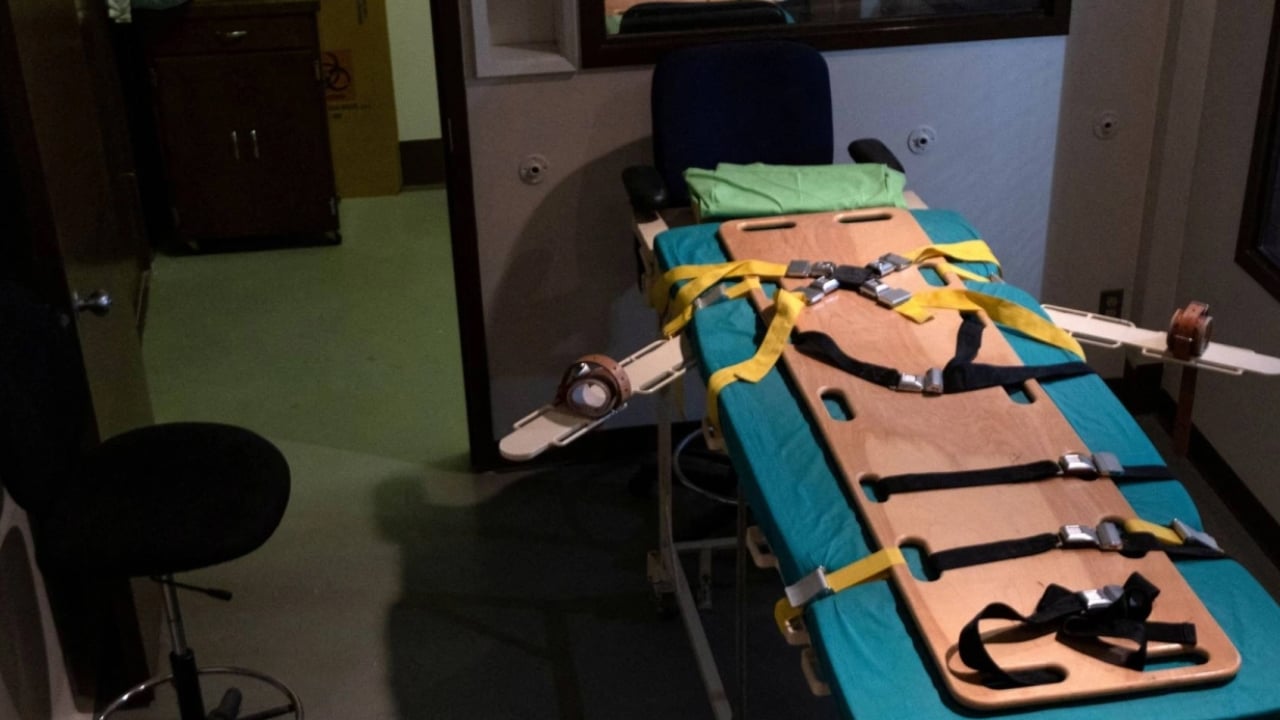
The administration of U.S. President Donald Trump has announced plans to authorize alternative methods for carrying out federal executions, including firing squads, electric shock, and gas-induced suffocation. The announcement was made on Friday, outlining the new procedures for those convicted of the most serious federal crimes. According to the administration, the move comes in response to difficulties in obtaining the drugs required for lethal injections. A report from the Department of Justice recommended these methods as part of efforts to fulfill Trump’s campaign pledge to reinstate federal executions during his second term. The Justice Department is leading the initiative. Trump had previously reinstated federal executions in 2021, just days before the end of his first term, ending a 20-year hiatus. The new plan continues that policy direction, expanding the range of approved execution methods at the federal level.
Residents of Cumilla are enduring severe power outages that have disrupted daily life across the district. According to local reports on April 25, 2026, urban areas experience four to five hours of load-shedding daily, while rural communities face 10 to 12 hours without electricity. The prolonged outages have hit children, the elderly, and students particularly hard, with SSC examinees expressing frustration over their inability to study at night. Agricultural activities have also been affected as irrigation pumps remain idle, raising fears of crop losses. The situation has strained essential services, including rural clinics and pharmacies, where power shortages threaten the preservation of temperature-sensitive medicines and vaccines. Small businesses and hotels report declining sales as customers avoid going out in the heat. Officials from the Cumilla Palli Bidyut Samiti and Power Development Board cited a supply shortfall, noting that while local demand is around 1,800 megawatts, only 1,000 to 1,100 megawatts are available. Nationwide, on April 23, electricity demand reached 15,650 megawatts against production of 13,945 megawatts, forcing authorities to impose load-shedding. Officials said they are prioritizing power supply for irrigation between 11 p.m. and 11 a.m., but rural residents continue to face long hours without electricity.

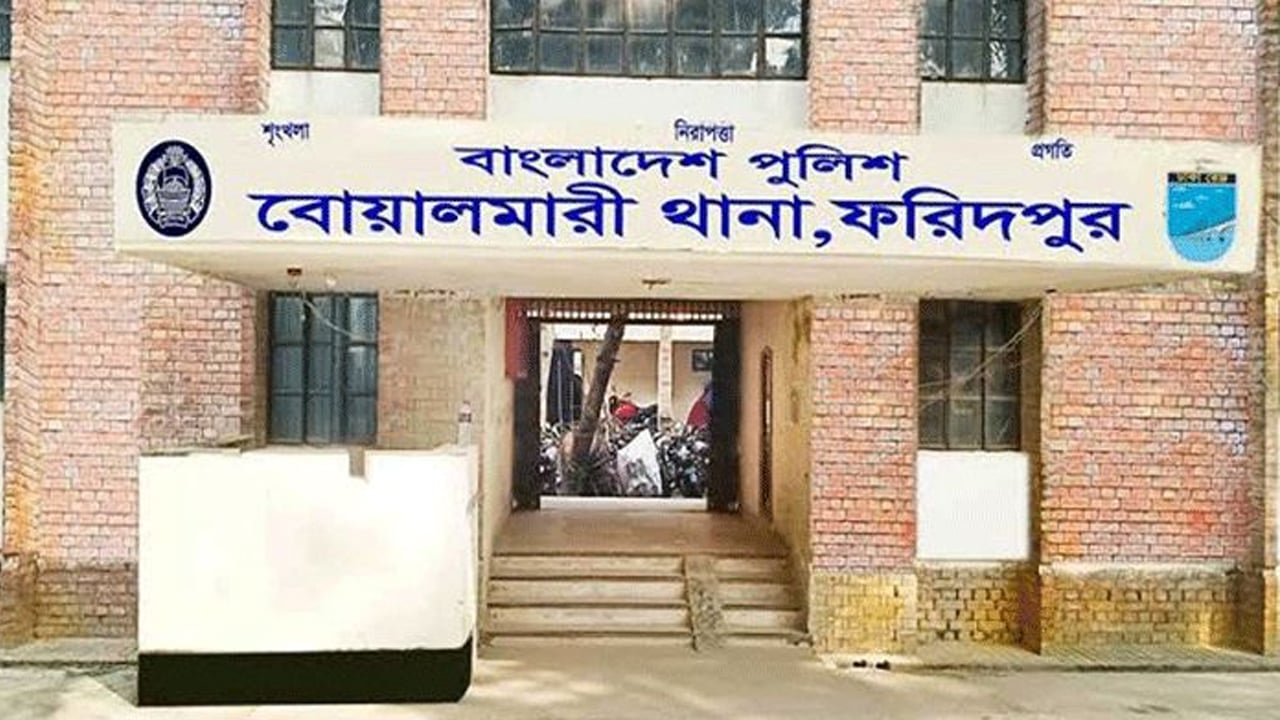
A local BNP leader was reportedly injured in an attack by Awami League supporters in Boalmari upazila of Faridpur on Friday night. The incident occurred around 10:30 p.m. in Kadmi village under Rupapat Union. The injured were identified as Abdur Rahman, assistant agriculture affairs secretary of the upazila BNP, and Suman Sheikh, 27, joint convener of the Rupapat Union Swechchhasebak Dal. Locals rescued them and took them to the upazila health complex, from where they were referred to Faridpur Hospital. According to local sources, supporters of Md. Firoz Molla, general secretary of the Union Krishak League, carried out the attack. Firoz Molla, however, stated that he was in Gopalganj at the time and only heard about the assault. Boalmari Police Station Officer-in-Charge Anwar Hossain said no written complaint had been filed yet and that legal action would be taken upon receiving one. Police are awaiting a formal complaint to initiate legal proceedings regarding the incident.
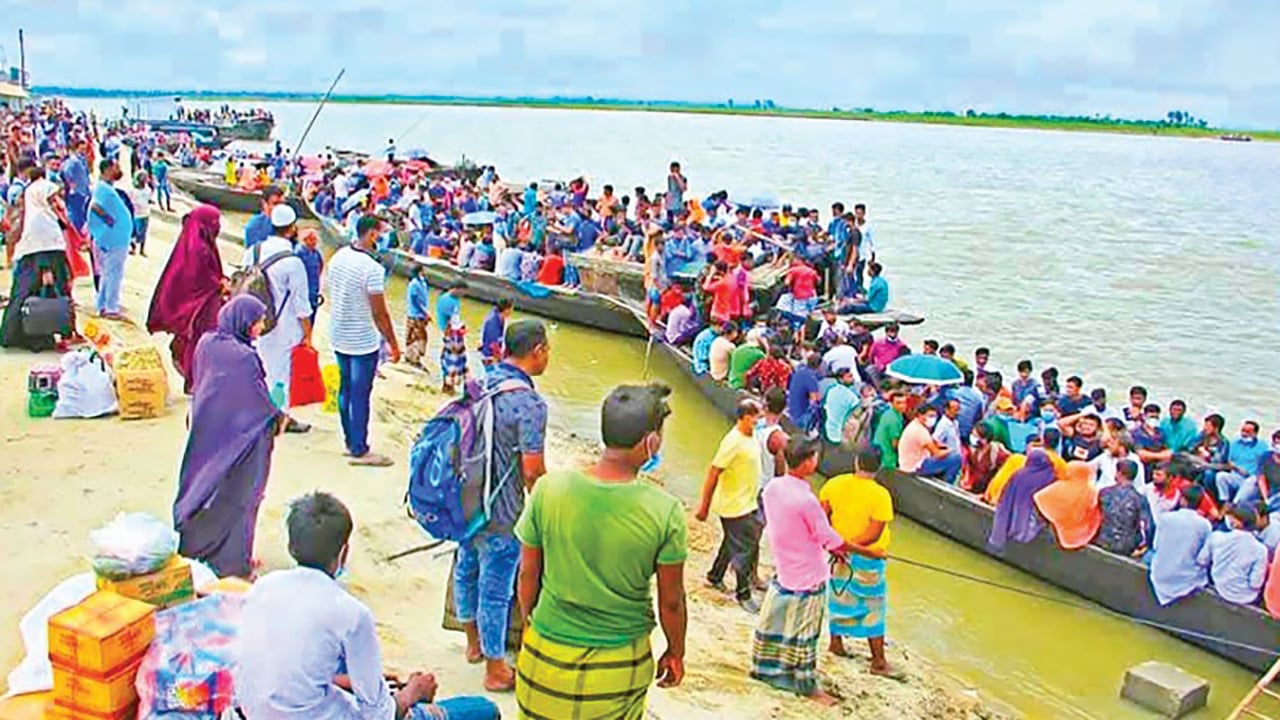
Residents of eight northern districts in Bangladesh have intensified their movement demanding the construction of a second Jamuna Bridge connecting Fulchhari in Gaibandha to Bahadurabad Ghat in Jamalpur. Local people, led by the Fulchhari Development Forum, have formed a bridge implementation committee and are organizing rallies and public meetings to press their demand. They believe the bridge would open new economic opportunities and improve connectivity across the region. The demand stems from decades of hardship faced by residents who rely on unsafe and unreliable boat crossings between Balashi and Bahadurabad. Ferry services that once operated on the route were suspended about 25 years ago, leaving thousands to cross the river daily under risky conditions. The lack of a bridge has severely affected agriculture, trade, education, and healthcare in the area, with farmers unable to transport goods efficiently to markets. Local leaders and residents argue that a bridge would transform communication and trade between northern and southern Bangladesh, saving time and cost while boosting employment and regional development. The issue gained renewed attention after local MP Abdul Warech raised it in the national parliament.
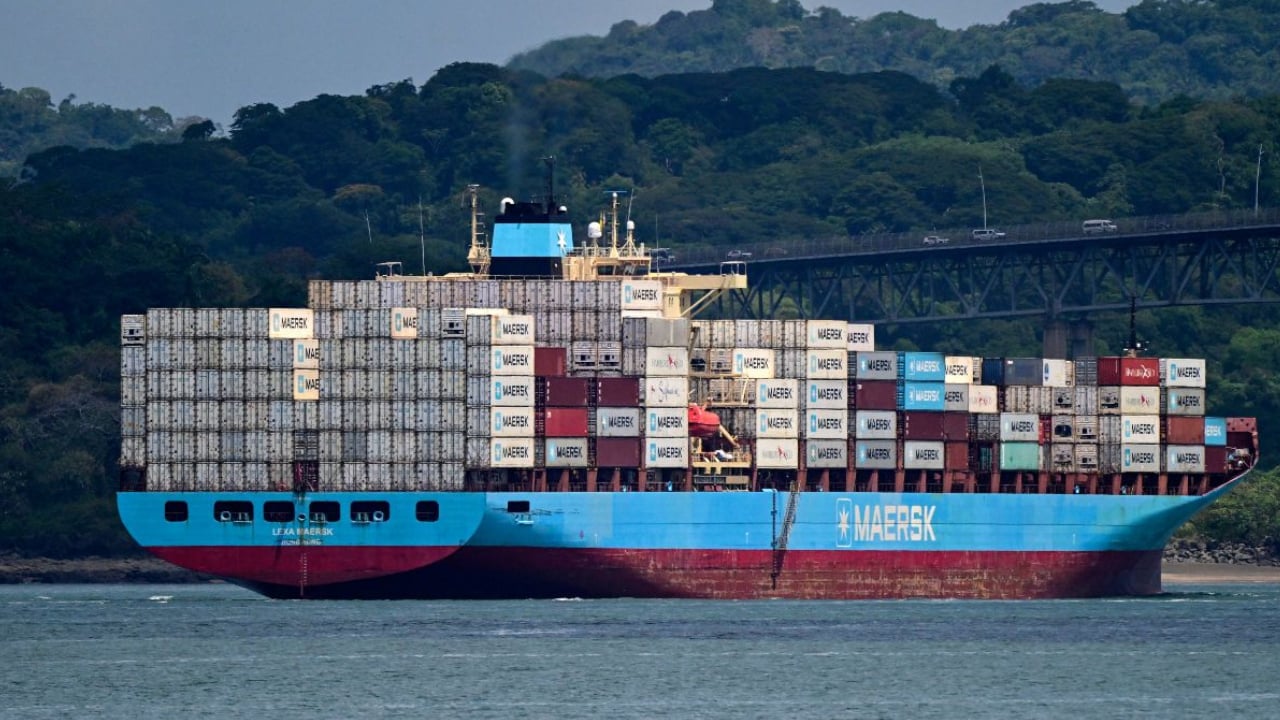
Shipping companies are now paying up to four million dollars to secure priority passage through the Panama Canal, according to the Associated Press. The sharp rise in fees follows the effective shutdown of vessel traffic through the Hormuz Strait, which has disrupted global shipping routes and forced many ships to seek alternative passages. Normally, the Panama Canal charges fixed rates, but auction prices for priority slots have surged as demand increased. Ships rerouting to avoid the Hormuz Strait are competing for faster transit options to prevent multi-day delays, significantly raising costs. The situation highlights the broader impact of the Hormuz crisis on global trade and shipping expenses, underscoring how regional disruptions can ripple through international supply chains.
A prolonged heatwave combined with severe power outages has disrupted daily life across Khulna and the southwestern region of Bangladesh. Since early April, residents have faced extreme heat and frequent load-shedding lasting up to 10 to 12 hours a day. According to the West Zone Power Distribution Company, on Thursday at 1 p.m., electricity demand in 21 districts under Khulna Division was 801 megawatts, while supply reached only 643 megawatts, leaving a deficit of 158 megawatts. In Khulna district alone, 44 megawatts of load-shedding was required. The outages have severely affected businesses and households. Shopkeepers in Khulna city reported sharp declines in sales as customers avoid hot, unventilated stores. Fish sellers and other refrigeration-dependent traders are suffering losses due to spoilage. Rising fuel prices have also caused transport disruptions, with long queues at petrol stations and increased fares. Students taking the ongoing SSC exams are struggling to study amid the frequent blackouts. Local civic group Sujan’s Khulna secretary criticized the government for failing to manage the ongoing electricity and fuel crisis, warning that the situation could worsen if not addressed soon.

A trader named Khairul Islam was arrested in Haropara village of Bhangura upazila, Pabna, for producing fake milk. A mobile court led by Assistant Commissioner (Land) and Executive Magistrate Mizanur Rahman sentenced him to six months of imprisonment and imposed a fine of one lakh taka. The operation took place late Saturday night. During the raid, authorities seized fake milk, soybean oil, and two machines used in the production process. According to the report, Khairul had been manufacturing fake milk using harmful jelly, soybean oil, and other ingredients, which he supplied to a local sealing center of a company named Pran. The mobile court’s action highlights ongoing efforts to curb the production and distribution of adulterated food products in the region.
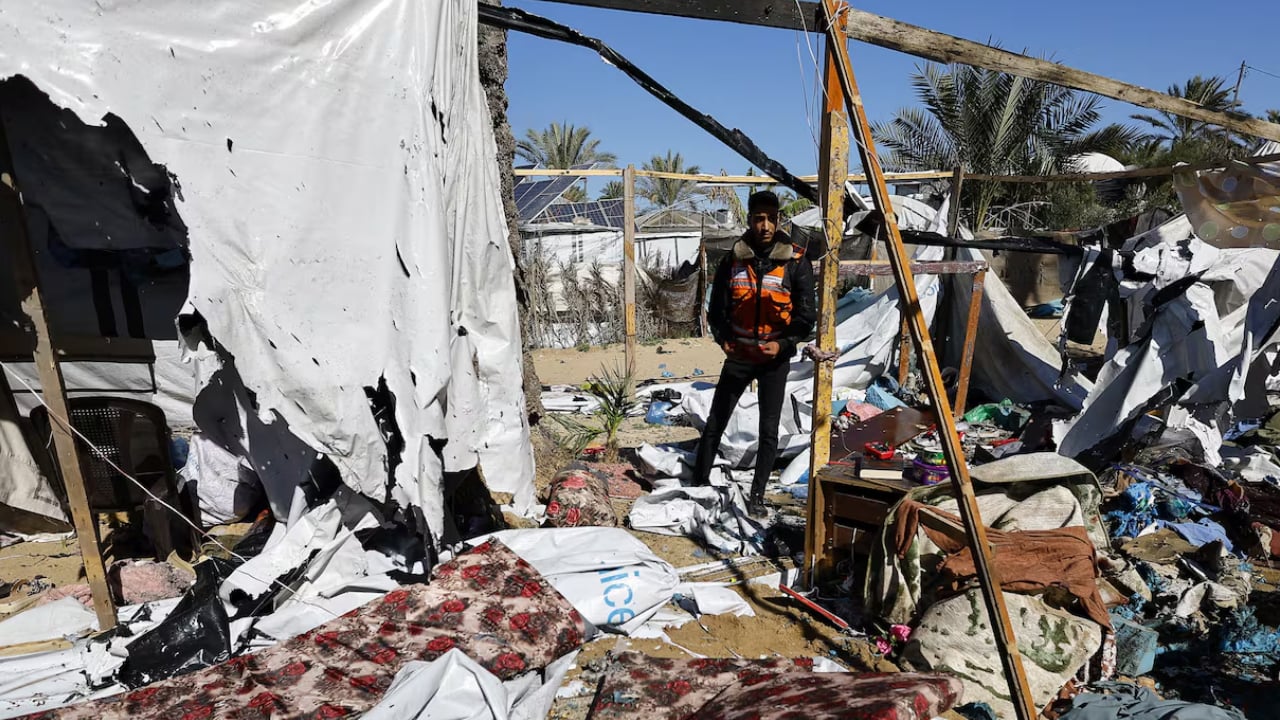
At least 12 people were killed in Israeli airstrikes across Gaza on Friday, according to medical sources cited by Al Jazeera. The attacks, which violated an existing ceasefire, included a strike on a police vehicle in Khan Younis that killed eight people, among them three civilians. Two police officers were killed in a separate attack in Gaza City, while two others died in a bombing on a house in Beit Lahia in northern Gaza. The Gaza Interior Ministry urged the international community to intervene to stop the attacks, stating that the Khan Younis strike occurred after security forces attempted to halt a local clash. In its statement, the ministry criticized what it described as the silence of international organizations over attacks targeting civilian police, calling such inaction indirect cooperation with Israeli occupation forces. The ministry warned that continued silence could encourage further violence, emphasizing the need for immediate international response to prevent escalation.
The United States Army has officially increased the maximum enlistment age from 35 to 42 years, effective April 20, 2026, under a revised version of Army Regulation 601-210. The change applies to the Regular Army, Army Reserve, and Army National Guard. The new directive also removes the waiver requirement for individuals previously convicted once for possession of marijuana or other controlled substances. The adjustment aims to expand the pool of eligible recruits as the Army faces one of its most severe manpower shortages since 1973. According to official data, the Army met its recruitment goals in 2024 and 2025 but failed to do so in 2022 and 2023, and has consistently missed targets for the Army Reserve. Analysts attribute the shortfall to factors such as public opposition to wars, particularly against Iran, and declining interest among younger Americans. The Army Recruiting Command cited labor market shifts, limited awareness of military service, obesity, drug use, and mental health issues as key barriers to youth enlistment. Military analysts note that the policy aligns the Army’s age limit more closely with other service branches and may help offset declining youth participation in the armed forces.

Sarba Mitra Chakma, an executive member of the Dhaka University Central Students’ Union (DUCSU), has called on Islami Chhatra Shibir to leave behind its secretive political activities and participate openly in politics. He made the remarks in a Facebook post on Friday, April 24, 2026, stating that it was his personal wish for Shibir to engage in transparent political practices. In his post, Chakma questioned the need for Shibir’s covert politics, noting that the Awami League was no longer in power. He highlighted that, despite the absence of any state ban on the organization, Shibir activists are often treated as if they are “killable beings,” with society and the state having normalized such attitudes over the past seventeen years. He also referred to a recent statement by a former Islami University Chhatra Dal leader who threatened violence against Shibir members. Chakma concluded that before Shibir can fully enter open politics, society must first ensure their human rights and end the perception that their lives are expendable.

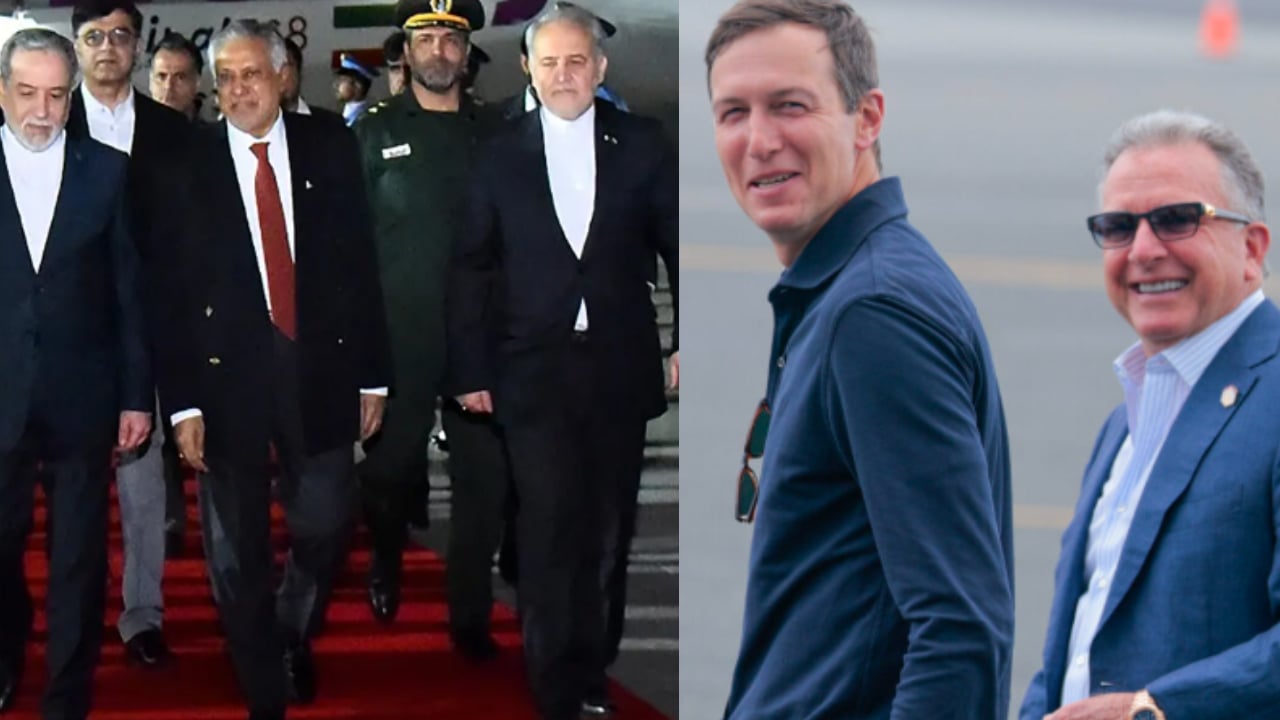
An Iranian delegation led by Foreign Minister Araghchi has arrived in Islamabad, Pakistan, according to Pakistani Foreign Ministry spokesperson Tahir Andrabi. The visit coincides with the White House announcement that US envoys Steve Witkoff and Jared Kushner will also travel to Pakistan for discussions involving Iran. However, Iran has stated that it will not hold any meetings with the United States. Andrabi said on social media that Pakistan’s Deputy Prime Minister and Foreign Minister Ishaq Dar, Defense Chief and Army Chief Field Marshal Asim Munir, and other senior officials welcomed Araghchi. During the visit, the Iranian foreign minister is expected to discuss recent regional developments and ongoing efforts for peace and stability with Pakistan’s top leadership. The trip is being viewed as a significant step toward potential second-round talks between Iran and the United States, though Iran’s Foreign Ministry spokesperson Esmail Baghaei reiterated that no meeting with US officials is planned. The White House noted that if discussions progress, US Vice President JD Vance is prepared to visit Pakistan.
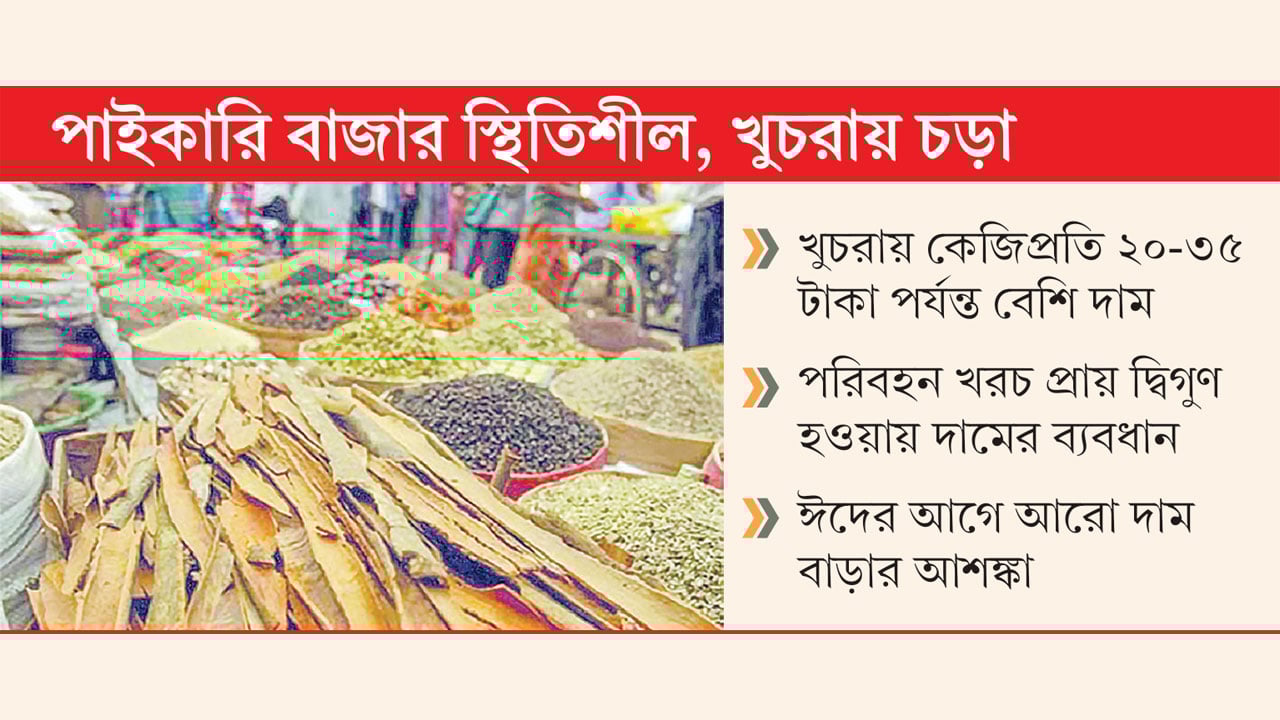
In Chattogram’s Khatunganj, one of Bangladesh’s largest wholesale spice markets, prices have remained largely stable over the past two months despite increased demand ahead of Eid-ul-Azha. However, retail markets across the country have seen sudden price hikes. Retailers attribute the rise to higher transportation costs caused by a fuel crisis, which has doubled freight charges and slowed delivery times from production areas to major markets. Traders report that while wholesale onion prices range between Tk 22 and Tk 28 per kilogram, retail prices are significantly higher, with similar gaps seen for garlic, chili, and coriander. Imported dry chili now sells at Tk 400 per kilogram, up by Tk 8–10 in two weeks, while coriander and nutmeg prices have also risen. In contrast, turmeric prices have declined slightly. Business leaders warn that if fuel and transport costs continue to rise, spice prices could surge further before Eid. Market associations urge government monitoring to reduce the widening gap between wholesale and retail prices and prevent potential market instability.
In an article published on April 25, 2026, governance and public policy expert Dr. Yusuf Zarif examines the qualities of effective leadership and the challenges facing Bangladesh. He argues that the country’s political leadership has historically lacked strategic vision, institutional discipline, and moral integrity, leading to weak democratic institutions and a culture of personal glorification. Zarif links these shortcomings to the failures of past interim governments and the inability to build a just and accountable state. The article contrasts Bangladesh’s experience with the leadership models of South Korea, Malaysia, Singapore, and Rwanda. Zarif highlights how visionary leaders such as Park Chung-hee, Mahathir Mohamad, Lee Kuan Yew, and Paul Kagame achieved national transformation through strategic foresight, institutional reform, and policy independence. He notes that these leaders prioritized meritocracy, national unity, and self-reliance over external influence. Zarif concludes that without strengthening leadership competence and ethical governance, Bangladesh will struggle to overcome its institutional fragility and dependency on foreign policy guidance. The country’s future progress, he suggests, depends on cultivating visionary and morally grounded leadership.

Bangladesh has formally sought an extension of its timeline for graduating from least developed country (LDC) status, citing global financial challenges and the need for a smoother transition. The request was presented by Bangladesh’s Permanent Representative to the United Nations, Ambassador Salahuddin Noman Chowdhury, during the general debate of the ECOSOC Financing for Development Forum 2026 held at the UN headquarters on Thursday. The country asked to move its graduation date from November 24, 2026, to November 24, 2029. Bangladesh first qualified for LDC graduation in 2018 and 2021 based on three criteria—per capita income, human assets, and economic and environmental vulnerability. The original graduation date was set for 2024 but was extended to 2026 due to the COVID-19 pandemic. The government’s letter to the UN Committee for Development Policy highlighted domestic and international challenges, including geopolitical tensions, reduced development aid, climate impacts, trade barriers, and energy uncertainty. The ambassador emphasized that Bangladesh is prioritizing macroeconomic stability, rebuilding business confidence, strengthening the banking sector, and expanding support for vulnerable populations to ensure a sustainable transition.
The United States has claimed to have seized an Iran-flagged vessel. According to the US Central Command, the guided-missile destroyer USS Rafael Peralta intercepted the ship as it was heading toward an Iranian port. The incident reportedly occurred on Friday, though further details about the vessel or the circumstances of the seizure were not disclosed. At the same time, Iranian Foreign Minister Abbas Araghchi is visiting Pakistan, a trip viewed as a significant step toward potential second-round talks between Iran and the United States. The visit coincides with preparations by US President Donald Trump’s special envoy Steve Witkoff and his son-in-law Jared Kushner, who are expected to travel to Pakistan on Saturday to participate in discussions aimed at ending the conflict with Iran. The developments suggest renewed diplomatic engagement between Washington and Tehran, with Pakistan emerging as a possible venue for dialogue following the reported maritime incident.

The ‘1 Nojor’ media platform is now live in beta, inviting users to explore and provide feedback as we continue to refine the experience.