

The ‘1 Nojor’ media platform is now live in beta, inviting users to explore and provide feedback as we continue to refine the experience.
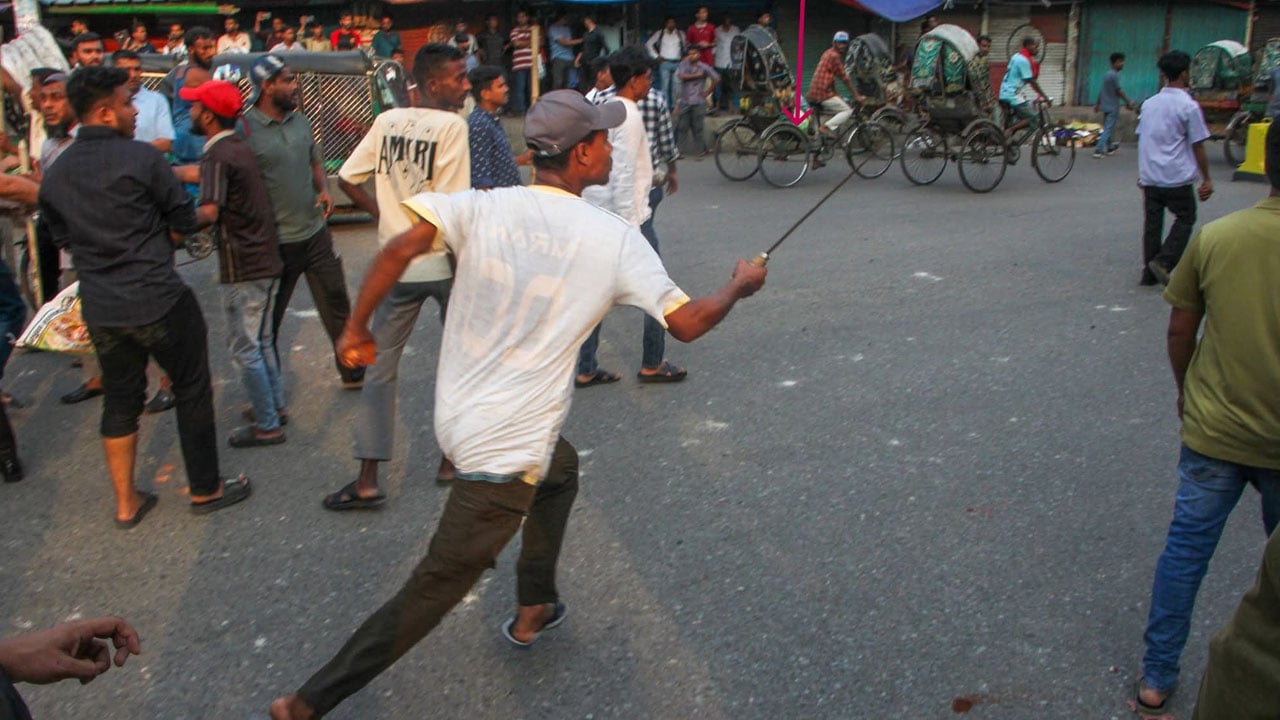
Chittagong Metropolitan Police (CMP) Commissioner Hasan Mohammad Shawkat Ali said police operations are ongoing to identify and arrest those carrying homemade weapons after two rounds of clashes between Chhatra Dal and Chhatra Shibir at Chittagong Government City College. Speaking to reporters at the CMP headquarters in Laldighi, he stated that CCTV footage is being reviewed to bring all involved under the law. The commissioner added that if any police negligence is found, it will be investigated and action will be taken. He confirmed that no cases have been filed and no arrests made so far, but police surveillance has been increased in the college area to control tension. Separate lists are being prepared to identify those who used weapons or threw bricks during the clashes. The violence erupted on Tuesday over graffiti changes, leading to renewed confrontations later in the day. Following the incident, a video showing a Shibir activist’s severe leg injury spread widely, prompting heightened police deployment. The CMP commissioner emphasized that campus violence will not be tolerated and that operations against armed individuals will continue.
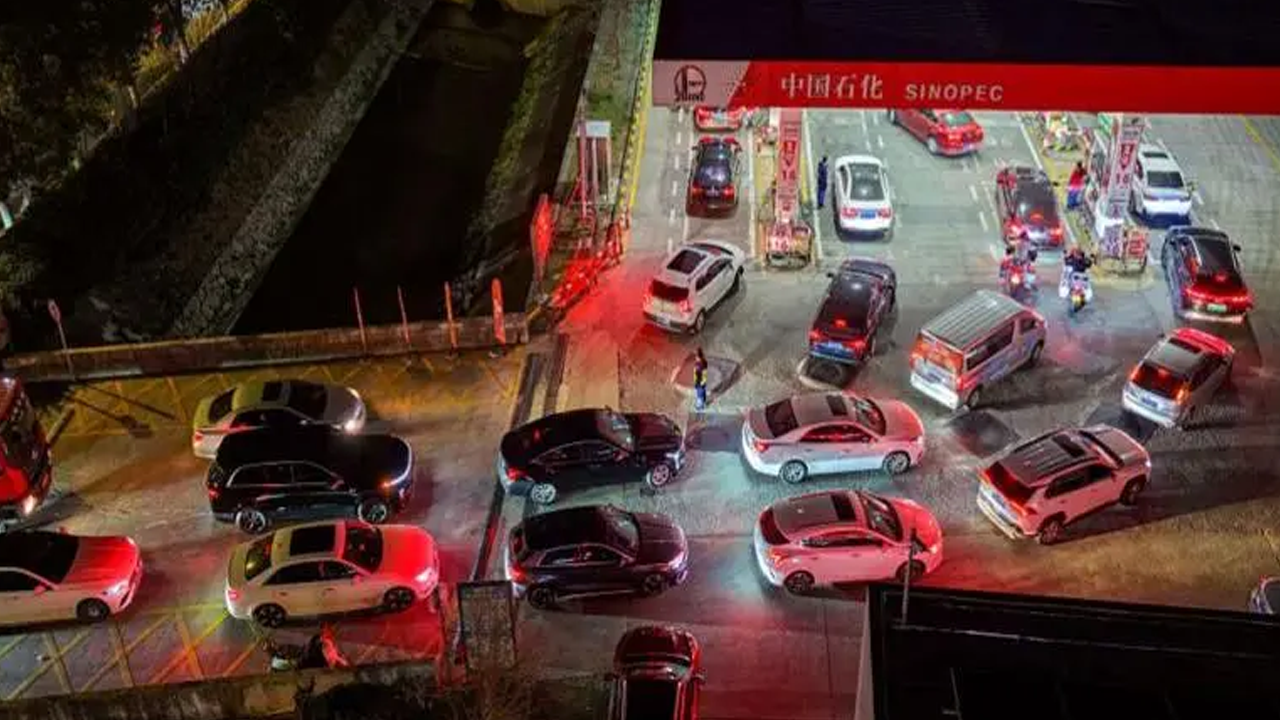
China has reduced petrol and diesel prices at the pump for the first time since the start of the Iran war, according to the National Development and Reform Commission (NDRC). The commission, which serves as China’s top economic planning body, stated that the decision reflects recent changes in global crude oil prices. Fuel prices in China are reviewed every ten working days based on international crude oil market trends. The NDRC noted that the price cut will allow drivers to save about three US dollars when filling a 50-liter tank. Previously, Beijing had raised the maximum retail prices of petrol and diesel several times as global oil prices surged following the outbreak of the Iran war. The adjustment marks a shift in China’s fuel pricing policy amid fluctuating global energy markets, aligning domestic prices more closely with international trends.
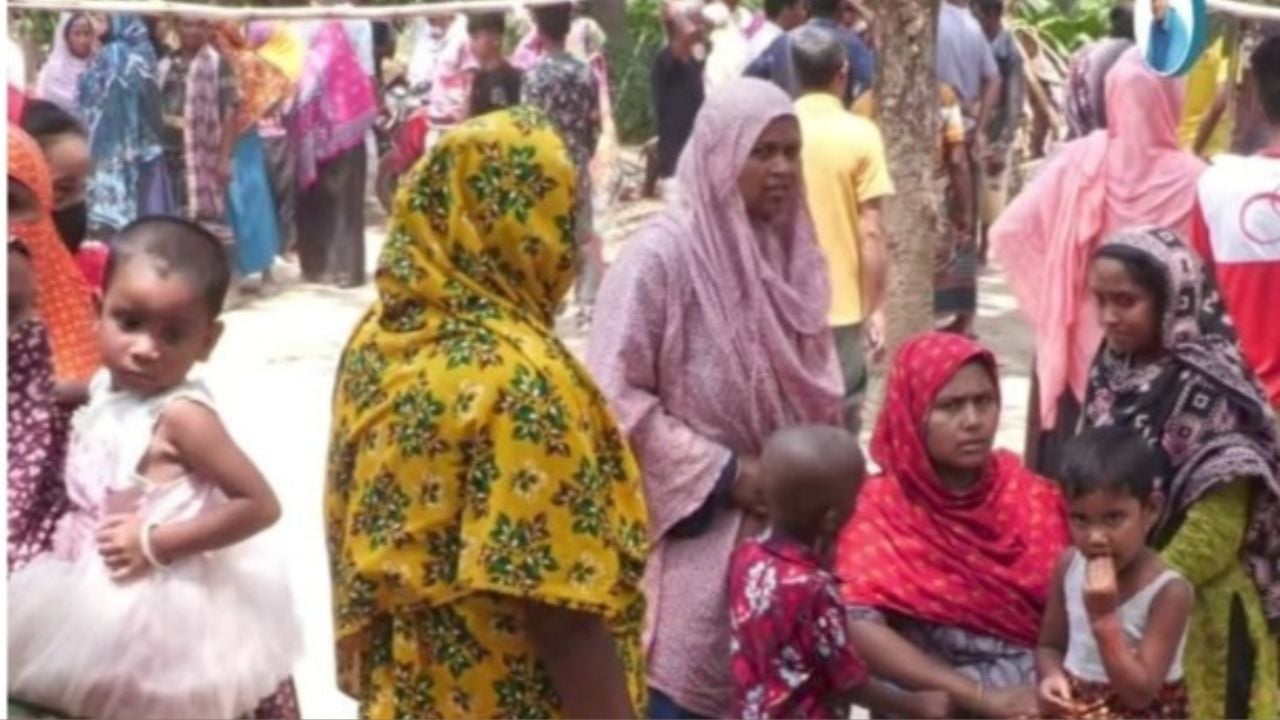
A three-year-old boy named Araf Pramanik died after falling into a drum filled with diesel stored at his home in Palanpara village under Dhaperhat Union of Sadullapur upazila, Gaibandha. The incident occurred on Tuesday, April 21, 2026, when the child was playing on the veranda where the drum was kept. He was rescued and taken to Rangpur Medical College Hospital but died early Wednesday, April 22, while undergoing treatment. According to local sources, the diesel had been stored by the child’s father, truck owner Ashiqur Rahman Babu Pramanik, who kept about 50 liters in a half-cut plastic drum to prepare for possible fuel shortages. Local Union Parishad member Mehedi Hasan Ekramul confirmed the child’s death, describing a heartbreaking scene when the body reached the family home. Sadullapur Police Station Officer-in-Charge Habibul Islam also verified the incident, stating that the child was injured after falling into the diesel and later died during treatment. Authorities have confirmed the death as accidental, and the incident has deeply shocked the local community.
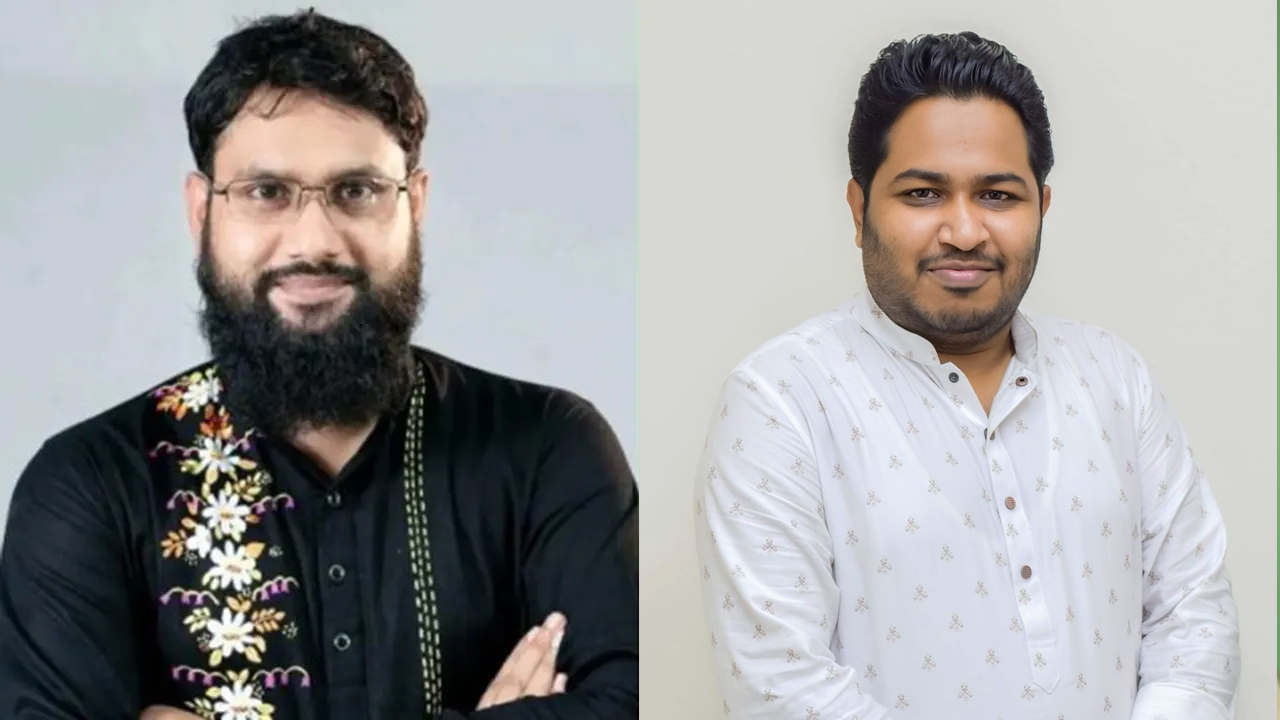
The National Citizen Party (NCP) has appointed two of its Members of Parliament, Advocate Abdullah Al Amin and Dr. Atik Mujahid, to its highest policymaking body, the Political Council (PC). The announcement was made in a press release issued on Tuesday, April 21, 2026. The appointments were approved by NCP Convener Nahid Islam and Member Secretary Akhtar Hossain. According to the release, Dr. Atik Mujahid, Joint Convener and MP for Kurigram-2, and Advocate Abdullah Al Amin, Joint Member Secretary and MP for Narayanganj-4, have been added to the Political Council. Abdullah Al Amin also serves as the head of the party’s disciplinary committee. With these additions, the NCP Political Council now consists of 12 members, including the convener, member secretary, and other senior organizational leaders from different regions and departments of the party.
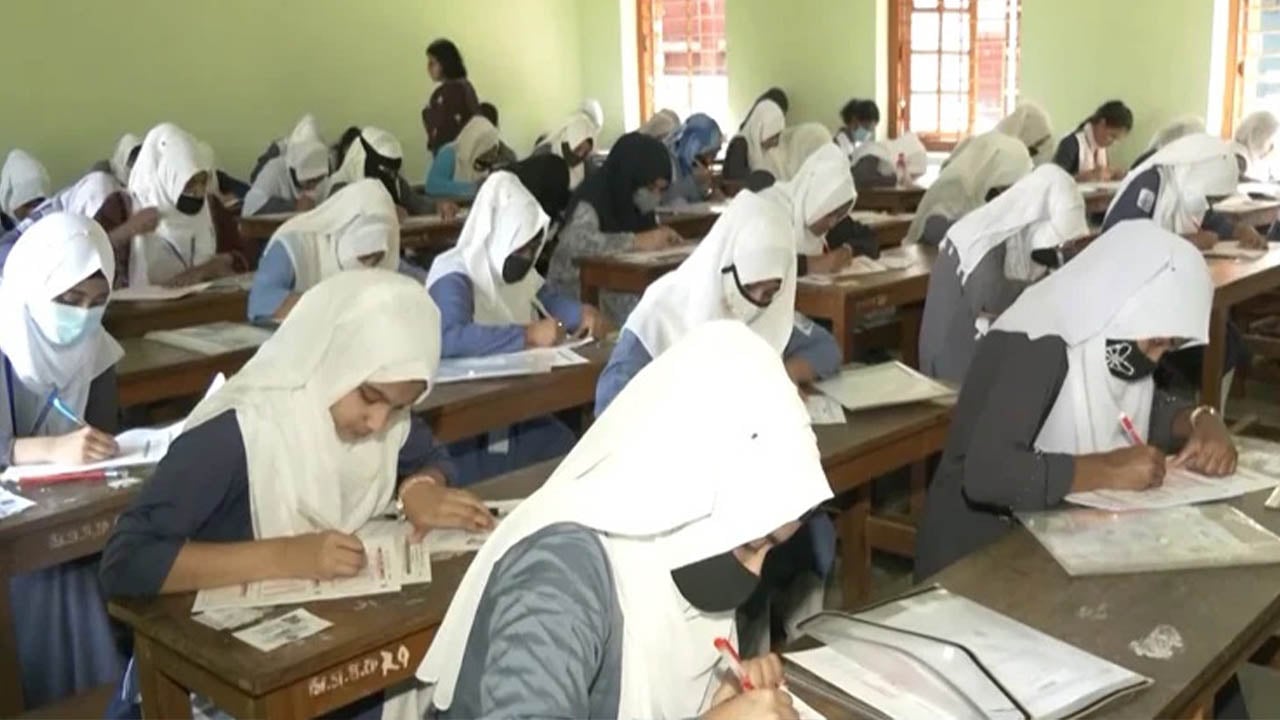
The Secondary and Higher Secondary Education Board of Bangladesh has officially released the schedule for the Higher Secondary Certificate (HSC) examinations. According to the notice signed by S M Kamal Uddin Haider, convener of the Inter-Education Board Examination Control Committee, the exams are set to begin on July 2, 2026. The announcement was made on April 22, 2026, confirming that the board retains the authority to revise the timetable if necessary. The published routine outlines the examination dates and related details for students across the country. The release of the HSC exam schedule marks a key step in the national academic calendar, allowing institutions and students to prepare for the upcoming assessments under the supervision of the education board.
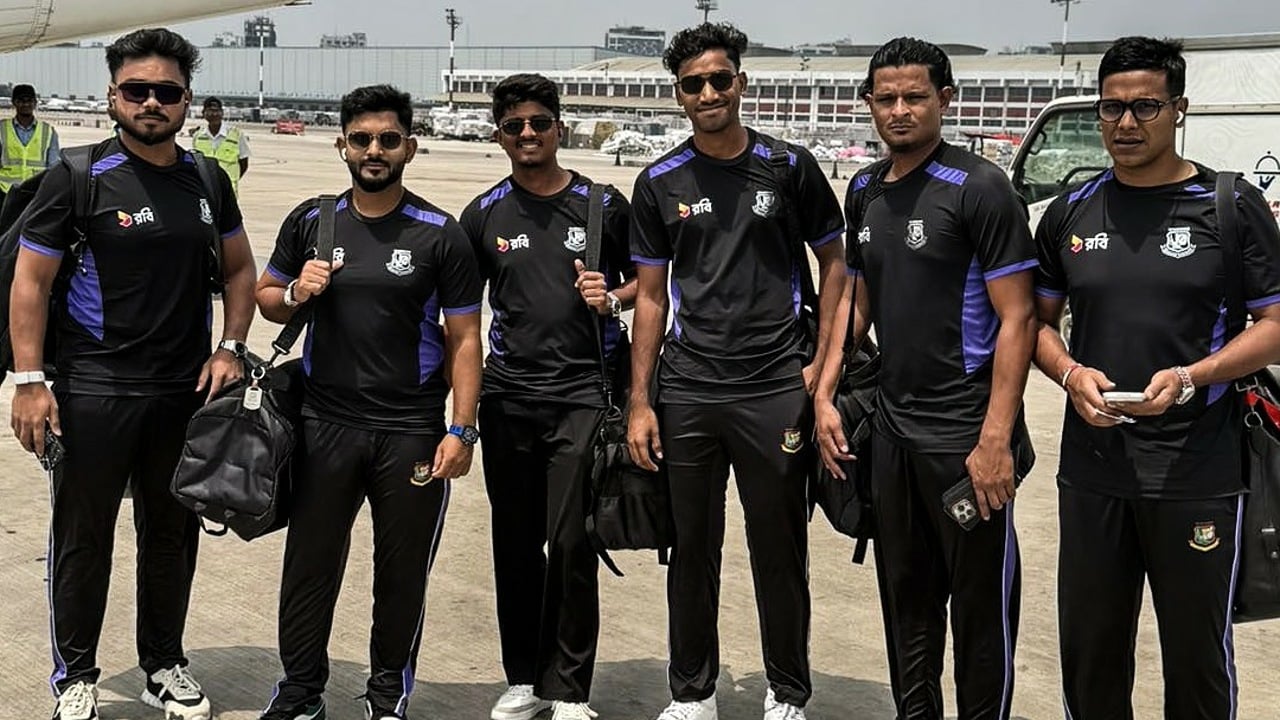
The Bangladesh T20 cricket team has arrived in Chattogram ahead of the upcoming three-match series against New Zealand. The squad members reached the port city on Wednesday afternoon, even before the conclusion of the ongoing One Day International series. The first two T20 matches of the series were announced on Tuesday night, and players not part of the ODI squad will begin training in Chattogram from Thursday. Among those joining the team in Chattogram are Nasum Ahmed, Parvez Hossain Emon, Ripon Mondol, Mohammad Saifuddin, Sheikh Mahedi, and Shamim Patwary. Abdul Gaffar Saklain is also expected to join the squad. Ripon Mondol and Abdul Gaffar Saklain have earned their first call-ups to the national T20 team. To accommodate the newcomers, the Bangladesh Cricket Board has rested Nahid Rana, Mustafizur Rahman, and Taskin Ahmed. The team’s early arrival is aimed at ensuring adequate preparation time before the T20 series begins against New Zealand in Chattogram.
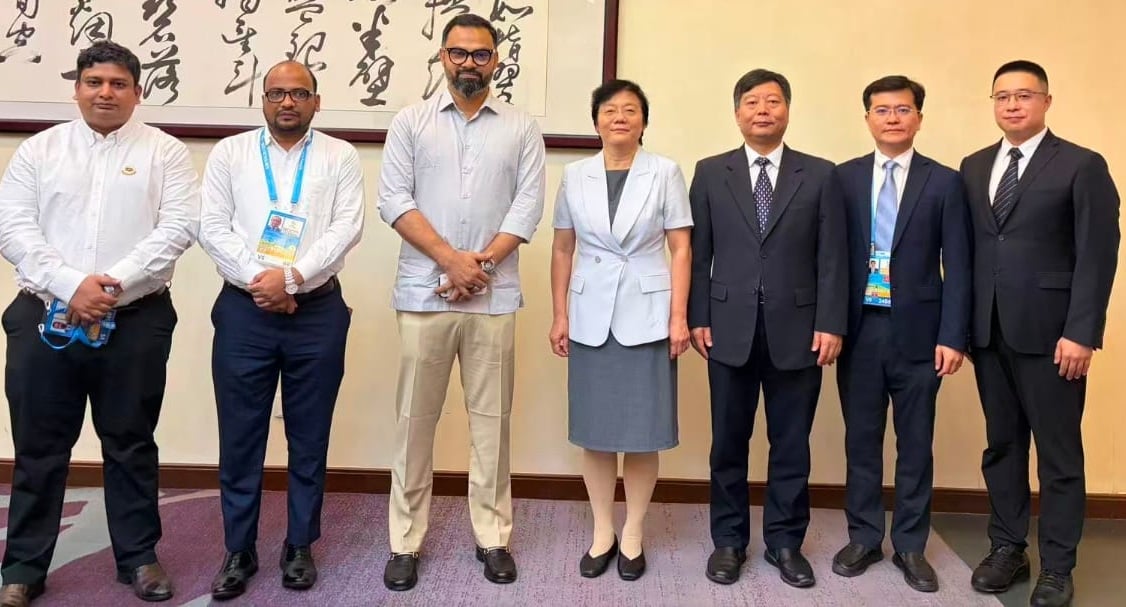
Bangladesh’s State Minister for Youth and Sports, Aminul Haque, is currently on a four-day official visit to Sanya, China, to attend the opening ceremony of the 6th Asian Beach Games that began on April 20. On the first day of his visit, he held a high-level bilateral meeting with Hainan Province Vice Governor Zhi Jing, Tourism and Sports Department Director General Chen Tiejun, and Sanya City Vice Mayor Fan Wei Zheng. The meeting emphasized strengthening sports diplomacy and mutual cooperation between Bangladesh and China. Discussions covered expanding technical collaboration in sports such as surfing, shooting, volleyball, and table tennis. Both sides agreed to exchange skilled coaches and modern technology to enhance training quality. Talks also included increasing scholarship opportunities in China for talented students from Bangladesh’s sports institutions like BKSP. A policy decision was reached to sign a memorandum of understanding and bilateral agreements to develop a roadmap for sports cooperation. Chinese representatives praised Bangladesh’s cricket achievements and expressed interest in recruiting experienced Bangladeshi cricket coaches. The meeting also discussed promoting women’s participation at the grassroots level and improving facilities for para-athletes. The minister’s visit continues until April 23 and is viewed as a new milestone in Bangladesh-China sports relations.
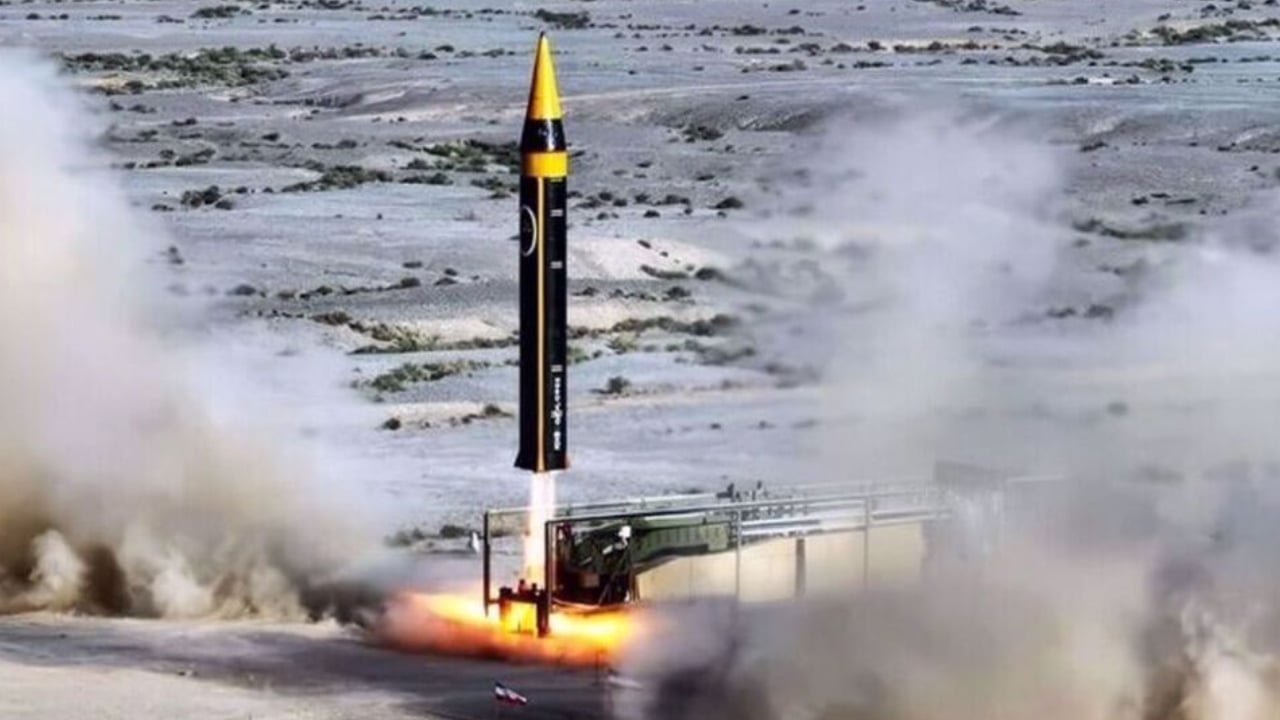
The Islamic Revolutionary Guard Corps (IRGC) has warned that any new aggression against Iran will be met with an immediate, decisive, and severe response. In a statement issued on Wednesday marking its anniversary, the IRGC said it is prepared to achieve 'unimaginable success' on the battlefield and to deploy new capabilities against its enemies. The force also threatened to strike remaining enemy installations in the region in ways that adversaries 'cannot even imagine.' The statement described the IRGC as a powerful popular force and said the Iranian nation takes pride in its strategic military capabilities alongside other branches of the armed forces. It claimed that Israeli and U.S. forces have come under pressure and weakened due to Iranian missile and drone attacks. The IRGC emphasized the need for vigilance and close monitoring of enemy behavior during ongoing talks and ceasefire discussions. According to the statement, major military infrastructures of Israeli and U.S. forces in the region have been severely damaged by operations led by Iran’s armed forces, particularly the IRGC.
Masrur Anwar Chowdhury, who alleged he was abducted and tortured at the RAB Taskforce for Interrogation (TFI) cell, told defense lawyers that his disappearance occurred because of his Facebook writings opposing Indian Prime Minister Narendra Modi. He made the statement on Wednesday afternoon during the second day of cross-examination at International Crimes Tribunal-1, where 17 accused, including Sheikh Hasina and several current and former army officers sentenced to death, are being represented. During questioning, defense lawyer Tabarak Hossain denied that Chowdhury was detained for his anti-Modi posts, but Chowdhury insisted the claim was true. He confirmed his involvement in charity work, including building a mosque for Rohingya refugees with funds collected from friends and relatives. He rejected allegations of involvement in militant activities. When Sheikh Hasina’s lawyer Amir Hossain suggested she was not responsible for his abduction or career damage, Chowdhury disagreed, asserting that Hasina was responsible. Chowdhury also stated he was not affiliated with any political party, though one of his cousins currently serves as the state minister for land.
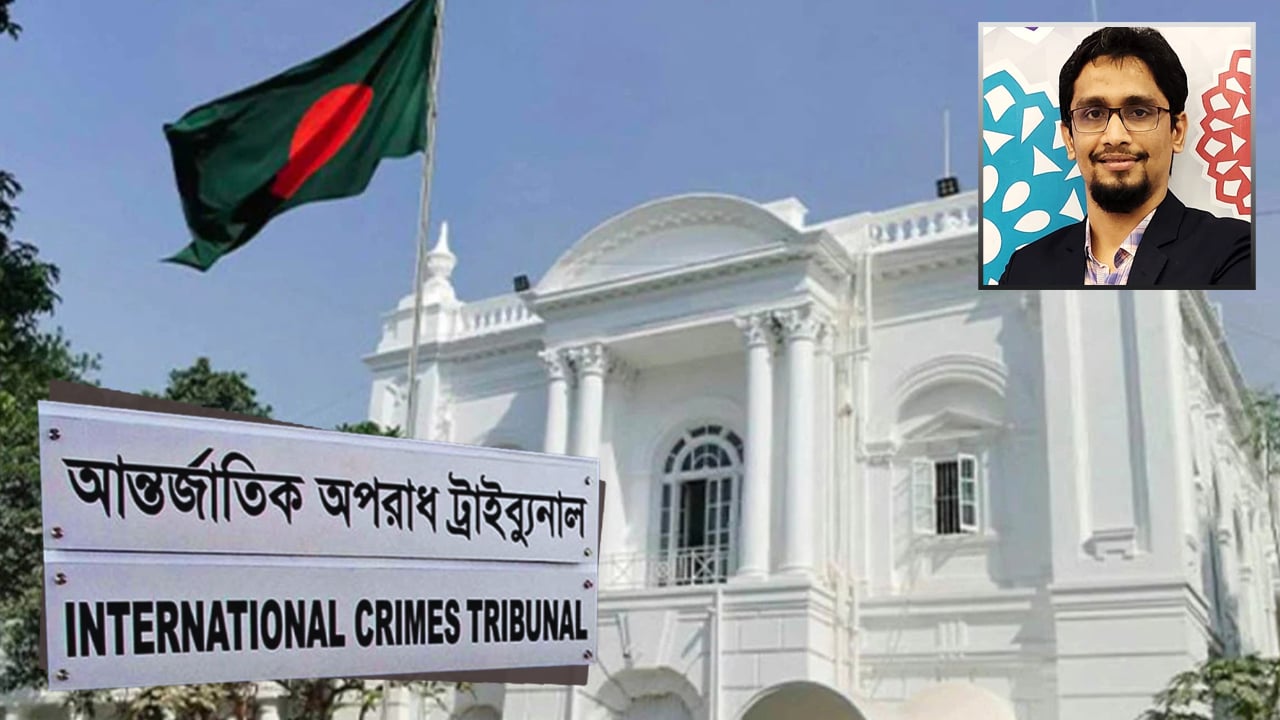
Dhaka University Central Students’ Union (DUCSU) Vice President Sadiq Kayem on April 22, 2026, criticized what he described as a return to violent politics following a clash between Chhatra Shibir and Chhatra Dal at Chittagong Government City College. Speaking to reporters outside the Kotwali Police Commissioner’s office in Chittagong, he said those who promote politics of violence, including attacks with sharp weapons, would be rejected by students. The previous day’s confrontation reportedly left 20 people injured, with Shibir alleging that one of its leaders, Ashraful Islam, had his ankle severed by Chhatra Dal members. Kayem stated that Chhatra Dal had not developed any new political narrative and accused it of reviving old fascist rhetoric. He claimed the clash was not over secret writings but that Shibir had used the issue to attack their rivals with machetes and other weapons. He also alleged that similar attacks by outsiders had occurred on other campuses, including in Rajshahi and Mymensingh. Kayem added that police had assured zero tolerance toward such violence and that preparations were underway to file cases against those involved.
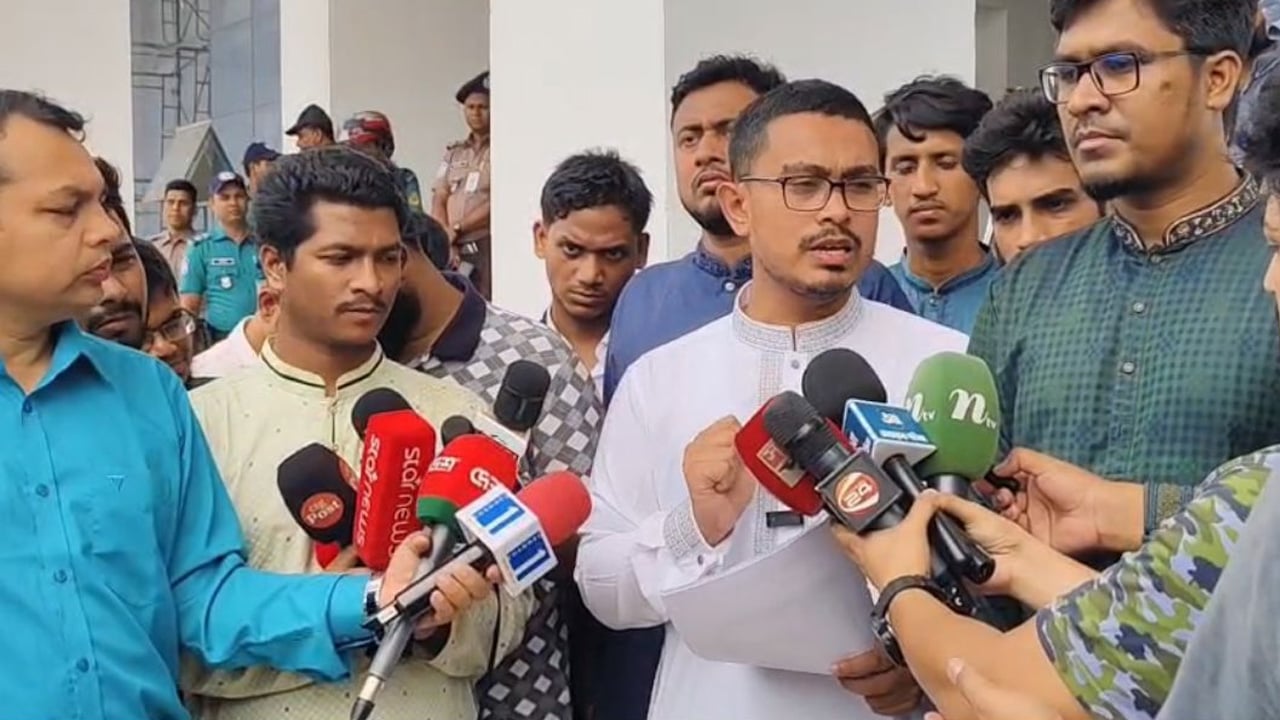
US President Donald Trump has announced an extension of the ceasefire, but Iran has yet to agree to talks with Washington. Pakistan is actively working to restart the stalled dialogue between the two nations, according to Maria Sultan, Director General of the South Asian Strategic Stability Institute University and adviser to Pakistan’s Ministry of Defence. She stated that Islamabad played a central role in extending the ceasefire and warned both sides that the alternative to dialogue is war. Sultan told Al Jazeera that without the ceasefire extension, the Gulf region’s military situation could have escalated rapidly, worsening tensions in the Strait of Hormuz where US military presence has increased. She confirmed that Pakistan is engaged in close discussions with both Washington and Tehran and has called for direct talks in Islamabad. Expressing optimism, Sultan said discussions could begin within 24 to 48 hours, emphasizing that both sides understand the grave consequences of renewed conflict for the region and the global economy.
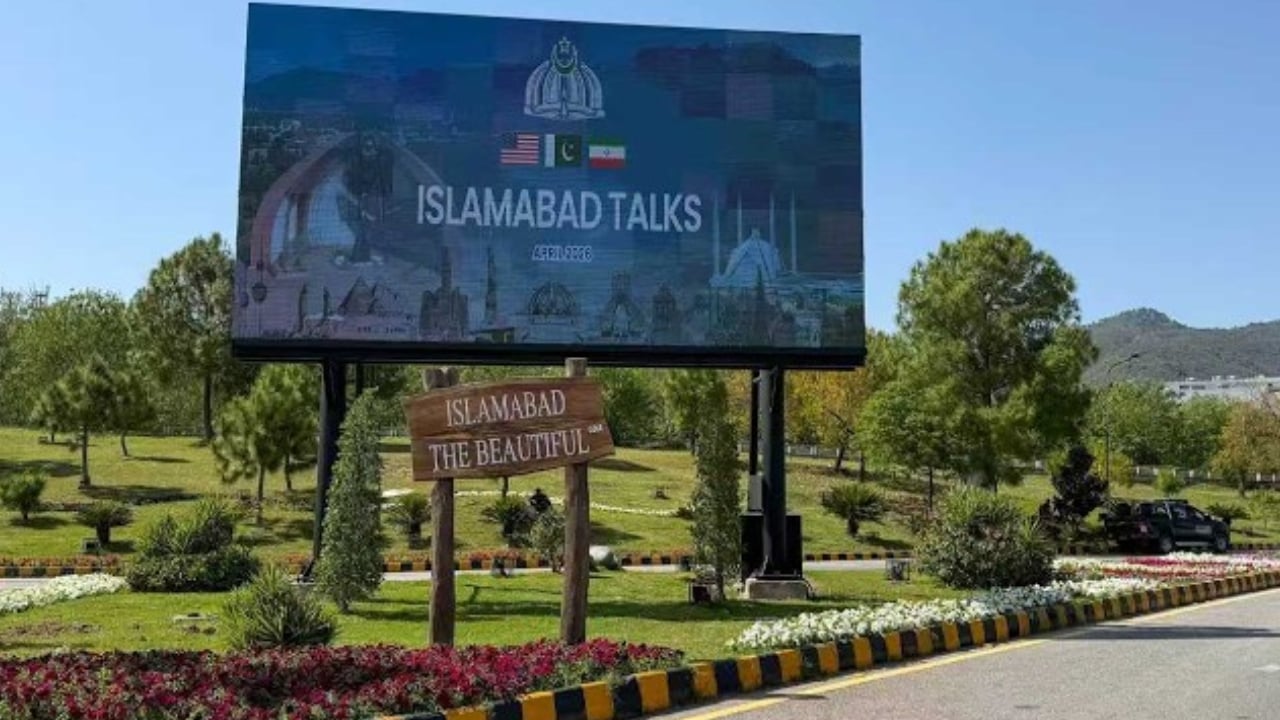
Dr. Golam Sarwar Liaquat Hossain Bhuiyan, director of the National Institute of Diseases of the Chest and Hospital, has warned that air pollution and smoking are driving a rise in respiratory illnesses across Bangladesh. In an interview published on April 22, 2026, he said that vehicle emissions, brick kilns, industrial pollution, mosquito coils, and sprays are key triggers for asthma, while chronic obstructive pulmonary disease (COPD) is mainly linked to smoking. He emphasized that persistent cough, chest pain, and breathing difficulties should prompt immediate medical consultation. The doctor noted that rural areas still face major challenges in diagnosing and treating chest diseases due to shortages of sputum testing and X-ray facilities. He added that Dhaka ranks among the world’s most polluted cities, citing vehicle smoke, construction dust, and unplanned industrialization as major causes. He urged stronger public awareness campaigns to discourage smoking and improve early detection of tuberculosis and other lung diseases. He also recommended expanding vaccination coverage for pneumonia among older adults to reduce severe outcomes and called for better diagnostic and referral systems in rural healthcare.
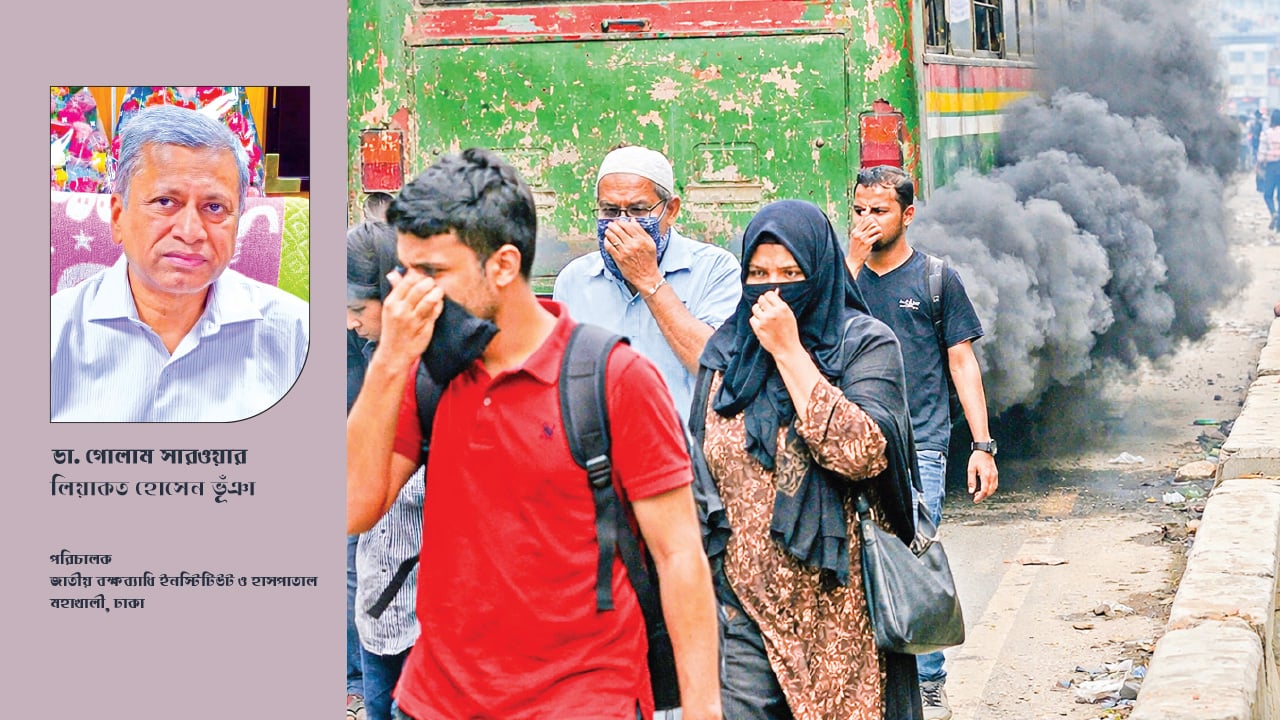
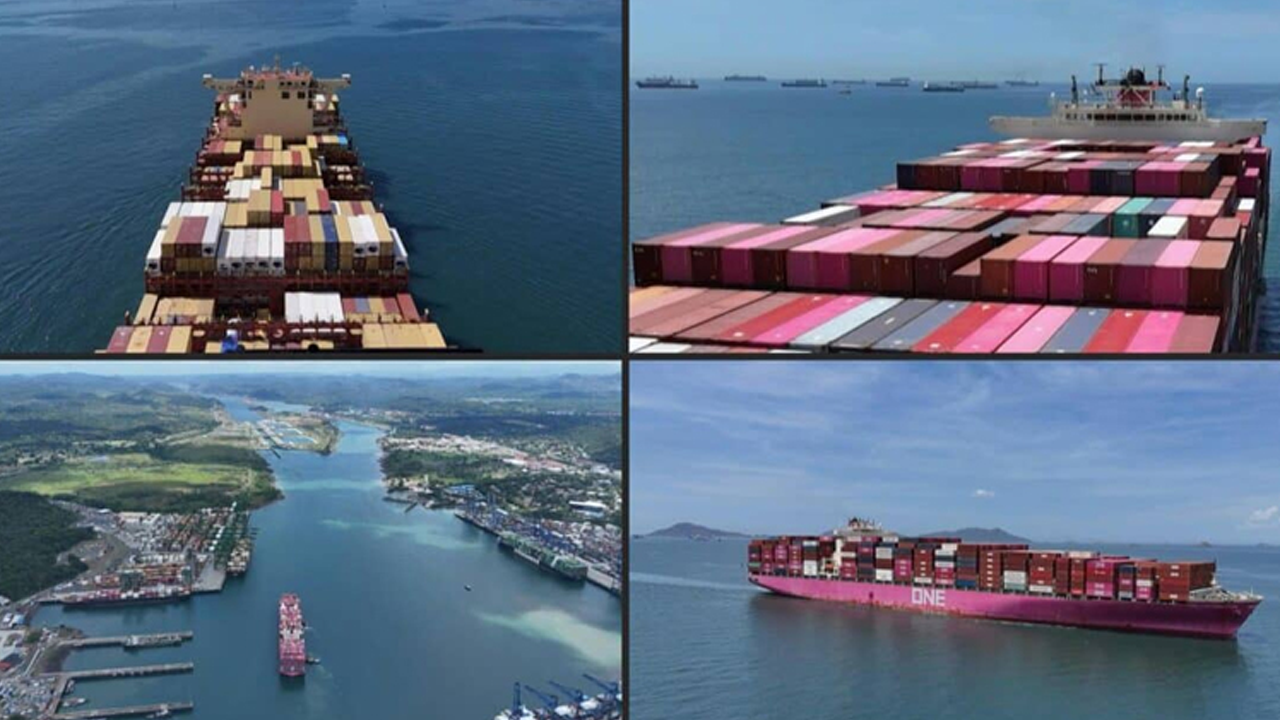
A government report stated that shipping costs through the Panama Canal have risen sharply as demand increased following the blockade of the Hormuz Strait due to the Middle East war. One liquefied natural gas (LNG) carrier reportedly paid an additional four million dollars to avoid long waiting times, which typically last around five days. The surge began after the U.S.-Israeli attacks on Iran on February 28, which led to the closure of the Hormuz Strait, a key route for one-fifth of global oil and gas exports. As a result, several Asian refineries have shifted to importing oil and gas from the United States via the Panama Canal instead of Gulf countries. The Panama Canal Authority reported that while daily vessel traffic remains stable, demand has increased, with average daily crossings rising from 34 in January to 37 in March, and occasionally exceeding 40 ships. Auction prices for priority passage have also soared, with LNG and oil tankers bidding millions of dollars. The canal handles about five percent of global maritime trade, linking the U.S. East Coast with Asia.
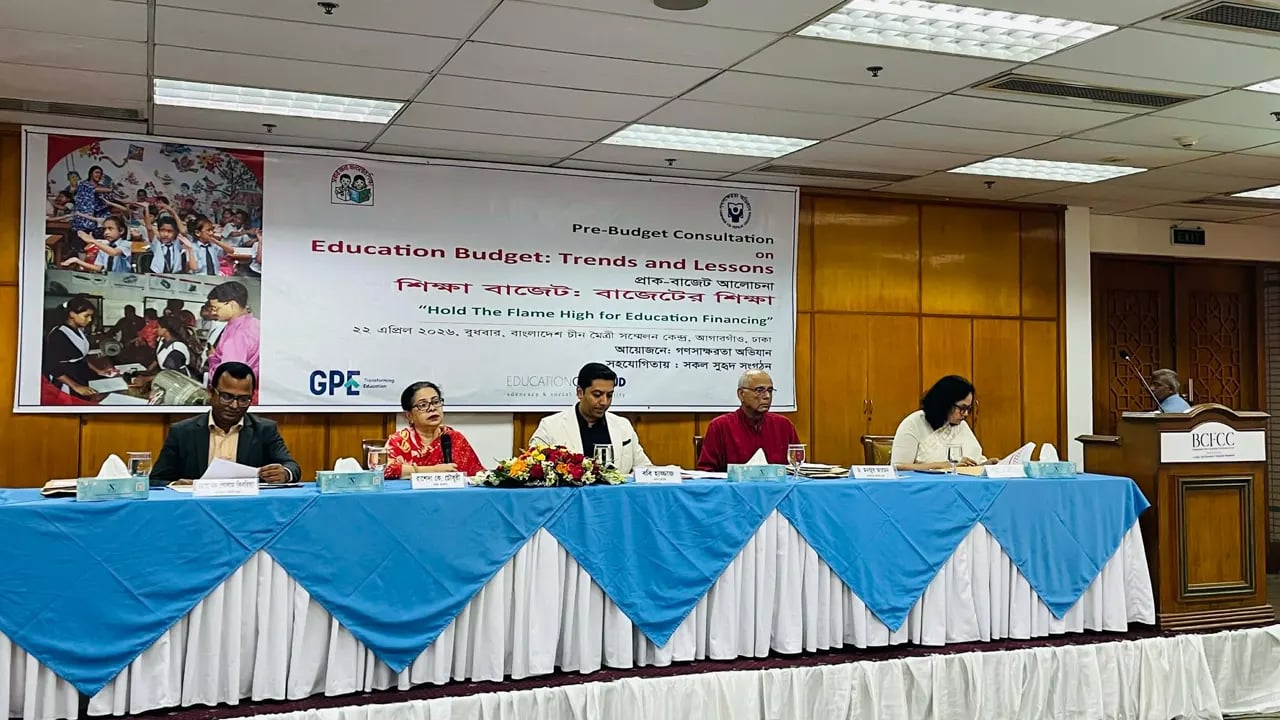
State Minister for Primary and Mass Education Bobby Hajjaj announced that a new curriculum will be introduced in primary education, and the use of coaching, notes, and guidebooks will be discontinued. He made the statement on Wednesday, April 22, during a discussion titled 'Education Budget: Budget for Education' organized by the Campaign for Mass Literacy. Hajjaj explained that the new curriculum will focus on learning through play and storytelling, emphasizing that it will be implemented carefully and in consultation with all stakeholders. He also highlighted infrastructure and security challenges, noting that around 65,000 schools currently lack security guards and that multimedia classroom equipment is often stolen. Additionally, he mentioned that students will begin learning a third language alongside Bangla and English. The minister said the government aims to address educational problems from the root level and ensure that reforms are planned and sustainable.
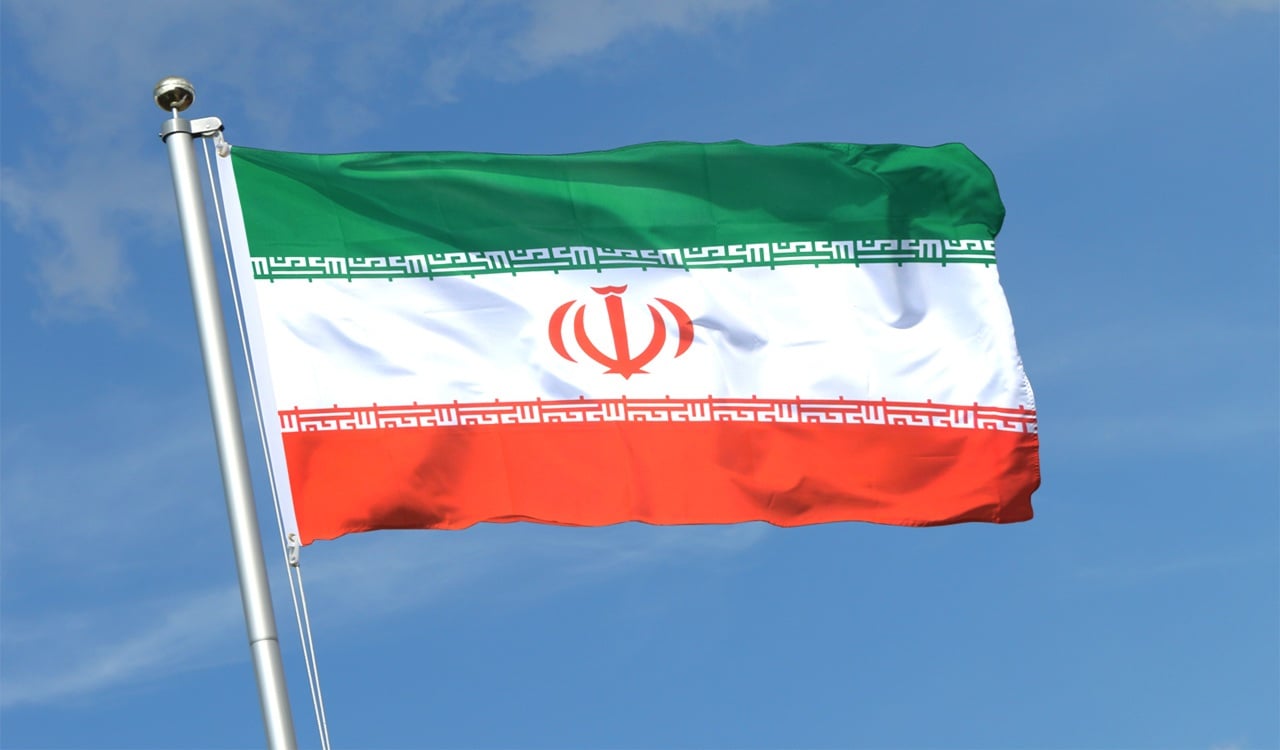
Iran has executed a senior civilian defense official found guilty of spying for Israel’s intelligence agency, Mossad. According to a report by Iran’s Mizan News Agency, the official, identified as Mehdi Farid, was hanged after the country’s Supreme Court upheld his death sentence. The report stated that Farid admitted to attempting to pass sensitive information to Israeli intelligence, including organizational details, facility designs, and personnel documents. The execution marks another instance of Iran’s strict enforcement of espionage laws amid ongoing tensions with Israel. The case, reported by Mizan and cited by Middle East Eye, underscores Iran’s continued focus on countering alleged foreign infiltration within its defense and intelligence sectors.
The ‘1 Nojor’ media platform is now live in beta, inviting users to explore and provide feedback as we continue to refine the experience.