

The ‘1 Nojor’ media platform is now live in beta, inviting users to explore and provide feedback as we continue to refine the experience.
After the second One Day International, New Zealand batter Nick Kelly said his team took too long to understand the pitch conditions and lost wickets at crucial moments, which led to their defeat against Bangladesh. He explained that early grass on the wicket made batting difficult, and losing partnerships at critical stages proved costly for the visitors. Kelly praised Bangladesh’s bowlers, noting that they performed well and were aided by the pitch. He specifically mentioned young pacer Nahid Rana, describing him as talented and quick, and said the wicket conditions suited him. Kelly contrasted his comments with teammate Dean Foxcroft’s earlier statement after the first match, when Foxcroft had said they understood the wicket well. With this loss, the three-match series is now level at 1–1, turning the final game in Chattogram into a virtual decider. Kelly expressed hope that New Zealand could recover and win the series in the last match.

Bangladesh Islami Chhatra Shibir has expressed deep concern over the arrest and harassment of citizens and political activists across the country for expressing dissenting opinions online. In a joint statement issued on Monday, the organization’s central president Nurul Islam and secretary general Sibgatullah condemned the incidents, alleging that the government has become desperate to silence public voices on social media within two months of coming to power. The statement cited several recent arrests, including individuals from Mymensingh, Dhaka, Munshiganj, Thakurgaon, and Bhola, allegedly detained for sharing Facebook posts or cartoons. The leaders described these actions as part of a broader effort to suppress dissent, accusing the government of double standards after promising freedom of speech before the election. They also criticized the misuse of the Cyber Security Act and Section 54 to target activists and ordinary citizens. Chhatra Shibir demanded the immediate and unconditional release of all detainees, including Hasan Nasim and Azizul Haque, and urged the government to accept criticism instead of intimidating the public.

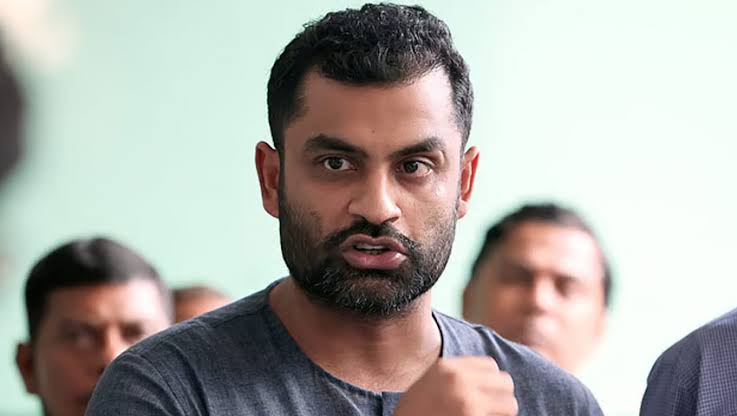
Tamim Iqbal, head of the ad hoc committee of the Bangladesh Cricket Board (BCB), announced that the board elections will be held in the second week of June. The National Sports Council had dissolved the previous BCB board, led by Aminul Islam Bulbul, on April 7 over allegations of irregularities and appointed an 11-member ad hoc committee. The committee was given 90 days to organize the next election, with its term ending on July 7. Tamim stated that the committee does not intend to use the full 90-day period and plans to hold a board meeting soon to prepare for the election. He also mentioned that efforts are underway to organize the election by the first week of June, but if that is not possible, it will be held in the second week. Additionally, Tamim revealed plans to introduce a special “Cricketers Card” offering privileges similar to a captain’s card for players who have represented Bangladesh. He also expressed his intention to reintroduce ball boys in domestic cricket, starting with the upcoming T20 series against New Zealand.
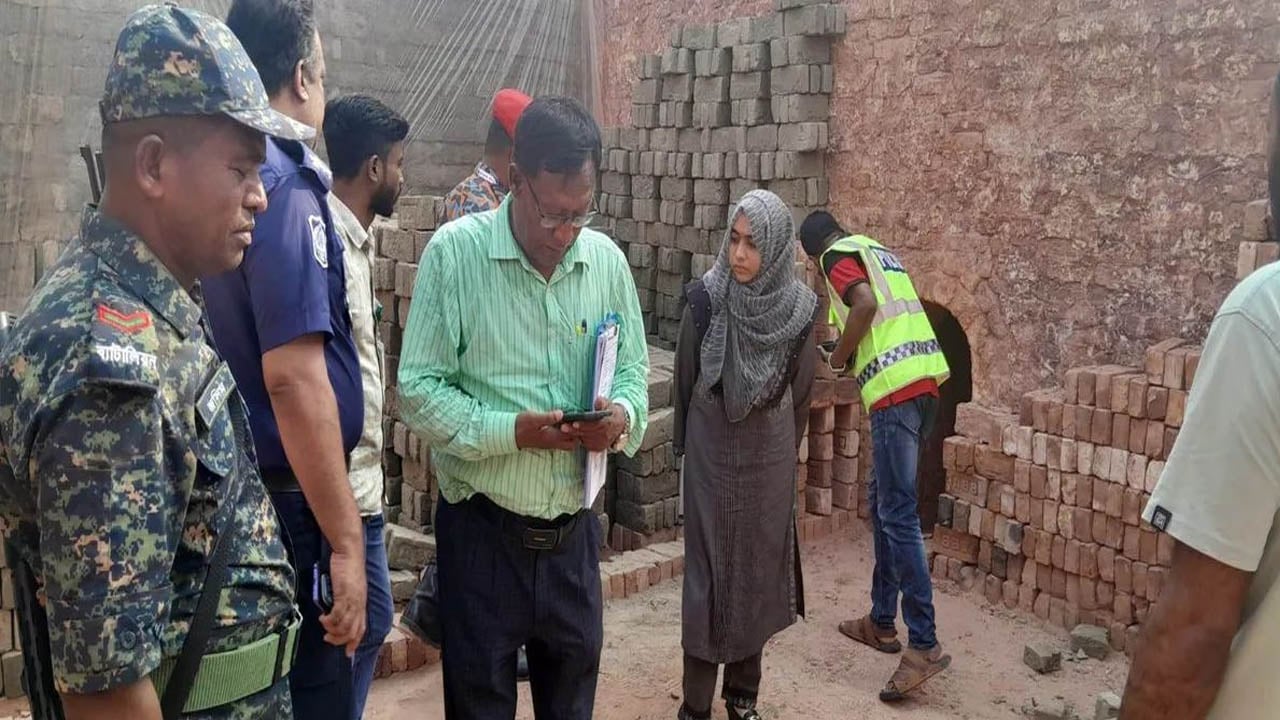
A mobile court of the Gazipur district administration fined a brick kiln three lakh taka during an anti-illegal brick kiln drive in Sreepur upazila. The operation took place on Monday afternoon in the Latifpur area, led by Assistant Commissioner and Executive Magistrate Prabhakar Roy. The court found the kiln operating in violation of government regulations and filed a case against its owner. Officials from the Department of Environment in Gazipur, including Research Officer Md. Mokbul Hossain and relevant inspectors, participated in the operation as prosecutors. Members of law enforcement agencies provided security support during the drive. Magistrate Prabhakar Roy stated that similar mobile court drives will continue regularly to enforce environmental protection and government directives against illegal brick kilns.
U.S. President Donald Trump stated that Vice President JD Vance and a delegation were en route to Pakistan to participate in peace talks with Iran. However, sources cited by Reuters reported that Vance remains in the United States and has not departed for Pakistan. It remains unclear when he will travel or whether other members of the U.S. delegation have already reached Islamabad. Earlier, the New York Post reported, quoting Trump, that Vance and the delegation were expected to land in Islamabad within hours. Pakistan is reportedly serving as the main mediator in efforts to initiate peace discussions between the United States and Iran. If the next round of talks proceeds, Islamabad is expected to host the negotiations. The situation highlights uncertainty surrounding the timing and composition of the U.S. delegation, as well as the broader diplomatic process aimed at restarting U.S.-Iran peace efforts.

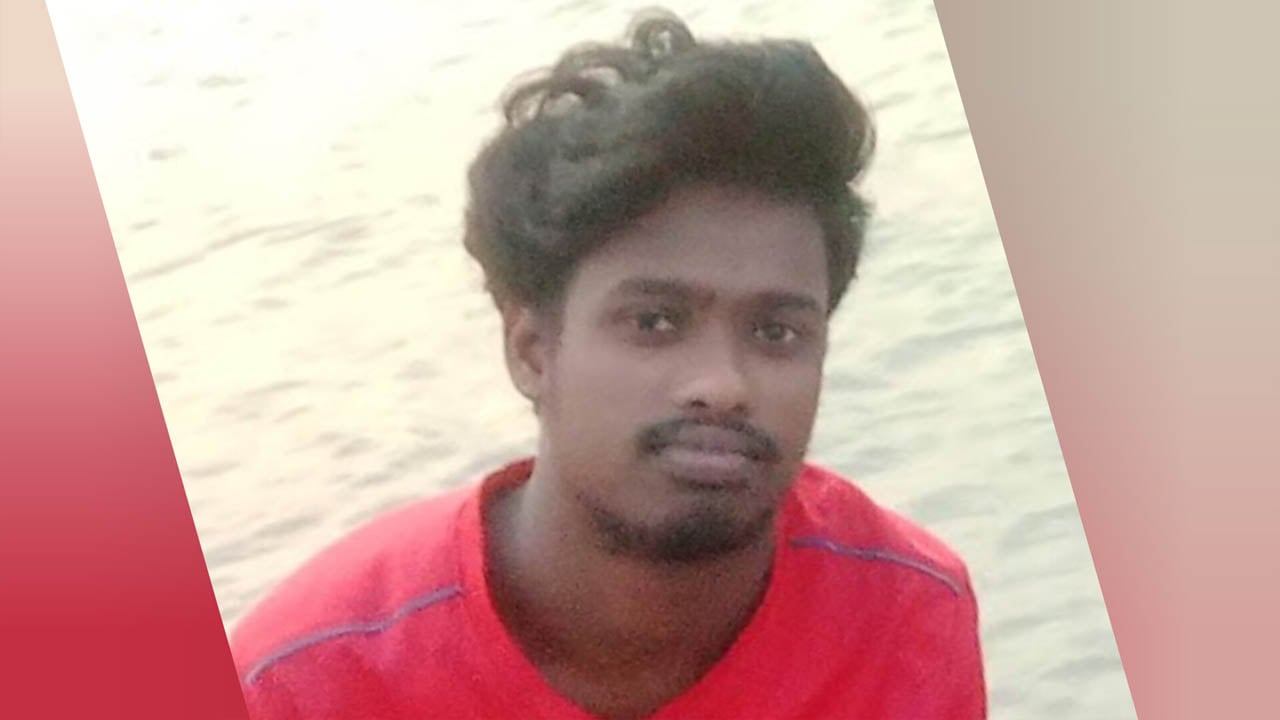
A 21-year-old man named Mobarak Hossain died after being electrocuted while attempting to connect a ceiling fan at his home in Uttar Algi area of Haimchar upazila, Chandpur. The incident occurred on Monday afternoon when Mobarak was working alone while other family members were asleep. He lost consciousness immediately after coming into contact with an electric wire. Family members rushed him to the emergency department of Haimchar Upazila Health Complex, where the attending doctor declared him dead. Local and family sources confirmed the sequence of events leading to the accident. Haimchar Police Station Sub-Inspector Samir Das verified the incident, stating that the young man was electrocuted while trying to perform electrical work himself.
The Directorate of Madrasah Education in Bangladesh announced that the transfer policy for teachers working in MPO-enlisted private madrasahs, appointed through NTRCA recommendations, is still at an initial stage of implementation. A notice issued on Monday, April 20, stated that the software used for submitting information on vacant posts has been temporarily closed for development work. Once the software upgrade is complete, a new schedule will be announced through another notice. According to the directorate, a policy has been formulated to manage transfers of MPO-listed madrasah teachers, but full implementation awaits finalization and ministry directives. Preparations are ongoing, and transfer applications will proceed according to official procedures once instructions are received from the ministry. Bangladesh currently has 8,229 MPO-enlisted madrasahs across different levels—Dakhil, Alim, Fazil, and Kamil—employing around 120,000 teachers and staff members nationwide.

The European Union has decided to impose new sanctions on individuals and entities linked to disruptions of maritime traffic in the Strait of Hormuz. Two EU diplomats confirmed the decision, saying member state ambassadors reached a political agreement to revise existing sanction criteria. This change will allow the EU to target those responsible for restricting freedom of navigation in the strategic waterway. The European External Action Service is expected to prepare a list of sanctioned parties within the coming weeks. The move follows heightened tensions since Iran closed the Strait of Hormuz on February 28, after the outbreak of conflict involving Iran, the United States, and Israel. The closure halted about one-fifth of global oil and liquefied natural gas supplies, causing major market instability. The EU had previously designated Iran’s Islamic Revolutionary Guard Corps as a terrorist organization in January and sanctioned several Iranian officials in March over human rights violations. The new sanctions are expected to increase international pressure on Tehran as regional stability remains fragile following renewed maritime incidents and a temporary reopening of the strait.

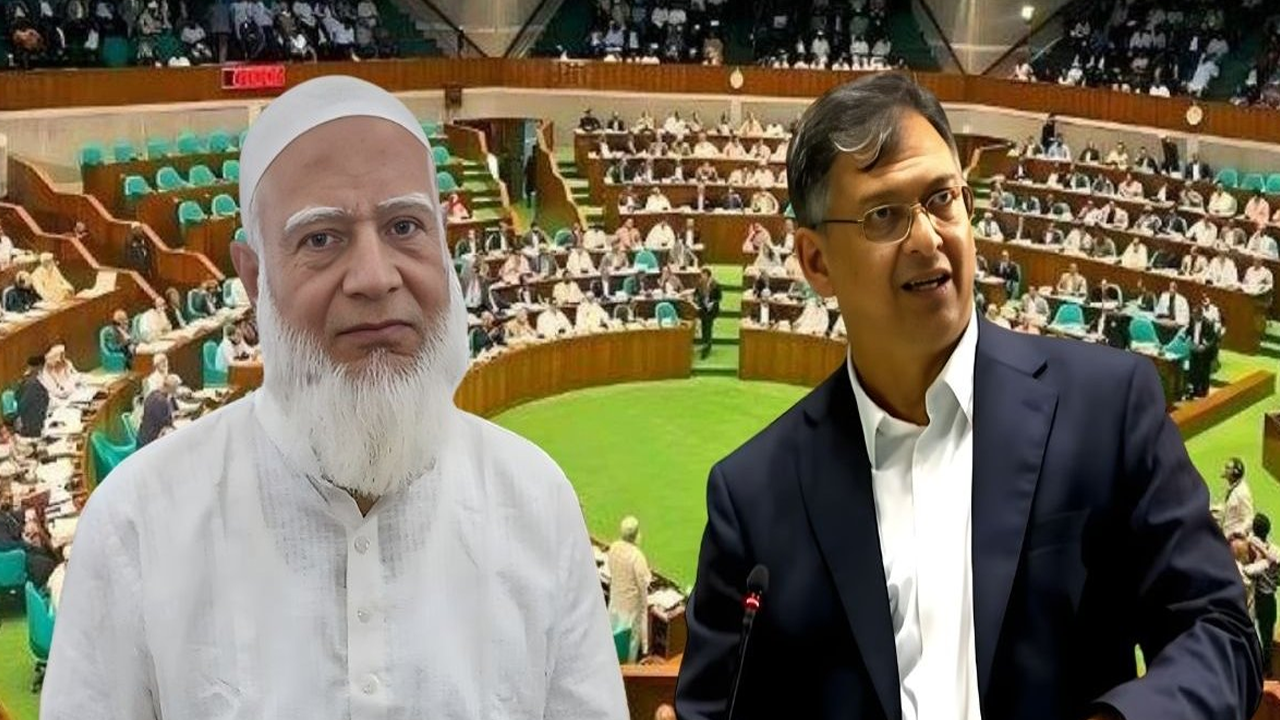
In the Bangladesh Parliament on April 20, 2026, Opposition Leader Dr. Shafiqul Rahman and Home Minister Salahuddin Ahmed engaged in a heated exchange over an adjournment motion under Rule 62 concerning the national energy situation. The Deputy Speaker had earlier rejected two similar motions, citing that the Energy Minister had already delivered a statement under Rule 300. Dr. Rahman argued that the ongoing energy shortage was the most pressing issue in the country and warranted immediate discussion, while the Home Minister questioned the necessity of another debate after the ministerial statement. The Home Minister maintained that there was no energy or fuel crisis, asserting that price adjustments were made only to prevent smuggling and maintain order. He suggested that the discussion could proceed under Rule 68 without adjourning the session. Dr. Rahman accepted this proposal but requested extended time and the presence of the Leader of the House during the debate. The Deputy Speaker agreed to allow a one-hour discussion under Rule 68, emphasizing the need for a constructive and harmonious parliamentary dialogue. The exchange highlighted differing perspectives between the government and opposition on the severity of the energy situation and the appropriate parliamentary procedure for addressing it.
A police officer in Chuadanga’s Alamdanga, previously fined by a mobile court, has been cleared of all charges. Additional District Magistrate B.M. Tarikuzzaman issued the order on Sunday, April 20, 2026, following an appeal hearing. The decision came after the officer, Touhidul Islam, was fined 500 taka on April 16 for allegedly breaking a fuel queue while collecting petrol for an emergency service vehicle. The incident had sparked anger within the Chuadanga district police. According to a statement from Additional Superintendent of Police (Crime and Ops) Jamal Al Naser, law enforcement vehicles are entitled to collect fuel through an alternative line as per district administration directives. The police appealed the mobile court’s decision, arguing that the punishment was inappropriate. Upon reviewing the case documents, the Additional District Magistrate found that proper legal procedures were not followed during the mobile court proceedings. The April 16 order was annulled, and Touhidul Islam was formally acquitted. However, the court noted that refunding the 500 taka fine was beyond its jurisdiction.

Sarjis Alam, the northern chief organizer of the National Citizens Party (NCP), has accused the Bangladesh Nationalist Party (BNP) of deceiving its alliance partners. In a Facebook post on Monday night, he said BNP failed to include any alliance members in the new cabinet, despite earlier promises of forming a strong national government. Alam noted that out of 25 ministers, none came from allied parties, and BNP also did not nominate any allies for the 36 reserved women’s seats, all of which went to BNP members. He contrasted this with Jamaat-e-Islami, which, despite receiving only 12 reserved seats, allocated one seat each to NCP, JAGPA, and Bangladesh Khelafat Majlish. Alam said this demonstrated Jamaat’s political commitment and generosity, which he believes will serve as an example in future Bangladeshi politics. The statement reflects growing frustration among smaller alliance partners over what they view as BNP’s lack of inclusiveness and failure to honor coalition commitments.

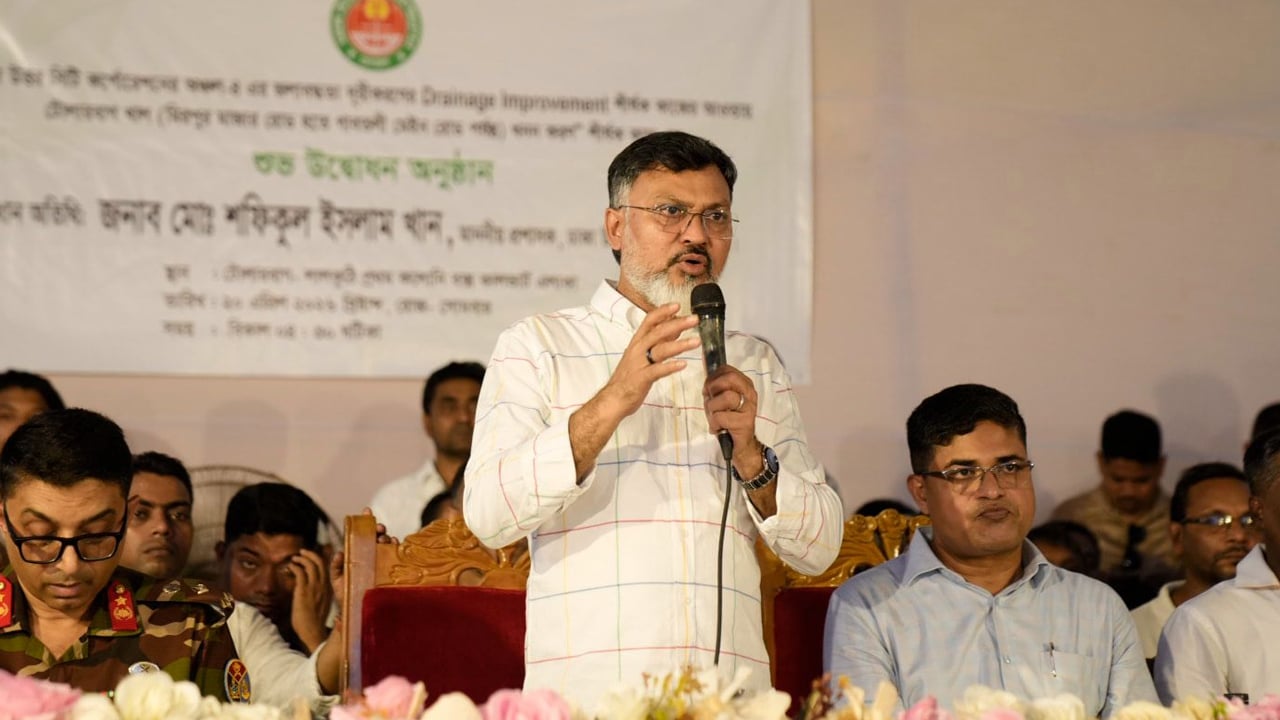
Dhaka North City Corporation (DNCC) Administrator Md. Shafiqul Islam Khan inaugurated the excavation and cleaning activities of the Tolarbag Canal, stretching from Mirpur Mazar Road to Gabtoli Main Road, on Monday afternoon in Mirpur. During the event, he emphasized the importance of maintaining work quality, ensuring timely completion, and proper use of public funds. The administrator stated that DNCC’s primary commitment is to build a livable city by ensuring efficient use of taxpayers’ money. He instructed officials to closely monitor contractors to prevent substandard work and stressed that all projects must be completed within the tender-specified timeframe. He also mentioned that he personally inspects sites and approves bills only after satisfactory progress. Highlighting the role of clean canals in mosquito control, he urged residents not to dump waste into waterways. Ahead of the upcoming Eid-ul-Azha, he announced that DNCC has prepared a waste management plan to clean the city within six hours on Eid day and continue operations for 72 hours.
The United Arab Emirates’ state security agency announced on Monday that it had arrested members of an Iran-aligned group accused of planning sabotage operations aimed at disrupting national security and unity. According to the UAE’s official news agency WAM, the detainees were allegedly preparing coordinated acts of sabotage within the country to destabilize peace and cohesion. Investigations revealed that the group sought to recruit Emirati youth to advance its own agenda and had been collecting funds through unauthorized means to transfer abroad. Authorities said the network maintained secret contacts with foreign organizations and held covert meetings both domestically and internationally to plan attacks on sensitive sites. The group faces charges of running a clandestine organization, pledging allegiance to foreign powers, and attempting to undermine national stability. The arrests follow last month’s reported crackdown on a Hezbollah- and Iran-linked money-laundering network. The UAE government reiterated that it would not tolerate any form of foreign interference in its internal security affairs amid ongoing regional geopolitical tensions.

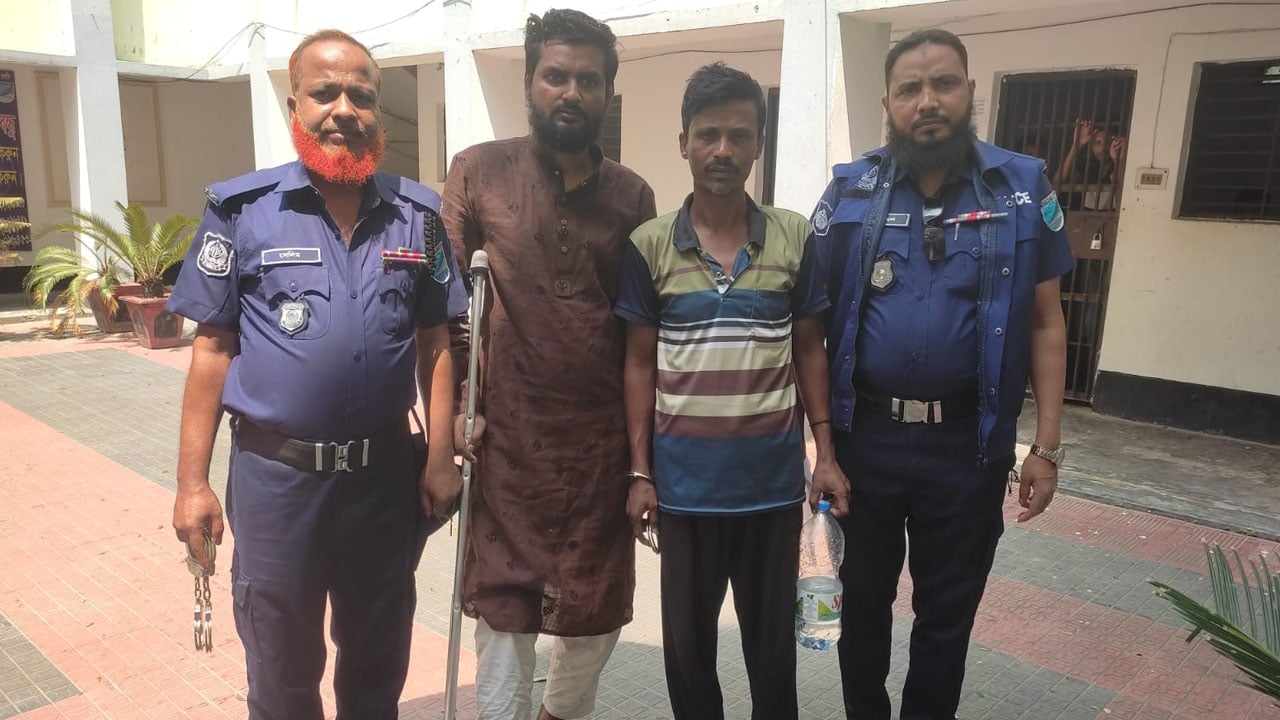
Police in Shibchar, Madaripur, have arrested two suspects linked to the robbery of an oil-laden truck. The arrests were made on Saturday, April 19, 2026, during special operations conducted with technological assistance in separate locations in Cumilla and Narayanganj. Authorities recovered the stolen truck, cash amounting to 192,000 taka from oil sales, and various police equipment. The detainees were identified as Azizul Mia, aged 31, and Mokles Rahman, aged 33. According to police sources, the robbery occurred on the night of April 12 when a truck carrying 75 barrels of palm oil left Dhaka for Jhenaidah. Around midnight near Naodoba in Shariatpur, a gang intercepted the vehicle, attacked the driver and his assistant with sharp weapons, and seized the truck. The injured victims were later abandoned in Bakherkandi, Shibchar. Following the incident, a case was filed at Shibchar Police Station, leading to the arrests through subsequent operations. Police officials confirmed that the recovered items included the looted truck and cash proceeds from the stolen oil.
The Bangladesh Nationalist Party (BNP) has nominated Beethika Binte Hossain, wife of late BNP leader and former Jatiyatabadi Swechchhasebak Dal president Shafiul Bari Babu, for a reserved women’s seat in parliament. Party members believe the nomination reflects recognition of both her husband’s lifelong political sacrifices and her own contributions to the party’s grassroots activities. The Election Commission has already announced the schedule for the reserved women’s seat election, with April 21 set as the last date for nomination submission and April 22–23 for scrutiny. Shafiul Bari Babu was known as a strong voice against fascism and autocracy, spending much of his life in hiding or in prison for his political activism. Following his death in 2020, Beethika became active in politics, working in Lakshmipur’s Ramgati and Komolnagar areas to strengthen local party structures and support community initiatives. She also founded a humanitarian organization named “Orpon Alok,” which assists oppressed and underprivileged people. According to party sources, BNP is finalizing candidates based on merit, sacrifice, and organizational contribution. Leaders view Beethika’s nomination positively and expect her to strengthen the party’s position in parliament.

The ‘1 Nojor’ media platform is now live in beta, inviting users to explore and provide feedback as we continue to refine the experience.