

The ‘1 Nojor’ media platform is now live in beta, inviting users to explore and provide feedback as we continue to refine the experience.
Thirty leaders and activists from the anti-discrimination student movement and the platform Up Bangladesh have formally joined the National Citizens Party (NCP). The joining took place on Sunday afternoon at the NCP headquarters during an official ceremony attended by the new members. Among those who joined are Ali Ahsan Junayed and Rafe Salman Rifat, both former presidents of the Dhaka University student organization and key initiators of Up Bangladesh. Others include Sani Abdul Haque, joint general secretary of AB Party; Rifat Rashid, president of the anti-discrimination student movement; Hasib Al Islam, chief coordinator; and Shahadat Hossain, office secretary. Several additional activists such as Shahriz Sultana Ira, Ayman Rahat, Hasan Tanvir, Wahid Alam, Mohammad Jasimuddin, Sajjad Sabbir, and S M Sweet also joined the party. The event marks a notable expansion of NCP’s organizational base through the inclusion of leaders from multiple youth and student platforms.

Bangladesh Jamaat-e-Islami has expressed deep sorrow and grief over the deaths of 12 people in lightning strikes that occurred across several districts in a single day. The statement was issued on Sunday by Advocate Ehsanul Mahbub Zubair, the party’s Assistant Secretary General and head of its Central Publicity and Media Department. In the statement, Zubair described the deaths as tragic and heartbreaking, mentioning that the incidents took place in districts including Sunamganj, Kishoreganj, Rangpur, Netrokona, Mymensingh, and Habiganj. He particularly noted the suffering of farmers and laborers in the haor regions who lost their lives while working for their livelihood. He prayed for the forgiveness of the deceased and for patience and strength for their bereaved families, also wishing a quick recovery for the injured. Zubair urged the authorities to strengthen weather forecasting and awareness programs to prevent such tragedies in the future, calling for divine protection from similar disasters.

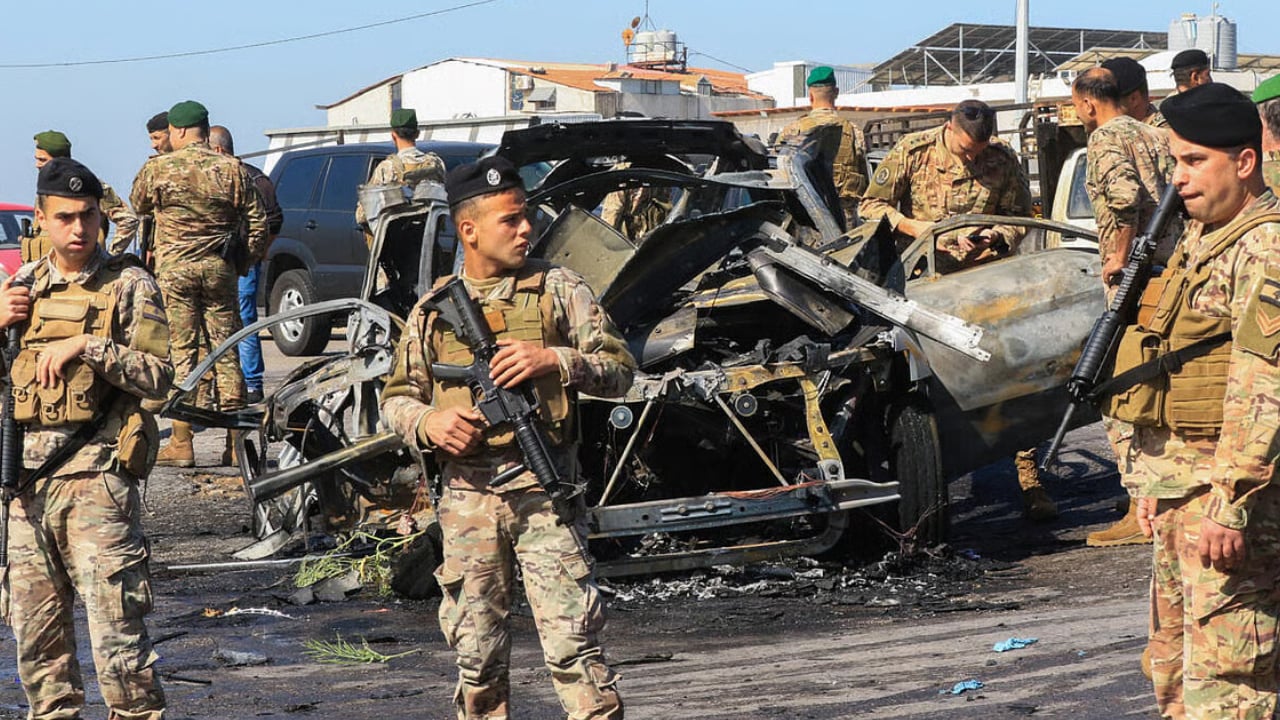
Two Israeli soldiers were killed in southern Lebanon over the past two days despite an ongoing ceasefire, according to the Israeli Defense Forces (IDF). The IDF reported that the deaths bring the total number of Israeli soldiers killed since the conflict began to fifteen. Sergeant Major (Reserve) Barak Kalfon died one day before 31-year-old Sergeant Lidor Porat was killed on Saturday. The IDF also confirmed that twelve other soldiers were injured, but provided no further details. Israel has been carrying out attacks in its northern neighbor Lebanon. The Lebanese Ministry of Health stated that more than two thousand people have been killed and another seven thousand injured in the past six weeks of hostilities. A ten-day ceasefire came into effect earlier this week, though the recent deaths indicate continued tensions despite the truce. The situation underscores the fragility of the ceasefire and the ongoing humanitarian toll in Lebanon as both sides report casualties.
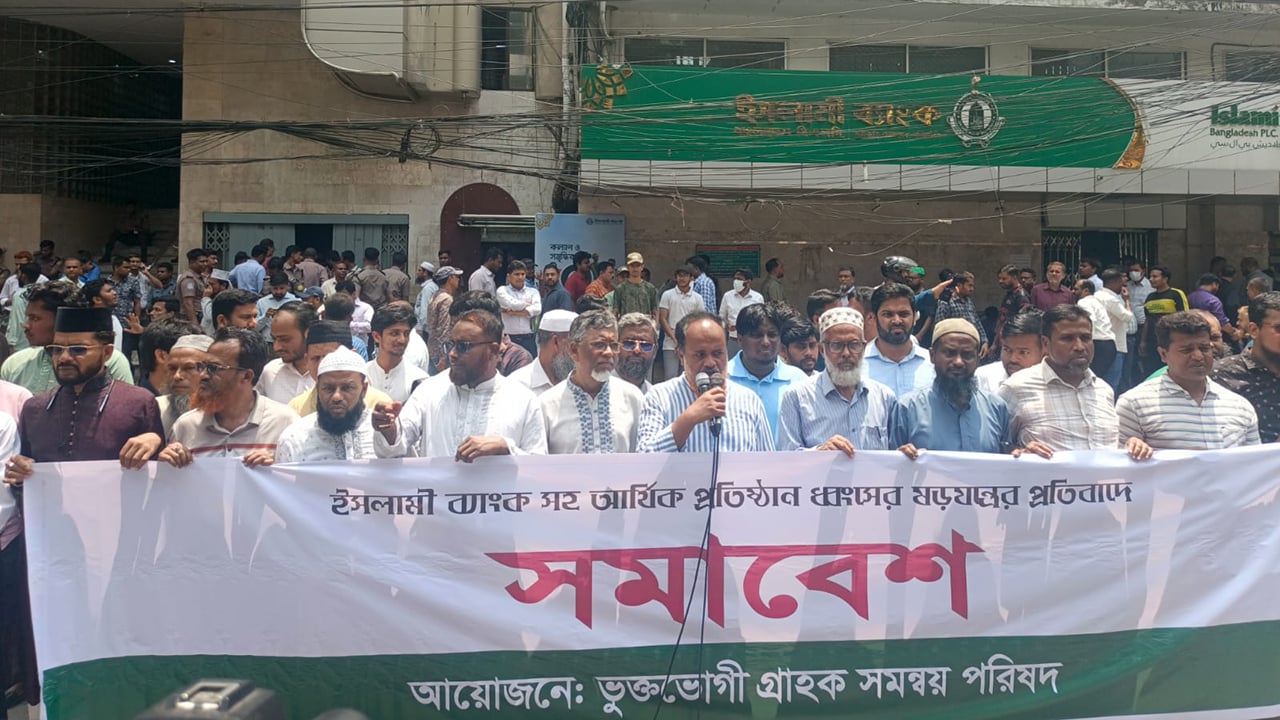
Victims’ Coordination Council of Islamic Bank customers held a protest in Dhaka following a human chain by dismissed employees of six banks. During the demonstration, participants demanded the arrest of businessman S Alam, recovery of allegedly laundered money, and cancellation of a new clause in the bank resolution law. They displayed banners calling for an end to attempts to seize control of Islamic Bank and denouncing what they termed a ‘black law’ on bank ownership. Nurun Nabi Manik, president of the Islamic Bank Customers’ Coordination Council, announced a 15-day program alongside five specific demands. These included arresting S Alam and other alleged looters, confiscating their assets, repealing clause 18/Ka of the bank resolution law, and returning bank ownership to its original owners. The protesters also warned the government against allowing any illegal groups to take control of the bank. The protest reflected growing frustration among Islamic Bank customers over alleged irregularities and ownership disputes, with participants urging immediate government action to restore transparency and accountability in the banking sector.
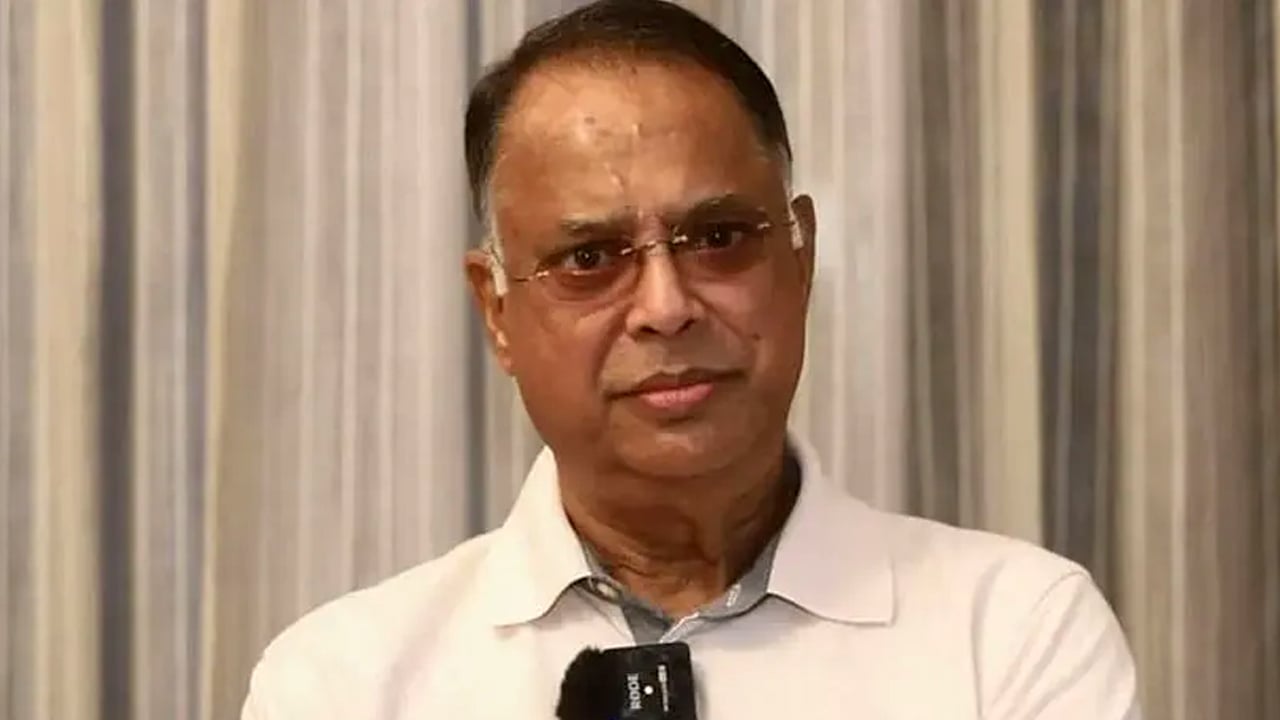
Bangladesh’s Minister of Power, Energy and Mineral Resources, Iqbal Hasan Mahmud Tuku, announced that the government has been compelled to increase fuel prices due to the ongoing war situation in the Middle East. He made the statement during a briefing at the Secretariat on Sunday, noting that despite the price hike, the government continues to provide subsidies on fuel. The minister explained that the decision was made in response to global circumstances affecting energy markets. He acknowledged that the price increase could have some impact on the domestic market but emphasized that the government had to act considering the international context. The announcement reflects the government’s effort to balance domestic economic pressures with external geopolitical developments influencing global fuel prices.
The Philippines has declared a one-year national energy emergency as rising tensions between Iran and Israel threaten to disrupt oil shipments through the strategically vital Strait of Hormuz. President Ferdinand Marcos Jr. warned that the country’s energy security faces imminent danger. In response, the government has launched extensive programs for energy conservation, subsidies, and direct cash assistance to citizens. According to the report, 98 percent of the Philippines’ energy supply passes through the Hormuz Strait, leaving the country with no alternative but to act decisively. The situation serves as a wake-up call for developing, import-dependent economies such as Bangladesh, which could face similar vulnerabilities. The article emphasizes that global market instability directly affects transportation, agriculture, and industry in such nations. The author suggests that Bangladesh should establish at least a three-month strategic energy reserve, diversify import sources through regional diplomacy, and accelerate domestic exploration of gas and coal. Expanding renewable energy production and enforcing strict energy-saving policies are also deemed essential to ensure long-term national energy security.

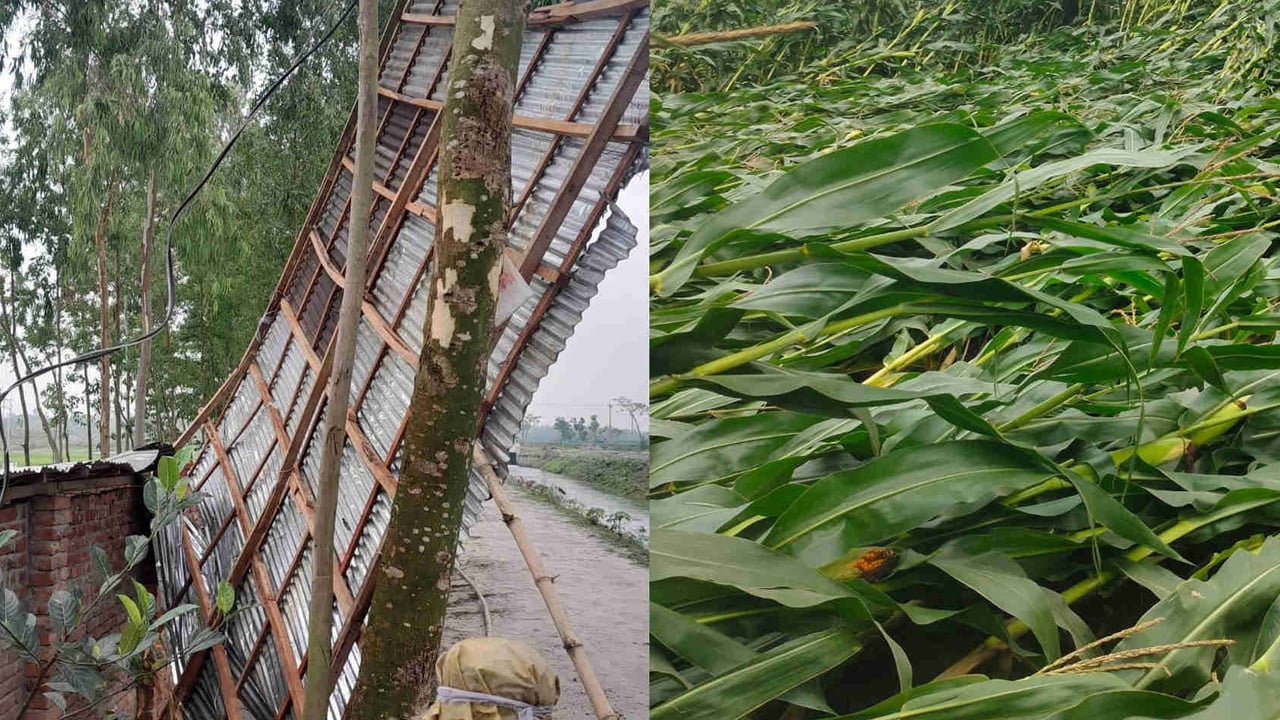
A severe storm struck Kishoreganj in Nilphamari on the night of April 18, 2026, damaging more than a hundred houses and causing extensive crop losses. The storm, accompanied by heavy rain and strong winds, hit Sadar, Barovita, and Magura unions around 8 p.m., uprooting trees and tearing off roofs. Fallen trees snapped power lines, leaving several villages including Durakuti and Gada without electricity. Local officials reported significant damage. Magura Union Parishad Chairman Akhtaruzzaman Mithu said around 30 houses in his area were affected, with widespread crop and tree damage. Upazila Agriculture Officer Lokman Alam confirmed that 35 hectares of maize fields were damaged. The local power office stated that repair work was underway and electricity could be restored by afternoon. The Upazila Project Implementation Officer reported 70 damaged houses across three unions, and the Upazila Nirbahi Officer said assistance lists were being prepared for affected residents. Authorities have informed higher officials and initiated recovery efforts to restore power and support affected families.
The country’s only state-owned Diammonium Phosphate Fertilizer Company Limited (DAPFCL) in Anwara, Chattogram, has stopped production. The factory management announced the shutdown at around 7 p.m. on Saturday, April 19, 2026. The plant, which began commercial fertilizer production in 2006, had been dependent on ammonia supplies from Karnaphuli Fertilizer Company Limited (KAFCO) and Chittagong Urea Fertilizer Limited (CUFL). According to DAPFCL officials, both KAFCO and CUFL halted ammonia production on March 4 due to a gas shortage, disrupting DAPFCL’s operations. The company’s General Manager (Administration), Abdul Jalil, said the factory does not produce ammonia itself and had been using stored reserves, which have now been exhausted. Managing Director Moinul Haque confirmed that the ammonia supply stoppage had placed production at risk, leading to the shutdown. The closure of DAPFCL follows earlier production halts at KAFCO and CUFL, signaling a broader impact of the ongoing gas crisis on Bangladesh’s fertilizer industry.

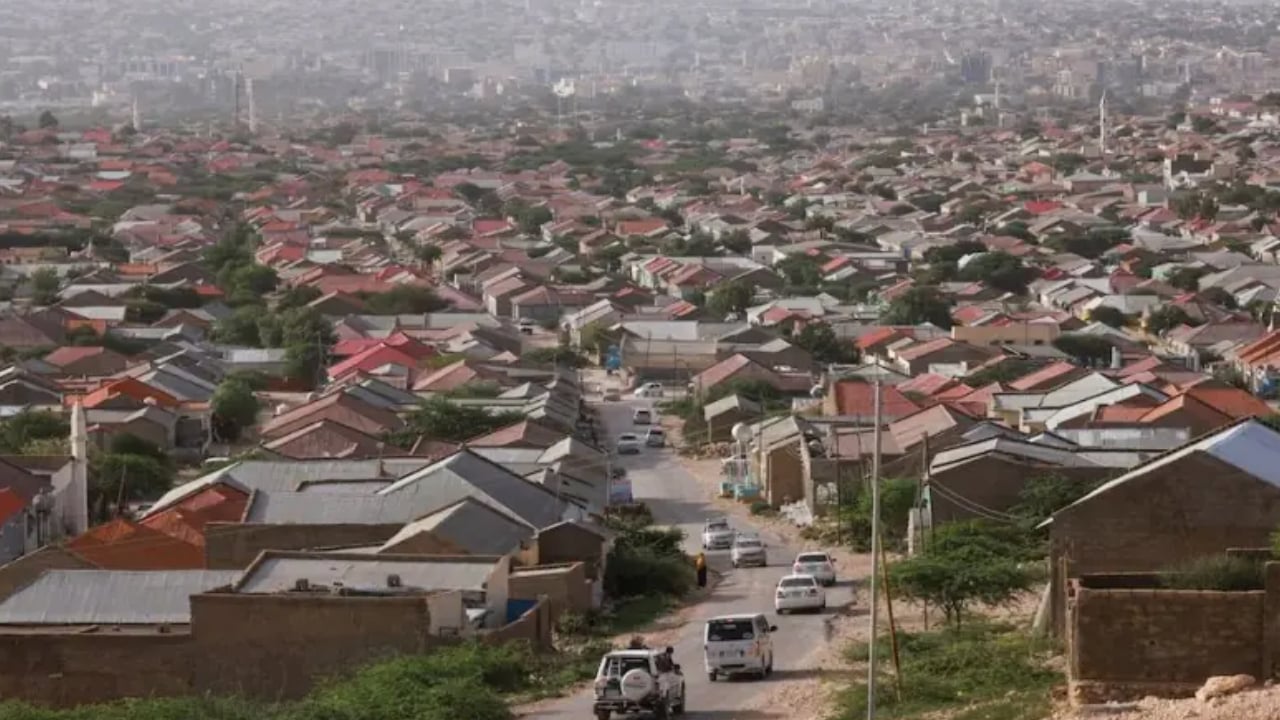
Bangladesh and eleven other countries have strongly condemned Israel’s announcement to appoint a diplomatic representative in Somaliland, a self-declared breakaway region of Somalia. The joint statement, issued on April 19, 2026, described the move as a serious violation of Somalia’s sovereignty, unity, and territorial integrity. The countries involved are Bangladesh, Saudi Arabia, Egypt, Somalia, Sudan, Libya, Algeria, Palestine, Turkey, Indonesia, Pakistan, and Kuwait. Their foreign ministers emphasized that Israel’s decision contravenes the principles of international law, the United Nations Charter, and the Constitutive Act of the African Union. The statement reaffirmed unwavering support for Somalia’s legitimate state institutions and its territorial unity. According to the joint declaration, the nations warned that Israel’s action sets a dangerous precedent and could undermine stability in the Horn of Africa, posing risks to regional peace and security.
Iran’s Islamic Revolutionary Guard Corps (IRGC) announced that the Strait of Hormuz will remain completely closed until the United States lifts its blockade on Iranian ports. The IRGC also confirmed that the previously designated safe passage route for ships, which allowed transit through the strait upon coordination and payment of fees, has now been suspended. According to a statement published by Iranian state media, the IRGC canceled all prior permissions that allowed vessels to cross the strait after paying tolls to Iranian authorities. The IRGC Navy warned that any ship attempting to breach the blockade would be targeted. Tehran considers the US blockade a violation of the ceasefire between the two countries, the statement added. The closure of the Strait of Hormuz, a key maritime route, signals heightened tensions between Iran and the United States, with potential implications for regional trade and security if the standoff continues.

Bangladesh pacer Shariful Islam has said that the toss could again play a decisive role in the upcoming second One Day International against New Zealand. In the first match, Bangladesh lost the toss and bowled first, managing to restrict New Zealand to a low total but ultimately failing to secure victory. Shariful noted that the team’s fortune at the toss might have influenced the result and expressed hope for a better outcome in the next game. Shariful, who joined the national team directly from the Pakistan Super League, mentioned that adjusting to the heat was challenging but manageable. He said that switching from T20 to ODI cricket in such weather conditions was tough but he adapted with effort. Reflecting on his own performance, he described his bowling as satisfactory but admitted disappointment over the team’s loss. The comments highlight Bangladesh’s focus on improving conditions and execution in the second match as they seek to level the series against New Zealand.

Public transport fares in Chattogram rose on Sunday morning following a nationwide increase in fuel prices. Diesel-powered local Mahindra and tempo services raised fares on routes such as Bahaddarhat to New Bridge and Bahaddarhat to WASA from 18 to 22 taka. Local bus fares also climbed by up to 20 taka, while the Muradpur–Fatikchhari Bibirhat route saw fares rise from 100 to 120 taka. However, long-distance transport operators have not yet implemented fare adjustments. Transport officials said inter-district fare changes will depend on formal decisions from vehicle owners. On the Chattogram–Cox’s Bazar route, operators are maintaining previous rates until further notice. Drivers reported difficulties obtaining fuel due to long queues and the recent price surge. The government increased fuel prices by 15 to 20 taka per liter effective from midnight on April 18, raising diesel by 15 taka, octane by 20, petrol by 19, and kerosene by 18 taka. The hike has directly affected living costs, with daily commuting expenses rising by 20 to 50 taka for many residents.

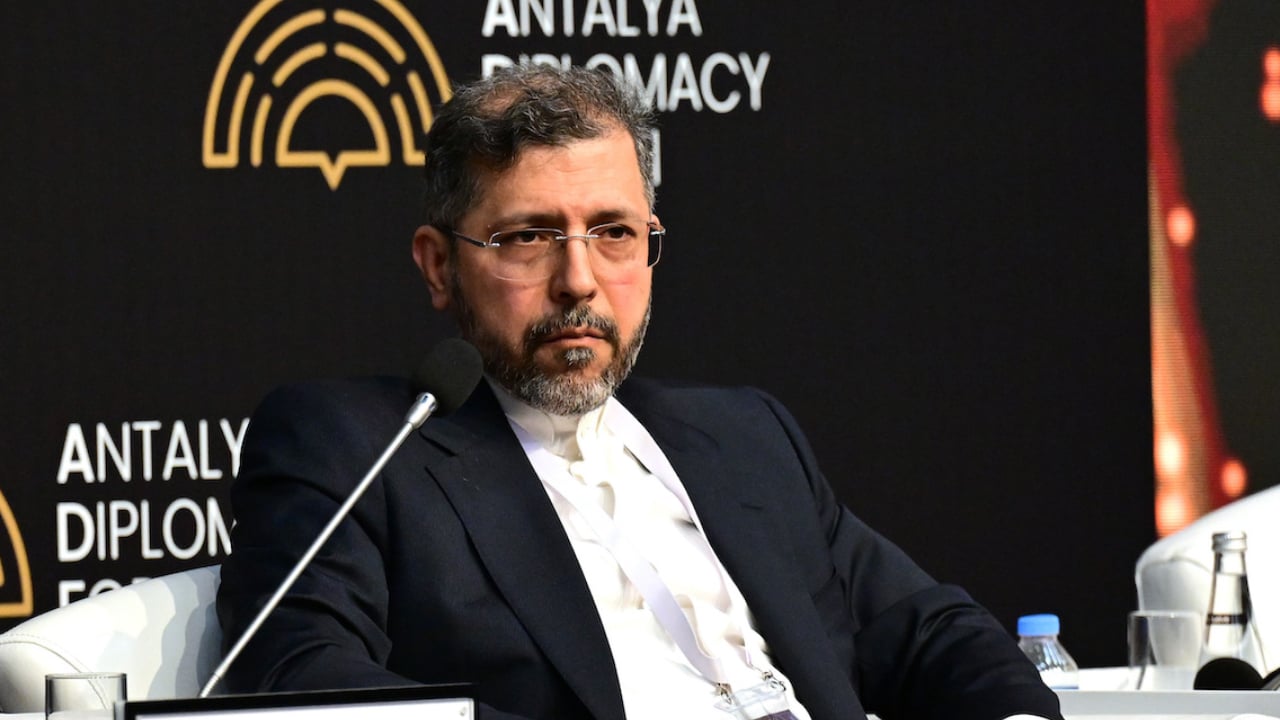
Iran’s Deputy Foreign Minister Saeed Khatibzadeh stated that no date has been set for the next round of talks between Iran and the United States. He explained that both sides must first finalize the framework of an understanding before any new meeting can take place. His comments came after U.S. President Donald Trump suggested that direct discussions might resume this weekend. The first round of talks between the two countries ended last weekend without any agreement. Speaking to reporters on the sidelines of a diplomatic forum in Turkey, Khatibzadeh said Iran is focused on finalizing the structure of an understanding and does not want to enter discussions that are likely to fail or escalate tensions. He added that progress had been made, but additional demands from the U.S. side prevented a deal, particularly regarding Iran’s nuclear program. Khatibzadeh emphasized that Iran would not accept being treated as an exception under international law, underscoring Tehran’s stance on sovereignty and legal equality in negotiations.
Bangladesh’s Minister of Power, Energy and Mineral Resources, Iqbal Hasan Mahmud Tuku, stated on Sunday, April 19, 2026, that domestic oil prices have increased only slightly compared to the sharp rise in global markets. Speaking to journalists, he explained that instability in the international energy market has already caused the government an additional expenditure of two billion US dollars on fuel imports. The minister noted that global oil prices have nearly doubled since the onset of the war, creating significant economic pressure on the government. Despite this, he said the government has not raised domestic prices proportionally, prioritizing public relief and economic stability. Tuku added that the government is maintaining market stability by providing subsidies and absorbing the extra costs itself to minimize public hardship and preserve overall economic balance.
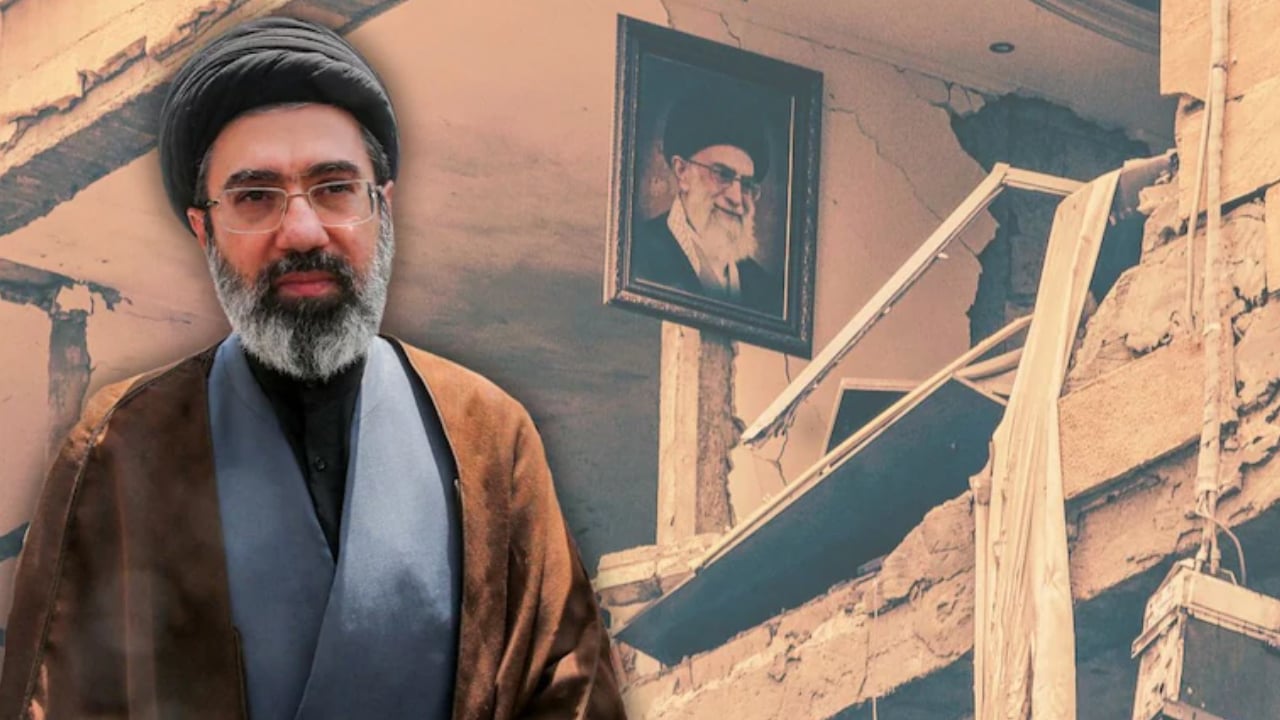
Iran’s Supreme Leader Mojtaba Khamenei has warned that the United States and Israel will face a severe defeat. His message, broadcast on Iran’s state television, declared that the Iranian navy is prepared to deliver such a response. The statement comes as tensions rise in the Strait of Hormuz, where reports indicate that at least two commercial vessels have come under fire. In a separate televised statement, Iranian Parliament Speaker Bagher Ghalibaf also warned that war could resume at any moment. He said Tehran does not trust the United States and cautioned that renewed conflict could erupt suddenly. The warnings from both leaders were aired early Sunday on state television. The developments highlight escalating regional instability around the Strait of Hormuz, a critical maritime route, as both military and political leaders in Iran signal readiness for confrontation.
The ‘1 Nojor’ media platform is now live in beta, inviting users to explore and provide feedback as we continue to refine the experience.