

The ‘1 Nojor’ media platform is now live in beta, inviting users to explore and provide feedback as we continue to refine the experience.
The Dhaka Metropolitan Police (DMP) has imposed strict security measures ahead of the 2026 SSC, Dakhil, and Vocational examinations scheduled to begin on April 21. According to a public notice signed by Acting Commissioner Md. Sarwar, entry of anyone other than examinees and authorized personnel will be prohibited within 200 yards of all examination centers in the capital. The DMP stated that the restriction is being enforced under the powers granted by the Dhaka Metropolitan Police Ordinance to ensure that the examinations are conducted in an orderly and peaceful manner. The order will remain effective on examination days during the test hours. Authorities said the decision aims to prevent any form of disturbance near the centers and to allow students to take their exams without disruption.

Iran’s Islamic Revolutionary Guard Corps Navy (IRGC) announced on Saturday that the Strait of Hormuz is closed and any vessel attempting to pass through will be targeted. The decision reverses an earlier reopening of the vital waterway less than 24 hours prior. The IRGC said the closure will remain until the United States lifts its naval blockade on Iranian vessels and ports, calling the blockade a violation of the ceasefire in the ongoing US-Israel war on Iran. The statement warned that any ship approaching the strait would be considered cooperating with the enemy. Iranian parliament speaker Mohammad Bagher Ghalibaf said the strait is under Iran’s control and criticized the US blockade as “clumsy and ignorant.” The reversal came after Iran briefly reopened the strait in line with a 10-day ceasefire between Israel and Lebanon, which had led to a temporary drop in global oil prices. Reports from the United Kingdom Maritime Trade Operations and India’s Ministry of External Affairs indicated that Iranian gunboats fired on two commercial ships. US President Donald Trump warned that Washington would not be blackmailed and threatened to end the ceasefire if no deal is reached before its expiry. Analysts said the renewed closure signals a return to heightened tensions and competing blockades in the region.

An Israeli soldier was killed in southern Lebanon despite a ceasefire currently in effect between Israel and Lebanon, according to the Israel Defense Forces (IDF). The IDF stated that the soldier died from injuries sustained during fighting on Friday, and three other soldiers were wounded in the same incident. The report was carried by the BBC, citing the IDF statement. The ceasefire between the two countries has been in place since April 16 and is set for ten days, but tensions remain high. The IDF said it continues to operate across southern Lebanon between the Israeli border and the designated demarcation line to eliminate threats, asserting that these actions are consistent with the terms of the ceasefire. Lebanese state media reported that one person was killed in an Israeli airstrike on Friday. Details about the specific circumstances of the clashes and the identities of those involved have not been released, leaving uncertainty about the scale of the confrontation.
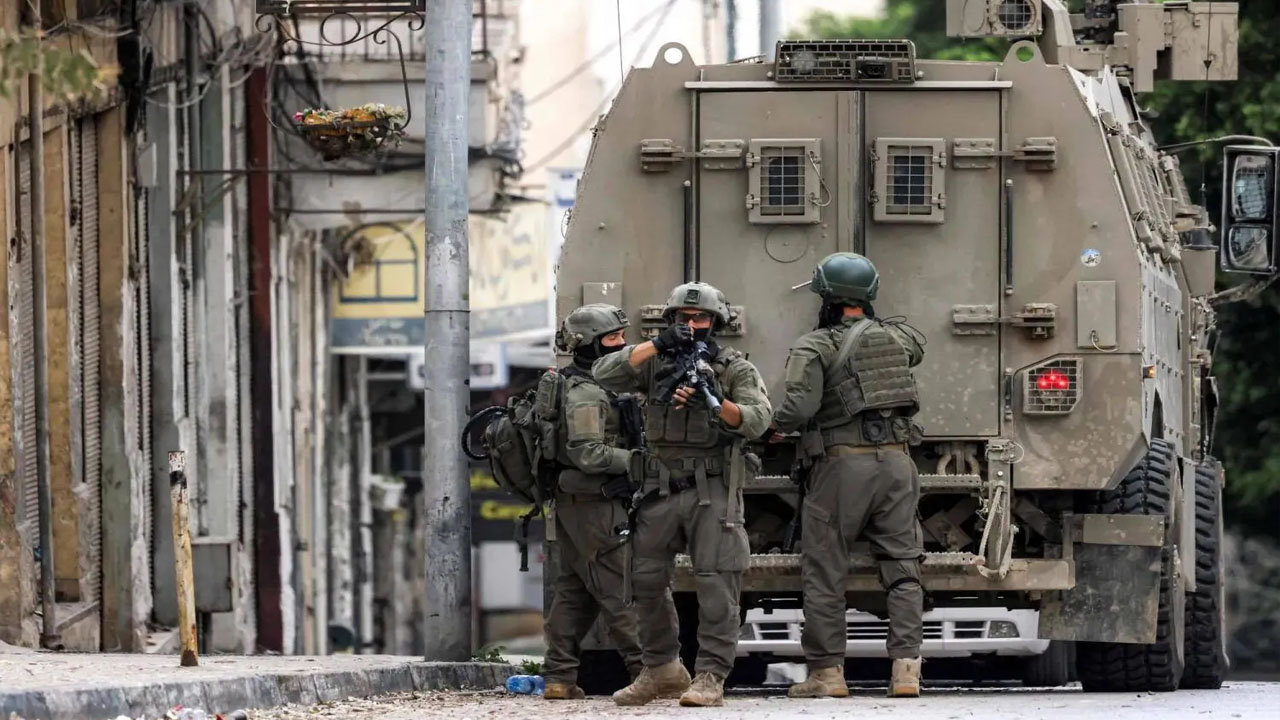
A powerful nor'wester storm struck Taraganj upazila in Rangpur on Saturday night, causing extensive damage across several unions. Beginning around 8 p.m. and lasting for three hours, the storm brought strong winds, lightning, and heavy rain that uprooted hundreds of trees and damaged numerous houses. Electricity supply was cut off in many areas, plunging residents into hardship. According to local sources, the hardest-hit areas were Haryarkuthi, Alampur, and Kursha unions. Tin roofs were blown away, mud houses collapsed, and many families were forced to spend the night under the open sky. In Ward 8 of Kursha Union, more than 20 houses were reported destroyed. Fallen trees and branches blocked major roads, temporarily halting traffic until local residents, representatives, and administration teams began clearing operations. Officials from Taraganj Palli Bidyut Samiti-2 confirmed that multiple power lines were severed when trees fell on them, causing widespread outages. The upazila executive officer and local representatives visited the affected areas to assess the damage.

The United Nations Children’s Fund (UNICEF) has expressed strong outrage after two water truck drivers contracted to supply clean water to families in Gaza were shot dead by Israeli forces. The incident occurred at the Mansura water filling station in northern Gaza, the only operational truck filling point on the Mekorot line supplying Gaza City. UNICEF confirmed that two others were injured during the attack, which took place while regular water supply operations were underway without any procedural changes. Following the incident, all operations at the filling point have been suspended. UNICEF has called on Israeli authorities to conduct an immediate investigation and hold those responsible accountable. The agency emphasized that humanitarian workers, emergency service providers, and civilian infrastructure—especially essential water supply systems—must never be targeted. UNICEF reiterated that under international humanitarian law, civilians and life-saving aid providers must be protected at all times.

Iranian Parliament Speaker Mohammad Bagher Ghalibaf has described the blockade of Iranian ports as an 'unwise and wrong decision,' according to Al Jazeera. Speaking on state television, Ghalibaf said he had warned that if the United States did not lift its blockade, movement through the strait would be restricted. In a video message, he claimed that the Strait of Hormuz is currently under Iran’s control. Ghalibaf added that when the United States attempted a mine-clearing operation in the strait, Iran strongly resisted and confronted them. Referring to the U.S. blockade, he said Iran considered it a violation of the ceasefire and warned that any such action would be met with attacks. Since the start of the war, Ghalibaf has emerged as one of the key figures in Iran’s administration and led the Iranian delegation in recent U.S.-Iran talks held in Islamabad. The remarks highlight Iran’s firm stance on maritime control and its growing assertiveness amid ongoing tensions with the United States.

Iran’s Deputy Foreign Minister Saeed Khatibzadeh has declared that the country will not hand over its enriched uranium to the United States, describing President Donald Trump’s demand as unacceptable. Speaking to the Associated Press, Khatibzadeh said Iran is not ready to resume talks with U.S. officials because Washington has failed to abandon what Tehran views as excessive demands regarding its nuclear program. Khatibzadeh referred to Trump’s recent post claiming the U.S. was prepared to go to Iran to collect “all nuclear dust.” In response, he reaffirmed that no enriched uranium would be sent to the United States under any circumstances. He emphasized that while Iran remains open to addressing legitimate concerns, it will not accept any proposal it deems entirely unacceptable. Following Trump’s recent assertions about securing major concessions from Iran, Khatibzadeh noted that multiple exchanges have taken place between the two sides but accused Washington of remaining inflexible on demands Tehran considers unreasonable.
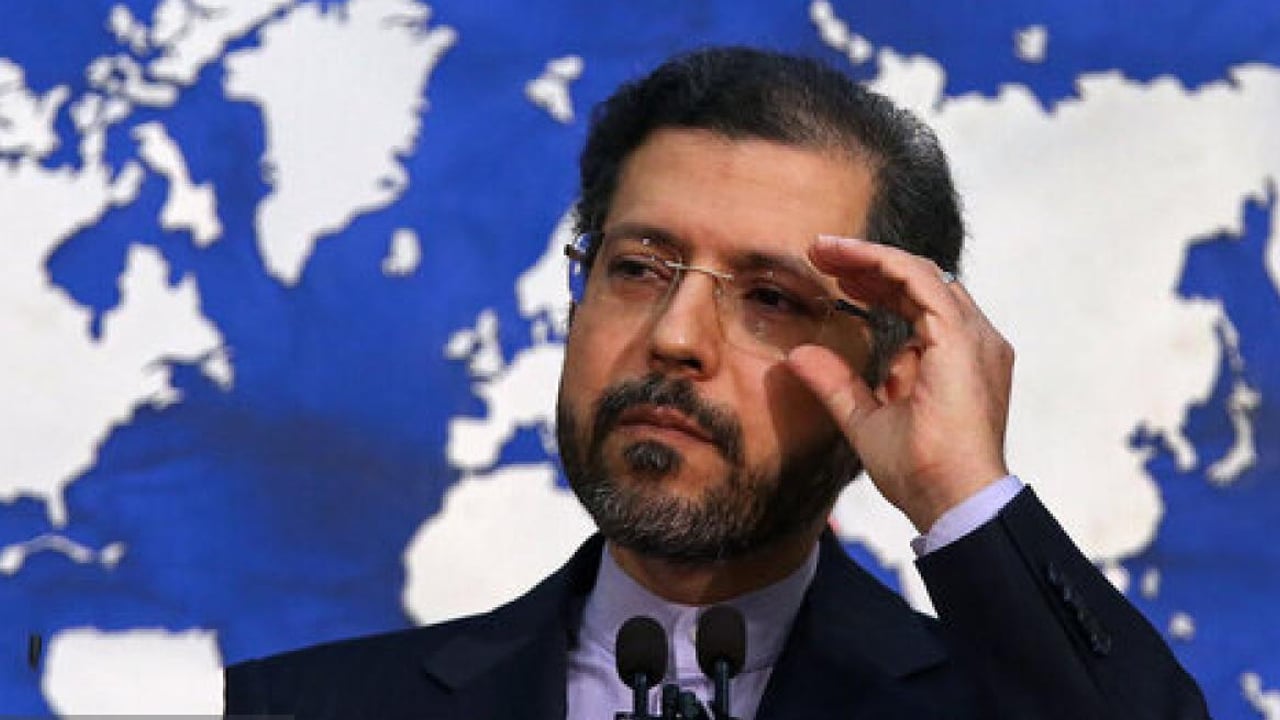
Iran’s Islamic Revolutionary Guard Corps (IRGC) has announced the closure of the Strait of Hormuz, accusing the United States of violating a ceasefire agreement. According to a statement reported by Al Jazeera, the IRGC said the closure would take effect from Saturday evening and remain in place until further notice. The group alleged that while several ships had crossed the strait the previous day, the U.S. failed to lift its naval blockade on Iranian vessels and ports, which it described as a breach of the ceasefire terms. The IRGC warned all ships in the Persian Gulf and the Sea of Oman not to leave their anchorages, cautioning that any vessel approaching the Strait of Hormuz would be considered as cooperating with the enemy and could be targeted. It instructed ship operators to follow only official IRGC Navy communications and Channel 16 directives. The statement also dismissed the U.S. president’s remarks on the region as unreliable and unacceptable. The closure raises immediate concerns for maritime traffic and regional stability, though no timeline for reopening was provided.
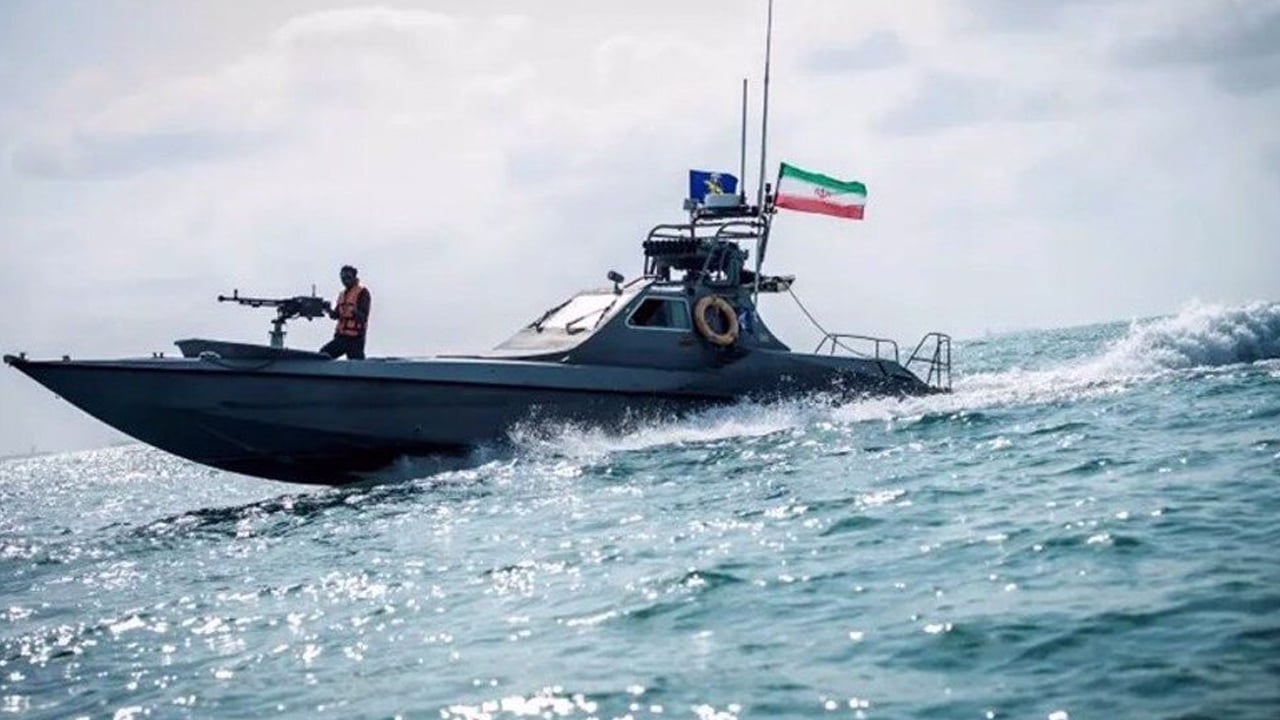
The Israeli military has acknowledged carrying out several artillery and air strikes in southern Lebanon even after a ceasefire took effect. In an official statement, the army said its troops remain stationed in the region and launched the attacks when Lebanese fighters approached their positions. The military described those fighters as an 'imminent threat' and claimed the actions were taken in self-defense. According to the statement, Israel argued that measures taken for self-defense and to remove immediate threats do not fall under the ceasefire’s restrictions. Earlier reports indicated that Israeli shells struck the Lebanese towns of Beit Lif, Qantara, and Tulin, while Israeli forces continued demolishing residential structures in several areas of southern Lebanon. The report, citing Al Jazeera, highlights ongoing tensions along the border despite the declared ceasefire, suggesting that the situation remains fragile and prone to renewed escalation.
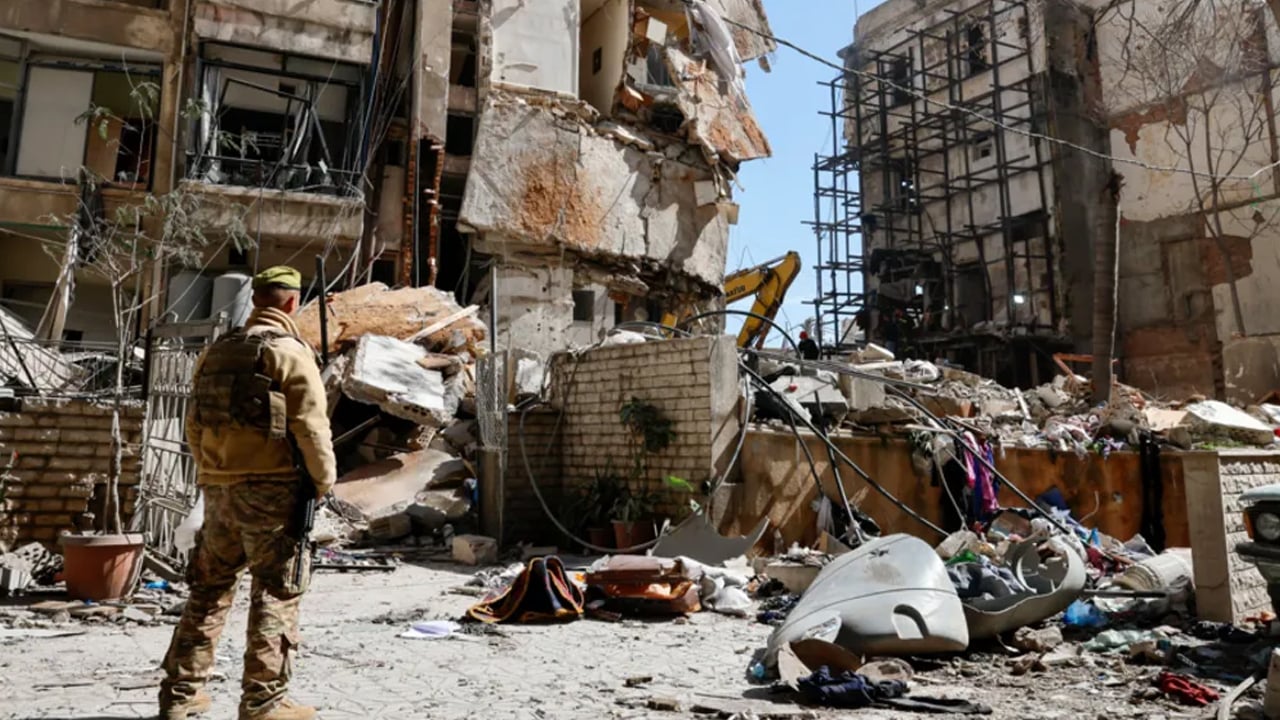
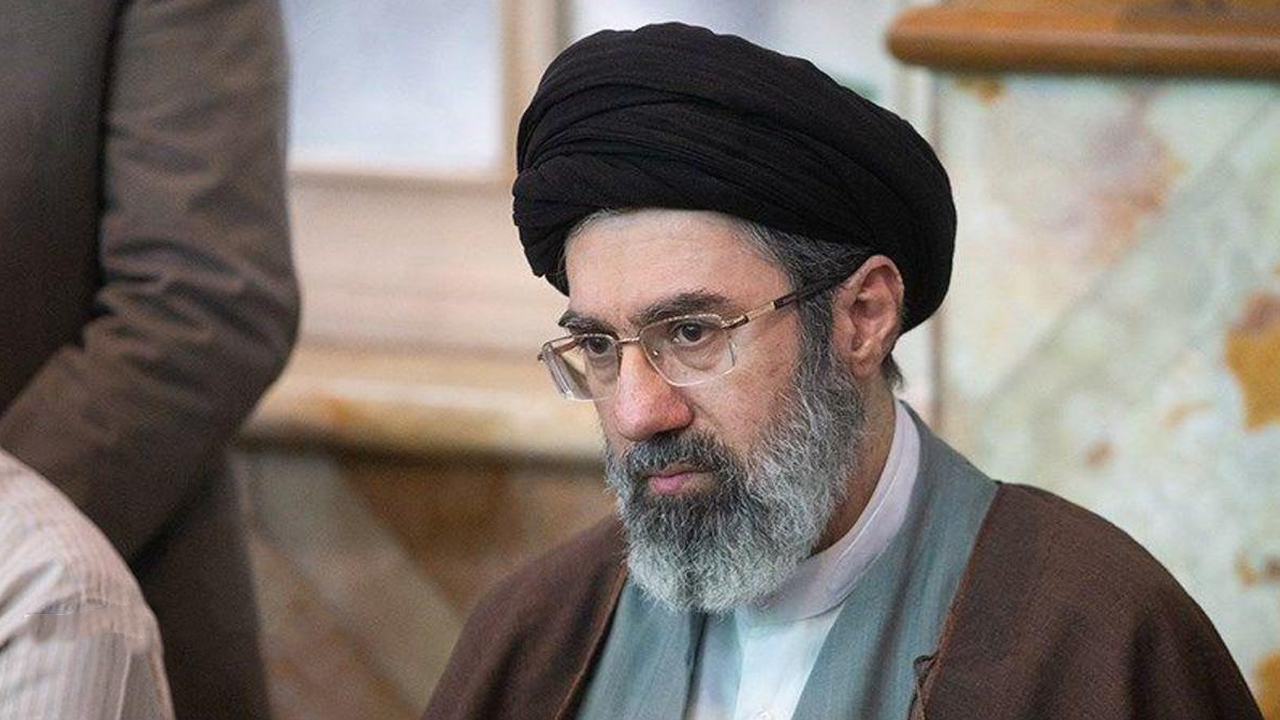
Iran’s Supreme Leader Mojtaba Khamenei praised the country’s army, saying that the weaknesses of the United States and Israel have been exposed to the world. According to the state news agency Tasnim, Khamenei delivered his message on the occasion of Army Day, extending greetings to soldiers, their families, and the nation. He stated that the victory of the Islamic Revolution ended the era of weakness imposed on the army by enemies and commended the military’s recent acts of bravery in defending the country. Khamenei further claimed that Iran’s armed forces have stood firmly against US conspiracies, the legacy of the Pahlavi regime, and separatist groups seeking to divide the nation. Khamenei added that Iran’s resistance against attacks from Israel and the United States has revealed their weakness and humiliation before the world.
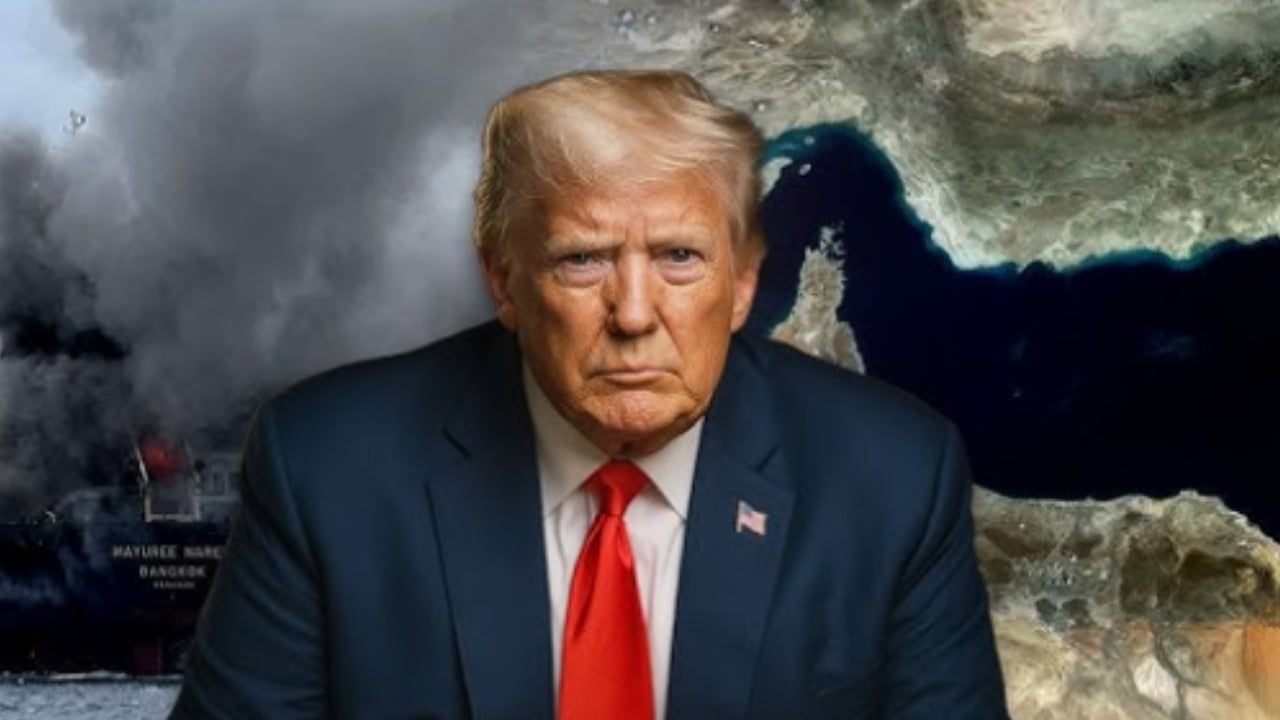
US President Donald Trump has warned that Iran cannot 'blackmail' the United States by threatening to close the Strait of Hormuz. According to Al Jazeera, Iran announced it was tightening control over the vital waterway in response to a US naval blockade of Iranian ports that began on April 14. Tehran claims the blockade violates ceasefire terms, while Trump stated that although discussions with Iran are going well, any attempt to shut down the strategic oil corridor would not succeed in pressuring Washington. Commercial ships in the region reported receiving radio messages from Iran’s navy warning that no vessels would be allowed to pass through the strait. This has raised uncertainty about whether the Strait of Hormuz remains open and safe for navigation. The situation underscores rising tensions in the Gulf, with both sides maintaining firm positions over maritime control and sanctions enforcement.
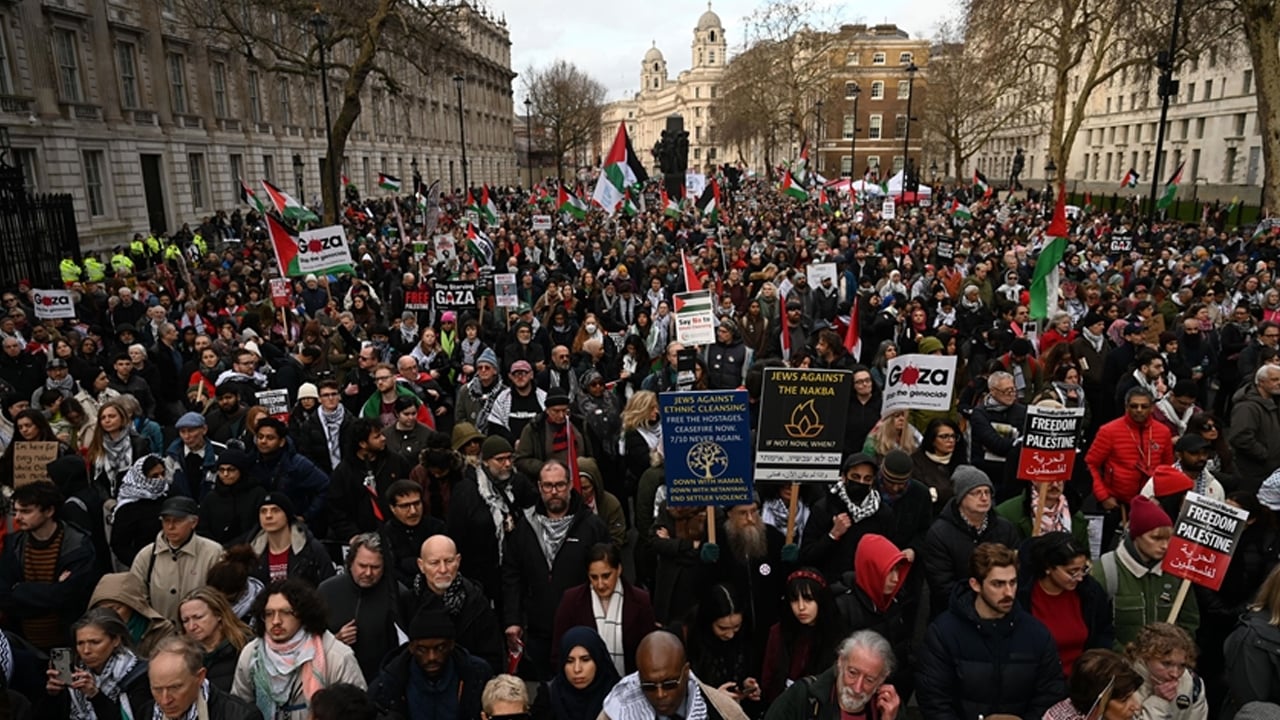
Seventy-five members of the British Parliament have called for punitive measures against Israel in response to its plan to register parts of the occupied West Bank as state land. The MPs submitted an emergency motion in Parliament, led by Richard Burgon, condemning Israel’s decision to legitimize land appropriation through registration. The motion described the move as illegal and aimed at expanding control over occupied territories. The proposal referenced a July 2024 advisory opinion by the International Court of Justice, which declared Israel’s presence in Palestinian territories unlawful and urged its immediate end. The MPs urged the British government to align its policies with international law and to halt any support that sustains the occupation. They also called for restrictions on economic activities linked to illegal settlements, arguing that such trade and investment reinforce Israeli control. The lawmakers further pressed for specific actions, including banning goods and services produced in settlements and imposing targeted sanctions such as travel bans and asset freezes on individuals and entities involved in the occupation.
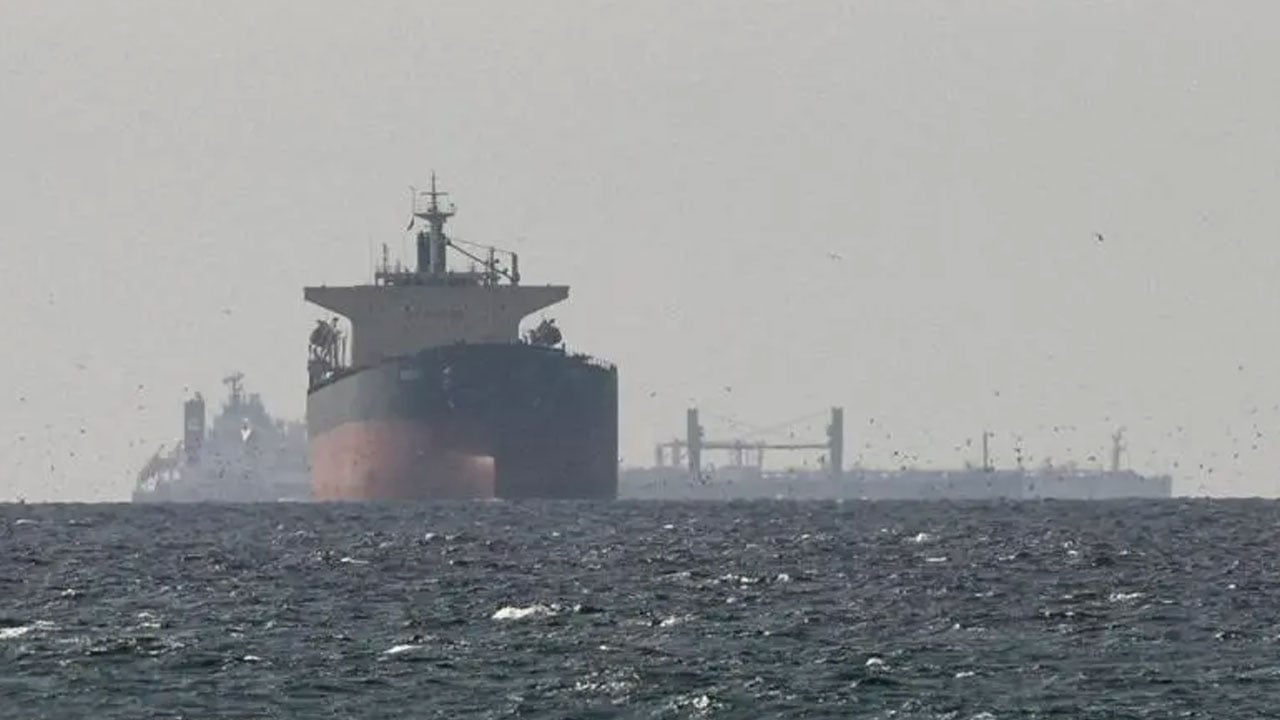
An Indian commercial vessel named Sanmar Herald came under attack while crossing the Strait of Hormuz, according to a senior Indian government source cited by Reuters on Saturday. The ship, which was carrying crude oil, was fired upon by two gunboats belonging to Iran’s Revolutionary Guard. Despite the assault, all crew members and the vessel were reported safe. The incident forced the Sanmar Herald and at least one other Indian ship, including a supertanker carrying about two million barrels of Iraqi oil, to alter their routes and return. The attack occurred shortly after Iran reimposed restrictions and sanctions on the vital waterway amid heightened tensions with the United States. In response, New Delhi summoned Iranian Ambassador Mohammad Fatali to lodge a strong protest and demanded assurances for the safety of Indian vessels navigating international sea routes.
A police assistant sub-inspector (ASI) named Md Imran Hasan was beaten by locals in Faridpur’s Saltha upazila after allegedly being caught in the house of a drug case suspect’s wife late at night. The incident occurred around 3 a.m. on Friday, April 17, in Bolivodradia village under Ramkantapur Union. Imran, who serves as an assistant beat officer in the same union, was later rescued by police and admitted to Faridpur Medical College Hospital. According to the suspect’s family, Imran had developed an illicit relationship with the wife of Mehedi Hasan, who faces a narcotics case. Locals claimed to have found contraceptives in Imran’s pocket and circulated a video of the incident on social media. Imran, however, stated that he had gone there to arrest the accused. The local police officer-in-charge said legal action is underway and that the reasons for Imran’s late-night visit without uniform are under investigation. Authorities are now probing the circumstances of the incident and the conduct of the police officer involved.

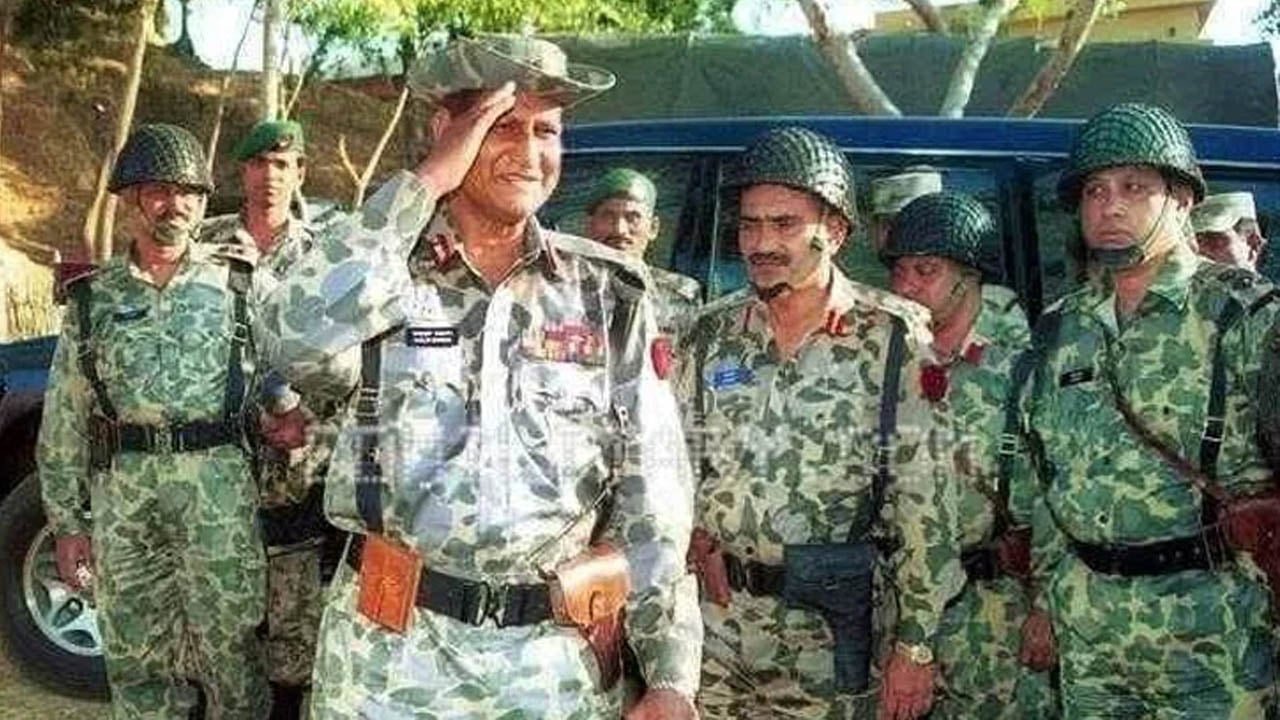
Bangladesh on April 18 observed Borai Bari Day, commemorating the 2001 border battle in Roumari upazila of Kurigram, where the then Bangladesh Rifles (BDR) repelled an incursion by India’s Border Security Force (BSF). The clash began around 4 a.m. when about 400 Indian commandos, soldiers, and BSF personnel crossed the border fence into Bangladesh. Local farmer Minhaj Uddin alerted the BDR, prompting a rapid response. Fighting intensified after reinforcements arrived under Lt. Col. Zaman, lasting two days and resulting in the deaths of three BDR soldiers and 16 BSF members, with two BSF personnel captured alive. The confrontation followed a long-standing dispute over the Padua area, which had been under BSF control since the 1971 Liberation War. After BDR retook Padua on April 15, 2001, BSF launched the Borai Bari attack three days later. The battle caused civilian casualties and forced about 40,000 villagers from 25 border villages to flee temporarily. Even after 25 years, residents recall the fear and destruction but regard the event as a symbol of Bangladesh’s courage and sacrifice at the frontier.
The ‘1 Nojor’ media platform is now live in beta, inviting users to explore and provide feedback as we continue to refine the experience.