

The ‘1 Nojor’ media platform is now live in beta, inviting users to explore and provide feedback as we continue to refine the experience.
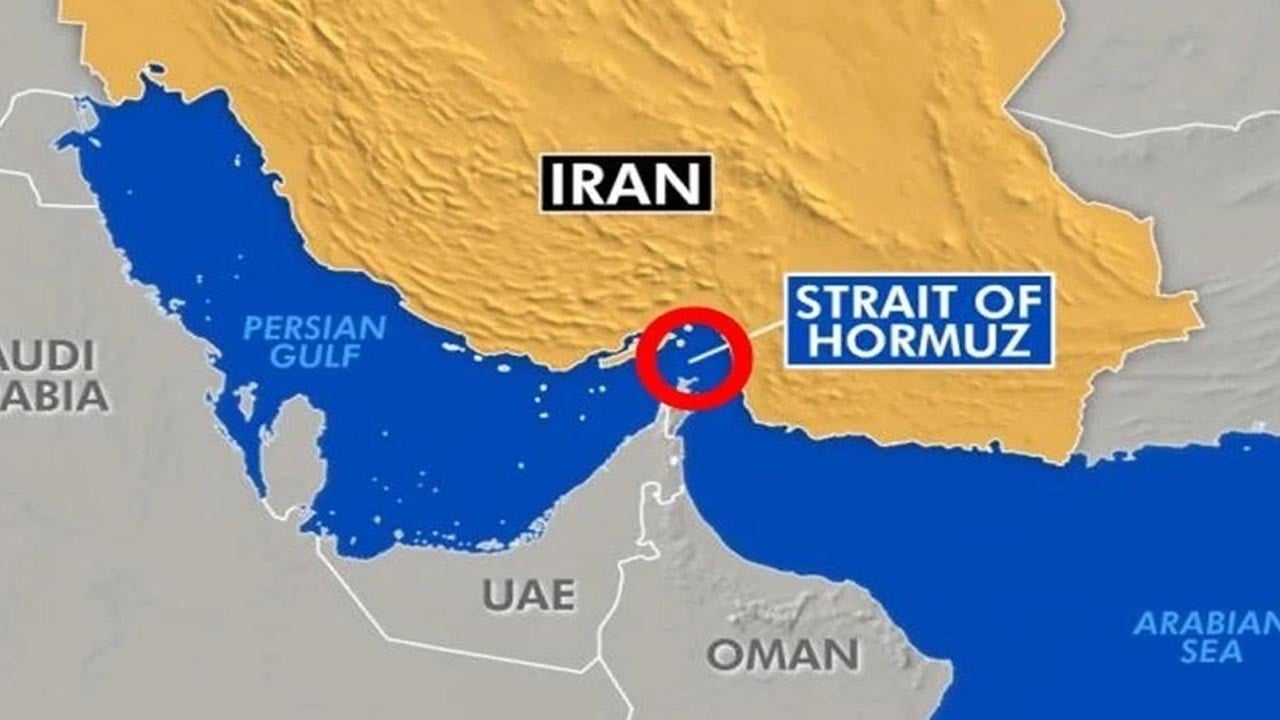
Iran has announced renewed restrictions on navigation through the Strait of Hormuz, citing continued U.S. naval blockades. The Islamic Revolutionary Guard Corps (IRGC) joint military command stated that the situation in the strategic waterway has reverted to its previous state due to what it described as ongoing U.S. obstruction. According to Iran’s state media, the IRGC accused the United States of engaging in piracy and maritime theft under the guise of a blockade. The IRGC declared that the Strait of Hormuz is now under the armed forces’ strict management and control, with vessel movement limited as before. It warned that these restrictions will remain until full freedom of navigation for Iran-bound ships is restored. The announcement signals a renewed phase of tension in one of the world’s most critical energy supply routes. Observers note that the situation raises concerns about potential disruptions to global energy flows, as the Strait of Hormuz remains a vital passage for international oil transport.
The Amar Bangladesh Party (AB Party) has called for an immediate end to the use of abusive language and violent activities in political exchanges. In a statement issued on Saturday, signed by Assistant Publicity Secretary Azadul Islam Azad, the party condemned recent incidents involving offensive remarks by JAGPA spokesperson Rashed Pradhan about BNP Chairperson and Prime Minister Tarique Rahman, and the subsequent violent reactions from some BNP supporters. AB Party Chairman Mojibur Rahman Monju described such behavior as regrettable and harmful to political civility. He noted that both ruling and opposition leaders often cross the boundaries of courtesy, leading to verbal and physical conflicts. Monju also criticized the spread of false rumors, offensive cartoons, and AI-generated defamatory content on social media, calling it an unethical and toxic competition that affects even politicians’ families. Monju further condemned the attack on JAGPA’s Panchagarh district office, labeling it a dangerous sign of intolerance. He demanded exemplary punishment for those involved and urged all political actors to refrain from indecent language and violent retaliation in the future.

The historic Teota Zamindar House in Shibaloy upazila of Manikganj, once a symbol of cultural and architectural grandeur, is now facing severe decay. The mansion, associated with national poet Kazi Nazrul Islam and his wife Promila Devi, is deteriorating due to neglect, poor maintenance, and illegal occupation. Locals have urged the government to take immediate steps to preserve the site, which holds deep historical and cultural significance. Built in the late 18th century by Babu Him Shankar Roy Chowdhury and Kiran Shankar Roy Chowdhury, the estate once served as an administrative and economic hub. The three-story structure, featuring 55 rooms, intricate terracotta and ironwork, and the country’s first Navaratna temple, has lost much of its original splendor. Many valuable parts have been stolen, and parts of the building have collapsed. District Commissioner Nazmun Ara Sultana confirmed that the Department of Archaeology has taken over the property but little progress has been made in its restoration. MP S. A. Jinnah Kabir emphasized that government-led renovation could preserve history and boost local tourism and business.

Bangladesh batter Saif Hasan said there was no excuse for the team’s 26-run defeat to New Zealand, acknowledging that the home side failed to adapt to the slow and uneven pitch. Chasing 248, Bangladesh were bowled out for 221 with nine balls remaining. Despite a strong start with the ball, led by Shariful Islam, the hosts could not capitalize on their early advantage. Speaking at the post-match press conference, Saif admitted that the wicket was more challenging and uneven than expected but stressed that excuses would not help. He noted that Bangladesh’s batting collapse came at the wrong times and that better adaptation to the conditions could have changed the outcome. Saif compared the pitch unfavorably to the truer surfaces seen in the Pakistan series. New Zealand’s Dean Foxcroft said his team succeeded by adjusting quickly to the conditions, describing the wicket as slow but balanced for both spinners and pacers. He credited their victory to understanding and adapting to the pitch behavior effectively.

Traffic congestion in Bogura city has intensified, with long jams persisting from morning until night on major roads. Commuters, students, and businesspeople face hours-long delays even for short distances. The problem has worsened due to unregulated parking, illegal bus stands, and encroachment on roads and footpaths. Key areas such as Satmatha, Zero Point, Sherpur Road, and Malatinagar experience severe gridlock, especially during office and school hours. Local sources report that buses frequently stop on busy roads to pick up passengers, narrowing the lanes and slowing traffic. Footpaths in major areas are occupied by shops and vendors, forcing pedestrians onto the streets and further reducing vehicle flow. Uncontrolled stands for CNGs and autorickshaws, along with courier trucks operating freely during peak hours, add to the congestion. Authorities have conducted multiple eviction drives to clear illegal structures, but vendors quickly return. Traffic officials admit that without unified political and social efforts, a lasting solution to Bogura’s traffic crisis remains unlikely.

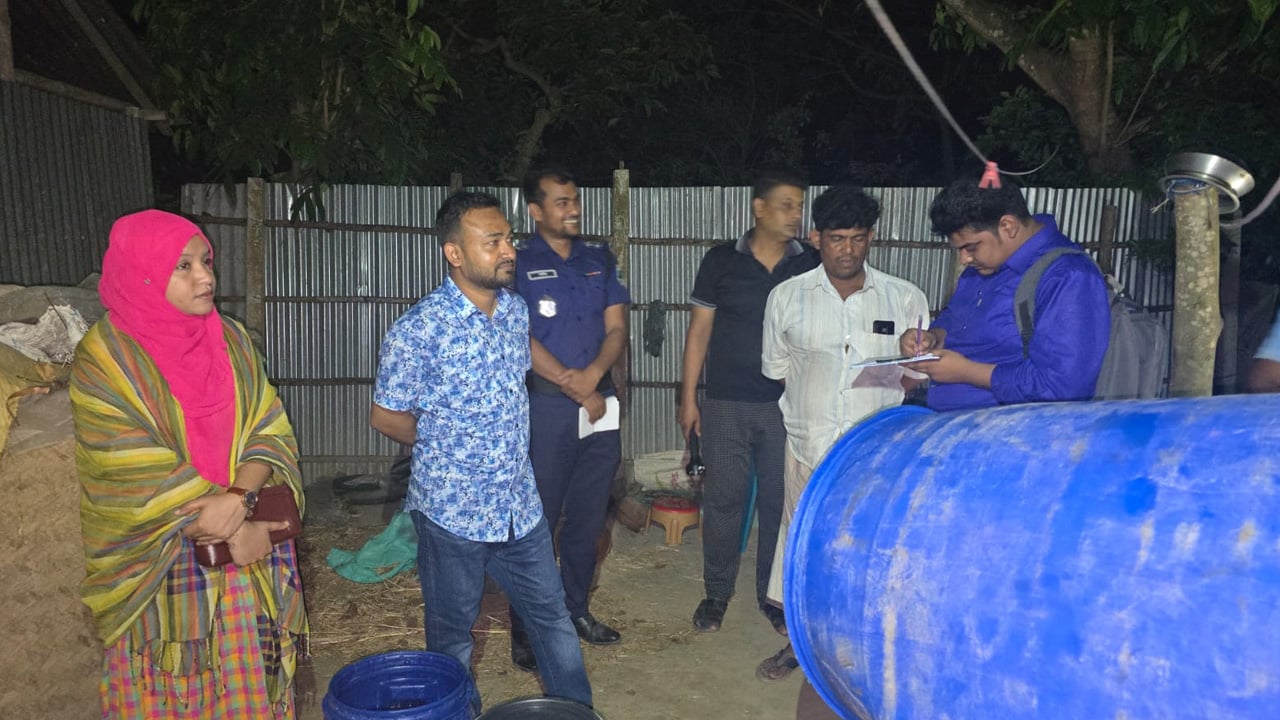
A mobile court in Bhangura upazila of Pabna sentenced milk trader Faruk Hossain to one year of imprisonment and fined him 100,000 taka for producing fake milk. The verdict was delivered by Assistant Commissioner (Land) and Executive Magistrate Mizanur Rahman. The operation took place in Singari village between midnight and 3 a.m. on April 18, 2026, during which 200 liters of harmful jelly used in the fake milk production were seized and destroyed. According to the mobile court, Faruk had been producing adulterated milk for a long time using harmful jelly, soybean oil, and other ingredients under the guise of a dairy business. He supplied the fake milk to several well-known sealing centers across the country. Acting on a tip-off, the mobile court conducted the raid and confirmed the illegal activity before issuing the sentence under the Consumer Rights Protection Act. The seized harmful materials were destroyed on-site following the court’s order, and authorities emphasized that such offenses would continue to face strict legal action.
The once-celebrated batik industry of Comilla, once as popular as its famous sweets and khadi, is now fighting for survival. Artisans in Kamalpur village of Jagannathpur Union, where the craft began about 50 years ago, face declining demand, capital shortages, and limited government support. Around 25 factories in Kamalpur and nearby villages still produce batik saris, three-piece suits, shirts, lungis, and bed sheets, supplying local shops and exporting to other districts and abroad. Workers start early each day, dyeing, waxing, and designing fabrics with intricate floral and abstract patterns. Entrepreneurs like Abu Sayed of Comilla New Batik Ghar employ small teams to manage weekly production, while artisans such as Hamid Chowdhury and Mushfiqur Rahman Monna continue the labor-intensive process with dedication. However, the industry remains vulnerable to weather and seasonal fluctuations. Local entrepreneurs believe that low-interest loans and government incentives could revive the sector, helping Comilla’s batik reclaim its former national and international prominence.

A passengerless cruise liner has successfully crossed the Strait of Hormuz for the first time since the war began, according to ship-tracking site MarineTraffic. The Malta-flagged vessel, named Celestial Discovery, had arrived in Dubai in early March and remained anchored there for about 47 days before resuming its voyage. MarineTraffic reported that the ship crossed the strait on Friday and is currently heading toward Muscat, Oman, where it is expected to arrive by the end of the day. The crossing marks a notable development in maritime movement through the region, which had seen limited civilian vessel activity since the onset of the conflict. The report, citing Al Jazeera, did not specify the nature of the ongoing war or the reasons behind the ship’s resumed journey, leaving broader regional implications unclear.

Malaysia has implemented a work-from-home policy across federal government offices to conserve energy amid a global energy crisis linked to the Middle East conflict. The measure, announced on April 18, 2026, applies to employees living more than eight kilometers from their offices in Kuala Lumpur, Selangor, Putrajaya, and other state capitals. However, counter-based public services, such as those at Urban Transformation Centres providing immigration and police services, remain fully operational. In Putrajaya, the federal administrative capital, most ministries are operating with reduced on-site staff, resulting in quieter surroundings and lower electricity use. Many government buildings have dimmed lighting and are running only half of their elevators to further save power. The policy excludes workers in security, defense, health, and education sectors. Eligible employees will be allowed to work from home three days a week. The initiative is described as a strategic step to manage energy consumption while maintaining essential public services.

The U.S. Central Command (CENTCOM) reported that 21 ships have returned to Iran since the start of the U.S. naval blockade. The announcement came as Iran declared that it had reopened the Strait of Hormuz to all commercial vessels. According to CENTCOM’s post on social media platform X, the blockade began on April 13 at Iranian ports located in the Persian Gulf and the Gulf of Oman. Iran’s parliament speaker, Bagher Ghalibaf, warned that the waterway would be closed if the United States did not lift its blockade in the region. Shipping companies have remained cautious about transiting the strait, and only a few vessels passed through the key maritime route on Friday. The developments highlight heightened tensions in the Persian Gulf, with both U.S. and Iranian actions affecting global shipping routes and regional stability.

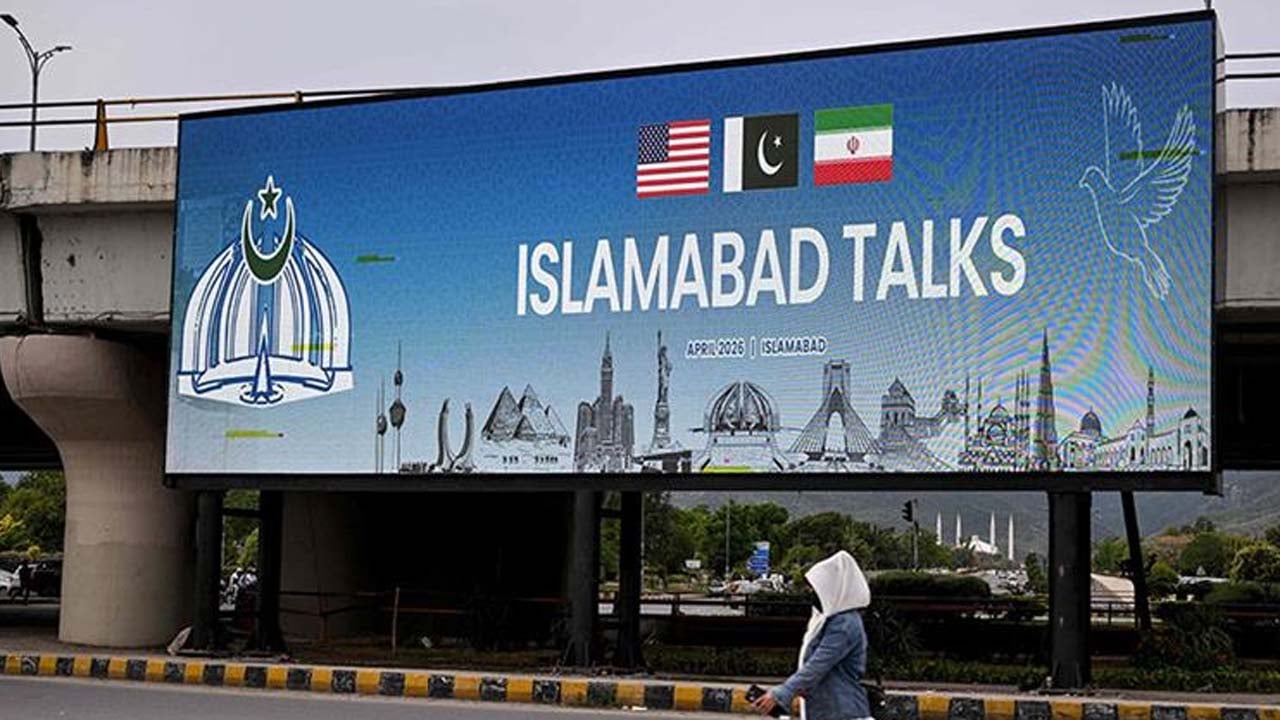
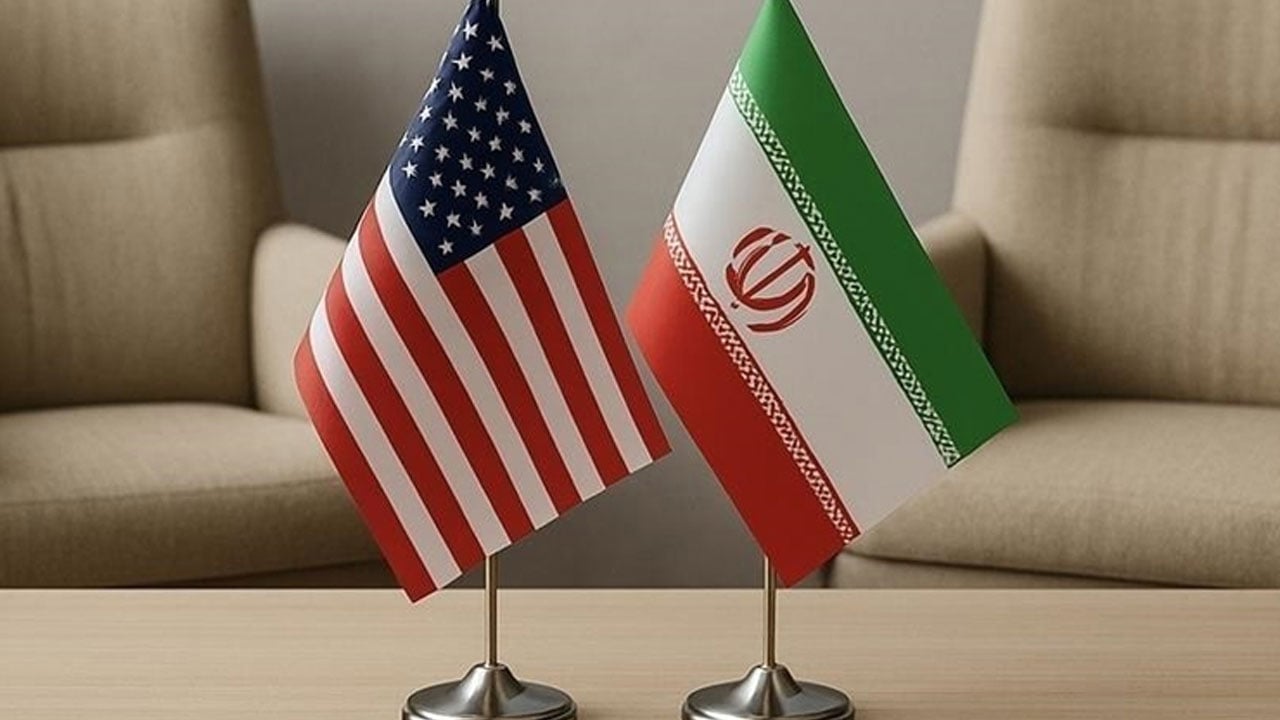
Delegations from the United States and Iran are expected to meet for a second round of talks on Monday, according to a CNN report citing Iranian sources. The meeting is reportedly scheduled to take place in Pakistan, though US officials have not confirmed the timing. US President Donald Trump commented that positive developments are underway and mentioned Lebanon as part of the process. Trump added that the process would move quickly since most issues have already been discussed and agreed upon. The first round of talks between the two sides took place on April 11 in Islamabad, Pakistan, but ended without any agreement. The upcoming meeting follows the earlier inconclusive discussions, suggesting continued diplomatic engagement between Washington and Tehran despite the absence of confirmed details from the US side.
The Bangladesh Shipping Corporation (BSC) vessel MV Banglar Joyjatra was once again unable to cross the Strait of Hormuz on Friday night. After hearing reports that the strait had reopened, the ship lifted anchor and began its journey, but within hours received a radio message from Iranian forces instructing it to return to the Persian Gulf. The vessel complied and returned to a safe anchorage. BSC sources confirmed the incident late Friday night. According to BSC officials, the ship entered the Strait of Hormuz at 11:50 p.m. and was expected to complete the crossing by around 3 a.m. However, Iranian authorities ordered it back before midnight. Marine traffic data indicated that hundreds of ships that had set out toward Hormuz around the same time were also forced to return to the Persian Gulf. The Banglar Joyjatra has been operating in the region since February 2, transporting goods between ports. The vessel had been scheduled to return to Bangladesh since March 11 but was repeatedly denied passage. It is currently carrying about 37,000 tons of fertilizer from Saudi Arabia’s Ras Al Khair port, destined for Cape Town, South Africa.

Analysts have interpreted U.S. President Donald Trump’s recent optimistic comments about a possible agreement with Iran as a sign of a real opportunity, though they caution that the situation remains uncertain. The remarks, reported on April 18, 2026, have drawn attention for suggesting that Trump may be sincere in seeking a resolution after years of tension between the two countries. Mohammad Elmasry, a professor at the Doha Institute for Graduate Studies, told Al Jazeera that while Trump’s statements may be somewhat exaggerated, there are reasons for cautious optimism. He noted that Trump’s confident tone and continued efforts to find a solution could indicate genuine intent to reach a deal. However, Elmasry warned that the United States and Iran still differ significantly on key issues, and compromise would be necessary for progress. Elmasry concluded that the current situation offers more questions than answers, underscoring the uncertainty surrounding any potential agreement.
A report published on April 18, 2026, warns that the Sundarbans, the world’s largest mangrove forest, is facing a severe environmental crisis due to the Rampal coal-fired power plant near the Pashur River. The article describes visible air pollution from the plant’s chimneys and highlights how emissions of sulfur dioxide, nitrogen oxides, and other pollutants are contaminating air and water, threatening local ecosystems, aquatic life, and human health. The project, jointly inaugurated in 2022 by Bangladesh’s then Prime Minister Sheikh Hasina and India’s Prime Minister Narendra Modi, has been criticized for its proximity to the ecologically sensitive forest. The report argues that while many countries are shifting toward renewable energy, Bangladesh’s former government pursued a policy to raise coal-based power generation to 50 percent by 2041. Environmental experts and UNESCO had raised objections, but these were ignored. The article also notes that land acquisition for the project displaced local farmers and that the coastal location increases vulnerability to storms and flooding. The piece concludes by crediting environmental leaders who facilitated field visits to assess the plant’s impact on the Sundarbans ecosystem.

A new political controversy has emerged in West Bengal ahead of the upcoming state elections after Assam Chief Minister Himanta Biswa Sarma declared that beef consumption would be prohibited if the Bharatiya Janata Party (BJP) comes to power in the state. Speaking at an election rally in Cooch Behar, Sarma said that while other meats would remain allowed, beef eating would not be permitted under a BJP government. His remarks have sparked strong reactions across the political spectrum. The ruling Trinamool Congress (TMC) has long accused the BJP of intending to interfere with Bengal’s food culture, warning that the party’s vegetarian image could lead to restrictions on local dietary traditions. Sarma countered that TMC was spreading confusion, noting that in Assam, where the BJP has governed for years, there is no general ban on meat consumption. He emphasized that the proposed restriction would apply only to beef and cattle smuggling, citing Hindu religious beliefs that regard cows as sacred. Political analysts suggest the statement reflects a strategy to appeal to religious sentiments without directly confronting Bengal’s non-vegetarian culture, making food habits a key election issue alongside development and employment.

The ‘1 Nojor’ media platform is now live in beta, inviting users to explore and provide feedback as we continue to refine the experience.