

The ‘1 Nojor’ media platform is now live in beta, inviting users to explore and provide feedback as we continue to refine the experience.
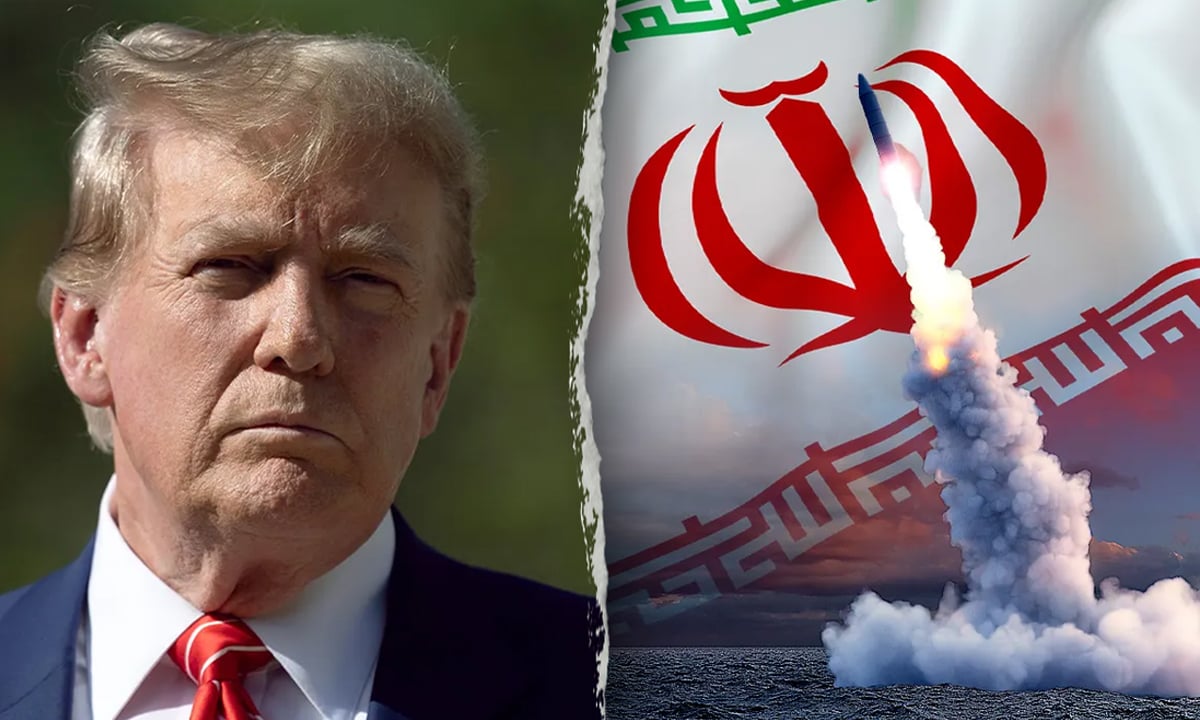
U.S. President Donald Trump has claimed a diplomatic breakthrough in ongoing negotiations with Iran, suggesting that Tehran has agreed to hand over its enriched uranium, which he referred to as “nuclear dust.” According to reports cited by the BBC, Trump stated that the United States would take possession of the material but would not release Iran’s frozen funds in exchange. He presented these conditions as a sign of progress in the discussions. However, analysts and Iranian officials have disputed Trump’s optimism. Iran’s foreign minister has categorically rejected the idea of sending enriched uranium abroad, while Iranian parliament speaker Bagher Ghalibaf dismissed Trump’s claims as false. These reactions highlight the continuing divide between Washington and Tehran despite Trump’s assertions of success. The situation remains uncertain as both sides face a critical period that could determine whether diplomacy endures or tensions escalate. Trump has warned that if no agreement is reached, conflict could resume.
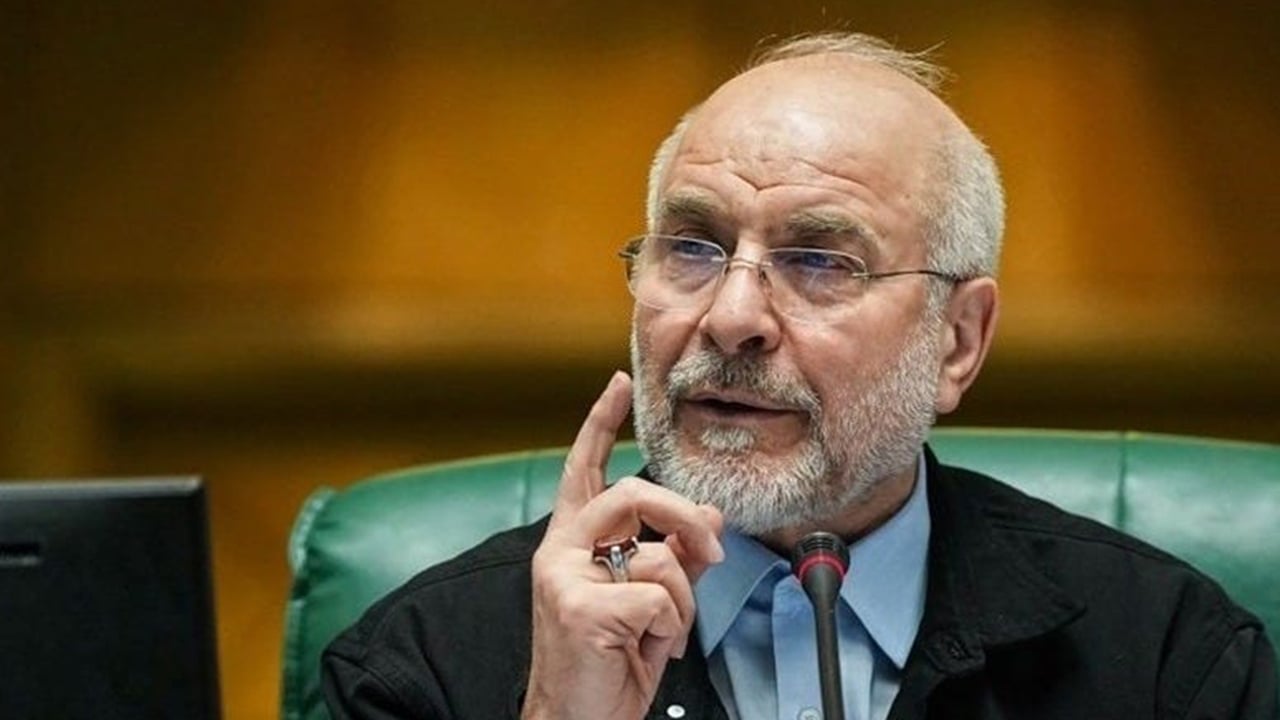
Iran’s parliament speaker Mohammad Bagher Ghalibaf has dismissed recent statements by US President Donald Trump as “completely false.” According to Al Jazeera, Ghalibaf made the remarks in a post on social media platform X, saying that all seven claims made by Trump within the past hour were untrue. He added that such falsehoods would neither help the United States win a war nor achieve progress in negotiations. Ghalibaf warned that the Strait of Hormuz would not remain open if US sanctions continued. He stated that maritime traffic through the strait would operate only under Iran’s designated routes and authorizations, emphasizing that its regulations would not be determined through social media. The exchange of conflicting statements between Iran and the United States has further complicated the already tense situation between the two nations.
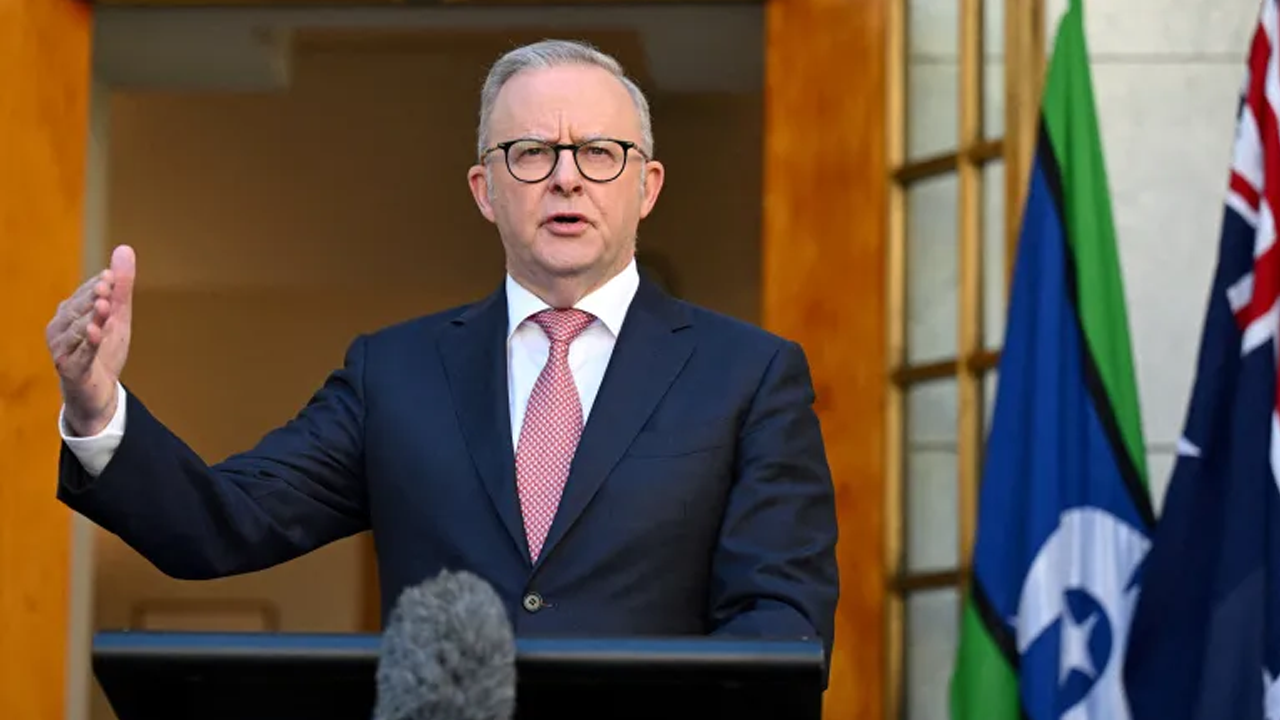
Australian Prime Minister Anthony Albanese has announced that his country is ready to assist international efforts aimed at restoring stability and security in the Strait of Hormuz. His statement came after participating in a virtual summit jointly hosted by French President Emmanuel Macron and UK Prime Minister Keir Starmer. In a post on social media platform X, Albanese emphasized Australia's commitment to contributing to the initiative. He warned that the longer the conflict continues, the more severe its impact will be on the global economy and humanitarian conditions. Referring to domestic concerns, Albanese noted that Australians are already feeling the effects on fuel supply and prices, and the government is working to protect families from these negative consequences. Australia relies heavily on refined fuel from Southeast Asia, which depends on crude oil transported through the Strait of Hormuz. Continued instability in the region could therefore place additional pressure on the country’s energy supply.
Human Rights Watch (HRW) has condemned Israel’s attack on a key bridge in southern Lebanon, calling for an immediate suspension of arms sales to Israel. According to the organization, Israeli forces destroyed the Qasmiyeh Bridge on April 16, just hours before a ceasefire was declared. The bridge had served as a vital route for delivering food, medical supplies, and other humanitarian aid to residents of southern Lebanon. In a statement, HRW said the deliberate strike eliminated the last functioning access route for civilians and aid, raising concerns of disproportionate harm to non-combatants. The group urged that the incident be investigated as a potential war crime. HRW also called on governments to send a clear message to Israel that they would not risk complicity in war crimes by continuing arms transfers. The organization’s appeal follows growing scrutiny of Israeli military actions in Lebanon and Gaza, emphasizing the need for accountability in the use of force against civilian infrastructure.
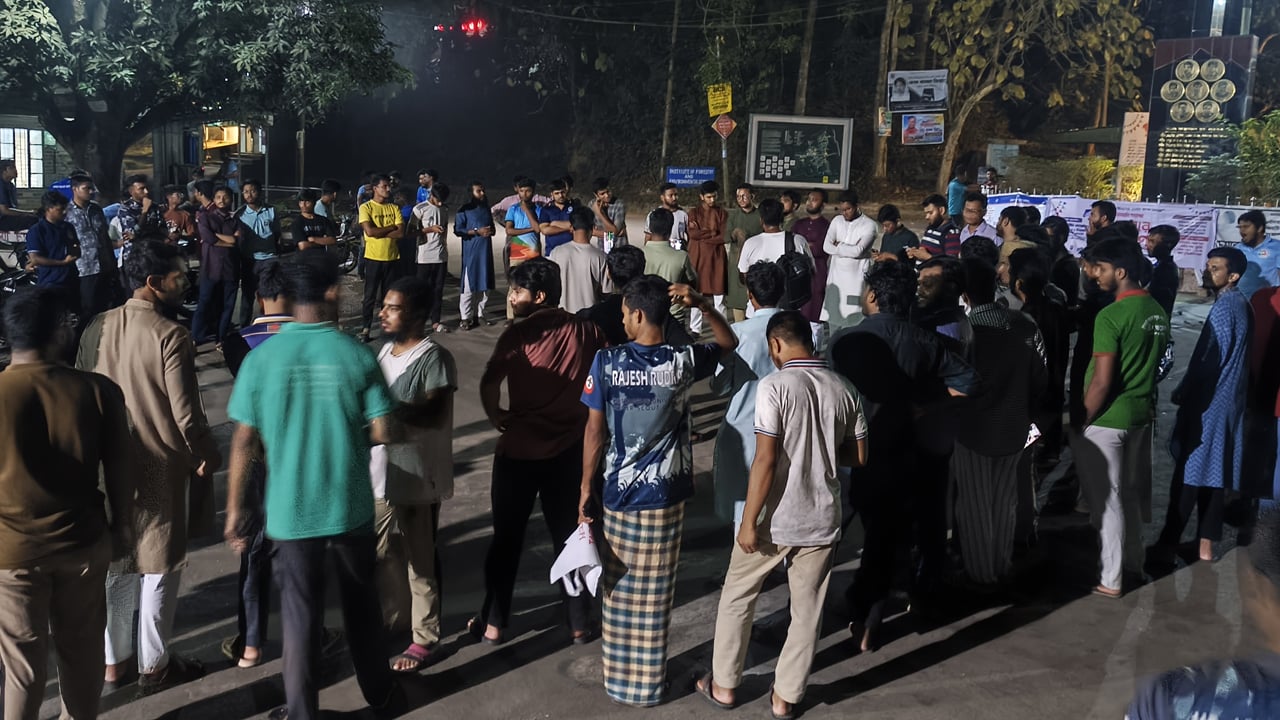
Leaders of the Chittagong University Central Students’ Union (Chaksu) staged a protest early Friday night after four students, including Jahin Sarkar Abir, the university correspondent of Somoy TV, were injured in an attack by locals near the university’s rail crossing around 9:30 p.m. The demonstration took place at the university’s Zero Point around 12:30 a.m., demanding the immediate arrest of those involved and stronger security for students. Speakers at the protest alleged that students have long faced assaults and violence from local residents, yet the university administration has failed to take effective action. Chaksu leaders criticized the lack of active police presence on campus despite the existence of a police outpost, contrasting it with earlier times when large numbers of police were deployed to control internal political conflicts. They cited previous incidents, including a recent assault on a student during Pahela Baishakh and a large-scale attack last August that injured hundreds. Protesters reiterated their demand for a safe campus environment, emphasizing that recurring violence has forced students to take to the streets for their own protection.
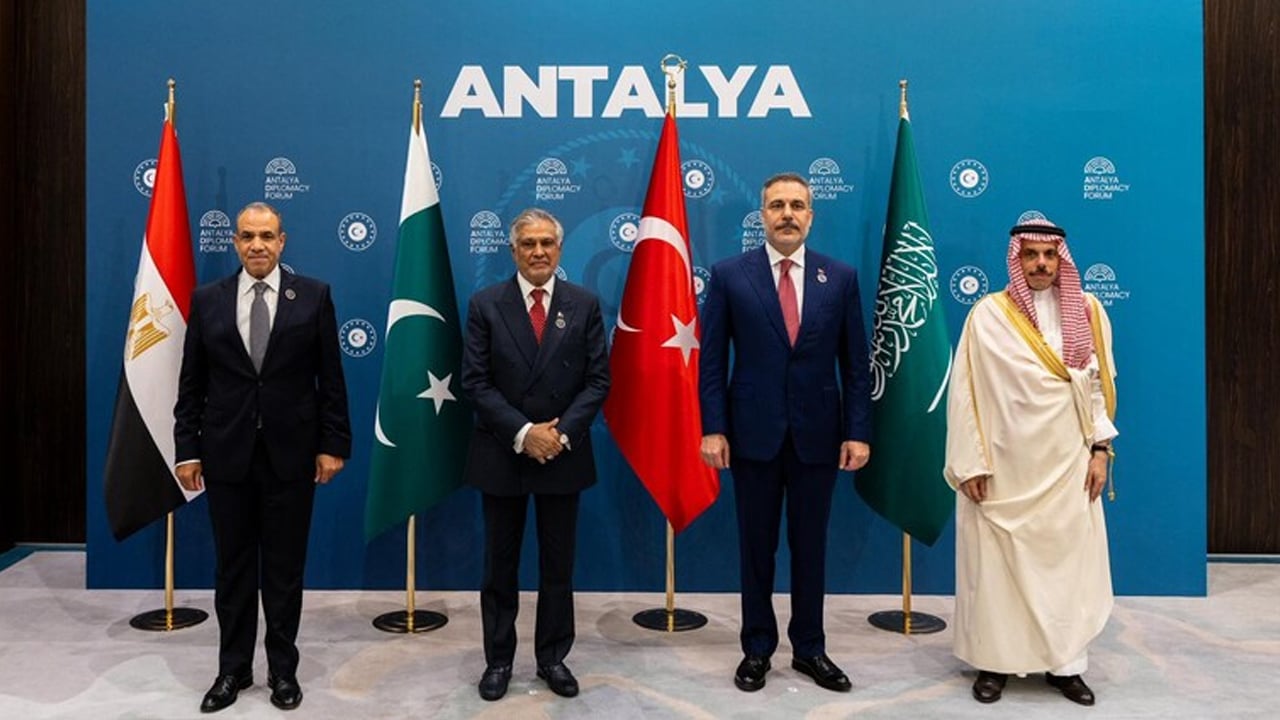
Turkish Foreign Minister Hakan Fidan on Friday hosted the third meeting with his counterparts from Egypt, Pakistan, and Saudi Arabia. According to diplomatic sources, the session took place on the sidelines of the 5th Antalya Diplomacy Forum in the southern Turkish city of Antalya. No details about the discussions were disclosed. The Antalya Diplomacy Forum, running from Friday to Sunday, brings together world leaders and senior government officials. This year’s event focuses on addressing global uncertainty. The forum is held under the patronage of Turkish President Recep Tayyip Erdoğan and organized by the Ministry of Foreign Affairs of Turkey. Anadolu Agency serves as the global communication partner for the forum, which is themed “Outlining the Future, Managing Uncertainty.”
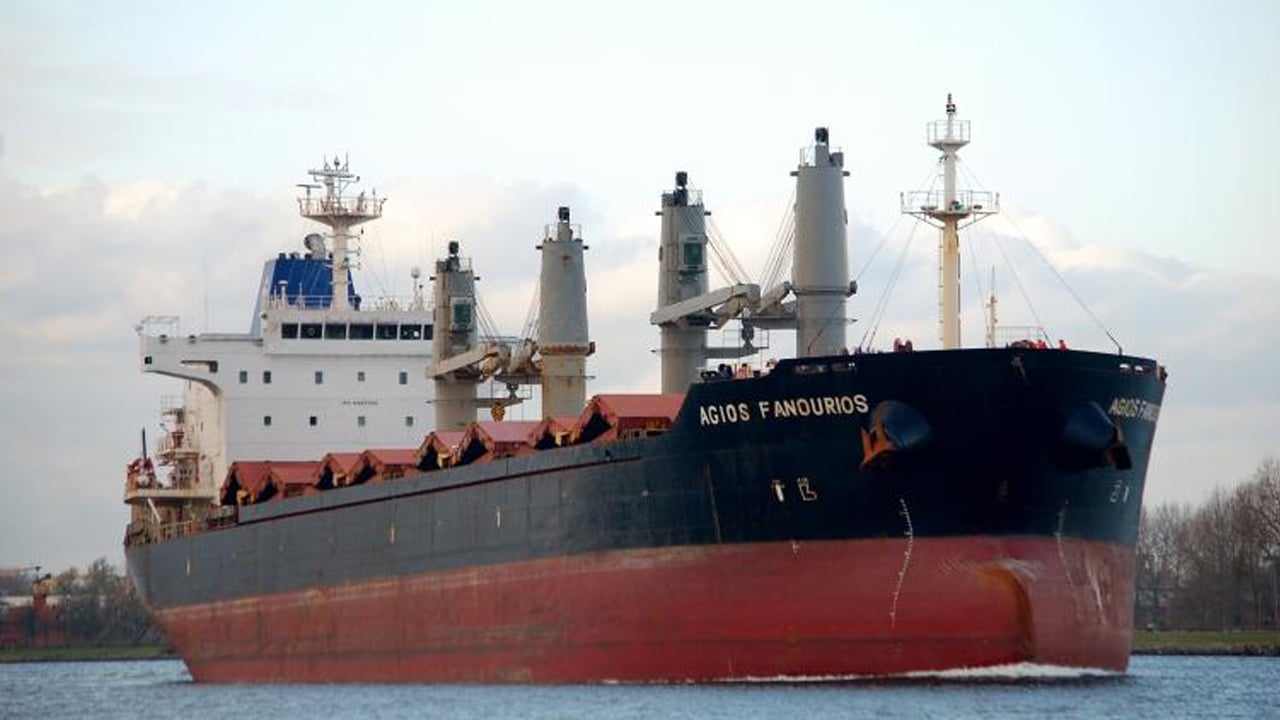
Iraq has resumed crude oil exports from its southern region after more than a month of suspension caused by disruptions to shipping through the Strait of Hormuz, according to Middle East Eye. On Friday, loading began on a Maltese-flagged tanker named Agios Fanourios 1 near Iraq’s southern oil terminal, with around two million barrels of Basra crude expected to be loaded. Shipping and trade data indicate that the tanker entered the Persian Gulf through the Strait of Hormuz on Wednesday, following an earlier attempt by several tankers to pass during a U.S.-Iran ceasefire. The vessel is reportedly bound for Vietnam’s Nghi Son refinery, where it will deliver the crude oil cargo. Officials said another tanker is expected to arrive at Iraq’s southern export terminal within the next two days, signaling a gradual normalization of oil export operations after the recent disruption.
A woman named Pinky Khatun, aged 32, died in a tragic accident on Friday night, April 17, when her scarf became entangled in the wheel of a moving autorickshaw in the Shyampur area of Dhaka, near the Postogola Bridge. She was returning home to Fatullah, Narayanganj, when the incident occurred. The scarf tightened around her neck, causing severe injury. Bystanders rescued her and took her to Dhaka Medical College Hospital, where doctors declared her dead around 10:30 p.m. Her cousin Zahid said the family rushed to the hospital upon hearing the news but found she had already passed away. Inspector Md. Faruk, in charge of the hospital police outpost, confirmed the incident and said the body was kept in the hospital morgue. The local police station has been informed. The deceased lived with her family in the Ramarbagh area of Fatullah, Narayanganj. Her husband’s name is Md. Rajib.

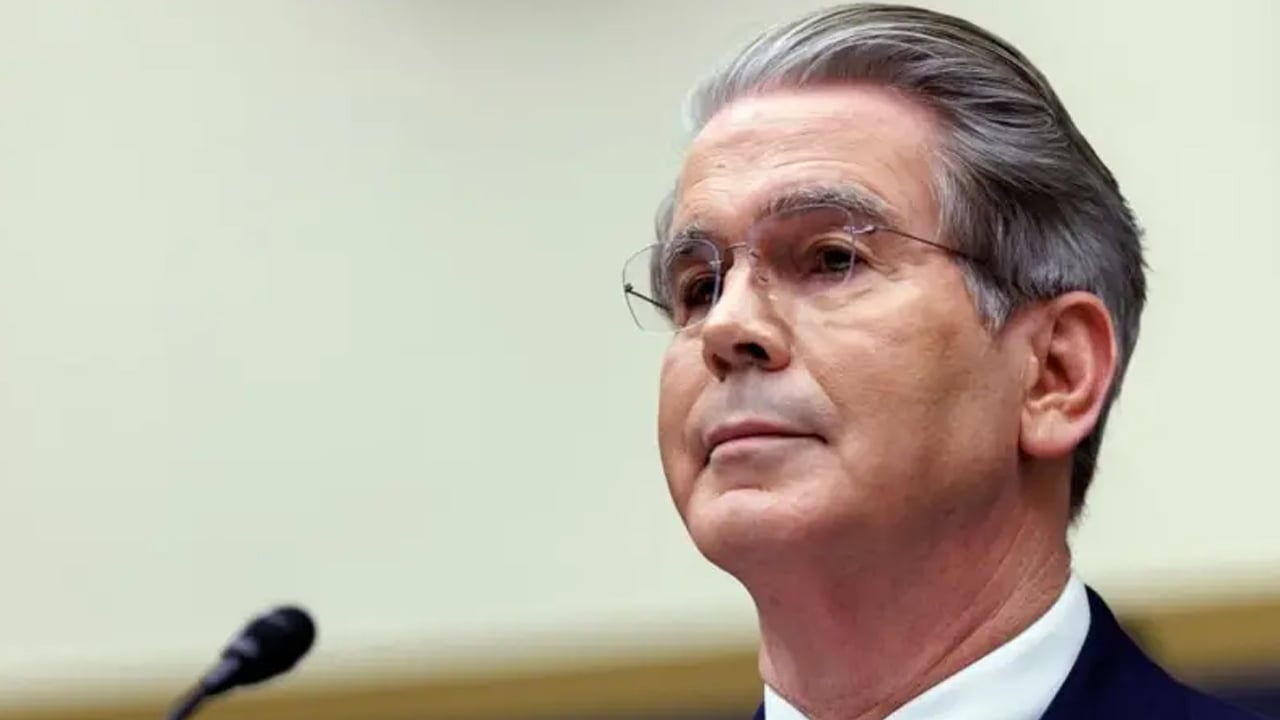
The United States has imposed sanctions on several commanders of Iran-backed Iraqi armed groups, according to a statement from the US Treasury Department cited by Al Jazeera. Among those targeted are individuals linked to Kataib Hezbollah. Treasury Secretary Scott Besant said the US would not allow Iran-backed militias in Iraq to threaten American lives or interests and that those enabling such violence would be held accountable. The sanctions follow recent clashes involving Iran-supported Iraqi factions, which reportedly carried out rocket and drone attacks targeting US interests in the region last month. The move underscores Washington’s continued efforts to curb the influence of Iran-aligned militias operating in Iraq. Analysts suggest the new sanctions could further heighten tensions in the Middle East, where multiple conflicts and rivalries are already straining regional stability.
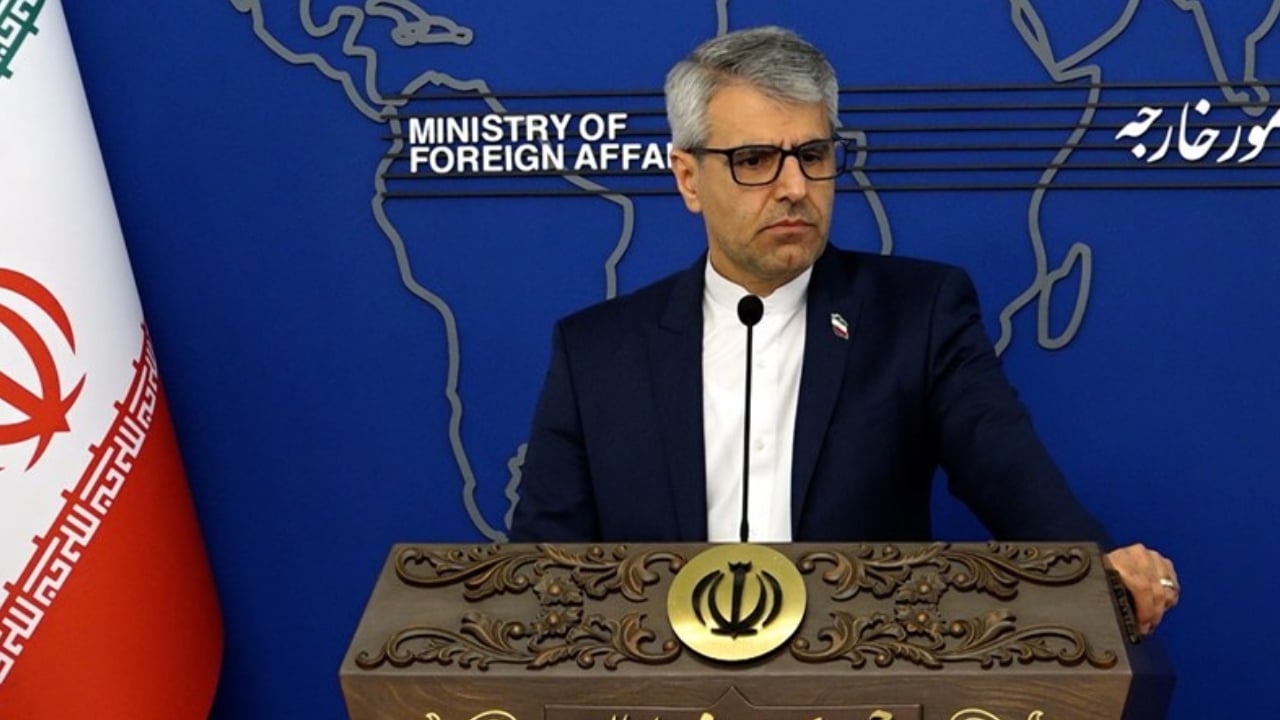
Iran has rejected U.S. President Donald Trump’s claim that Tehran agreed to transfer its enriched uranium to the United States. According to Al Jazeera, Iranian Foreign Ministry spokesperson Esmail Baghaei told Tasnim news agency that enriched uranium is as sacred to Iran as its own soil and will never be handed over under any circumstances. Trump had earlier asserted that Iran consented to hand over its uranium stockpile as part of an agreement, but Tehran has consistently denied the existence of any such deal. The uranium issue remains one of the main points of contention in U.S.-Iran discussions, with both sides maintaining conflicting statements that have left the situation unresolved. The ongoing disagreement underscores the persistent mistrust between Washington and Tehran, keeping diplomatic progress uncertain as both nations continue to defend their positions on nuclear material control.
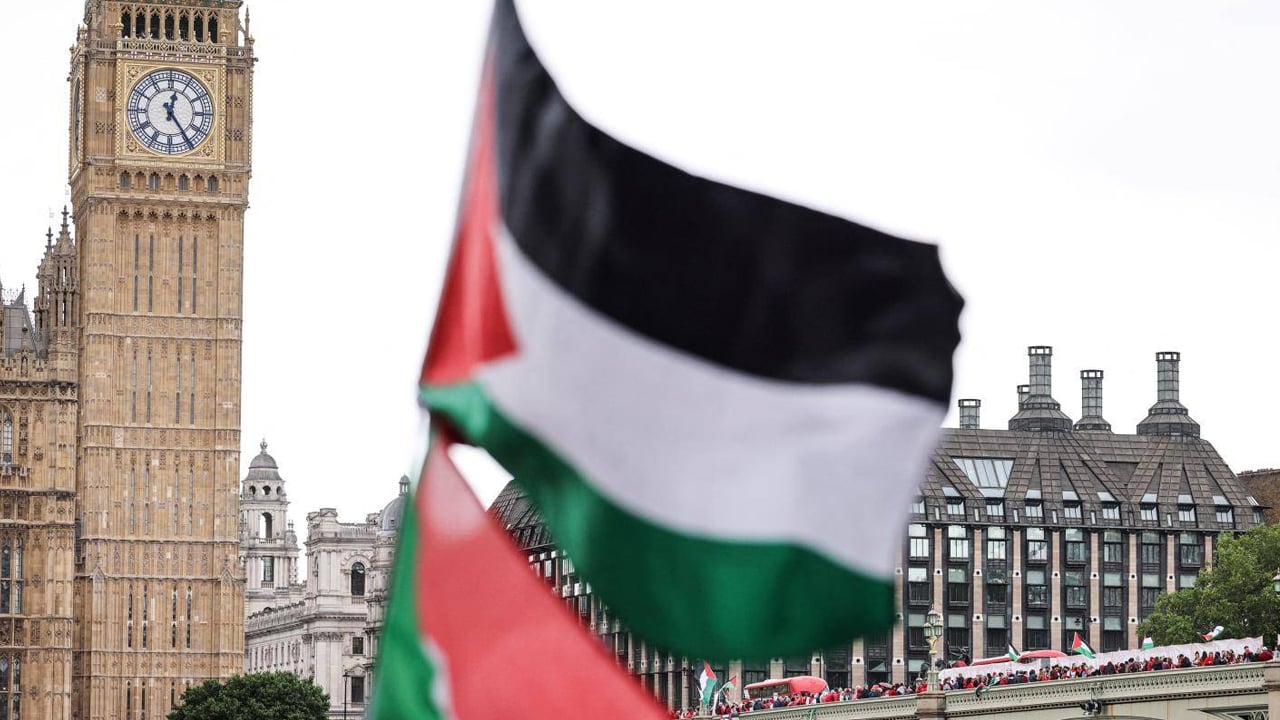
A motion has been introduced in the UK Parliament calling for broad sanctions against Israel in response to its actions in Gaza, the occupied West Bank, and Lebanon, according to Al Jazeera. The initiative was led by Labour Party MP Richard Burgon, who urged fellow lawmakers to support the proposal. Burgon stated on social media that 75 MPs have already signed the motion. Among the signatories are Scottish National Party spokesperson Brendan O’Hara, former Labour leader Jeremy Corbyn, and Layla Moran, the UK’s only MP of Palestinian descent. The motion calls for a firm stance against Israel’s recent measures in Gaza, the West Bank, and Lebanon. The proposal reflects growing parliamentary concern over Israel’s regional operations, though the source does not specify when or how the motion will be debated or voted on.
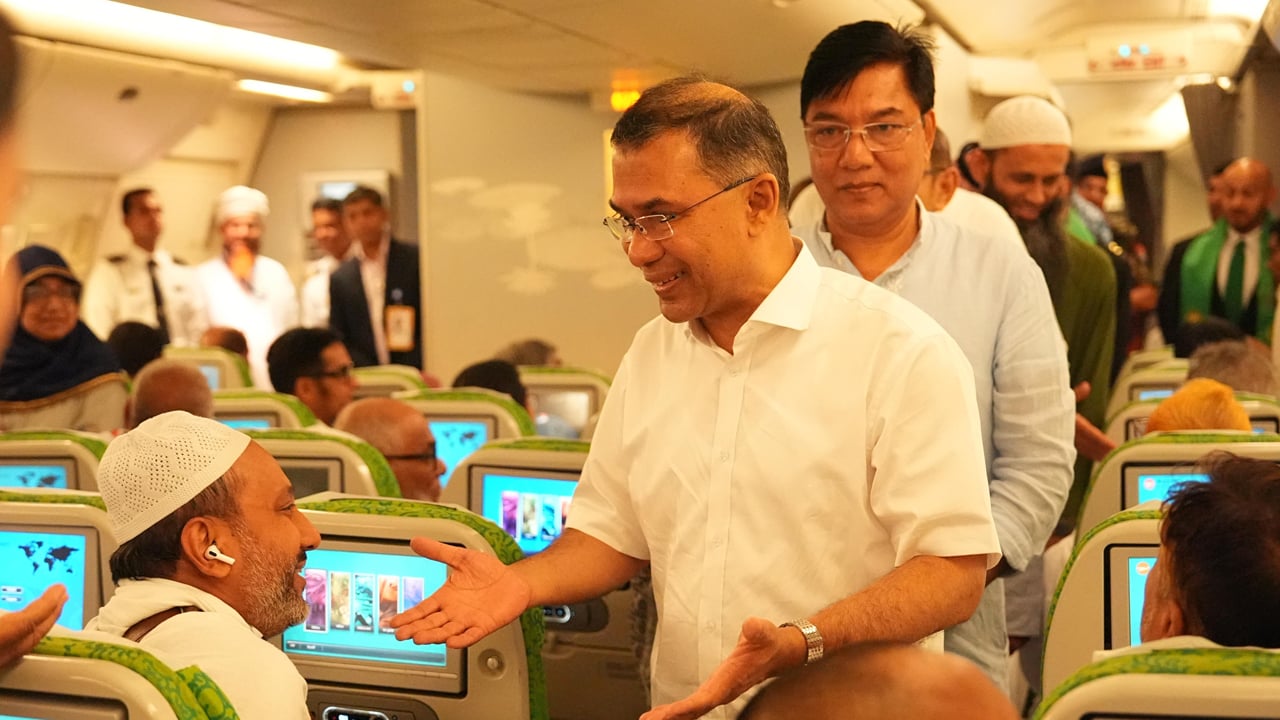
Prime Minister Tarique Rahman announced that the government will take new initiatives to further reduce Hajj expenses from next year. He made the statement on Friday night at Hazrat Shahjalal International Airport while inaugurating the first Hajj flight of the year. Rahman said that despite forming the government on February 18, when most Hajj arrangements were already completed, the administration still managed to lower costs by about 12,000 taka this year. The Prime Minister expressed optimism that expenses for next year’s pilgrims could be reduced further and that the government is working to improve management to ease pilgrims’ difficulties. He urged the departing pilgrims to pray for the peace and well-being of the nation and wished them a safe return. The event was attended by Religious Affairs Minister Kazi Shah Mofazzal Hossain Kaykobad, Civil Aviation and Tourism Minister Afroza Khanam Rita, State Minister M. Rashiduzzaman Millat, and Saudi Ambassador Abdullah Zafar H. Bin Abiyah. The first Biman Bangladesh Airlines flight carrying 418 pilgrims departed for Saudi Arabia at 12:20 a.m.
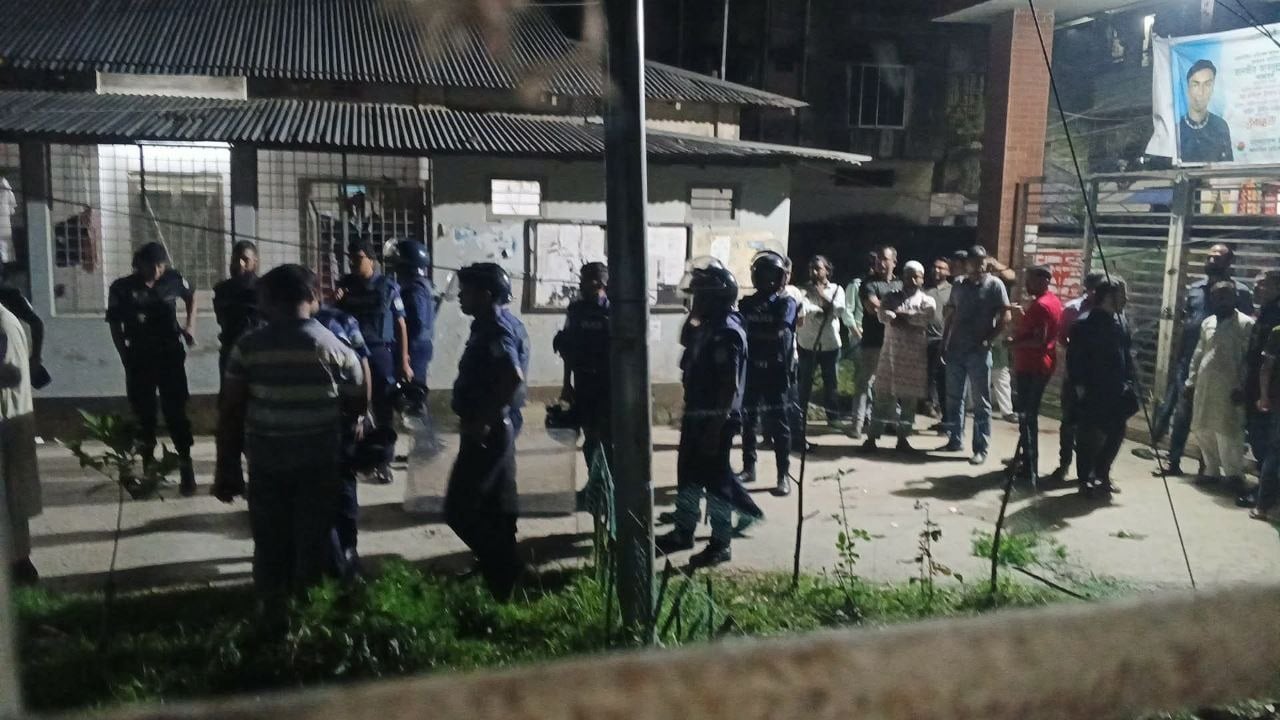
At least two students were injured in a clash between two factions of the Chhatra Dal at the Mymensingh Medical College hostel in the city’s Baghmara area on Friday evening, April 16. Police arrested one student, identified as Nafiu Islam of the BDS-14 batch, in connection with the incident. The injured include Mir Hamidur, a supporter of the group led by senior joint convener Nure Jawad Rutap, who was later transferred to Dhaka Medical College Hospital in critical condition, and Aman Ullah Muaj from the group of convener Tanvir Abdullah. Witnesses said the altercation began over refueling a motorcycle and escalated into a physical fight. Hamidur was first attacked by Muaj with a steel pipe, leading to a chase and further clashes between the two groups. Several others were also injured during the confrontation. Police have deployed additional forces to maintain order. College authorities and police confirmed that the situation is now under control, though the atmosphere at the hostel remains tense. Officials said the conflict may have stemmed from personal disputes among the student leaders.
Two leaders of the Bangladesh Jatiyatabadi Chhatra Dal (JCD) have been temporarily suspended following allegations of involvement in an attack on journalists at Kabi Nazrul Government College in Dhaka. The organizational action was taken under a central decision of the JCD, as confirmed in a notice signed by central office secretary Md. Jahangir Alam on Thursday night, April 17, 2026. According to the notice, Meherab Hossain Nahid, a member of the college unit’s convening committee, and Jibon Ahmed, a primary member, have had their positions suspended for one month on charges of violating organizational discipline. The decision was approved by JCD central president Rakibul Islam Rakib and general secretary Nasir Uddin Nasir. The disciplinary action follows a clash between two JCD groups on April 15 in front of the college’s main gate, during which two journalists were assaulted while covering the incident. The victims, representatives of Daily Campus and Sonali News, were reportedly attacked and had their phones taken while photographing the altercation.
Iran has warned that it will respond if the United States continues to enforce a blockade around Iranian ports. The warning came after US President Donald Trump announced that the blockade would remain in place, despite Tehran’s declaration that the Strait of Hormuz would stay open. The statement was reported by Al Jazeera on April 18, 2026. Iranian Foreign Ministry spokesperson Esmail Baghaei issued the warning through a post on social media platform X, saying Tehran would be compelled to take action if Washington persisted with the blockade. He also clarified an earlier post by Foreign Minister Abbas Araghchi, though details of that clarification were not elaborated in the report. The exchange underscores renewed tension between Tehran and Washington over maritime access and regional security, particularly around the strategic Strait of Hormuz, a key global oil transit route.
The ‘1 Nojor’ media platform is now live in beta, inviting users to explore and provide feedback as we continue to refine the experience.