

The ‘1 Nojor’ media platform is now live in beta, inviting users to explore and provide feedback as we continue to refine the experience.
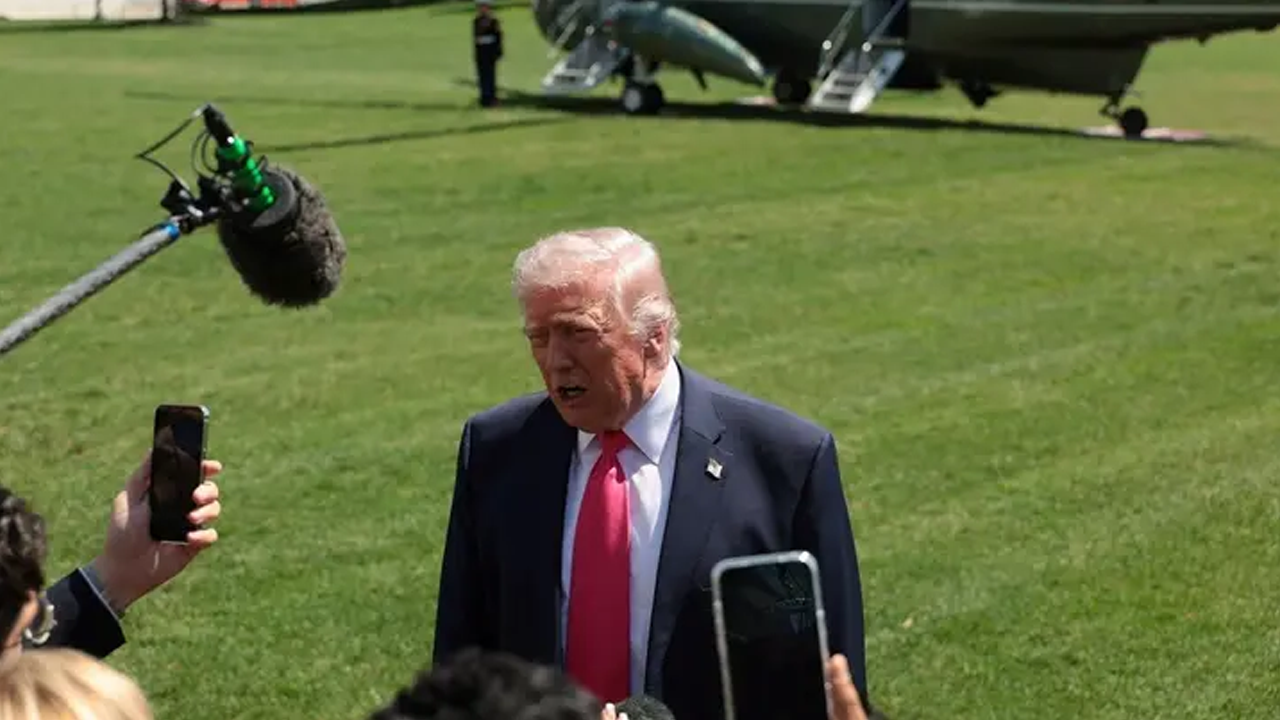
US President Donald Trump announced that Iran has proposed not to pursue nuclear weapons for more than 20 years. Speaking at the White House on Thursday, he said the United States and Iran were close to reaching an agreement, with the next round of talks possibly taking place on Saturday. Later in Las Vegas, Trump expressed hope that ongoing tensions could soon end. He noted that earlier talks in Islamabad had stalled over disagreements about Iran’s nuclear program, but now the situation appeared more positive. Trump added that a potential deal could stabilize global energy markets, lower oil prices, and reduce inflation and nuclear risks. He also mentioned that it was still uncertain whether the two-week ceasefire that began on April 8 would be extended, though Tehran seemed interested in reaching an agreement. The conflict intensified after a joint US-Israeli strike on February 28, which caused thousands of deaths and pushed oil prices above $100. Analysts believe a US-Iran deal could mark a major diplomatic success for the Trump administration and help keep the strategic Strait of Hormuz open.
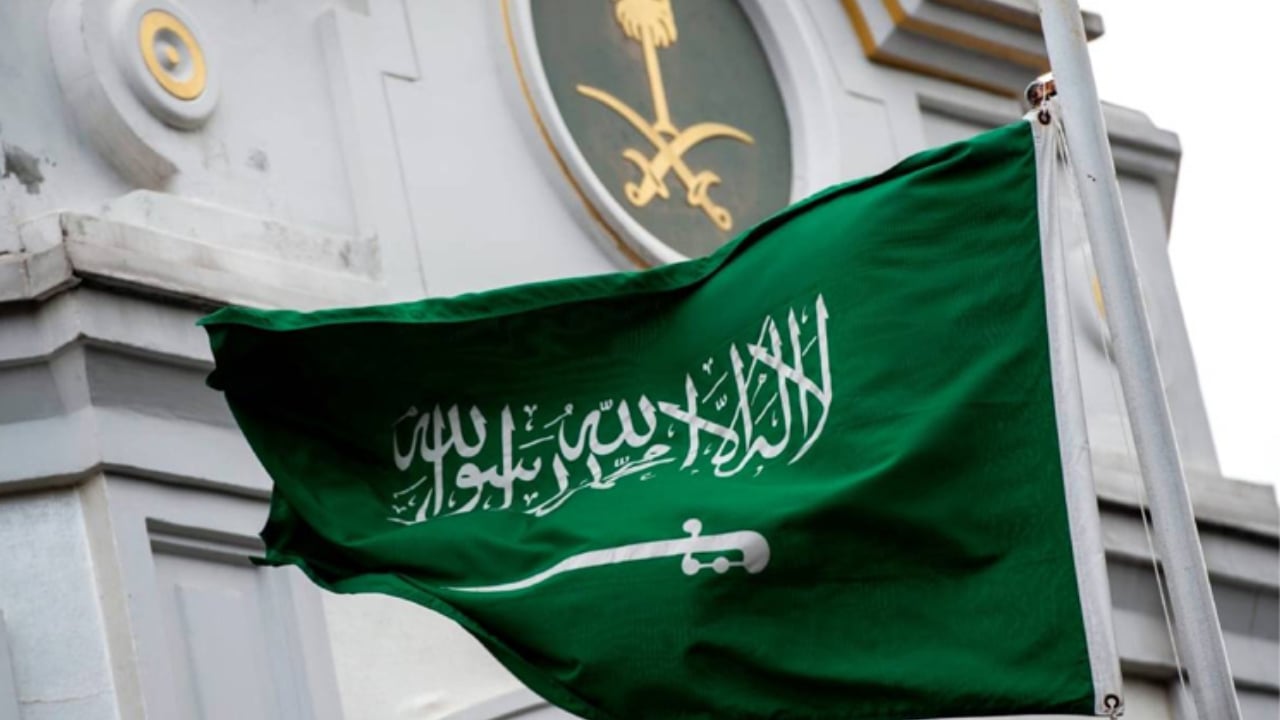
Saudi Arabia’s Ministry of Foreign Affairs has welcomed the ceasefire in Lebanon announced by US President Donald Trump. The ceasefire follows weeks of fighting between Israel and Hezbollah that began last month. The Saudi statement was released through the country’s official news agency, emphasizing support for peace efforts in Lebanon. According to the ministry’s statement, Saudi Arabia praised the political leadership of Lebanon for its constructive role during the crisis. The statement specifically commended President Joseph Aoun, Prime Minister Nawaf Salam, and Parliament Speaker Nabih Berri for their positive contributions toward achieving the ceasefire. The announcement reflects Saudi Arabia’s endorsement of diplomatic efforts to stabilize Lebanon after the recent escalation of violence. The ministry’s remarks align with broader regional calls for de-escalation and political dialogue.
The Ministry of Education has dismissed as false a rumor circulating on social media and online portals claiming that the Secondary School Certificate (SSC) examination schedule would not be released to prevent cheating. In an official statement issued on Friday, the ministry clarified that no such decision had been made and that the reports were entirely baseless. According to the ministry, a fabricated news item had spread online suggesting that students would only learn their exam subjects upon entering the examination hall. The ministry emphasized that this information was untrue and urged the public not to believe or share such misinformation. The clarification aims to prevent confusion among students and parents ahead of the upcoming SSC examinations, ensuring that official updates will continue to come directly from the ministry.
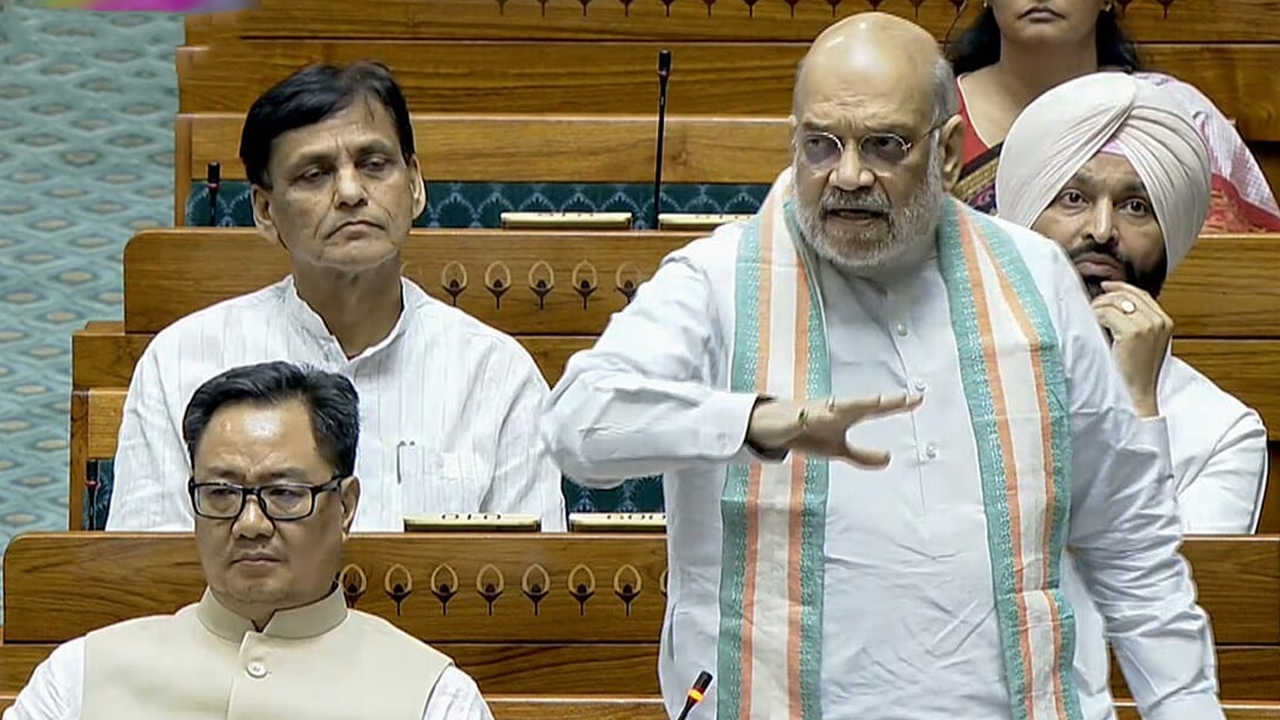
Indian Home Minister Amit Shah stated that there is no question of granting any reservation based on religion. He made the remark on Thursday, April 16, while presenting the Women’s Reservation Bill, the Delimitation Bill, and amendments to Union Territory laws in Parliament. Shah emphasized that the Indian Constitution does not permit religion-based reservations and reaffirmed the government’s position that providing such benefits to Muslims would be unconstitutional. Following his statement, Samajwadi Party leader and former Uttar Pradesh Chief Minister Akhilesh Yadav asked whether Muslim women would be included under the proposed reservation framework. In response, Shah said that the Samajwadi Party could nominate Muslim women candidates if it wished, and the government would have no objection. During the discussion, Shah also mentioned that the government’s work on the national census is ongoing and that a caste-based count has been decided. The remarks, reported by The Times of India, underline the government’s firm stance on constitutional limits regarding religion-based quotas and its ongoing demographic initiatives.
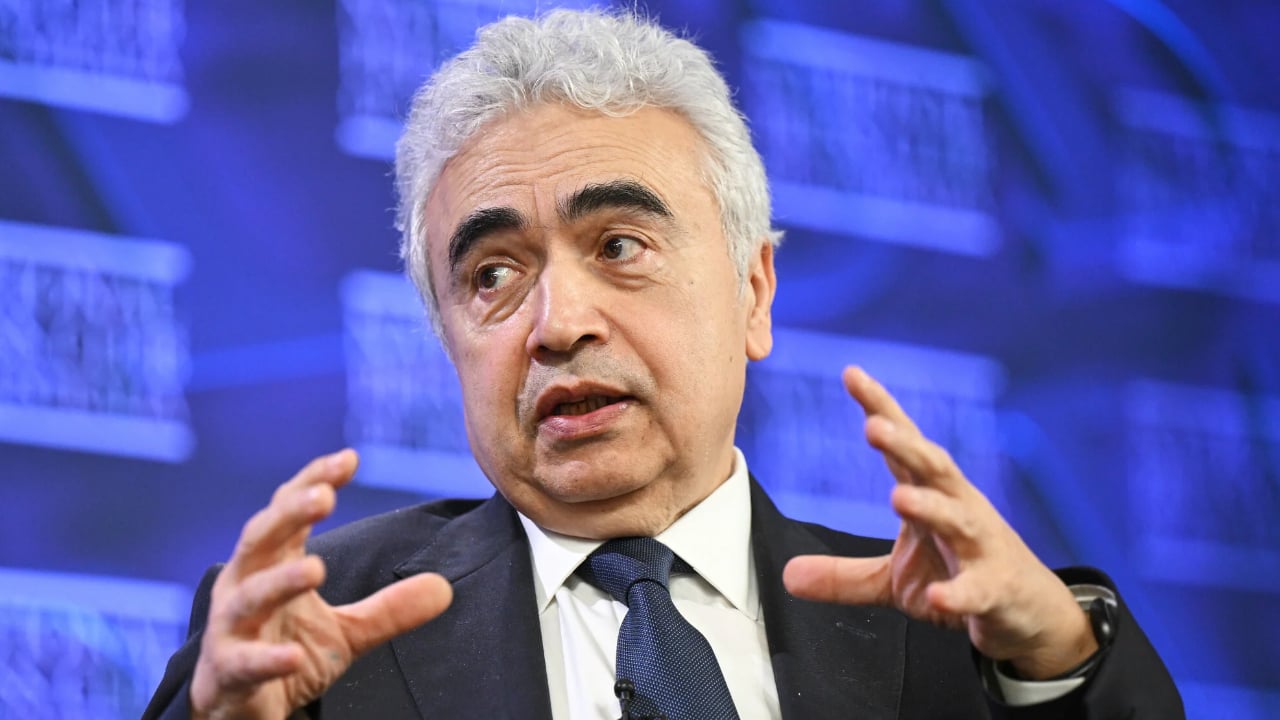
International Energy Agency (IEA) chief Fatih Birol has said that energy production across the Middle East, heavily damaged by the ongoing Iran war and subsequent attacks, could take about two years to return to normal levels. Speaking to a Swiss media outlet, Birol explained that the recovery timeline will vary by country, with some nations requiring more time than others to restore their energy infrastructure. Birol noted that Iraq, for example, will need significantly more time than Saudi Arabia to resume pre-war production levels. He emphasized that, overall, the region’s energy output is expected to take roughly two years to reach the levels seen before the conflict began. The IEA’s assessment highlights the scale of disruption caused by the conflict and underscores the challenges facing regional energy recovery efforts.
Jamaat-e-Islami has finalized its candidates for the reserved women’s seats in the upcoming 13th National Parliament. The party has given a green signal to seven nominees and instructed them to complete necessary preparations. Nomination forms have already been collected from the Election Commission, and the selected candidates are expected to submit them on Monday, a day before the deadline. According to party sources, the women’s wing proposed a list that was reviewed and approved at the central executive council meeting on April 14. Confirmed nominees include women’s wing secretary Nurunnisa Siddika, assistant secretary Marzia Begum, human resources and legal affairs secretary Advocate Sabikun Nahar Munni, and regional representatives Mahfuza Siddika from Sylhet, Merina Sultana from Chattogram, Sajeda Samad from Bogura, and Mardia Momtaz from Dhaka. The party’s assistant secretary general Advocate Ehsanul Mahbub Zubair confirmed that the candidates have been instructed to prepare their documents for submission on April 20. Jamaat-led 11-party alliance is expected to receive 13 reserved seats proportionally, with one seat allocated to the National Citizen Party and the rest to Jamaat. Final decisions on other alliance partners’ allocations are expected soon.

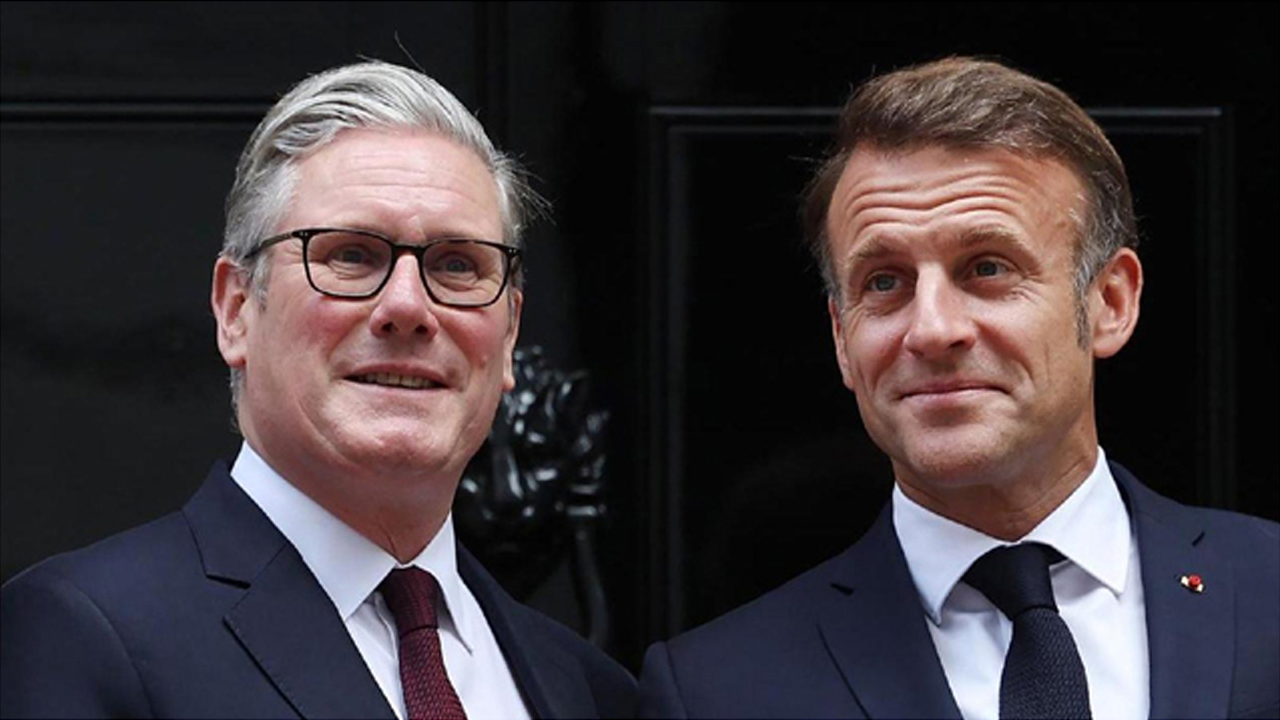
French President Emmanuel Macron and British Prime Minister Keir Starmer jointly chaired a meeting on Friday to discuss forming a multinational force to secure the Strait of Hormuz after the ongoing conflict between Iran, the United States, and Israel ends. The video conference, held at noon GMT, included nearly 30 European leaders and several others from outside the region. According to the Élysée Palace, the mission would ensure freedom of navigation and protect commercial shipping once conditions allow. The discussions followed Iran’s blockade of the vital waterway after the U.S. and Israel launched military action against Tehran on February 28, which sharply increased global oil prices. Although a fragile ceasefire is in place, the U.S. continues to enforce its own blockade on Iranian ports. European leaders fear prolonged restrictions could worsen inflation, food shortages, and fuel disruptions. France’s foreign minister warned that the blockade is severely affecting the global economy and French citizens’ daily lives. Officials said the proposed mission would only deploy after the war ends. Macron and Starmer are also leading efforts to form a European force to support Ukraine once its conflict with Russia concludes.
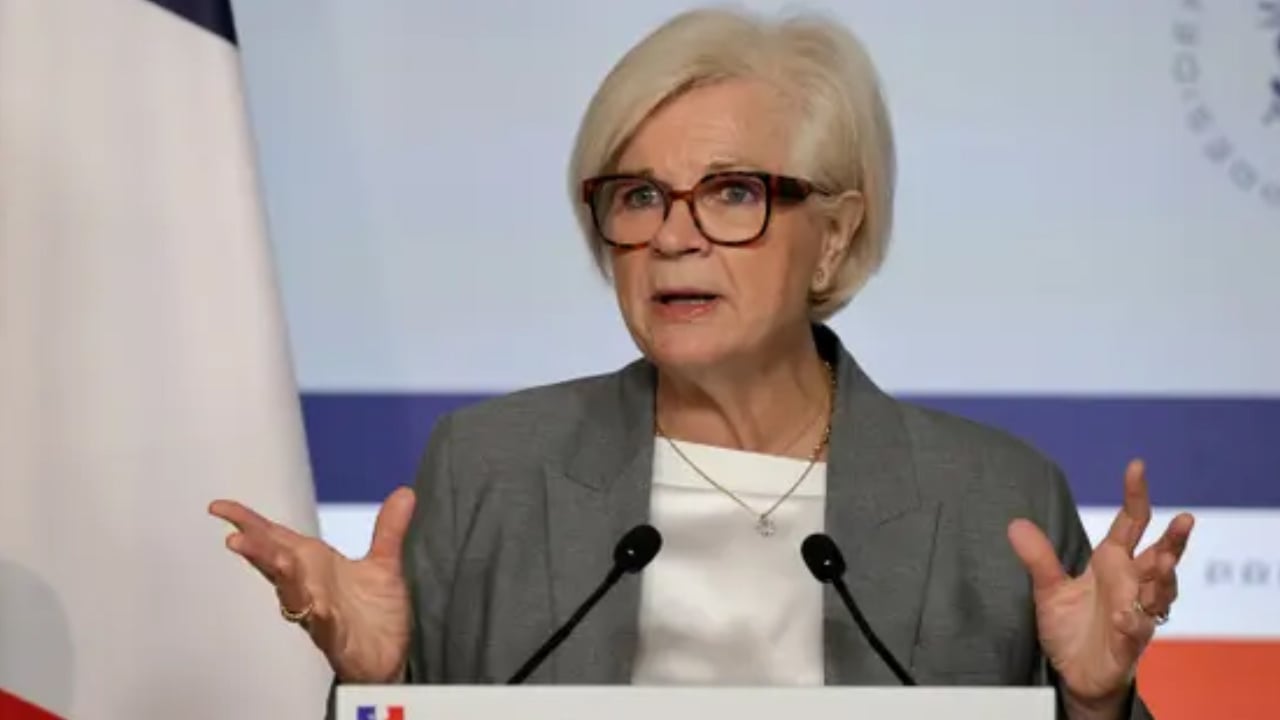
French Defense Minister Catherine Vautrin has said that European countries including Belgium, the Netherlands, and France possess mine-clearing capabilities that could help secure navigation through the Strait of Hormuz. In an interview with TF1 television, she stated that European nations are capable of escorting ships passing through this strategic waterway. She added that the issue would be raised at a meeting scheduled in Paris on Friday, aimed at demonstrating that U.S. allies are prepared to support free maritime movement through the strait. The Strait of Hormuz is one of the world’s most critical maritime routes, through which nearly one-fifth of global oil and liquefied natural gas supplies are transported. The French minister’s remarks highlight ongoing international attention to maintaining security and freedom of navigation in this vital corridor. The Paris meeting is expected to focus on coordination among allied nations to ensure safe passage for commercial vessels, reflecting broader efforts to safeguard global energy supply lines.
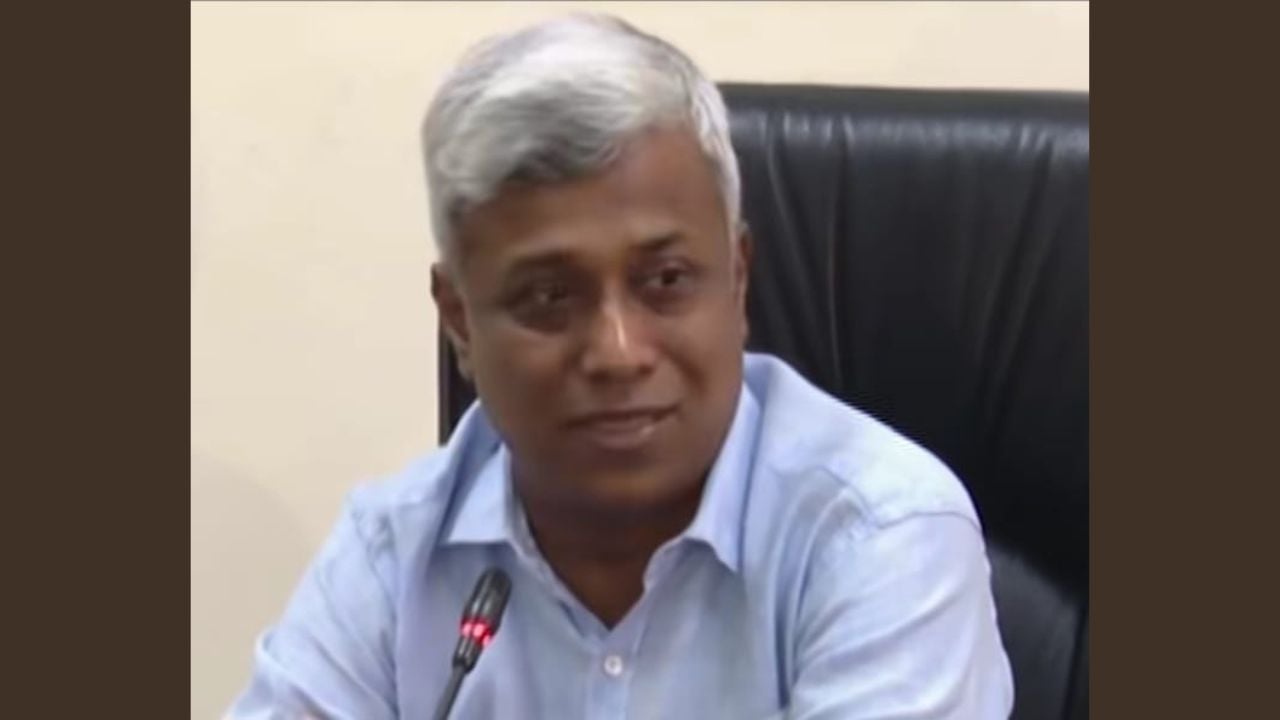
Bangladesh currently has the highest fuel reserves in its history, according to State Minister for Power, Energy and Mineral Resources Anindya Islam Amit. During a visit to the Eastern Refinery in Patenga, Chattogram on Friday, he said the existing stock of refined fuel is sufficient to meet national demand for April and May. He added that the government is actively managing supply amid global concerns over fuel availability caused by conflict in the Middle East. The minister explained that Bangladesh is sourcing fuel from both traditional and alternative suppliers to ensure stability. The country now has capacity to meet more than six weeks of demand and is working to secure supplies for June. Refining operations at Eastern Refinery have slowed due to reduced crude reserves, prompting the government to focus on importing refined fuel. Maintenance work is underway on two refinery units, which are expected to resume full production once new crude shipments arrive. Amit also announced that the second unit of Eastern Refinery is scheduled to begin operations in 2029, which he said will further reduce future fuel supply risks.
US President Donald Trump announced that Washington is close to reaching a significant agreement with Iran aimed at easing ongoing tensions. Speaking at an economic meeting in Las Vegas, he said Iran has agreed to hand over its enriched uranium, one of the main obstacles in the negotiations. Trump added that new talks could begin by the end of the week and described the situation as progressing very well, expressing hope that the conflict would soon end. Earlier at the White House, Trump stated that Iran had agreed not to pursue nuclear weapons and to transfer its enriched uranium, reportedly stored underground after US and Israeli airstrikes. However, Iran has not yet issued any official response to Trump’s claims. Trump also suggested that the current ceasefire with Iran might not need to be extended, with only five days remaining before it expires.

British Prime Minister and Labour Party leader Keir Starmer is facing a major political crisis after allowing the United States to use British military bases, including RAF Fairford in Gloucestershire and Diego Garcia in the Indian Ocean, for operations in Iran. Initially, Starmer had refused access to the bases but later conceded under pressure from Donald Trump. The decision has angered much of the British public and is expected to cause a heavy defeat for the ruling Labour Party in the upcoming local and devolved elections on May 7, 2026. The opposition Green Party, led by Zack Polanski, has strongly condemned the government’s cooperation with the US and Israel, calling Israel a rogue state committing war crimes. A recent poll shows the Greens overtaking Labour in public support, a dramatic shift from a year earlier. Observers predict that Labour could lose around 2,000 council seats, while the Greens and Liberal Democrats may benefit from widespread anti-war sentiment. Analysts suggest that Britain’s credibility in the Middle East has eroded due to its alignment with US and Israeli military actions in Gaza and Iran, leaving the country diplomatically isolated and diminishing its influence in regional affairs.
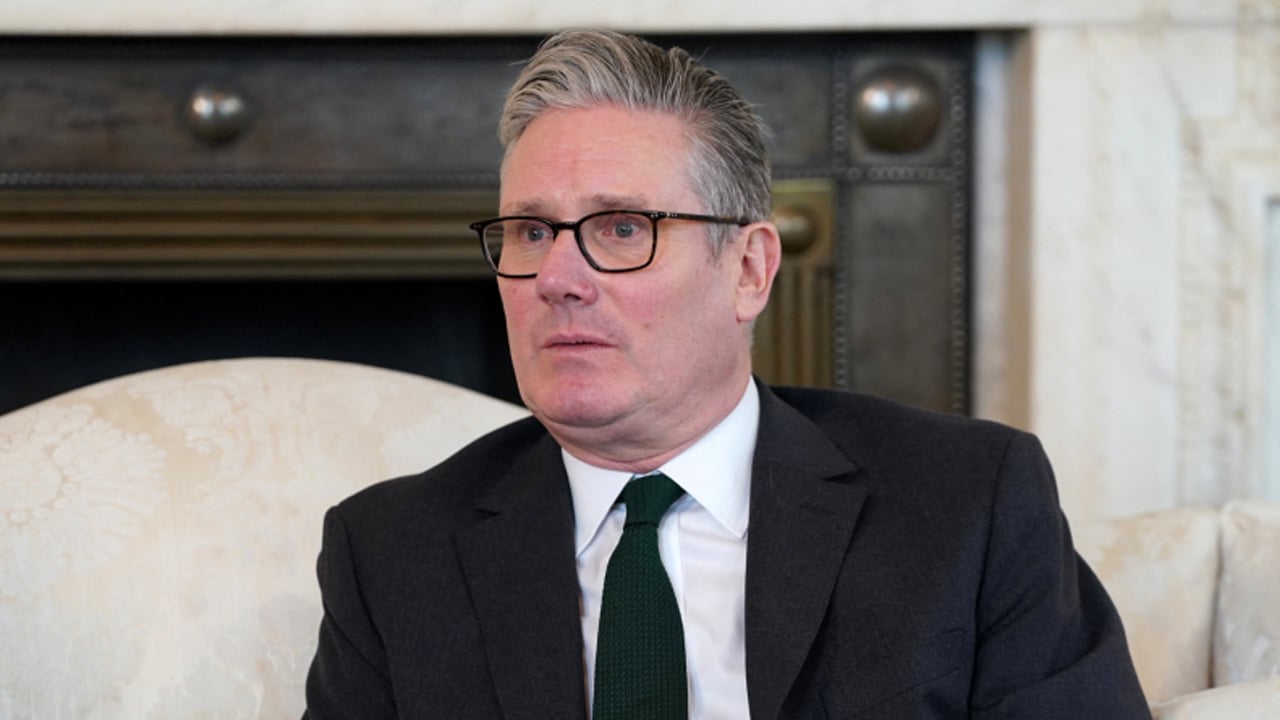
Supreme Court lawyer and Jamaat-e-Islami central executive member Advocate Mohammad Shishir Monir has written an open letter to Prime Minister Tarique Rahman, drawing attention to several issues. The letter, titled 'Cautionary Post,' was posted on Monir’s verified Facebook page on Friday morning. In it, he warned against excessive flattery surrounding the prime minister and his family, citing examples such as parliamentary praise and protocol privileges extended to family members. Monir acknowledged Tarique Rahman’s personal simplicity and work ethic but urged him to focus on competence and integrity rather than family-centered politics. He emphasized that the public, especially the younger generation, values merit over inherited leadership and cautioned that artificial leadership could provoke public resentment. The letter also criticized the government for deviating from its promised process in implementing the July Charter and for disregarding its own proposed referendum. Monir concluded by reminding that as a public figure, the prime minister is open to scrutiny and that people expect consistency between words and actions following the recent mass uprising.
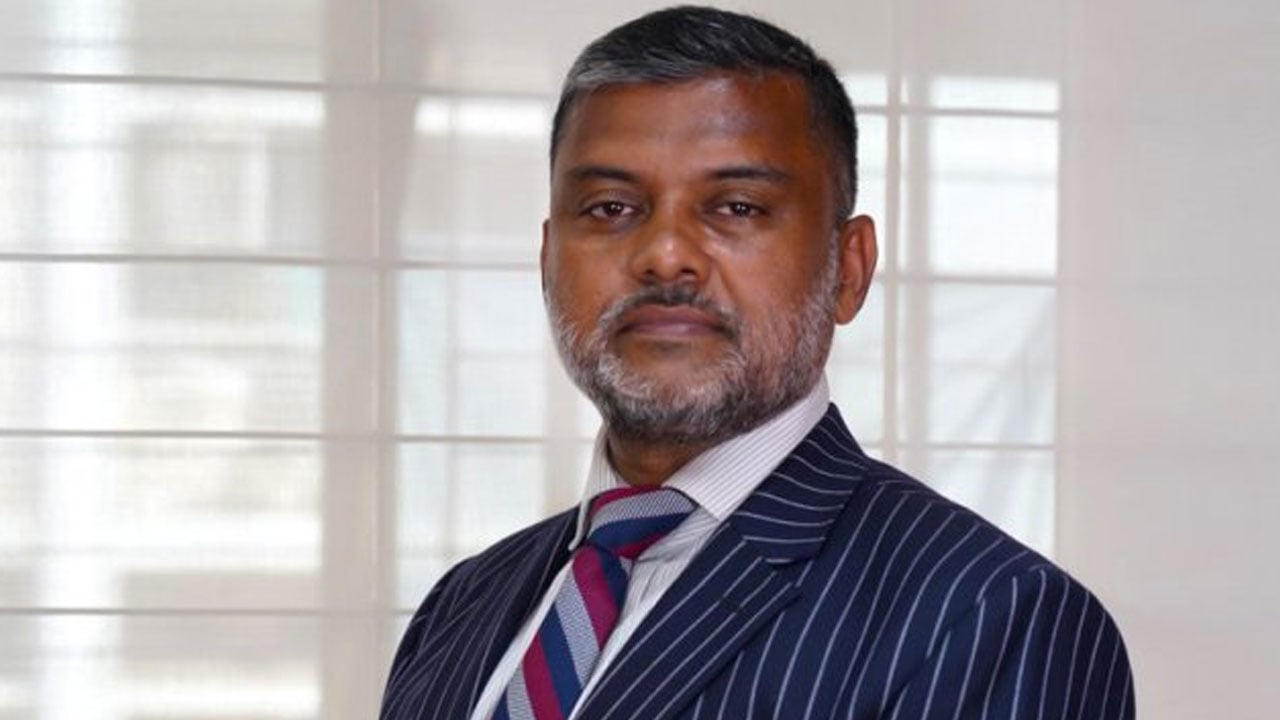
A severe fuel shortage has caused widespread disruption across Dhaka, with motorists waiting for hours at petrol pumps without getting fuel. Many ride-share drivers have been unable to work, while others have switched to using the metro to avoid the long queues. On Thursday, long lines of motorcycles and private cars stretched up to two kilometers at several filling stations, with many returning empty-handed as supplies ran out. Some stations have closed entirely due to lack of fuel. Petrol pump owners reported receiving significantly less fuel than usual, forcing them to turn away customers. At some stations, tensions flared as drivers argued and fought over access to fuel, prompting police deployment at multiple locations including Motijheel and Arambagh. The congestion around operating pumps has also caused severe traffic jams in surrounding areas. The shortage has led to a surge in metro ridership as commuters seek alternatives to private vehicles. Many residents said they preferred public transport to avoid the frustration and time loss of waiting in long lines under the hot weather.
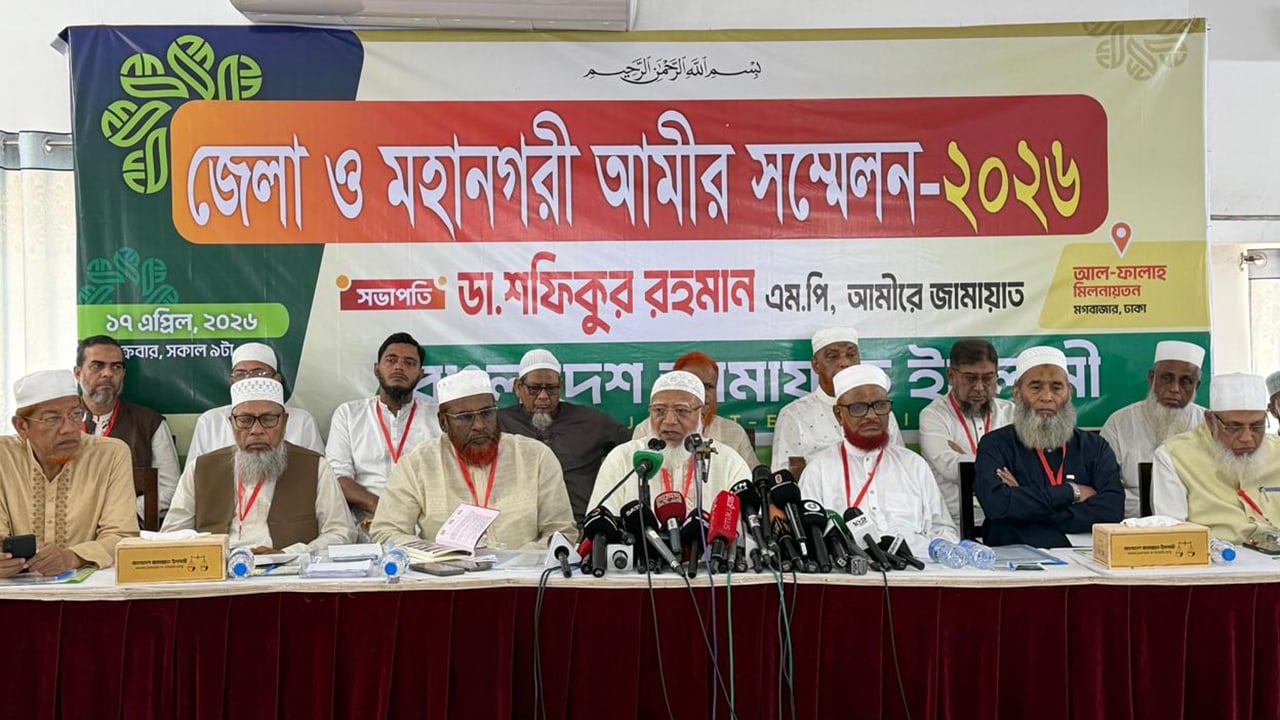
Opposition leader and Jamaat-e-Islami Ameer Dr. Shafiqur Rahman has accused the government of avoiding discussions on the ongoing energy crisis. Speaking on Friday morning at the district Ameer conference of Jamaat-e-Islami at Al-Falah Auditorium in Dhaka’s Moghbazar, he urged the government to work together with openness both inside and outside parliament to overcome the national crisis. He said that whenever they try to discuss issues such as the energy and electricity crisis, rising commodity prices, and fertilizer shortages, the government hides from dialogue. He acknowledged that these problems stem from global factors, not solely from the current administration, and called for collective solutions. Dr. Rahman also urged the government to accept the results of a public referendum and take steps to eliminate fascism from governance by turning related ordinances into laws. Supporting a recent statement by the Speaker, he said that if all 300 members of parliament act responsibly for the people, Bangladesh will change for the better. Senior Jamaat leaders, including A.T.M. Azharul Islam, Professor Mujibur Rahman, and Secretary General Mia Golam Porwar, were present at the event.
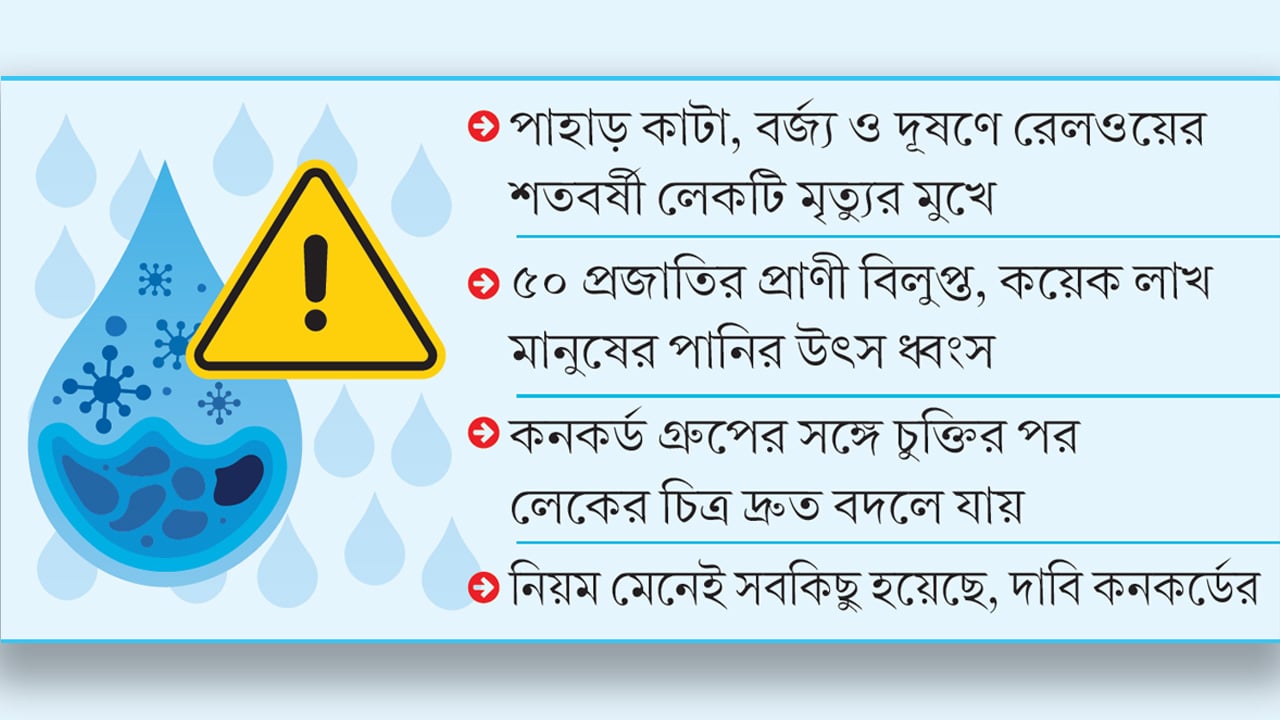
Once a clear and vibrant natural reservoir, Foy’s Lake in Chattogram has become heavily polluted and toxic due to years of environmental mismanagement, encroachment, and industrial activity. The century-old lake, formerly home to at least 50 species of wildlife and a key water source for thousands, now shows signs of severe ecological collapse. Following a 2005 lease agreement between Bangladesh Railway and Concord Group for tourism development, unregulated construction, hill cutting, and motorized boat operations have destroyed the lake’s natural balance. Field inspections and laboratory tests by Chattogram WASA and Railway labs found alarming levels of chemical contamination, with biological oxygen demand dropping and chemical oxygen demand rising sharply. Experts report that most aquatic plants and animals have vanished, and the lake’s water has turned green-gray with oil layers blocking oxygen flow. Despite a 2017 lease cancellation, Concord continues operations under legal protection, while illegal settlements and waste dumping persist around the lake. Environmentalists and legal experts warn that the situation poses serious public health risks and call for immediate enforcement of environmental and lease conditions to restore the lake’s ecosystem.
The ‘1 Nojor’ media platform is now live in beta, inviting users to explore and provide feedback as we continue to refine the experience.