

The ‘1 Nojor’ media platform is now live in beta, inviting users to explore and provide feedback as we continue to refine the experience.
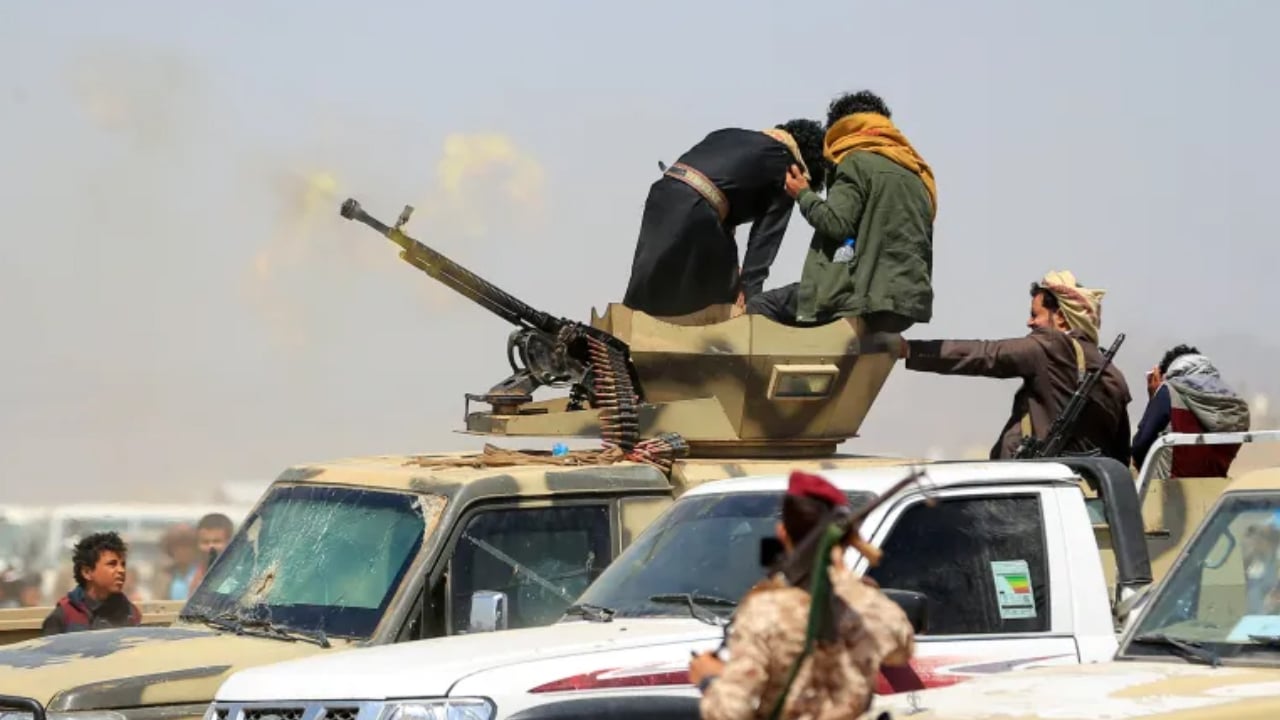
Sixteen soldiers from Yemen’s government forces were killed and sixteen others injured in clashes with Houthi rebels in the western province of Hodeidah, according to officials and medical sources cited by Al Jazeera. The fighting occurred in the Jabal Dabbas area and was described as one of the deadliest confrontations in recent years. Government-aligned minister Walid al-Qudaimi said the soldiers died defending their land and dignity. Medical sources reported that sixteen bodies and twenty-two wounded soldiers were taken to a local hospital. A government military official stated that the Houthis launched an attack on Friday night, seizing several government positions, but government forces regained control of those areas early Saturday morning. The conflict between Houthi rebels and Yemen’s internationally recognized government has continued since 2015. The Houthis currently control the capital Sanaa, much of northern Yemen, and the strategic port city of Hodeidah.
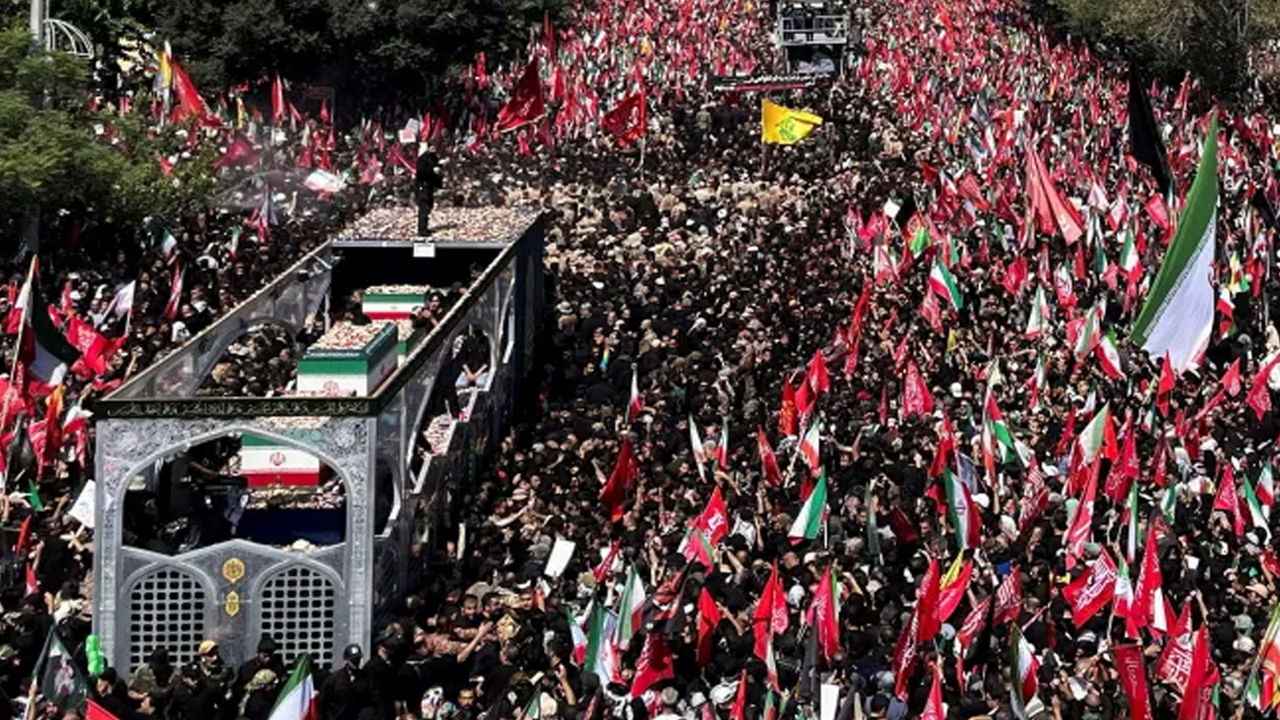
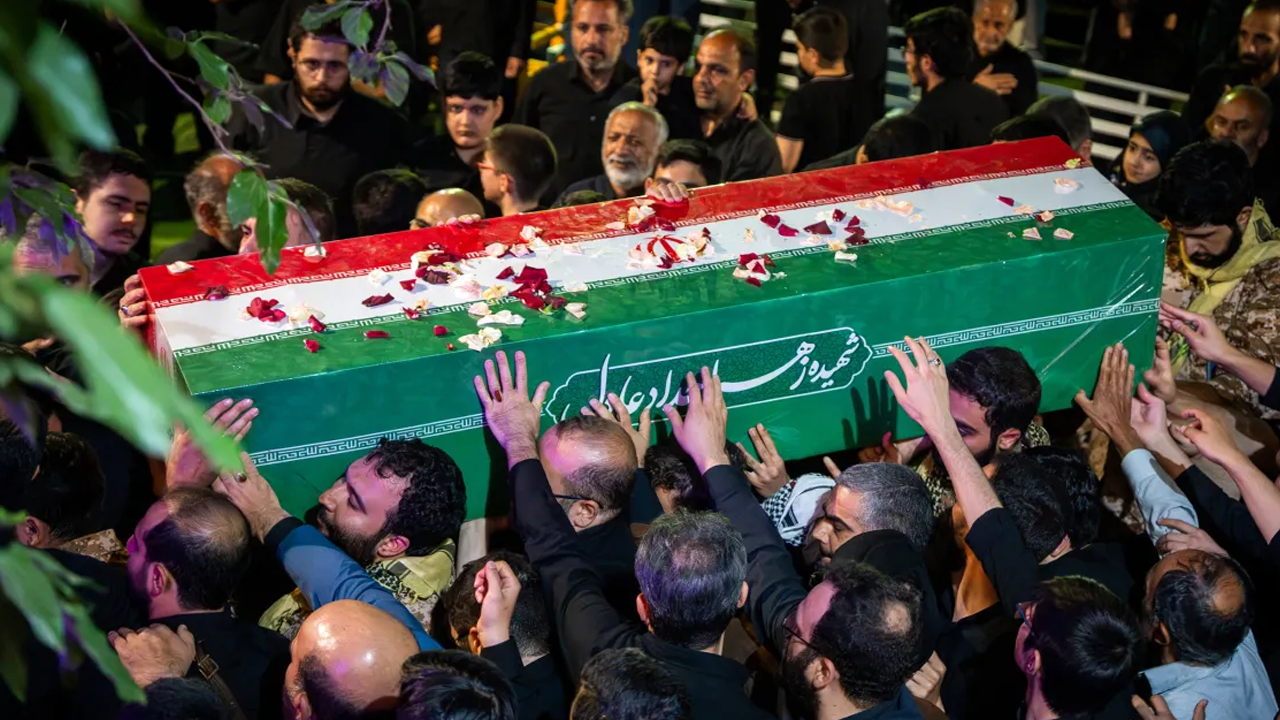
Millions of Iranians gathered in Tehran on Monday for the funeral and mourning rally of former Supreme Leader Ayatollah Ali Khamenei, who was killed in a joint U.S.-Israeli attack on February 28. The procession began early in the morning at the Grand Mosalla religious complex, where Khamenei’s body had been kept for two days for public tribute. His coffin was later brought to Freedom Square as mourners, dressed in black and carrying red flags symbolizing revenge, vowed to avenge his death. State media IRIB described the gathering as one of the largest in modern history, with streets of Tehran overflowing with mourners. The funeral followed days of national mourning that began on Friday, attended by foreign dignitaries. Security was tightened across the capital amid warnings of overcrowding. Khamenei’s son and current Supreme Leader Mojtaba Khamenei did not attend due to security threats from Israel. The funeral procession will continue through Qom and Iraq before Khamenei’s burial in Mashhad on Thursday. Iranian authorities view the massive turnout as a message of strength and resistance following the recent war with the United States and Israel.
Sikandarpur Westgaon village in Sylhet has again become tense amid violent clashes between rival factions of the ruling Awami League. The conflict, ongoing for over a decade, involves supporters of Golam Kibria, a former union chairman, and former UP member Haji Nur Hossain. Local reports describe repeated incidents of armed demonstrations, shootings, and looting, with residents living in fear. Despite police visits confirming illegal arms displays, no effective arrests or weapon recoveries have been made. The latest wave of violence followed the reemergence of Golam Kibria and Shafiqul Islam after a period of inactivity. In recent weeks, several homes were attacked, roads were blocked, and surveillance footage allegedly showed known local youths displaying firearms. Police officials acknowledged the authenticity of the incidents but said suspects fled using nearby wetlands. Residents have accused police of inaction and demanded a permanent police camp, special drives to seize illegal weapons, and an impartial investigation committee. Golam Kibria denied involvement, claiming he was in Dhaka for medical treatment and called for a neutral probe. Police say the matter has been reported to higher authorities for further action.

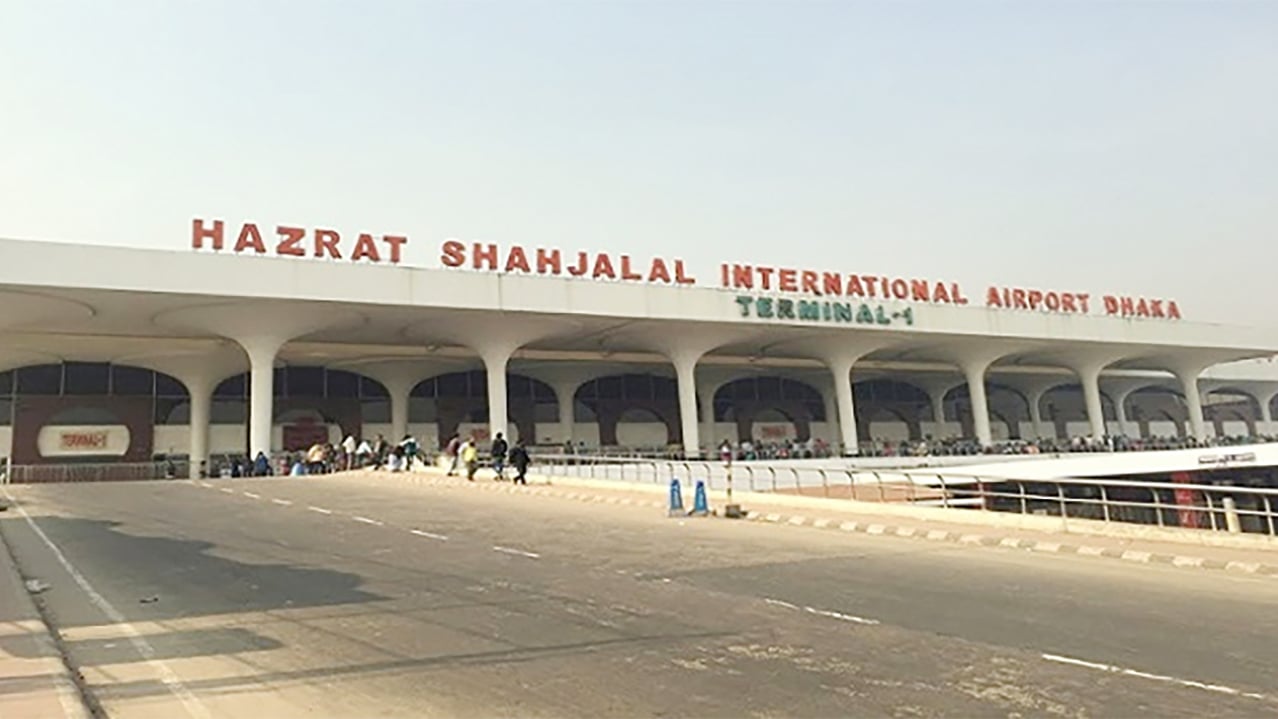
A mysterious incident occurred at Hazrat Shahjalal International Airport in Dhaka when 71 passengers failed to board a Biman Bangladesh Airlines flight to Malaysia on Saturday night, despite completing check-in and immigration procedures. The issue surfaced after five passengers were found with fake e-visas at the boarding gate. The BG-386 flight eventually departed for Malaysia without 76 passengers, including those offloaded for visa irregularities. Airport sources said the 76 passengers had been issued boarding passes without proper visa verification. Immigration authorities initially cleared them, but discrepancies were later detected at the gate. Biman officials confirmed that 10 passengers were offloaded by immigration, five were stopped for visa issues, and 61 did not appear at the gate. The flight left with 192 passengers instead of 288. Authorities are investigating possible involvement of a fraudulent network known as “body contract,” suspected of facilitating illegal travel. Intelligence and police officials are probing whether airport or airline staff were complicit. Preliminary findings suggest the missing passengers intended to stay in Malaysia under tourist visas arranged by a travel agency.
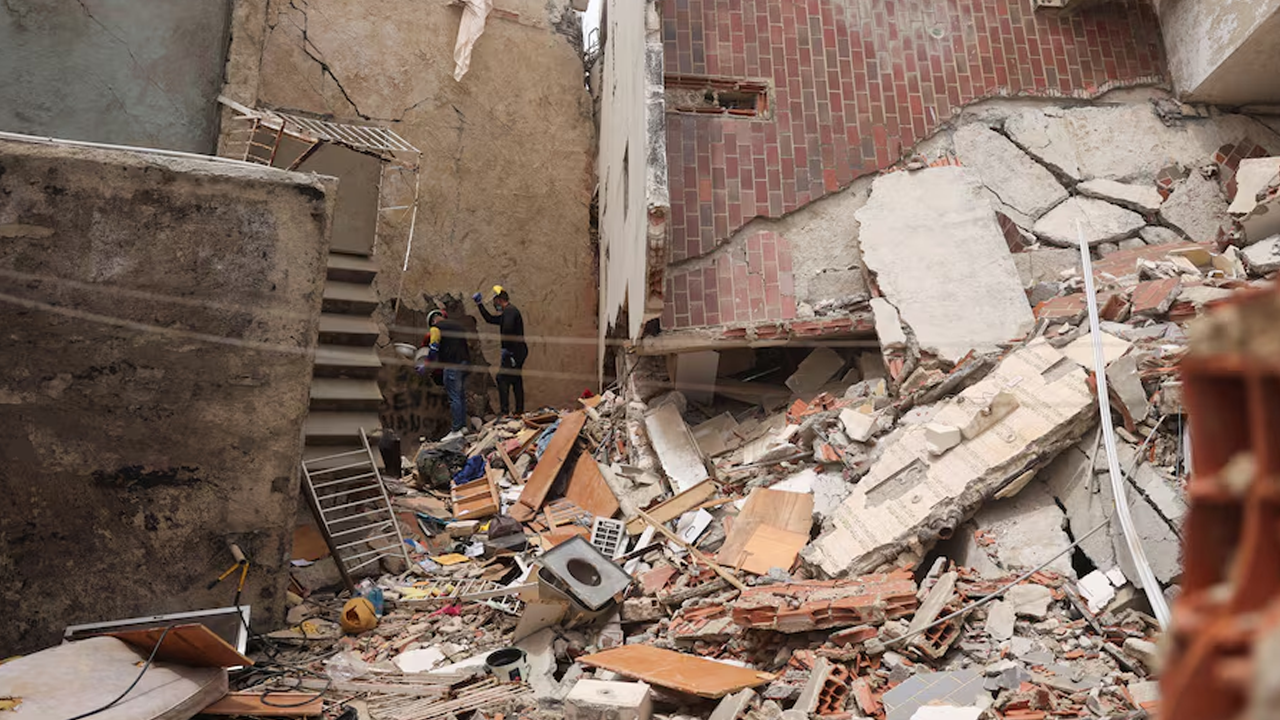
A powerful pair of earthquakes that struck Venezuela on June 24 has left at least 3,342 people dead and about 16,700 injured, according to a Reuters report published on July 6, 2026. Thousands remain missing following the twin quakes, which caused extensive damage across several regions, with La Guaira suffering the most destruction. The Venezuelan Information Ministry confirmed that 6,462 people have been rescued so far, while 856 buildings were damaged and 190 structures collapsed. Authorities said 86,794 families have received assistance, and 17,345 residents remain homeless. The government has deployed 29,567 workers and 27,482 volunteers for relief operations, supported by 4,088 international rescuers. Relief efforts have included the distribution of 9,585 tons of food, 669,008 liters of water, and medical treatment for 23,820 patients. Seventy-nine temporary shelters have been established in affected areas. The U.S. Geological Survey reported that the two quakes, measuring magnitudes 7.2 and 7.5, struck within 39 seconds of each other. The ministry also noted that 995 aftershocks have occurred since the initial disaster.
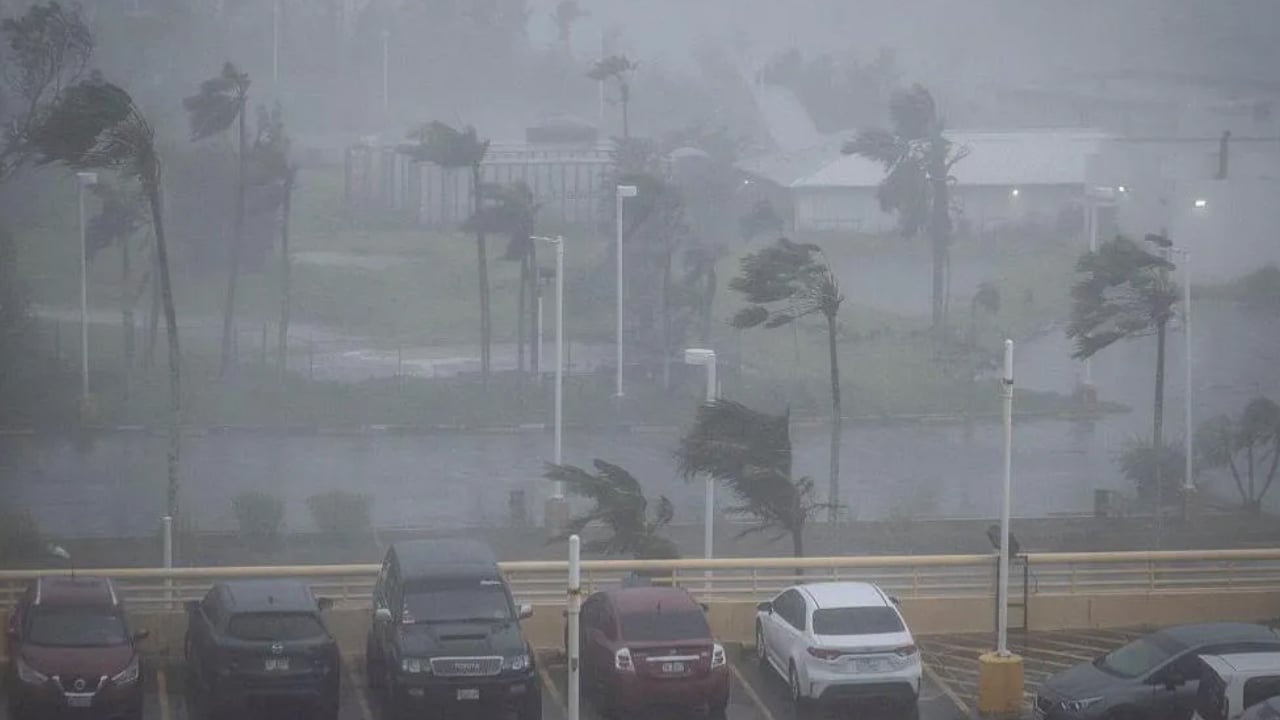
Super Typhoon Bavi struck the U.S. Pacific territories of Guam and the Northern Mariana Islands on July 6, 2026, with wind speeds reaching 290 kilometers per hour. The storm disrupted normal life across the islands, bringing heavy rain and strong winds. The U.S. National Weather Service warned that the typhoon is extremely dangerous and could cause extensive damage, with waves as high as 35 feet expected. Authorities reported significant destruction on Rota Island in the Northern Marianas, which lies northeast of Guam and was directly hit by the storm. The island’s mayor urged residents to stay indoors and remain safe. In Saipan, north of Rota, wind gusts exceeding 161 kilometers per hour were recorded at the airport. The weather service said strong winds would persist until Monday afternoon before gradually weakening. Guam, home to about 170,000 people, opened five shelters with capacity for around 1,700 residents, though one was already full by Sunday afternoon. The U.S. Joint Typhoon Warning Center officially classified Bavi as a super typhoon.
The coffin of former Iranian Supreme Leader Ayatollah Ali Khamenei was taken to Tehran’s Freedom Square on Monday, following a large funeral prayer held the previous day at the city’s Grand Mosalla mosque. According to Al Jazeera, millions of Iranians gathered around the coffins of Khamenei and his family members to pay their final respects, with mourners arriving from across the country. The report described the ceremonies as more than expressions of grief, portraying them as demonstrations of national unity and institutional continuity after Khamenei’s assassination. Iranian leadership sought to signal that, despite his death, the state institutions he built remain intact and the transfer of power is proceeding smoothly. Khamenei’s son, Mojtaba Khamenei, has succeeded him as Supreme Leader but has not yet appeared publicly. The coffin will next be taken to Qom on July 7, then to Iraq’s Karbala and Najaf on July 8, and finally to Mashhad on July 9 for burial, marking the conclusion of the state mourning process.
Bangladesh Bank has made the use of 'Bangla QR' mandatory at all commercial outlets and merchant points from July 1, replacing older QR codes. The move aims to promote digital payments and advance the country toward a cashless economy. Customers can now make payments by scanning a single QR code through any bank or mobile banking app, eliminating the need for multiple QR stands or expensive POS machines. However, questions have emerged among consumers and small businesses about transaction fees and potential cost increases. The central bank clarified that the merchant discount rate (MDR) is a matter between banks and merchants, not to be charged to customers. Yet, experts fear that merchants may offset these costs by raising product prices. The new directive sets a minimum MDR of 1 percent, replacing earlier lower caps. Experts believe the system will ultimately benefit small businesses by reducing cash handling risks and helping them build digital financial identities. Bangladesh Bank expects 75 percent of all transactions to become cashless by 2027, though challenges remain regarding internet access, cybersecurity, and merchant confidence.

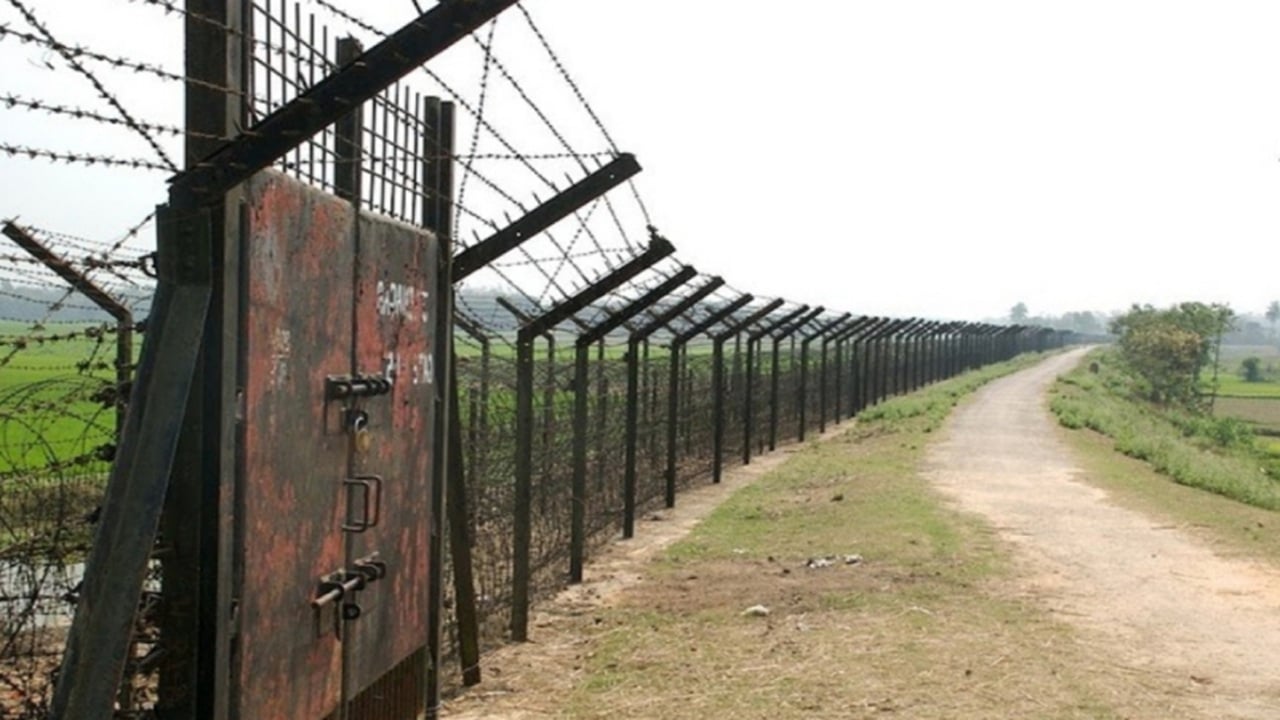
An opinion piece published on July 6, 2026, revisits the 2011 killing of 15-year-old Felani Khatun at the Kurigram border, whose body hung on barbed wire after being shot by India’s Border Security Force (BSF). Her father, Nurul Islam, continues to demand justice as the accused BSF member was acquitted twice, and a petition before India’s Supreme Court has remained pending since 2015. The article argues that the tragedy symbolizes a broader failure of state responsibility and diplomatic firmness in protecting Bangladeshi citizens along the border. Citing data from rights groups, the report notes that between 2000 and 2020, at least 1,236 Bangladeshis were killed and over 1,145 injured by BSF gunfire, with deaths rising from 18 in 2021 to 34 in 2025. It stresses that border killings violate human rights and that official recognition without accountability mechanisms cannot restore public trust. The author urges formation of a national review committee to address border management, economic disparity, and regional development. The piece concludes that Felani’s unresolved case remains a test of Bangladesh’s moral and institutional strength, calling for unity and reform to ensure no citizen’s life is treated as expendable.
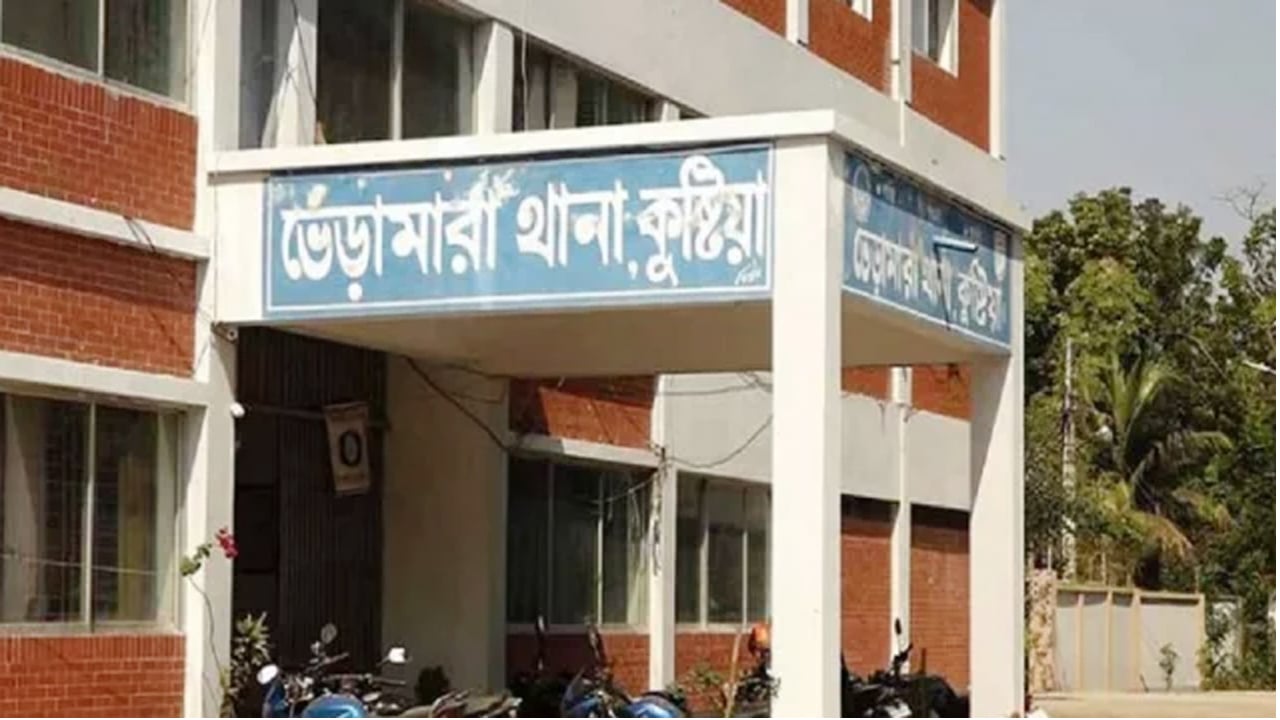
A local BNP leader named Nasirul Biswas, aged 50, was shot and injured in a dispute over sand trading in the Hardinge Bridge area of Veramara upazila, Kushtia. The incident occurred on Sunday afternoon when unidentified assailants attacked him while he was selling sand. He sustained a gunshot wound to his back and injuries to his leg from sharp weapons. Locals rescued him and admitted him to Kushtia General Hospital, where doctors later confirmed he was out of danger. According to police and local sources, the attack involved seven assailants, six of whom were masked. Witnesses could not identify any of them. Veramara police suspect the shooting stemmed from a business conflict over sand trading. Local BNP leaders said Nasirul, the general secretary of Ward No. 4 BNP and a sand trader, managed the party’s sand business in the area. Police are investigating the incident to identify and apprehend those involved in the attack.
The Ministry of Religious Affairs has launched an investigation into allegations of distributing low-quality textbooks and widespread irregularities in the mosque-based child and mass education project run by the Islamic Foundation. The probe follows a report from the National Security Intelligence (NSI), which prompted the ministry to form a three-member committee led by Additional Secretary Imtiaz Hossain. The committee held a meeting on Sunday and is expected to submit its findings within ten working days. According to the NSI report, serious corruption and financial irregularities occurred in the Islamic Foundation’s printing press, including violations of tender conditions, use of substandard paper, under-supply of materials, and alleged embezzlement of about 28.4 million taka through collusion with contractors. The report also noted that centralizing paper procurement under the printing press created opportunities for misconduct. Complaints have emerged from various centers about poor-quality books and notebooks, particularly the use of inferior paper in drawing books and wasteful use of materials. The ongoing investigation is expected to clarify the extent of these irregularities.

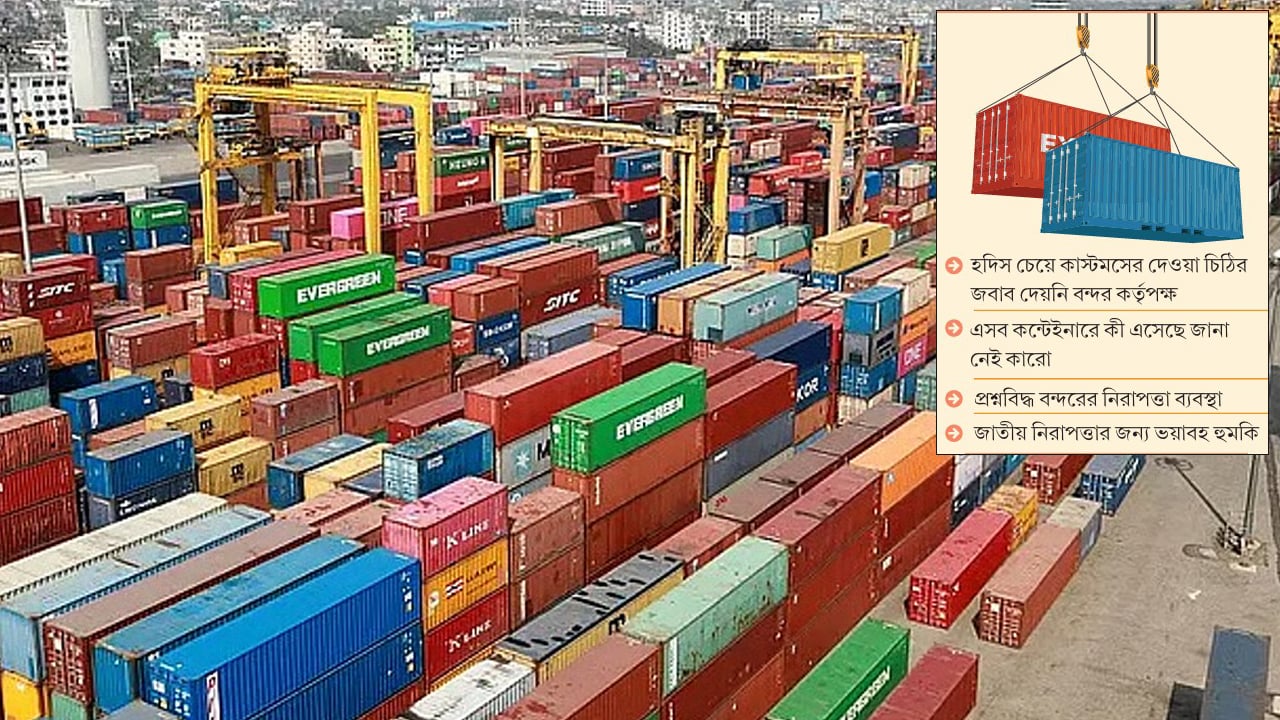
A total of 250 cargo containers have gone missing from Chattogram Port despite being under customs lock due to smuggling and tax evasion suspicions. The Chattogram Custom House had restricted their release through the ASYCUDA World system, but the containers could not be located. Officials suspect a large syndicate exploited system weaknesses and breached port security to remove the containers. Over seven months, the customs authority sent five letters to the port authority seeking clarification, but no response was received. According to customs sources, the containers were imported between 2021 and 2024 and were never cleared by importers. The issue surfaced after a company failed to locate two auctioned containers in 2025, prompting a wider investigation. Security analysts warned that the disappearance poses a serious national security threat, recalling past incidents of arms and drug smuggling through the same port. Customs officials emphasized that the port authority is responsible for container custody. Port officials have not provided direct comments, though the port chairman recently acknowledged attempts by a syndicate to manipulate documents and digital systems. Experts said both customs and port authorities share responsibility for the security lapse.
An article by Muhammad Abdul Awal, president of the Rajshahi Union of Journalists, published on July 6, 2026, highlights the growing crisis and disunity within Bangladesh’s journalism sector. It stresses that journalism, as a profession rooted in truth and public interest, now faces threats from political and corporate pressure, low pay, job insecurity, and internal divisions. The author calls for stronger unity among journalists to defend professional rights, ensure safety, and uphold independent reporting. The piece outlines that unity is not merely organizational but a collective commitment to truth, justice, and professional ethics. It identifies political polarization, leadership conflicts, and inequality between national and local journalists as major barriers to solidarity. The article also warns that disunity weakens journalists’ ability to resist injustice and undermines democracy. Awal urges journalist leaders to rise above personal and political interests, strengthen professional organizations, and promote training, digital security, and fair labor practices. He concludes that only a united and responsible journalist community can safeguard press freedom, public trust, and democratic accountability in Bangladesh.

Questions have emerged over the accuracy of rainfall data collected by the Bangladesh Water Development Board (BWDB), as several of its rain gauge stations were found to be installed under large trees or in shaded areas, violating international standards. Field inspections revealed discrepancies of 21 to 43 millimeters between BWDB and Bangladesh Meteorological Department (BMD) readings in the same regions, including Sylhet, Kurigram, and Netrokona. Experts warned that such flawed data could undermine climate research, flood forecasting, and disaster management, though BWDB officials claimed the impact was limited. According to the World Meteorological Organization, rain gauges must be placed at least twice the height of nearby obstacles to ensure accurate readings. Despite spending about 700 million taka under the BWCSRP project to modernize weather stations in 2020–21, many installations failed to meet basic standards. BWDB engineers cited land constraints, tree growth, and security issues as reasons for noncompliance. Meanwhile, experts from BUET emphasized that inaccurate rainfall data could distort infrastructure design and research outcomes. Specialists urged the government to strengthen data quality control, noting that reliable rainfall information is essential for effective water and climate management.

Three fugitive Bangladeshi generals—Lt Gen (dismissed) Md Mujibur Rahman, Lt Gen (retired) Md Akbar Hossain, and Maj Gen Kabir Ahmed—are reportedly residing in a secured military residential area in Kolkata, India. According to security sources cited by the newspaper, the Indian government recently moved them from civilian residences in Salt Lake and New Town to a protected army zone near the Hooghly Bridge. The generals fled Bangladesh after the fall of Sheikh Hasina’s government and face allegations of involvement in enforced disappearances, extrajudicial killings, and other crimes. The report states that the three maintain contact with Sheikh Hasina and Awami League leaders and hold meetings in Kolkata. Analysts quoted in the article described their relocation and protection by India as a serious threat to Bangladesh’s national security, alleging that India may use them to influence Bangladeshi politics. They urged the Bangladeshi government to expedite legal proceedings against the accused officers and raise the issue internationally. Intelligence Bureau records in India reportedly include detailed data on these generals and their families, confirming their presence in Kolkata.

The ‘1 Nojor’ media platform is now live in beta, inviting users to explore and provide feedback as we continue to refine the experience.