

The ‘1 Nojor’ media platform is now live in beta, inviting users to explore and provide feedback as we continue to refine the experience.
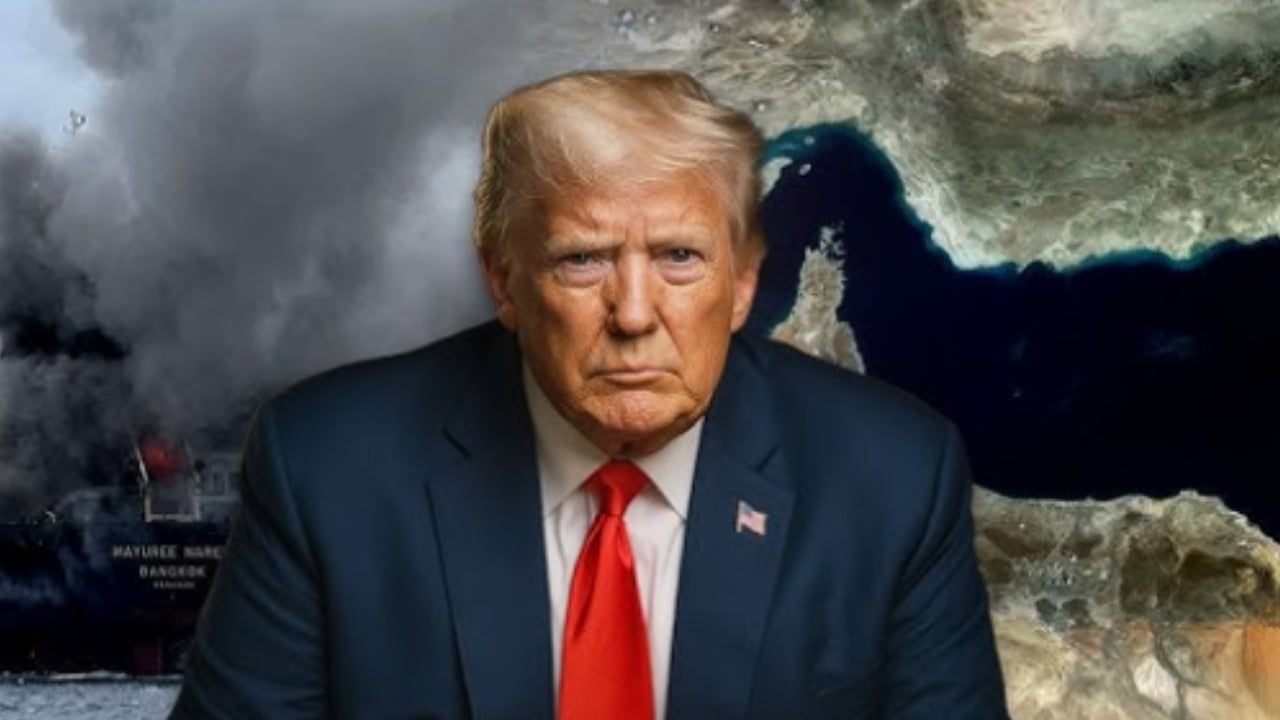
U.S. President Donald Trump announced that a naval blockade around Iran’s ports has officially taken effect. In a post on Truth Social, he stated that the blockade covers access to and from Iranian ports in the Persian Gulf and the Gulf of Oman, effective from 8 p.m. Bangladesh time. Trump warned that any Iranian “attacking ships” approaching the U.S. blockade would be destroyed immediately. Trump claimed that Iran’s navy had already suffered heavy losses, with 158 ships destroyed, and said only a few “fast attack ships” were spared as they were not considered a major threat. He compared the U.S. response to actions taken against drug traffickers at sea, emphasizing that similar measures would be used against any Iranian vessels violating the blockade. The report also noted that China described the U.S. blockade as irresponsible, while Iran’s war losses were estimated at 270 billion dollars. Iran’s oil minister said March and April oil sales were satisfactory, and the U.S. vice president commented that “the ball is now in Iran’s court.”
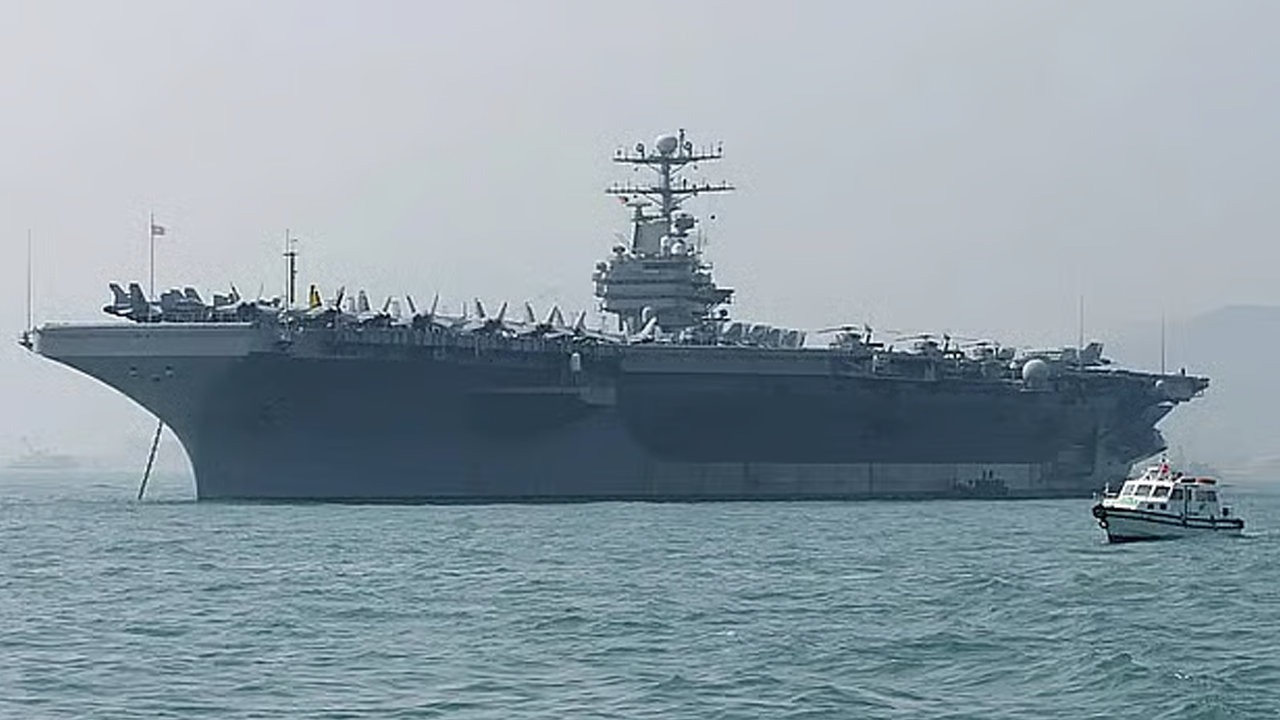
Satellite imagery analyzed by BBC Verify showed that the US aircraft carrier USS Abraham Lincoln was positioned about 200 kilometers (124 miles) from Iran’s coast last Saturday. The vessel was located at the eastern end of the Gulf of Oman, marking the closest approach of a US warship to Iran since the start of US and Israeli attacks on the country, according to the report. The satellite images also revealed two additional nearby warships resembling US Navy guided-missile destroyers in size and structure. BBC suggested these ships could be part of the USS Abraham Lincoln’s strike group. The analysis highlights a significant naval presence in the region amid heightened tensions following recent military actions involving Iran, the United States, and Israel. The report did not specify any official statements or responses from the involved parties, leaving the purpose and duration of the carrier’s deployment near Iranian waters unclear.
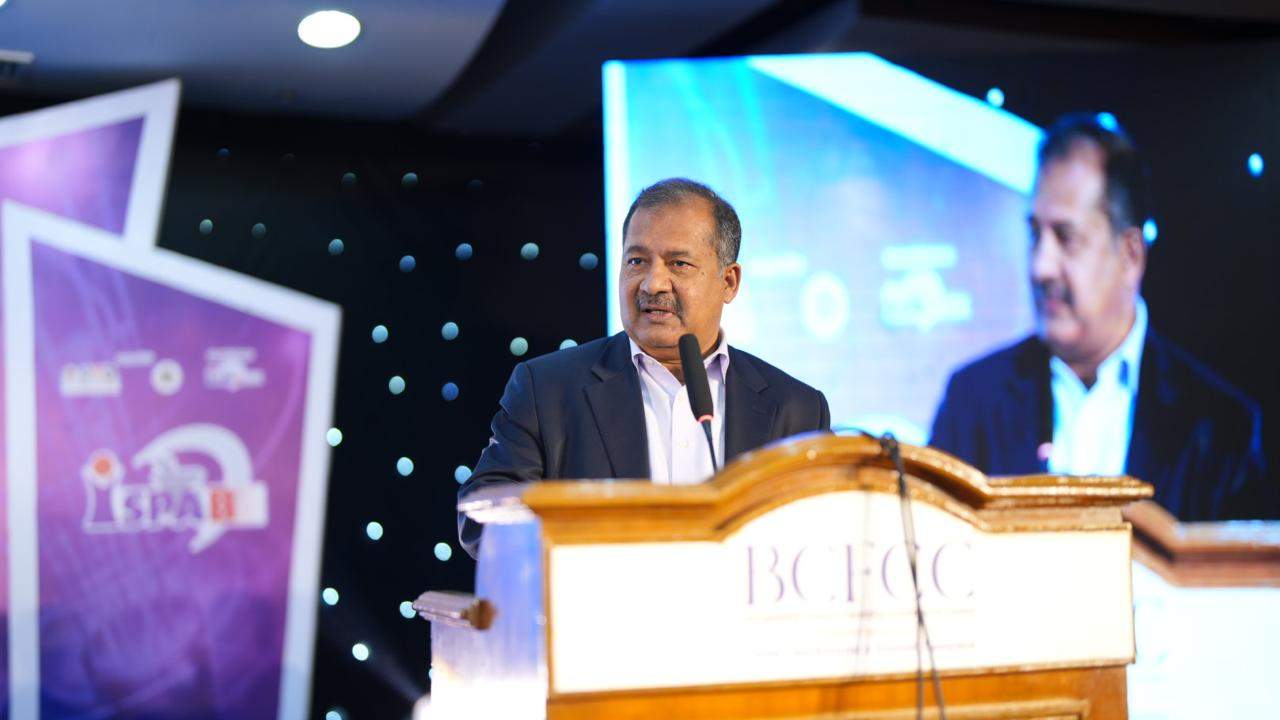
Information and Broadcasting Minister Zahir Uddin Swapan has said that the digital sector remains one of the top priorities of the current government. Speaking as the chief guest at the inauguration of the three-day Broadband Expo 2026 at the Bangladesh-China Friendship Conference Center, he noted that the sector lacks an incentive-based tax structure necessary to attract investment. The event was organized by the Internet Service Providers Association of Bangladesh (ISPAB). Prime Minister’s Adviser on Posts, Telecommunications and Information Technology Rehan Asif Asad stated that over the next five years, the government will focus on three key areas: ensuring universal connectivity, implementing a ‘One Citizen, One Digital Identity’ system, and building an AI-driven digital wallet ecosystem. He added that the Bangladesh Telecommunication Regulatory Commission (BTRC) will take steps to implement active sharing in the telecom sector. Additional Secretary Zahidul Islam said initiatives will be taken to address issues related to ISP license renewal and active sharing. ISPAB President Mohammad Aminul Hakim highlighted that only 30 percent of ISP networks are currently utilized, and active sharing could significantly reduce unused capacity.
A rural doctor in Banaripara upazila of Barishal was allegedly assaulted by a local labor party leader after refusing to pay a demanded extortion amount. The incident occurred on Sunday night, April 12, in Bisharkandi Union. The victim, Nasir Uddin Milon, owner of Nahar Medical Hall, was reportedly attacked by Jiya Sardar, president of the local labor wing, and his associates after he declined to pay Tk 50,000. Milon was first taken to Banaripara Upazila Health Complex and later transferred to Sher-e-Bangla Medical College Hospital in Barishal due to his critical condition. According to the complaint, Milon had previously been forced to pay smaller sums multiple times over the past two years. Local student leader Wasim Sajjad confirmed preliminary evidence supporting the allegation and said legal action against the accused was being initiated. However, Jiya Sardar denied the charges, claiming the dispute arose from alleged malpractice by the doctor that left a patient seriously ill. The incident has sparked anger and concern among residents, who have called for a fair investigation and exemplary punishment for those responsible. Police officials could not be reached for comment as the officer-in-charge’s phone remained switched off.

The Department of Narcotics Control arrested two local political leaders in Melandah upazila of Jamalpur on Monday morning, April 13, 2026. The detainees, identified as Al Amin Shilu, convener of Adra Union Jubo Dal, and Ayub Ali, member of Hazarabari Municipal Jubo League, were caught in the Brahmanpara area with 3,600 yaba pills, Tk 135,000 in drug sale proceeds, and two mobile phones. A case was filed at Melandah Police Station the same night under the Narcotics Control Act. According to the department’s deputy director, the operation was conducted by a team from the Jamalpur office. Local residents alleged that after the arrests, some BNP leaders tried to secure the release of the detainees, who had reportedly been involved in drug trading for a long time. Residents expressed relief following the arrests, saying the two had used political influence to continue their activities unchecked. Following the incident, the district Jubo Dal expelled Al Amin Shilu from his position as Adra Union convener after the drug-related arrest, according to the organization’s member secretary.

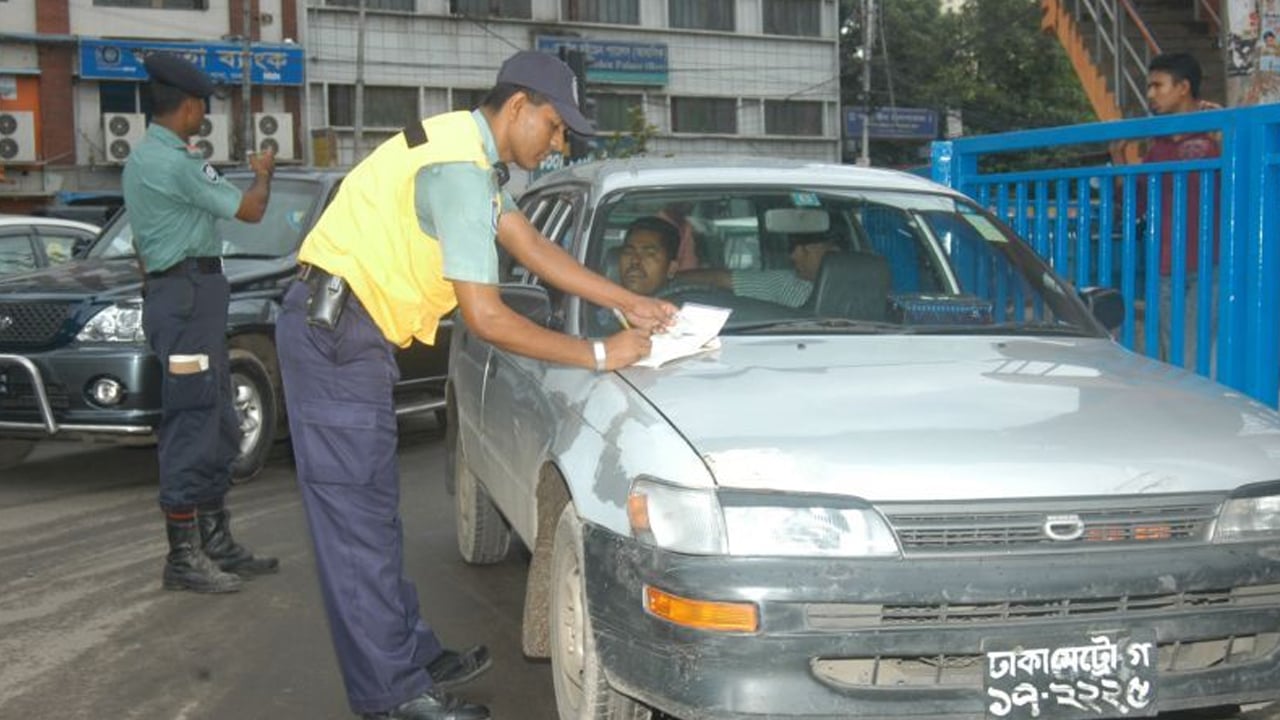
The Dhaka Metropolitan Police (DMP) has announced that pedestrians who cross roads without using zebra crossings, foot overbridges, or underpasses will face jail or fines. The public notice, signed by Acting Commissioner Md. Sarwar and issued on April 12, 2026, aims to ensure safe and orderly movement in the capital. Under the Road Transport Act 2018, violators may face up to one month in jail, a fine of up to Tk 10,000, or both. The notice also outlines penalties for other traffic violations, including fines for unauthorized passenger or goods loading and penalties for driving against traffic or creating road obstructions. The DMP stated that the government has initiated a plan to bring major intersections under traffic signal management. Signal lights have already been installed at several key crossings in coordination with the Dhaka North and South City Corporations. Temporary signal lights have also been set up at additional intersections, and six more crossings will soon be operational. The DMP warned that pedestrians ignoring designated crossings may face on-the-spot punishment or video-based prosecution under the Road Transport Act.
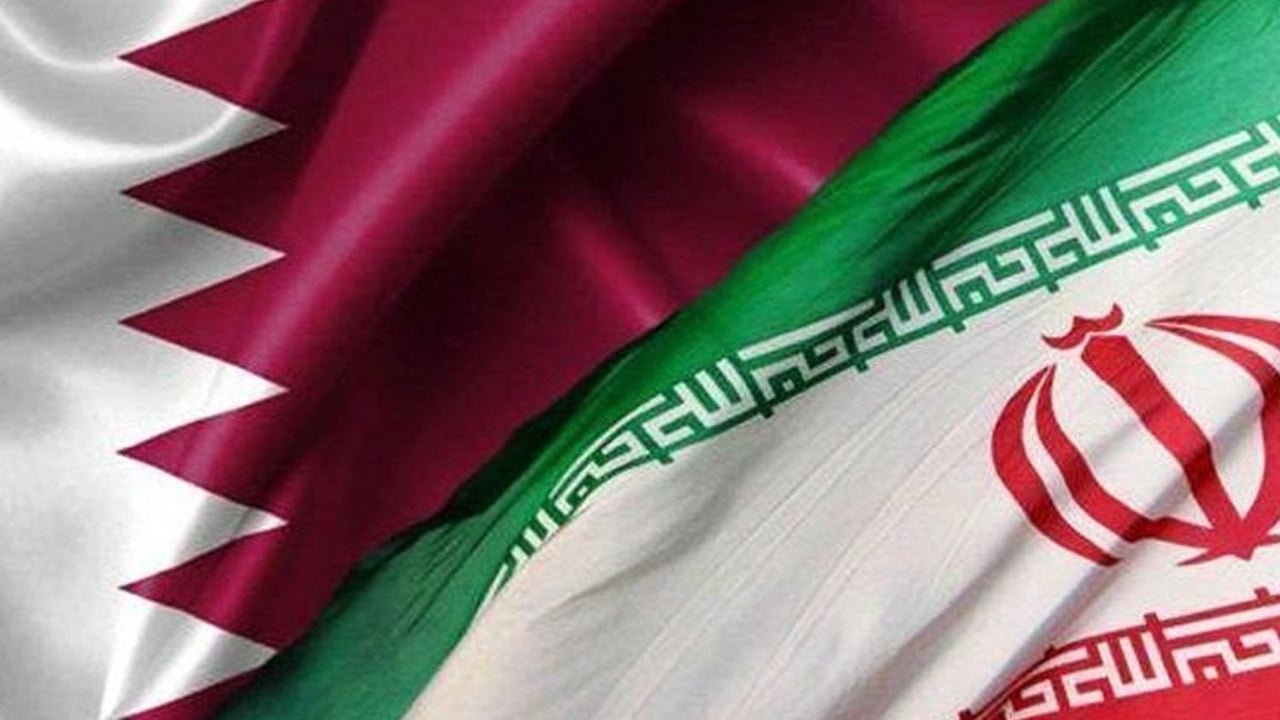
Qatar’s Prime Minister and Iran’s Foreign Minister held a phone conversation to discuss the current ceasefire situation between Iran and the United States and its regional implications, according to Al Jazeera. The discussion focused on the need for all parties to respond positively to ongoing mediation efforts aimed at easing tensions. A statement from Qatar’s Foreign Ministry said both sides emphasized the importance of maintaining dialogue and peaceful means to address the root causes of the crisis to ensure long-term stability. The Qatari Prime Minister also stressed the necessity of keeping all waterways open to avoid disruptions to global energy and food supply chains. The talks come as regional developments continue to affect trade and security, with both nations highlighting the importance of diplomatic engagement to prevent further escalation.
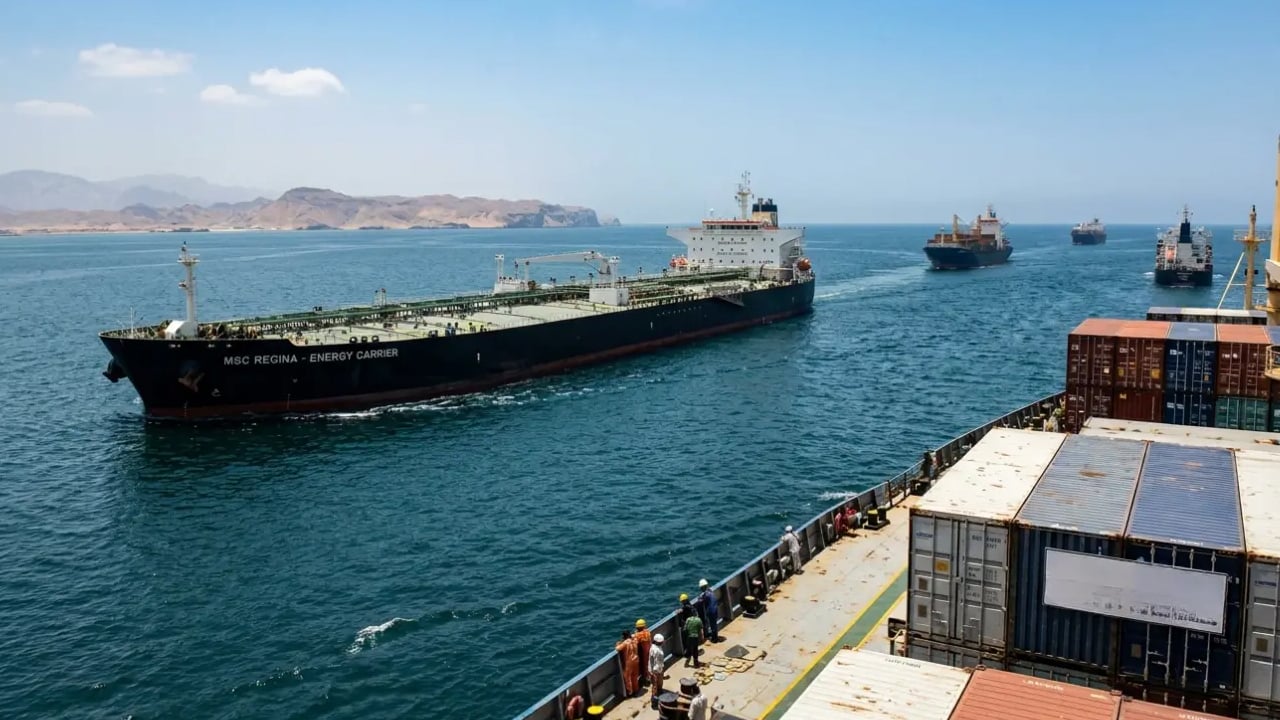
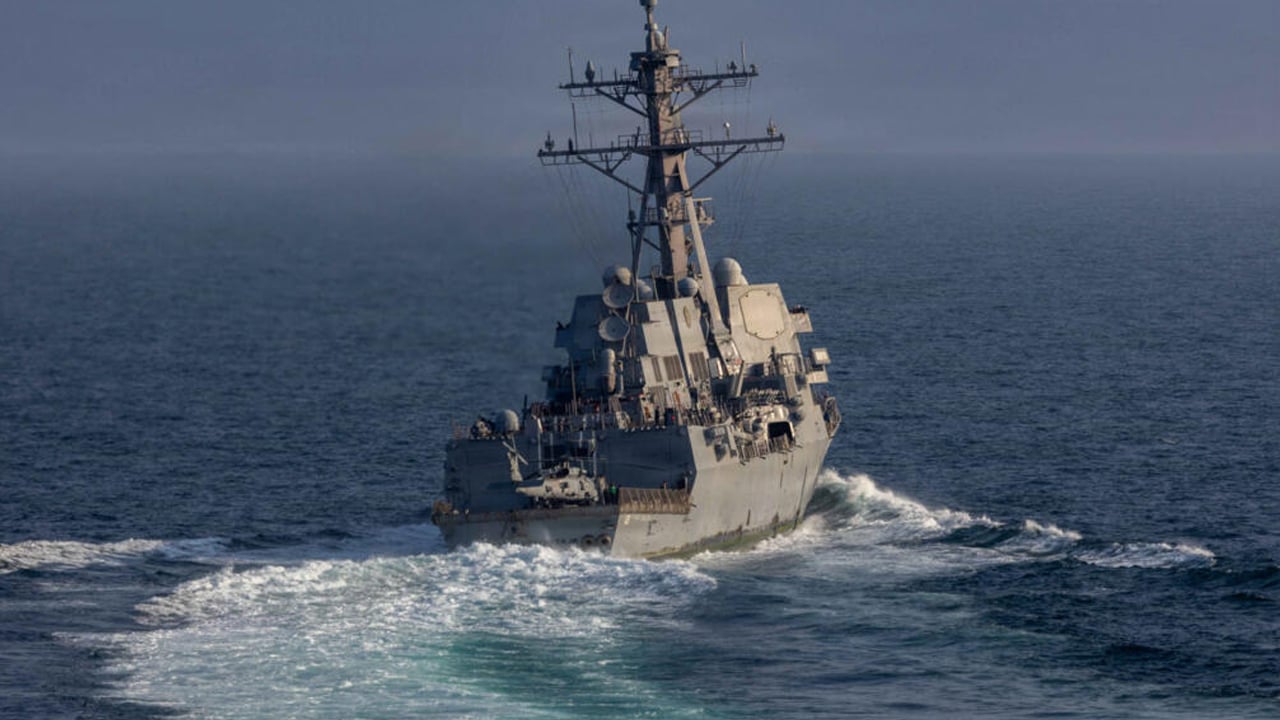
The United States has imposed a blockade on all ports in Iran’s Gulf region, according to the U.S. Central Command. The blockade officially began at 5:30 p.m. local time on Monday, April 13, 2026. It applies to vessels of any national flag heading to or departing from Iranian ports, which may be intercepted, redirected, or seized. However, the measure does not apply to ports in other Gulf countries. The Central Command stated on social media that the blockade covers all ships positioned in the Arabian Sea east of the Strait of Hormuz and the Gulf of Oman, warning that unauthorized entry or exit will prompt action. Iran’s Islamic Revolutionary Guard Corps strongly condemned the move, calling it “illegal” and “maritime piracy.” A spokesperson warned that no port in the Persian Gulf or the Gulf of Oman would remain safe unless the security of Iranian ports is ensured. The blockade follows earlier restrictions by Iran on shipping through the Strait of Hormuz after conflict erupted on February 28. Given that nearly 20 percent of global energy supplies pass through this route, the blockade is expected to significantly affect the international energy market.
Opposition leader and Bangladesh Jamaat-e-Islami Ameer Dr. Shafiqul Rahman has extended greetings to Bangladeshis at home and abroad on the occasion of the Bengali New Year. In a statement released to the media on Monday, he conveyed his wishes, noting that the arrival of the new year marks a historic moment of change for the nation. In his message, Dr. Rahman emphasized the importance of continuing an uncompromising struggle to free the country from fascism through united efforts. He called for collective action to build a just, economically free, and humane society, expressing hope that divine guidance would assist in achieving these goals. The statement framed the New Year as both a time for celebration and a renewed commitment to national transformation and justice.

The United Kingdom Maritime Trade Operations (UKMTO) has issued a warning about new maritime access restrictions being enforced around Iran’s ports and coastal areas. The advisory states that the restrictions apply to all vessels, regardless of their national flag, and cover Iran’s entire coastline, including ports, oil terminals, and energy infrastructure. The affected region extends from the Arabian Gulf and Gulf of Oman to the eastern Arabian Sea near the Strait of Hormuz. According to UKMTO, ships transiting the Strait of Hormuz to or from destinations other than Iran are not currently facing movement restrictions. However, such vessels may encounter military presence, direct instructions, or inspections during their passage. Neutral ships presently docked at Iranian ports have been given limited time to leave the area. UKMTO has urged all vessels to maintain maximum vigilance, ensure bridge readiness, and exercise caution in communications while navigating near Iranian waters.
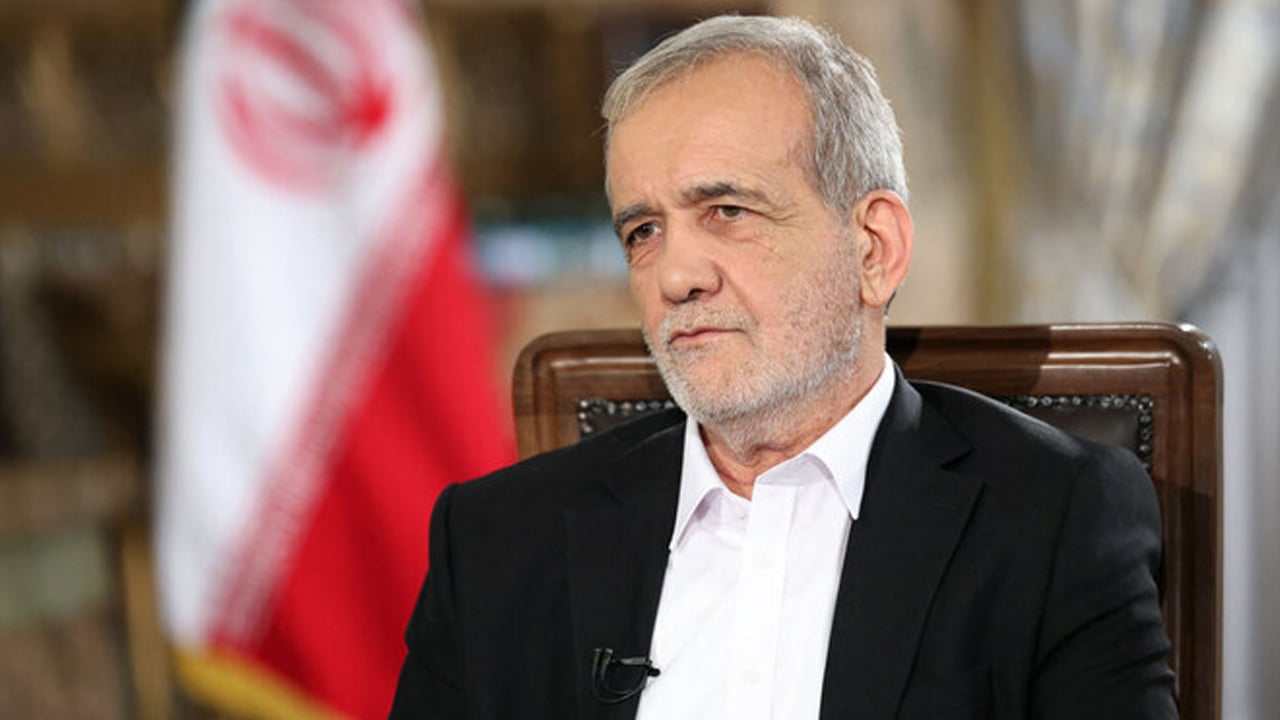
Iranian President Masoud Pezeshkian has condemned US President Donald Trump’s remarks in the ongoing dispute with Pope Leo. In a message posted on social media platform X, Pezeshkian expressed support for the Pope and denounced what he described as an insult. He stated that the disrespect toward Jesus, a symbol of peace and brotherhood, is unacceptable to any free-minded person. Pezeshkian also prayed for the Pope’s continued honor and dignity. Earlier, Pope Leo had responded to Trump’s criticism, saying that the Vatican’s call for peace and reconciliation on the Iran–US–Israel issue was based on biblical teachings. The exchange has drawn attention from international media, with BBC and CBS News reporting on the development. The incident has renewed diplomatic tension between the United States and the Vatican, sparking broader discussions in global forums about the implications for interfaith and international relations.
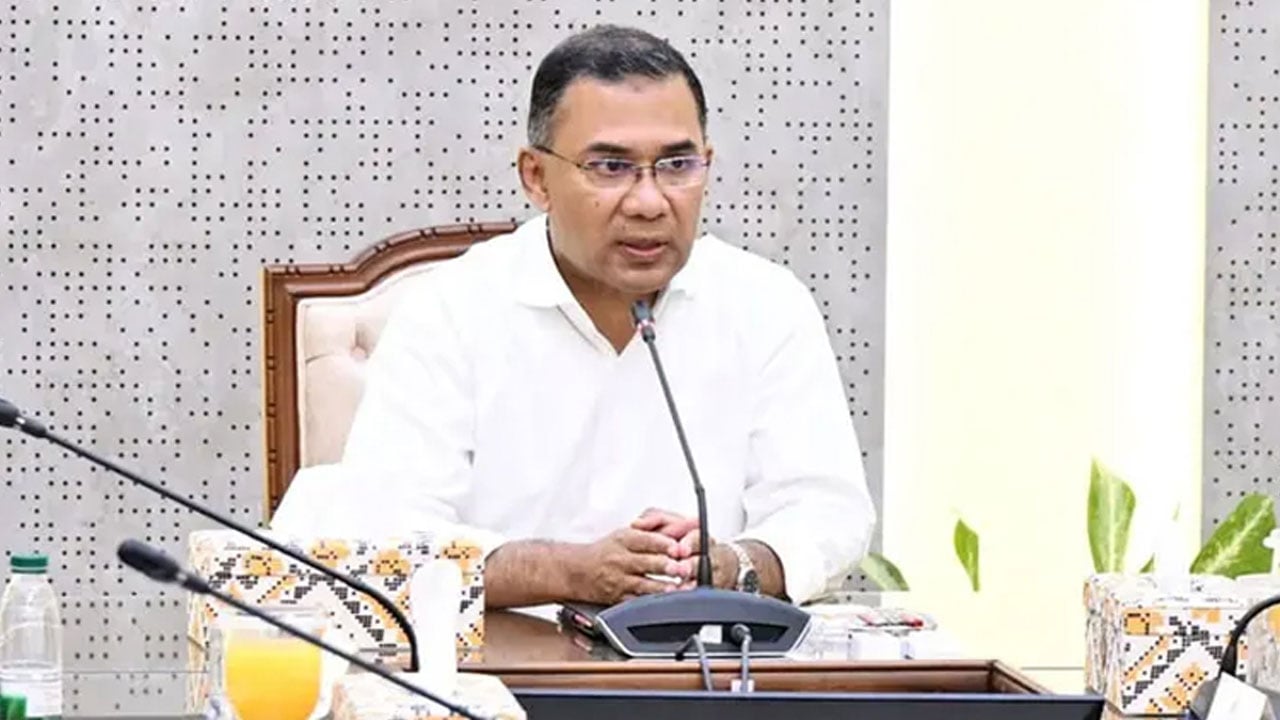
Prime Minister Tareq Rahman has announced plans to develop northern Bangladesh as the country’s main agro-processing hub. On Monday, April 13, he held three rounds of meetings with 16 leading business figures to discuss challenges and opportunities in the sector. Entrepreneurs from fruit, dairy, food and beverage, and poultry industries attended the discussions, focusing on investment needs and government support for establishing industries in Rajshahi and Rangpur divisions. According to the Prime Minister’s Office, the meeting was attended by his economic adviser Dr. Rashed Al Mahmud Titumir and top executives from major companies including Pran-RFL, Transcom, Nabil Group, Square, Akij, Kazi Farms, BRAC Enterprises, and Paragon. Business leaders highlighted issues such as gas supply shortages, limited radiation testing for agricultural exports, and the need for cold storage facilities. The Prime Minister reportedly instructed immediate action on some matters and assured tax holidays and infrastructure support for investments in the region. A follow-up meeting is planned within six months to review progress. Stakeholders expect the initiative to boost employment and attract significant investment in northern Bangladesh’s agro-processing sector.
The United States military has announced the enforcement of a blockade across the Gulf of Oman and the eastern Arabian Sea near the Strait of Hormuz. According to a statement from the US Central Command (CENTCOM), any vessel entering or leaving the restricted area without authorization may be detained, redirected, or seized. The announcement was made on April 13, 2026. CENTCOM clarified that the blockade will not disrupt normal passage of neutral ships through the Strait of Hormuz, particularly those not bound for Iran. The move comes amid heightened regional tensions and follows reports of discussions between Iran and Qatar on ceasefire and stability issues. Analysts warn that the blockade could further escalate tensions in the Middle East and pose significant risks to international trade, especially in the energy transport sector, as the Strait of Hormuz remains a critical maritime route for global oil shipments.
Iran has dismissed U.S. President Donald Trump’s declaration about blocking the Strait of Hormuz as a bluff. The statement came from a spokesperson of Iran’s parliamentary national security commission, who said the threat does not align with reality and could further complicate the situation. Security official Ebrahim Rezaei warned that Tehran is prepared to respond if the situation turns military. In a post on X, Rezaei added that such decisions would destabilize global markets and hinted that Iran possesses strategies not yet deployed but could be used if necessary. The report, cited by CBS News through BBC’s U.S. partner, highlighted growing tensions between the United States and Iran over the strategic waterway. The escalating rhetoric has raised concerns that the standoff around the Strait of Hormuz could intensify, affecting regional stability and global trade routes, according to the report.
Transparency International Bangladesh (TIB) has strongly criticized the government’s inclusion of a provision in the Bank Resolution Act 2026 that allows former shareholders of weak banks to regain ownership without accountability. In a statement issued on Monday, April 13, TIB described the move as a ‘suicidal’ initiative that effectively rehabilitates identified looters and risks turning the banking sector back into a haven for corruption and plunder. TIB Executive Director Dr. Iftekharuzzaman said the new law replaces earlier accountability measures from the 2025 ordinance with immunity for those responsible for bank failures. He argued that the decision rewards wrongdoers instead of ensuring justice and reflects a continuation of authoritarian practices in the financial sector. The statement also questioned the feasibility of repayment terms offered to former owners and the Bangladesh Bank’s ability to enforce them. TIB warned that restoring ownership without proper legal accountability will prevent any qualitative reform in the sector and contradicts the ruling party’s electoral commitments. The organization urged the government to reconsider what it termed a self-destructive and interest-driven decision.

The ‘1 Nojor’ media platform is now live in beta, inviting users to explore and provide feedback as we continue to refine the experience.