

The ‘1 Nojor’ media platform is now live in beta, inviting users to explore and provide feedback as we continue to refine the experience.
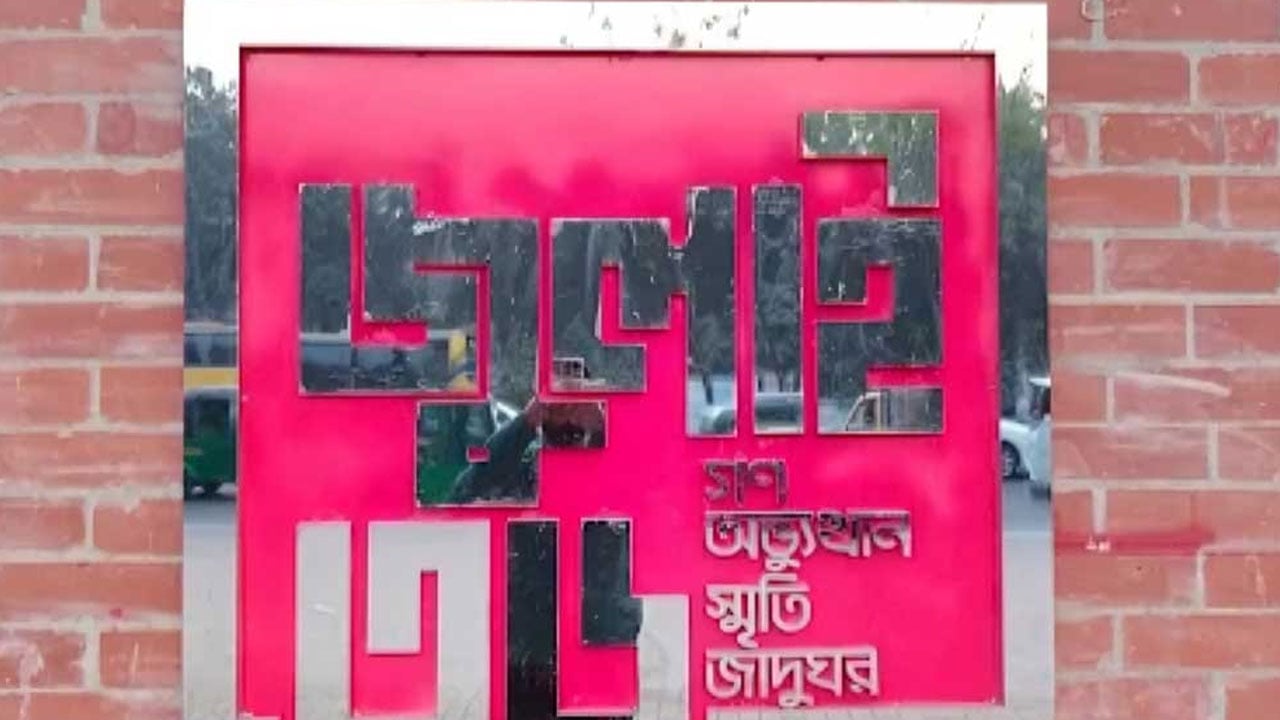
The Bangladesh Parliament has passed an amendment to the July Uprising Memorial Museum Ordinance, allowing the Minister or State Minister for Cultural Affairs to serve as the chairperson of the museum’s governing board. The bill was approved on Friday through a voice vote, following a proposal by ruling party MP Anichur Rahman. Opposition lawmakers walked out, accusing the government of breaking a prior agreement to pass 98 ordinances without changes. Previously, the ordinance required that the board be chaired by a distinguished expert in education, history, literature, or culture. The amendment replaces that provision, transferring leadership to the cultural affairs minister. It also empowers the government to remove any board member and eliminates the fixed three-year term for the chairperson. Former interim government adviser Mostofa Sarwar Farooki, who currently holds the chair as an expert, will lose his position once the law takes effect. Opposition MPs protested the move, claiming it places the museum under direct government control. The Speaker and ministers defended the amendment as a legitimate parliamentary process, though some acknowledged that the prior committee understanding had been disrupted.
A special National Investigative Agency (NIA) court in New Delhi sentenced Kashmiri separatist leader Aasiya Andrabi to three life terms on March 24. Andrabi, 64, founded the banned all-women’s group Dukhtaran-e-Millat (DeM). Her associates Sofi Fehmeeda, 36, and Nahida Nasreen, 61, received 30-year prison terms. The three were arrested in 2018 under India’s Unlawful Activities Prevention Act (UAPA) and sections of the Indian Penal Code. The court dropped major terrorism charges but convicted Andrabi for provoking hostility between communities, undermining national integration, and instigating public disorder. Legal experts and activists condemned the verdict, calling it part of a broader pattern of India’s suppression of dissent in Kashmir. They argued the conviction was based mainly on speech and ideology rather than violent acts. The court acknowledged no direct evidence of inciting violence but cited Andrabi’s statements endorsing separatist ideas. Critics, including the Kashmir Times, questioned the court’s emphasis on her lack of remorse, saying it risked punishing beliefs rather than proven crimes. The case has reignited debate over India’s use of the UAPA, which was expanded in 2019 to allow individuals to be labeled as terrorists, and its implications for free expression in the disputed region.

United States Vice President JD Vance departed for Pakistan on Friday to lead negotiations aimed at ending the ongoing US-Israeli war with Iran. Speaking to reporters before boarding his flight to Islamabad, Vance said he expected the talks to be “positive” and confirmed that President Donald Trump had given him clear guidelines for the meeting. The discussions are scheduled for Saturday, with Iranian Parliament Speaker Mohammad Bagher Ghalibaf and Foreign Minister Abbas Araghchi expected to head the Iranian delegation. The decision to have Vance lead the US delegation was seen by some observers as a response to Iran’s preference for dealing with him rather than with US Special Envoy Steve Witkoff or Trump’s son-in-law Jared Kushner, who had previously led indirect nuclear negotiations. The talks come after a temporary ceasefire in a conflict that escalated when Israel launched a 12-day war on Iran in June 2025, followed by renewed fighting in February. Despite the pause, both sides have issued conflicting statements about the ceasefire’s scope and terms. Uncertainty remains over key issues such as control of the Strait of Hormuz, Iran’s nuclear program, and whether Israel’s operations in Lebanon are covered by the ceasefire. Analysts note deep mistrust between the parties but suggest that both sides may see negotiations as a less costly alternative to continued conflict.

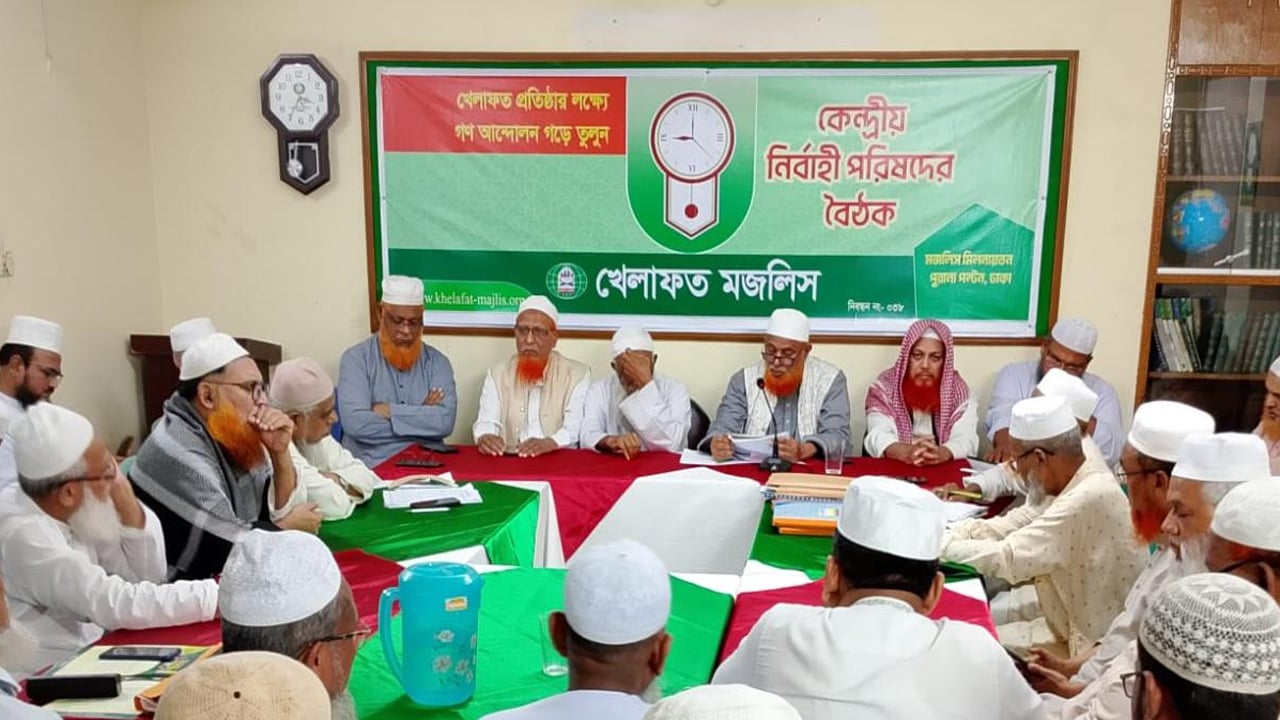
Leaders of Khelafat Majlis expressed deep concern at their central executive meeting in Dhaka, alleging that the BNP government is leading the country toward fascist rule by repealing several major ordinances. These include the Referendum Ordinance 2025, the Enforced Disappearance Prevention and Remedy Ordinance, the Anti-Corruption Commission Ordinance, the Human Rights Commission Ordinance, and the Judicial Reform Ordinance. The party also labeled the July National Charter (Constitution Reform) Implementation Order 2025 as a document of deception, accusing the BNP of betraying the spirit of the July uprising despite being a signatory to the charter. The leaders demanded that the elected parliament review the 48 proposals approved through the referendum and take effective steps to reform the constitution accordingly. They criticized the government for severe disorder in the health sector, shortages of medicines and equipment in public hospitals, and rising measles deaths among children. They also opposed the decision to hold online classes three days a week, calling it harmful to students, and urged the government to withdraw it. The meeting further raised concerns about alleged irregularities in the Bogura-6 and Sherpur-3 by-elections and called for accountability from the Election Commission.
Israeli Prime Minister Benjamin Netanyahu announced on Friday that Spain has been removed from the Civil-Military Coordination Centre (CMCC) in Kiryat Gat, which oversees the Gaza ceasefire. In a video statement posted on X, Netanyahu accused Spain of waging a diplomatic war against Israel and defaming Israeli soldiers. He said Israel would not remain silent against those who attack it. Foreign Minister Gideon Saar echoed the criticism, accusing Spanish Prime Minister Pedro Sanchez of spreading false accusations and claiming Spain could no longer play a constructive role in implementing the U.S. peace plan. Relations between Israel and Spain have sharply deteriorated since Israel launched its war on Gaza in October 2023. Spain’s recognition of the state of Palestine and its condemnation of Israel’s treatment of Palestinians further strained ties. The Spanish government also opposed the U.S.-Israel war on Iran that began on February 28, closing its airspace to U.S. aircraft involved in the conflict. The CMCC, established by the United States as part of Donald Trump’s 20-point plan to end the Gaza war, coordinates ceasefire monitoring and humanitarian aid. Despite the ceasefire, Israeli attacks on Gaza and restrictions on aid deliveries continue.

Thousands of Israeli settlers gathered at al-Auja spring in the occupied West Bank during the Jewish festival of Passover, celebrating in areas from which Palestinian families had recently been forcibly displaced. Videos circulating online showed settlers picnicking and swimming in natural pools once used by Palestinians, with participants praising the so-called hilltop youth—young settlers accused of violent campaigns that have driven out dozens of Palestinian communities since 2023. The United Nations reported that 1,727 Palestinians from 36 West Bank communities were displaced in the first three months of 2026 due to settler violence and access restrictions. Allegra Pacheco of the West Bank Protection Consortium described the videos as potential evidence of settlers celebrating the intentional use of violence to forcibly displace Palestinians, calling it a serious violation of international law. Displaced residents such as Haitham al-Zayed and Muhammad recounted systematic attacks, livestock theft, and home raids that forced their families to flee. Settler groups have reportedly expanded their activities into areas under partial or full Palestinian administrative control, reflecting what observers described as a hardening of settler ideology. The UN and humanitarian organizations warned that the escalation of settler violence, including killings and public incitement, signals growing impunity and raises concerns of further mass displacement across the West Bank.

The Pakistan Navy rescued 18 sailors, including Bangladeshi nationals, from a commercial vessel named 'Gold Autumn' in the northern Arabian Sea. The operation took place after the ship sent a distress signal, prompting a rapid response from naval forces. The rescued crew members were transported to Karachi for advanced medical treatment, according to a statement released on Friday, April 10, 2026. The Pakistani military confirmed that the rescued sailors included citizens of Bangladesh, China, Myanmar, Vietnam, and Indonesia. The statement added that all individuals were brought safely to Karachi, where they are receiving necessary medical care and will later be repatriated to their respective countries. Authorities have not yet disclosed the reason behind the distress signal or the circumstances that led to the emergency call from the 'Gold Autumn'.

ACI Europe has warned that Europe could face a severe jet fuel shortage within three weeks if the Strait of Hormuz is not reopened. In a letter to the European Commission’s energy and tourism commissioners, the organization said its members are increasingly concerned about fuel availability. The warning highlights the potential disruption to airport operations and air connectivity, which could significantly affect European economies and communities. The Strait of Hormuz is one of the world’s key energy routes, supplying nearly half of Europe’s jet fuel imports. ACI Europe’s director general said that without a stable resumption of fuel supply through the strait, a structural fuel crisis in the European Union would be inevitable. In anticipation of shortages, several airlines have already reduced flights and raised passenger fares. Jet fuel prices in Europe have surged to a record high of $1,838 per ton, up from $831 before the conflict began, underscoring the growing pressure on the aviation sector.

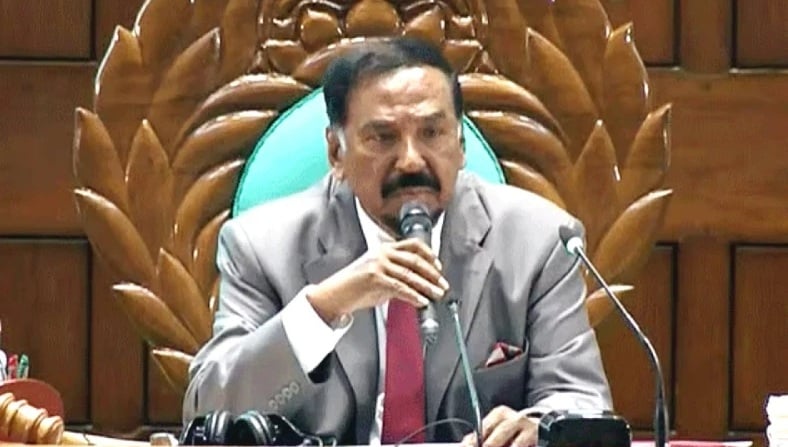
During a parliamentary session on Friday, April 10, 2026, Speaker Hafiz Uddin Ahmed addressed Hasnat Abdullah, urging him to remain patient and composed during discussions. The Speaker remarked, “This is not Shahbagh Square, this is the Parliament,” emphasizing that members must wait their turn and listen carefully during proceedings. He further noted that the scope for oral exchanges in Parliament is limited and advised members to submit notices for adjudication. Referring to a statement by the law minister, the Speaker suggested that if necessary, members could discuss among themselves and bring a revised bill in the next session, which the ruling party would consider. Hafiz Uddin also called for maintaining a positive parliamentary environment, highlighting that the current Parliament was formed after a major July uprising and a fair election that brought a large opposition presence. He expressed hope that all parties would move forward in a spirit of cooperation.
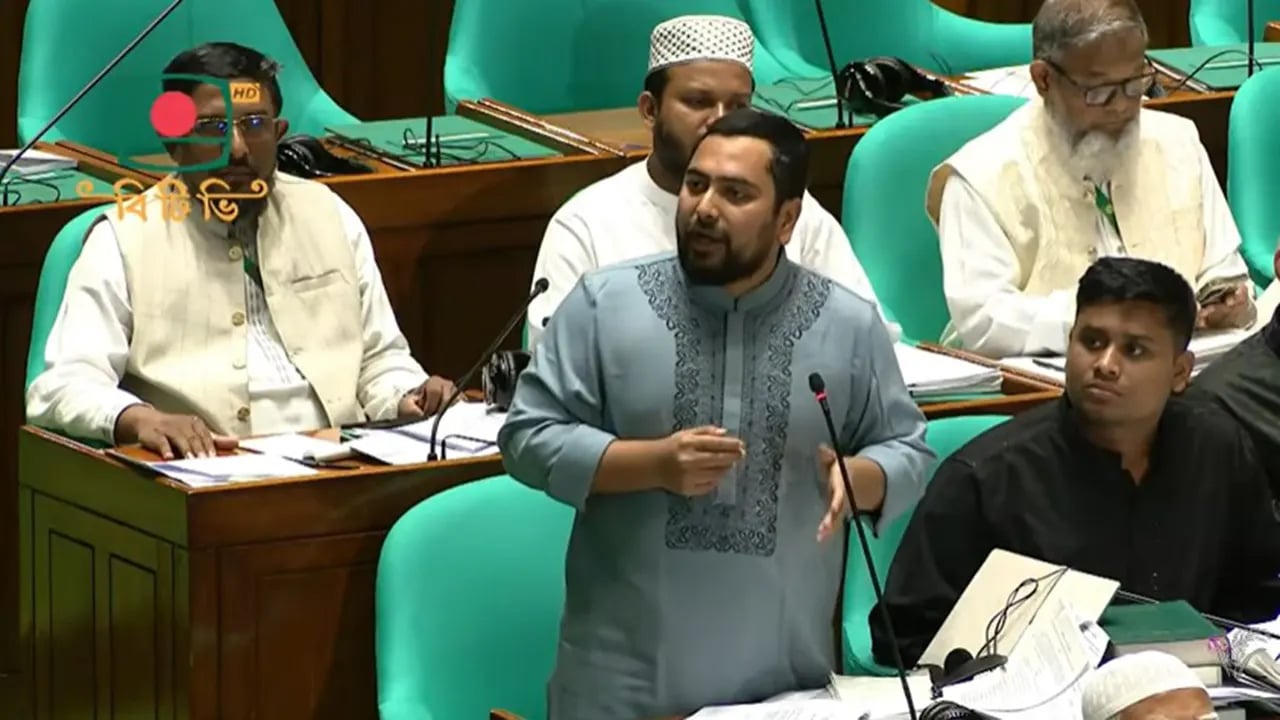
The opposition party has accused the ruling party of violating a prior parliamentary agreement during the passage of the July Memorial Museum Bill. Opposition Chief Whip Nahid Islam raised the allegation after the bill was passed under the chairmanship of Speaker Hafiz Uddin Ahmed. He claimed that the ruling party introduced an amendment only thirty minutes before the bill’s passage, breaking the consensus reached in a special committee. According to Nahid Islam, both government and opposition members had earlier agreed that 98 ordinances from the interim government would be passed unchanged. The July Memorial Museum Bill was one of those ordinances. He argued that the last-minute amendment undermined the spirit of cooperation and rendered the special committee unnecessary. The opposition protested what they described as deceitful tactics used to pass the bill. Nahid Islam further criticized the inclusion of a minister as head of the museum, calling it part of a broader trend of politicizing national institutions. He cited examples of similar politicization in the central bank, local government, and sports boards, warning that such actions erode institutional neutrality.
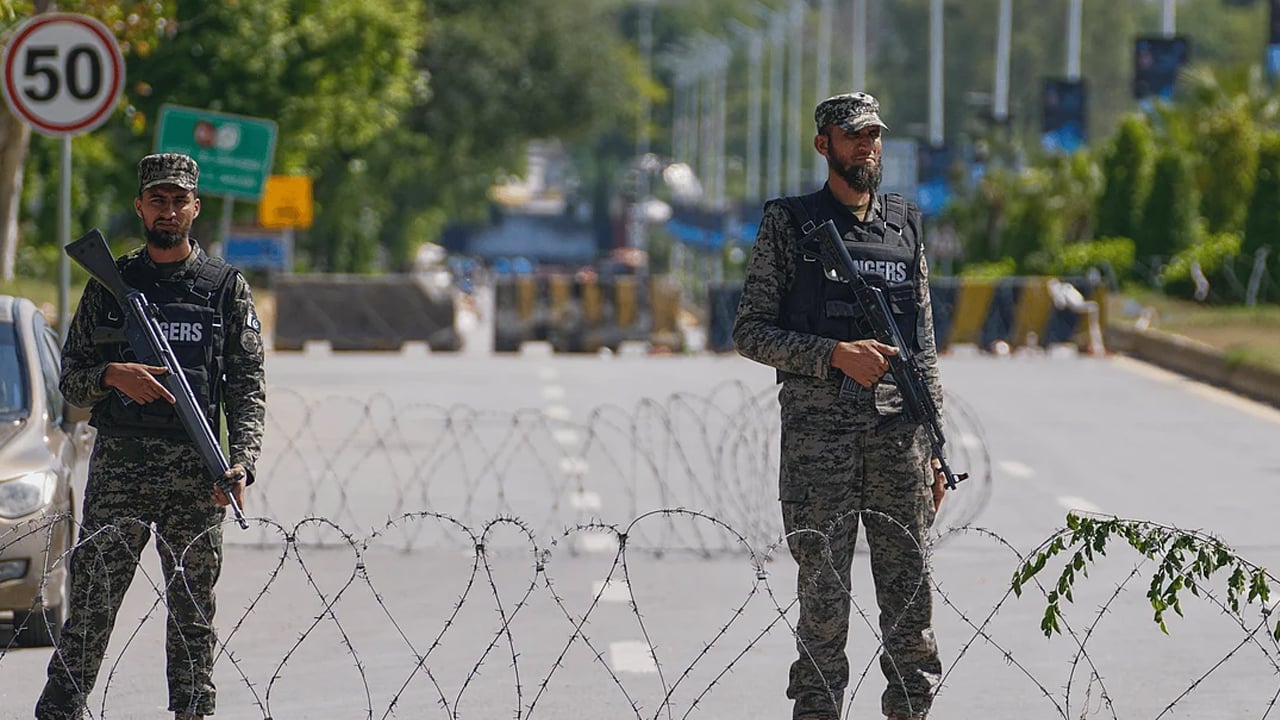
Pakistan has implemented extensive security measures in its capital, Islamabad, ahead of a possible meeting between the United States and Iran. According to Al Jazeera, nearly 10,000 security personnel, including police, army, and special forces commandos, have been deployed across the city. Schools and offices have been closed for a day to ensure the event proceeds smoothly, and all roads leading to the government’s ‘Red Zone’ have been sealed off. The meeting, initially scheduled for today, has been postponed to tomorrow due to logistical issues. Local sources describe the situation as a highly sensitive diplomatic moment that took weeks of preparation and faced last-minute complications. Delegates from various countries have already begun arriving in Islamabad, though Pakistani officials have not disclosed who is attending or what will be discussed. Officials expressed optimism that the talks could yield positive outcomes contributing to regional peace, though key details about Iran’s conditions and the meeting’s agenda remain undisclosed.
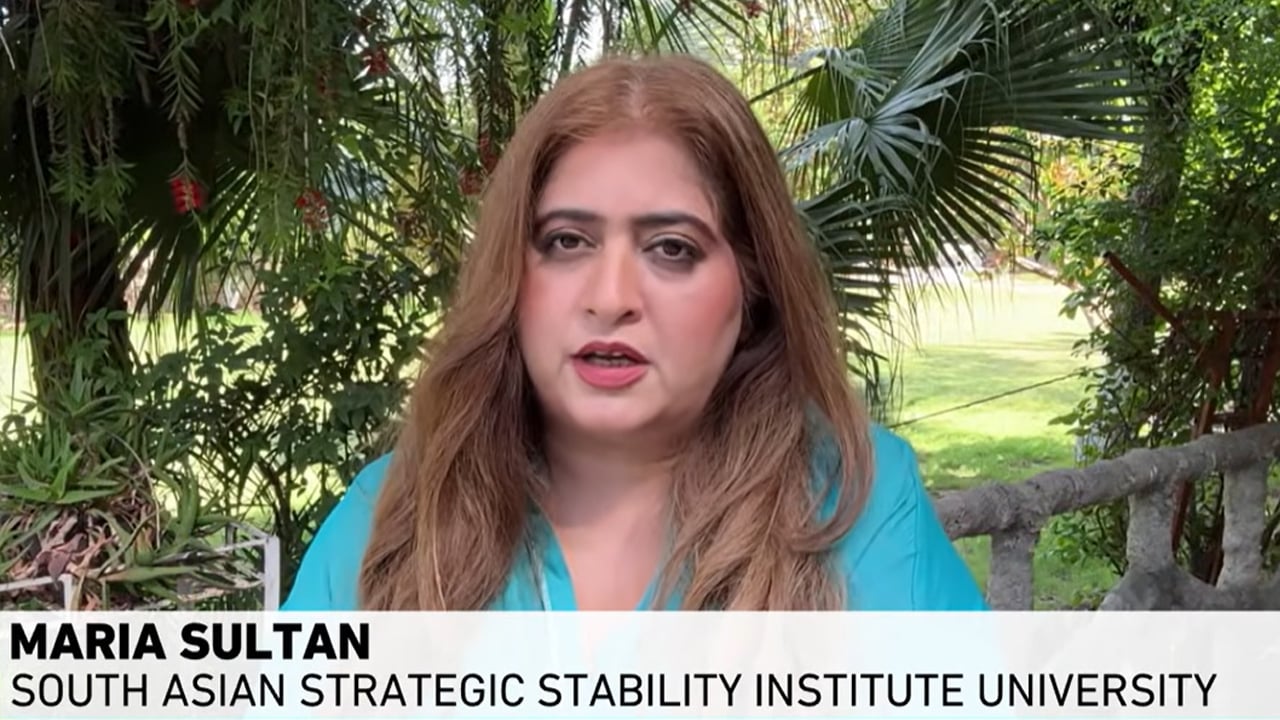
Pakistan’s potential role as mediator in upcoming discussions between the United States and Iran is both crucial and risky, according to Maria Sultan, chairperson of the South Asian Strategic Stability Institute University. Speaking to Al Jazeera from Islamabad, she noted that Pakistan maintains close ties with Saudi Arabia and Gulf states while sharing a border with Iran, where prolonged instability would be undesirable for Islamabad. Sultan explained that Pakistan initiated the mediation effort amid the inaction of major global powers, as NATO and the European Union did not step forward and the United States felt isolated. She argued that Pakistan’s ability to maintain relationships across diverse cultures and power blocs positioned it uniquely for this role. Cooperation from Saudi Arabia and China, along with interest from the involved parties, has also supported the process. While describing the situation as cautiously optimistic, Sultan warned that a full-scale regional war could have devastating consequences, including civilian casualties, damage to energy infrastructure, and potential nuclear risks. She emphasized that the talks, though difficult, could lead to a positive outcome if all sides recognize the realities of war and the value of peace.
The opposition walked out of Bangladesh’s parliament on Friday evening, accusing the ruling party of breaching trust. The walkout, led by Opposition Leader Dr. Shafiqur Rahman at around 7:35 p.m., followed his allegation that the government had violated an earlier understanding. Before leaving, he also accused Speaker Hafiz Uddin Ahmed of losing neutrality. The dispute arose after the July Memorial Museum Bill was passed in an amended form, allegedly breaking a prior agreement reached in a special committee meeting. The disagreement led to prolonged debate between the two sides before the opposition left the chamber. This marks the fourth walkout by the opposition during the current parliamentary session. The repeated walkouts highlight deepening tensions between the ruling and opposition parties over legislative procedures and perceived breaches of parliamentary consensus.

Bangladesh pacer Mustafizur Rahman has reached a major milestone in Twenty20 cricket by becoming one of the top five bowlers with the most dot balls in the format’s history. During a Pakistan Super League match against Lahore Qalandars, the left-arm pacer bowled his 3,000th dot ball, joining an elite group of bowlers. Despite his team’s defeat, his achievement drew significant attention. Mustafizur bowled two overs in the match, delivering three dot balls, which brought his career total to 3,002. This performance placed him fifth on the all-time list. The ranking is led by Dwayne Bravo with 3,681 dot balls, followed by Mohammad Amir with 3,348, Andre Russell with 3,213, and Sohail Tanvir with 3,046. The milestone underscores Mustafizur’s consistency and control in the T20 format, further strengthening his reputation as one of the most effective bowlers in limited-overs cricket.

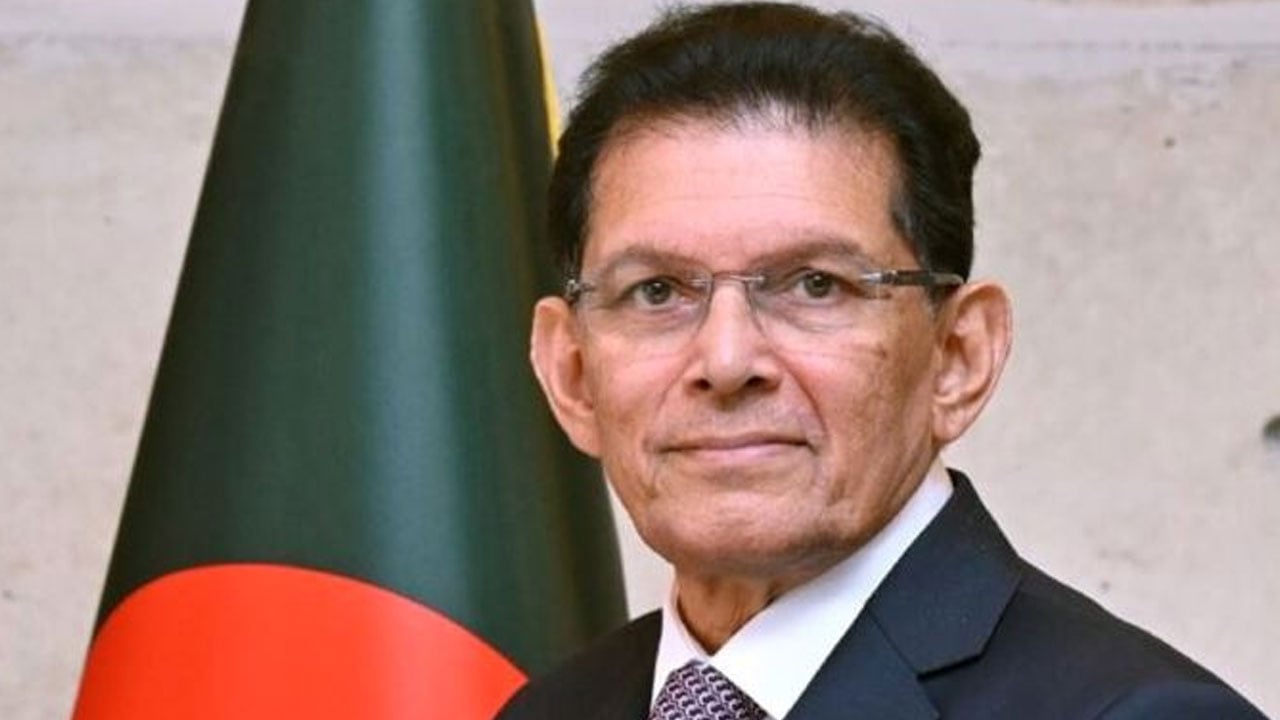
Bangladesh’s Foreign Minister Dr. Khalilur Rahman has arrived in Port Louis to attend the Ninth Indian Ocean Conference. The event began on Friday in the Mauritian capital, bringing together leaders, policymakers, and experts from across the Indian Ocean region to discuss regional cooperation, shared responsibilities, and future governance frameworks. During the visit, Dr. Rahman is expected to hold bilateral meetings and seek support for Bangladesh’s candidacy for the presidency of the 81st United Nations General Assembly (2026–27). A senior official from the Ministry of Foreign Affairs said the minister will meet with counterparts from participating countries on the sidelines of the conference. The delegation includes the Prime Minister’s Foreign Affairs Adviser Humayun Kabir. The conference is jointly organized by the India Foundation, the Government of Mauritius, and India’s Ministry of External Affairs. Before arriving in Mauritius, Dr. Rahman held several meetings in New Delhi with top Indian leaders. India’s Foreign Minister Dr. S. Jaishankar and Nepal’s Foreign Minister Shishir Khanal are also scheduled to address the conference.
The ‘1 Nojor’ media platform is now live in beta, inviting users to explore and provide feedback as we continue to refine the experience.