

Web Analytics
Bangla
Loading date...
RECENT THREADS SOCIAL PAGE LOGIN

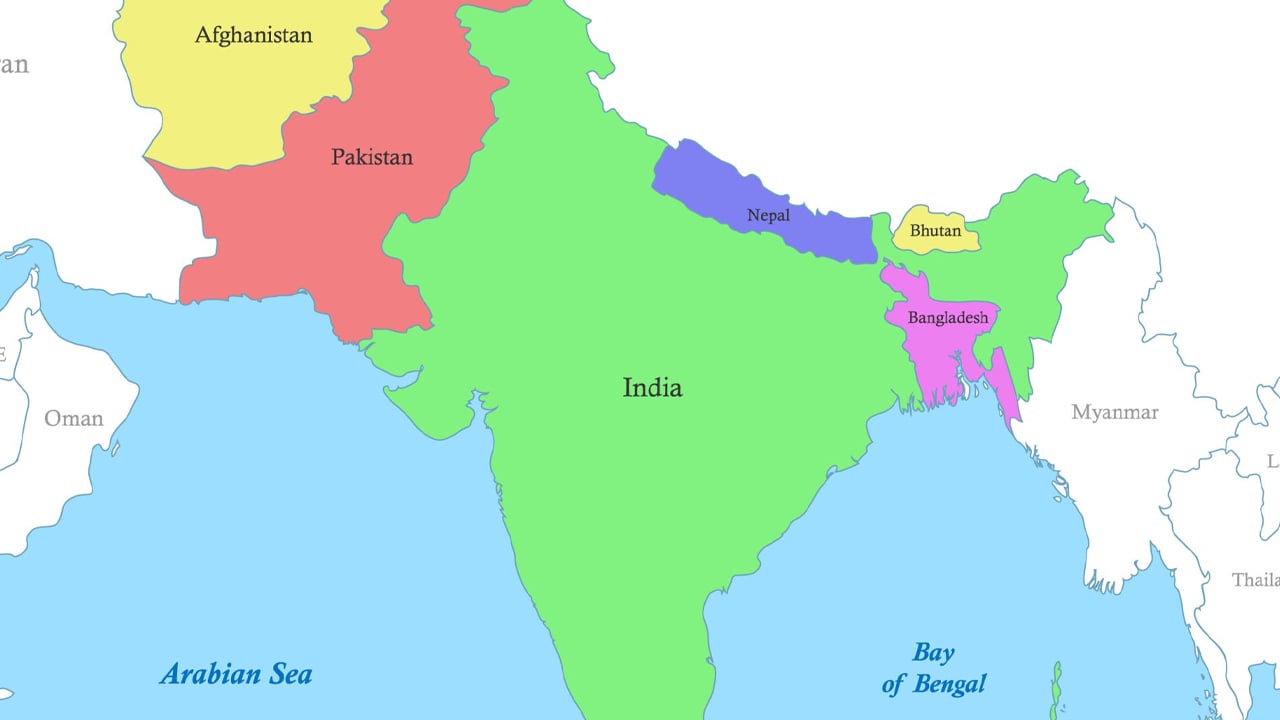
The article by Maskawath Ahsan, published on July 20, 2026, discusses India’s expanding political and cultural influence in South Asia following the post-9/11 geopolitical shifts. It describes how the United States, after toppling the Taliban government in Afghanistan, aligned with India for reconstruction efforts, while Pakistan’s stance on Afghan self-governance strained its ties with Washington. The piece claims that India’s involvement extended to Bangladesh during the so-called ‘war on terror,’ influencing political outcomes and narratives around extremism.

The author argues that India used education and cultural diplomacy in Afghanistan to build long-term goodwill, sending teachers who fostered pro-India sentiment among Afghan students. The article further alleges that India later leveraged militant groups like Tehrik-i-Taliban Pakistan to destabilize Pakistan, particularly in regions linked to Chinese investments. It portrays India’s actions as part of a broader strategy to assert dominance and counter Pakistan and China simultaneously.

The commentary concludes that the enduring India-Pakistan rivalry benefits both nations’ political and military elites, sustaining defense spending and nationalist rhetoric while masking governance weaknesses.

Card image

News Source

Amar Desh 20 Jul 26

শিক্ষা ও সংস্কৃতির ফুলের পাপড়ি ছড়িয়ে ভারতীয় আধিপত্যের রাজনীতি | আমার দেশ

মাসকাওয়াথ আহসান প্রকাশ : ২০ জুলাই ২০২৬, ১০: ৩৫আপডেট : ২০ জুলাই ২০২৬, ১০: ৩৭ নাইন-ইলেভেনের পর সন্ত্রাসবাদীদের বিরুদ্ধে আমেরিকার নেতৃত্বে ন্যাটো জোট ‘ওয়ার অন টেরর’ শুরু করলে; আমেরিকা দ্রুতই সেখানকার তালিবান সরকারকে ক্ষমতাচ্যুত করে আফগানিস্তানের দখল নেয়


The ‘1 Nojor’ media platform is now live in beta, inviting users to explore and provide feedback as we continue to refine the experience.