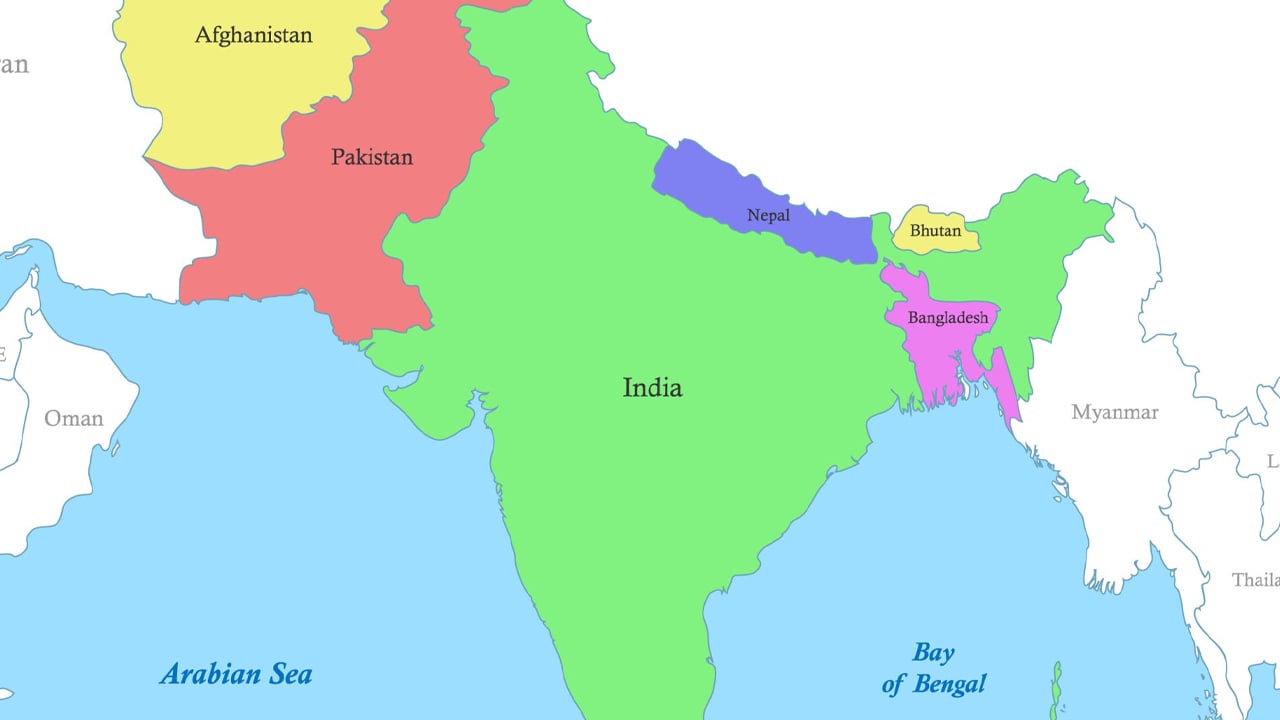
The article by Maskawath Ahsan, published on July 20, 2026, discusses India’s expanding political and cultural influence in South Asia following the post-9/11 geopolitical shifts. It describes how the United States, after toppling the Taliban government in Afghanistan, aligned with India for reconstruction efforts, while Pakistan’s stance on Afghan self-governance strained its ties with Washington. The piece claims that India’s involvement extended to Bangladesh during the so-called ‘war on terror,’ influencing political outcomes and narratives around extremism.
The author argues that India used education and cultural diplomacy in Afghanistan to build long-term goodwill, sending teachers who fostered pro-India sentiment among Afghan students. The article further alleges that India later leveraged militant groups like Tehrik-i-Taliban Pakistan to destabilize Pakistan, particularly in regions linked to Chinese investments. It portrays India’s actions as part of a broader strategy to assert dominance and counter Pakistan and China simultaneously.
The commentary concludes that the enduring India-Pakistan rivalry benefits both nations’ political and military elites, sustaining defense spending and nationalist rhetoric while masking governance weaknesses.