
The ‘1 Nojor’ media platform is now live in beta, inviting users to explore and provide feedback as we continue to refine the experience.
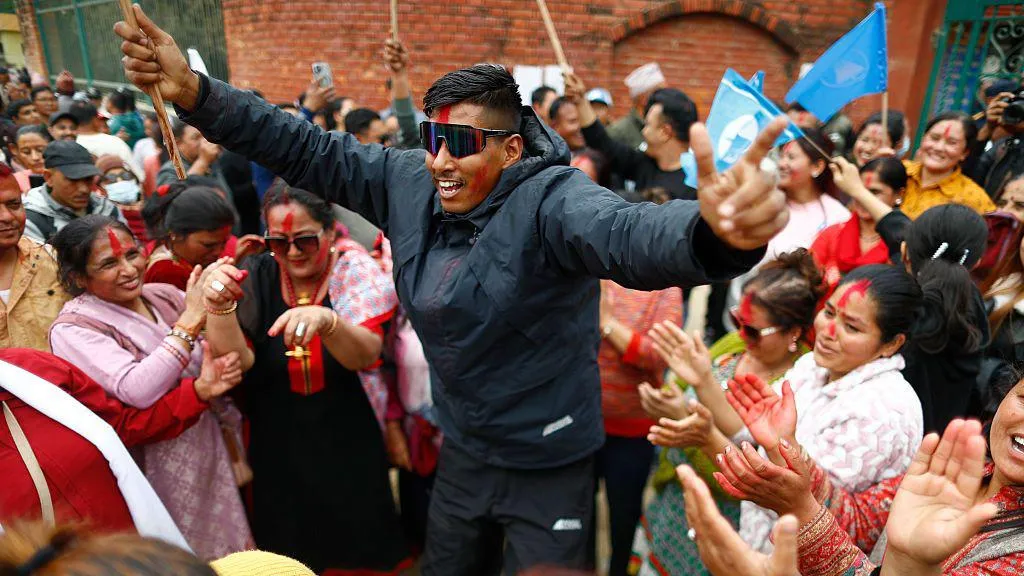
In March, Balendra Shah was sworn in as Nepal’s new prime minister, leading a parliament filled with young lawmakers. His rise, backed by the four-year-old Rastriya Swatantra Party (RSP), contrasts sharply with Bangladesh’s Gen-Z movement, which, despite toppling the government in 2024, failed to transform into a viable political force. In Bangladesh’s February election, the established Bangladesh Nationalist Party (BNP) won decisively, while the youth-led National Citizen Party (NCP) performed poorly.
Analysts attribute Nepal’s success to its coalition-based political system, voter frustration with traditional parties, and RSP’s strong organization and alliances. In contrast, Bangladesh’s youth movement lost momentum during the 18-month gap between protests and elections. The NCP’s alliance with Jamaat-e-Islami alienated many young and female supporters, while established parties capitalized on reformist rhetoric to regain public trust.
Despite setbacks, Bangladesh’s youth movement has influenced national reform debates and spurred a 31-point reform plan by the new government. Some young activists remain hopeful that with stronger organization and grassroots engagement, youth-led politics could still gain ground in the future.

The ‘1 Nojor’ media platform is now live in beta, inviting users to explore and provide feedback as we continue to refine the experience.