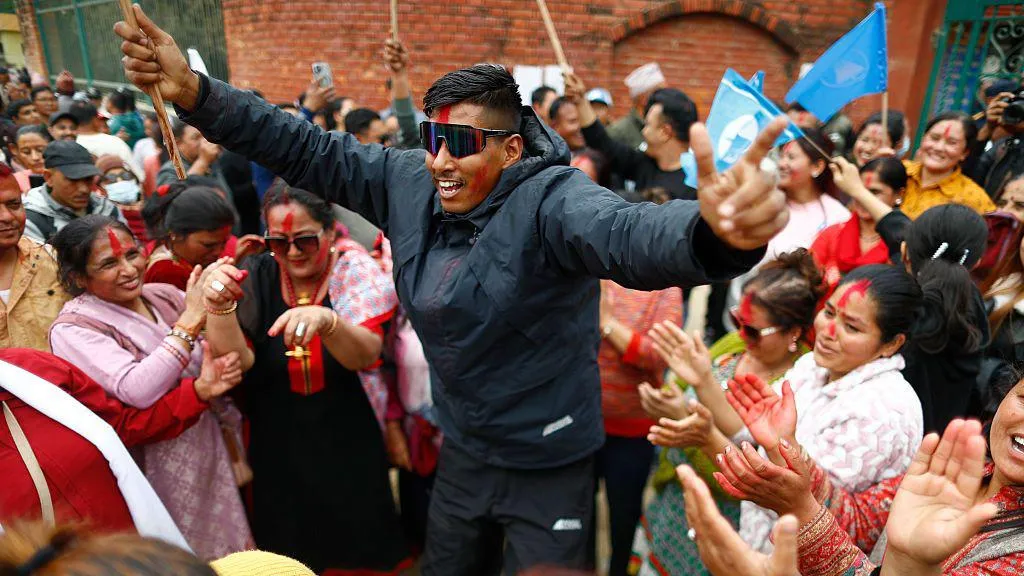
In March, Balendra Shah was sworn in as Nepal’s new prime minister, leading a parliament filled with young lawmakers. His rise, backed by the four-year-old Rastriya Swatantra Party (RSP), contrasts sharply with Bangladesh’s Gen-Z movement, which, despite toppling the government in 2024, failed to transform into a viable political force. In Bangladesh’s February election, the established Bangladesh Nationalist Party (BNP) won decisively, while the youth-led National Citizen Party (NCP) performed poorly.
Analysts attribute Nepal’s success to its coalition-based political system, voter frustration with traditional parties, and RSP’s strong organization and alliances. In contrast, Bangladesh’s youth movement lost momentum during the 18-month gap between protests and elections. The NCP’s alliance with Jamaat-e-Islami alienated many young and female supporters, while established parties capitalized on reformist rhetoric to regain public trust.
Despite setbacks, Bangladesh’s youth movement has influenced national reform debates and spurred a 31-point reform plan by the new government. Some young activists remain hopeful that with stronger organization and grassroots engagement, youth-led politics could still gain ground in the future.