

The ‘1 Nojor’ media platform is now live in beta, inviting users to explore and provide feedback as we continue to refine the experience.
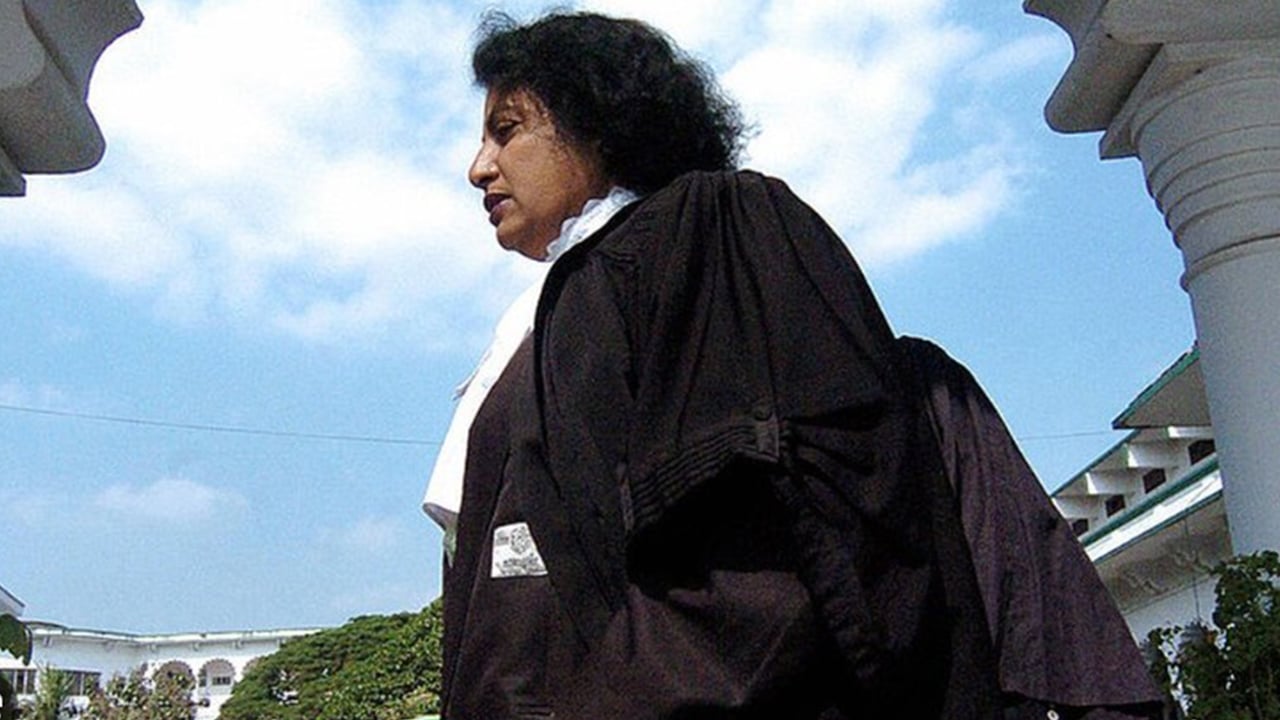
The Supreme Court administration of Bangladesh has relaxed the mandatory dress code for judges and lawyers in subordinate courts due to an ongoing severe heatwave. Effective from Tuesday, April 7, 2026, they are no longer required to wear black coats and gowns during court sessions. The directive was issued under the order of the Chief Justice to provide comfort to legal professionals performing their duties in extreme heat. According to the notification, judges in all subordinate civil and criminal courts and tribunals may now wear white full-sleeve shirts, white sarees, or salwar kameez with a white neckband or black tie instead of the traditional black coat and gown. The same relaxation applies to lawyers, who may follow similar attire without the obligation to wear coats or gowns. The Supreme Court administration stated that the order will remain in effect from April 7 until further notice. The decision was described as a humane measure to ease the discomfort faced by judges and lawyers during the intense heatwave.
Independent Member of Parliament Rumin Farhana from Brahmanbaria-2 has expressed gratitude to the BNP for not nominating her in the thirteenth national election, saying it allowed her to understand the love and support of millions across Bangladesh. Speaking during the discussion on the presidential address in parliament, she also sharply criticized the appointment of politically affiliated individuals to positions in Bangladesh Bank and public universities, calling it an unfortunate trend that undermines merit-based recruitment. Farhana highlighted the lack of balance between the powers of the president and the prime minister, noting that despite repeated discussions, the president still delivers a cabinet-approved speech rather than an independent one. She reflected on the sacrifices of ordinary citizens who dreamed of building an inclusive Bangladesh free from discrimination and called for recognition of women’s leadership in past movements. Addressing economic issues, she warned about rising foreign debt, high inflation, and capital flight, urging diversification of exports, creation of an investment-friendly environment, and curbing false invoicing to restore economic stability.

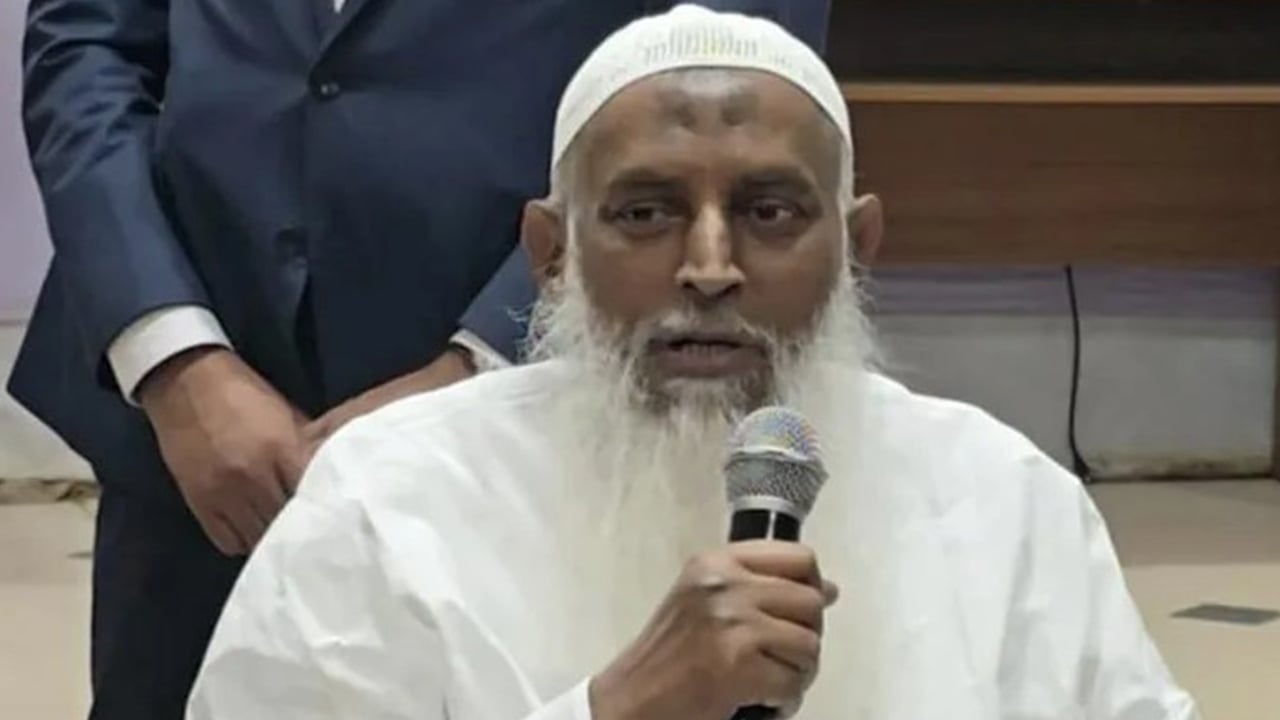
Islami Chhatra Shibir has announced a protest rally and assembly in Dhaka on Wednesday to oppose what it calls the government’s delay in implementing the public verdict reflected in the recent referendum. The demonstration, organized by the Dhaka Metropolitan East branch of the group, will begin at 5 p.m. from the north gate of Baitul Mukarram National Mosque. Following the rally, a gathering will be held under the chairmanship of Asif Abdullah, a member of the organization’s central executive committee and transport secretary of the Dhaka University Central Students’ Union, who also serves as president of the Dhaka Metropolitan East branch. The information was confirmed on Tuesday by Muhammad Dawood Khan, the branch’s publicity and media secretary. The announcement comes amid broader calls for protests across the country demanding the implementation of the referendum’s outcome, as reported by the same source.

Religious Affairs Minister Kazi Shah Mofazzal Hossain (Kaykobad) has stated that the government will take initiatives to reduce the overall cost of the 2027 Hajj package. He made the announcement in parliament on Tuesday in response to a question from ruling party member Lutfur Rahman, representing Cox’s Bazar-3. The minister said the upcoming package will be designed considering the needs and facilities of pilgrims. He explained that the 2026 Hajj package has already been finalized, with payments completed for various expenses in both the Saudi Arabia and Bangladesh segments. According to the Saudi timeline, all visa and related procedures have been completed, and Hajj flights are scheduled to begin on April 18. The statement indicates that while the 2026 Hajj preparations are in their final stage, the ministry is already planning adjustments for the following year to make the pilgrimage more affordable for Bangladeshi pilgrims.
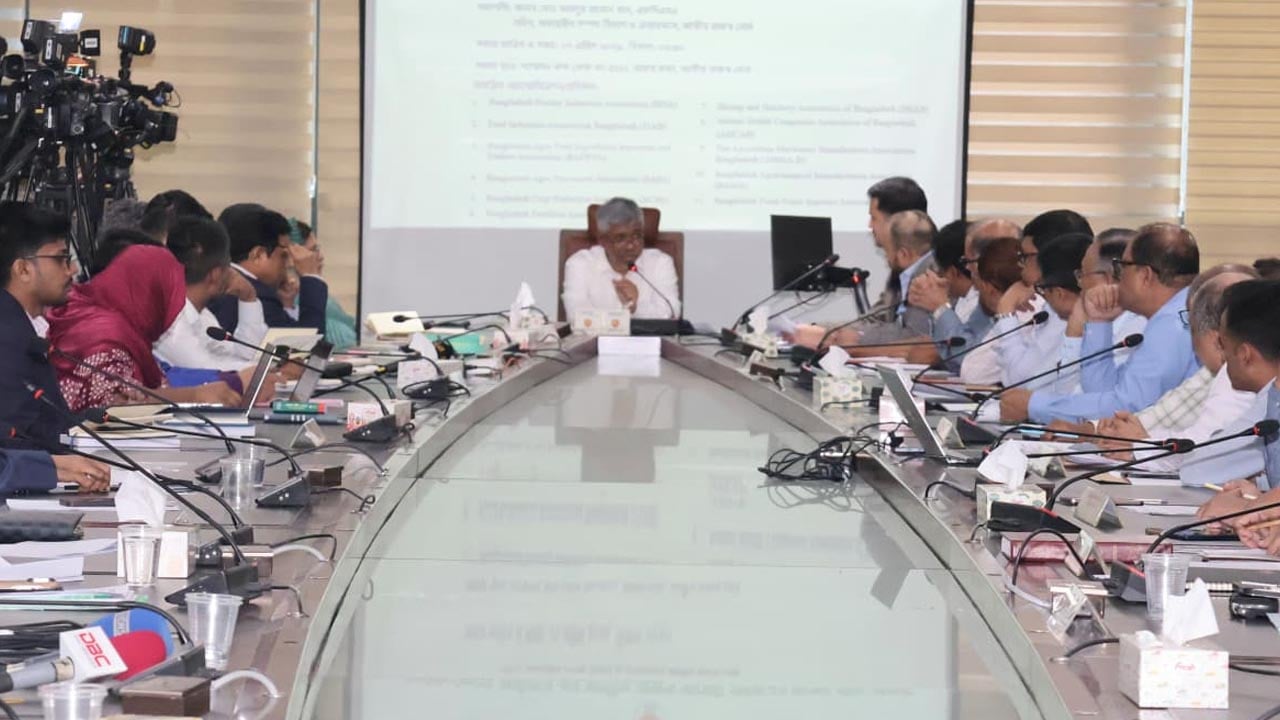
The National Board of Revenue (NBR) of Bangladesh has announced that electric school buses can now be imported without any customs duty. NBR Chairman Abdur Rahman Khan said the decision is part of the government’s broader plan to reduce fuel consumption in public transport. He made the announcement on Tuesday during a pre-budget meeting with several transport sector organizations in Agargaon, Dhaka. An official order (SRO) will be issued soon to implement the exemption. According to the NBR chairman, the government aims to lower fuel use in the transport sector, starting with vehicles used for students. The duty waiver for electric school buses will take effect before the upcoming national budget, as the government does not want to delay the initiative. He also mentioned that the upcoming budget will include several changes related to the electric vehicle sector. The move signals an early step toward promoting electric mobility in Bangladesh’s transport system, with immediate implementation expected once the SRO is issued.
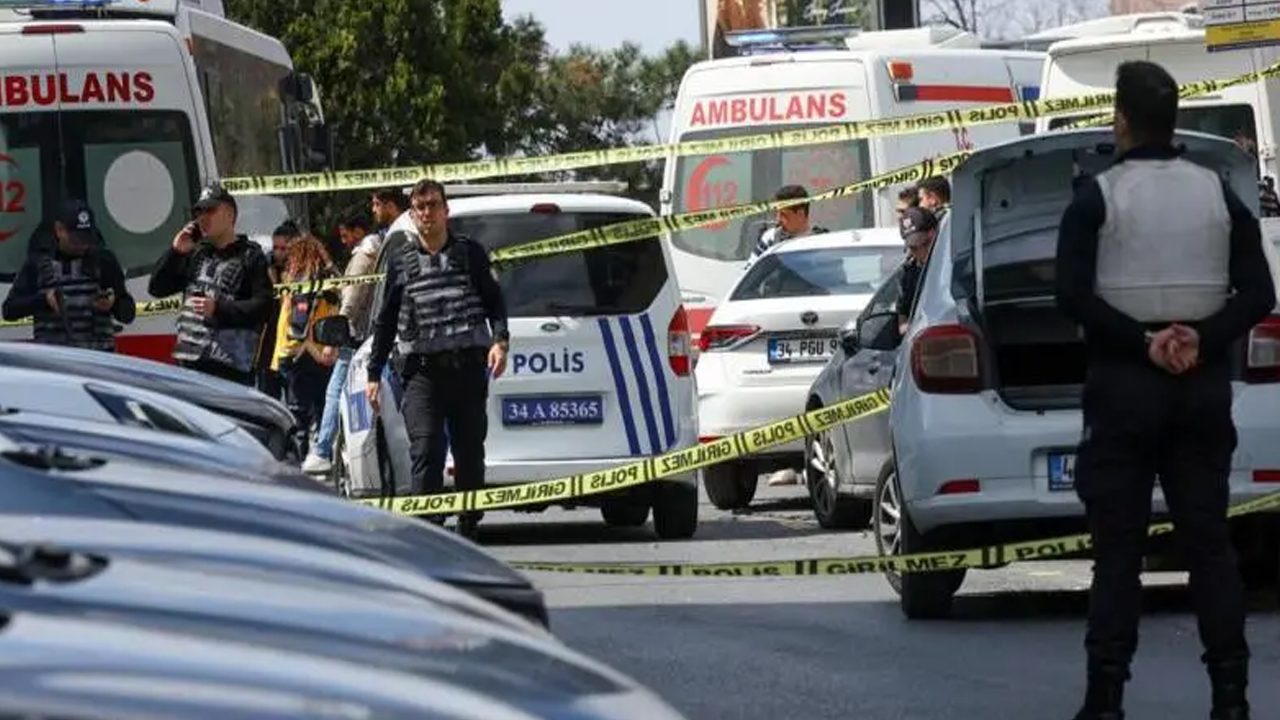
A deadly gunfight erupted outside the Israeli consulate in Istanbul’s Levent district on Tuesday morning, resulting in the deaths of three suspected attackers. According to Turkish state media and official sources cited by international outlets, two police officers were seriously injured during the exchange of fire. Turkish security forces swiftly responded, neutralizing the assailants at the scene and sealing off the area for public safety. Footage broadcast by Turkish channel Habertürk showed a heavy police presence surrounding the consulate, with special units deployed and civilian movement restricted. No group has claimed responsibility for the attack so far. The injured officers were taken to a nearby hospital, where their condition remains critical. Authorities have launched a high-level investigation to determine whether the incident was a planned terrorist act. The attack has heightened international concern amid rising tensions in the Middle East, prompting Turkish officials to strengthen security measures across Istanbul.
The Bangladesh Cricket Board (BCB) has been dissolved following allegations of irregularities in its election. The National Sports Council (NSC) announced the decision at a press conference on Tuesday afternoon, forming an 11-member ad hoc committee to oversee the board’s operations. Former national captain Tamim Iqbal has been appointed as the head of the committee, which has been tasked with organizing new elections within three months. The previous BCB board, led by Aminul Islam Bulbul, was formed through a controversial election held on October 6. After reviewing the investigation report on the alleged irregularities, the NSC decided to dissolve the board under Section 28 of its 2018 law. The ad hoc committee includes members such as Fahim Sinha, Rafiqul Islam Babu, Salman Ispahani, Tanzil Chowdhury, and others. Tamim Iqbal is expected to visit the BCB office this evening to assume his new responsibilities as the committee’s president.

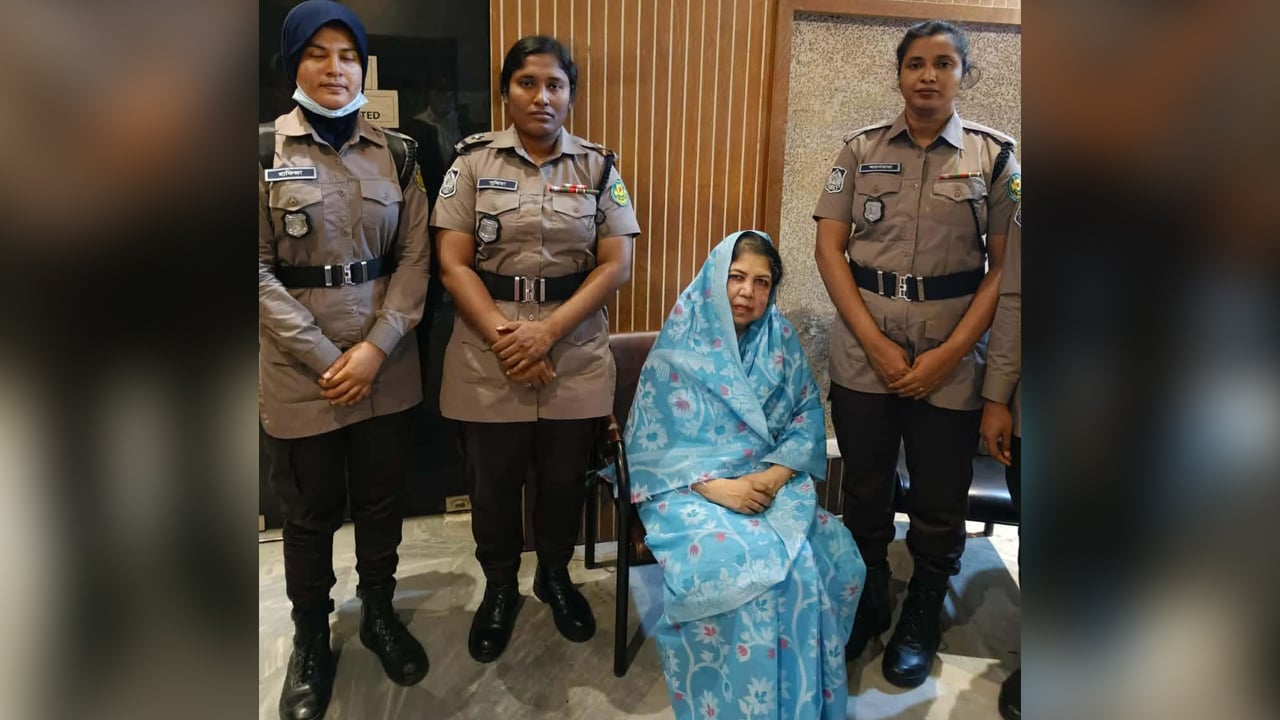
Severe chaos broke out during the remand hearing of former Speaker Shirin Sharmin Chowdhury at a Dhaka court on Tuesday afternoon. The incident occurred in the courtroom of Dhaka Metropolitan Magistrate Jewel Rana when the investigation officer sought a two-day remand. After the hearing, the court rejected the remand plea and ordered her to be sent to jail. Following the order, defense lawyers began shouting inside the courtroom, creating a scene of disorder. Witnesses said the judge remained seated silently as the situation escalated. When he failed to control the lawyers, the judge expressed anger toward journalists who were present for professional coverage and ordered them to leave the courtroom. Public Prosecutor Advocate Omar Faruk Faruki attempted to restore order. The unexpected treatment of journalists drew surprise and criticism from lawyers and observers present. The incident has raised questions about courtroom discipline and the treatment of media representatives during judicial proceedings, prompting concern among legal professionals and the public.
At a World Health Day seminar jointly organized by Gonoshasthaya Kendra and Gono University in Savar, speakers revealed that 36 widely used antibiotics have lost their effectiveness due to growing antimicrobial resistance. The event, held at the PHA Auditorium with Dhaka-19 Member of Parliament Dr. Dewan Md. Salauddin as chief guest, followed a rally on the university campus. Professor Dr. Mahmudul Hasan Shikder of Bangladesh Agricultural University presented the keynote paper, linking global travel, environmental change, and unhealthy food habits to the spread of new diseases. Professor Dr. Farida Yasmin of Gonoshasthaya Samajbhittik Medical College stated that the 36 antibiotics no longer work against some common infections, and six new antibiotics have shown little promise. She urged physicians to stop indiscriminate antibiotic use and to inform patients about proper dosage and side effects. The seminar emphasized coordinated efforts across human, animal, and environmental health sectors to ensure safe food and effective disease control. Gono University Vice-Chancellor Professor Dr. Md. Abul Hossain called for continuing the mission of late Dr. Zafrullah Chowdhury to achieve universal primary healthcare through collective action.

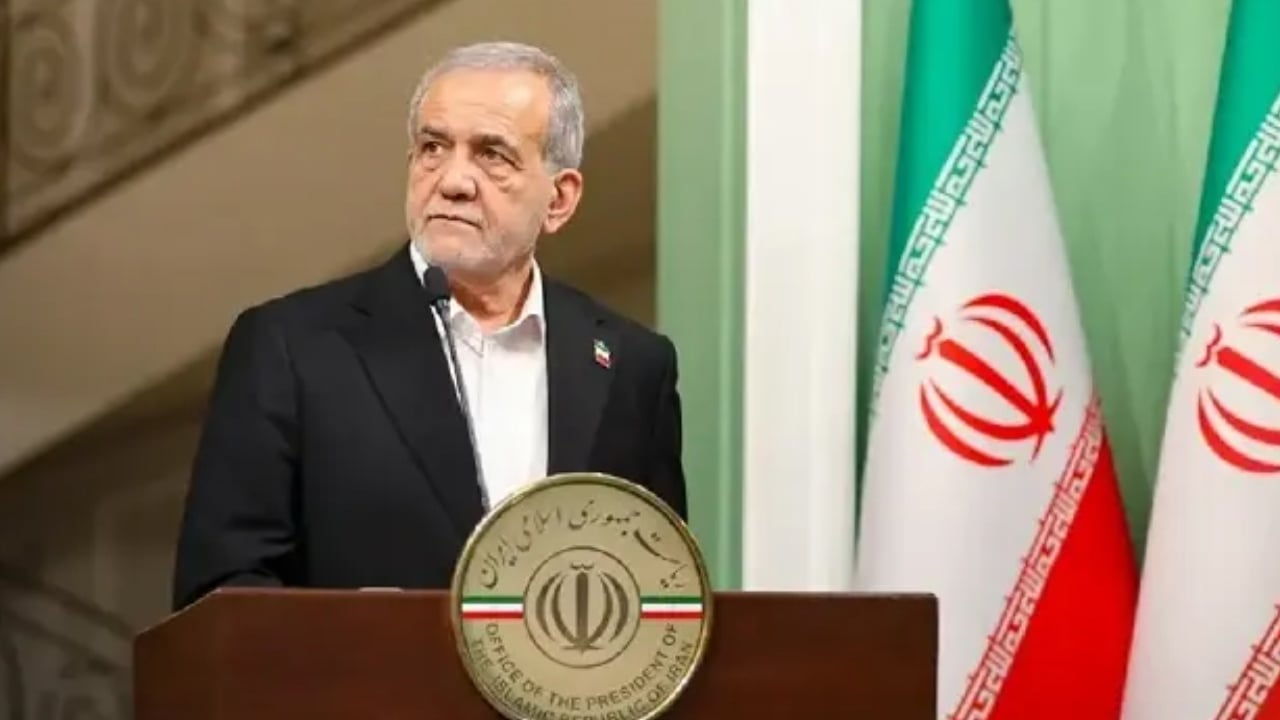
Iranian President Masoud Pezeshkian stated that more than 14 million Iranians are prepared to sacrifice their lives for the defense of the country. He made the declaration in a message posted on social media platform X, formerly known as Twitter, emphasizing his own commitment to Iran’s cause. The statement comes amid ongoing conflict that began on February 28, during which Israel has reportedly targeted and killed several senior Iranian leaders, including former Supreme Leader Ayatollah Ali Khamenei and Supreme National Security Council Secretary Ali Larijani. According to official figures, at least 2,076 people have been killed and 26,500 injured in Iran since the war began. The message underscores the Iranian leadership’s portrayal of national unity and resilience in the face of escalating hostilities with Israel, as reported by Al Jazeera.
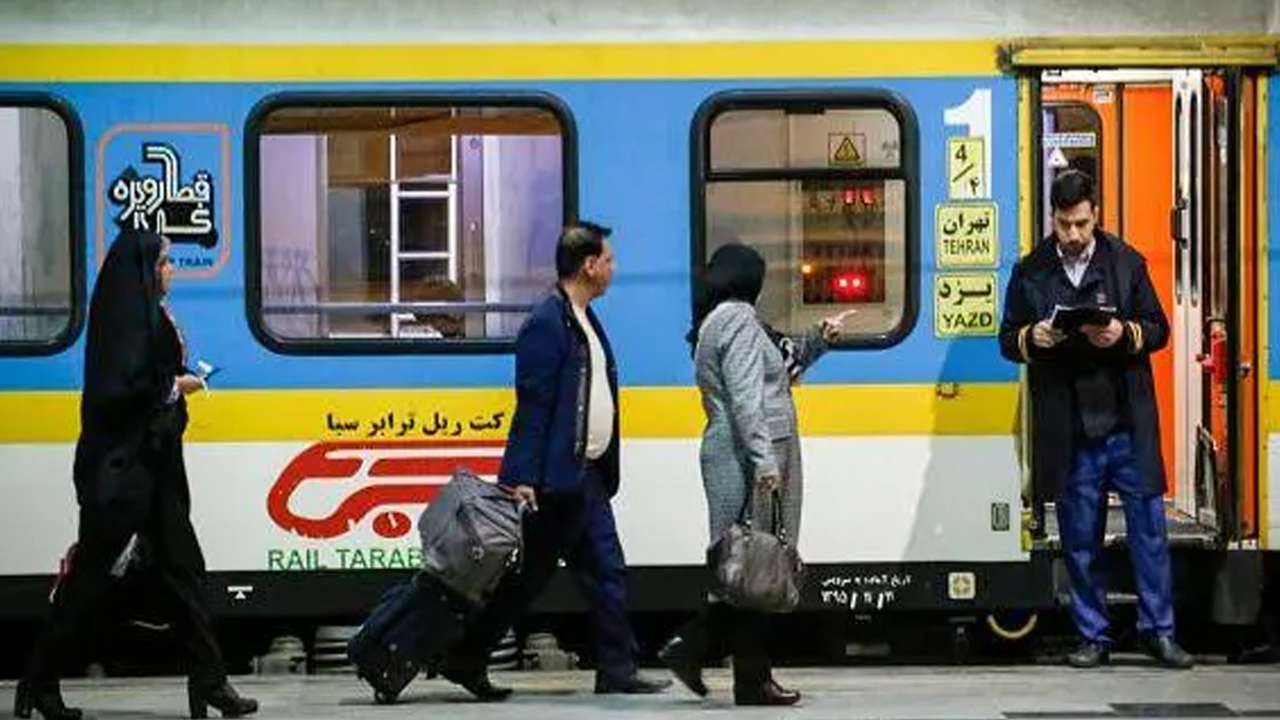
The Israeli Defense Forces (IDF) have issued an urgent warning to Iranian citizens, advising them to avoid train travel and stay away from railway lines for the next 12 hours. The statement, released on the IDF’s Persian-language X account, urged Iranians to refrain from using trains across the country until 9 p.m. local time, citing safety concerns. The IDF warned that being near trains or railway tracks could pose a serious risk to life. This warning came as U.S. President Donald Trump gave Iran a deadline until 8 p.m. Tuesday local time to reopen the Strait of Hormuz. Trump threatened that failure to comply would result in the destruction of Iran’s civilian infrastructure, including bridges and power plants. Experts noted that targeting civilian infrastructure could be considered a war crime under international law. The situation reflects escalating tensions in the region, with recent reports of attacks involving Israel and Iran in multiple countries, including Iran, Saudi Arabia, and Turkey.
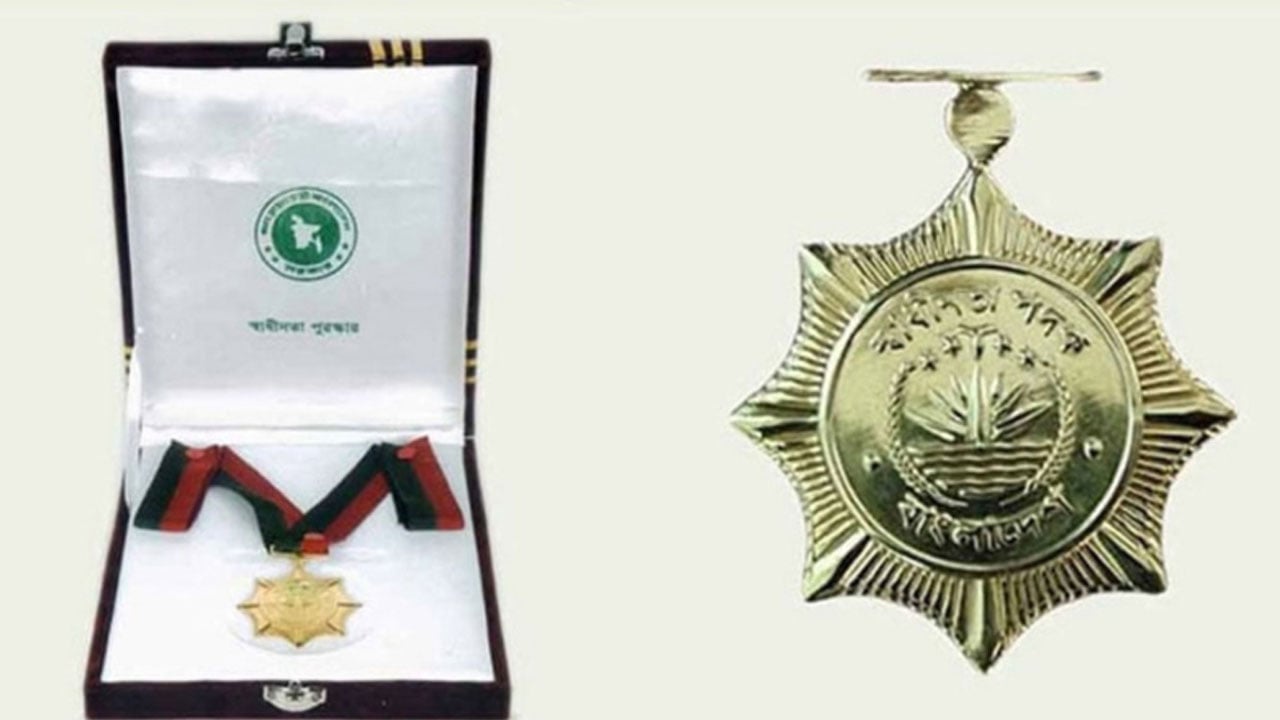
The date for the 2026 Independence Award ceremony in Bangladesh has been changed. Originally scheduled for Thursday, April 9, the event will now take place on Thursday, April 16, at 4 p.m. at the Osmani Memorial Auditorium in Dhaka. The change was announced on April 7 through a press release from the Department of Information, citing the Cabinet Division as the source. According to the announcement, the rescheduling was made due to unavoidable circumstances. The Independence Award is the highest state honor in Bangladesh, recognizing individuals and organizations for their outstanding contributions at the national level. This year, former Prime Minister Begum Khaleda Zia, along with 14 other distinguished individuals and five institutions, has been selected for the award. The new date ensures the ceremony will proceed with the same recipients and venue, maintaining the tradition of honoring national excellence despite the brief postponement.
The United States Central Command (CENTCOM) has reported that American forces have carried out more than 13,000 strikes on targets in Iran since the start of the conflict. The joint offensive by the United States and Israel began on February 28, and fighting has continued for over five weeks. CENTCOM said the operation, codenamed “Operation Epic Fury,” has so far damaged or destroyed more than 155 Iranian naval vessels. According to CENTCOM, the targets of the US attacks have included headquarters of Iran’s Islamic Revolutionary Guard Corps (IRGC), air defense systems, ballistic missile bases, and naval ships and submarines. The conflict has resulted in significant casualties, with the US-based Human Rights Activists News Agency reporting that more than 3,500 people have been killed in Iran since the joint strikes began, including at least 1,665 civilians. The report underscores the continuing intensity of the US-Israel campaign and the heavy toll on Iranian infrastructure and civilian life, as the conflict shows no sign of abating.

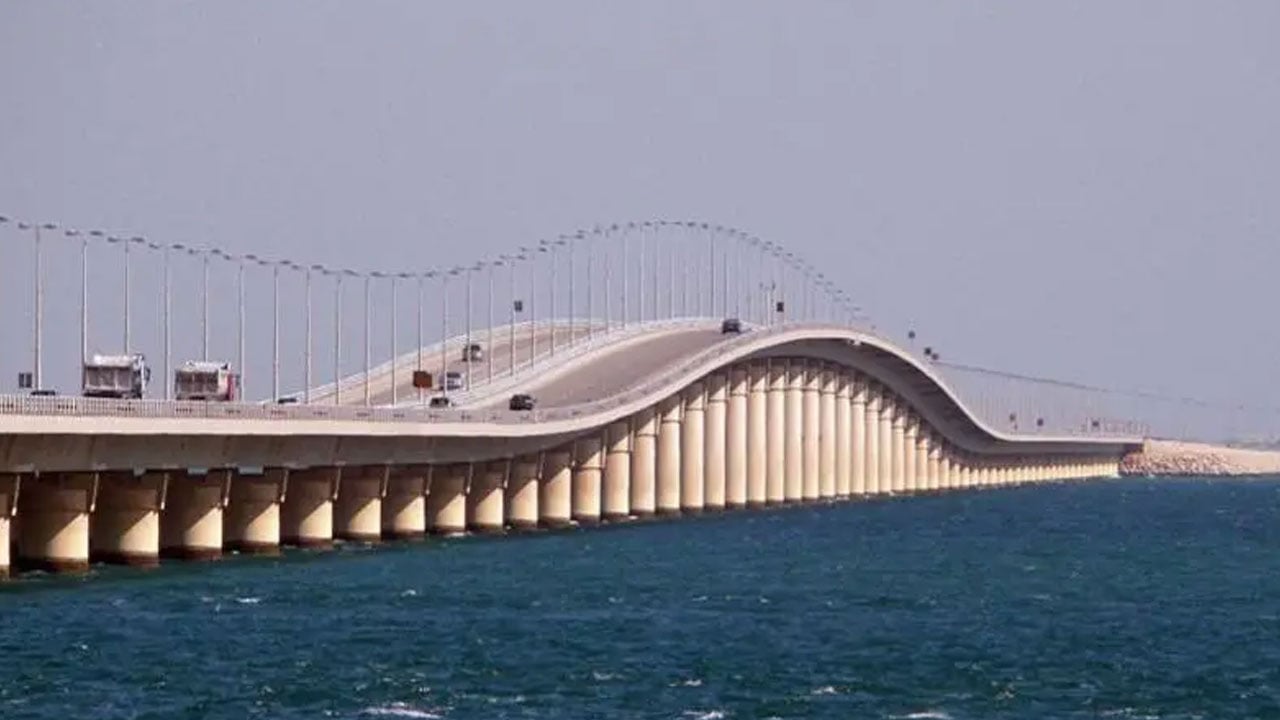
Saudi Arabia has reopened the King Fahd Causeway, the only road link connecting it with Bahrain, after a temporary closure following an Iranian airstrike. The bridge was shut down as a precaution when debris from an attack on a nearby energy facility raised concerns about potential damage. Authorities confirmed that the causeway was reopened about five hours later. Social media updates indicated that vehicle movement across the bridge has resumed. The King Fahd Causeway spans approximately 15.5 miles, serving as a vital transportation route between the two Gulf nations. The reopening restores a key regional connection that had been briefly disrupted by security concerns following the Iranian strike near Saudi Arabia’s Jubail petrochemical complex.
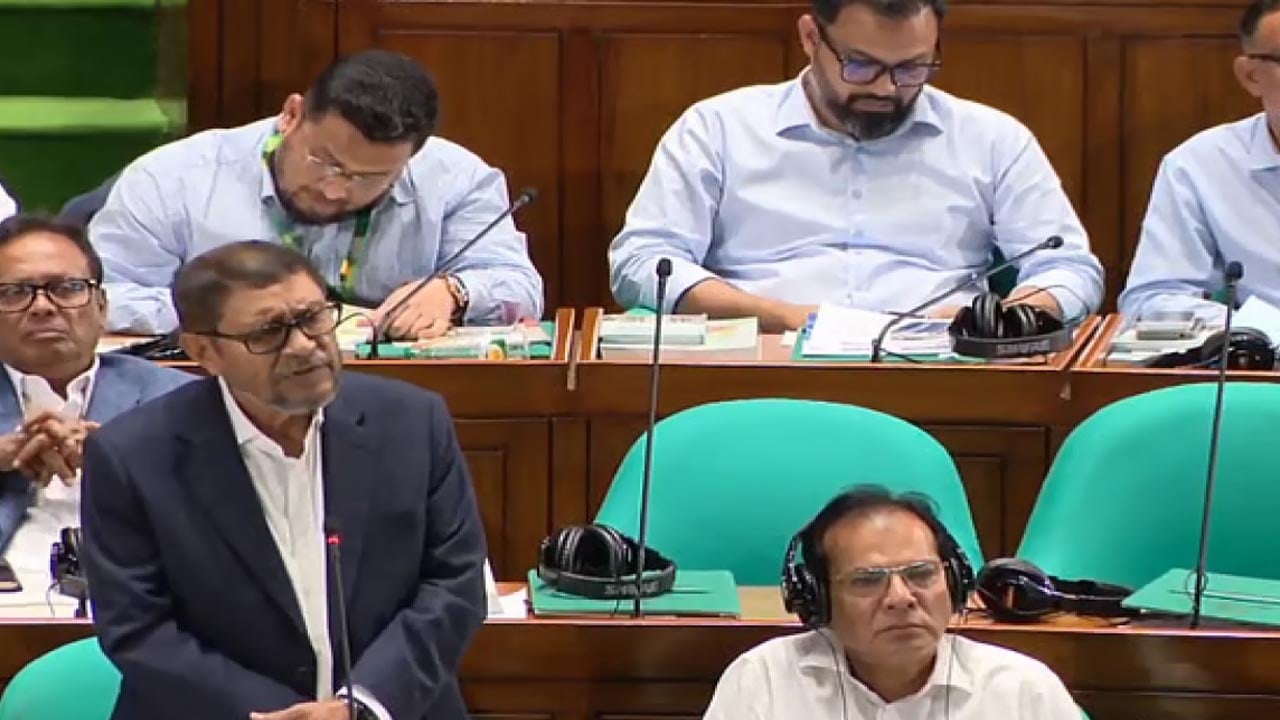
Health Minister Sardar Md. Shakhawat Hossain has announced that the government is taking necessary steps to recruit 100,000 health workers in line with its current election manifesto. He made the statement in parliament on Tuesday, April 7, while responding to a starred question from ruling party member Ikramul Bari Tipu, representing Naogaon-4. The minister detailed recent recruitment efforts, noting that on January 22 of the current year, 2,984 assistant surgeons and 279 dental surgeons were appointed through the 48th BCS, while 98 assistant surgeons (MBBS) and 22 dental surgeons were recruited through the 44th BCS. Additionally, on December 18 of the previous year, 162 assistant surgeons (MBBS doctors) were appointed through the 27th BCS. These initiatives reflect the government’s ongoing efforts to strengthen the national healthcare workforce and fulfill commitments outlined in its electoral pledges.
The ‘1 Nojor’ media platform is now live in beta, inviting users to explore and provide feedback as we continue to refine the experience.