

The ‘1 Nojor’ media platform is now live in beta, inviting users to explore and provide feedback as we continue to refine the experience.
Bangladesh’s Finance Minister Amir Khasru Mahmud Chowdhury presented a list of the country’s top 20 loan defaulters in the National Parliament on Monday. The report showed that 11 of these companies belong to the controversial S Alam Group. Two companies each from Beximco Group, owned by Salman F Rahman, and Sikder Group, owned by Ron and Rick Haque Sikder, were also listed. The minister did not disclose the total amount of defaulted loans for these entities. The report noted that S Alam Group had taken loans totaling Tk 225,000 crore during the previous Awami League government, causing significant losses to several Islamic banks. These struggling banks were later merged into a new entity, Sammilit Islami Bank, with government and depositor contributions. The finance minister also stated that as of December, total defaulted loans in Bangladesh stood at Tk 544,831.88 crore. The government has initiated measures to recover defaulted loans, including monitoring progress on top defaulters, updating banking guidelines, and publishing lists of willful defaulters. The minister emphasized ongoing reforms to stabilize the economy and strengthen financial discipline.

Iran’s Supreme Leader Mojtaba Khamenei stated that attacks targeting the country’s top officials will not weaken its military power. He made the remarks in a written statement issued early Monday following the killing of Majid Khademi, the intelligence chief of the Islamic Revolutionary Guard Corps (IRGC). Khamenei said Iran has built a strong and organized resistance composed of self-sacrificing fighters and armed forces, which cannot be broken through acts of terror or attacks. Since a joint U.S.-Israeli offensive began on February 28, a series of strikes have targeted Iran’s political and military leadership, resulting in the deaths of several senior officials. Israel has claimed responsibility for Khademi’s killing and also asserted that it killed Asghar Bagheri, commander of the IRGC’s Quds Force special operations unit. Tehran has not yet issued an official response to these claims.
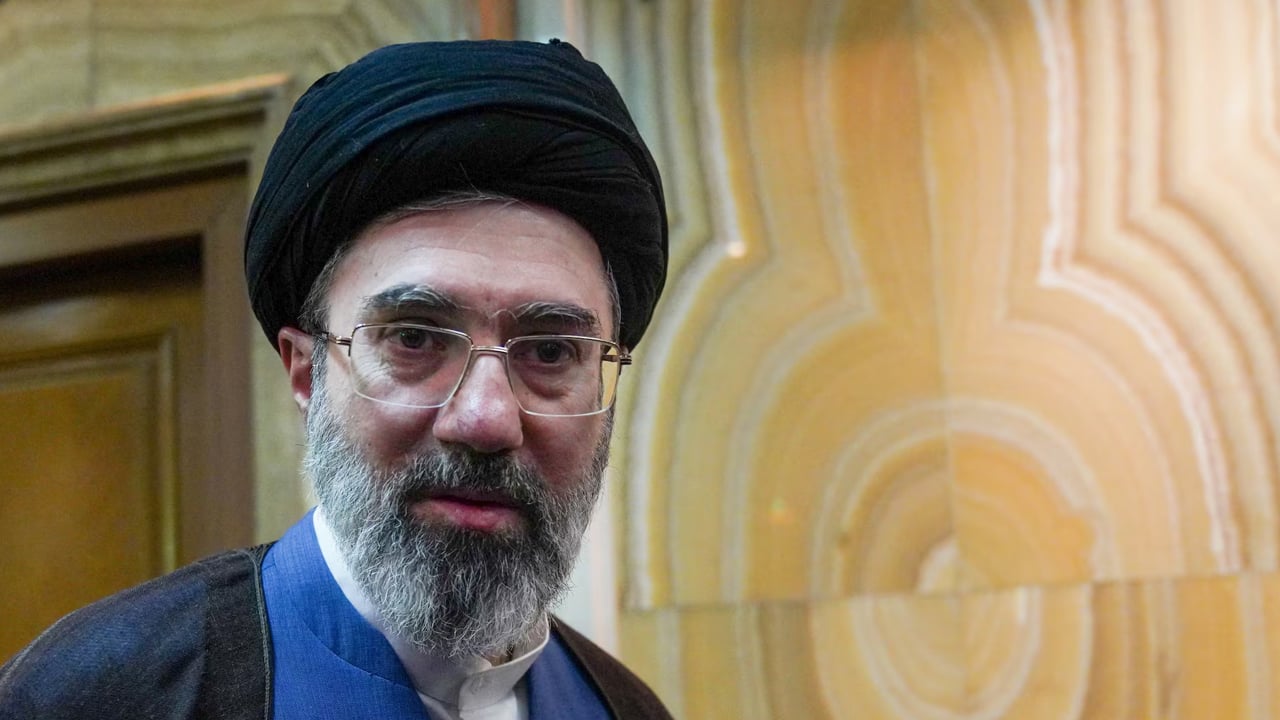
Seven directors of the Bangladesh Cricket Board (BCB) have resigned, all citing personal reasons. The latest to step down was Faiyazur Rahman Mitu, who spoke to Amader Desh after his resignation. He said he felt unable to perform his duties effectively within the board and expressed dissatisfaction with the working environment. Mitu, who had a long personal relationship with BCB president Aminul Islam Bulbul, said he nonetheless found it difficult to contribute meaningfully. Mitu described a growing divide between Bulbul and several directors within just five months of the board’s formation. He said Bulbul tended to rely on a small circle of trusted individuals when making decisions, limiting broader participation. Mitu also noted that his own responsibilities in the disciplinary committee and the CCDM were restricted, and that key reports and complaints never reached him. He added that the Dhaka League’s mismanagement reflected a lack of visible effort to resolve club disputes. The BCB board has since been dissolved, with an 11-member ad hoc committee led by Tamim Iqbal formed to oversee operations until elections are held within three months.
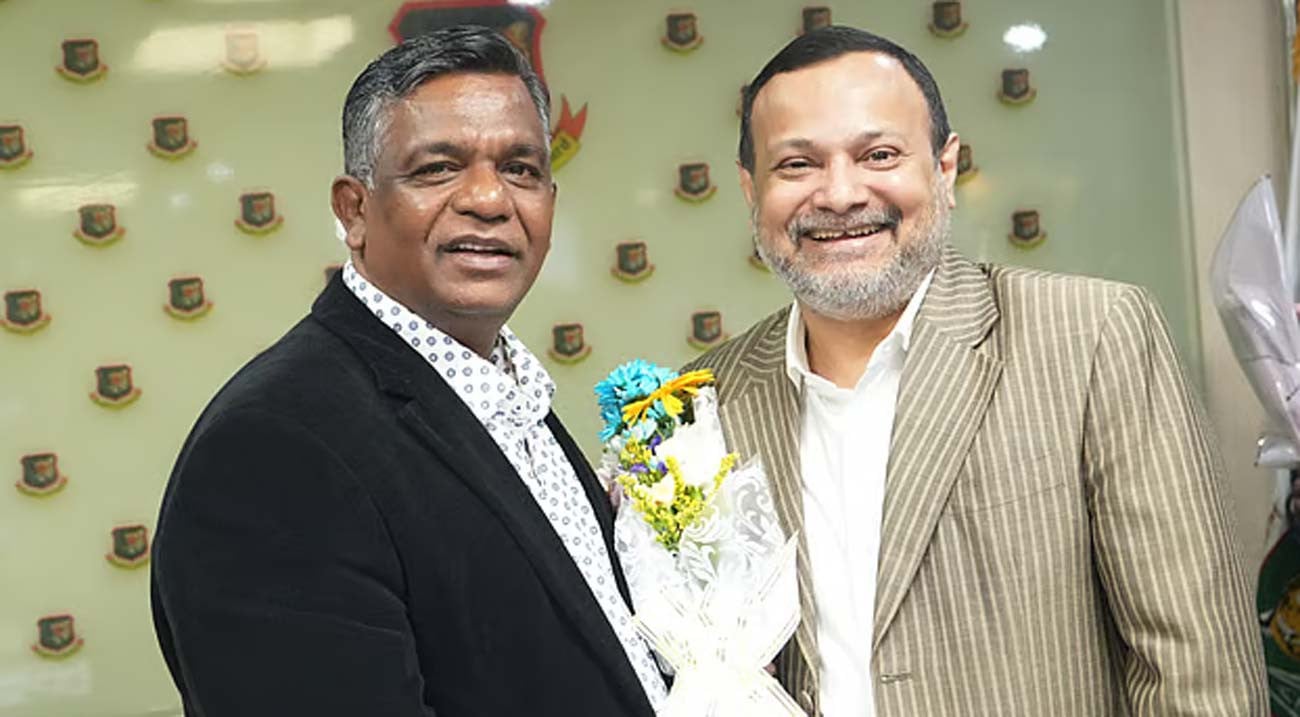
An Israeli drone strike near a school sheltering displaced Palestinians in the Gaza Strip killed at least ten people and injured several others on Monday, April 6, according to the Daily Sabah. The attack occurred near the Maghazi refugee camp in central Gaza, where two missiles were reportedly fired. The strike took place despite a ceasefire agreement brokered by the United States. Witnesses and medical sources said the incident followed clashes between residents and an armed group allegedly supported by Israel, which had entered the school area and attempted to abduct several people. A local resident, Ahmed al-Maghazi, claimed that Israeli forces launched the attack as residents resisted the armed group. The densely populated area houses many displaced civilians, and it remains unclear how many of the victims were noncombatants. A video message released by a leader of the armed group claimed responsibility for killing at least five Hamas members, though the authenticity of the video could not be independently verified. Hamas has not issued an immediate response. Gaza’s Health Ministry reported that since the ceasefire began in October 2025, 713 Palestinians have been killed and 1,940 injured.
The government of Bangladesh has declared a general holiday on April 9, 2026, in areas under two constituencies—Bogura-6 and Sherpur-3—where by-elections will be held. The Ministry of Public Administration issued a notification on April 1 announcing the decision, which was made under the authority of the Rules of Business 1996. The holiday will apply only to the respective electoral areas on the day of voting. According to the notification, the decision was taken based on a request from the Bangladesh Election Commission Secretariat. The by-elections are being held to fill two vacant parliamentary seats. The Bogura-6 seat became vacant after BNP Chairperson Tarique Rahman, who had won both Bogura-6 and Dhaka-17 in the 13th national election on February 12, chose to retain Dhaka-17. The Sherpur-3 seat remained vacant after the death of the Jamaat-e-Islami candidate before the February election, leading to the postponement of voting there. Voting in both constituencies is scheduled for April 9, 2026, with the declared holiday intended to facilitate voter participation.

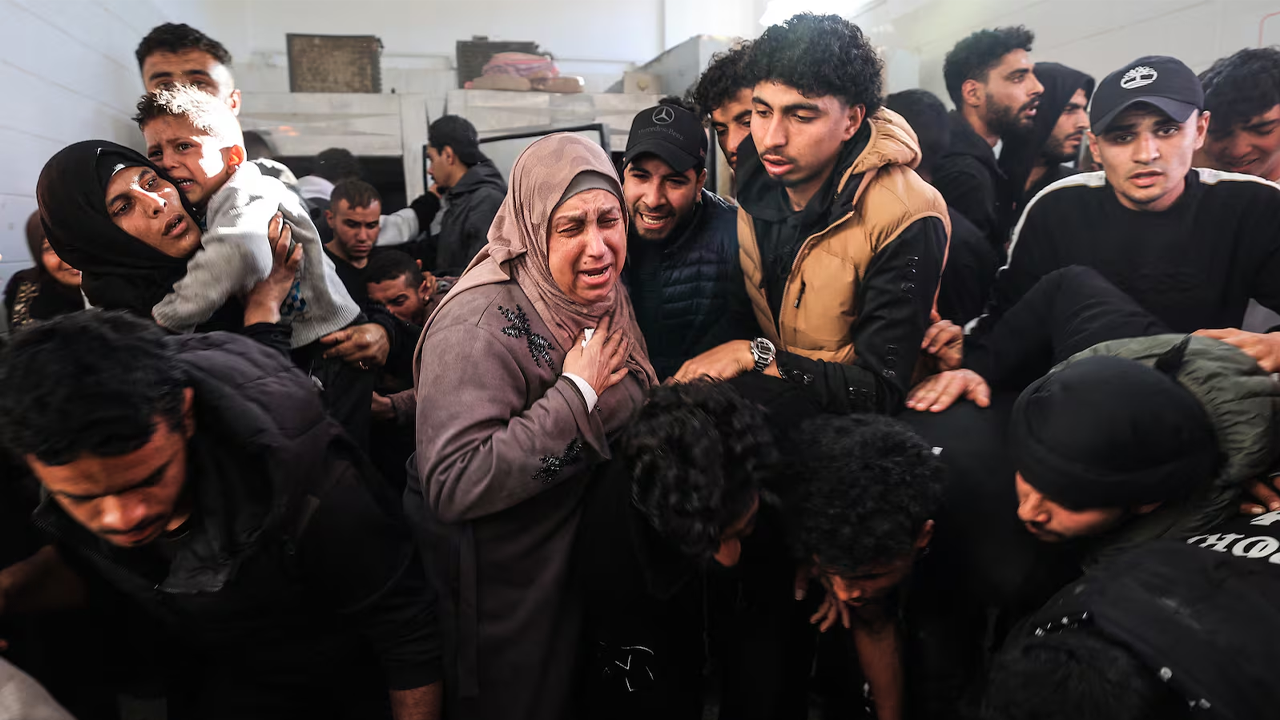
The Bangladesh National Parliament has decided to conduct two daily sittings starting Tuesday to meet the constitutional requirement of converting 133 ordinances, issued during the interim government, into laws. The first session will begin at 10:30 a.m. and adjourn at noon, while the second will start at 3:30 p.m. and continue into the night. The decision was announced by Chief Whip Nurul Islam following an emergency meeting of the Business Advisory Committee on Monday. Nurul Islam explained that all 133 ordinances must be passed by April 9. He expressed regret that copies of all bills could not be distributed earlier due to time constraints. He added that bills already agreed upon in special committees would be passed immediately, while those with dissent notes or proposed amendments would be presented separately by the next day. According to parliamentary sources, nine ordinances have already been passed, including seven on April 6, with three more introduced the same day. The move to hold two sessions daily aims to ensure completion of the legislative process before the April 12 constitutional deadline for final decisions on the ordinances.
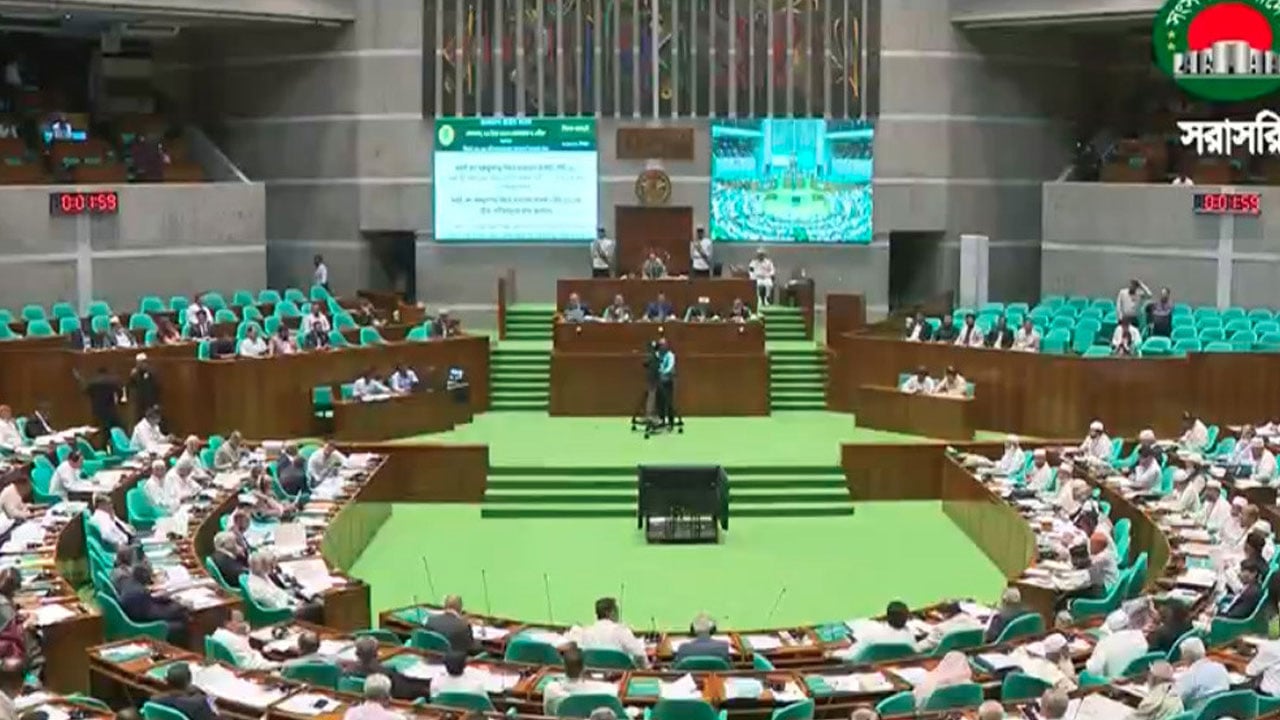
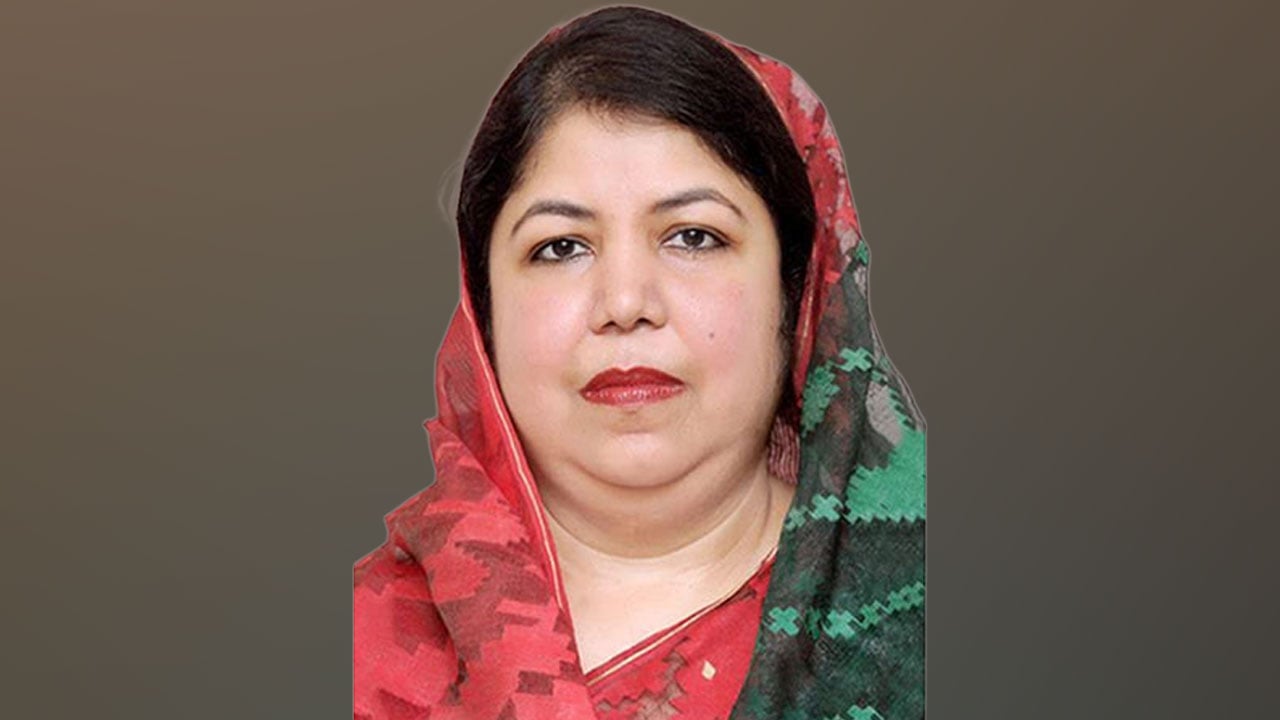
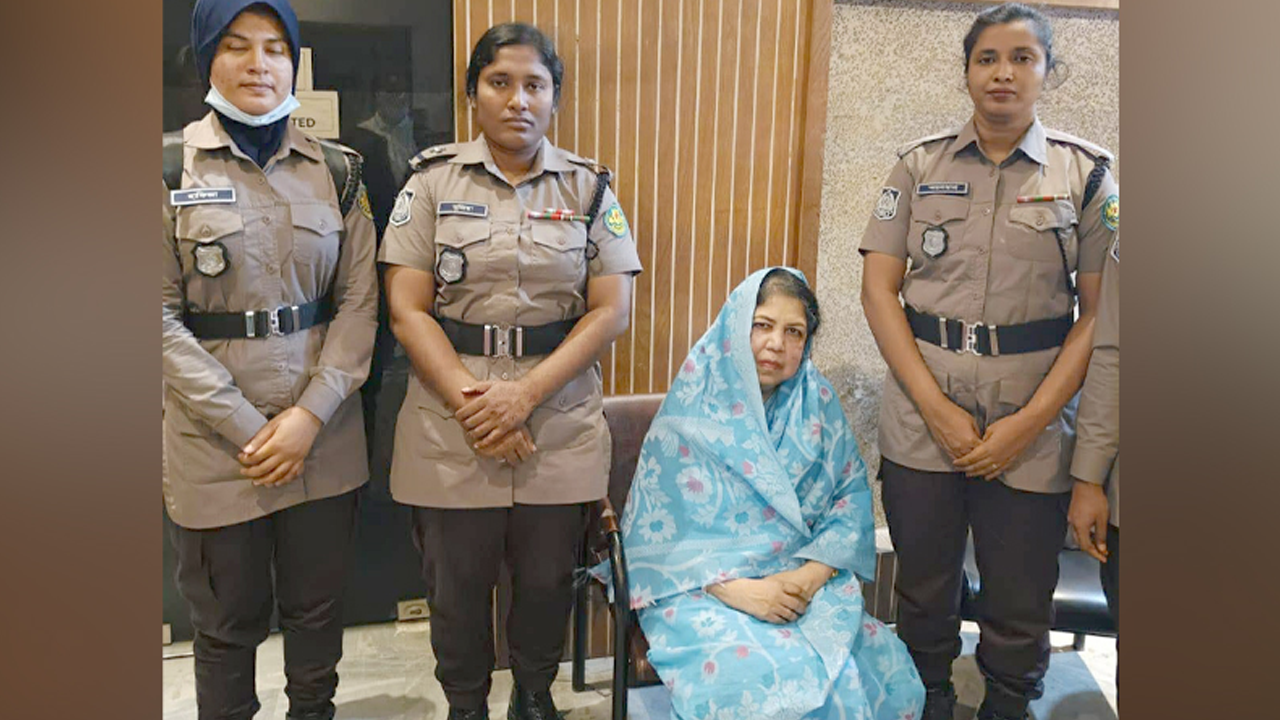
Former Speaker of Bangladesh’s National Parliament, Dr. Shirin Sharmin Chowdhury, was arrested early Tuesday morning from her residence after remaining out of public view for 20 months. According to reports, she was detained by the Detective Branch (DB) police around 4:30 a.m. She had gone into hiding on August 5, 2024, amid mass protests and an uprising that led to the fall of the previous government. Sources indicated that during her disappearance, Chowdhury was under strict government surveillance and lived with her husband and younger son. She had resigned from her position as Speaker on September 2, 2024, though questions persisted about whether the resignation was voluntary. Allegations also surfaced that she applied for an e-passport while in hiding, possibly to leave the country. Chowdhury faces a murder case filed in Rangpur related to the July 2024 uprising, in which former minister Tipu Munshi is already in custody. Following her arrest, she was taken to the DB office on Minto Road in Dhaka. Authorities may show her arrested in the ongoing murder case, which would require her appearance before a Rangpur court.
Jamaat-e-Islami Ameer Dr. Shafiqur Rahman has strongly condemned the arrest of Bibi Sawda, a female activist of the Bhola Municipality Women’s Jamaat-e-Islami. In a Facebook post on Tuesday morning, he described the treatment of Sawda as a message of neo-fascism, accusing those in power of silencing dissenting voices to hide their failures. Earlier, Jamaat Assistant Secretary General Advocate Moyazzem Hossain Helal issued a statement on Monday night expressing deep concern and protest over the arrest, which took place at Sawda’s home around 11 p.m. on April 5. He said law enforcement officials cited “higher orders” as the reason for the arrest, calling it inhumane and undemocratic. Helal noted that Sawda has a three-year-old speech-impaired child who depends on her care. Helal demanded Sawda’s unconditional release and urged authorities to ensure a humane and democratic environment in the country, stating that such actions contradict the public’s expectations following the 2026 election.

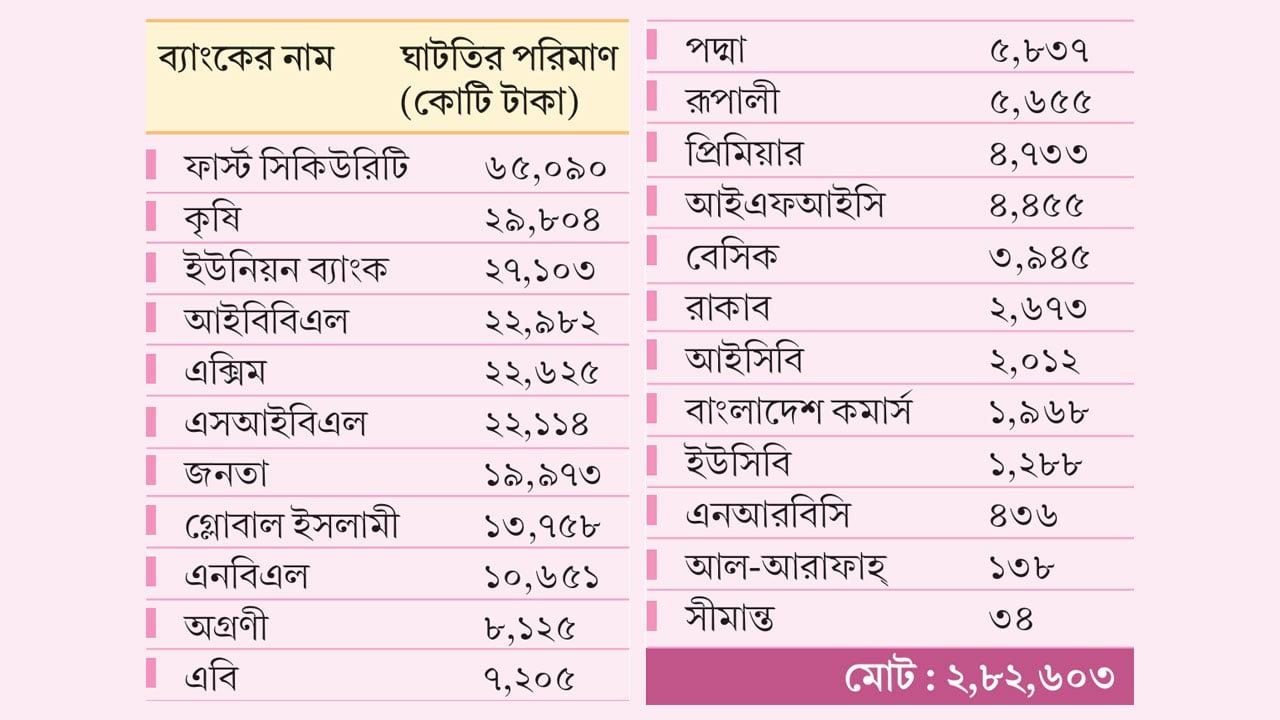
Bangladesh Bank’s latest report shows that by the end of September last year, 23 banks in the country faced a combined capital shortfall of Tk 2.82 trillion, up from Tk 1.56 trillion in June. The increase is attributed to a surge in non-performing loans, which reached Tk 6.44 trillion. The report also notes that the banks failed to maintain the required loan-loss provisions, resulting in a provision deficit of Tk 3.44 trillion and pushing the sector’s capital adequacy ratio (CRAR) to a negative 2.90 percent, below the international minimum of 10 percent. Among the affected institutions, four state-owned banks accounted for Tk 37,698 crore of the deficit, nine private banks for Tk 36,607 crore, eight Islamic banks for Tk 175,822 crore, and two specialized banks for Tk 32,477 crore. The largest individual shortfall was recorded at First Security Islami Bank with Tk 65,090 crore. Bangladesh Bank’s assistant spokesperson Shahriar Siddiqui explained that rising defaults have increased provisioning needs, while limited profits have prevented banks from meeting those requirements. The report indicates that banks outside these 23 institutions remain adequately capitalized, suggesting that the broader sector’s stability depends on addressing the weaknesses of the deficit banks.
The United Nations Security Council is expected to vote today, Tuesday, on a resolution aimed at ensuring the safety of commercial shipping through the Strait of Hormuz. Diplomats indicated that the draft has been significantly softened due to objections from China, a veto-wielding member of the Council. According to Reuters, the revised draft removes authorization for the use of force and instead calls for defensive coordination among member states. The situation in the region has remained tense since February 28, when the United States and Israel launched attacks on Iran, leading to a sharp rise in global oil prices. Over the past five weeks, Tehran has largely restricted vessel movement through the Strait of Hormuz, severely affecting global energy supplies. Despite U.S. pressure, Iran has stated it will not fully reopen the strait unless there is a permanent end to the conflict. Diplomats believe that the softened resolution may attract broader support, but the outcome of the vote remains uncertain.

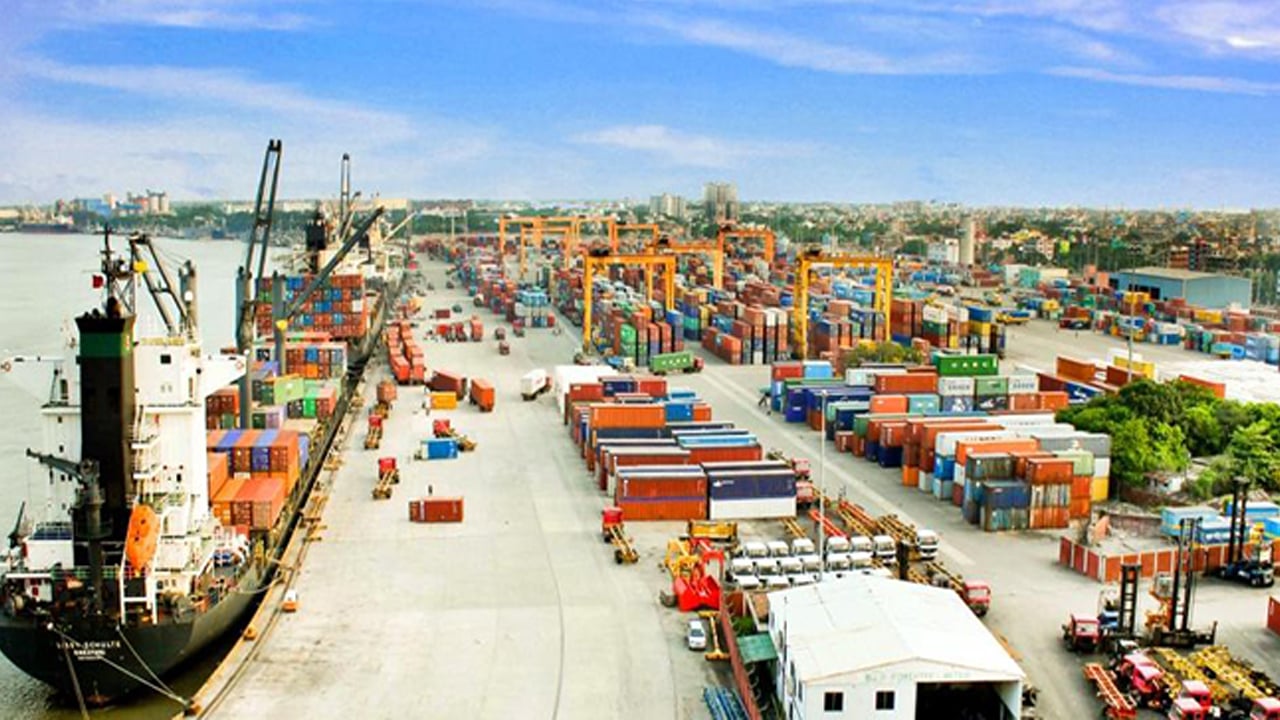
Bangladesh’s export and import activities have slowed sharply following a joint U.S.-Israel attack on Iran that disrupted global oil supply chains. The instability has begun to affect operations at Chattogram Port and Customs, raising concerns over revenue collection and overall economic performance. Despite maintaining growth in the first nine months of the fiscal year, the final quarter has seen declining export volumes and reduced port activity. Data from Chattogram Port show container handling rose 4.75 percent and bulk cargo 7.39 percent year-on-year in the first nine months, but exports have fallen steadily since January. Export container shipments dropped from 79,000 TEUs in January to 60,000 in March. Chattogram Customs collected Tk 58,432 crore in revenue during the same period, well short of its Tk 1 trillion annual target. Officials attribute the slowdown to the Middle East conflict’s impact on trade and energy supply. Industry leaders warn that continued fuel shortages and uncertainty over government energy policy could further delay new export orders. They urge the government to outline and implement a clear plan to manage the energy crisis and inflation risks.
US President Donald Trump has sharply reacted to reports that Iran plans to impose tolls on ships passing through the strategic Strait of Hormuz. Responding to a journalist’s question, Trump said Iran would not be allowed to collect any tolls and asserted that the United States could do so instead if necessary. He claimed that the US holds dominance in the region and therefore has the right to collect tolls. Analysts noted that such a move could require establishing military control over the strait. Trump also issued a stern warning to Iran, threatening that the country could be “destroyed overnight” if no agreement is reached by the set deadline. He stated that Iran must reach a deal by 8 p.m. Washington time on Tuesday. Iran, however, rejected the pressure, saying it would not accept any temporary ceasefire and would only agree to a deal ensuring a permanent halt to attacks and compensation for war damages. Earlier, Trump had said Iran was offered an acceptable deal, but Tehran’s rejection of the ceasefire proposal has further complicated the situation.
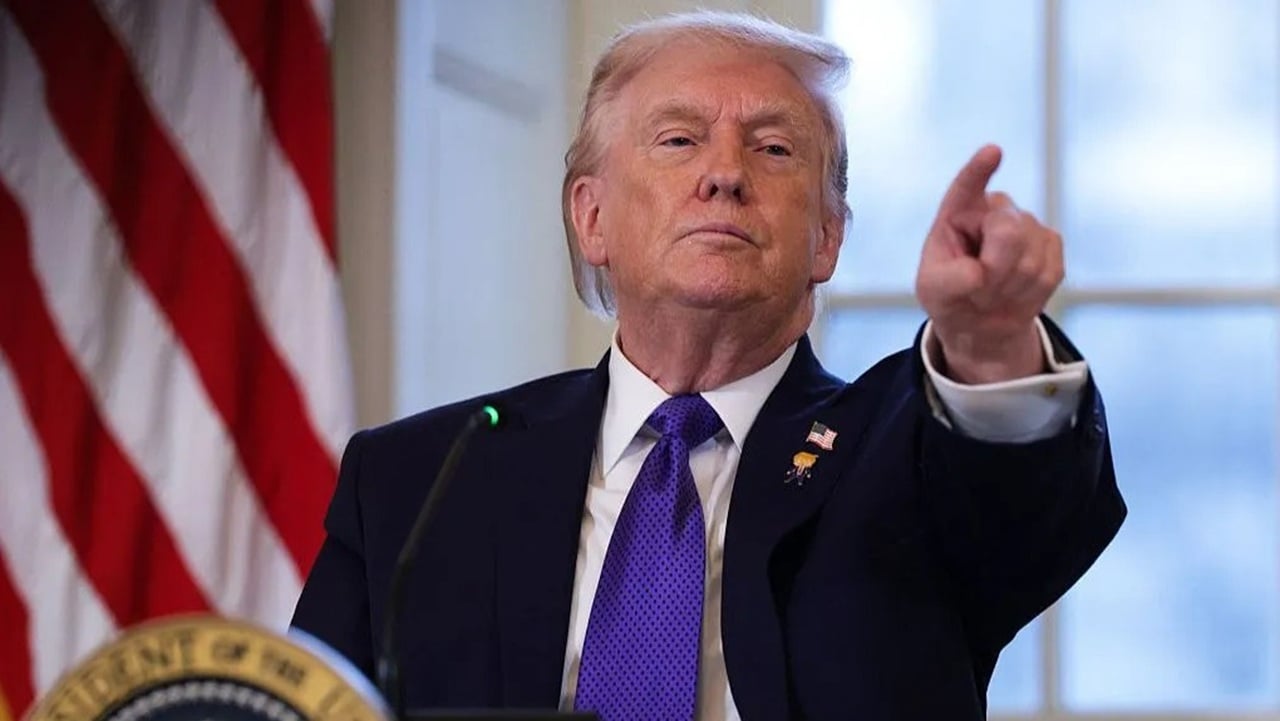
US President Donald Trump sharply criticized NATO and key allied nations for failing to support the United States in the ongoing war with Iran. Speaking at a press conference on Monday, April 6, he described NATO as a “paper tiger” and named Australia, Japan, and South Korea as countries that provided no assistance. Trump expressed frustration that despite the US maintaining large troop deployments to protect its allies, they did not reciprocate during this conflict. He reminded reporters that 50,000 US troops are stationed in Japan and 45,000 in South Korea to defend those nations, yet they have not stood by the United States in its time of need. His remarks reflected growing anger over what he sees as an imbalance in alliance commitments. Trump also claimed that the US military has plans capable of destroying Iran’s bridges and power plants within hours but emphasized that Washington does not wish to take such extreme action.
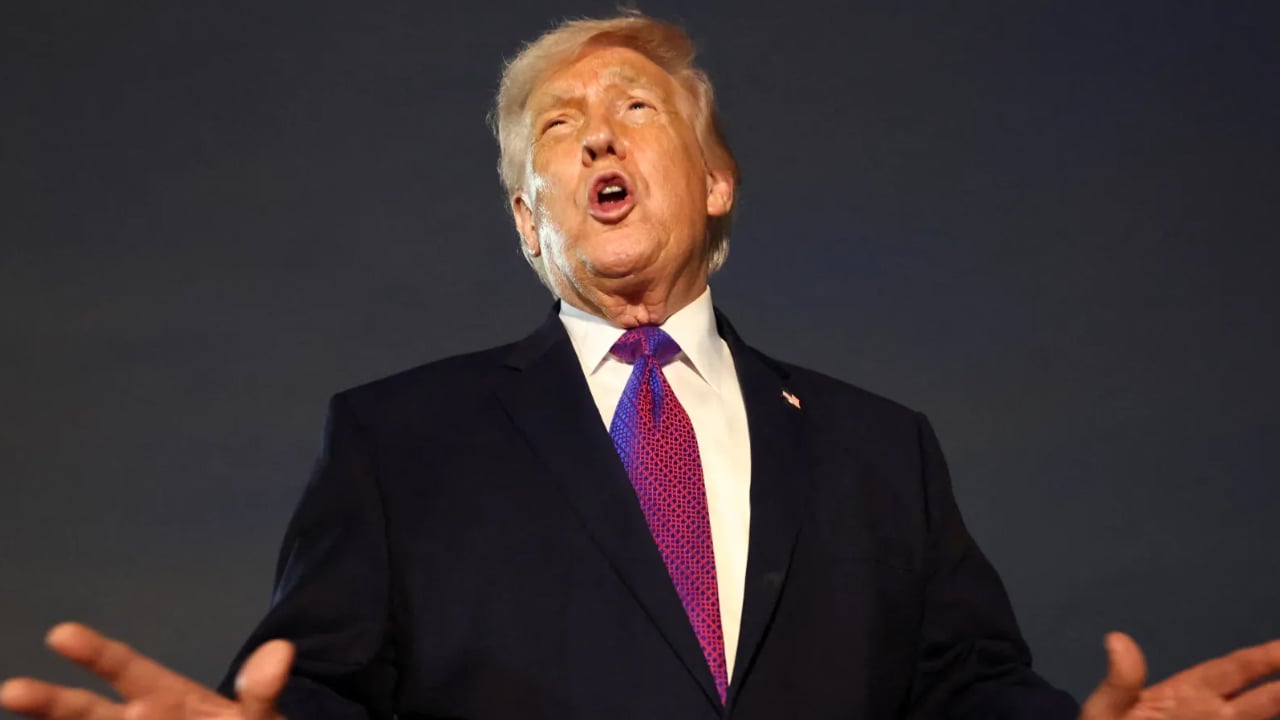
Iran has rejected a proposal to reopen the Strait of Hormuz in exchange for a temporary ceasefire, insisting that the vital waterway will remain closed until a permanent truce is reached. The decision came as talks continued over a proposed 45-day ceasefire involving the United States, Iran, and regional mediators. Iranian officials told Reuters that Washington is not ready for a lasting peace, and therefore Tehran will not lift the blockade based on short-term agreements. The announcement followed intensified attacks between Iran, Israel, and the United States. Israeli and American strikes across Iran killed at least 34 people, including six children, and the head of Iran’s Revolutionary Guard intelligence, Majid Khademi. Iran responded with missile attacks on Israel, killing four people, and targeted U.S. and Israeli ships in the Indian Ocean. Meanwhile, Lebanon reported 54 health workers killed in Israeli strikes. European Council President António Costa condemned attacks on energy infrastructure as illegal and unacceptable. Iran’s Foreign Ministry warned of retaliation if its infrastructure is attacked, while U.S. President Donald Trump’s ultimatum to reopen the strait expires Tuesday. The situation remains volatile as ceasefire negotiations continue.

Former Speaker of the National Parliament Dr. Shirin Sharmin Chaudhury was detained by the Dhaka Metropolitan Detective Police (DB) early Tuesday morning. According to the report, the detention took place around 5 a.m. at a residence on Road 8/A in Dhanmondi, Dhaka. Dhaka Metropolitan Police spokesperson Deputy Commissioner A.N.M. Nasir Uddin confirmed the detention and said she is currently being held at the DB office. He added that further details would be provided later. The DB has not yet issued any official statement regarding the specific case or reason for her detention. Joint Commissioner (DB) Nasirul Islam stated that she was detained from the house of her relative, Arif Mahmud Masud. Dr. Shirin Sharmin Chaudhury served as Speaker of the National Parliament for over a decade, first elected on April 30, 2013. She reportedly went into hiding after August 5, 2024, following a student and public uprising, and had not been seen publicly since then. Authorities have not disclosed what legal or investigative process will follow her detention.
The ‘1 Nojor’ media platform is now live in beta, inviting users to explore and provide feedback as we continue to refine the experience.