

The ‘1 Nojor’ media platform is now live in beta, inviting users to explore and provide feedback as we continue to refine the experience.
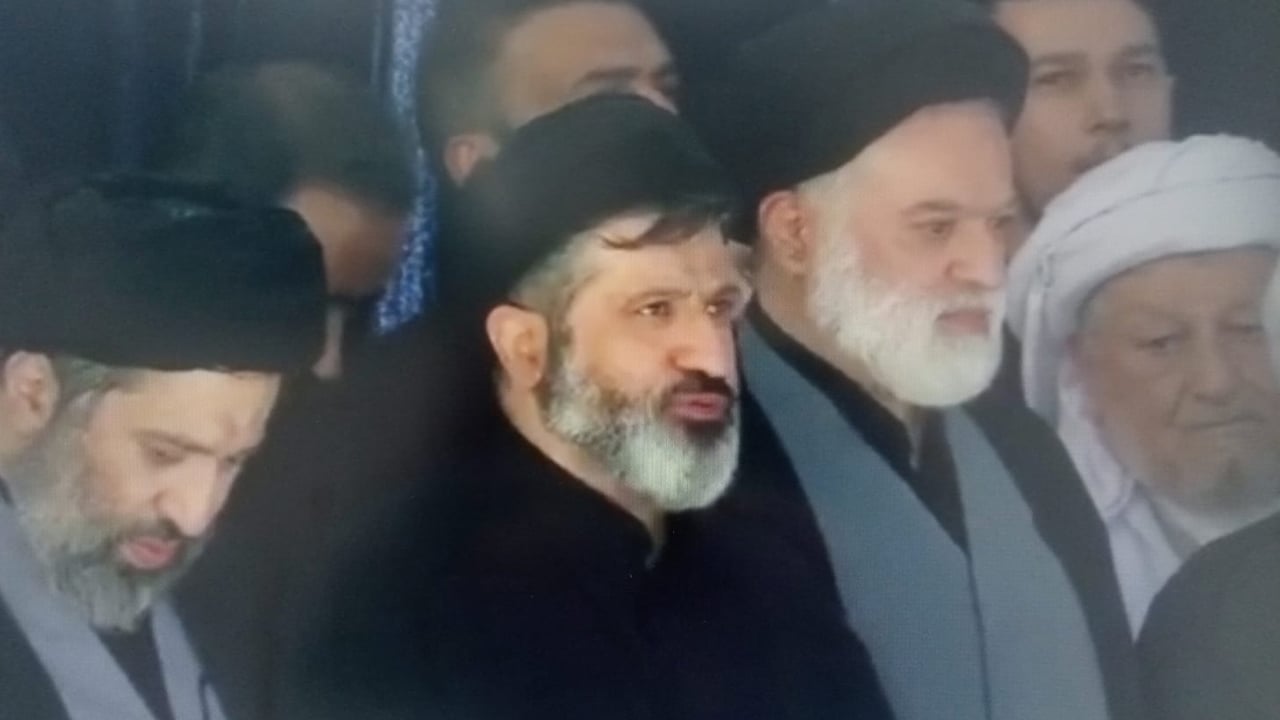
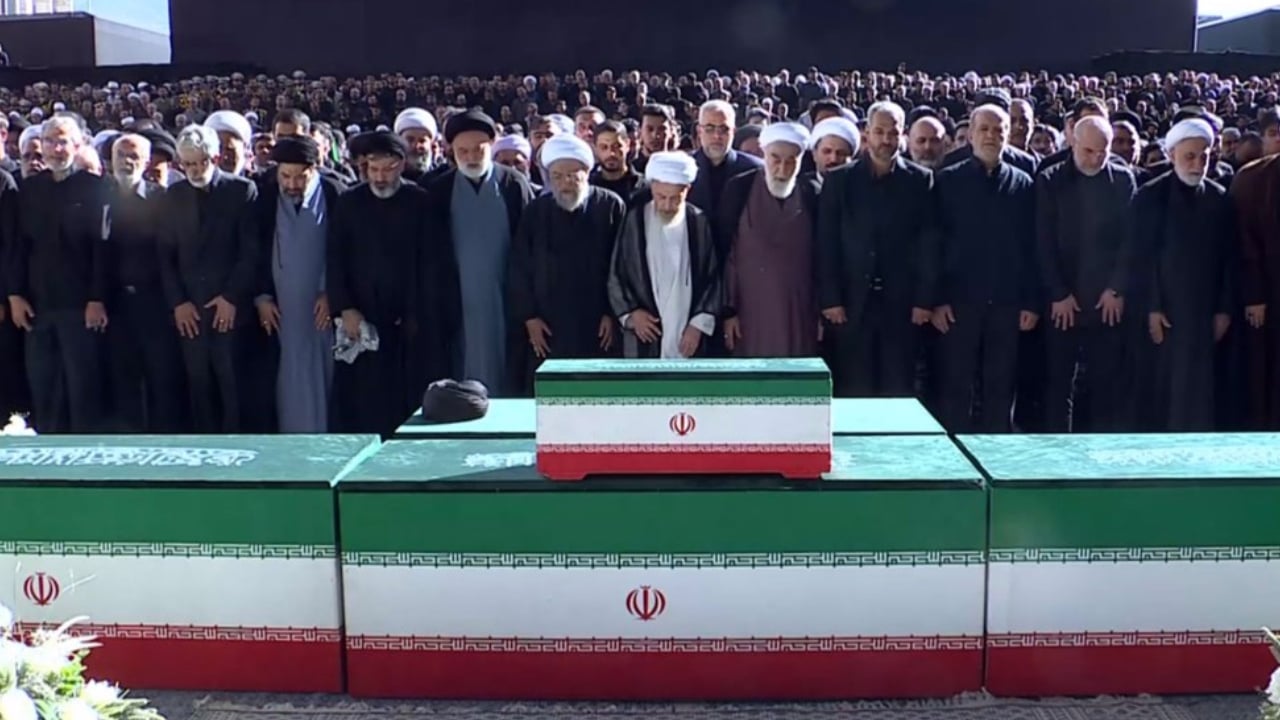
The funeral of Iran’s Supreme Leader Ayatollah Ali Khamenei and four members of his family, who were killed in a joint attack by the United States and Israel, has been completed. Millions of people attended the ceremony, along with Khamenei’s sons Masoud, Mesam, and Mostafa. The commander of Iran’s Islamic Revolutionary Guard Corps, Ahmad Vahidi, was also present at the event. According to the Associated Press, Khamenei’s son and current Supreme Leader Mojtaba Khamenei did not attend due to security risks following Israeli threats of assassination. The funeral drew massive crowds, reflecting the scale of public mourning across Iran. The report cited Al Jazeera as a source for additional details. The ceremony took place under heightened security conditions, underscoring the tense atmosphere in Iran after the attack that killed the country’s top leader and members of his family.
In June 2026, Bangladesh recorded 472 road accidents that killed 438 people and injured 561, according to a monthly report released by the Road Safety Foundation on Saturday. Among the dead were 44 women and 56 children. Motorcycle accidents accounted for nearly one-third of all fatalities, with 134 deaths in 145 incidents. The report was compiled using data from newspapers, online portals, electronic media, and the foundation’s own sources. The analysis showed that 91 pedestrians, 57 drivers and assistants, and 18 people in rail accidents were among the victims. Dhaka Division saw the highest number of deaths with 118, followed by Chattogram and Rajshahi. Most accidents occurred in the morning, and national highways recorded the largest share. Faulty vehicles and roads, reckless driving, unskilled drivers, poor traffic management, and weak regulatory capacity were cited as major causes. The Road Safety Foundation urged immediate and effective measures to address these issues and improve road safety across the country.
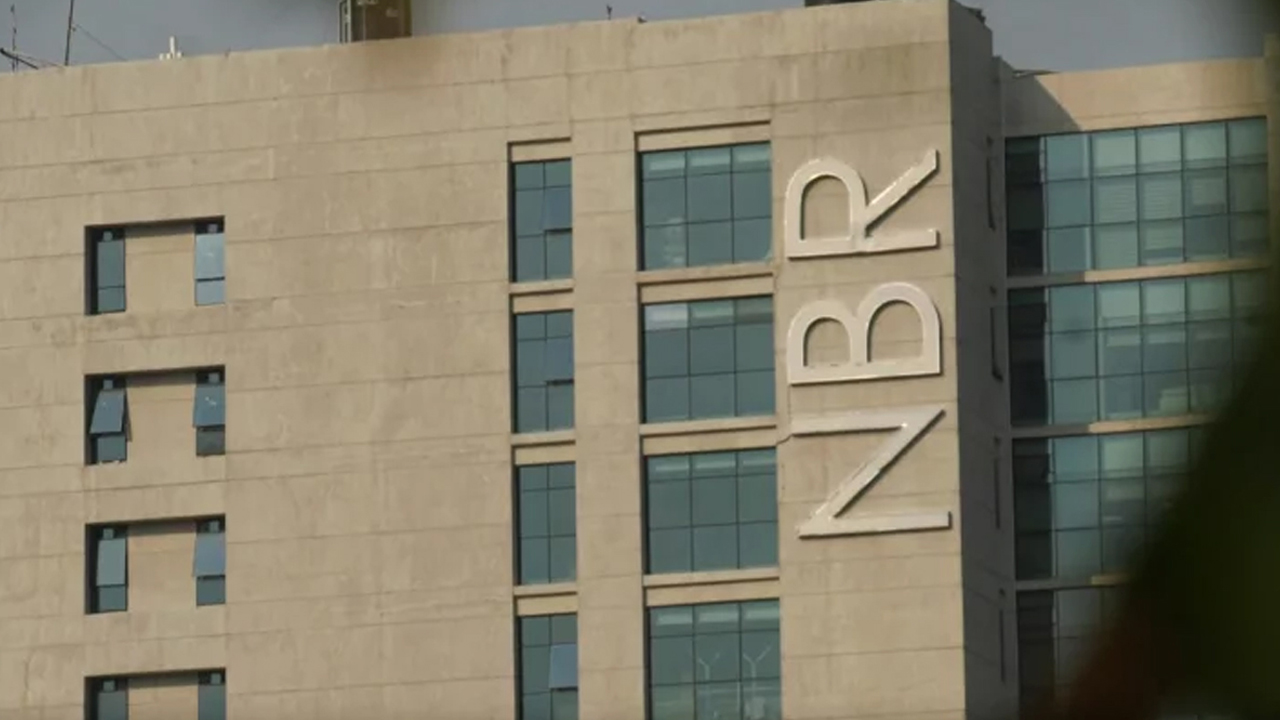
The National Board of Revenue (NBR) has issued a warning to taxpayers after reports emerged that fraudsters are contacting individuals by phone, claiming their tax files have been selected for audit. These scammers are allegedly offering exemption from audits or threatening legal complications to extort money. The NBR’s Public Relations Department released a notice on Sunday urging taxpayers to remain vigilant and avoid falling victim to such schemes. According to the notice, NBR officials never contact taxpayers about audits through personal mobile numbers or unauthorized channels. Any audit selection is officially communicated only through written notice. The NBR emphasized that all tax payments must be made through official government challans to the state treasury, not via personal accounts or mobile banking services such as bKash, Rocket, or Nagad. The NBR advised taxpayers to verify any suspicious calls, messages, or emails with their respective tax offices and to report impersonation attempts to the nearest police station. The agency reaffirmed its commitment to transparent, harassment-free service and urged taxpayers not to engage in any unauthorized financial transactions.
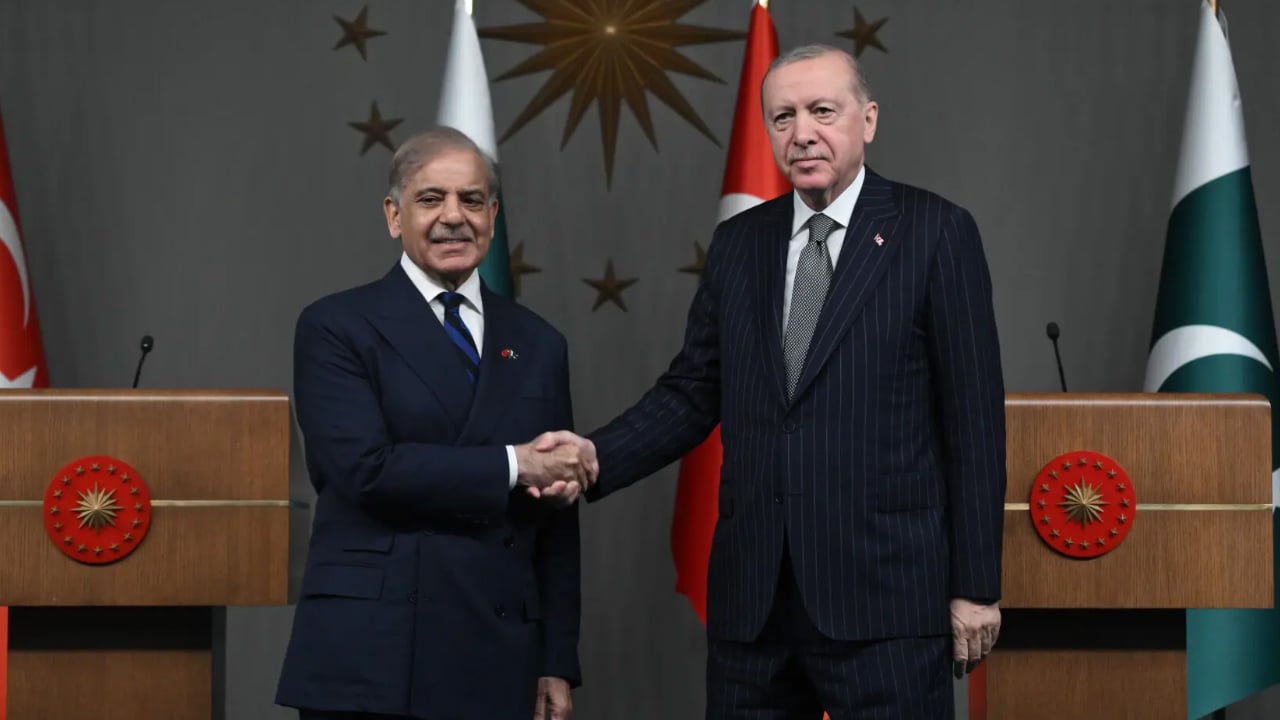
Pakistan’s Prime Minister Shehbaz Sharif said that Turkey’s success is Pakistan’s success during a joint press conference with Turkish President Recep Tayyip Erdogan in Istanbul on Saturday. He described Pakistan and Turkey as two hearts of the same soul and vowed to strengthen their special friendship and cooperation. Sharif expressed gratitude for Erdogan’s warm hospitality and said he always enjoys visiting Istanbul. Sharif highlighted the deep historical and spiritual ties between the two nations, rooted in shared faith, mutual sacrifices, and brotherhood. He noted that Turkey has always stood by Pakistan during difficult times such as wars, earthquakes, and floods. The two leaders held what Sharif described as a productive and detailed discussion, focusing on expanding cooperation in trade, investment, and industry, and exploring ways to raise bilateral trade to five billion dollars. Sharif also thanked Turkey for supporting the right to self-determination of the people of Jammu and Kashmir and for backing Pakistan’s efforts toward regional peace. He emphasized that dialogue, diplomacy, and mutual respect are the most effective means to resolve disputes and maintain global peace.
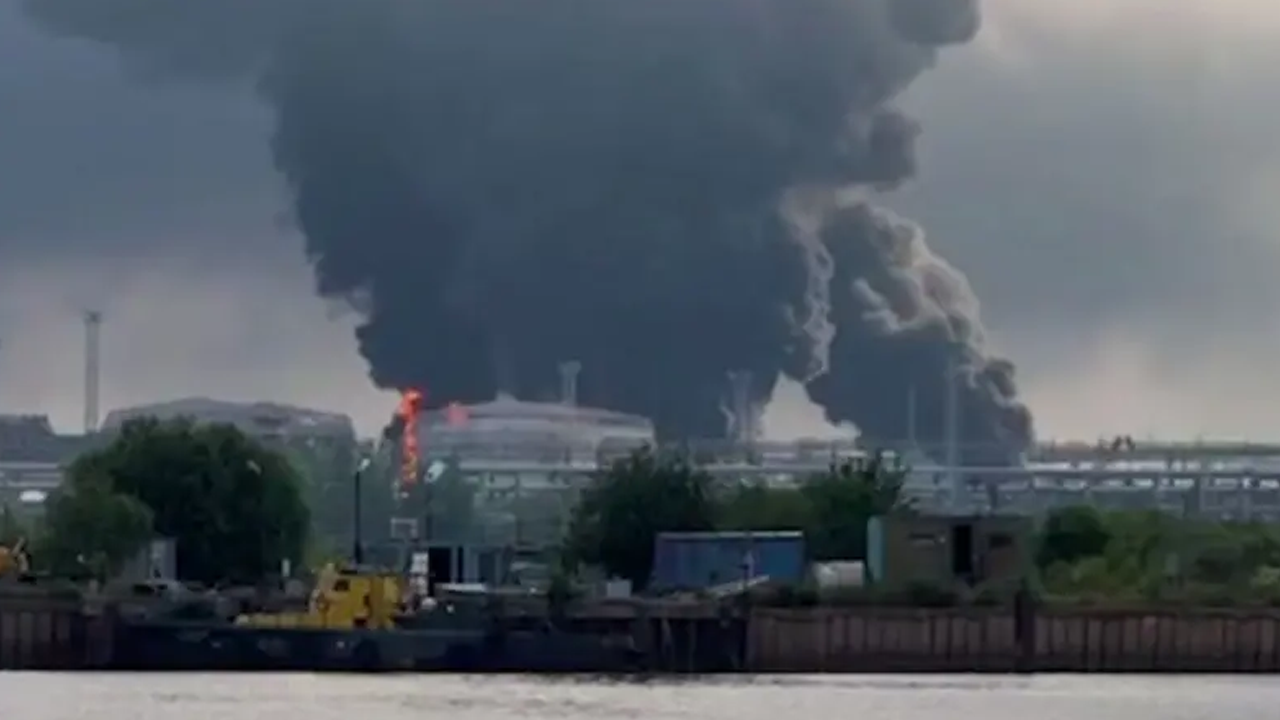
Ukraine launched an attack on a major oil terminal in St. Petersburg, which President Volodymyr Zelensky described as part of Russia’s war-financing infrastructure. Ukrainian forces also claimed to have targeted a key naval base in Kronstadt. St. Petersburg Governor Aleksandr Beglov confirmed the terminal was hit but reported no casualties. The BBC verified the strike, while Kyiv said the facility’s annual capacity was 12.5 million tons. Ukraine asserted that about 43 percent of Russia’s refining capacity has been disabled by recent long-range drone attacks, though this could not be independently verified. Moscow acknowledged energy shortages, and President Vladimir Putin signed a law to boost domestic fuel supply. Russia’s defense ministry said it intercepted over 500 drones and missiles overnight, calling Ukraine’s strikes an attempt to divert attention from battlefield setbacks. Both sides are intensifying operations ahead of next week’s NATO summit in Turkey. Russia has warned of retaliation, while Putin sent a message to U.S. President Donald Trump urging constructive relations.
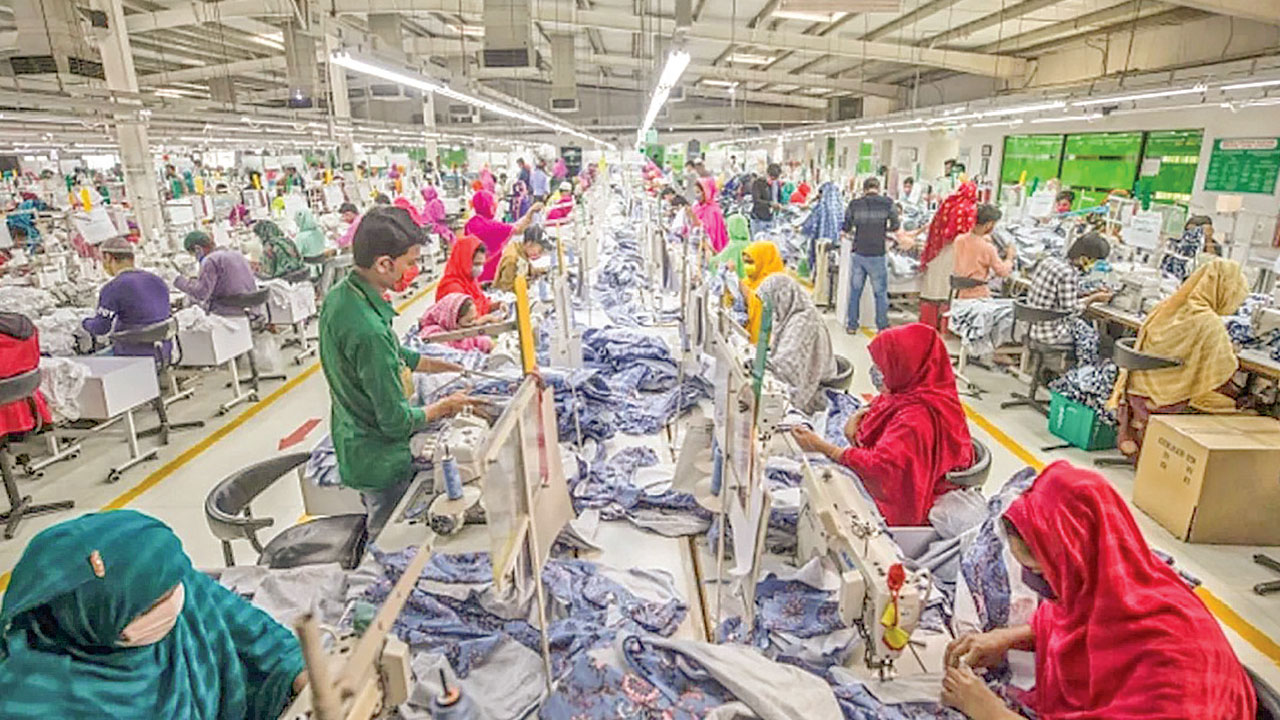
Bangladesh’s key export sector, ready-made garments, has seen a significant slowdown in its two largest markets—the European Union and the United States—during early 2026. According to Eurostat, Bangladesh’s apparel exports to the EU fell by 19.33 percent between January and April 2026 compared with the same period in 2025, dropping to 6.09 billion euros. The decline was sharper than that of other major suppliers such as China, Turkey, India, and Vietnam. In the US market, data from the Office of Textiles and Apparel showed a 17.21 percent year-on-year fall in April 2026, attributed by exporters to tariffs imposed by the Trump administration. Analysts noted that Bangladesh’s export earnings from the US totaled 2.98 billion dollars in the first four months of 2026, down 11.24 percent from a year earlier, with both unit prices and shipment volumes decreasing. The overall export income for fiscal year 2025–26 fell by 0.58 percent to 48 billion dollars, missing the government’s 55 billion target. Economists warned that reduced demand in key markets could pressure industrial output, employment, and foreign exchange earnings. While global apparel imports have weakened, competitors like Vietnam and Cambodia recorded export growth to the US, intensifying Bangladesh’s challenge to maintain market share.
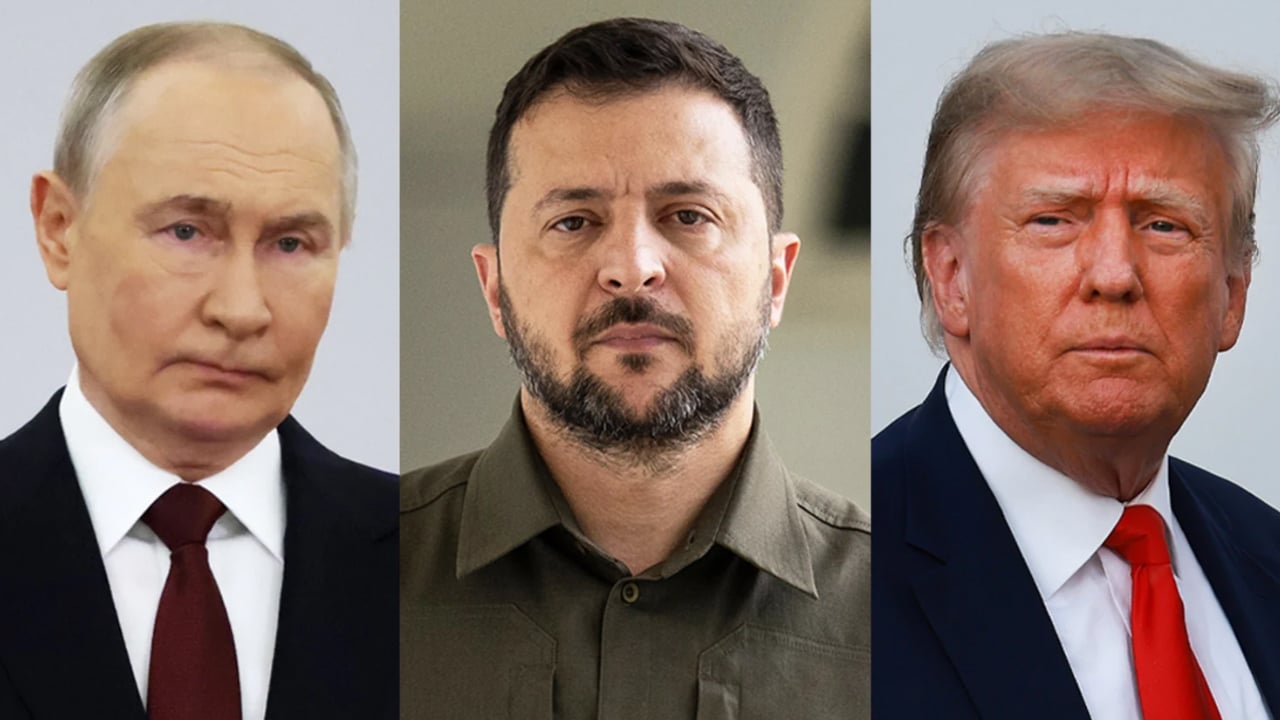
U.S. President Donald Trump held separate telephone conversations with Russian President Vladimir Putin and Ukrainian President Volodymyr Zelensky on Saturday, days before the NATO summit scheduled in Ankara on July 7–8. Both Kremlin and Kyiv confirmed that the discussions covered the ongoing war in Ukraine and other international issues. The calls also coincided with greetings exchanged on the occasion of the 250th anniversary of U.S. independence. According to Russian foreign policy adviser Yuri Ushakov, the 85-minute conversation between Trump and Putin focused on the peaceful resolution of the Ukraine crisis and Trump’s participation in the upcoming NATO summit. The two leaders also discussed the situation in Iran and the Middle East. Zelensky described his own call with Trump as “very productive,” noting that they discussed the battlefield situation, diplomatic efforts, and the possibility of ending the war. Both agreed to continue talks during the NATO summit in Ankara. The source noted that despite Russia’s claims of progress, recent months have seen little change on the front lines, with heavy losses on both sides and stalled diplomatic efforts.
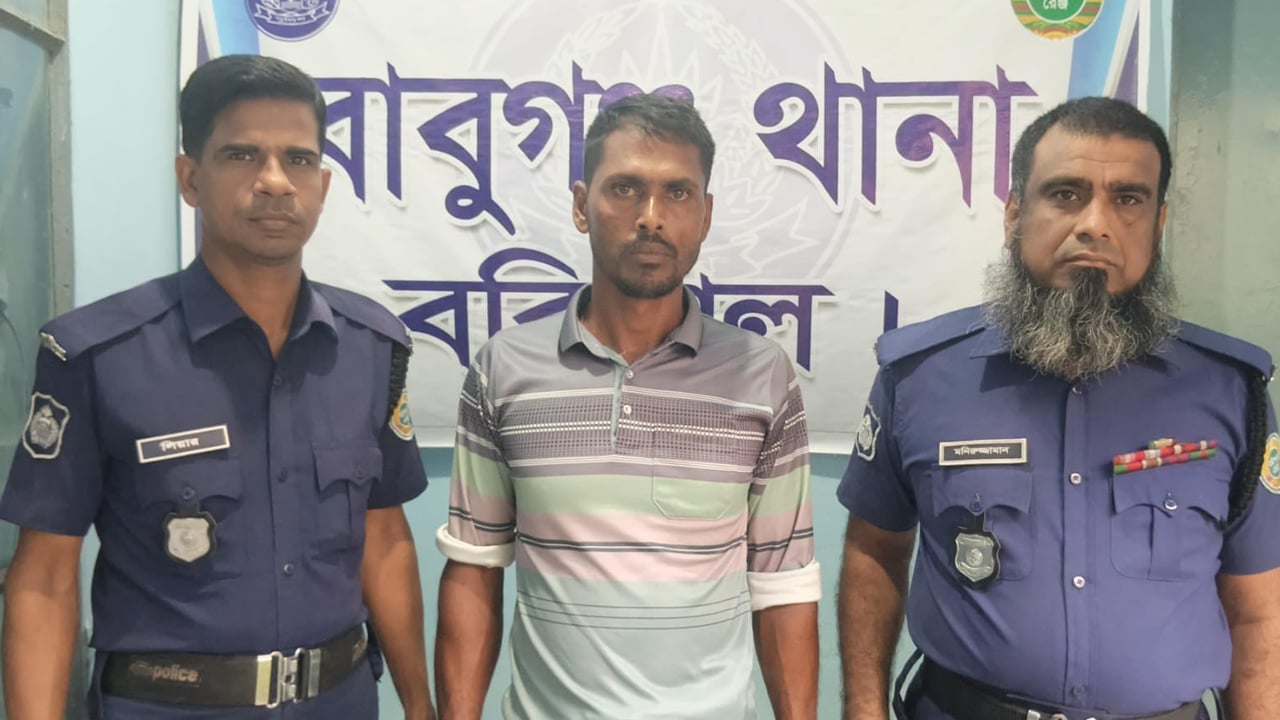
A drug dealer named Jasim Uddin Mithu, aged 30, was arrested with yaba tablets in Dakshin Bhuterdiya area of Kedarapur Union under Babuganj upazila in Barishal. The arrest took place around 12:10 a.m. on Sunday, July 5, 2026, during a police operation in the area. Law enforcement recovered illegal yaba tablets from his possession. Following the arrest, Jasim Uddin Mithu, son of Babul Hawlader from Dakshin Bhuterdiya village, was presented before a mobile court. Babuganj Upazila Nirbahi Officer and Executive Magistrate Asma Ul Husna sentenced him to 15 days of simple imprisonment and fined him 100 taka. According to the Babuganj upazila administration, regular anti-drug operations are ongoing in the area, and authorities remain active in efforts to eliminate drug abuse from society.
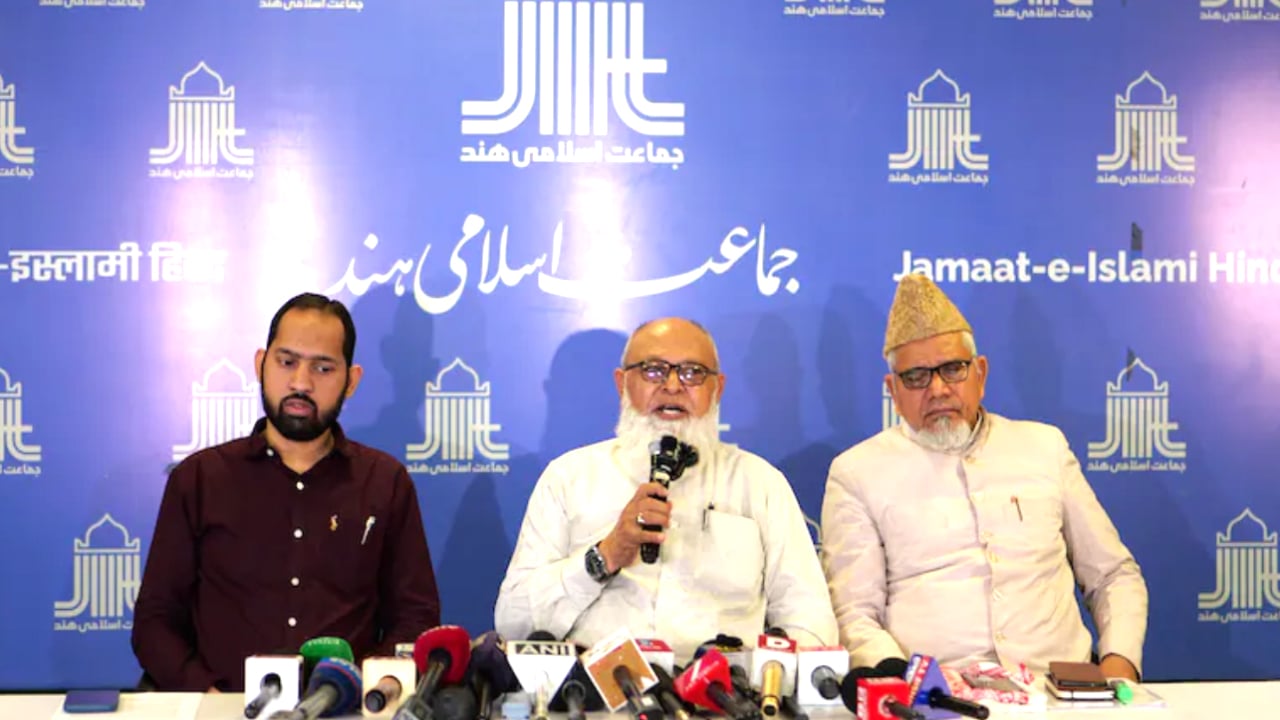
Jamaat-e-Islami Hind (JIH) has protested the demolition of mosques and Muslim homes in Rajasthan, Uttar Pradesh, Gujarat, Maharashtra, and Delhi. The organization alleged that these demolitions were carried out under the pretext of development and security without following proper legal procedures and with political motives. JIH also expressed concern over the ongoing voter list revision process. In an interview with NDTV, JIH vice president Salim Engineer said that targeting religious structures of a specific community is alarming. He noted that while a few Hindu sites were also affected, the overall approach was biased. He accused the government of using development and security narratives to instill fear and claimed that the demolitions lacked due legal process. JIH further stated that it does not oppose voter list revisions but criticized the rushed process, warning that legitimate citizens might be excluded. The group urged authorities to ensure that no eligible voter is removed and that no community is unfairly targeted.
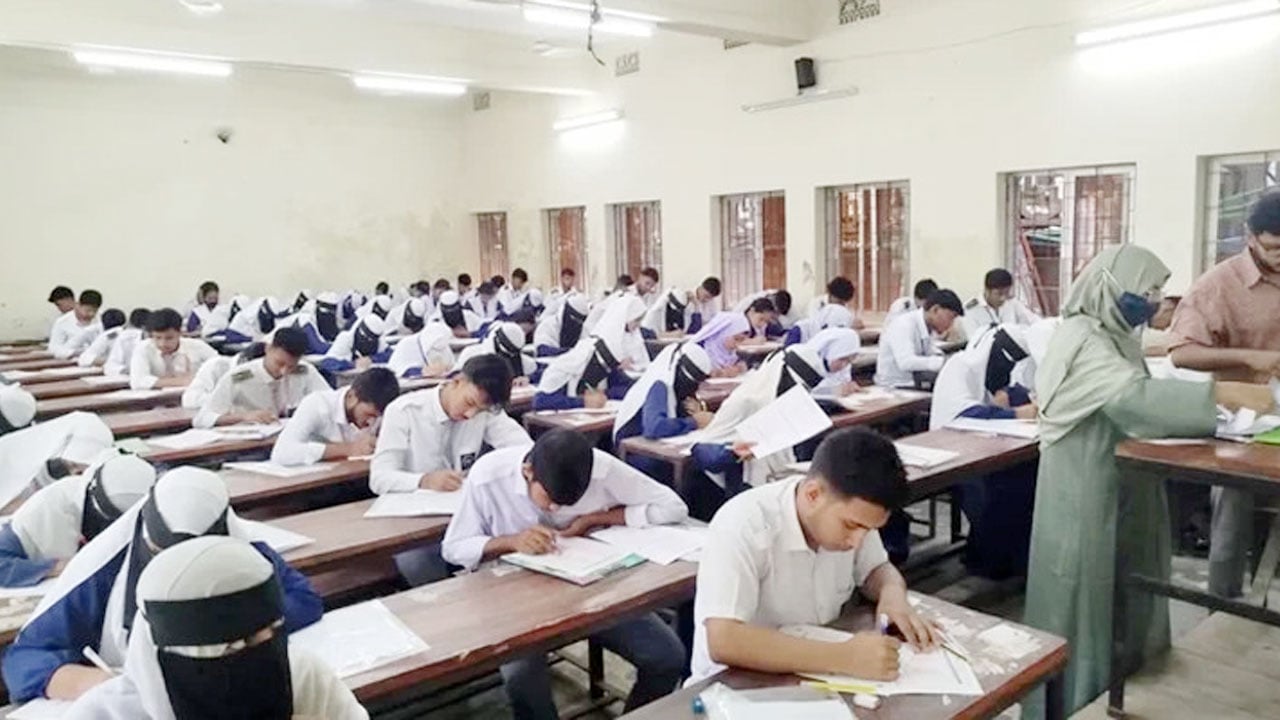
Reports have emerged of mismanagement in the ongoing Higher Secondary Certificate (HSC) examinations across Bangladesh, with wrong question papers distributed at several centers during the first two days of tests. Students and parents expressed anger and concern, fearing the errors could negatively affect results. The Inter-Education Board Coordination Committee issued warnings to those involved and promised strict action. Despite assurances, uncertainty remains among examinees. In Jamalpur, 100 students from Government Zaheda Safir Mohila College reportedly sat for the Bangla second paper using 2025 syllabus questions instead of 2026. Similar incidents occurred in Narsingdi and Tangail, where teachers were relieved of duty for negligence. Officials explained that mixed bundles of question papers caused the confusion, and affected answer scripts would be reviewed leniently. The Inter-Education Board Coordination Committee has instructed all centers to seat regular and irregular candidates separately to prevent further mix-ups. It warned that any future violations of exam protocols would result in disciplinary action against responsible officials.
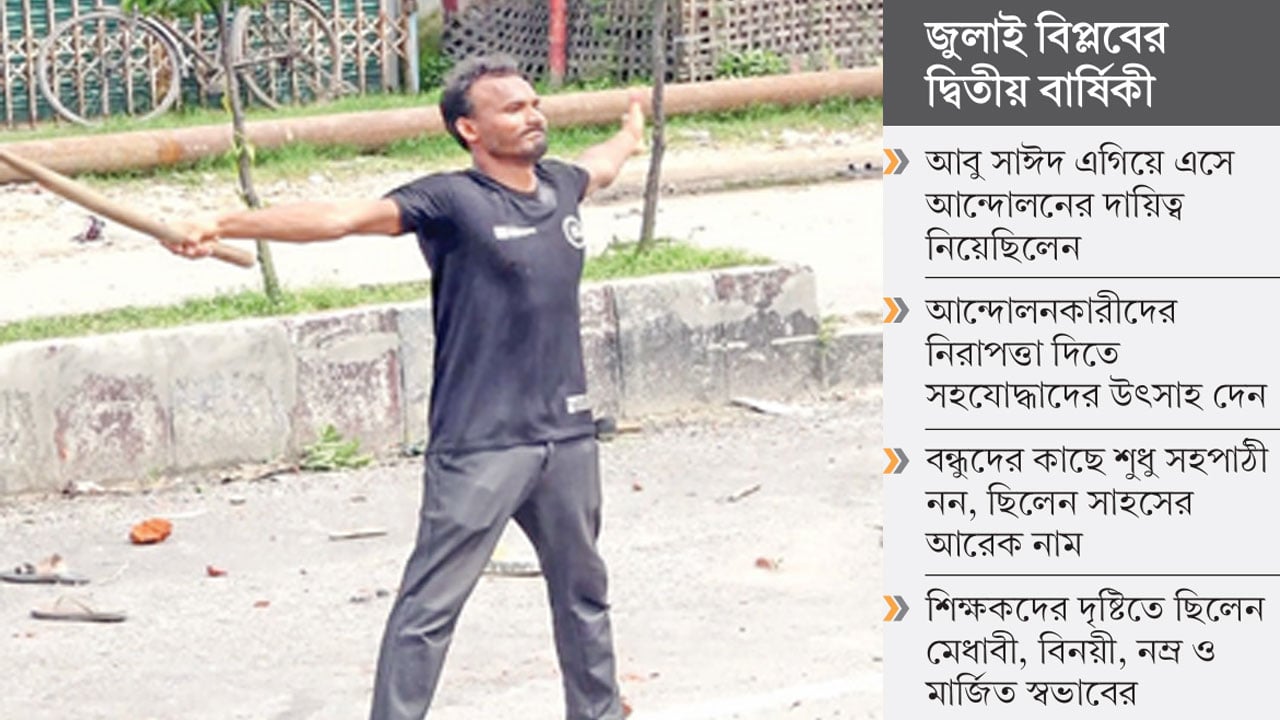
Begum Rokeya University (BRUR) in Rangpur has once again observed July with deep remembrance of Abu Sayeed, the first martyr of the 2024 July movement. Two years after his death, his friends, classmates, teachers, and fellow activists continue to honor his courage and sacrifice. The campus, from its roads to memorial sites, still bears witness to his presence and the ideals he stood for—resistance against injustice and unwavering solidarity with fellow students. Friends recall Abu Sayeed as humble, compassionate, and always ready to help others. He was active in social and humanitarian causes, regularly donated blood, and inspired others through his leadership during the student movement. Teachers describe him as a bright, respectful student who dreamed of becoming a civil servant based on merit and protested against educational inequality. University authorities, led by Vice-Chancellor Professor Dr. Md. Shawkat Ali, announced plans to build a residential hall, memorial gate, museum, and monument in his name. Students have urged the administration to expedite these initiatives to preserve Abu Sayeed’s legacy, which they say remains alive in their collective consciousness.
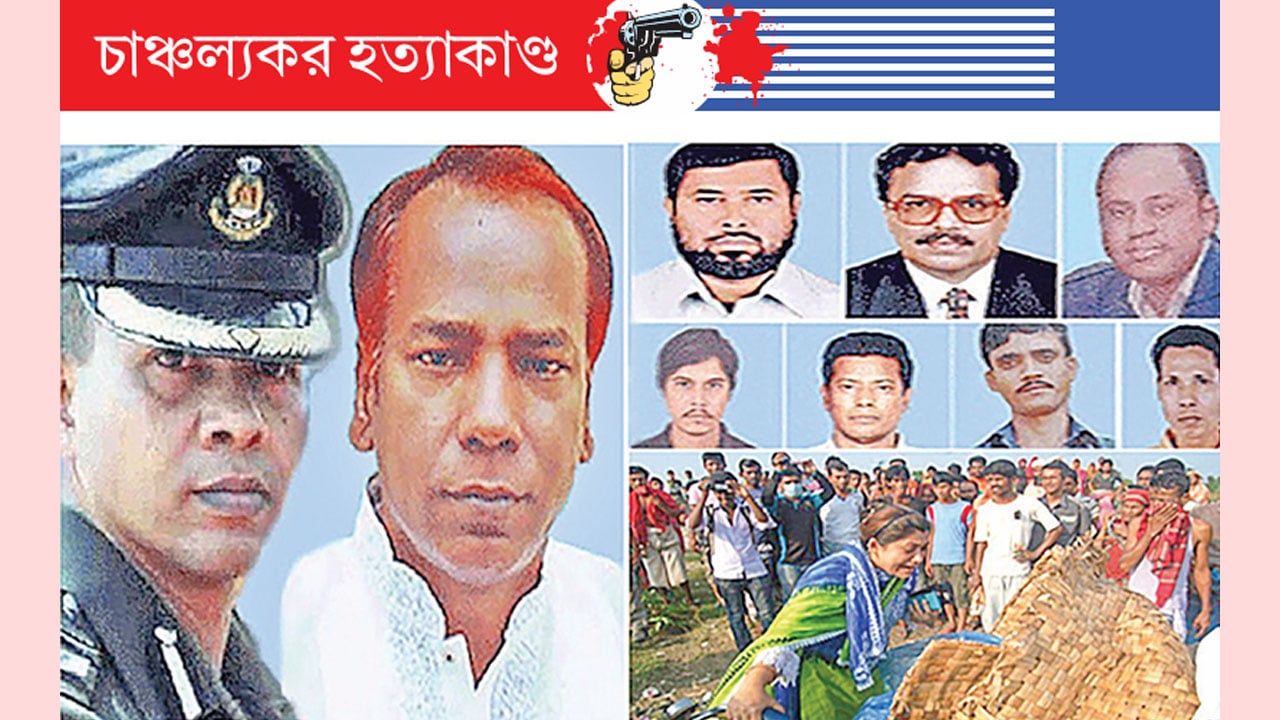
Twelve years have passed since the widely discussed Narayanganj seven-murder case, yet the court verdict has not been executed. The case remains pending due to prolonged judicial procedures, appeals, and legal complexities, leaving victims’ families in frustration and uncertainty. The 2014 killings involved the abduction and murder of panel mayor Nazrul Islam, senior lawyer Chandan Kumar Sarkar, and five others, whose bodies were later recovered from the Shitalakkhya River. Following extensive investigations, charges were filed in 2015 against 35 accused. In 2017, the Narayanganj District and Sessions Judge’s Court sentenced 26 people, including former RAB-11 officers and Nur Hossain, to death, while nine others received varying prison terms. The High Court later upheld 15 death sentences, and the case is now at the Appellate Division’s leave-to-appeal stage. Prosecutors and lawyers expressed hope for a swift conclusion, while victims’ families continue to demand execution of the verdict. The case remains one of Bangladesh’s most notable criminal proceedings, symbolizing both public demand for justice and the challenges of lengthy legal resolution.
The funeral of Iran’s Supreme Leader Ayatollah Ali Khamenei and four of his family members was held in Tehran on Sunday morning, the third day of a seven-day mourning and burial process. The ceremony took place at 8 a.m. local time, led by Shia cleric Jafar Sobhani. Khamenei, aged 86, was killed on February 28 in a joint U.S.-Israeli attack that also claimed the lives of his daughter Bushra Khamenei, granddaughter Zahra Mohammadi Golpayegani, and other relatives. State media showed Zahra’s small coffin placed beside her grandfather’s. Iran declared a national holiday for the funeral, with large crowds gathering in the capital under tight security. The Islamic Revolutionary Guard Corps confirmed the arrangements, and authorities warned of overcrowding risks. Millions of Iranians had joined earlier mourning events, marking one of the largest gatherings since the 1989 funeral of Ayatollah Ruhollah Khomeini. Following Khamenei’s death, his son Mojtaba Khamenei was named the new Supreme Leader but has not appeared publicly due to security threats. The funeral procession will continue through Qom, Iraq, and Mashhad, where Khamenei will be buried on Thursday.
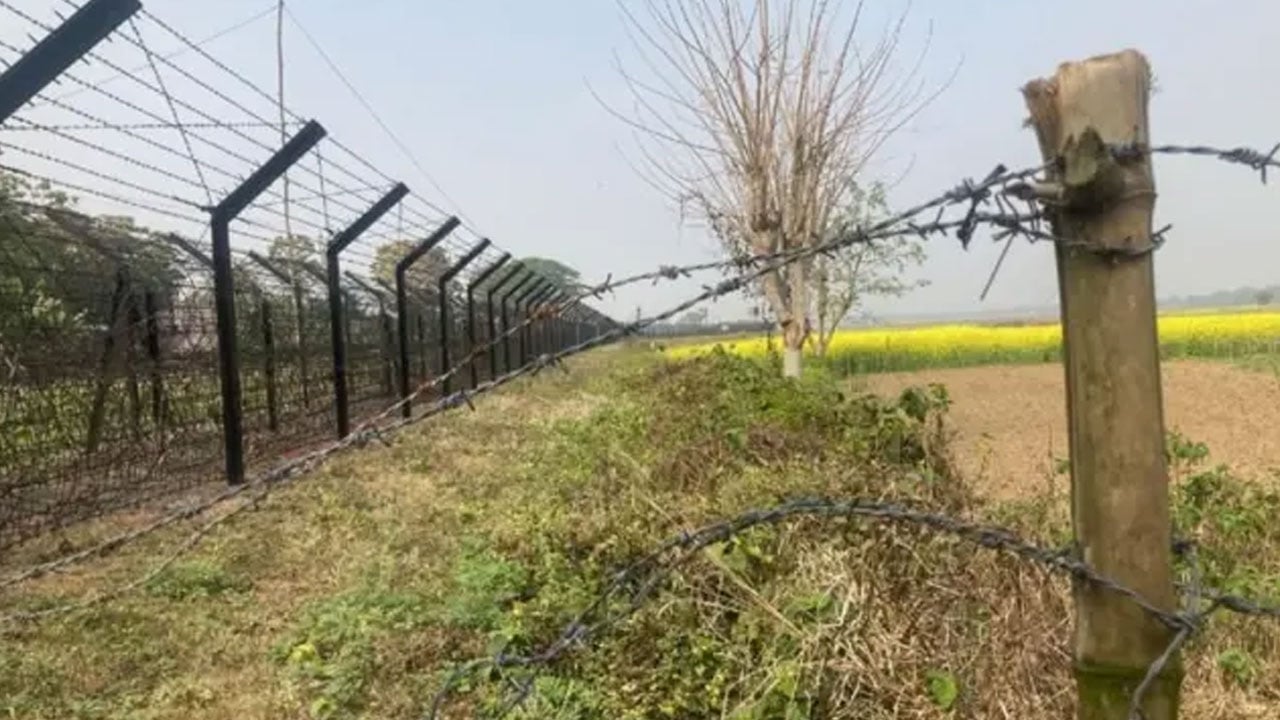
According to the report, India has allegedly resumed efforts to push Bangladeshi nationals across the border as part of a deliberate strategy to weaken Bangladesh. The Indian government recently initiated the process of sending back 50 Bangladeshis detained in Tamil Nadu’s Salem district, transferring them under heavy security toward West Bengal for handover at the Haridaspur land border. The detainees, including 44 men and six women, were moved from a special detention camp in Attur to Tiruchirappalli and then placed on a special coach of the Howrah Express. A 40-member armed police team led by Deputy Superintendent Shaktivel escorted them. Indian officials said the Border Security Force would formally hand them over to Bangladeshi authorities. The report adds that over 130 foreign nationals remain detained in the same camp, many with pending legal cases. Experts cited in the report view these repeated push-in incidents as part of a broader Indian strategy to maintain tension along the border and politically and socially weaken Bangladesh.
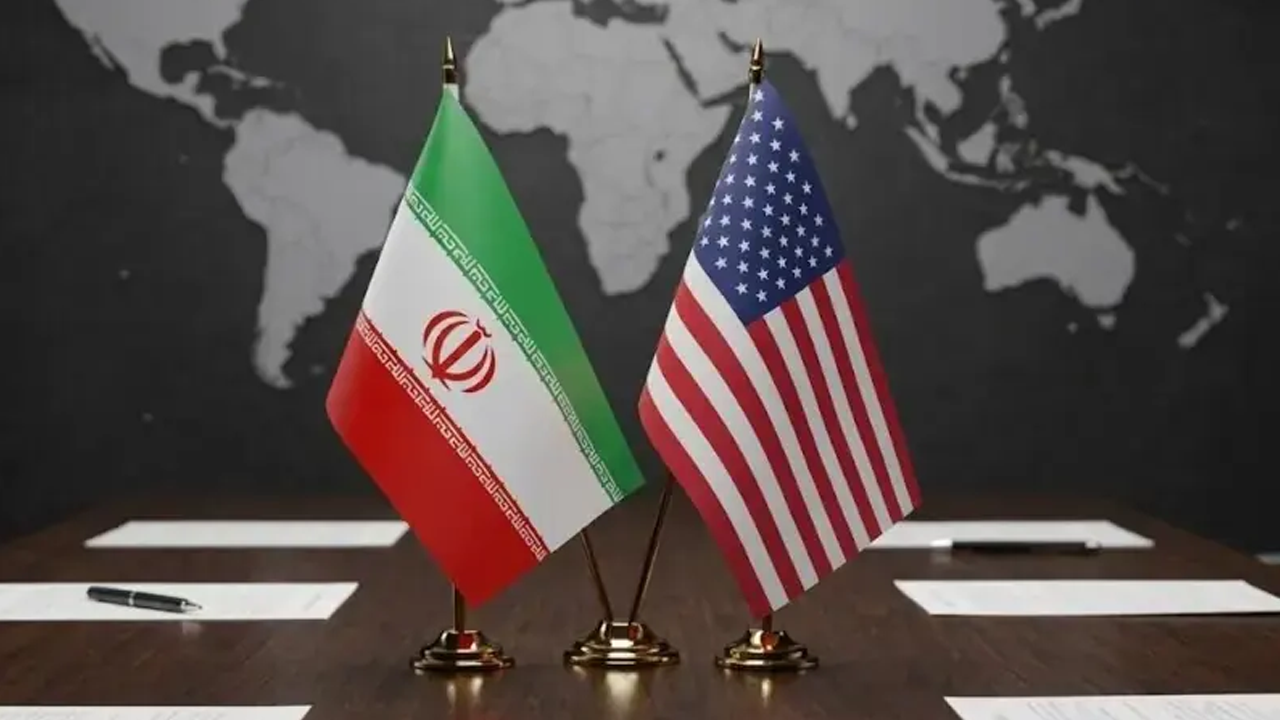
Iran and the United States are preparing for their next round of talks, expected to take place on July 11. According to a report by Pakistan’s Dawn newspaper citing diplomatic sources, Islamabad is the most likely venue, though Switzerland’s Burgenstock Resort is also under consideration. The final location has not yet been officially confirmed. The agenda of the meeting includes discussions on Iran’s nuclear program, easing of sanctions, and the release of Iranian funds or assets frozen abroad. Regional security issues will also be addressed, particularly ensuring safe navigation through the Strait of Hormuz and maintaining the recently established ceasefire in Lebanon. The meeting follows an Islamabad memorandum of understanding signed two weeks earlier, which set a 60-day goal to reach a comprehensive agreement on Iran’s nuclear activities and related matters. The July 11 session is part of efforts to advance that process.
The ‘1 Nojor’ media platform is now live in beta, inviting users to explore and provide feedback as we continue to refine the experience.