

The ‘1 Nojor’ media platform is now live in beta, inviting users to explore and provide feedback as we continue to refine the experience.
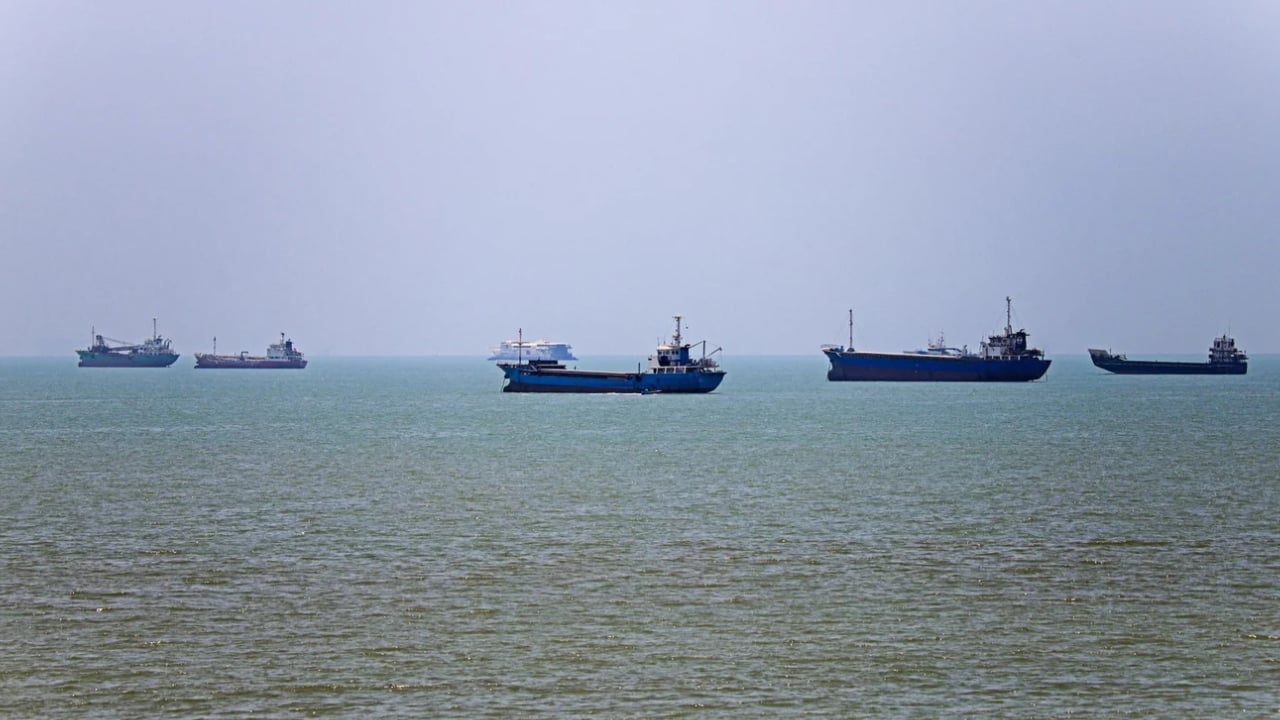
Iran’s ambassador to China, Abdolreza Rahmani Fazli, announced that ships passing through the Strait of Hormuz will soon be subject to new service fees. Speaking at the World Peace Forum in Beijing, he said countries that supported Iran during difficult times would receive special privileges. Fazli clarified that the charges would not be considered tolls but service fees aimed at ensuring maritime safety, monitoring vessel movement, and addressing environmental impacts from heavy traffic. Earlier, a preliminary agreement between Iran and the United States had allowed commercial vessels to transit the strait without fees for 60 days following the suspension of hostilities. However, the rules beyond that period remain unclear. Fazli also revealed that Iran and Oman are jointly developing a new management system for the strait’s operations. The Strait of Hormuz is one of the world’s most critical maritime routes, carrying about one-fifth of global crude oil and liquefied natural gas. During recent Middle East conflicts, Iran nearly closed the passage, causing a sharp rise in global energy prices.
Yasmin, convicted for murdering two neighbor children in Comilla’s Muradnagar, remains in the condemned cell of Chattogram Central Jail awaiting execution. Court and prison sources confirm that no relatives or acquaintances visit her, and she spends her days in prayer and solitude. The court sentenced her to death after finding her guilty of killing the children who had witnessed her extramarital affair. According to case records, Yasmin, wife of expatriate Babul Hossain, murdered her nephew Arafat and another child, Jasim, on April 21, 2014, after they saw her in a compromising situation with her lover. She and her aunt-in-law Majeda Begum dumped the bodies in a nearby river. Locals caught Yasmin while she tried to flee, and police later arrested Majeda in 2022. In February 2023, a Comilla court sentenced Yasmin to death and Majeda to life imprisonment. Prison officials report that Yasmin remains calm and quiet in the condemned cell, performing regular prayers and avoiding conflict with others.

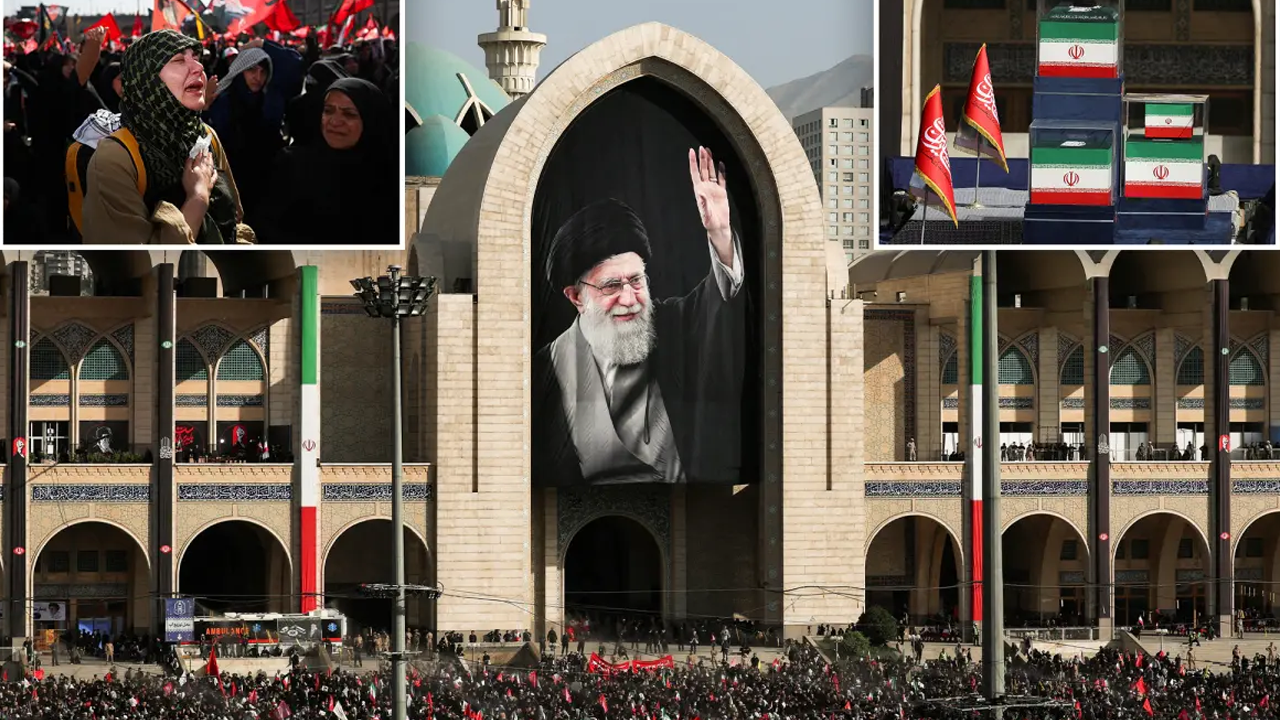
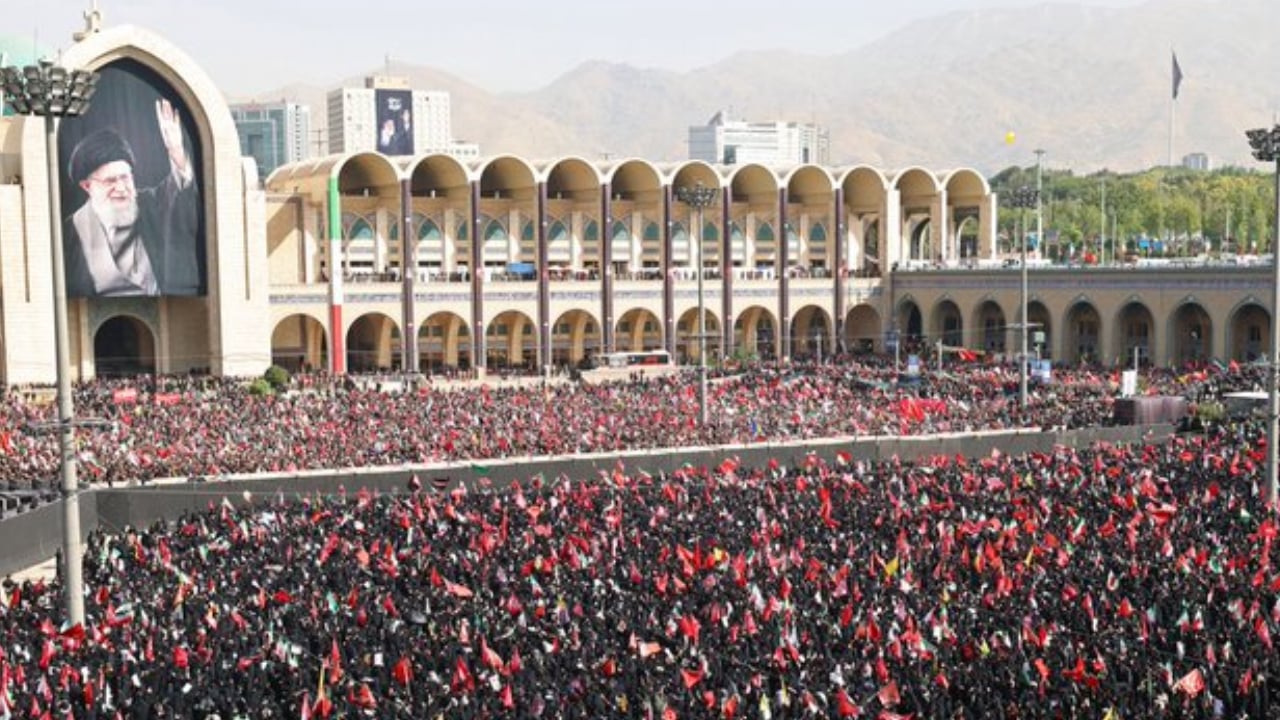
A large state ceremony began in Tehran to honor former Supreme Leader Ayatollah Ali Khamenei, who was killed in a February 28 airstrike amid Iran’s war with the United States and Israel. The event emphasized preserving the Islamic Republic and avenging Khamenei’s death. Thousands gathered at the Grand Mosalla memorial site, where his glass-covered coffin was displayed under heavy guard by the Islamic Revolutionary Guard Corps. Red flags symbolizing martyrdom and revenge were raised, and the official slogan, “We must awaken,” was widely displayed. Strict security measures were in place across the capital, with armored vehicles, snipers, and electronic device checks at entry points. Authorities expect millions to participate nationwide, with Iran effectively shut down until Monday. Khamenei’s funeral procession is scheduled to move through Tehran and several holy cities before burial in Mashhad on Thursday. Foreign dignitaries from Bangladesh, Pakistan, Russia, Turkey, China, and other nations attended to pay respects. The IRGC leadership called for defiant mourning, while Iran’s armed forces warned against any military action during the ceremonies.
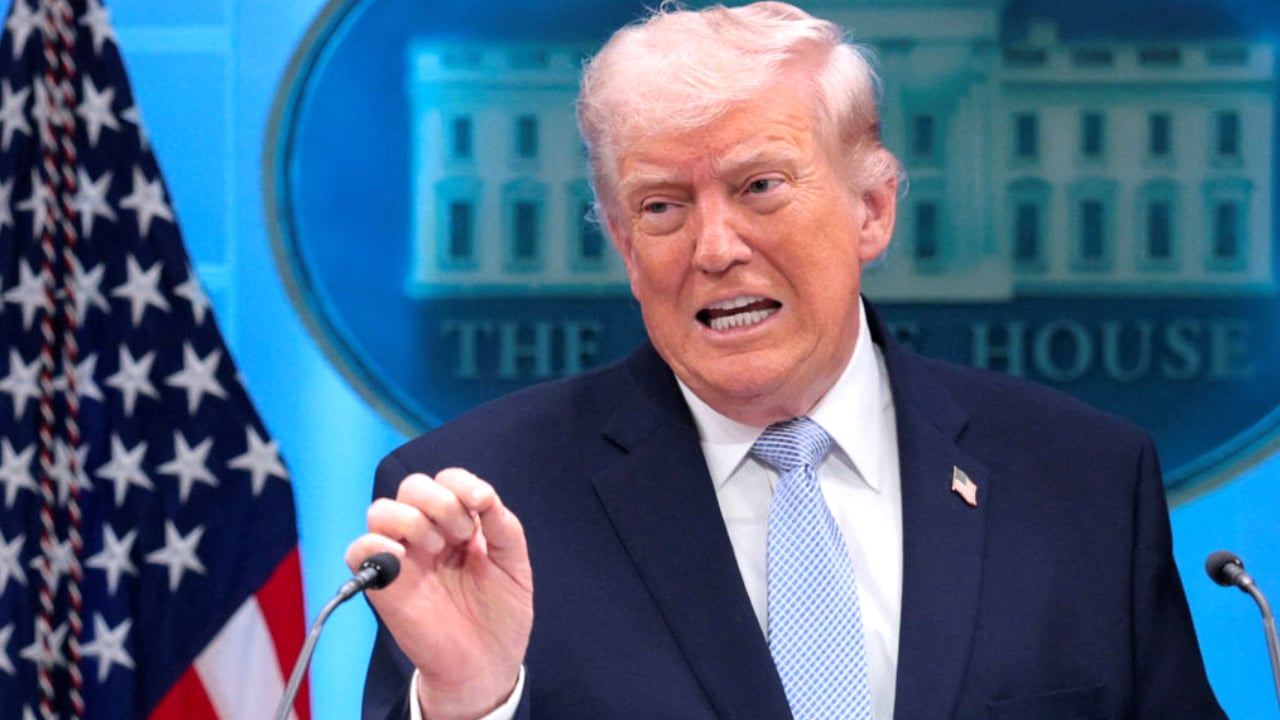
Former U.S. President Donald Trump said he could have wiped out everyone attending Ayatollah Ali Khamenei’s funeral if he wanted to. In response, the Iranian embassy in Armenia issued a statement saying that while people can be killed, their ideals cannot be destroyed. The embassy’s post on social media platform X added that Trump lacks civilization, history, and respect. The embassy’s message referenced Trump’s comments in an Axios interview, where he said Iran and the United States had agreed to temporarily pause discussions until after Khamenei’s burial. Trump also remarked that all Iranian leaders were gathered in one place and could be eliminated in a single strike, but he chose not to do so to preserve future talks. He expressed surprise at the large turnout at Khamenei’s funeral, noting he had assumed the late leader was not popular among ordinary Iranians. The exchange highlights ongoing tensions between Washington and Tehran following Khamenei’s death and the uncertain future of bilateral dialogue.
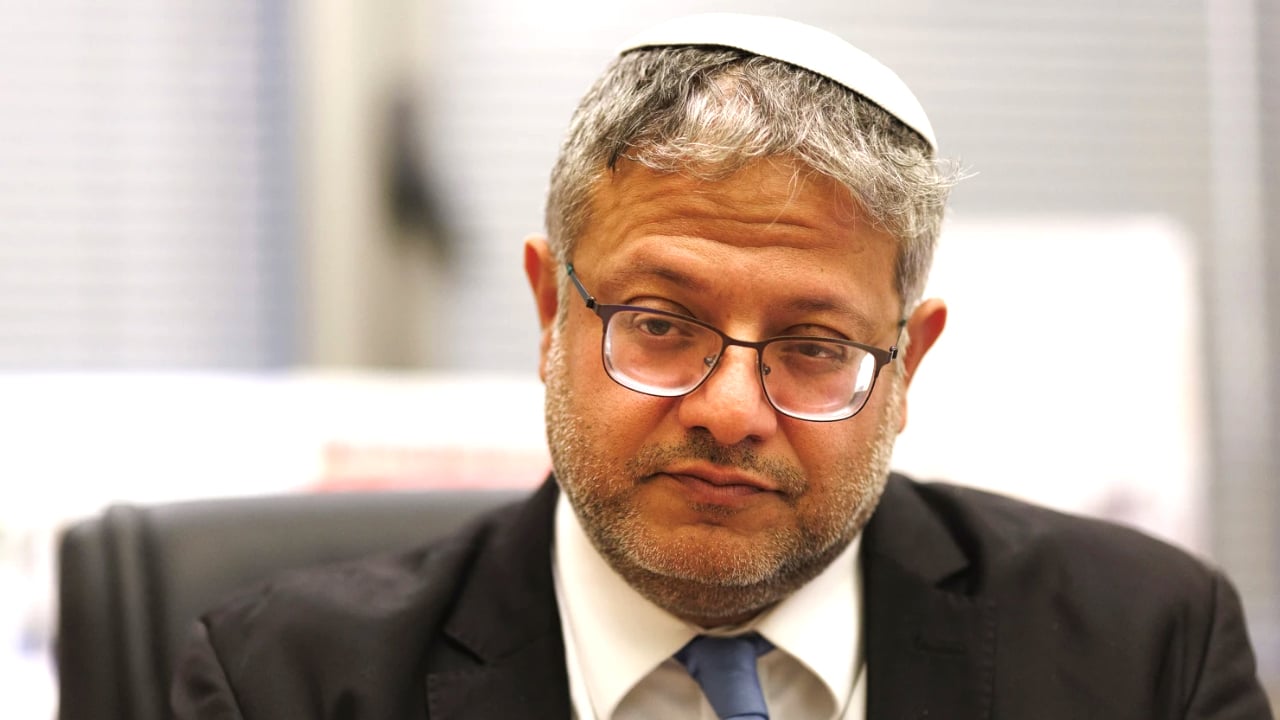
Israeli National Security Minister Itamar Ben-Gvir has canceled his planned trip to New York, where he was scheduled to attend the United Nations Chiefs of Police Summit. According to a report by Israeli newspaper Haaretz, the decision was made due to concerns that protests could erupt and that legal action might be initiated against him in the United States. Security sources cited in the report indicated that the potential for demonstrations and legal challenges prompted the cancellation. The human rights organization Hind Rajab Foundation welcomed the move, claiming that their legal efforts, along with those of other rights groups, contributed to the decision. The organization further stated that Israeli political and military leaders can no longer assume they are beyond legal scrutiny or accountability when traveling abroad.
Bangladesh’s new BNP-led government has initiated a large-scale reshuffle of police personnel assigned to the Secretariat as part of a post-July uprising security restructuring. A total of 169 officers who were posted before August 5, 2024, are being withdrawn in phases, with 82 already replaced. The Ministry of Home Affairs is also implementing new measures including visitor control, digital identity verification, additional CCTV cameras, and revised gate management to strengthen long-term security. According to ministry sources, the Secretariat’s security branch sent a letter to the Inspector General of Police recommending the rotation of officers stationed at sensitive offices and entry points. The replacement list includes inspectors, sergeants, sub-inspectors, assistant sub-inspectors, nayeks, and constables. Officials stated that the changes aim to make security more technology-driven and accountable rather than reacting to any immediate threat. Security analysts cited in the report noted that periodic rotation of personnel and the introduction of digital monitoring systems align with international best practices. The combined measures are seen as part of a broader effort to modernize and reinforce security at Bangladesh’s central administrative hub.

Bangladesh’s current BNP government is facing bureaucratic complications in fertilizer imports, a system inherited from the previous Awami League administration. Without verifying the actual cultivated land area, officials have advised purchasing 100,000 tons less fertilizer than the target for the 2026–27 fiscal year. Although the Department of Agricultural Extension (DAE) director said procurement follows high-level policy decisions and no crisis is expected, field-level experts warn that ignoring real demand could cause serious shortages. Farmers and agricultural economists have expressed concern that reduced allocations of urea and DAP fertilizers could repeat past crises. In Kishoreganj, local authorities reported receiving significantly less fertilizer than requested, prompting formal appeals to increase supply. Similar complaints have emerged from other districts. Experts caution that such shortfalls could lower food production and undermine the government’s positive initiatives for farmers. To address the situation, the government has formed a 15-member National Fertilizer Coordination and Advisory Committee led by the agriculture minister to review production, import, and distribution. However, the minister and secretary did not respond to media inquiries about the issue.

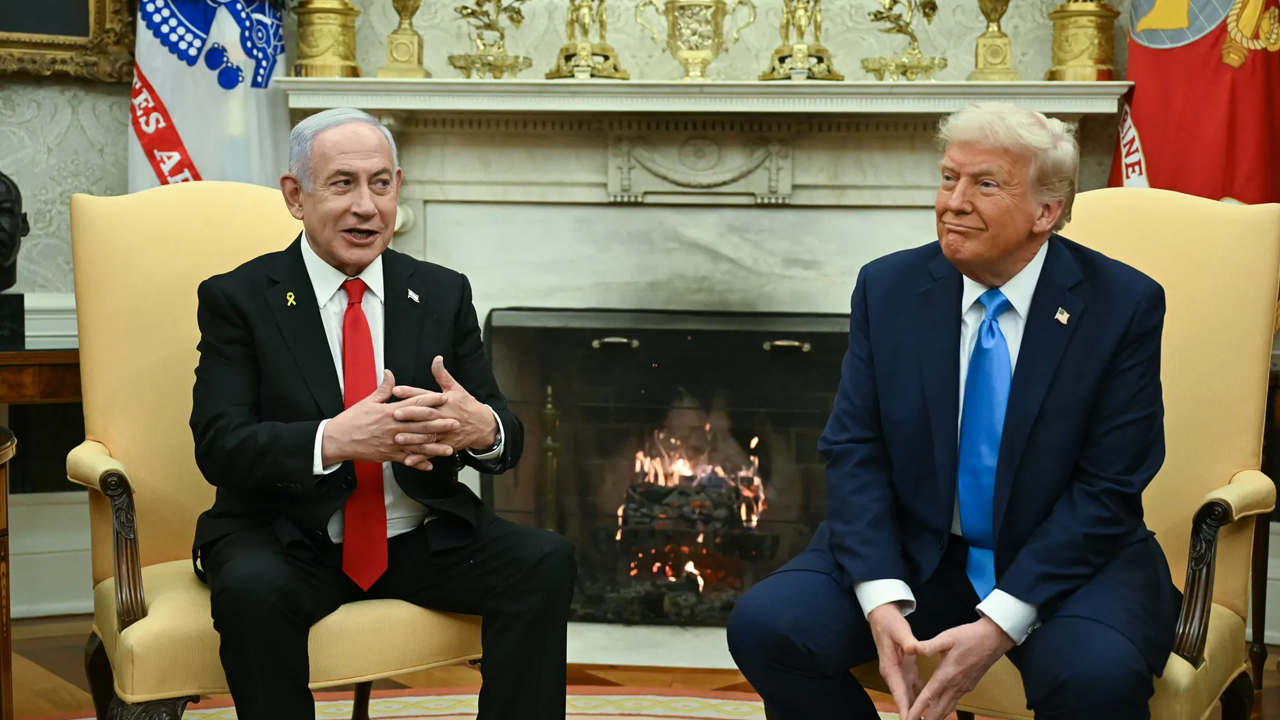
Israeli Prime Minister Benjamin Netanyahu has requested a meeting with U.S. President Donald Trump, who confirmed the request in an interview with Axios, saying their relationship remains strong and that Netanyahu “knows who the real boss is.” Trump said the meeting could take place at the White House after the NATO summit in Turkey on July 7–8, though an Israeli official suggested it might occur the following week. Netanyahu’s office stated that the two leaders recently spoke by phone and agreed to meet soon in the United States. If held, this would be Netanyahu’s first U.S. visit since February, when he reportedly presented Trump with a plan for war against Iran. Since then, tensions have grown between the two over regional issues, including Israel’s military actions in Lebanon and Trump’s decision to extend a ceasefire and pursue new nuclear talks with Iran. Despite disagreements, Netanyahu congratulated Trump on the U.S. 250th Independence anniversary and reaffirmed plans for their meeting. The meeting is seen as crucial for Netanyahu ahead of Israel’s upcoming October general election, where polls show him trailing.
Large numbers of people continued to gather in Tehran on Sunday for the final farewell ceremony of Iran’s Islamic Revolution leader Ayatollah Ali Khamenei. The event marked the third day of funeral proceedings. Security forces, emergency services, medical teams, and volunteers were deployed to ensure smooth management, with arrangements made for transportation, medical aid, food, and rest facilities. The mourning ceremony began early Sunday at the Imam Khomeini Mosalla, the city’s main prayer venue, drawing mourners from across the country. The area turned into a sea of grief as citizens paid their last respects to the leader who had guided Iran since 1989. Khamenei, aged 86, was killed on February 28 in an attack attributed to the United States and Israel. Authorities maintained heightened security across the capital throughout the weeklong observances, deploying armored vehicles, heavy machine guns, and snipers around the ceremony site.
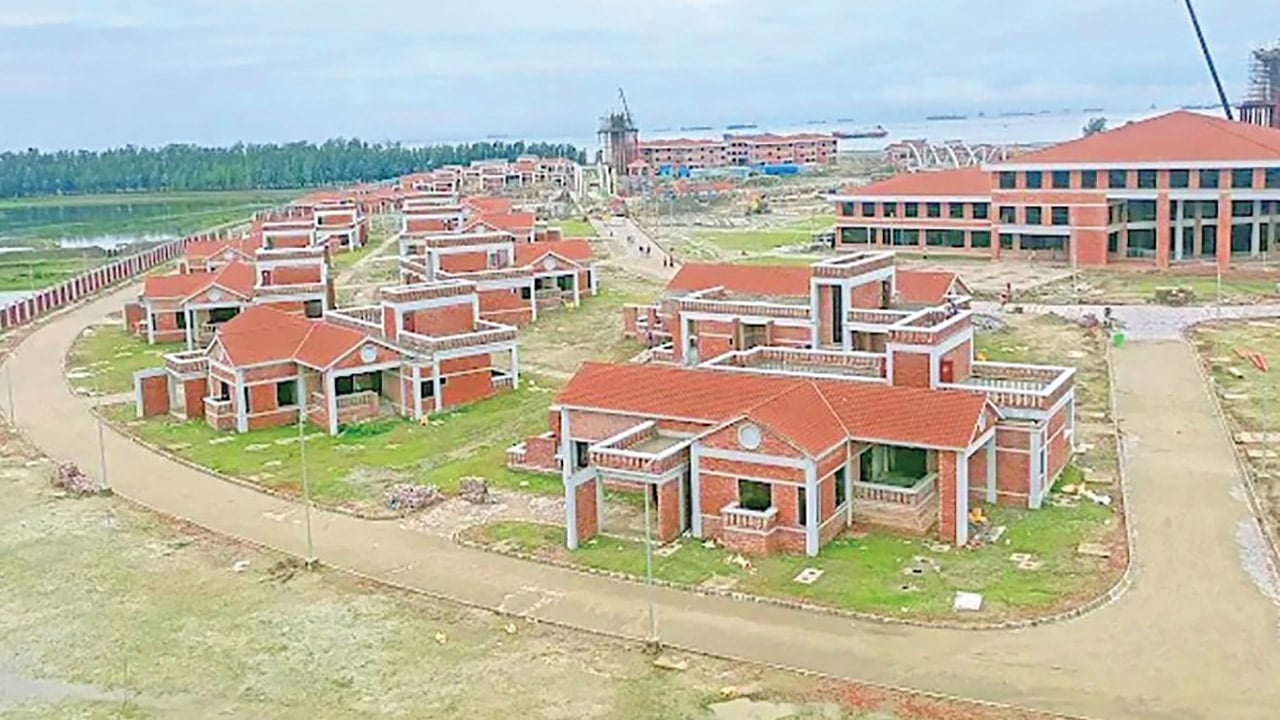
A government-built luxury guesthouse near the Karnaphuli Tunnel’s Anwara end in Chattogram remains unused despite being constructed at a cost of Tk 450 crore. The Bangladesh Bridge Authority has issued a third tender to lease the facility commercially after two previous international tenders in July and September last year failed to attract suitable bids. Only a few local firms showed interest, but their offers were below the authority’s estimated value. Officials said the guesthouse is a state asset and the new tender aims to secure maximum revenue. The selected lessee will operate and maintain the property, paying rent in four annual installments. The lessee will have full freedom to set prices for services such as accommodation, dining, travel, conferences, and spa facilities but must seek approval for any structural changes. The guesthouse, built as part of the Karnaphuli Tunnel project, covers about 72 acres and includes a VIP bungalow, 30 additional bungalows, and 48 motel units. The Bridge Authority expects the lease to help generate revenue for the tunnel project, which has been operating at a loss since its opening in October 2023.
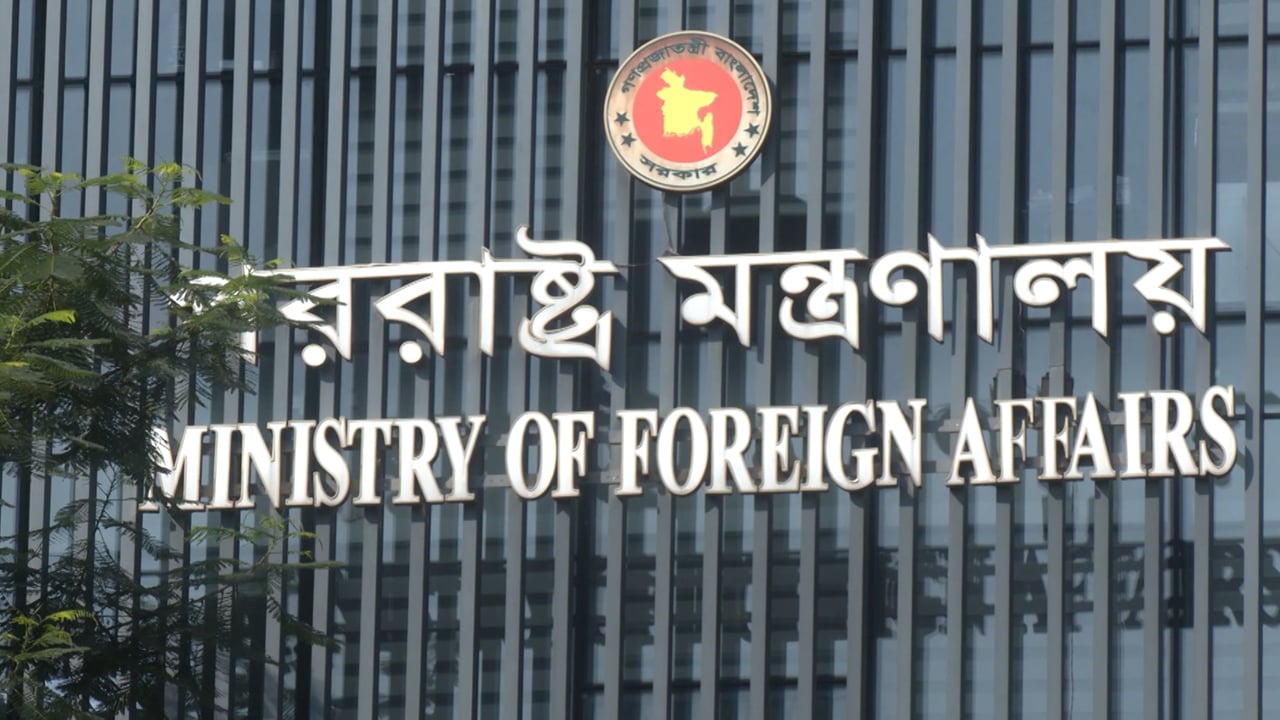
An opinion piece published on July 5, 2026, discusses the evolution and strategic importance of foreign policy in global politics, emphasizing how nations shape their policies based on self-interest and changing geopolitical realities. The author highlights that Bangladesh’s guiding principle of “friendship to all, malice toward none” may not fully reflect its national interests in the current context. The government’s revised “Bangladesh First” policy is described as a pragmatic attempt to adapt to modern challenges, though its implementation remains questionable. The article contrasts Bangladesh’s foreign policy with Vietnam’s post-1975 approach, noting that Vietnam’s independent and strategic policy helped it achieve progress across governance, infrastructure, industry, and education. In contrast, Bangladesh’s policy weaknesses, particularly in managing relations with India, have delayed fair outcomes such as the Teesta River water-sharing agreement. The author argues that a more competitive and strategic stance could strengthen Bangladesh’s position in trade and regional diplomacy. The piece concludes that Bangladesh must overcome external pressure and prioritize its own interests to ensure true independence in policymaking and sustainable national development.
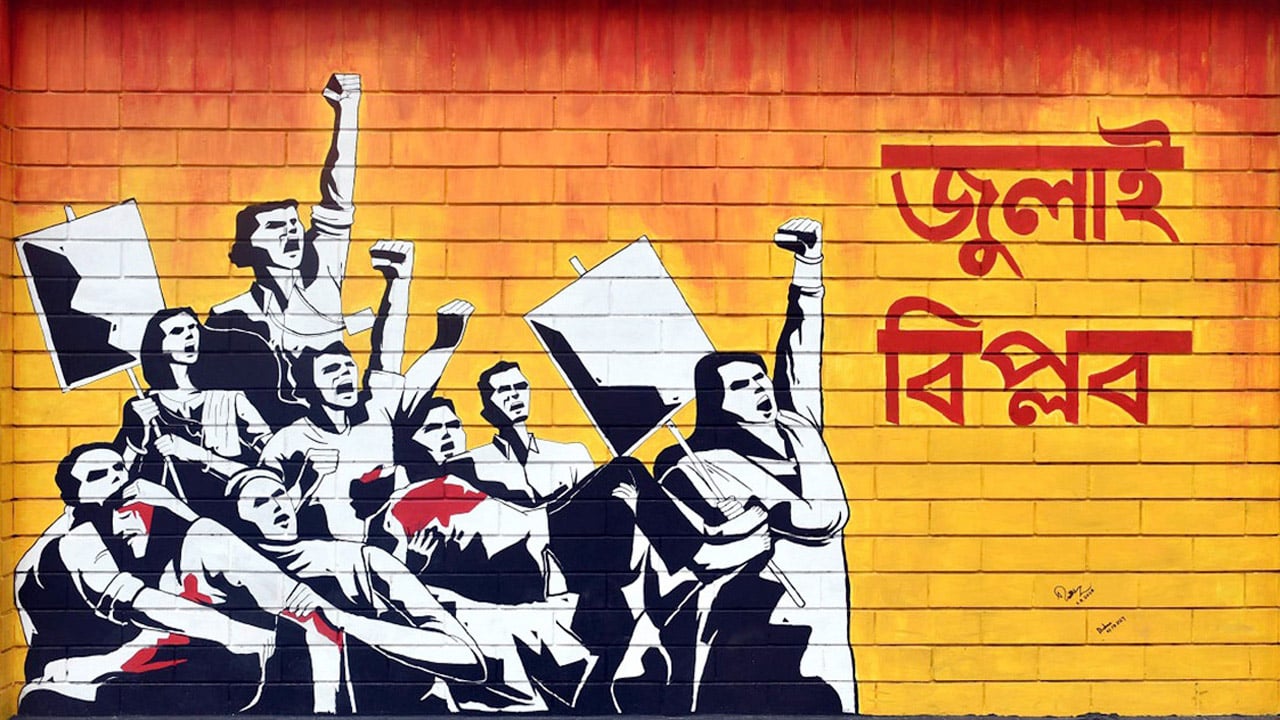
Two years after the 2024 July uprising in Chattogram, most of the 151 cases related to killings and violence remain under investigation. Of the 69 cases filed with police stations, only one has reached the charge sheet stage. Police officials said investigations are nearing completion and charge sheets will be submitted gradually. Victim families, however, allege that the judicial process is moving slowly and that communication with them has declined under the new government. According to police and court sources, the 69 police cases name 21,906 accused, including 15 murder cases. Among them, 13,450 are named individuals and around 30,000 are unidentified. The Chattogram Metropolitan Police Commissioner stated that 90–95 percent of investigations are complete and that reports are being prepared carefully to avoid weaknesses in court. Families of victims claim that after the BNP government took office, official follow-up and assistance diminished. Some families, such as those of slain student leaders Wasim Akram and Faisal Ahmed Shanto, report uncertainty about justice and financial hardship despite limited support from other political groups.
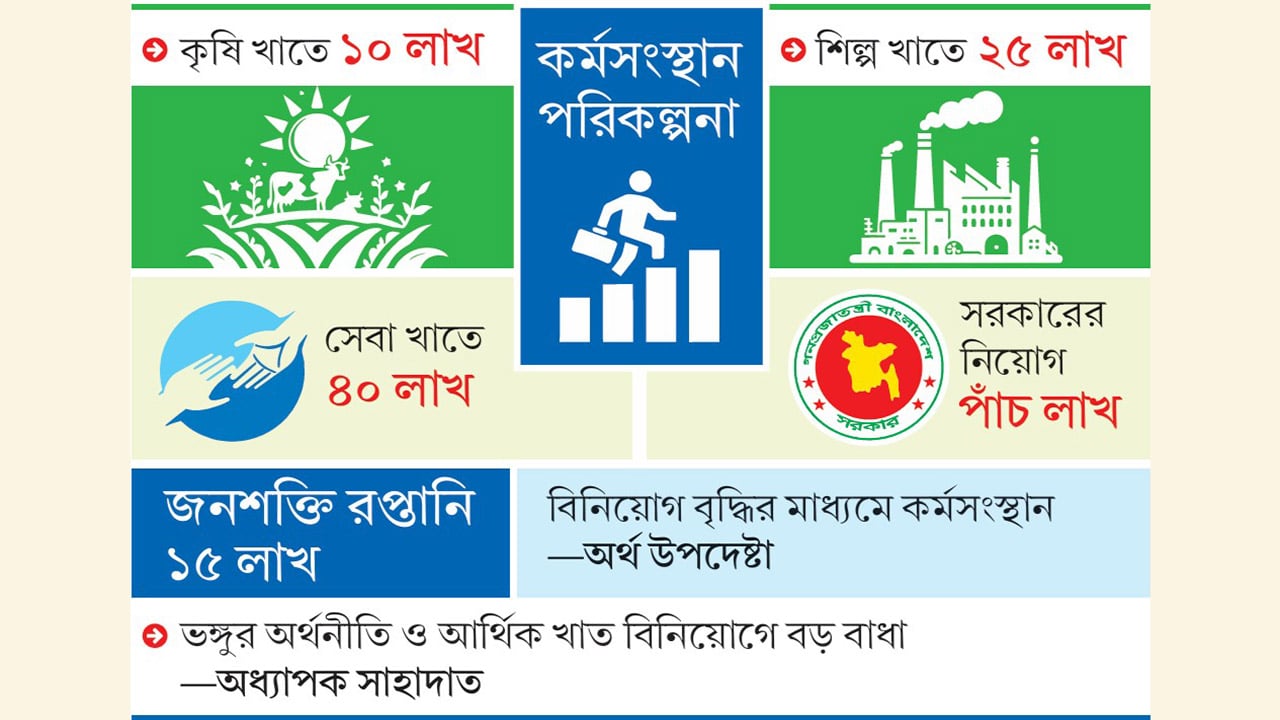
The Bangladesh government has announced a plan to create 10 million new jobs within the next five years to address the country’s severe employment crisis. Each year, around 2 to 2.2 million young people enter the job market, but limited opportunities leave many unemployed or underemployed. The plan, led by the General Economics Division (GED), aims to generate about 8 million jobs domestically and 1.5 million through overseas employment, with the private sector driving most of the growth in services, industry, and agriculture. Officials said investment-led production expansion will be the main strategy, supported by a 60,000 crore taka fund, tax reforms, and renewable energy initiatives. Prime Minister’s adviser Dr. Rashed Al Mahmud Titumir emphasized policy continuity and infrastructure improvements, including railway modernization. However, economists and business leaders warned that fragile financial conditions, high inflation, and energy shortages could hinder investment and job creation. The Bangladesh Investment Development Authority acknowledged that resolving the energy crisis could take up to two years. Experts from universities and research institutions stressed that sustainable employment growth requires stronger financial institutions, macroeconomic stability, and reliable labor data. They also noted that private investment has stagnated at around 23–24 percent of GDP for over a decade, limiting job expansion.
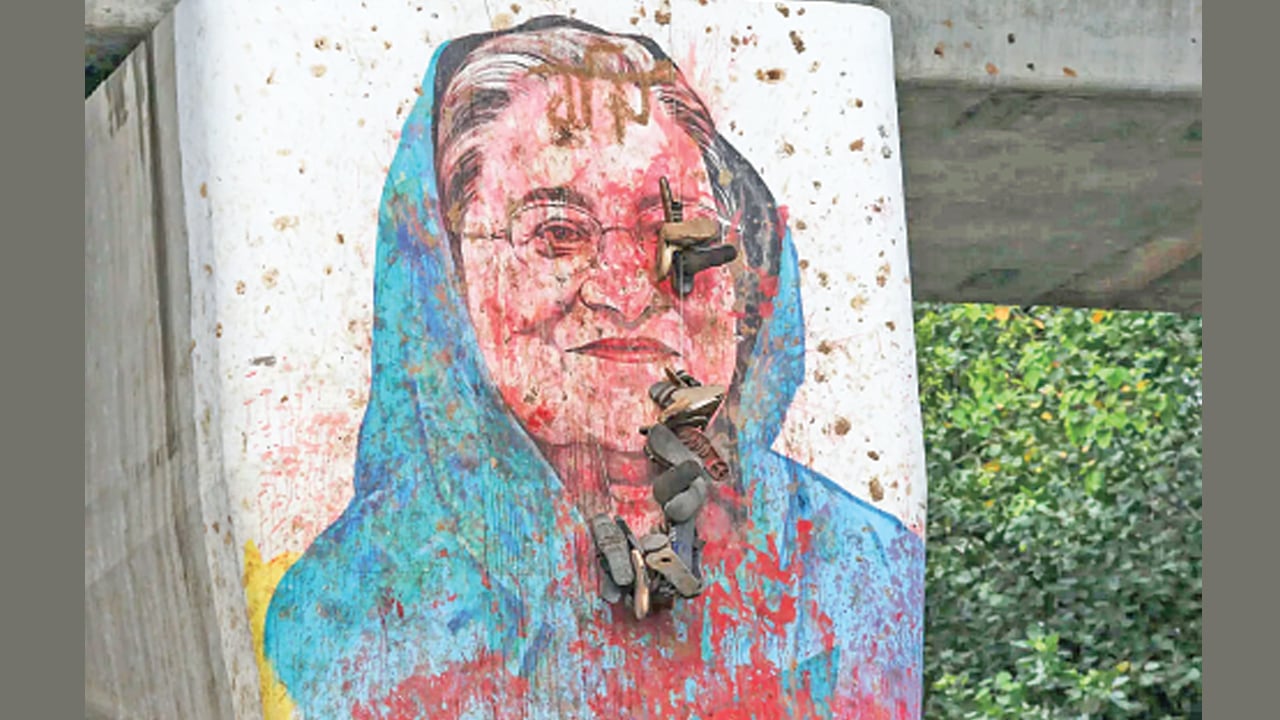
In a commentary published on July 5, 2026, journalist M Abdullah argues that Bangladesh’s former authoritarian regime under Sheikh Hasina relied not only on state power but also on a network of cultural collaborators who legitimized repression through art, academia, and media. The article claims that these 'cultural fascists'—including intellectuals, artists, and bureaucrats—helped normalize state violence and suppress dissent during fifteen years of rule. The author warns that even after the regime’s fall following the 2024 July uprising, many of these figures remain active, attempting to rewrite history and rehabilitate the fallen order. Some are accused of using media platforms to question the legitimacy of the uprising and to portray the previous regime more favorably. Such narratives, the article contends, risk eroding public trust in ongoing democratic reforms and could psychologically prepare the ground for authoritarian resurgence. The piece concludes that safeguarding the revolution’s achievements requires confronting these cultural and intellectual enablers of fascism to prevent its ideological and institutional return.
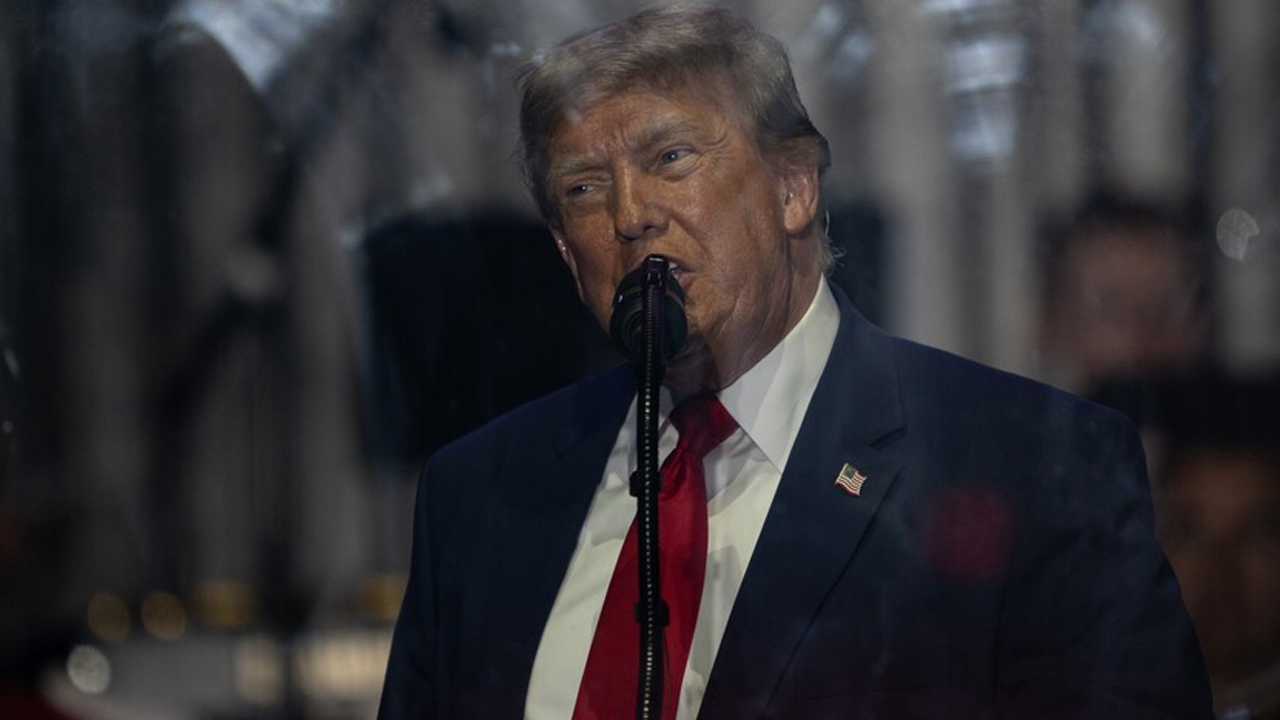
US President Donald Trump expressed surprise at the massive turnout of mourners at the funeral of Iran’s late Supreme Leader Ayatollah Ali Khamenei. In a phone interview with Axios, Trump said he had thought people hated Khamenei but was astonished to see millions crying. He also remarked that he could have eliminated everyone at the funeral but refrained, noting that both sides agreed to pause discussions until the ceremonies concluded. The funeral and mourning events began in Tehran on Friday, with religious rituals and processions continuing for seven days across Iran and Iraq. Iranian authorities expect 15 to 20 million people to pay their respects in Tehran alone. Foreign dignitaries from several countries, including Bangladesh, Pakistan, Russia, China, and Turkey, attended the ceremonies. Security measures were tightened, with road closures and restricted airspace. Khamenei, who ruled Iran for over three decades, was killed in a joint US-Israeli attack on February 28. Following a temporary ceasefire brokered by Pakistan, Iran and the US are now pursuing permanent peace talks mediated by Qatar and Pakistan.
The ‘1 Nojor’ media platform is now live in beta, inviting users to explore and provide feedback as we continue to refine the experience.