

The ‘1 Nojor’ media platform is now live in beta, inviting users to explore and provide feedback as we continue to refine the experience.
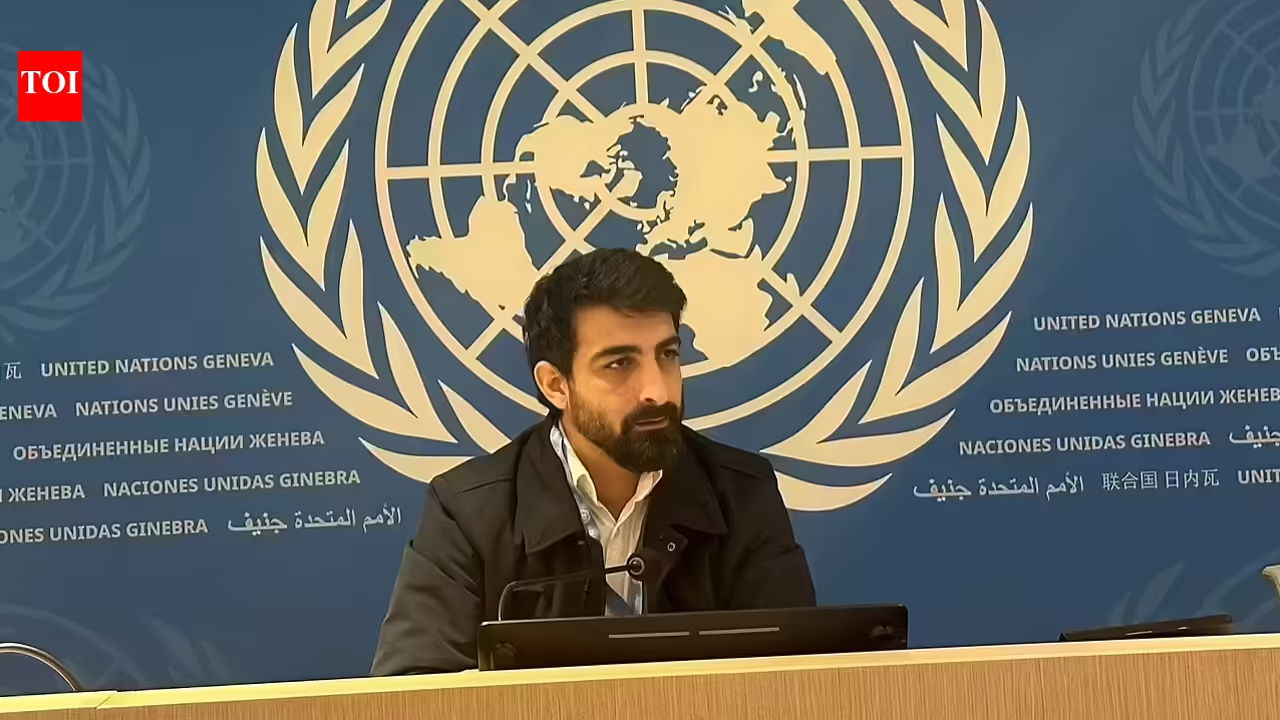
Mohammad Safa, a senior United Nations diplomat, has resigned warning of a potential nuclear strike risk involving Iran. In a post and open letter shared on social media platform X on Monday, he alleged that the UN is preparing for a situation that could lead to a nuclear attack on Iran. Safa has served as executive director of the international organization Patriotic Vision since 2013, which holds special consultative status with the UN Economic and Social Council, and became its permanent representative to the UN in 2016. Safa blamed an influential lobby within the UN’s top leadership for his resignation and criticized what he described as a pro-war stance. He emphasized that Tehran, home to nearly 10 million people, is not an empty city and questioned the global response if similar attacks occurred in major Western capitals. He said he resigned to avoid complicity in any crimes against humanity and to warn the world against a potential “nuclear winter.” The UN has not yet issued any official response to Safa’s resignation or his allegations.
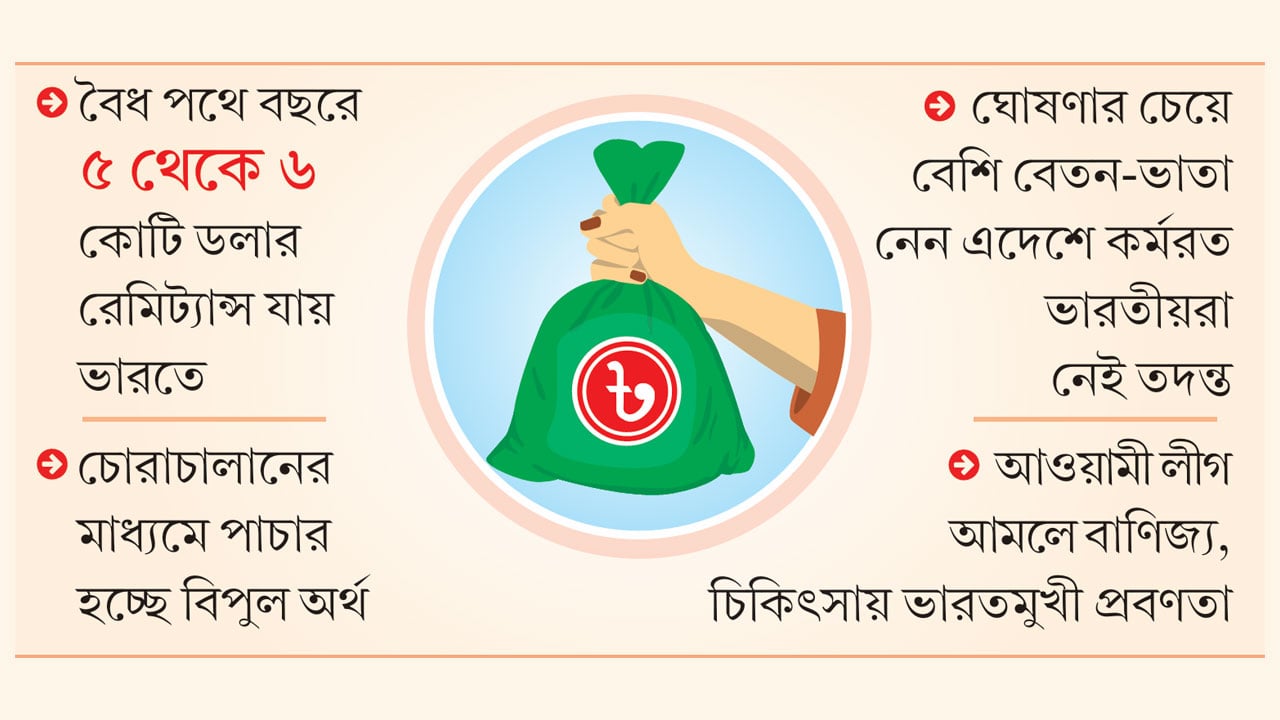
A report by Amar Desh on March 31, 2026, reveals that substantial amounts of money are being transferred from Bangladesh to India through both legal and illegal means. Official remittance data from Bangladesh Bank shows annual transfers of around USD 50–60 million, but experts believe the actual figure is several times higher due to undeclared payments to Indian workers in Bangladesh. The report also notes that about 50,000 Indian nationals currently live in Bangladesh, many without valid permits, and that authorities have identified thousands of illegal residents during recent police operations. The Bangladesh Investment Development Authority (BIDA) has issued over 8,000 new work permits and extended more than 13,000 since 2018–19. Officials acknowledge that foreign workers are hired due to skill shortages, though concerns remain about unreported salaries and tax compliance. The National Board of Revenue (NBR) audits foreign taxpayers but faces limitations in verifying undeclared income. The report further highlights that Bangladesh’s trade deficit with India exceeds USD 9 billion annually, while travel and medical expenses by Bangladeshis in India have also contributed to significant outflows of foreign currency.
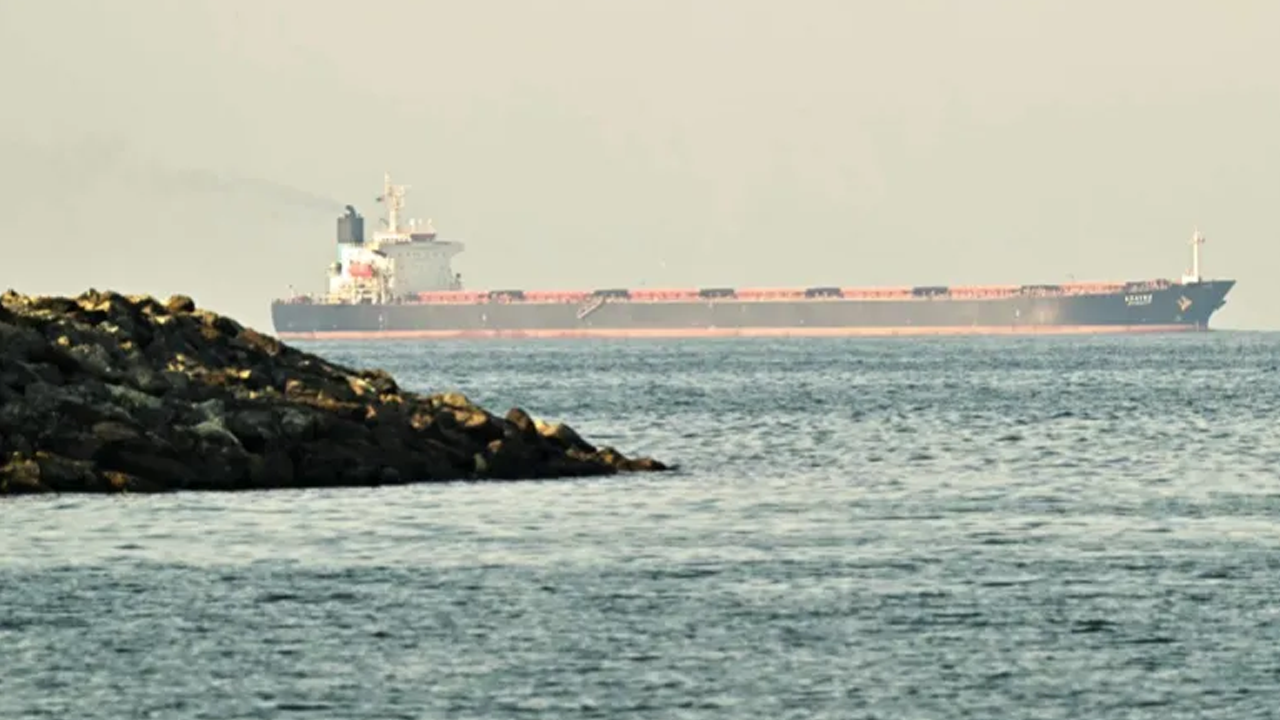
Iran has approved a plan to impose tolls on ships passing through the Strait of Hormuz, one of the world’s most critical maritime routes, according to the IRGC-linked Fars news agency. A member of Iran’s parliamentary national security commission confirmed the approval, which also includes provisions to restrict passage for vessels from the United States and Israel. The proposal further suggests limiting access for ships from countries participating in sanctions against Iran. AFP reported that the new toll system has already been announced on Iranian state television, which stated that the plan will be implemented in cooperation with neighboring Oman. The Strait of Hormuz handles nearly 20 percent of the world’s daily oil and gas supply, making it a vital global energy corridor. International observers are discussing concerns that Tehran could use control over this strategic waterway as a diplomatic pressure tool amid ongoing regional tensions.
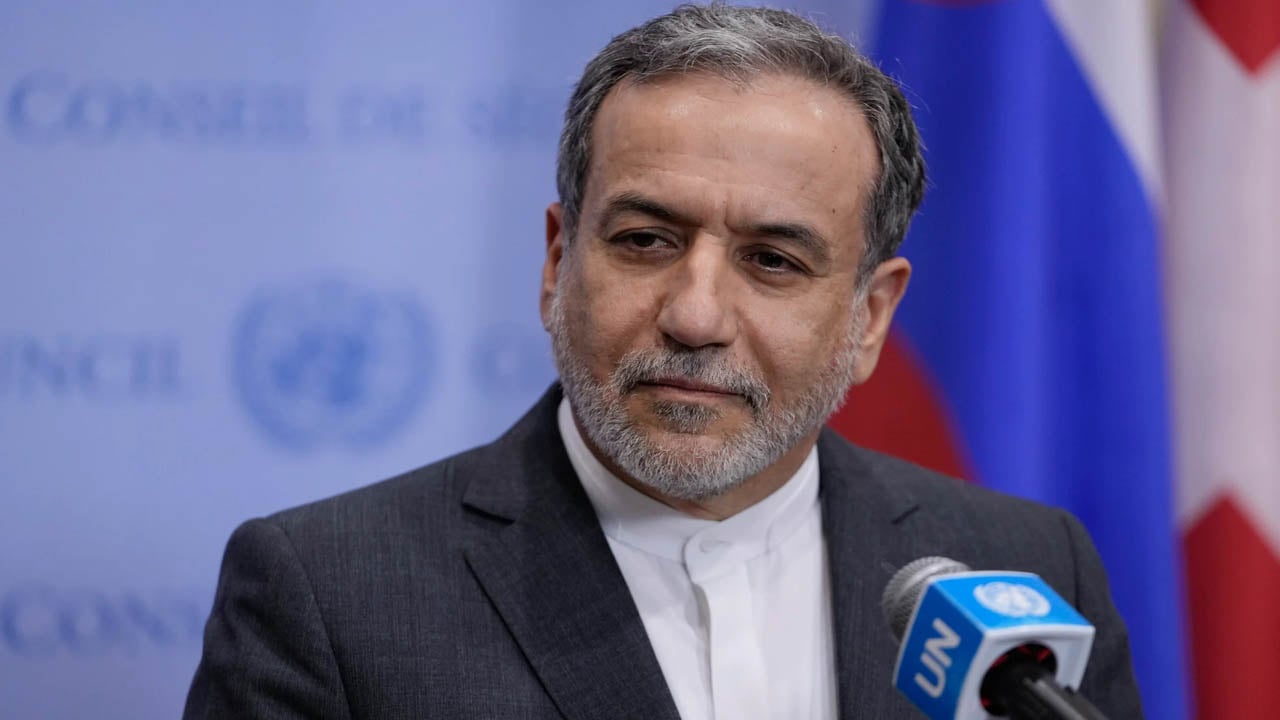
Iranian Foreign Minister Abbas Araghchi has urged Saudi Arabia to remove United States military forces from its territory, saying that now is the right time to do so. He made the statement in a post on the social media platform X, where he also shared an image of a US aircraft reportedly damaged in an Iranian attack. In his post, Araghchi emphasized that Iran respects Saudi Arabia and considers it a brotherly nation. He added that Iran’s operations are directed against enemies and aggressors who do not respect Arabs or Iranians. His remarks come amid heightened regional tensions and follow recent reports of Iranian military actions. The statement underscores Iran’s continued opposition to US military presence in the region and signals Tehran’s intention to strengthen ties with neighboring Arab states while maintaining a firm stance against perceived external threats.
A mobile court in Gazipur’s Konabari area seized 34,000 liters of illegally stored fuel from a filling station that had displayed a 'No Oil' sign. The operation, led by Executive Magistrate Salehur Rahman on Monday night, uncovered 28,521 liters of diesel and 5,419 liters of octane from Messrs Abdul Ali Filling Station beside the Dhaka–Tangail highway. The station’s manager, Abul Kashem Babul, 60, was sentenced to one month of simple imprisonment for the offense. According to court sources, the raid followed a tip-off that the station was hoarding fuel while suspending sales under the pretext of shortage. Law enforcement personnel, including members of Ansar and the Border Guard Bangladesh, assisted in the operation. The station was sealed following the seizure. The magistrate ordered that the confiscated fuel be sold through the responsible officer of Gazipur City Corporation’s Ward 9, with proceeds deposited into the government treasury. He also stated that similar drives would continue in the public interest.
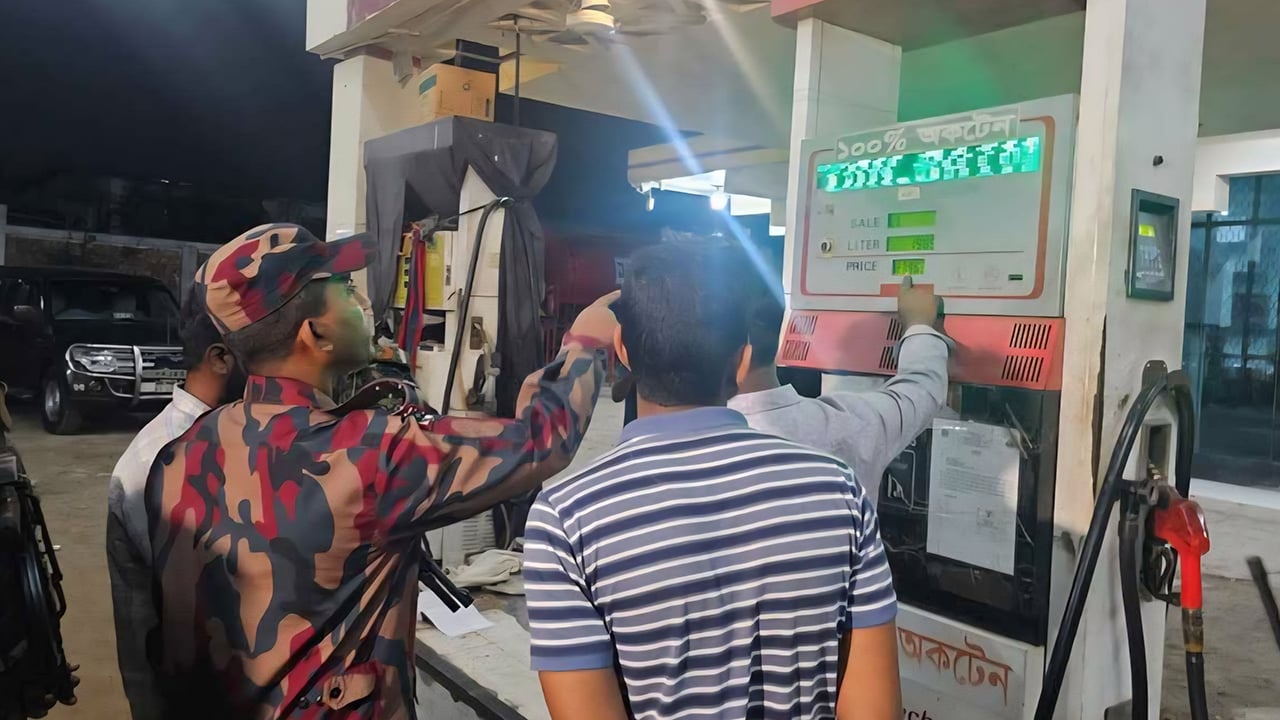
A mobile court in Satkhira sentenced a man named Anwar Hossain Khokon to two months of simple imprisonment and fined him 5,000 taka for illegally storing and selling fuel at inflated prices. The Border Guard Bangladesh (BGB) detained him on Monday from his residence in the Uttar Palashpol area of Satkhira town. The mobile court, led by Executive Magistrates Md. Saiful Islam and Konoj Dewan under the district administration, delivered the punishment following the arrest. The operation was part of an enforcement drive against unauthorized fuel storage and price manipulation in the region. The case highlights ongoing efforts by local authorities to curb illegal fuel trading and ensure compliance with government pricing and storage regulations in Satkhira.

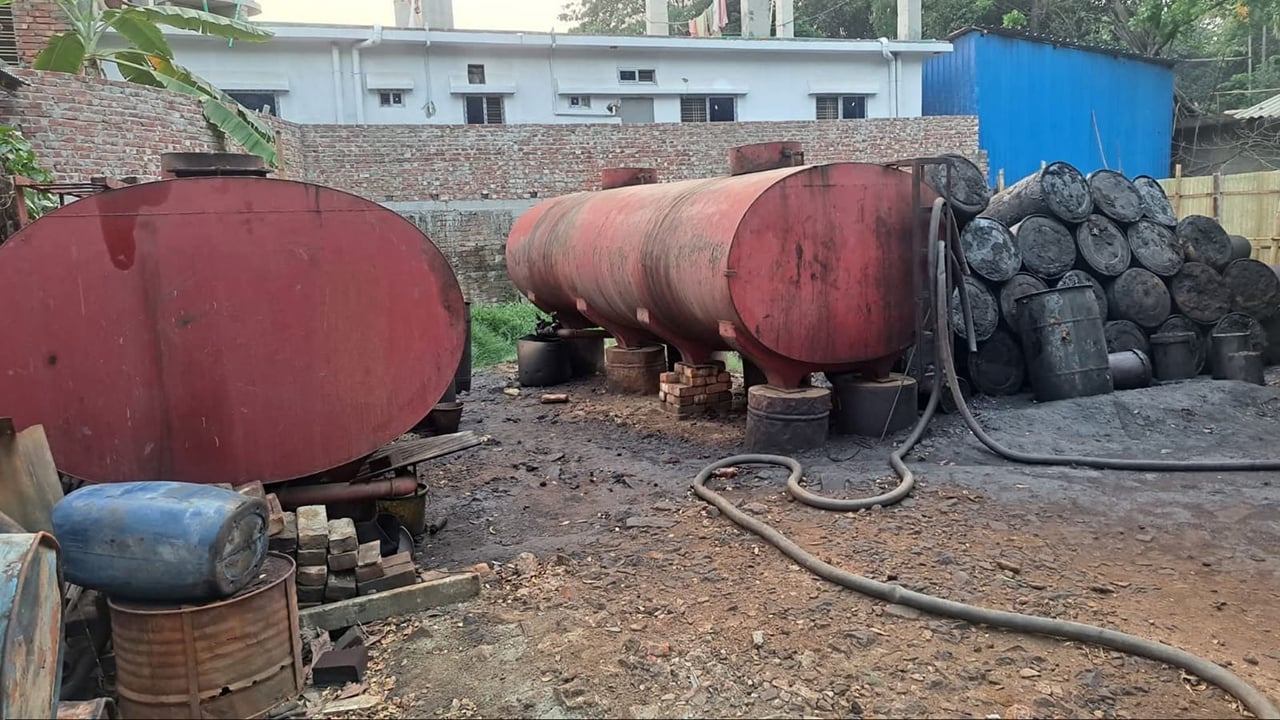
Authorities in Sitakunda upazila of Chattogram seized approximately 25,000 liters of stolen diesel during a joint operation at the Jalil Gate area of Faujdarhat on Monday afternoon. The operation was conducted by the Bangladesh Petroleum Corporation, the Directorate General of Forces Intelligence, and the upazila administration, led by Assistant Commissioner (Land) and Executive Magistrate Abdullah Al Mamun. Officials said the raid was based on secret information about an illegal fuel depot. During the operation, around 22,000 liters of diesel stored in three oil vouchers and another 3,000 liters kept in a container were confiscated. No one from the depot ownership was found at the scene, though local sources claimed that two individuals named Anwar and Nasir had been running the illegal business for a long time. Chattogram Deputy Commissioner Zahidul Islam Mia visited the site and stated that the administration maintains a zero-tolerance policy against illegal fuel storage and trading. He warned that both buyers and sellers must refrain from hoarding fuel or face legal action.
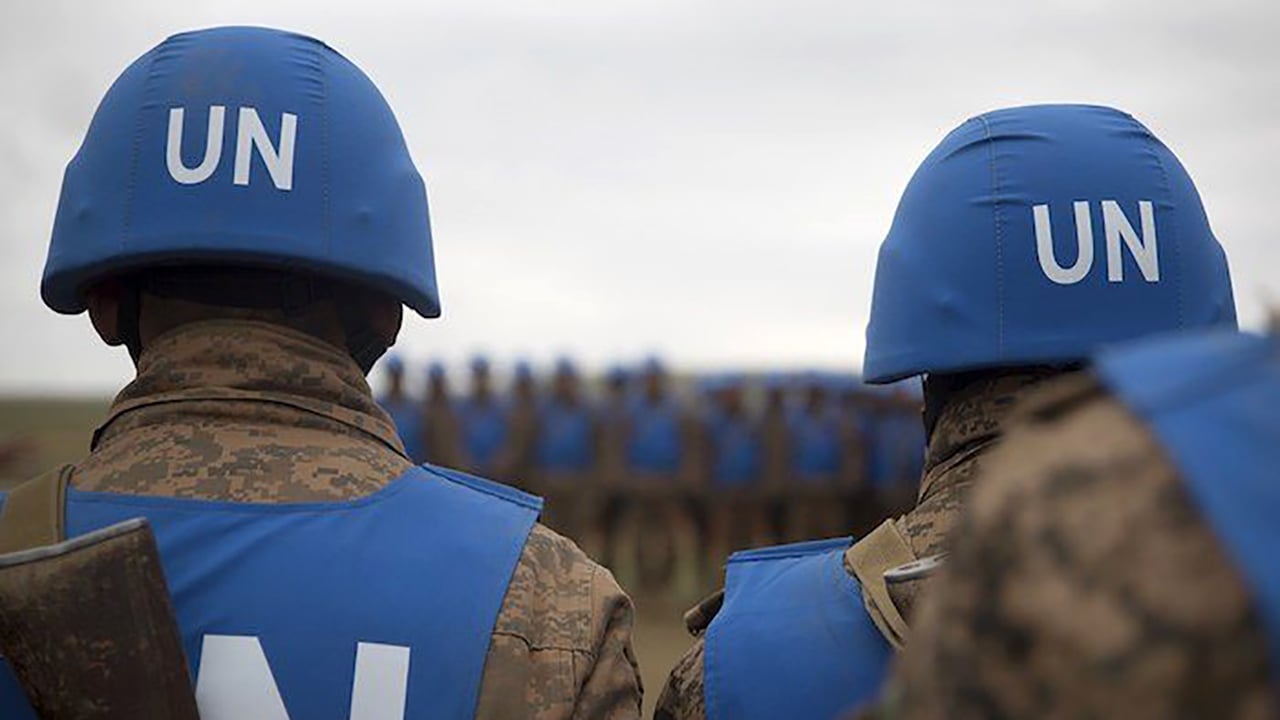
Two United Nations peacekeepers were killed in a car explosion in Lebanon, according to a statement released Monday by the United Nations Interim Force in Lebanon (UNIFIL). The statement said the vehicle was destroyed by an explosion caused by an 'unknown object.' Two other peacekeepers were injured, one seriously and another with minor wounds. The incident followed an earlier attack on Sunday at a UN peacekeeping contingent headquarters in southern Lebanon, which killed one Indonesian peacekeeper and seriously injured another. UNIFIL described the latest explosion as a violation of international law and urged all parties to immediately cease hostilities. In response to the escalating violence against peacekeepers, France called an emergency meeting of the United Nations Security Council to address the situation in southern Lebanon.
Train communication between Sylhet and the rest of the country was restored after being suspended for more than three hours due to an engine failure on the Dhaka-bound Upaban Express. The incident occurred around 6 a.m. on Tuesday, March 31, 2026, between Bhanugach and Shamshernagar railway stations in Moulvibazar district. A replacement engine from Sylhet brought the train to Shamshernagar station, allowing normal operations to resume by 9:15 a.m. According to Shamshernagar Assistant Station Master Sagar Singh, the alternative engine successfully moved the stranded train. Passenger M A Ahad reported that the train stopped suddenly, causing panic among travelers when sparks appeared from friction between the jammed wheels and the rail. However, no fire or injuries were reported. Hundreds of passengers experienced significant delays and discomfort during the disruption. Kulaura Station Master Roman Ahmed confirmed that no major schedule disruptions occurred, as the 3010-series engine from Sylhet restored movement and normalized train schedules shortly afterward.

U.S. President Donald Trump believes the ongoing war in Iran could last between four and six weeks, according to White House Press Secretary Caroline Levitt. She made the statement during a press briefing on Monday when asked about the president’s current assessment of the conflict’s duration. Levitt said President Trump has maintained this timeline since the beginning of the operation and that his view remains unchanged. She added that diplomatic discussions between the United States and Iran are continuing and progressing positively. While Trump has not ruled out the possibility of deploying ground troops in Iran, Levitt emphasized that diplomacy remains his first choice. The remarks come amid ongoing tensions in the region, with the U.S. administration signaling both readiness for military engagement and preference for a diplomatic resolution.

Economy and finance ministers from the Group of Seven (G7) nations have pledged to take all necessary measures to stabilize global energy markets as the US-Israeli war on Iran disrupts oil supplies. Following a teleconference organized by France, which currently holds the G7 presidency, the ministers and central bankers issued a joint statement emphasizing their readiness to act in coordination with partners to preserve energy market stability and security. The meeting came as Iran’s retaliatory attacks on Gulf oil producers and its blockade of the Strait of Hormuz pushed Brent crude prices above $116 a barrel. The G7, comprising the United States, Canada, Japan, Britain, France, Germany, and Italy, urged countries to avoid unjustified export restrictions on oil and gas. They also noted the International Energy Agency’s (IEA) recommendation to manage demand and its earlier decision to release 400 million barrels from strategic reserves. Japanese Finance Minister Satsuki Katayama warned that prolonged supply disruptions could harm global growth, while British Chancellor Rachel Reeves called for a swift resolution to the Middle East conflict. The G7 statement added that central banks remain committed to maintaining price stability as rising energy costs threaten to fuel inflation worldwide.

Israel’s Parliament, the Knesset, passed a law on Monday approving the death penalty by hanging for Palestinians in the occupied West Bank convicted of killing Israelis. The legislation, championed by far-right National Security Minister Itamar Ben-Gvir, passed by 62 votes to 48. Ben-Gvir celebrated the outcome and dismissed international pressure to withdraw the bill, calling it a historic moment. The Association for Civil Rights in Israel has filed an appeal against the law with Israel’s Supreme Court. The Palestinian Ministry of Foreign Affairs denounced the measure as a “dangerous escalation,” asserting that Israel has no sovereignty over Palestinian land. Hamas and other Palestinian groups condemned the law as discriminatory and a violation of international law, urging the United Nations and the International Committee of the Red Cross to intervene. The UN Human Rights Office in Palestine and Amnesty International both said the law breaches international human rights standards, while the Council of Europe called it a “serious regression.” European governments including Italy, Germany, France, and the United Kingdom had urged Israel to withdraw the bill, citing commitments to a global moratorium on the death penalty.

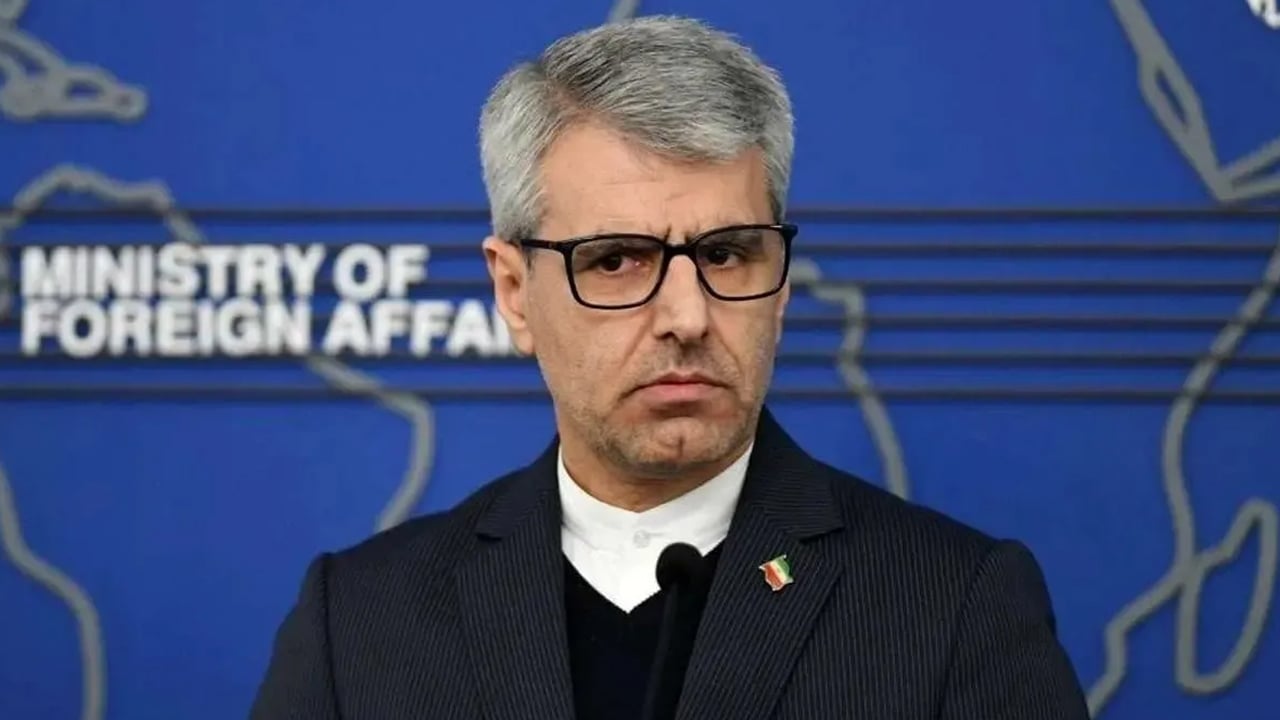
Iran’s Foreign Ministry spokesperson Esmail Baghaei stated in a press conference in Tehran on Monday that the country has never attempted to develop nuclear weapons and has no plans to do so in the future. He emphasized that Iran remains committed to the Nuclear Non-Proliferation Treaty (NPT) but expressed concern about whether the nation is truly benefiting from its membership. Baghaei noted that both Iran’s parliament and the public have growing doubts about the advantages of staying in the NPT. The treaty, which took effect in 1970, aims to prevent the spread of nuclear weapons while allowing member states to pursue nuclear energy for peaceful purposes. Despite Iran’s repeated insistence that its nuclear program is entirely peaceful, the United States has long disputed this claim and accused Tehran of secretly seeking nuclear weapons. The remarks highlight Iran’s ongoing frustration over perceived inequities in the NPT framework and continued international scrutiny of its nuclear activities.
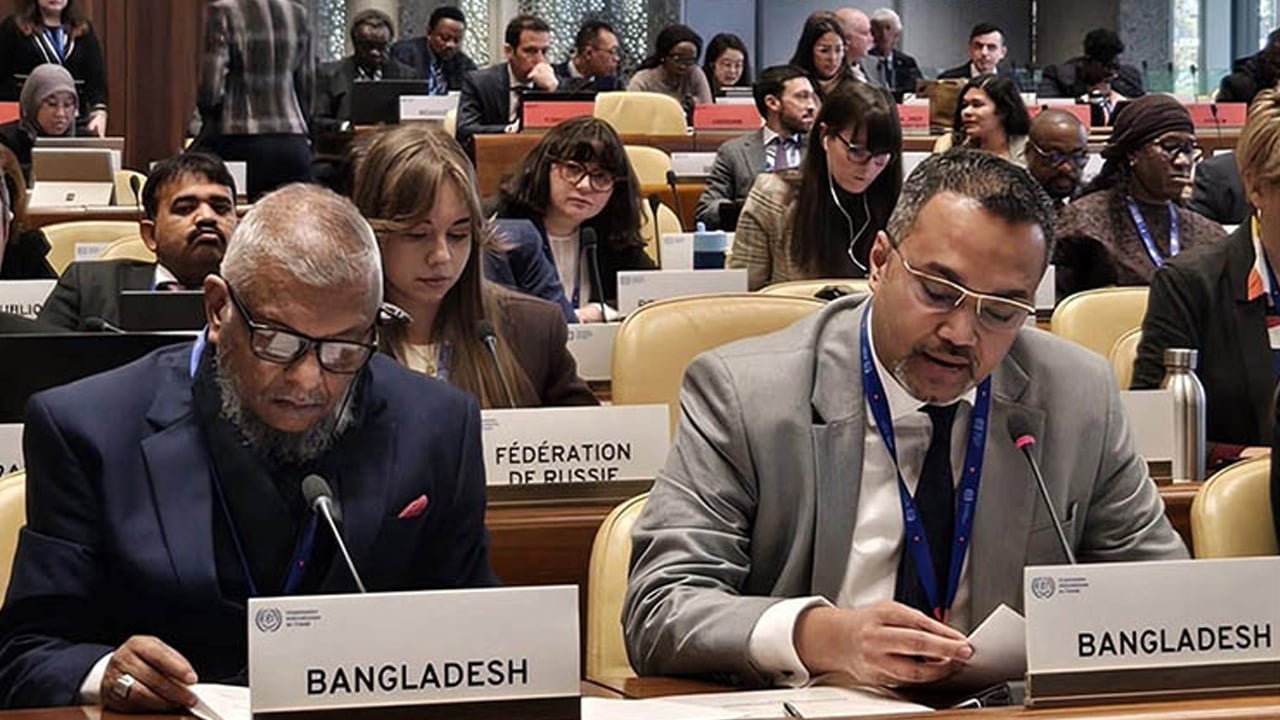
At the 356th Governing Body session of the International Labour Organization (ILO), representatives from 47 countries expressed full support for Bangladesh’s current democratically elected government led by Prime Minister Tarique Rahman. The countries congratulated the government for assuming office through a free and fair election and pledged to work together based on mutual cooperation. The discussion took place in Geneva on Monday, where Bangladesh presented its ninth progress report on labor sector reforms. The session also reviewed a case filed in 2019 by five worker representatives of the International Trade Union Confederation, alleging Bangladesh’s failure to comply with ILO Conventions 81, 87, and 98. Following that, the previous government submitted a five-year labor reform roadmap in 2021. During the latest discussion, 19 countries, two regional groups representing 28 nations, and employer representatives praised the new government’s legal and administrative reform commitments and called for the case’s swift resolution. Bangladesh’s delegation highlighted its commitment to transparency, accountability, and alignment with the ILO’s Decent Work Agenda. The government announced the formation of a parliamentary committee to convert the 2025 Labor Law Amendment Ordinance into law and pledged to accelerate the process.
Bangladesh Bank has announced a special auction of 91-day treasury bills to raise Tk 5,000 crore for the government. The auction is scheduled for April 1, according to a senior central bank official. The initiative comes amid increased liquidity in the banking sector, with banks recently depositing around Tk 11,500 crore through the Standing Deposit Facility. Central bank sources said the government typically requires large sums of money toward the end of the fiscal year. As funds are currently available from banks at a cost lower than the policy rate, the government is taking advantage of this situation to borrow for 91 days. Officials clarified that the move is not due to debt pressure but rather an effort to manage excess liquidity in the banking system. The banking sector is currently in a strong liquidity position, supported by rising remittance inflows and slower private investment due to the Middle East crisis. Sources added that upcoming grants expected by the end of June will help repay the borrowed funds easily, balancing both government financing needs and liquidity management.
The ‘1 Nojor’ media platform is now live in beta, inviting users to explore and provide feedback as we continue to refine the experience.