

The ‘1 Nojor’ media platform is now live in beta, inviting users to explore and provide feedback as we continue to refine the experience.
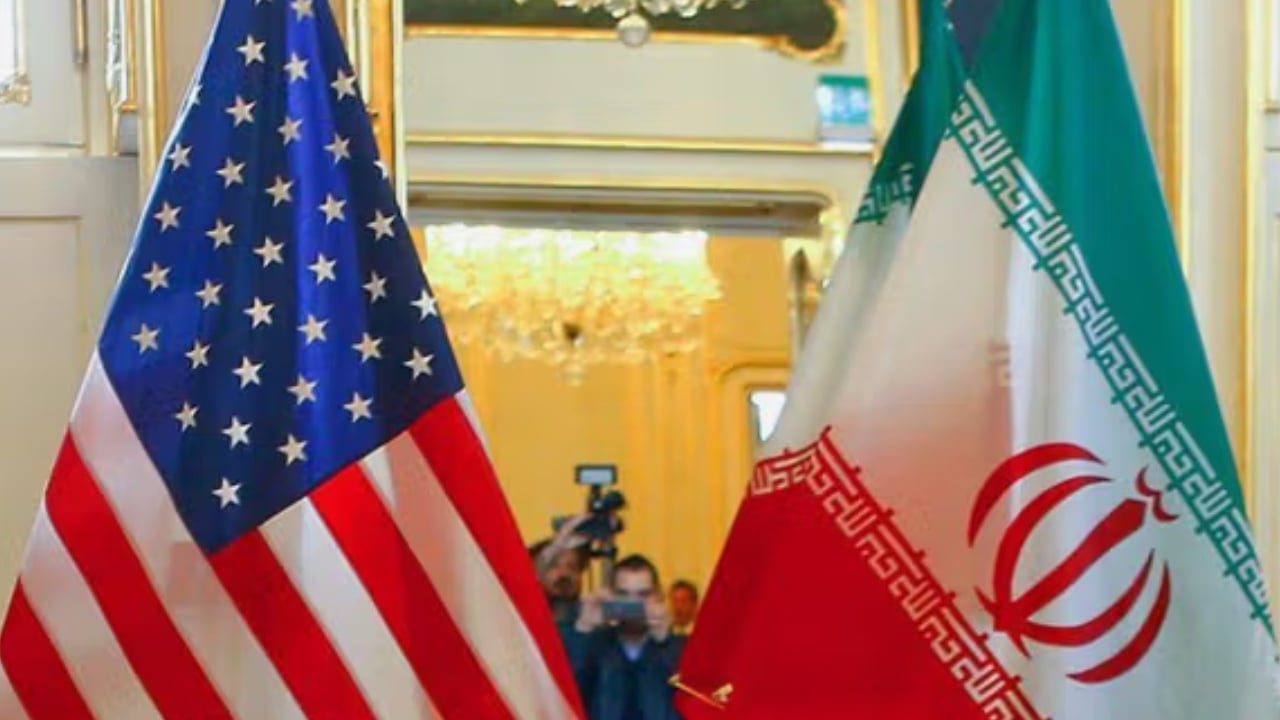
The United States and Iran have issued conflicting statements regarding possible talks to end hostilities in the Middle East. On Saturday, President Donald Trump posted on his social media platform Truth Social, giving Iran 48 hours to reopen the Strait of Hormuz. However, on Monday he extended the deadline by five days, saying Iran had another opportunity. Trump claimed that the two countries had discussed a 'complete and comprehensive resolution of hostilities' in the region. In contrast, Iran’s parliamentary speaker Mohammad-Bagher Ghalibaf denied any such talks, writing on social media platform X that 'fake news' was being used to influence financial and oil markets. Yet, a senior Iranian official told CBS News that Iran had received proposals from the United States through intermediaries and was reviewing them. CBS clarified that this step was a 'possible preparatory move' and not confirmation of ongoing negotiations. The White House urged caution, noting that the situation remained fluid and that no meeting should be considered confirmed until an official announcement was made.
Several Gulf countries, including the United Arab Emirates, Qatar, Bahrain, and Kuwait, have imposed strict restrictions on posting videos of Iranian missile and drone attacks that have targeted U.S. military bases and other sites in the region. Hundreds of people have reportedly been arrested since the conflict began, many for sharing footage or images of the explosions. Authorities in some states have accused individuals of glorifying the attacks or spreading content deemed threatening to national security. Sultan Al-Amer, a fellow at the Washington-based Middle East Policy Council, said the crackdown serves multiple purposes. He noted that Iranian intelligence could use such videos to identify air defense systems and improve strike accuracy, while Gulf governments aim to protect the image of their cities as secure and prosperous. The UAE, in particular, has long promoted itself as a safe destination for investors and tourists. UAE media chief Abdullah Al-Hamed warned that a single image could spread panic or misinformation. The report also noted that the U.S. government has exerted pressure on its own media since the start of the Iran-related military operations.
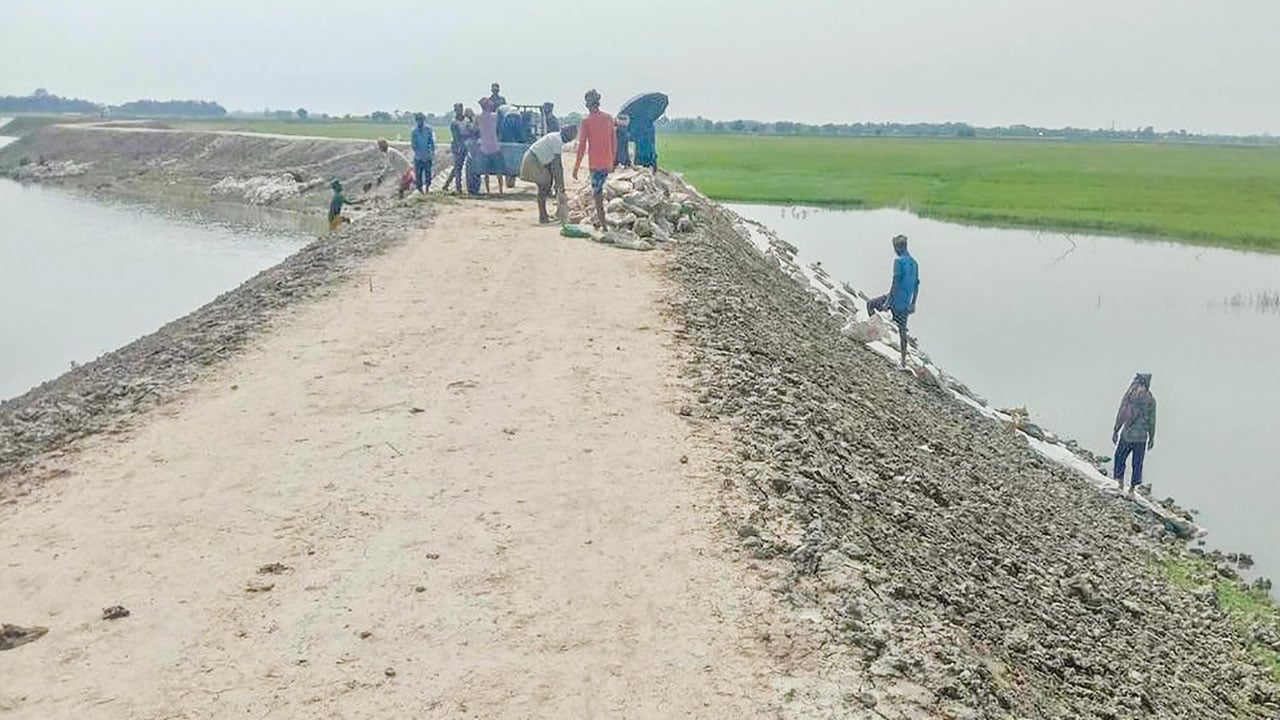
In Netrokona’s haor region, several crop protection embankments have collapsed and developed cracks following light rainfall, causing panic among local farmers. The embankments, built annually under the government’s Kabita project through the Water Development Board (Paubo), are meant to protect boro crops from early flooding. This year, construction and repair work began late, and residents allege that inexperienced committees were formed under the scheme, leading to poor-quality work. Reports indicate that embankments in Khaliajuri upazila’s Chakua union, including the Chautara haor and PI river embankments, have been damaged. Some projects allegedly involved minimal soil work, and protective measures such as sandbags and bamboo reinforcements were not completed on time. Paubo officials acknowledged the damage and said repair work was underway. Local officials, including the upazila executive officer and district administration, have instructed immediate repairs and regular monitoring. According to official data, 202 project implementation committees were responsible for maintaining 136.798 km of embankments across five upazilas, covering about 134,000 hectares of farmland. The total estimated cost was around 310 million taka.
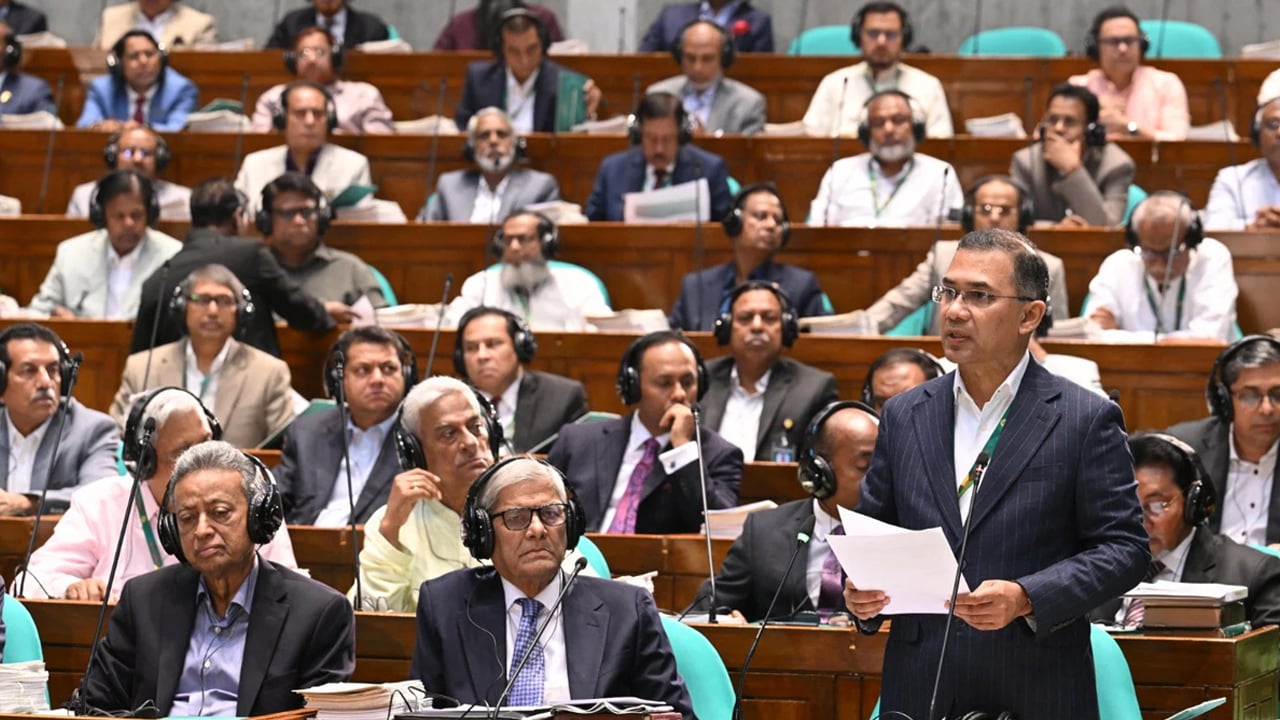
The first session of Bangladesh’s 13th National Parliament, which was adjourned earlier, will resume today at 3 p.m. in the Parliament House chamber. The session, initially convened on March 12, was suspended on March 15 due to Eid-ul-Fitr and other holidays. Speaker Major (Retd.) Hafiz Uddin Ahmed will preside over the sitting. Chief Whip Md. Nurul Islam stated that the third day of the session will focus mainly on discussions over the motion of thanks on the President’s address. Members from both the government and opposition benches are expected to participate. The agenda also includes a scheduled question-and-answer session for ministers and discussions on national importance notices. According to the decision of the Parliament’s Business Advisory Committee, the ongoing session will continue until April 30, with a total of 50 hours allocated for debate on the President’s speech.
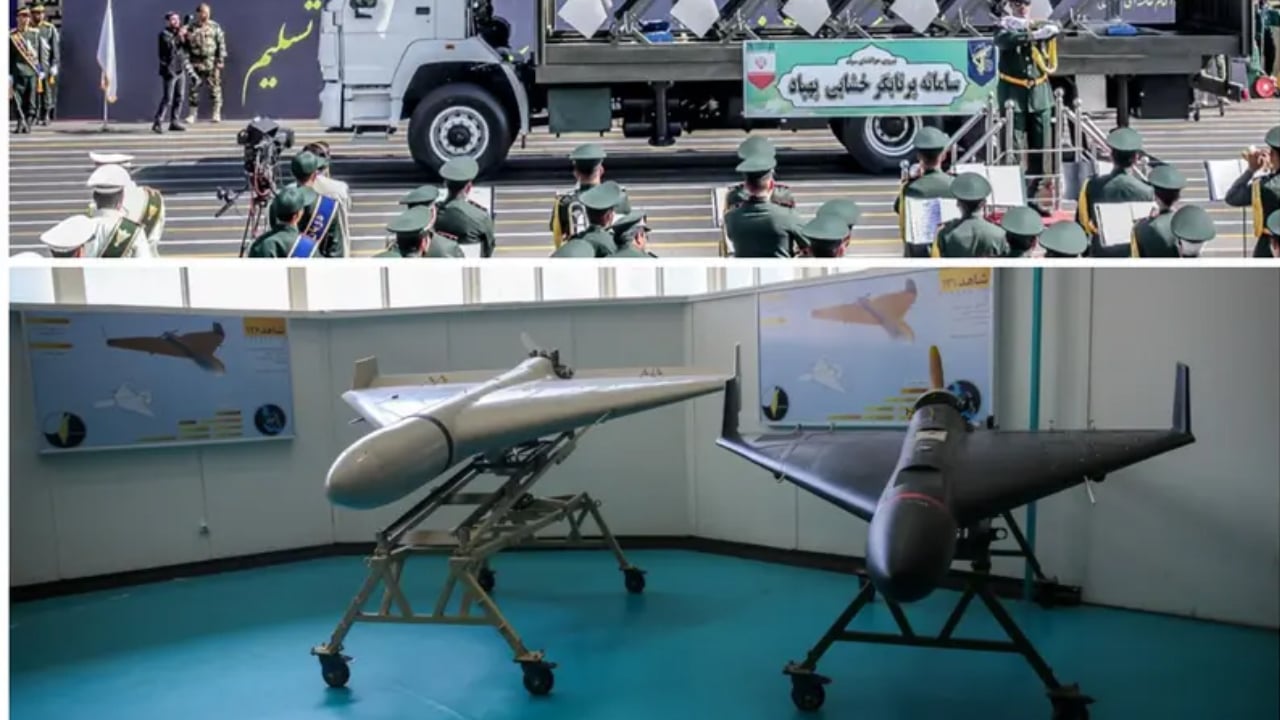
Russia has sent a shipment of drones, including advanced models, to Iran to help counter potential joint attacks by the United States and Israel, according to US and European officials cited by the Associated Press this week. The drones were originally supplied by Tehran to Moscow after the start of the Ukraine war. The transfer marks a reversal in the flow of military technology between the two countries. Following the February 28 US-Israeli strikes, Iran has carried out continuous drone attacks on Israel, its Gulf neighbors, and US bases across the Middle East for over a month. Although Iran possesses its own Shahed drones, Russia reportedly improved their design during the Ukraine conflict, adding enhanced navigation capabilities. Officials said Russian and Iranian representatives held “very active” discussions this month about the drone transfer. However, it remains unclear whether the shipment is a one-time delivery or part of a larger series. The number of drones sent and the strategic significance of the transfer have not been disclosed, and Moscow’s motive for providing Tehran with advanced drones remains uncertain.
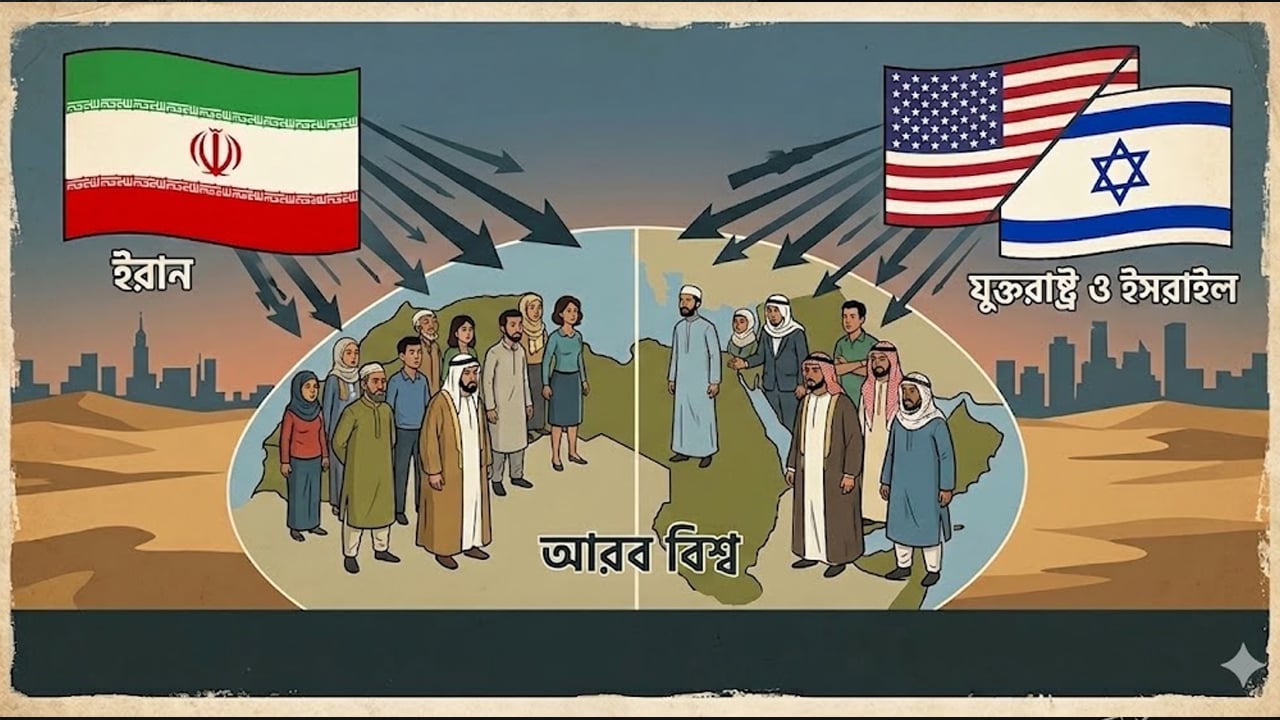
An opinion piece by Joseph Massad argues that Gulf Arab states hosting U.S. military bases are facing greater danger rather than protection. The article claims that the United States prioritizes Israel’s security over that of Arab nations and uses regional tensions to intensify hostility toward Iran. It alleges that American and Israeli aggression in Iran, supported by U.S. defense and energy corporations, has drawn Arab countries into a conflict that primarily serves Western strategic and economic interests. The report highlights that only Oman condemned the U.S.-Israeli assault on Iran as a violation of international law, while most Arab governments remained silent. Iran’s retaliatory strikes have targeted U.S. bases in several Arab states, which the author says have surrendered parts of their sovereignty by allowing foreign military presence. The piece also notes that Arab leaders’ alignment with Washington and Tel Aviv has left their nations vulnerable to attacks and internal instability. According to the article, Russia’s foreign minister told Arab diplomats that their alliance with the U.S. and Israel is the real source of their insecurity, warning that continued dependence on Western powers will deepen regional losses.
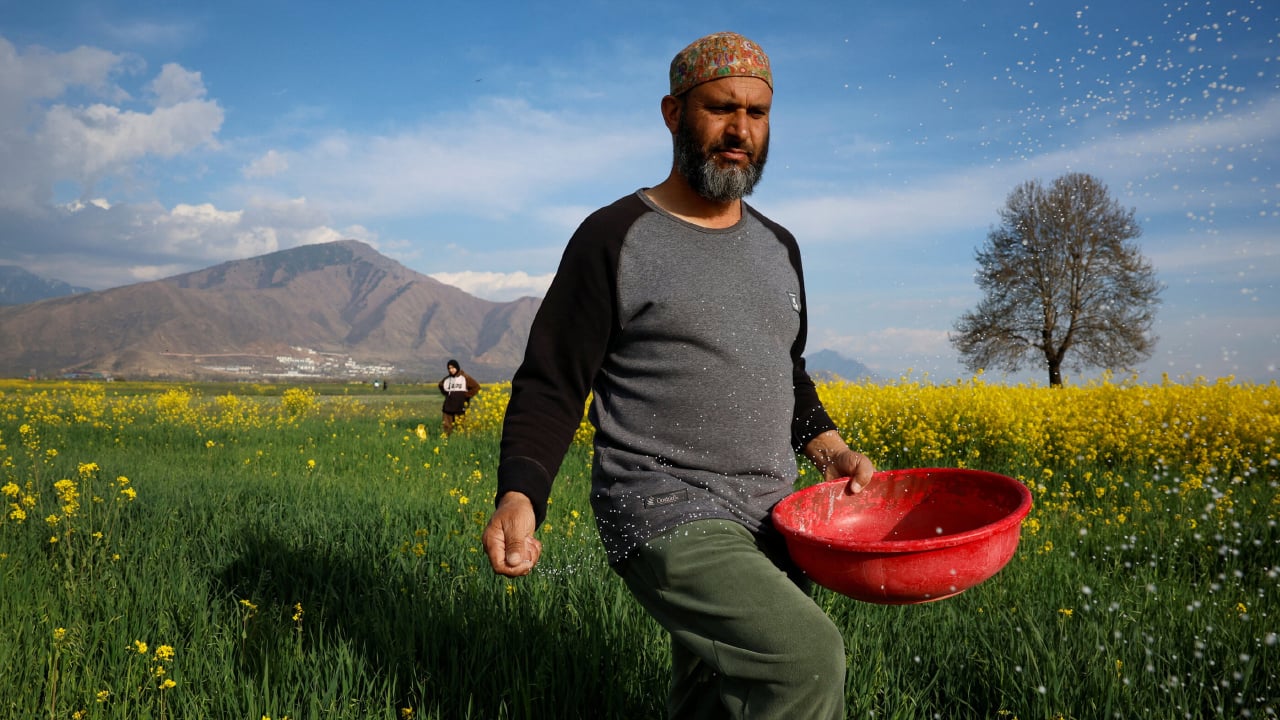
Global fertilizer supply chains have been severely disrupted following the United States and Israel’s military aggression against Iran, according to reports on March 29, 2026. Massive quantities of fertilizer shipments are stuck in the Strait of Hormuz, while fertilizer plants in India, Algeria, and Slovakia have either shut down or reduced production due to soaring natural gas prices. China has imposed an export ban on fertilizers, and Australian wheat farmers have cut production. Meanwhile, U.S. corn and soybean growers have sought subsidies from President Donald Trump. The conflict has driven up oil and gas prices, intensifying global economic concerns. Fertilizer prices have surged worldwide, heightening food security risks in several regions. The Middle East, a major fertilizer-producing area after Russia, supplies about one-third of global fertilizer through the Hormuz Strait. Independent Commodity Intelligence Services expert Dipika Thapliyal warned that the shortage is pushing prices higher and could lead to widespread agricultural strain. A World Trade Organization report last week cautioned that food supply risks are rising globally, particularly in Gulf countries dependent on imports. WTO Director-General Ngozi Okonjo-Iweala said the conflict has destabilized trade in energy, fertilizer, and food, marking one of the most volatile periods in 80 years.
Despite the enforcement of new IPO regulations, Bangladesh’s stock market is unlikely to see new company listings soon. Market insiders indicate that the ongoing IPO drought, lasting nearly two years, may continue for another year. The new rules require audited financial statements not older than 120 days and prohibit IPO applications based solely on half-yearly or quarterly reports. As a result, only companies with fiscal years ending June 30 may be eligible to apply later this year, but approvals could take up to two years. Financial institutions and multinational companies, which could have applied earlier, are showing little interest. Many local financial firms lack profitability, while multinationals are not obligated or motivated to list. Bureaucratic delays and board-level approvals have further stalled government plans to offload shares in state-owned multinational ventures. Consequently, experts predict that no new company will be listed in 2026, extending the IPO-free period. The Bangladesh Securities and Exchange Commission’s new rules, effective from December 30, 2025, include stock exchange recommendations in the approval process. However, even with faster reviews, the timeline suggests minimal chance of new listings within the current year.
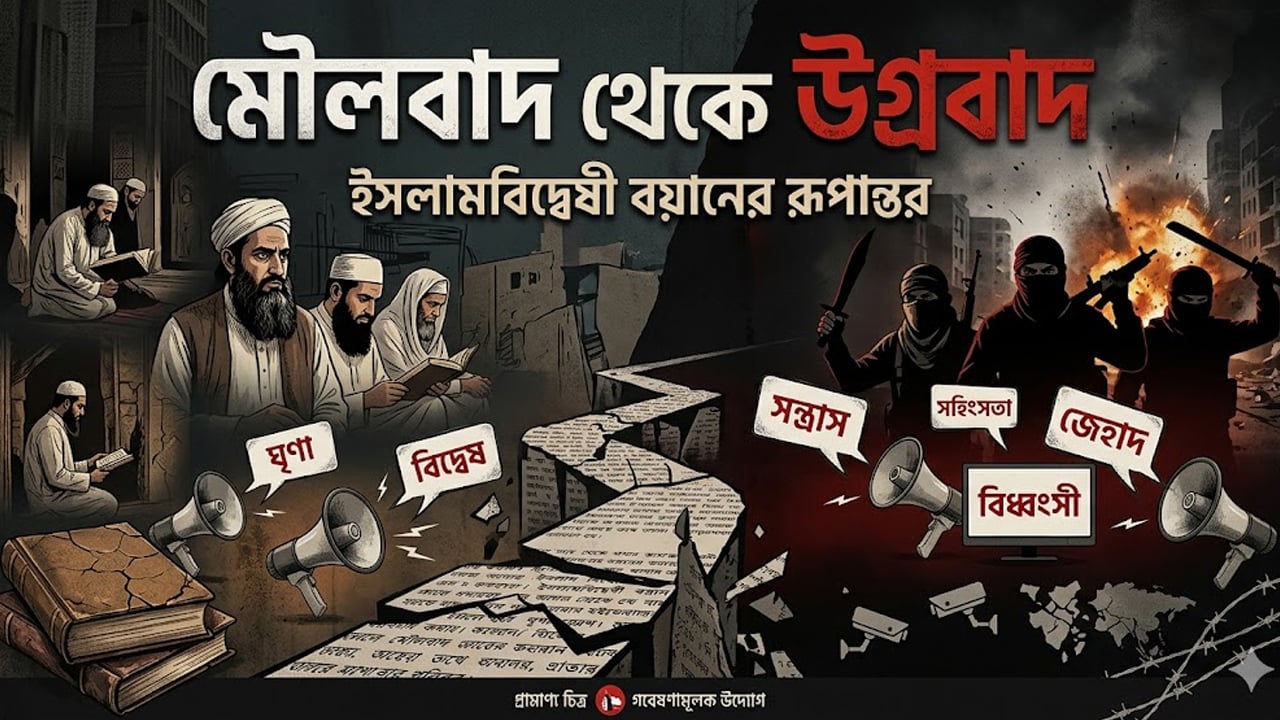
Dr. Yusuf Zarif, in an article published on March 29, 2026, examines how Bangladesh’s political discourse evolved from labeling practicing Muslims as fundamentalists to portraying them as extremists. He argues that since independence, secular elites and Western-influenced intellectuals have shaped political narratives that marginalized Islamic values and national identity. According to the article, these narratives were reinforced through alliances among intellectuals, business elites, NGOs, and civil society, often supported by Western funding under the guise of human rights and gender empowerment. The author traces three major phases: the 1980s’ anti-fundamentalist campaigns, the post-2001 anti-extremism agenda, and the post-2024 period when pro-Bangladesh movements were branded as extremist. He claims that successive governments and media institutions used these narratives to suppress nationalist and faith-based politics, consolidating elite and foreign influence. The July 2024 uprising is described as a popular rejection of this dominance. Dr. Zarif concludes that without a cultural and intellectual revival rooted in justice and dignity, Bangladesh risks repeating past cycles of division and elite control.
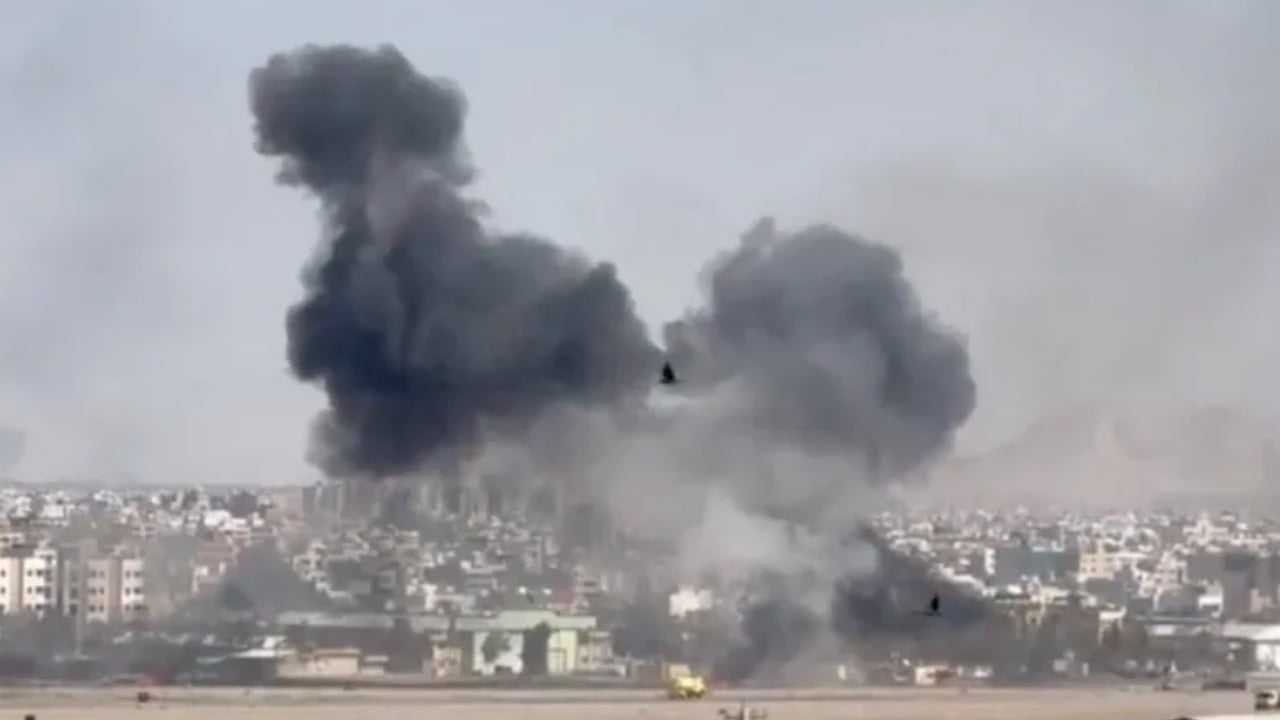
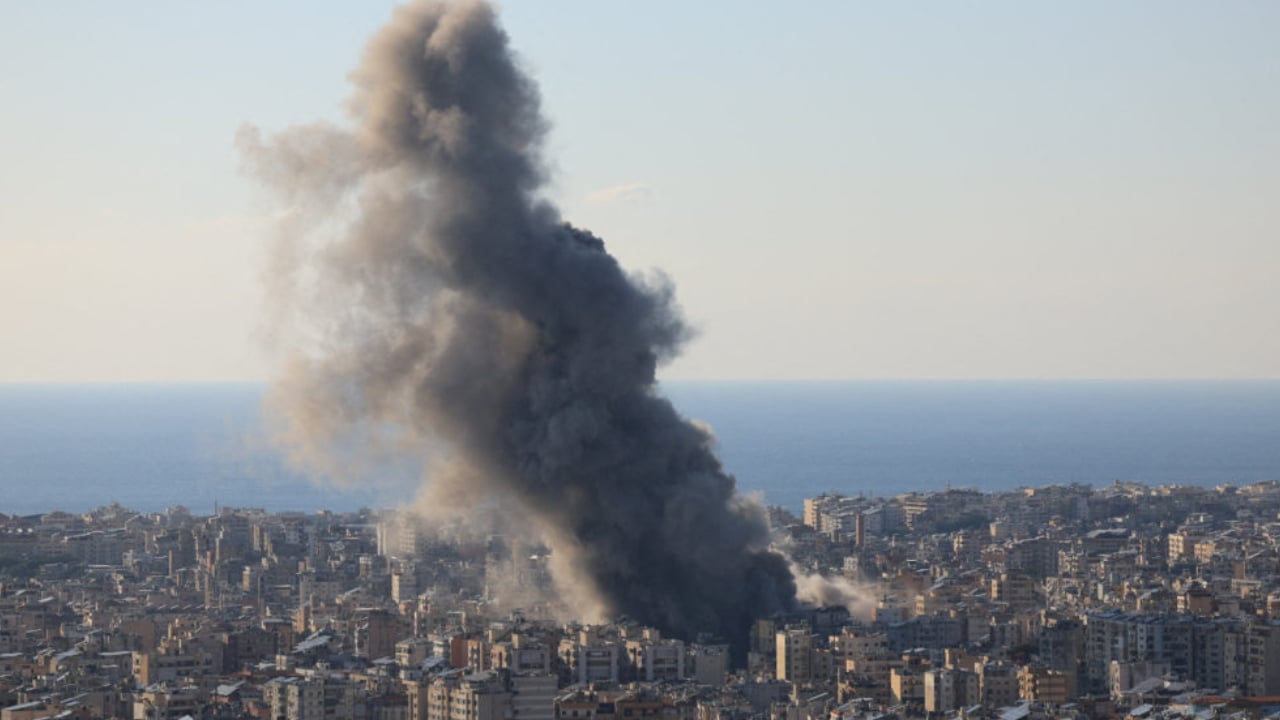
Multiple Iranian cities were struck in recent hours by airstrikes from the United States and Israel, according to Iranian media reports. One of the attacks targeted a water supply facility in Haftkel, Khuzestan province, which contained a 10,000-cubic-meter reservoir. Israeli and American warplanes also reportedly hit two universities on Saturday night, causing damage in several areas including Tabriz, Shiraz, and Hormozgan. Iran’s state news agency IRNA quoted Deputy Governor Valiollah Hayati as confirming the strike on the critical water facility. Al Jazeera’s Tehran correspondent Mohammad Val said Iran typically responds to such attacks with counterstrikes across the region, warning that the situation remains highly dangerous for civilians. The Islamic Revolutionary Guard Corps (IRGC) issued a strong statement threatening retaliatory attacks on US-linked universities across the region. The full extent of the damage in Tehran and other cities remains unclear as reports continue to emerge.
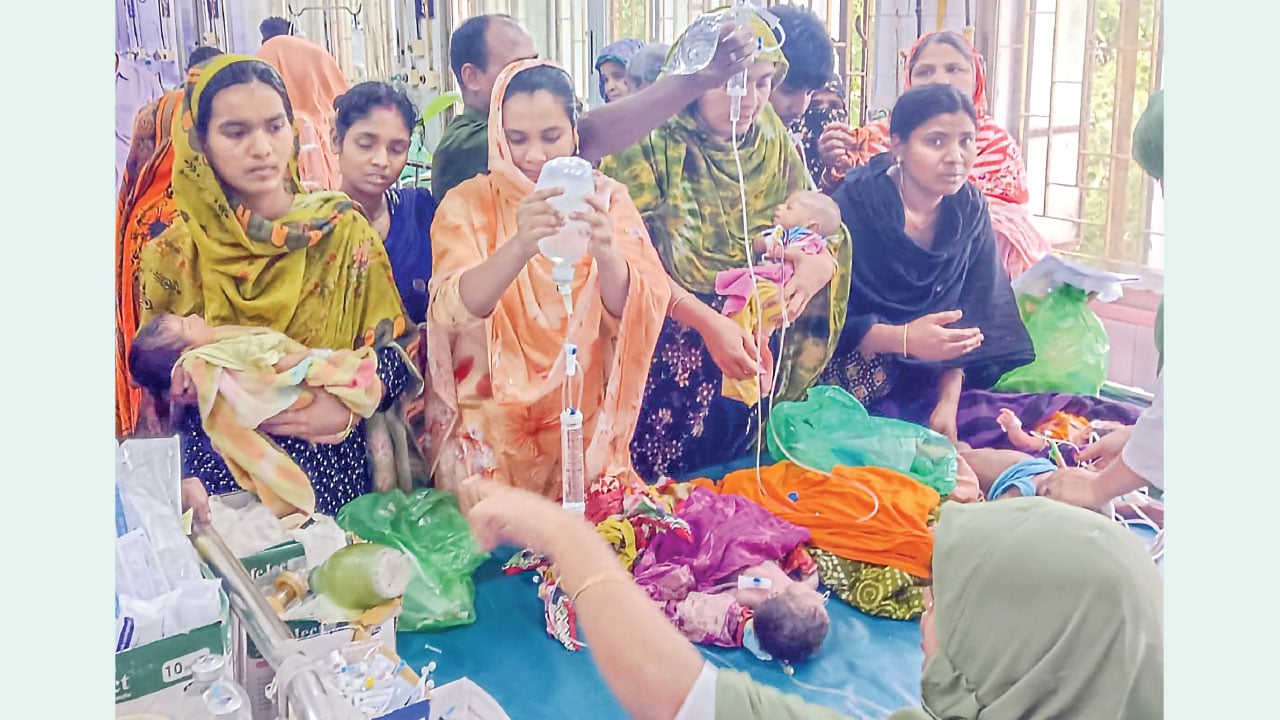
At Rajshahi Medical College Hospital in Bangladesh, 62 children have died over the past two and a half months amid a severe shortage of intensive care unit (ICU) facilities. Of these, 53 children died while waiting for ICU admission and nine after being admitted. Most of the deceased suffered from pneumonia and measles, conditions that doctors say require intensive care when complications arise. The hospital currently has only 12 ICU beds, with a few allocated for children, far below the demand. The crisis is compounded by overcrowding in the pediatric ward, where multiple children share single beds and some receive treatment on the floor. A 200-bed specialized children’s hospital, built at a cost of about 350 million taka, has remained unused for three years. Local activists and parents have criticized the authorities for failing to operationalize the facility despite repeated child deaths. Hospital officials acknowledge the shortage and cite manpower and equipment constraints. Health authorities have pledged to strengthen vaccination drives as measles cases rise, while hospital management plans to activate a new 50-bed ICU complex once staffing and equipment issues are resolved.
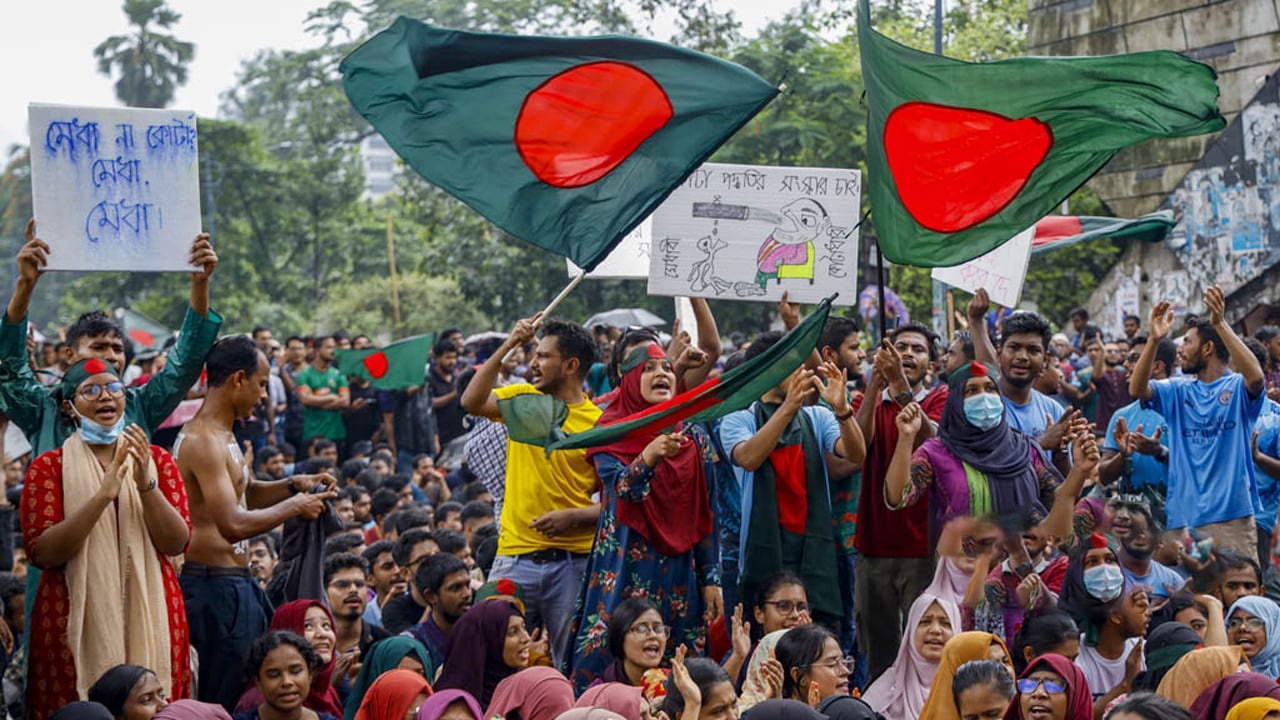
An opinion essay published on March 29, 2026, by Md. Mahmudul Hasan reflects on the 2024 July Revolution in Bangladesh, describing it as a mass student uprising against the Hasina government’s quota policy and broader authoritarian practices. The author argues that the movement emerged when students protested a discriminatory quota system limiting public sector jobs, and the government responded with violent suppression, killing around 1,500 protesters and detaining many others. The piece portrays the crackdown as a massacre and a turning point in Bangladesh’s political history. The essay situates the July Revolution within a broader context of alleged electoral manipulation, corruption, and repression during the Awami League’s rule from 2009 to 2024. It claims that students had long faced intimidation and abuse from the ruling party’s student wing, which controlled university dormitories and silenced dissent. The author contends that these conditions drove students to risk their lives for a fairer and more democratic Bangladesh. The article concludes by urging citizens to preserve the spirit of the July Revolution and pass its lessons to future generations as a defense of national sovereignty and human rights.
Following the general election held on February 12, newly elected representatives of the ruling party announced they would not take oath as members of the Constitutional Reform Council. This decision sparked a national debate over the legality of the council, which had been established under the July Charter (Constitutional Reform) Implementation Order of 2025. Critics argue that the 1972 Constitution does not grant the president authority to issue such an order and that, without a separate election, parliament members cannot serve on the council. The article explains that the July political uprising represented a constitutional moment when citizens directly asserted their sovereign power to reshape the state. It argues that the council’s legitimacy stems from this popular mandate, not merely from written constitutional provisions. The July Charter sought fundamental restructuring of state principles and institutions, changes that could not be sustained through ordinary amendment procedures due to the Supreme Court’s basic structure doctrine. The author concludes that the council’s legitimacy arises from dual mandates—both the general election and the referendum approving the reform process—reflecting the people’s sovereign will to redefine the constitutional order.
The Jamaat-e-Islami-led opposition alliance is preparing to raise two major issues—the implementation of the July Charter and the holding of local government elections—in the national parliament. Opposition MPs are expected to make the session heated today, with a preparatory meeting scheduled before the sitting. Jamaat and its allies have been demanding the enforcement of the February 12 referendum verdict, which they claim showed strong public support for constitutional reform. Opposition leader and Jamaat chief Dr. Shafiqur Rahman has warned that if parliament fails to resolve the issue, the alliance may resort to street protests. The second issue concerns the government’s recent appointment of administrators to 11 city corporations and 42 district councils, which the opposition views as an attempt to delay local elections. Jamaat leaders argue that these partisan appointments undermine democratic norms. The alliance’s 11-party coordination committee is expected to meet soon to decide on next steps, while Jamaat has nearly finalized its candidates for upcoming local polls. Several allied parties, including the National Citizens Party and Bangladesh Khelafat Majlis, have also criticized the government’s actions and announced rallies demanding swift elections and reform implementation.
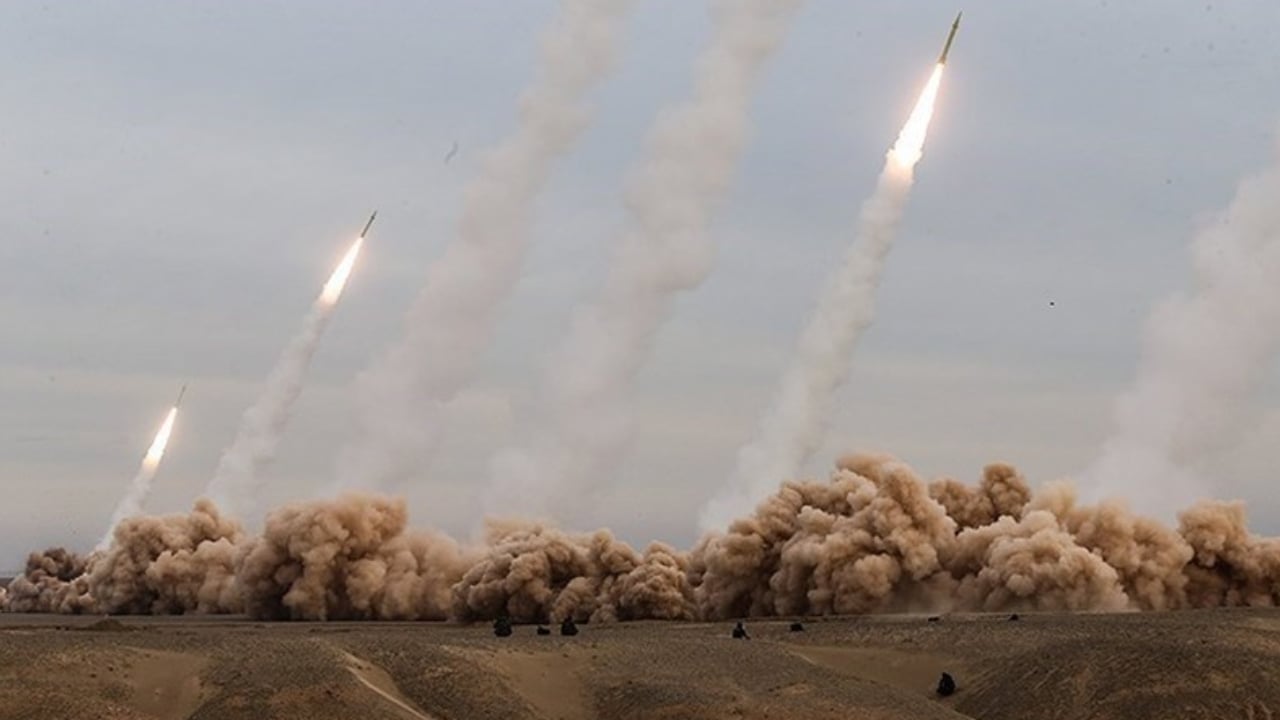
Iran has claimed responsibility for a drone strike in Dubai that allegedly destroyed a Ukrainian anti-drone weapons depot. According to a spokesperson for Iran’s Khatam al-Anbia Central Command, the attack targeted a secret U.S. military site in Dubai where Ukrainian drone defense systems were reportedly stored. The spokesperson said 21 Ukrainian drone specialists were present during the strike and are feared dead. Ukraine’s Foreign Ministry rejected the Iranian claim, calling it false. Ministry spokesperson Georgiy Tikhiy stated that Iran frequently spreads misinformation and compared its actions to those of Russia. The Iranian statement was first reported by Tasnim News Agency. The incident adds to growing tensions involving Iran, Ukraine, and the United States, though no independent confirmation of the alleged strike or casualties has been reported in the source.
The ‘1 Nojor’ media platform is now live in beta, inviting users to explore and provide feedback as we continue to refine the experience.